Pedestrian Fatalities in St. Louis: Understanding the Factors Responsible

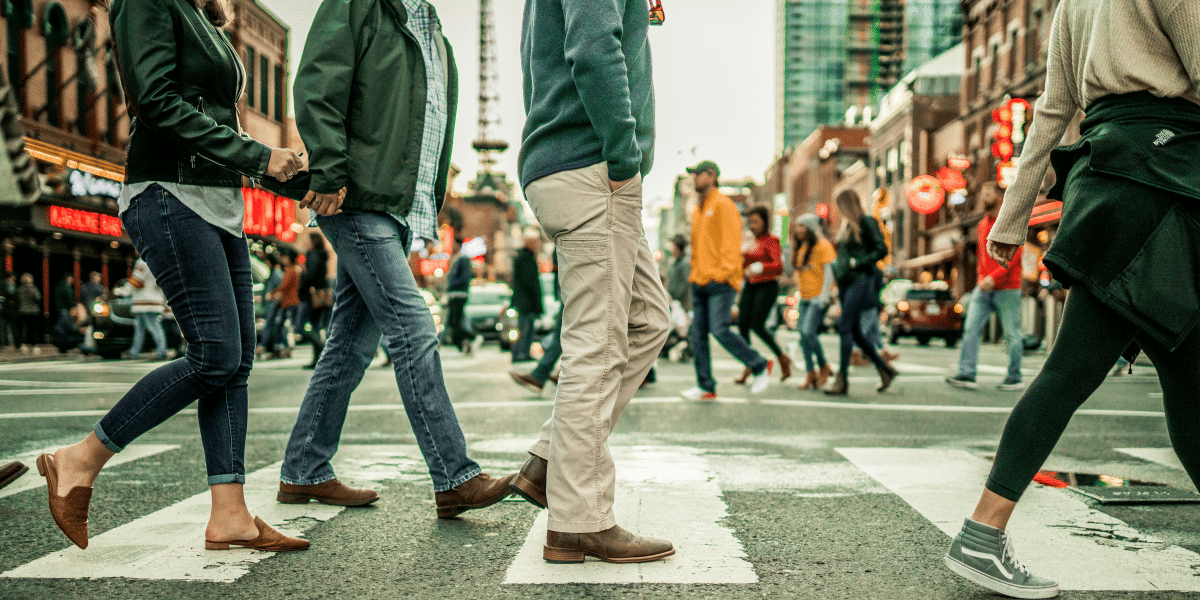
The tragic loss of life due to pedestrian accidents is a harsh reality on the streets. Statistics paint a grim picture, with fatalities showing an upward trend or remaining stubbornly high. Understanding the reasons behind these occurrences is crucial to preventing future tragedies.
This article discusses the complex factors responsible for pedestrian fatalities in St. Louis. It will We’llexplore the role of reckless driving behaviors, poorly designed infrastructure, and challenges faced by vulnerable populations.
Pedestrian Fatality Data in St. Louis
Data and trends regarding pedestrian fatalities provide crucial insights into the scope and severity of the problem. According to Fox 2, information released by St. Louis County Police indicates an alarming incidence of pedestrian fatalities, with over 30 reported deaths since 2019.
Disturbingly, four of these incidents occurred in February 2024 alone, signaling a concerning trend. Analysis reveals that a significant portion of these fatalities occur during nighttime hours, emphasizing the heightened risk pedestrians face after dark.
Residents express deep concern over the dangerous conditions. One individual highlighted the lack of regard for speed limits and traffic laws among drivers. This sentiment highlights the need to address the root causes of pedestrian fatalities in the city.
Contributing Factors to the Accident
Multiple factors contribute to pedestrian fatalities in St. Louis, encompassing driver behavior, infrastructure deficiencies, and pedestrian visibility challenges.
Driver behavior plays a significant role in pedestrian accidents. Reckless driving behaviors such as speeding, distracted driving, and driving under the influence contribute to tragic outcomes.
Speeding increases the severity of accidents and reduces drivers’ ability to react to pedestrians. Additionally, distractions like cell phone use divert attention from the road, heightening the risk of collisions.
Infrastructure deficiencies also pose significant hazards to pedestrians. Poorly designed roads, inadequate crosswalk markings or signage, and malfunctioning pedestrian signals create confusion and increase the likelihood of accidents.
Pedestrian visibility challenges exacerbate the dangers faced by pedestrians, particularly in urban environments. Parked cars and large vehicles like trucks can obstruct sightlines, making it difficult for drivers to spot pedestrians, especially at intersections. Poorly lit streets and adverse weather conditions further diminish visibility, increasing the likelihood of accidents.
Addressing these contributing factors requires a comprehensive approach, including improved enforcement of traffic laws and investment in pedestrian-friendly infrastructure.
Recent Examples of Pedestrian Fatalities in St. Louis
Recent pedestrian fatalities have underscored the urgency of addressing safety concerns on the city’s streets.
In one incident reported by USA Today, two women, identified as Laticha Bracero, 42, and Alyssa Cordova, 21, were fatally struck by a speeding driver. The incident happened as the victims crossed a road after attending a Drake concert at the Enterprise Center.
The driver ran a red light, sideswiped a vehicle, and struck the pedestrians who were walking in a crosswalk with the right-of-way.
Another devastating incident, as reported by KSDK, occurred on Halls Ferry Road in north St. Louis County, where a woman lost her life after being hit by a car. Alexandria Coleman, 28, was charged with leaving the scene of a fatal accident and driving with a suspended license.
The crash prompted St. Louis County District 6 Councilman Ernie Trakas to take action, advocating for measures to improve pedestrian safety.
Legal Recourse for Victims
Victims of pedestrian fatalities have legal avenues available to seek justice and compensation for their losses. A key resource for victims in the city is a St. Louis personal injury lawyer who specializes in representing individuals injured in accidents.
These lawyers have extensive knowledge of state and local laws and can provide invaluable guidance throughout the legal process.
According to TorHoerman Law, a personal injury lawyer can assist victims in understanding their rights and evaluating the merits of their cases. Additionally, they can pursue compensation from at-fault parties, such as negligent drivers or entities responsible for maintaining safe roadways.
Legislative Efforts to Improve Pedestrian Safety
Legislative efforts are gaining momentum, with new initiatives focusing on speed limit reductions, traffic calming measures, and enhanced enforcement. Mayor Tishaura O. Jones recently announced new legislation that will introduce automated traffic enforcement as part of the St. Louis Safer Streets initiative.
This effort aims to enhance pedestrian safety through various strategies, including engineering, enforcement, education, evaluation, equity, and encouragement.
Key highlights of the legislation include directing fine revenue toward infrastructure improvements, driver education, and program administration. Additionally, consistent evaluation and data analysis will ensure that communities of color do not face a disproportionate burden of fines and fees.
The legislation also emphasizes due process and the protection of privacy rights per criteria outlined by the Missouri Supreme Court. City officials emphasize that automated traffic enforcement tools play a crucial role in identifying reckless drivers and promoting personal accountability.
Frequently Asked Questions
What are the factors in pedestrian accidents?
Factors in pedestrian accidents include speeding, distracted driving, impaired driving, inadequate infrastructure, poor visibility, and adverse weather conditions. Addressing these factors through enhanced enforcement, infrastructure improvements, and public education is crucial.
How are pedestrians responsible for road accidents?
Pedestrians can contribute to road accidents by engaging in behaviors like jaywalking, crossing outside of designated crosswalks, or ignoring traffic signals. Distractions such as using electronic devices while walking can also impair judgment and increase the risk of accidents involving pedestrians.
How can pedestrians avoid accidents?
Pedestrians can avoid accidents by using designated crosswalks, obeying traffic signals, and making eye contact with drivers before crossing. Remaining alert and avoiding distractions like electronic devices while walking is crucial. Additionally, wearing reflective clothing in low-light conditions and staying visible to drivers can help prevent accidents.
In conclusion, preventing pedestrian fatalities in St. Louis requires a collaborative effort. Addressing the problem demands a multifaceted approach. Investing in improved infrastructure and building a culture of safe behavior through public education campaigns are all essential steps.
By acknowledging the multifaceted causes of these tragedies and promoting shared responsibility on the roads, people can work towards safer St. Louis streets and mLet’salking in the city a life-affirming experience, not a gamble with life itself.
Published by: Martin De Juan