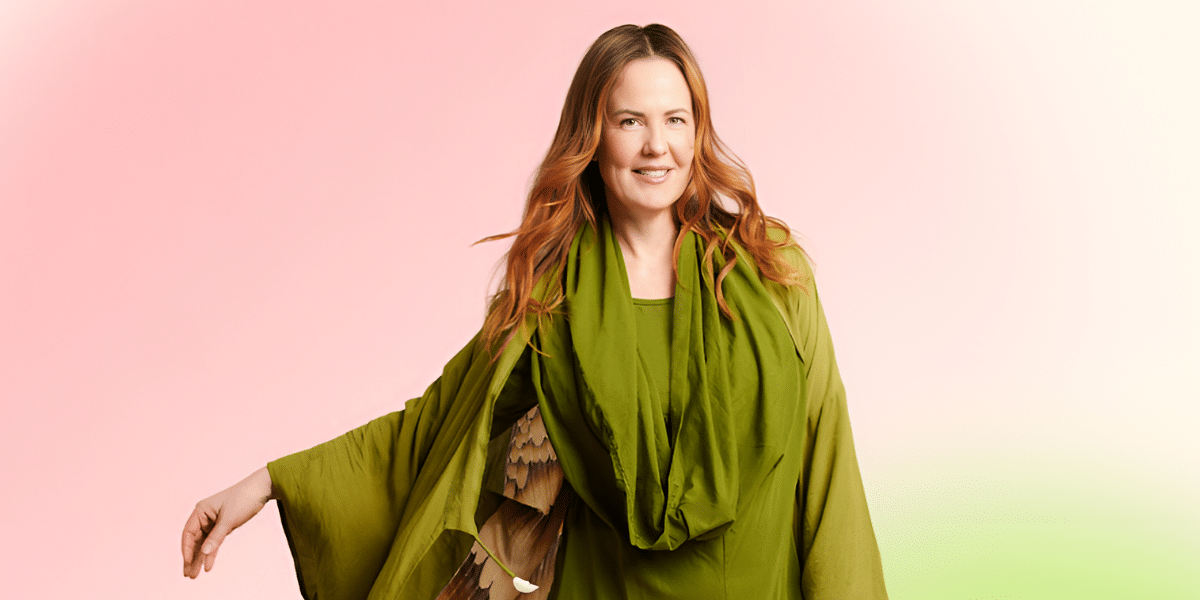
Giada Del Drago: Bridging the Gap Between Entertainment and Wellbeing

By: Zach Miller

With over 25 years of experience in film, music, and holistic health Giada Del Drago  successfully combines artistic talent with innovation and personal growth as a consultant, coach and producer.

Giada’s career began with a strong background in the arts, after earning a BA(Hons) degree in Fine Art/Film & Video from the renowned St. Martins College of Art & Design. She worked as a researcher and talent minder for MTV and Channel 4 and well as a personal assistant to several award-winning film/tv producers before founding her own companies Little Wonder Productions and Kitsch Palace Records; all whilst appearing in a leading role on the hit German TV drama “Lindenstrasse”.

Giada’s artistic journey did not stop with the bright lights of the entertainment industry. To expand her understanding of creative process and wellbeing, she immersed herself in studying the healing arts such as yoga, meditation, mindfulness, life coaching, breath work, sound healing, shamanic journeying and reiki. Her research eventually led her to the creation of Sage & Strong Experiences as a container to support empowerment, creative expression, transformation and healing through curated workshops and retreats in beautiful locations worldwide.

Sage & Strong Experiences represents Giada’s commitment to nurturing well-being by blending yoga and mindfulness with creative expression. These experiences aim to bring body, breath, movement, and nutrition together in an integral approach towards health. Activities to support inspiration, motivation and innovation include journaling, meditation, silence, detox, ecstatic dance, ritual ceremony, guest speakers and nature immersions. Creating this safe and intentional space for healing, activation and empowerment attracts a diverse global tribe of professionals, creatives and light workers. The focus being on healing mind, body and spirit by reconnecting with the deep well of knowledge within to design authentic, fulfilling and balanced lifestyles, bearing in mind that we are all constant works-in-progress.

Giada established Kind Spirit Media out of a strong desire to promote wellness and creativity. She now focuses on developing and producing “conscious content,” specializing in themes of connection, education, adventure, healing and personal growth. The production company has developed and produced an award-winning podcast series “TLC: The Light Conversations,” which explores mental health and well-being with expert speakers. The short film “Cacaoistas” made in Peru and the upcoming “Little light book” which is being published by Hay House/Balboa Press.

YoGiada offers yoga and guided meditations for people of all ages, blending traditional asanas and movement with music, poetry and philosophy to support people in finding strength, balance, healing and greater self-awareness. These keys lead to greater compassion for the self and others whilst cultivating inner peace and overall well-being. Giada contributes to the larger conversation about holistic health as the former editor of Lightening Magazine, as a film and podcast producer and as a commentator/speaker and writer.

From Sage & Strong Experiences to YoGiada and Kind Spirit Media, Giada Del Drago has found alignment through her work and lifestyle. She embodies a holistic approach to work and life balance, proving that success lies in finding authentic fulfillment, nourishing creativity and prioritizing self care. She inspires people who are searching for a greater sense of purpose in life and an alignment between their work, dreams, lifestyle and legacy.


Published by: Khy Talara
Why Authentic Representation Matters in Entertainment Media

In recent years, the call for authentic representation in the entertainment industry has grown louder, reflecting the increasing awareness of the profound impact that media has on society. Authentic representation—accurate, respectful, and diverse portrayals of characters and communities—matters not just for the individuals and groups being represented but for the broader audience as well. It influences how people perceive themselves and others, shapes cultural narratives, and can either reinforce or challenge stereotypes.

Why Authentic Representation Matters

Authentic representation in film, television, and other forms of media is crucial for several reasons. Firstly, it allows people from all walks of life to see themselves reflected on screen, which is vital for self-identity and self-esteem. For too long, many communities have been underrepresented or misrepresented in the media, leading to feelings of invisibility or misinterpretation.

For marginalized groups, seeing authentic portrayals in the media can be empowering. It can validate their experiences, provide role models, and foster a sense of belonging. For the general audience, authentic representation promotes understanding and empathy, helping to break down prejudices and misconceptions. When viewers are exposed to a diverse range of characters and stories, they are more likely to appreciate the complexities and nuances of different cultures, identities, and experiences.

The Impact on Storytelling

The lack of authentic representation can have a detrimental effect on storytelling. When characters are portrayed in a stereotypical or one-dimensional manner, it reduces the richness and complexity of narratives. Authentic representation, on the other hand, enhances storytelling by introducing diverse perspectives, cultures, and experiences that make stories more engaging, relatable, and truthful.

For instance, when LGBTQ+ characters are portrayed authentically, it not only gives visibility to the community but also allows for more nuanced and varied stories. These portrayals can explore the challenges, joys, and everyday experiences of LGBTQ+ individuals, moving beyond the clichés and tropes that have often dominated the screen.

A pertinent example of the importance of authentic representation can be seen in the portrayal of queer characters in contemporary media. Actors like Nicholas Galitzine, who have taken on roles that require sensitivity and depth, are contributing to a shift in how queer characters are portrayed. By embodying these roles with authenticity, they help challenge stereotypes and offer audiences a more accurate depiction of queer life. For more on Nicholas Galitzine’s approach to queer character portrayal, visit popnewsweekly.com.This article explores how one actor’s approach to representation is making a difference in the entertainment industry.

Challenges and Progress

While progress has been made in recent years, achieving authentic representation in the entertainment industry is not without its challenges. There is still a long way to go before diversity and authenticity become the norm rather than the exception. Some of the challenges include casting decisions that favor actors who do not belong to the communities they portray, scripts that rely on stereotypes, and a lack of diversity behind the camera, including writers, directors, and producers.

However, there are positive signs of change. The industry is becoming more conscious of the importance of representation, with more projects being developed by creators from diverse backgrounds. Additionally, there is increasing pressure from audiences and advocacy groups demanding better representation. This shift is leading to more opportunities for actors, writers, and directors from underrepresented communities to tell their own stories.

The Future of Authentic Representation

The future of authentic representation in the entertainment industry looks promising, but it requires continued effort and commitment from all stakeholders. This includes supporting diverse talent, fostering inclusive environments, and holding the industry accountable for its portrayals. It also involves audiences being critical consumers of media, supporting projects that offer authentic representation, and voicing their concerns when they see harmful or inaccurate portrayals.

As the industry continues to evolve, the hope is that authentic representation will become more prevalent, leading to a media landscape that is as diverse and multifaceted as the world we live in. Such a landscape not only enriches the art of storytelling but also contributes to a more inclusive and empathetic society.

Published by: Martin De Juan