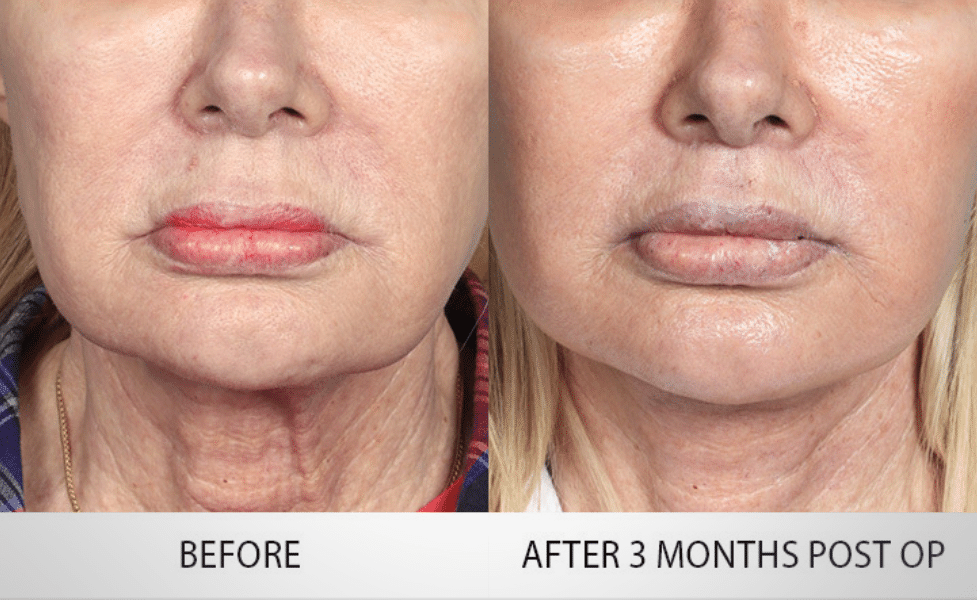
Lip Lift: Permanent Solutions for Lip Enhancement

With lips now a focal point in beauty aesthetics, a lip lift procedure has emerged as a prominent choice for achieving fuller, more youthful lips. This article explores the lip lift technique, a surgical procedure offering permanent enhancement, unlike temporary lip fillers.

What is a Lip Lift?

A lip lift is a surgical technique designed to shorten the distance between the nose and the upper lip (the philtrum), resulting in a fuller and more defined upper lip. The procedure can be tailored as either a “bullhorn” lift, which lifts the entire upper lip, or a corner lip lift, enhancing the outer lip edges for a lifted appearance. Lip lifts are often performed under local anesthesia, with incisions made just below the nostrils for minimal visible scarring.

Benefits of a Lip Lift Procedure

  1. Enhanced Definition and Proportion: Lifting the upper lip creates a more pronounced lip line, contributing to facial harmony.
  2. Youthful Appearance: By shortening the philtrum, a lip lift addresses signs of aging, creating a fresh look.
  3. Long-Lasting Results: Unlike fillers, a lip lift is a one-time procedure with enduring effects.
  4. Natural-Looking Results: The procedure reshapes the lips for a balanced enhancement, avoiding the “overfilled” look often seen with fillers.

Lip Lift vs. Lip Fillers

For individuals deciding between a lip lift and fillers, some key differences include:

  •     Longevity: A lip lift provides a permanent solution, whereas fillers require frequent touch-ups.
  •     Downtime: Lip fillers require minimal downtime, while a lip lift has a recovery period with some swelling and bruising.
  •     Customization: Lip fillers allow for flexible enhancement; a lip lift is less adaptable post-procedure.

A consultation with a qualified cosmetic surgeon will help determine the suitable option based on individual goals.

Lip Lift: Permanent Solutions for Lip Enhancement

Photo Courtesy: Aesthetic MDR

Am I a Candidate for a Lip Lift?

Ideal candidates for a lip lift typically have:

  •     A longer philtrum or thin upper lip needing more definition
  •     Good skin elasticity, aiding recovery
  •     No major health issues that could impede healing

During a consultation, your surgeon will assess these factors and advise whether a lip lift is right for you.

Recovery and Aftercare

Recovery from a lip lift involves following specific aftercare guidelines:

  •     Initial Days Post-Surgery: Use a skin-colored bandage to keep the area sterile, avoid touching the lips, and stick to soft foods to reduce strain on the area.
  •     First Week: Sutures are removed, and residual swelling and bruising continue to diminish.
  •     Long-Term Care: Sun protection and gentle skincare are essential for minimizing scarring and ensuring optimal healing.

Additional Scar Treatment Options

If scarring remains visible after recovery, treatments like laser resurfacing or microneedling can help improve scar appearance, enhancing the overall aesthetic outcome.

FAQs

  1. Is a lip lift reversible?
    No, a lip lift provides permanent results and cannot be reversed.
  2. Can a lip lift be combined with other procedures?
    Yes, it is often paired with facelifts or other rejuvenation treatments for a cohesive enhancement.
  3. Are there risks?
    As with any surgery, risks include infection or scarring, but selecting a skilled surgeon helps mitigate these.
  4. Is the procedure painful?
    The procedure involves mild discomfort managed with local anesthesia and pain medication.

In conclusion, a lip lift offers a lasting solution for individuals seeking a balanced and naturally enhanced lip appearance. Consulting with a qualified surgeon will ensure your aesthetic goals are met, providing confidence and satisfaction with the results.

Looking to achieve a naturally fuller, more youthful smile? Discover the benefits of a lip lift for a balanced, long-lasting enhancement! Read our full article for insights on why this procedure stands out from temporary solutions: Lip Lift: Permanent Solutions for Lip Enhancement

Disclaimer: This content is for informational purposes only and is not intended as medical advice, nor does it replace professional medical expertise or treatment. If you have any concerns or questions about your health, always consult with a physician or other healthcare professional.


Published By: Aize Perez

Lower Blepharoplasty: Techniques, Recovery, and Alternatives

As one of the incredibly expressive features on the face, the eyes are often the first to reveal signs of aging. Youthful eyes, defined by a smooth lid-cheek junction and fullness in the lower eyelid, create a vibrant and energetic appearance. Lower blepharoplasty, a cosmetic surgical procedure, aims to rejuvenate the lower eyelids, addressing issues like sagging skin, puffiness, and under-eye bags to restore a refreshed, youthful look.

Understanding the Aging Lower Eyelid

The aging process impacts the lower eyelids through two primary factors: loss of fat in the Suborbicularis Oculi Fat (SOOF) pad and the addition of softer tissue. Fat loss below the orbital rim creates a hollow appearance, while fat accumulation above it contributes to puffiness. This combination leads to a deepening tear trough, dynamic wrinkling, and volume loss that contribute to a tired look. Lower blepharoplasty aims to address these age-related changes by restoring the smooth transition between the eyelid and cheek.

Evolution of Lower Blepharoplasty Techniques

Modern lower blepharoplasty techniques have evolved significantly, shifting from more invasive methods to approaches that prioritize natural results with reduced recovery times.

Transconjunctival Blepharoplasty: The preferred technique today, transconjunctival blepharoplasty, involves an incision inside the eyelid, avoiding muscle disruption and minimizing external scarring. This approach preserves eyelid structure and function, offering a natural look with fewer complications.

Fat Transposition and Contouring: Instead of removing fat, modern techniques reposition and contour it to maintain volume and prevent hollowing.

CO2 Laser and Septal Reset: The use of CO2 lasers for precise incisions enhances safety and precision. The septal reset technique transposes fat into the tear trough, creating a seamless transition from eyelid to cheek.

These advanced methods have improved the outcomes of lower blepharoplasty, allowing patients to achieve more natural and lasting results with minimal risk.

Lower Blepharoplasty: Techniques, Recovery, and Alternatives

Photo Courtesy: Aesthetic MDR

Recovery and Aftercare

Lower blepharoplasty is usually performed under general anesthesia. After surgery, patients can expect swelling and bruising, which peaks within the first 48 hours. Proper post-operative care includes:

  •     Swelling Reduction: Cold compresses and keeping the head elevated to minimize swelling.
  •     Pain Management: Mild discomfort is managed with prescribed pain relievers.
  •     Hygiene and Wound Care: Gently cleaning the area prevents infection, as per the surgeon’s instructions.
  •     Follow-Up Appointments: Regular check-ins with the surgeon ensure proper healing and timely suture removal.

Full recovery can take several months, with sun protection being essential during the healing phase.

Minimizing Complications

While generally safe, lower blepharoplasty carries risks. Choosing an experienced, board-certified surgeon reduces the chance of complications, such as lower eyelid retraction or infection. Investing in a skilled professional ensures a safer, more effective outcome and minimizes the need for revision surgery.

Non-Surgical Alternatives to Lower Blepharoplasty

For those seeking rejuvenation without surgery, several non-invasive alternatives can provide improvements:

  •     Dermal Fillers: Hyaluronic acid fillers add volume to reduce hollowness and dark circles, offering quick results with minimal downtime.
  •     Botox and Dysport: These neurotoxins relax muscles around the eyes to diminish fine lines and wrinkles.
  •     Chemical Peels: Mild peels improve skin tone and texture, enhancing the area around the eyes.
  •     Laser Therapy: CO2 and fractional lasers stimulate collagen production, improving skin texture and reducing wrinkles.
  •     Microneedling: This treatment triggers collagen production, helping to firm and smooth the delicate under-eye skin.

Each option offers a unique set of benefits, from quick recovery to targeted improvements, but they require maintenance and may not provide the same lasting effects as surgery.

Conclusion

Lower blepharoplasty offers a transformative solution for those wanting to address under-eye aging and restore a youthful appearance. The evolution of techniques has made the procedure safer and more effective, with natural-looking results and shorter recovery times. For those preferring non-surgical alternatives, options like dermal fillers, laser therapy, and microneedling provide temporary improvements. Ultimately, achieving satisfying results begins with choosing a skilled, experienced practitioner who can guide patients in selecting the appropriate treatment for their needs.

Are you curious about how lower blepharoplasty can refresh your look and restore youthful eyes? Our latest article, Lower Blepharoplasty: Techniques, Recovery, and Alternatives, will help you discover cutting-edge techniques, recovery tips, and non-surgical alternatives.

Disclaimer: This content is for informational purposes only and is not intended as medical advice, nor does it replace professional medical expertise or treatment. If you have any concerns or questions about your health, always consult with a physician or other healthcare professional.


Published By: Aize Perez

Telemedicine for Nurse Practitioners: A Pathway to Private Practice Success

Telemedicine has transformed healthcare delivery, opening unique doors for nurse practitioners (NPs) to establish private practices. With rising demand for virtual care and shifting regulatory landscapes, NPs are well-positioned to expand patient access while maintaining flexible, sustainable careers.

Why Telemedicine Appeals to Nurse Practitioners

The growth of telemedicine is reshaping how healthcare reaches patients, especially those in rural or underserved areas. Nurse practitioners can provide care without the geographic constraints of traditional practices, allowing them to serve patients throughout their licensed states. This model also provides advantages such as lower overhead costs, more flexible scheduling, and added patient convenience.

Telemedicine provides a means to deliver patient-centered care remotely, allowing NPs to manage work-life balance and reach broader demographics, supporting both acute and chronic care needs.

Navigating the Regulatory Landscape

Launching a telemedicine practice requires a strong understanding of state regulations, as laws vary widely. Each state’s scope of practice—categorized as full, reduced, or restricted—determines an NP’s autonomy. States like Florida, where full practice authority is granted, allow NPs to independently assess, diagnose, and treat patients via telemedicine. Conversely, restricted states may require NPs to practice under physician supervision.

For NPs looking to serve patients across state lines, securing licensure in each state is crucial, particularly in non-compact states. Platforms like Bask Health support navigating compliance and ensuring HIPAA-compliant, secure patient interactions.

Strategizing Business Plans and Technology Choices

To ensure sustainability, NPs should develop a business plan that includes target market identification, financial planning, and technology selection. Whether focused on mental health, chronic disease management, or primary care, choosing a telemedicine platform with EHR integration, scheduling, and billing features is essential for practice efficiency.

The addition of remote monitoring tools, such as wearable devices, enables NPs to track real-time patient data, enhancing patient engagement and outcomes. Bask Health’s telemedicine platform offers these capabilities, secure video conferencing and patient engagement tools to support NPs in delivering high-quality, compliant care.

Marketing and Patient Acquisition

Establishing an online presence is essential for attracting patients to a telemedicine practice. Optimizing the website with SEO-focused content and offering resources on telemedicine’s benefits can drive engagement. Social media and targeted Google Ads can expand reach, enabling NPs to connect with patients seeking telehealth services.

Building referral networks with other healthcare providers and partnerships with local businesses strengthens patient acquisition efforts. Bask Health assists NPs in managing patient interactions and referral processes, helping to streamline administrative tasks.

Future Growth for Telemedicine Practices

With the foundation, NPs can expand services by offering group telehealth sessions, adding specialized care options, or collaborating with other healthcare professionals. This approach broadens service offerings and supports scaling the practice to meet growing patient needs.

Telemedicine presents an evolving landscape of opportunity for nurse practitioners, enabling them to create impactful, patient-focused private practices with flexibility and reach.

Discover the roadmap to launching your telemedicine practice. Telemedicine for Nurse Practitioners: Building a Successful Private Practice reveals essential steps for potential success, from navigating regulations to choosing the right tech. Start building a flexible, patient-centered practice today.

Published by: Nelly Chavez