How Music Shapes and Amplifies Social Justice Movements

Music has long been intertwined with the human experience, reflecting society’s struggles, triumphs, and aspirations. Throughout history, music has served as a unifying force in social justice movements, giving voice to the voiceless, providing solace in times of hardship, and mobilizing communities for change. Its power lies in its ability to transcend barriers, delivering messages that resonate deeply across cultural, linguistic, and geographic divides. From folk ballads to hip-hop anthems, music continues to amplify the fight for justice, equality, and freedom. This article explores the ways music has shaped social justice movements, its functions in activism, and its enduring legacy in the pursuit of change.

Read also: The Progress of Representation in Music Over the 2020s

Historical Context: Music as a Force in Social Movements

Music’s role in social justice movements is deeply rooted in history, with powerful examples spanning centuries and continents.

The Civil Rights Movement

The Civil Rights Movement of the 1950s and 1960s is perhaps the most iconic example of music’s role in social justice. Songs like “We Shall Overcome,” “A Change Is Gonna Come” by Sam Cooke, and “Oh Freedom” became anthems that united protesters and galvanized their resolve. These songs were sung during marches, sit-ins, and rallies, offering emotional strength and a sense of shared purpose. Gospel music, deeply rooted in African American churches, also played a significant role, with artists like Mahalia Jackson inspiring crowds with her powerful voice and heartfelt performances.

The Anti-Apartheid Movement

In South Africa, music was a critical tool in the fight against apartheid. Artists such as Hugh Masekela, Miriam Makeba, and Johnny Clegg used their music to protest racial segregation and call for freedom. Songs like Masekela’s “Bring Him Back Home” and Makeba’s “Nkosi Sikelel’ iAfrika” became global symbols of resistance, rallying support for the movement and spreading its message internationally.

Labor Movements and Union Struggles

Folk songs like “Which Side Are You On?” and “Solidarity Forever” were central to labor movements, particularly during the early 20th century. These songs, often sung during strikes and picket lines, highlighted the struggles of workers and emphasized the importance of unity. Woody Guthrie’s “This Land Is Your Land” became a protest anthem advocating for economic justice and equality.

Functions of Music in Social Justice Movements

Music’s ability to evoke emotion, communicate complex ideas, and unify people makes it a powerful tool for activism. Its functions in social justice movements are as varied as the causes it supports.

Mobilization and Unity

Music has an unparalleled ability to bring people together, fostering a sense of community and shared purpose. Protest songs and anthems create a collective identity among activists, encouraging participation and solidarity. Singing together during marches and rallies amplifies voices and creates a sense of empowerment, turning individual struggles into a collective force for change.

Emotional Expression and Healing

Music serves as an outlet for expressing the emotions tied to social struggles—anger, grief, hope, and resilience. These emotional connections inspire individuals to take action and sustain their commitment. Billie Holiday’s haunting rendition of “Strange Fruit,” which addresses the horrors of lynching, is a powerful example of how music can evoke profound emotional responses and spark action.

Communication and Messaging

Music is a universal language that can convey powerful messages in ways that resonate deeply. Protest songs distill complex socio-political issues into accessible and memorable forms, making them relatable to diverse audiences. For example, Bob Marley’s “Get Up, Stand Up” continues to inspire movements for equality and human rights worldwide.

Genres and Their Contributions to Activism

Different musical genres have contributed uniquely to social justice movements, reflecting the diverse ways music can address injustice.

Folk Music: The Voice of the People

Folk music has long been associated with social justice movements, particularly during the mid-20th century. Artists like Woody Guthrie, Pete Seeger, and Joan Baez used their music to address issues such as labor rights, civil rights, and anti-war activism. Songs like “This Land Is Your Land” and “If I Had a Hammer” became rallying cries for justice, highlighting the power of simple melodies and relatable lyrics to inspire change.

Hip-Hop: A Platform for Marginalized Voices

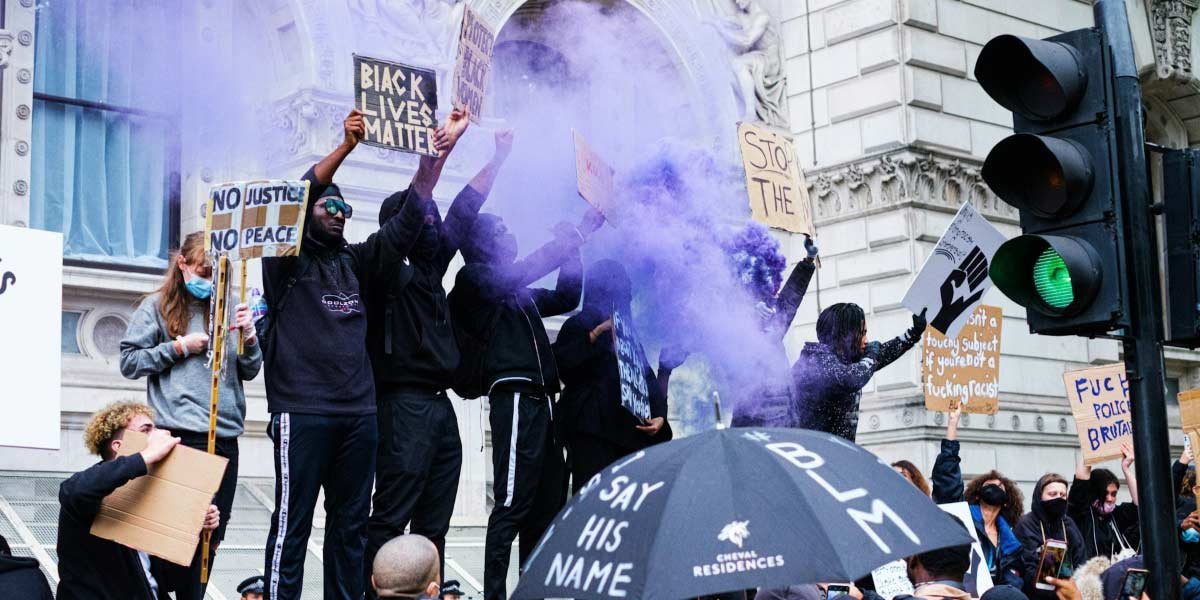
Emerging from the streets of marginalized communities, hip-hop has become one of the most powerful genres for addressing systemic injustice. Artists like Public Enemy, Tupac Shakur, and Kendrick Lamar have used their music to highlight issues like police brutality, racial inequality, and economic disparity. Tracks like Public Enemy’s “Fight the Power” and Lamar’s “Alright” have become anthems for movements like Black Lives Matter, amplifying the voices of those fighting for change.

Rock and Punk: Rebellion and Resistance

Rock and punk music, known for their rebellious spirit, have also played significant roles in social justice movements. Bands like U2, Rage Against the Machine, and The Clash have used their music to protest war, corruption, and inequality. Songs like U2’s “Sunday Bloody Sunday” and Rage Against the Machine’s “Killing in the Name” continue to resonate as calls to action against injustice.

Contemporary Examples: Music in Modern Movements

In the 21st century, music remains a vital force in social justice, reflecting the challenges and aspirations of contemporary society.

Black Lives Matter Movement

The Black Lives Matter (BLM) movement has been deeply intertwined with music, with songs like Kendrick Lamar’s “Alright” and Childish Gambino’s “This Is America” serving as powerful anthems. These tracks address issues of systemic racism and police brutality, resonating with audiences worldwide. Artists such as Beyoncé, J. Cole, and H.E.R. have also contributed works that amplify the movement’s message, using their platforms to spark conversations and inspire action.

#MeToo Movement

The #MeToo movement has inspired a wave of empowering music that addresses gender-based violence and advocates for women’s rights. Songs like Kesha’s “Praying” and Lady Gaga’s “Til It Happens to You” resonate deeply with survivors, offering solace and solidarity while amplifying calls for accountability and cultural change. These songs highlight the power of music to transform personal pain into collective strength.

Climate Justice and Environmental Advocacy

Artists are increasingly using their music to address environmental issues and advocate for climate justice. Tracks like Joni Mitchell’s “Big Yellow Taxi” and Billie Eilish’s “All the Good Girls Go to Hell” draw attention to the urgency of protecting the planet, encouraging listeners to take action against environmental degradation.

Challenges and Critiques of Protest Music

While music has been a powerful tool for social justice, it is not without challenges and critiques.

Commercialization of Protest Music

As protest music gains popularity, there is a risk of it being co-opted by mainstream industries. Commercialization can dilute the original message, turning songs into marketable commodities rather than instruments of change. For instance, songs with revolutionary roots are sometimes used in advertising campaigns, disconnecting them from their activist origins.

Censorship and Suppression

In many parts of the world, protest music faces censorship and suppression. Authoritarian regimes often target musicians who use their art to criticize the government, silencing dissenting voices. Artists like Pussy Riot in Russia and Fela Kuti in Nigeria have faced persecution for their activism, highlighting the risks musicians take when using their platforms for social justice.

Read also: The Rise of Nu Metal: Exploring Its Unmatched Appeal in the Early 2000s

Music as a Catalyst for Change

Music has been, and continues to be, a powerful catalyst for social justice movements. Its ability to unite, inspire, and educate makes it an indispensable tool for activists seeking to create meaningful change. From the spirituals of the abolitionist movement to the anthems of Black Lives Matter, music transcends boundaries, connecting people through shared experiences and aspirations.

As society evolves, so too will the ways in which music amplifies social justice movements. By preserving its authenticity and staying rooted in the struggles it seeks to address, music will remain a vital force in the fight for equality, freedom, and human rights. Whether through folk ballads, hip-hop verses, or haunting melodies, music will continue to resonate as a universal call for justice.

Why Hollywood Actors Turn to Theater: Exploring the Motivations

Hollywood actors often enjoy fame and fortune in the film industry, yet many choose to return to the theater stage. This decision might seem puzzling given the differences in scale and audience, but there are several compelling reasons why Hollywood actors turn to theater. This article explores these motivations, including artistic fulfillment, skill development, personal passion, and career diversification.

Artistic Fulfillment with Theater

Theater offers a unique form of creative freedom that is often missing in the film industry. On stage, actors have the opportunity to explore their characters in depth, with the added benefit of live audience feedback. This immediate connection allows actors to experiment with their performance in real-time, leading to a more authentic and fulfilling artistic experience.

Theater is known for its complex and challenging roles that can provide actors with a richer acting experience. Classic plays by Shakespeare, Chekhov, and modern playwrights often offer characters with deep psychological layers. Hollywood actors are drawn to these roles for the opportunity to showcase their range and talent in a demanding yet rewarding environment.

Skill Development

Theater requires a different set of skills compared to film acting. On stage, actors must project their voice, use exaggerated movements, and maintain consistent performance throughout the show. This intense practice helps actors hone their craft, improving their overall acting abilities and making them more versatile performers.

Performing live in front of an audience is a rigorous test of an actor’s abilities. It requires quick thinking, adaptability, and a high level of concentration. Hollywood actors often turn to theater to refine these skills, as the experience of live performance can significantly enhance their capabilities and confidence.

Personal Passion

Many Hollywood actors start their careers in theater and retain a lifelong passion for the stage. Returning to theater can be a deeply personal decision driven by a love for the art form. The unique atmosphere of live theater, with its direct interaction between actors and audience, provides a level of engagement that film sets cannot match.

For some actors, theater represents a return to their artistic roots. Performing on stage allows them to reconnect with the foundational aspects of their craft. This connection can be both nostalgic and grounding, offering a sense of continuity and fulfillment that complements their work in film.

Career Diversification

Diversifying their career by working in theater allows Hollywood actors to broaden their professional horizons. Theater roles can open up new opportunities and lead to collaborations with renowned directors and playwrights. This diversification helps actors avoid being typecast and keeps their career dynamic and evolving.

Success in theater can enhance an actor’s credibility and reputation. Theater is often viewed as a purer form of acting, with a strong emphasis on talent and skill. Achieving recognition on stage can bolster an actor’s profile and lead to greater respect within the industry. This credibility can also translate to more prestigious film roles.

Immediate Gratification

One of the unique aspects of theater is the immediate feedback from a live audience. Hollywood actors often appreciate the instant gratification that comes from hearing applause and seeing the audience’s reaction to their performance. This direct connection can be highly motivating and rewarding, providing a sense of accomplishment that is different from the delayed feedback of film.

Every theater performance is slightly different due to the live nature of the medium. This dynamic environment keeps actors on their toes and makes each show a unique experience. Hollywood actors enjoy the spontaneity and challenge of delivering consistent yet fresh performances every night.

Professional Networking

Theater allows actors to build relationships with influential figures in the performing arts community. Collaborating with respected theater directors, playwrights, and fellow actors can lead to new opportunities and projects. These connections are valuable for career growth and can enhance an actor’s standing in both the theater and film industries.

Working in theater exposes actors to different production techniques and artistic perspectives. This exposure broadens their skill sets and enhances their versatility as performers. Hollywood actors benefit from this expanded knowledge, which can inform their work in film and lead to innovative approaches in their craft.

The decision for Hollywood actors to turn to theater is multifaceted, encompassing artistic fulfillment, skill development, personal passion, career diversification, immediate gratification, and professional networking. Theater offers a unique platform for actors to explore their craft deeply, engage with live audiences, and enhance their professional credentials. Understanding these motivations provides insight into the enduring appeal of theater for Hollywood’s brightest stars.

Major Studios Adjust to Economic Realities with Layoffs

As 2024 unfolds, major studios in the entertainment industry are grappling with a new economic landscape, leading to significant layoffs across sectors. These changes reflect a broader shift in response to global economic pressures, industry-specific challenges, and the need to adapt to evolving market trends. Studios such as Amazon’s Prime Video, MGM, and major players in the gaming industry are restructuring to streamline operations, cut costs, and refocus on high-priority projects. This article explores the reasons behind these layoffs and how studios are adjusting to current economic realities.

Economic Pressures and Shifts in Industry Demands

One of the primary drivers behind the recent wave of layoffs is the growing economic pressure across the entertainment industry. Major studios are navigating rising costs, slower-than-expected growth, and post-pandemic corrections. During the COVID-19 pandemic, there was a significant boom in digital media consumption, streaming services, and video game engagement. Studios expanded aggressively to meet this demand, hiring additional staff and investing heavily in new projects. However, as market trends began to return to pre-pandemic norms, the rapid expansion became unsustainable.

For example, Amazon’s Prime Video and MGM Studios have recently implemented layoffs as part of broader restructuring efforts. In a memo, Amazon highlighted the need to reduce investments in certain areas while focusing on high-impact content and product initiatives. This shift is a direct response to the changing demands of the entertainment industry, where studios are now prioritizing profitability and sustainability over expansion.

Similarly, the gaming industry has experienced its share of layoffs. Rising development costs for AAA titles and changes in consumer preferences have forced many gaming studios to shut down or cancel projects. Companies like Sony and Warner Bros. are pivoting toward mobile and live-service games, which require fewer resources and provide more sustainable revenue streams.

Internal Restructuring and Cost-Cutting Strategies

In addition to external economic pressures, many studios are engaging in internal restructuring to streamline operations and reduce costs. This process often involves eliminating non-essential roles, merging departments, and narrowing the focus of their content production pipelines. Studios are also reevaluating the profitability of various projects, cutting underperforming initiatives, and concentrating on areas that align with long-term growth strategies.

For example, Paramount recently announced a major restructuring effort that involves shutting down its television studio and laying off around 15% of its workforce. These moves are part of an aggressive cost-cutting strategy aimed at saving $500 million annually. Similar restructuring efforts are occurring across the industry, with many companies reassessing their approaches to content production and distribution.

Impact on Employees and the Broader Industry

The layoffs have had a significant impact on employees across the entertainment industry. From programmers and designers in the gaming sector to creatives and executives in film and television, thousands of workers have been affected. For many, these layoffs represent a difficult period of uncertainty, with studios offering severance packages, transitional benefits, and job placement support to ease the burden.

While large corporations may have the resources to weather the storm, smaller studios have been particularly hard-hit. Many small and independent studios have had to close their doors entirely due to rising costs and the inability to compete with larger, more established companies. This shift is leading to a consolidation of power among the biggest players in the industry, further reducing opportunities for innovation and diversity in content creation.

Strategic Refocusing and the Future of Entertainment

Looking forward, the entertainment industry is entering a “reset phase.” Many studios are refocusing on areas that promise steady revenue growth and long-term sustainability. For instance, Electronic Arts has emphasized its commitment to owned intellectual properties, sports franchises, and massive online communities. These areas align with consumer trends and offer more predictable revenue streams compared to riskier, high-budget projects​.

Similarly, the shift toward mobile gaming, live-service games, and streaming content is reshaping the industry. Studios are investing in platforms that allow them to continuously engage with their audiences and generate recurring revenue, reducing reliance on traditional one-off blockbuster releases. This shift in strategy is likely to define the future of the industry, as studios strive to balance creativity with economic realities.

The wave of layoffs in major studios across the entertainment industry in 2024 is a direct response to evolving economic pressures and industry-specific challenges. From restructuring at Amazon Prime Video and MGM Studios to the closure of smaller gaming studios, the entertainment landscape is undergoing a significant transformation. While these layoffs are difficult for those affected, they also signal a broader shift toward more sustainable and focused business models within the industry.

As studios continue to adapt, they are likely to prioritize projects with long-term growth potential, such as mobile and live-service games, and leverage established intellectual properties. The industry’s ability to navigate these economic realities will shape the future of entertainment, ensuring its resilience in a rapidly changing world.

Why Voice Actors Are Often Overlooked in Favor of Celebrities in Animation

Voice actors play a crucial role in bringing animated characters to life, yet they often find themselves overshadowed by big-name celebrities in animation projects. This article explores why voice actors get overlooked in favor of big names in animation, examining industry trends, marketing strategies, and the impact on both the animation industry and the actors themselves.

The Appeal of Big Names

One of the primary reasons big names are favored over professional voice actors is their significant marketing appeal. Celebrities have a built-in fan base that can attract a wider audience to an animated film or series. The association of a popular actor with a character can drive ticket sales, increase viewership, and generate buzz, which is crucial for the commercial success of a project.

Big-name celebrities bring star power that professional voice actors often lack. Their involvement in an animation project can lead to extensive media coverage, including interviews, promotional tours, and social media mentions. This increased visibility helps to elevate the profile of the project and can lead to higher engagement from the audience.

Industry Trends and Practices

The entertainment industry is deeply rooted in celebrity culture. Studios and producers often believe that attaching a well-known name to a project adds credibility and prestige. This trend extends to animation, where the perceived glamor of celebrity involvement is thought to enhance the overall appeal of the film or series.

Hiring big-name celebrities can be a strategic financial decision. Despite their higher fees, the potential return on investment can be substantial. Celebrities can draw in not only larger audiences but also lucrative merchandising and cross-promotional opportunities, which can offset their initial cost.

The Impact on Professional Voice Actors

The preference for celebrities in major animation projects limits opportunities for professional voice actors. These actors, who have honed their craft and possess unique vocal talents, often find themselves competing for fewer roles. This situation can lead to frustration and a sense of undervaluation within the industry.

Professional voice actors may also face typecasting, where they are repeatedly cast in similar roles, limiting their ability to showcase their range and versatility. This can stifle their career growth and reduce their chances of landing high-profile projects that could elevate their status in the industry.

Audience Perception and Experience

While celebrities can bring significant attention to an animated project, their performances may not always match the quality delivered by seasoned voice actors. Professional voice actors are trained to convey emotion, character depth, and nuance solely through their voices, often resulting in more authentic and compelling performances.

Audiences accustomed to high-quality voice acting may feel disappointed when a celebrity’s performance does not meet these standards. The expectation of stellar vocal performances in animation means that casting decisions should prioritize talent and suitability for the role over star power alone.

Examples of Successful Voice Acting

There are numerous examples of professional voice actors who have become iconic through their work. Actors like Mel Blanc, known as “The Man of a Thousand Voices,” and Tara Strong, who has voiced countless beloved characters, demonstrate the lasting impact that skilled voice acting can have on animation.

Some successful animated projects have struck a balance by featuring both big-name celebrities and professional voice actors. This approach can leverage the marketing benefits of celebrity involvement while ensuring high-quality performances. Films like “Shrek,” which features both Mike Myers and Eddie Murphy, exemplify this balanced casting strategy.

The Future of Voice Acting in Animation

There are signs that the industry may be slowly shifting towards greater recognition of voice actors. As audiences become more discerning and vocal about the quality of voice performances, studios may begin to prioritize talent and experience over star power. Additionally, the rise of streaming platforms and independent animation projects offers new opportunities for professional voice actors.

Efforts to advocate for voice actors and raise awareness about their contributions to the industry are growing. Organizations such as the Voice Actors Network and initiatives within the entertainment industry aim to highlight the importance of skilled voice work and promote fair recognition and opportunities for voice actors.

Voice actors often get overlooked in favor of big names in animation due to the marketing appeal, star power, and financial considerations that celebrities bring. However, this trend has significant implications for professional voice actors and the overall quality of animated projects. As the industry evolves and audiences become more attuned to the nuances of voice performances, there is hope for greater appreciation and opportunities for voice actors. Balancing celebrity involvement with skilled voice acting can lead to richer, more compelling animated stories that resonate with viewers.

How Live Events Attracts Customers for Sports Bars

Sports bars have long been places where fans gather to enjoy the thrill of live sports in an engaging and energetic atmosphere. One of the key ways sports bars draw in customers and keep them coming back is through live events. By showcasing live games, hosting special promotions, and fostering a sense of community, sports bars can significantly enhance their appeal to customers. This article explores how live events create a magnetic pull for sports bars, contributing to their success.

Read also: Why Starting a Studio for Rent Makes for a Good Entrepreneurial Venture

Enhanced Customer Experience

The core appeal of any sports bar is the shared experience of watching live sports in a lively and social environment. Live events elevate this experience, offering more than just a casual viewing of a game. They provide an atmosphere that makes people feel part of something bigger.

Immersive Atmosphere

When a live sports event is on, the energy in the room shifts. The collective excitement of watching a game with fellow fans, reacting in real time to thrilling moments, creates an electrifying atmosphere that can’t be replicated at home. Fans cheer together, groan at close calls, and celebrate victories, making it an unforgettable experience. Sports bars are perfectly positioned to provide this shared environment, drawing patrons who want to be part of the excitement.

Exclusive Viewing Opportunities

Sports bars often cater to sports fans who may not have access to exclusive games at home. Many events, particularly international matches or specialized sports, are often only available on premium channels or pay-per-view. By broadcasting these events in a bar setting, sports bars provide an opportunity for fans to watch the game they love in high-definition without needing to invest in expensive subscriptions. These exclusive viewing opportunities draw fans who wouldn’t otherwise have a venue to watch these events.

Increased Revenue Streams

Hosting live events doesn’t just increase foot traffic—it directly impacts a sports bar’s bottom line by boosting sales and creating additional revenue streams.

Special Promotions

Live events are the perfect occasion for sports bars to introduce food and beverage deals designed to attract more customers. Offering game-day specials, such as discounted wings, beer pitchers, or combo deals, can entice fans to spend more time in the bar. These promotions drive revenue by encouraging customers to buy more food and drinks as they settle in for the game. Additionally, cover charges for special or high-profile events can further increase profitability, ensuring that even those who are only in for a short time contribute to the bar’s earnings.

Extended Patronage

Live sports events also encourage longer visits. Fans typically arrive before the game starts to grab a good seat, and they often stay after the game ends, either to celebrate or discuss the outcome. This extended patronage allows bars to serve more customers for a longer period, increasing overall sales. Group bookings are another great example of how live events create revenue opportunities, as sports bars can offer packages for fans coming in groups, whether for corporate outings, birthdays, or game parties.

Community Engagement

Live events are not just about increasing sales—they also help foster a sense of community. When fans gather to watch their favorite teams, it can create a strong bond between them and the sports bar, encouraging repeat visits and building customer loyalty.

Building Loyalty

Sports bars that host regular live events can establish themselves as local hubs for fans. Whether it’s weekly football nights, regular screenings of major leagues, or viewing parties for local teams, these consistent events can cultivate loyalty. When customers feel like they belong to a community of like-minded individuals, they’re more likely to return, not just for the games but for the social experience. This kind of loyalty can transform a one-time visitor into a regular patron, a key factor in long-term success for sports bars.

Interactive Experiences

Engagement doesn’t stop at watching the game. Many sports bars take it a step further by offering interactive experiences such as live commentary, fan contests, or trivia games. For instance, a sports bar might host a halftime trivia challenge or a prediction contest where customers can win prizes. These activities make the event more engaging and fun, turning a regular night out into a memorable social experience that people want to return to.

Effective Marketing and Promotion

The power of live events also lies in their ability to be marketed effectively. From social media campaigns to email newsletters, sports bars can leverage these events to generate buzz and draw in new customers.

Event Marketing

Sports bars are in a prime position to take advantage of event marketing. By promoting live events ahead of time, through targeted advertising across social media, local print, and email newsletters, sports bars can ensure their target audience is aware of the events. This kind of promotion is critical in attracting fans who are specifically looking for a place to watch the game. With social media amplifying the buzz, the events can quickly gain traction, encouraging people to come out for a good time.

Brand Positioning

Sports bars can also use live events as a way to position themselves within the local market. For example, a sports bar may brand itself as the ultimate destination for a particular team or sport, such as “The Home of the Dallas Cowboys in [City].” This kind of branding can solidify the bar’s reputation as the go-to place for fans of a certain team or sport, bringing in customers who want to watch games surrounded by other passionate fans.

Diversification of Offerings

To appeal to a broader audience, sports bars can diversify their live event offerings beyond just mainstream sports.

Variety of Sports Coverage

One way sports bars attract a wider audience is by broadcasting a variety of sports events. Fans of less mainstream sports, such as rugby, cricket, or motorsports, can feel included when these events are regularly shown. By catering to multiple interests, sports bars expand their customer base and ensure that no fan feels left out.

Additional Entertainment

Sports bars don’t have to limit their live events to just sports. By hosting additional entertainment such as live music, comedy nights, or karaoke after major sporting events, they can keep the atmosphere lively even after the game ends. This diversification of offerings creates opportunities for more foot traffic and gives customers more reasons to stay and socialize.

Read also: Building Dreamscapes: Is There Room for You in Hollywood Set Design?

Operational Considerations

Running successful live events requires efficient operations, including well-trained staff and a comfortable, well-maintained venue. It’s crucial that sports bars have the operational infrastructure to handle large crowds, especially during high-profile live events.

Staff Training

Sports bars must train their staff to handle the unique challenges of hosting live events. During high-traffic periods, the staff should be able to provide efficient service while maintaining the lively atmosphere that makes the bar an attractive destination. Knowledgeable staff who are enthusiastic about the events can also improve the overall experience for patrons, making them feel more connected to the environment.

Facility Management

Equally important is the physical space. Sports bars must ensure that their venue is well-suited for live events, with comfortable seating arrangements, excellent sightlines to screens, and high-quality audiovisual equipment. Bars with large screens, high-definition broadcasts, and top-notch sound systems enhance the viewing experience, making patrons more likely to return for future events.

Live events are a cornerstone of the sports bar experience, providing both immediate and long-term benefits for businesses. They not only attract customers by offering a fun, immersive experience but also create additional revenue streams through promotions, group bookings, and extended visits. By fostering community engagement, effectively marketing events, diversifying their offerings, and ensuring smooth operations, sports bars can maximize their success and remain popular destinations for sports fans. With the right strategy, live events can transform a sports bar into a vibrant, thriving hub for fans and customers alike.

Why Choosing the Right Editor is Crucial for Your Production

The world of filmmaking and video production can be glamorous. From the initial spark of an idea to the final cut gracing the silver screen, the creative process is exciting and rewarding. However, behind the glitz resides a crucial, often unseen figure: the editor.

Editors play an invisible yet vital role in transforming raw footage into a cohesive and impactful story. Choosing the right editor can make or break your production, significantly influencing its quality and audience reception. This article explores the importance of selecting the perfect editor for your project, considering factors like skillset, experience, and creative vision.

The Editor’s Expertise: Weaving Magic from Chaos

Editors are the master storytellers of the post-production world. They meticulously sift through hours of footage, selecting the most compelling moments and weaving them into a narrative that resonates with viewers. Their skillset encompasses a vast array of abilities, including:

  • Technical Proficiency: Mastering editing software is a must. Editors need to be adept at using industry-standard editing programs to assemble footage, add transitions, and manipulate sound.
  • Storytelling Acumen: A keen eye for narrative structure is essential. Editors identify the emotional arc of the story and arrange the footage to create a clear and engaging sequence of events.
  • Pacing and Rhythm: Editors understand the power of pacing. They control the tempo of the story, ensuring a balance between fast-paced action sequences and slower moments of emotional build-up.
  • Visual Acuity: An editor’s keen eye for detail ensures a visually polished final product. They identify and correct inconsistencies in framing, lighting, and color to create a seamless viewing experience.

These skills combine to transform a collection of raw footage into a captivating story. A skilled editor can elevate even the most basic production, while a poor choice can leave a masterpiece on the editing room floor.

Finding the Perfect Match: Considering Skillset and Experience

Selecting the right editor requires careful consideration. Here are some key factors to explore:

  • Genre Expertise: Editors often specialize in specific genres, such as documentaries, comedies, or action films. Look for an editor with experience working on projects similar to yours. Their understanding of the genre’s conventions and audience expectations will be invaluable.
  • Technical Capabilities: Editors should be proficient in the editing software you’re using or willing to learn it quickly. Compatibility with your workflow is essential for a smooth post-production process.
  • Portfolio Review: A strong portfolio showcases an editor’s skills and storytelling abilities. Look for past projects that resonate with your vision and demonstrate the kind of work you desire for your production.
  • Communication Style: Editors will be your close collaborators throughout post-production. Choose someone with excellent communication skills who can effectively understand your vision and translate it into the final product.

By carefully evaluating these aspects, you can find an editor who complements your project and becomes a valuable asset to your team.

Aligning Visions: Collaboration is Key

A successful editing process hinges on a strong collaborative relationship between the editor and the director (or producer). Clearly communicate your vision for the project, including the desired tone, pacing, and emotional impact.

An editor who actively listens to your feedback and brings their own creative ideas to the table can elevate your project to new heights. Look for someone who can challenge your assumptions and offer new perspectives while respecting your overall vision.

Beyond the Edit: The Lasting Impact of a Great Editor

The impact of a skilled editor extends far beyond the technical aspects of post-production. A great editor can:

  • Strengthen Your Story: By identifying weaknesses in the narrative structure, an editor can help you tighten the plot and enhance the emotional impact of your story.
  • Elevate Your Production Value: A well-edited film appears more polished and professional, even with a limited budget.
  • Save You Time and Resources: Editors can identify unnecessary footage early on, saving you time and resources during filming and post-production.

Investing in the right editor is an investment in the overall success of your production. A skilled and experienced editor can transform your vision into a captivating story that resonates with audiences, leaving a lasting impression long after the credits roll.

What is the Big Deal with Sparkling Water?

In recent years, sparkling water has surged in popularity, with millions of consumers worldwide opting for it as a refreshing alternative to sugary sodas and other soft drinks. This effervescent beverage has captured the attention of health-conscious individuals, trendsetters, and even the general public looking for a more exciting way to stay hydrated. But what exactly makes sparkling water such a big deal? From health benefits to cultural influences, sparkling water has managed to carve out its place in the global beverage market. This article will explore why sparkling water has become such a popular choice and what makes it stand out in today’s diverse beverage landscape.

Read also: The Benefits of Cold Plunge Therapy

Health and Wellness Appeal

Caloric and Sugar-Free Alternative

One of the main reasons sparkling water has become so popular is because it offers a healthy, low-calorie alternative to sugary sodas and juices. Unlike traditional soft drinks, which can be high in sugar and calories, sparkling water is often calorie-free and does not contain added sugars. For individuals watching their calorie intake or those trying to maintain a healthy diet, sparkling water serves as a refreshing and satisfying option without the empty calories.

Moreover, sparkling water can be a useful tool for those managing their weight. It provides a satisfying, bubbly sensation similar to soda but without the harmful sugar content. This makes it easier for people to stay hydrated without consuming excess sugar, helping with weight management and overall health.

Digestive Benefits

Sparkling water is often touted for its potential digestive benefits. The carbonation in sparkling water can stimulate the production of digestive juices, helping to ease indigestion and promote a smoother digestive process. For individuals who experience bloating or other digestive discomforts, sparkling water may provide relief and contribute to a feeling of fullness after meals, reducing overeating.

Additionally, some people find that drinking sparkling water helps alleviate constipation by improving bowel movements. The carbonated bubbles in the water can stimulate the digestive tract, encouraging more regular and smoother digestive processes.

Dental Health Considerations

While sparkling water is generally safe for dental health, it’s important to note that flavored sparkling waters, particularly those that contain added sugars or acids, can be harmful to tooth enamel if consumed in excess. Plain sparkling water, however, is generally considered safe for teeth and has no sugar content, making it a better choice than sugary sodas. It’s always a good idea to read the label and check whether the sparkling water contains any added sugars or artificial ingredients that could potentially damage dental health over time.

Flavor and Variety

Diverse Flavor Profiles

Sparkling water offers a wide variety of flavors, making it an attractive option for consumers who want to enjoy a refreshing beverage without the added sugars of traditional sodas. Many sparkling water brands infuse their products with natural flavors, such as citrus, berry, or cucumber, providing a burst of taste without the need for added sweeteners. The variety of flavors available makes it easier for people to find a sparkling water that suits their taste preferences, whether they are looking for something tangy, fruity, or subtle.

The range of flavors available also allows people to experiment with different combinations, such as mixing sparkling water with fresh fruits or herbs. The result is a refreshing and customizable beverage that can be enjoyed in various ways.

Product Innovations

The sparkling water market is continually evolving with new product innovations, such as the creation of hard seltzers—an alcoholic version of sparkling water. The growing popularity of hard seltzers has contributed to the continued success of sparkling water, especially among younger consumers. Brands like White Claw and Truly have capitalized on the trend, offering a lower-calorie, alcohol-infused option that still maintains the refreshing characteristics of sparkling water.

Moreover, some sparkling waters now contain functional additives, such as vitamins, minerals, and electrolytes, further appealing to health-conscious individuals. These enhancements provide additional benefits, making sparkling water not just a hydrating beverage but also one that supports overall wellness.

Cultural and Social Influences

Social Media and Branding

Sparkling water has achieved significant cultural cachet in recent years, in part due to its strong presence on social media. The aesthetic appeal of sparkling water, often packaged in sleek and minimalist bottles, has made it a popular subject for influencers and lifestyle bloggers to showcase. Brands have leveraged social media platforms like Instagram to create visually appealing content that highlights sparkling water as a sophisticated, refreshing, and healthy beverage choice.

In addition, sparkling water has been endorsed by numerous celebrities and influencers, further cementing its status as a trendy beverage. The endorsement of sparkling water by well-known figures has helped propel it into the mainstream, making it a must-have item for health-conscious individuals looking to stay on top of the latest trends.

Culinary Pairings

Beyond its health benefits, sparkling water has become an increasingly popular choice in the culinary world. Chefs and food enthusiasts alike have embraced sparkling water for its ability to enhance food pairings. The crisp, refreshing nature of sparkling water complements a variety of dishes, from light salads to spicy cuisine, making it a versatile addition to any meal.

Moreover, sparkling water has become a popular mixer in cocktails. The effervescence of sparkling water adds an exciting texture and flavor profile to drinks, often used in low-calorie or alcohol-free mocktails. This ability to serve as both a standalone beverage and a mixer in cocktails has helped maintain its appeal among a wide range of consumers.

Environmental and Economic Factors

Sustainability Concerns

As the demand for bottled water increases, so does the concern about the environmental impact of packaging. Single-use plastic bottles are a major contributor to pollution, and sparkling water brands have been under pressure to adopt more sustainable packaging practices. Some companies have responded by offering sparkling water in cans or bottles made from recycled materials, while others are exploring refillable bottle options.

The carbon footprint associated with the production and transportation of bottled sparkling water is another area of concern. With growing consumer awareness about sustainability, many sparkling water brands are looking for ways to minimize their environmental impact, from reducing waste to improving manufacturing processes.

Market Dynamics

The sparkling water market has grown significantly in recent years, driven by a shift in consumer preferences toward healthier and more sustainable beverages. As people become more health-conscious, they are moving away from sugary sodas and juices in favor of beverages that are calorie-free and contain natural ingredients. This trend has been further amplified by the rise of health and wellness movements, with sparkling water often being positioned as an essential component of a healthy lifestyle.

The growing popularity of sparkling water has led to increased competition in the market, with numerous brands vying for consumer attention. From established players like La Croix to new entrants like Spindrift, the sparkling water market has become highly competitive, with each brand striving to differentiate itself through unique flavors, packaging, and marketing strategies.

Read also: How Much Can Tea Really Clean Your Body?

Historical Context

Origin and Discovery

The discovery of sparkling water dates back to 1767, when British chemist Joseph Priestley first found a way to infuse water with carbon dioxide. This discovery laid the foundation for carbonated beverages, eventually leading to the creation of modern sparkling water. Priestley’s experiment was initially focused on the creation of carbonated water for medicinal purposes, but it wasn’t long before people began to appreciate the refreshing qualities of sparkling water, eventually leading to its mass production.

Historically, naturally carbonated springs were believed to have therapeutic properties, and people would travel to these springs for their perceived health benefits. These natural sources of carbonated water laid the groundwork for the commercialization of sparkling water as a beverage.

Evolution of Consumption

Sparkling water was once considered a luxury product, enjoyed by the wealthy and those seeking the purported health benefits of carbonated water. However, over time, it has become a mainstream beverage enjoyed by people from all walks of life. This transformation is largely due to the growing awareness of the health benefits of sparkling water, as well as the rise of consumer demand for more sustainable, lower-calorie alternatives to sugary drinks.

Sparkling water has evolved from a niche product to a mainstream beverage, driven by a combination of health benefits, unique flavors, and cultural influences. It has garnered attention for its ability to serve as a refreshing, low-calorie alternative to sugary sodas, while also offering an enjoyable sensory experience through its effervescence and wide range of flavors. As consumers continue to seek out healthier beverage options, sparkling water will likely maintain its position as a key player in the global beverage market. Whether for hydration, flavor, or its role in social media and culinary trends, sparkling water’s appeal shows no signs of slowing down.

How High Risk Can Be Rewarding in Fashion

Fashion is an ever-evolving industry that thrives on innovation and bold ideas. While the industry can be lucrative and rewarding, it also involves significant risks—be it in design, business decisions, or marketing strategies. Taking risks is part of the creative process, and in fashion, pushing boundaries often leads to groundbreaking trends, iconic moments, and lucrative success. This article explores how high risks in fashion can be rewarding, analyzing the risks involved and the potential benefits for designers, businesses, and consumers.

Read also: How Walk Styles Fit Into Different Fashion Shows

The Role of Risk in Fashion

Risk has always been a driving force in fashion. Designers and brands are constantly innovating, pushing the boundaries of style, materials, and creativity. From experimenting with new designs to challenging societal norms, risk-taking in fashion plays a pivotal role in defining trends and shaping the future of the industry.

Creative Innovation

Fashion thrives on creativity, and taking risks often leads to significant breakthroughs in design. Designers who push boundaries and experiment with unconventional materials, bold patterns, or cutting-edge techniques can set new trends that influence the entire industry. For example, when designers like Alexander McQueen and Vivienne Westwood introduced avant-garde concepts, they revolutionized fashion by stepping outside the traditional norms.

Setting New Trends

Risk-taking often leads to setting new trends that others follow. Designers who dare to create new aesthetics can redefine how society views style, whether through unconventional cuts, colors, or silhouettes. For example, the rise of streetwear as a dominant fashion category came from high-risk designs that were initially seen as unconventional. Risk-taking in fashion is not just about being bold; it’s about setting the stage for what the future of fashion can be.

Experimentation with Unconventional Materials

In fashion, experimenting with new materials or sustainability-focused fabrics is a risk that can pay off handsomely. Designers who explore eco-friendly, recycled, or innovative materials often face resistance at first, as these materials can be expensive or difficult to work with. However, as the industry moves toward sustainability, taking risks on sustainable materials has become not only a responsible choice but also a financially rewarding one.

Business Risks and Rewards

In addition to creative risks, fashion brands often take calculated business risks that have the potential to lead to substantial rewards—or losses. From launching new brands to entering new markets, these business risks play a crucial role in the evolution of a fashion brand.

Launching New Fashion Labels

Starting a new fashion label is one of the riskiest moves a designer or entrepreneur can make. The financial investment involved in creating a new brand, developing a collection, and marketing it to the public can be daunting. However, the reward for successfully establishing a new label can be significant. Many iconic brands, like Zara or Off-White, began as small, high-risk ventures that eventually paid off with global recognition and success.

Collaborations and Partnerships

Collaborations between established designers and celebrities or other brands are a common business strategy in fashion. These partnerships carry risks, as aligning a brand with the wrong partner can dilute its image. However, when executed correctly, these collaborations can significantly expand a brand’s reach, boost its profile, and create exclusive collections that attract a broader customer base. Examples like the collaboration between Louis Vuitton and Supreme show that strategic partnerships can lead to high rewards.

Entering Emerging Markets

Fashion brands taking risks to expand into emerging markets, such as Asia or Africa, can open up new revenue streams. However, entering these markets requires a deep understanding of cultural differences, local tastes, and potential logistical challenges. The reward, however, can be substantial, as these markets are growing rapidly and increasingly interested in global fashion trends. By taking calculated risks in these markets, brands can establish themselves early in new, lucrative regions.

Fashion and Sustainability

The fashion industry faces increasing pressure to adopt sustainable practices. While shifting to more eco-conscious practices and materials is a risk, it has become clear that sustainability can be a significant business advantage.

Sustainable Design as a Risk

Designing with sustainability in mind often requires designers to adopt new materials, change their manufacturing processes, and rethink their entire design philosophy. While the upfront cost of ethical sourcing and using eco-friendly materials may seem high, the long-term rewards include increased consumer loyalty and positive brand perception. Additionally, as consumers become more eco-conscious, the demand for sustainable fashion continues to grow, making this risk increasingly worthwhile.

Circular Fashion

Circular fashion, which involves recycling, reusing, or upcycling garments, is another area where risk and reward meet. Fashion brands that embrace circular fashion principles face challenges such as sourcing sustainable materials and developing innovative designs that appeal to customers. However, this approach has the potential to reduce costs in the long run and build a loyal consumer base that values sustainability.

Risk of Consumer Backlash

Risk-taking in fashion is not without its downsides. Designers and brands that push the envelope with bold statements or controversial designs often face backlash from consumers. However, the potential reward of gaining attention and starting important conversations in society can be significant.

Polarizing Fashion Statements

Some of the most memorable moments in fashion have come from designers who took risks by creating polarizing or controversial designs. Fashion, at its core, is a form of expression, and designers who challenge societal norms—whether through gender-neutral clothing, political statements, or provocative designs—can generate significant buzz and media attention. However, these risks often come with the possibility of consumer backlash, and a designer must be prepared for the potential fallout.

Targeting Niche Markets

Risk-taking can also involve appealing to niche markets. Whether it’s creating fashion for a specific subculture, addressing underserved body types, or launching genderless clothing, targeting niche markets can be a high-risk but high-reward strategy. While this may limit the immediate consumer base, success in these niches can create long-lasting, loyal followings and open up entirely new markets.

Marketing and Branding Risks

Fashion marketing and branding are all about standing out, and sometimes this requires stepping outside the norm and taking risks with advertising, brand partnerships, and celebrity endorsements.

Disruptive Marketing Strategies

In the world of fashion, marketing that breaks traditional boundaries can have a big impact. Non-traditional marketing methods, such as leveraging social media platforms, influencer campaigns, or unconventional advertisements, carry a certain level of risk. These methods may not always reach the desired audience or resonate as intended. However, when successful, disruptive marketing strategies can help a brand gain attention, differentiate itself in a crowded market, and foster a unique identity.

Unconventional Advertising and Campaigns

Fashion brands that embrace controversial or unconventional advertising campaigns often face mixed reactions. However, campaigns that shock or provoke conversations tend to attract widespread attention, generate media buzz, and increase brand visibility. The risk here is managing the balance between attention-grabbing and alienating consumers, but when done right, these campaigns can result in significant rewards for a brand.

Read also: Men’s Fashion: Why It’s an Essential but Often Overlooked Aspect of the Fashion Industry

The Future of Risk in Fashion

The fashion industry continues to evolve rapidly, and risk-taking remains an essential part of this evolution. From embracing new technologies to breaking social barriers, the future of fashion will likely be shaped by bold and innovative risks.

Evolving Fashion Trends and Sustainability

As consumer demands continue to evolve, fashion brands will need to take calculated risks when it comes to innovation, particularly in terms of sustainability. The future of fashion will likely focus on new materials, innovative production processes, and a more circular approach to fashion that reduces waste.

The Balance of Tradition and Innovation

While innovation is key, fashion also has a rich history of tradition. The future of risk in fashion will lie in balancing the preservation of classic styles with the need for forward-thinking designs. Designers who can successfully merge tradition with innovation will likely lead the way in the industry’s next era.

In the world of fashion, taking risks is often essential for growth, innovation, and success. Whether it’s creating groundbreaking designs, launching new brands, or experimenting with sustainability, the fashion industry rewards bold decisions and creativity. While the risks involved in fashion can lead to failure, the potential for success, cultural impact, and financial reward is immense. Fashion is, and always will be, a space where high risk can be incredibly rewarding.

Why Office Fashion Became a Fad

Office fashion, once synonymous with rigid dress codes and formal attire, has undergone a significant transformation in recent decades. What was once characterized by suits, ties, and conservative styles has now evolved into a trend-driven, more relaxed approach to workplace clothing. The rise of office fashion as a “fad” is a reflection of broader social, economic, and cultural shifts. This article explores why office fashion became a trend, examining its historical origins, the impact of corporate culture, and the role of changing social dynamics in shaping modern work attire.

Read also: How High Risk Can Be Rewarding in Fashion

Origins of Office Fashion: Evolution of Professional Attire

The Rise of Business Casual

The transformation of office fashion began in the mid-20th century with the introduction of business casual attire. Prior to this shift, professional attire was highly formal, often including suits, ties, dresses, and skirts, which were seen as essential for a professional environment. In the 1960s and 1970s, however, as businesses began to adopt more relaxed attitudes toward employee productivity, the concept of business casual emerged. This was especially true in industries like technology and creative fields, where comfort and practicality were valued over traditional attire.

The “business casual” movement was initially met with resistance from more traditional corporate sectors. Over time, however, it gained momentum and became widely accepted across various industries, offering a blend of professional dress with more comfortable, everyday clothing. By the late 1990s, business casual became the standard for many offices, and the rigid dress codes of previous generations began to relax.

Historical Influences on Office Clothing

The history of office fashion is rooted in societal norms and the professionalization of various industries. Early office clothing styles in the 20th century were influenced by the rise of clerical and administrative work, with many workers adopting formal attire as a marker of respectability. The idea of a “uniform” for professionals was further cemented by the rise of powerful industries like banking and law, where dress codes were seen as an important part of establishing authority and professionalism.

As the years passed, social and economic changes, including the rise of feminism and shifts in workplace demographics, prompted changes in these dress standards. In the 1980s, power dressing emerged, reflecting a desire for women to present themselves as strong and authoritative figures in the corporate world, often through tailored suits and bold fashion choices.

Influence of Corporate Culture

The Role of Corporate Standards

Corporate culture plays a significant role in determining what is acceptable when it comes to office fashion. Companies create dress codes that reflect their values, industry expectations, and the image they wish to project. In highly corporate or conservative sectors like finance or law, formal dress codes have traditionally been seen as a means of reinforcing professionalism and hierarchy.

However, in more creative or tech-focused industries, there has been a growing shift toward a more relaxed approach to work attire. Companies like Google, Facebook, and other tech giants are known for their casual dress codes, which include jeans, t-shirts, and sneakers, encouraging employees to focus on creativity and innovation rather than conforming to traditional attire. As these companies rose to prominence, their casual approach to workwear began influencing other sectors and reshaping expectations about office fashion.

Influence of Power Dressing in the 1980s

The 1980s were a pivotal decade in the evolution of office fashion, as the concept of “power dressing” emerged. This trend was particularly associated with the rise of women in the workforce and the desire for them to be perceived as authoritative and competent in traditionally male-dominated industries. Power dressing included bold, structured suits, shoulder pads, and tailored designs that projected confidence and control. This trend, seen in iconic characters like Joan Collins in Dynasty, was influential in shaping corporate attire for both men and women.

While power dressing has faded in some respects, its legacy continues in office fashion, particularly in the emphasis on looking polished and put-together. However, today’s approach is less rigid, with an increased focus on comfort and personal expression.

Social and Economic Shifts

The Impact of the Tech Boom

The tech boom of the late 1990s and early 2000s was a major driver of the shift toward more casual office attire. As tech companies grew, they began to challenge traditional business norms, including dress codes. The tech industry embraced a more laid-back, casual approach to fashion, with employees often wearing hoodies, graphic tees, and sneakers in the workplace.

This shift in office fashion reflected broader changes in work culture, particularly in terms of flexibility, creativity, and employee well-being. Tech companies encouraged comfort to promote innovation, with the belief that a relaxed environment would foster creativity and productivity. This philosophy gradually permeated other industries, leading to a more widespread acceptance of casual workwear.

Remote Work Trends

Remote work trends have further contributed to the casualization of office fashion. With more employees working from home, traditional office attire has become less relevant. Comfort and practicality have taken center stage, with many professionals opting for casual clothing like leggings, sweatshirts, and loungewear during virtual meetings. The need for business attire for in-person office settings has diminished, leading to the popularization of “business casual” and “Zoom-ready” fashion.

Economic factors also play a role in the changing approach to office fashion. Recessions, global crises like the COVID-19 pandemic, and financial strain on companies have led many businesses to rethink the necessity of formal office attire. The pandemic, in particular, catalyzed the adoption of remote work, allowing employees to embrace comfort over convention in their everyday attire.

The Role of Celebrities and Influencers

Fashion Icons and Their Impact on Office Fashion

Celebrities and influencers have increasingly influenced office fashion. As popular culture shapes the way we perceive clothing and self-expression, the fashion choices of famous individuals often trickle down to everyday workers. Icons like Michelle Obama, who championed affordable yet stylish clothing, and influencers like Chiara Ferragni have made fashion more accessible and diverse. These figures set trends that have reshaped professional dress codes, encouraging individuality in the workplace.

Celebrity Endorsements and Social Media Influence

Social media platforms like Instagram and TikTok have amplified the influence of celebrities and influencers on fashion trends. As influencers post daily outfits and share styling tips, they shape the preferences of office workers and business professionals. For many, fashion is now an extension of personal brand identity, and the pressure to look polished yet unique is more apparent than ever.

The Casualization of Workwear

The Rise of Casual Fridays

One of the major milestones in the evolution of office fashion was the introduction of “Casual Fridays” in the 1990s. Initially adopted by companies as a way to boost employee morale, Casual Fridays allowed employees to wear more relaxed clothing such as jeans and polo shirts to work. Over time, the popularity of Casual Fridays led to the widespread acceptance of casual workwear throughout the week, especially in industries like tech and media.

Comfort and Flexibility in Clothing Choices

As the demand for more flexible work environments grows, so too does the desire for comfortable clothing. Many employees now prioritize clothing that allows for ease of movement and adaptability. This trend is particularly evident in industries where creativity and innovation are valued over formality. Comfort has become an essential part of the modern office wardrobe, with many professionals opting for athleisure and casual wear that blurs the line between work and leisure.

Diversity and Representation in Office Fashion

Reactions to Representation

In recent years, there has been a growing emphasis on diversity and inclusion in workplace fashion. Fans of inclusivity are calling for office fashion to reflect the diverse identities, body types, and cultural backgrounds of employees. The demand for greater representation in office attire has led to the rise of brands offering more inclusive sizing, styles, and gender-neutral options.

Challenging Traditional Gender Roles

Modern office fashion has also challenged traditional gender roles. In the past, women were expected to wear dresses, skirts, and heels, while men were often required to wear suits and ties. Today, these expectations are being questioned, with many employees embracing more fluid clothing options. Women are opting for pantsuits, while men are incorporating more relaxed and diverse clothing choices, reflecting changing societal attitudes towards gender expression in the workplace.

Read also: How Walk Styles Fit Into Different Fashion Shows

The Future of Office Fashion

Sustainability in Office Fashion

The future of office fashion will likely be shaped by sustainability. As the fashion industry becomes more aware of its environmental impact, sustainable clothing options are becoming more prevalent in office attire. Companies are increasingly investing in eco-friendly fabrics, ethical production methods, and circular fashion practices to meet the growing demand for sustainability among consumers and employees alike.

Predictions for the Future of Workwear

Looking ahead, office fashion will continue to evolve with changing attitudes toward work, technology, and sustainability. As remote work remains a fixture in many industries, it’s likely that office fashion will become even more relaxed, with a focus on comfort, functionality, and personal expression. We may also see further shifts in corporate culture, as organizations embrace diverse and inclusive styles of dress, allowing employees to express their individuality while maintaining professionalism.

Office fashion has evolved from strict formal attire to a more casual, flexible, and personalized approach. Driven by cultural shifts, the influence of celebrities, technological advancements, and the changing nature of work, the concept of “workwear” is continually being redefined. The future of office fashion will likely prioritize comfort, inclusivity, and sustainability, reflecting the changing values of the modern workplace. As this trend continues to evolve, we may see even greater freedom for individuals to express themselves through their clothing while maintaining professionalism.

How Fan Reception Affects Characters on TV Shows

In today’s television landscape, fan reception plays an increasingly significant role in shaping characters and storylines. With the rise of social media and online fan communities, TV show creators are more connected to their audience than ever before. Fans have the power to influence how characters evolve, how story arcs develop, and even the longevity of certain characters. This article explores how fan reception impacts characters on TV shows, examining the power of fan feedback, social media influence, fan campaigns, diversity considerations, and more.

Read also: Why Success Matters in Greenlighting Sequels

Role of Fans in TV Show Development

Importance of Fan Feedback

TV shows, particularly those with loyal fanbases, are no longer created in a vacuum. Creators are increasingly listening to fan feedback and, in some cases, adjusting characters and storylines based on audience responses. While the creative direction ultimately remains in the hands of showrunners and writers, fan feedback can act as a powerful influence on the decisions made in the writer’s room. When audiences respond positively or negatively to characters, their reactions can directly impact how those characters are developed.

Fan Influence on Story Arcs

Fans not only react to individual episodes but also influence larger story arcs. For example, if fans fall in love with a particular character or storyline, the showrunners may decide to extend that arc, provide more screen time, or explore the character in greater depth. On the other hand, if a character is poorly received, writers may rewrite their arc or even remove the character entirely. The growing interaction between fans and creators creates a more dynamic, responsive approach to television production.

Fan Communities and Their Power

Fan communities, particularly those on social media platforms, have become a significant force in shaping television content. These online groups can create widespread movements, generate buzz around certain characters, and directly influence the direction of a show. By voicing their opinions and creating a united front, fans can collectively have an impact on the show’s creators. In essence, fans have transformed from passive viewers into active participants in the development of TV shows.

Impact on Character Development

Positive and Negative Fan Reactions

Fan reactions can significantly impact character development, both positively and negatively. When a character is embraced by fans, it can lead to expanded screen time, deeper exploration of their backstory, and the creation of memorable story arcs. Characters like Walter White from Breaking Bad or Daenerys Targaryen from Game of Thrones have evolved due to intense fan interest, with writers feeding into the fanbase’s desire for more compelling narratives around these characters.

On the flip side, negative fan reactions can lead to significant changes. For example, if a character is not resonating with viewers or is seen as one-dimensional, creators may make adjustments to improve that character. They may be given new motivations, storylines, or even a complete character overhaul to better align with fan expectations.

Evolution of Characters Based on Audience Reception

The evolution of characters can be heavily influenced by how audiences react to them. Characters that initially seemed secondary or flat can grow into fan favorites if the audience embraces them. Similarly, characters that initially seem like a central part of a show may be sidelined if fan interest wanes. Characters like Steve Harrington from Stranger Things and The Mandalorian’s Baby Yoda (Grogu) have experienced significant changes in their arcs, largely due to positive fan feedback.

Social Media and Online Platforms

The Influence of Social Media on Character Perception

Social media has transformed how fans interact with TV shows and characters. Platforms like Twitter, Instagram, and TikTok have allowed fans to share their opinions, discuss episodes, and even create fan theories. These discussions can quickly go viral, influencing how characters are perceived. Hashtags like #TeamSteve or #SaveThe100 have gained traction on social media, reflecting the power of online communities to shape public perception of a character’s worth in a show.

Twitter and Fan Reactions

Twitter, in particular, has become a real-time barometer of fan sentiment, with creators and actors often engaging directly with fans. Twitter reactions during live episodes allow for immediate feedback on characters and storylines, which can sometimes influence how shows proceed. The power of these instantaneous reactions has made Twitter a critical platform for understanding audience engagement and shaping future content.

Reddit and Fan Theory Discussions

Reddit, another popular platform, hosts deep discussions and theories about TV shows, providing a space where fans can analyze and speculate on character arcs. In subreddits dedicated to specific shows, fans regularly share their thoughts on what they’d like to see happen to certain characters. These discussions can sometimes shape the show’s direction, particularly when creators or writers are directly involved in these communities or pay attention to fan theories.

The Power of Fan Campaigns

Fan Movements to Save Characters

Fan movements have gained notable traction in recent years, with campaigns aimed at saving characters or reviving storylines that fans feel passionate about. These campaigns can be so powerful that they’ve resulted in the reversal of character deaths or the return of beloved characters to TV shows. For instance, the Save The 100 campaign, which rallied fans to bring back a character, showed how fan movements can pressure showrunners into listening to their audience.

Fan Campaigns Leading to Recasting or Rewriting

In some extreme cases, fan reception has even led to recasting or rewriting characters. Fans may demand changes to a character’s portrayal due to concerns about representation, inappropriate behavior by the actor, or dissatisfaction with the character’s development. These fan campaigns can force the hand of the production company, resulting in changes that align more closely with the desires of the audience.

Commercial Influence

Viewership and Fan Reception Affect Ratings

Commercial pressures also play a role in how fan reception impacts characters. The primary goal of most TV shows is to maintain or increase viewership, and fans play a huge part in ensuring that happens. When a character is well-received, it can drive ratings and generate buzz, which directly impacts the commercial success of the show. Consequently, showrunners may be more inclined to give these popular characters more screen time or create storylines that continue to engage viewers.

The Role of Advertisers in Shaping Character Storylines

Advertisers often look to align their campaigns with popular TV shows and characters. If a character becomes a cultural icon, advertisers may see an opportunity to capitalize on that popularity, incorporating the character into their advertising strategies. This commercial influence can further reinforce a character’s presence and importance within the show.

Diversity and Representation

Fan Reactions to Representation

Representation has become a critical issue in TV shows, and fan reception plays a significant role in how diverse characters are portrayed. Fans have increasingly called for greater representation of various ethnicities, genders, and sexual orientations in TV shows. Characters who reflect these diverse identities can resonate with broader audiences, and when fans support these characters, their presence on screen can grow.

Calls for More Inclusive Characters

In response to fan demands, many shows have worked to create more inclusive characters, addressing the need for diversity in storylines. These characters often resonate deeply with viewers who see themselves reflected on screen. Reinforcing diversity and inclusion in TV shows, especially in prominent characters, has become a significant part of how shows remain socially relevant.

Backlash and Controversy

Impact of Negative Fan Reception

While fan reception can positively impact a character’s development, it can also have negative consequences. When a character is poorly received, especially if they are seen as divisive or poorly written, backlash can occur. This can affect the character’s storyline, sometimes leading to their reduction in importance or even their removal. The backlash can also affect the actor portraying the character, as they may face public criticism or feel pressured to justify their role.

Toxic Fandoms and Their Effect

Toxic fandoms have become an unfortunate reality in some corners of the TV show world. Some fanbases can become overly vocal in their criticism, leading to harassment of actors or writers. Show creators must navigate these challenges carefully, balancing the demands of passionate fans while protecting the mental health of the cast and crew.

The Role of Showrunners and Writers

Balancing Fan Reception with Creative Integrity

Showrunners and writers often face the difficult task of balancing fan reception with creative integrity. While fan feedback is valuable, it’s important for creators to maintain their original vision for the show. Creators must decide when to listen to fan demands and when to stay true to the story they want to tell. Overly pandering to fan expectations can lead to a loss of narrative direction or result in a less authentic show.

Maintaining Character Consistency

Fan reactions can sometimes prompt significant changes in character direction, but maintaining consistency is key. Showrunners need to ensure that any changes made based on fan feedback still align with the overall storyline and character arc. This helps preserve the authenticity of the show while still responding to audience desires.

Read also: The Prospects of an Extras Casting Agency for Shows

Case Studies of Characters Affected by Fan Reception

Examples of Characters Whose Arcs Changed

Over time, several TV characters have had their arcs altered based on fan reception. Characters like Steve Harrington from Stranger Things and Jon Snow from Game of Thrones saw their storylines expanded or reworked due to audience reactions. These changes demonstrate how powerful fan feedback can be in shaping TV characters and their journeys.

Successes and Failures

While some changes based on fan reception have been successful, others have not always yielded positive results. For example, some fan-driven character alterations can feel forced or disrupt the intended narrative. It’s a delicate balance between meeting fan expectations and preserving the artistic direction of the show.

Fan reception has become an undeniable force in the development of TV characters. From shaping storylines and influencing character arcs to driving commercial decisions and shaping public perception, fans have gained significant power in the TV industry. While the relationship between fans and creators is complex, it’s clear that the impact of fan feedback will continue to shape the landscape of television for years to come.