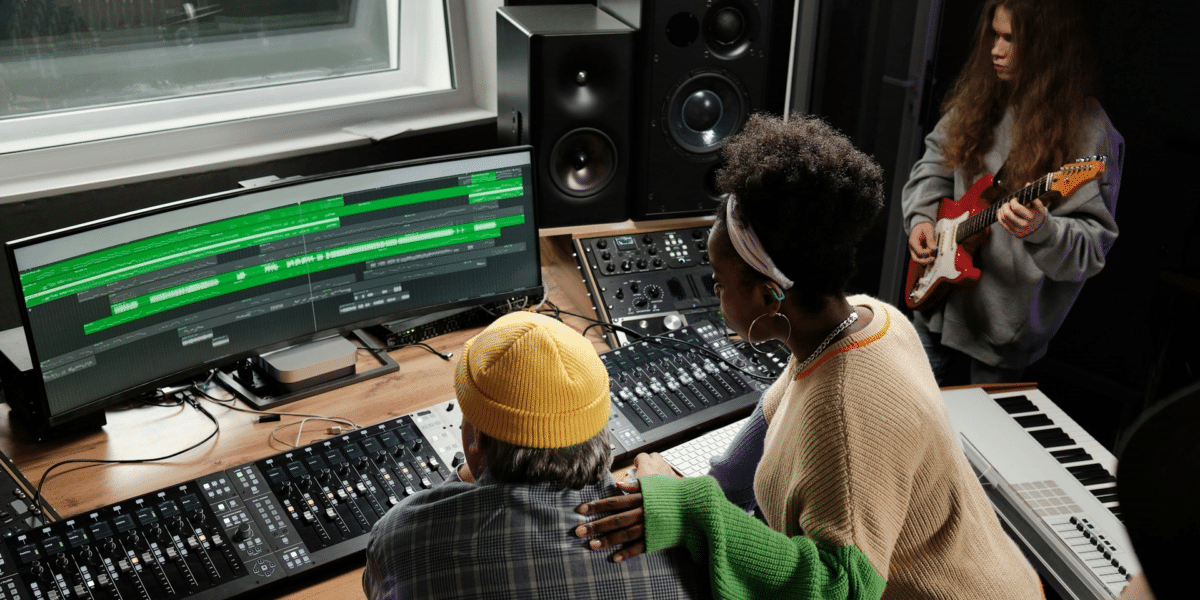
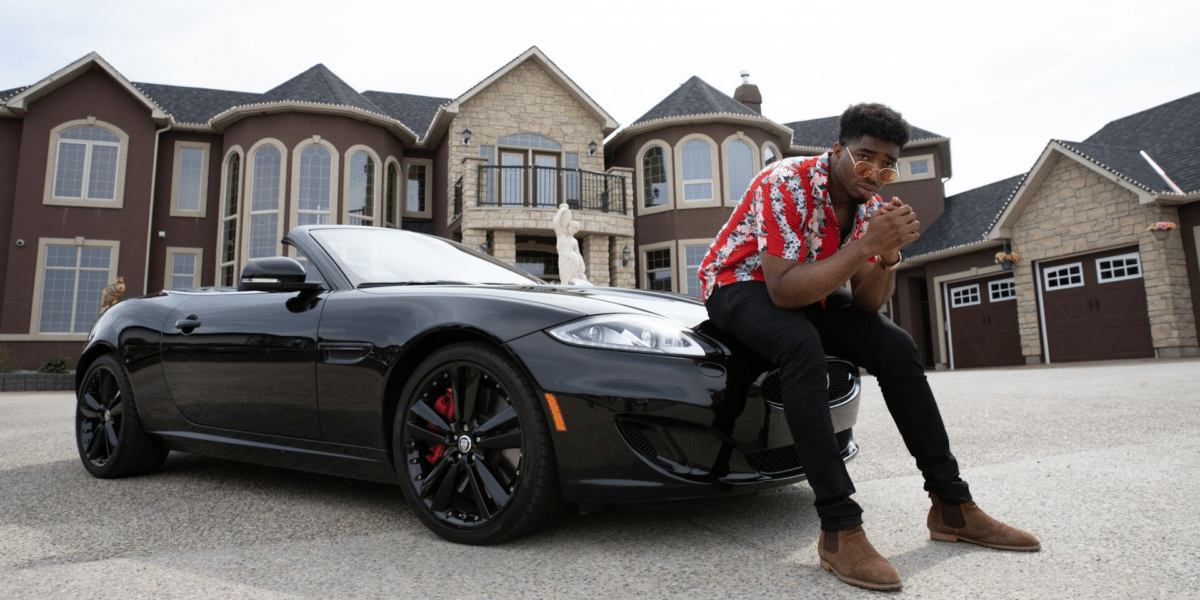
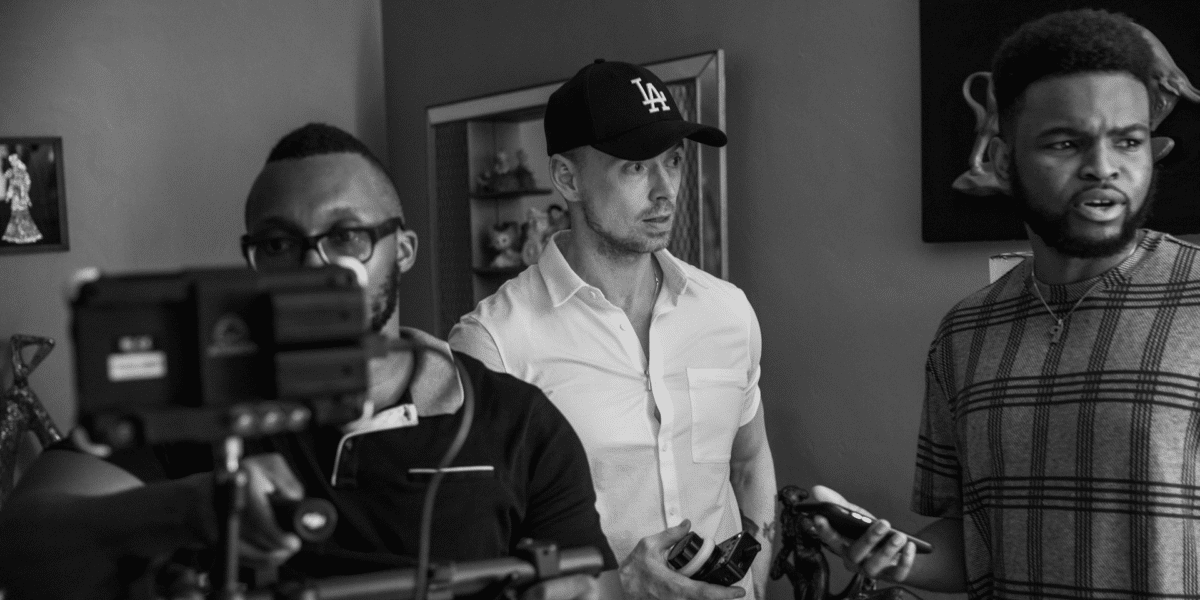
Why Some Artists Give Away Their Songs to Their Peers

The music industry has long been a space where collaboration, creativity, and business interests intersect. One of the most intriguing and often misunderstood aspects of this world is the practice of artists giving away their songs to other musicians. While some artists write songs exclusively for themselves, others find that their creations might be better suited for a different voice or artistic style. This article explores why artists choose to give away their songs, the financial and creative implications, and how this practice has shaped the music industry.

Read also: Exploring How Musicians Can Exercise Their Visual Creativity

The Creative and Artistic Reasons Behind Giving Away Songs

At its core, music is an art form, and artists often write songs that may not fit their personal brand, voice, or creative vision. In these cases, offering a song to a fellow musician can be an act of artistic generosity, ensuring that the music reaches its full potential.

Better Fit for Another Artist

One of the most common reasons an artist gives away a song is that they recognize it would be better suited for another performer. A songwriter might pen lyrics with a certain voice in mind but later realize that their own vocal range or style doesn’t do the composition justice. Instead of letting the song go unheard, they offer it to a peer whose musical sensibilities align better with the track’s theme or tone.

Evolving Artistic Direction

Artists grow and change throughout their careers. A song written during one phase of their journey may no longer reflect their current artistic identity. Instead of discarding these songs, they may pass them on to artists who are better positioned to bring them to life. For example, an artist transitioning from pop to a more alternative style might decide to give their unreleased pop songs to a musician who is still active in that genre.

Collaboration and Mutual Respect

Music thrives on collaboration, and many artists enjoy working with their peers to create something special. Sometimes, giving away a song is a gesture of goodwill—an act of mutual respect between musicians. If an artist believes that a fellow performer could elevate the song beyond what they themselves can do, they may offer it as a gift or as part of a collaborative effort.

Maximizing a Song’s Potential

A great song deserves to be heard, and sometimes an artist acknowledges that their own version of a track might not receive the attention it deserves. By giving the song to a more established or genre-appropriate artist, they increase the chances of it reaching a wider audience and making a greater impact.

The Business and Financial Considerations

Beyond artistic reasons, the decision to give away a song often comes down to strategic business moves and financial gain. Songwriting is a revenue-generating industry in itself, and for some artists, it is a crucial aspect of their career.

Songwriting as a Revenue Stream

Many artists, particularly those who also work as songwriters, see selling or licensing their songs as an additional income source. In genres like pop, R&B, and country, it’s common for performers to record songs written by others. A songwriter might choose to sell a song rather than release it themselves, allowing them to focus on their strengths while still profiting from their work.

Publishing and Royalties

Even when an artist gives away a song, they often retain songwriting credits, which means they earn royalties every time the song is streamed, sold, or performed. In some cases, this can be more lucrative than releasing the song themselves. If a song becomes a massive hit under another artist, the original songwriter can receive significant long-term income from publishing rights.

Strategic Career Moves

Giving away a song can sometimes be a strategic move to build relationships within the music industry. By providing a hit song to a major artist, a lesser-known songwriter or musician can gain credibility and attract more opportunities. This kind of networking can lead to future collaborations, songwriting deals, or even their own breakthrough moment as a recording artist.

Influence of Record Labels and Contracts

In some cases, artists don’t have complete control over whether they keep or give away a song. Record labels and producers often have a say in which songs make it onto an album and may suggest that certain songs be passed on to other artists. Labels look for commercially viable hits, and if they believe a song has more potential with a different performer, they might push for a song transfer.

Industry Practices and Genre-Specific Trends

Different genres have different approaches to songwriting and song transfers, which influences how and why artists give away their music.

Pop Music and Songwriting Teams

Pop music, in particular, is built on a foundation of professional songwriters who create tracks for artists to record. Many of today’s biggest pop hits were originally written by someone other than the performer. Artists like Sia, Ed Sheeran, and Max Martin have written numerous songs for others, creating some of the most successful chart-topping hits.

Hip-Hop and R&B Collaborations

Hip-hop and R&B have a strong culture of collaboration, where songs and lyrics are frequently exchanged between artists. While ghostwriting remains a sensitive topic in hip-hop, songwriting contributions from peers are widely accepted in R&B, where singers often rely on skilled songwriters to craft lyrics and melodies that suit their vocal styles.

Country Music and Songwriters

In country music, it’s common for artists to record songs written by professional songwriters. Nashville’s songwriting culture is centered around the idea that a great song can be performed by different artists. Many legendary country singers have recorded songs written by Nashville’s songwriting community rather than penning their own lyrics.

Famous Examples of Songs Given Away

Throughout music history, there have been numerous instances where songs were given away and became massive hits for other artists.

  • “Umbrella” – Rihanna: Originally written for Britney Spears, but it was ultimately given to Rihanna and became one of her most iconic songs.
  • “Irreplaceable” – Beyoncé: Written by Ne-Yo, who initially considered recording it himself but later gave it to Beyoncé, where it became a chart-topping success.
  • “Nothing Compares 2 U” – Sinéad O’Connor: Written by Prince, but O’Connor’s version became the definitive rendition of the song.

Ethical and Personal Considerations

While giving away songs can be a beneficial practice, it also comes with ethical and personal dilemmas.

Fair Compensation and Credit

Ensuring that songwriters are properly credited and compensated is crucial. Some songwriters remain uncredited (ghostwriters), which can lead to controversy and disputes over ownership and royalties.

Emotional Connection to Songs

Artists often develop deep emotional connections to their songs, making it difficult to give them away. Even if a song doesn’t fit their brand, parting with it can feel like giving away a piece of themselves.

The Regret of Letting a Hit Go

There are cases where artists regret giving away a song, especially if it becomes a massive hit for someone else. Seeing a song they passed on reach commercial success can be bittersweet.

Read also: Social Media Engagement Strategies for Musicians

The Future of Song Transfers in Music

With the rise of digital collaboration and AI-assisted songwriting, the practice of giving away songs is likely to evolve. Online platforms make it easier for artists to share and sell songs, and AI tools may play a role in creating songs that can be distributed among different artists.

The practice of artists giving away their songs to peers is deeply embedded in the music industry. Whether for creative, financial, or strategic reasons, this exchange of music allows songs to find the right voice and reach their full potential. While there are challenges and regrets involved, song transfers continue to shape the industry, ensuring that great music finds its way to audiences worldwide. Whether through collaboration, business deals, or artistic vision, this tradition remains a key part of how music is created, shared, and enjoyed.

Why Success Matters in Greenlighting Sequels

The decision to greenlight a movie sequel is a complex process influenced by multiple factors, with success being the most critical among them. Film studios and production houses meticulously analyze various performance metrics to determine whether a film warrants a continuation. While some sequels are almost due to their franchise status, others depend on their initial success to justify further investment. This article explores why success plays a fundamental role in deciding whether a sequel should be made, breaking down key elements such as box office revenue, audience reception, franchise potential, and market trends.

Read also: Should Studios Recast Younger Actors for Decades-Old Characters?

Box Office Performance: The Financial Benchmark

The most immediate and quantifiable measure of a film’s success is its box office revenue. If a movie performs well financially, it not only recoups its initial production and marketing budget but also signals strong market demand. High box office earnings provide studios with confidence that a sequel has a ready audience willing to return for another installment.

A film’s success is often measured by its profit margins rather than just total earnings. For example, a lower-budget horror film like The Conjuring may not gross as much as a major superhero blockbuster like Avengers: Endgame, but its return on investment (ROI) can be higher due to its lower production costs. When films exceed their expected box office numbers, studios see them as financially viable for sequels. Conversely, underperforming films rarely get sequels, as they do not justify further financial risks.

Audience Reception and Ratings

Beyond financial success, audience reception plays a pivotal role in determining whether a sequel should be greenlit. Positive reviews and high audience scores indicate that a film resonated with viewers, increasing the likelihood that they will return for a follow-up installment.

Studios track audience feedback through multiple channels, including:

  • Rotten Tomatoes and IMDb Scores: High ratings demonstrate broad appeal and positive word-of-mouth marketing.
  • Social Media Trends: Twitter, Reddit, and TikTok discussions help gauge public sentiment and fan engagement.
  • Fan Communities and Forums: Passionate fan bases advocating for a sequel can influence studio decision-making.

A film that fosters a dedicated following has a strong case for a sequel because studios know there is built-in demand. However, mixed or negative reception can be a deterrent, even if the film performs well financially.

Genre and Franchise Potential

Certain genres naturally lend themselves to sequels due to their expansive worlds and character-driven narratives. Action, adventure, thriller, and fantasy genres are particularly conducive to long-running franchises. Successful films in these categories often leave room for further storytelling, making sequels a logical next step.

Take the Fast & Furious franchise, for example. What started as a street racing film evolved into an international action blockbuster series. The success of each installment demonstrated the franchise’s viability, leading to multiple sequels, spin-offs, and expanded universe projects.

Studios also consider franchise potential when evaluating a film’s sequel prospects. Movies based on books, comics, or existing intellectual properties (IPs) are more likely to receive sequels since they have a pre-established fanbase and narrative depth to explore.

Character Depth and Brand Extensibility

A movie’s characters play a significant role in determining whether a sequel is viable. If audiences connect with the lead characters and their journeys, studios see an opportunity to continue their stories.

Some characters become cultural icons, increasing their longevity. For instance, James Bond, Batman, and Spider-Man have all been rebooted multiple times because their brand appeal remains strong across generations. Even when original actors exit a franchise, studios can replace them while maintaining audience interest.

Brand extensibility also applies to supporting characters. Many sequels and spin-offs focus on secondary characters who gained popularity in the original film. A prime example is Puss in Boots, a spin-off of Shrek, which gained its own franchise due to the character’s charm and widespread appeal.

Resource Availability and Profit Margins

Financially successful films allow studios to invest more resources into their sequels. This includes larger budgets for:

  • Improved Special Effects: Advancements in CGI and cinematography enhance the sequel’s visual appeal.
  • A-List Talent: Bigger budgets enable studios to retain or attract high-profile actors and directors.
  • Expanded Marketing Campaigns: More funding allows for widespread promotional efforts, maximizing audience reach.

Additionally, studios capitalize on merchandising opportunities tied to successful films. Franchises like Star Wars, Harry Potter, and Marvel generate billions in toy sales, theme parks, and merchandise. A financially viable film often leads to an ecosystem of revenue streams, further justifying sequels.

Market Research and Audience Demand

Before greenlighting a sequel, studios conduct extensive market research to assess audience demand. This includes:

  • Surveys and Focus Groups: Direct feedback from target demographics helps gauge interest.
  • Streaming and VOD Performance: Digital viewership numbers provide insights into long-term audience engagement.
  • Fan Petitioning and Online Buzz: Grassroots efforts by fans can influence decision-making, as seen with Zack Snyder’s Justice League.

Market trends also influence sequel approvals. For instance, the resurgence of nostalgia-driven content has led to revivals and continuations of past franchises, such as Top Gun: Maverick and Ghostbusters: Afterlife. If audience sentiment indicates a strong appetite for a sequel, studios are more likely to proceed with development.

Strategic Timing and Cultural Relevance

Timing plays a crucial role in the success of a sequel. Studios aim to capitalize on a film’s momentum, releasing sequels while the original is still fresh in audiences’ minds. A well-timed sequel can maximize box office potential, whereas long gaps between installments risk audience disinterest.

For instance, Avatar: The Way of Water faced challenges due to the 13-year gap between the first film and its sequel. While the original Avatar was groundbreaking, the long wait meant that cultural relevance had faded to some extent. By contrast, Marvel films maintain rapid sequel turnover to keep audiences engaged with interconnected narratives.

Additionally, aligning a sequel’s themes with current cultural trends can enhance its impact. Films that address contemporary social issues, diverse representation, or evolving audience expectations tend to perform better in modern markets.

International Market Considerations

The global box office has become an essential factor in sequel decisions. A film’s international performance can offset domestic underperformance, making global appeal crucial.

Studios analyze regional box office data to tailor sequels for maximum reach. For example, franchises that perform exceptionally well in China, such as Transformers, often cater future installments to Chinese audiences by incorporating local actors, settings, or storylines.

By ensuring that sequels resonate with diverse markets, studios maximize their profitability and expand their global audience base.

Critical Acclaim and Awards Recognition

While financial success is the primary driver of sequels, critical acclaim also plays a role. Films that receive awards or nominations gain prestige, increasing their marketability.

Prestigious sequels, such as The Godfather Part II or Mad Max: Fury Road, benefited from their predecessors’ acclaim, drawing both audiences and critics. Winning industry awards can justify higher budgets and expanded creative freedom for sequels.

Read also: The Saving Grace of Actors Producing Films

Cult Followings and Niche Markets

Some films gain cult status over time, even if they were not initial box office hits. Cult followings can drive demand for sequels, as seen with Blade Runner 2049 and Tron: Legacy.

Even niche audiences can make a sequel profitable if the fanbase is passionate enough. Studios often monitor DVD sales, streaming engagement, and social media activity to determine whether a film has gained a second life post-theatrical release.

The success of an original film is the cornerstone of greenlighting sequels. By evaluating box office performance, audience reception, genre potential, character depth, financial feasibility, market trends, and cultural relevance, studios make data-driven decisions on whether to continue a franchise. While not every film warrants a sequel, those that achieve high levels of success create compelling cases for further storytelling, ensuring that audiences remain invested in cinematic universes for years to come.

Can Digital Cameras Thrive for Indie Film Projects?

In recent years, digital cameras have transformed the landscape of filmmaking, particularly for independent (indie) filmmakers. The accessibility, affordability, and technological advancements of digital cameras have made it easier for creative minds to produce high-quality films on tight budgets. But can digital cameras truly thrive for indie film projects? Let’s explore how these cameras are shaping indie cinema and whether they are the future of independent filmmaking.

Read also: Lights, Camera, Action (But Is Anyone Watching?): Can Motion Pictures Survive in Hollywood?

The Rise of Digital Filmmaking

Filmmaking has undergone a significant shift from traditional film stock to digital technology. This change was initially driven by the desire for more affordable, accessible, and efficient filmmaking tools. Digital cameras became a game-changer for indie filmmakers, who often operate with limited budgets. Unlike traditional film, which requires costly stock and labor-intensive processes like developing and printing, digital cameras allow filmmakers to shoot as much footage as they want without worrying about running out of material or incurring significant costs.

The Digital Advantage

Digital filmmaking eliminates the expense of film stock and the labor-intensive nature of physical film processing. In the early days of digital filmmaking, the quality of digital cameras was often criticized for not being on par with traditional film. However, with recent advancements in camera technology, digital cameras now offer exceptional image quality that rivals traditional film, making them a perfect option for indie filmmakers looking to create professional-grade work without the hefty price tag.

Technological Advancements in Digital Cameras

One of the most significant reasons digital cameras have become a staple for indie filmmakers is the rapid technological advancements in the field. From entry-level cameras to high-end professional equipment, digital cameras have dramatically improved in terms of image quality, resolution, and versatility.

Improved Image Quality and Affordability

The advancements in sensor technology have greatly improved the image quality of digital cameras. Cameras now offer higher resolutions, better dynamic range, and improved low-light performance, enabling filmmakers to capture stunning visuals even in challenging environments. Affordable digital cameras, such as DSLRs and mirrorless models, provide filmmakers with exceptional performance at a fraction of the cost of traditional film cameras. High-end digital cameras like the Blackmagic Pocket Cinema Camera and the Panasonic Lumix GH5 are widely used by indie filmmakers, offering cinematic-quality footage without the need for extensive budgets.

Post-Production Flexibility

Digital footage also provides a significant advantage in post-production. Unlike film, which requires complex and costly processing before editing, digital footage can be easily transferred to a computer and manipulated with powerful editing software. Color grading, visual effects, and audio adjustments can be made with relative ease, allowing filmmakers to craft their films to their precise vision. The flexibility offered by digital cameras in post-production has made them an essential tool for indie filmmakers who need control over every aspect of their film.

Cameras Suitable for Indie Filmmakers

With the growing range of digital camera options available, indie filmmakers have access to a variety of tools that cater to different budgets and needs.

Entry-Level Digital Cameras

For aspiring filmmakers just starting out, affordable digital cameras like DSLRs or mirrorless cameras provide an excellent entry point. These cameras, such as the Canon EOS Rebel series or Sony Alpha models, are compact, easy to use, and capable of capturing high-quality footage. Many of these cameras also allow for lens interchangeability, offering more creative control over the aesthetic of the film.

Mid-Range to High-End Cameras

For filmmakers with slightly larger budgets, mid-range options like the Blackmagic Pocket Cinema Camera, Panasonic GH5, or the Sony FX3 provide a significant leap in quality, features, and performance. These cameras offer professional-grade features such as 4K resolution, superior color science, and improved audio inputs, making them ideal for indie filmmakers looking to elevate their productions.

Professional-Grade Digital Cameras

While high-end digital cameras such as the RED Komodo and ARRI Alexa are typically reserved for major studios, they are becoming more accessible to well-funded indie filmmakers. With the cost of rental or second-hand cameras dropping, many indie filmmakers are able to work with high-end equipment for their projects, giving them the opportunity to shoot at the highest professional standards.

Creative Freedom and Flexibility

One of the greatest advantages of digital cameras for indie filmmakers is the creative freedom they provide. Digital technology allows filmmakers to experiment with different techniques and styles without the limitations imposed by traditional film stock.

No Film Stock Limitations

Unlike traditional film, where every shot must be carefully planned to avoid wasting expensive film stock, digital cameras allow filmmakers to shoot as much footage as necessary. This opens up new possibilities for experimentation, improvisation, and longer takes without the pressure of running out of material. The ability to shoot multiple takes without incurring additional costs encourages a more creative, fluid approach to filmmaking.

Speed and Efficiency

Digital cameras also speed up the entire filmmaking process. Filmmakers can instantly review footage after a take, making it easier to identify mistakes and make adjustments on the spot. This real-time feedback allows for a more efficient shooting process, saving both time and money.

Challenges of Using Digital Cameras for Indie Films

While digital cameras have revolutionized indie filmmaking, there are still challenges to consider when choosing digital over traditional film.

The “Film Look” Debate

One of the most common criticisms of digital filmmaking is that it lacks the “film look,” a term used to describe the distinct texture, depth, and color profile associated with traditional film stock. Despite significant advancements, some filmmakers and cinephiles argue that digital cameras still struggle to replicate the unique aesthetic of analog film. However, many filmmakers find that digital cameras provide enough flexibility in post-production to emulate the film look, thanks to advanced color grading tools and effects.

Technical Expertise and Data Management

Working with digital cameras also requires a higher level of technical expertise compared to traditional film. Filmmakers must be familiar with settings such as frame rate, resolution, and bit depth to ensure the highest quality footage. Additionally, managing large volumes of digital data and files can be a logistical challenge. Proper storage and backup procedures must be in place to avoid data loss during the filmmaking process.

Budget Considerations

One of the primary reasons digital cameras have become a preferred tool for indie filmmakers is their cost-effectiveness. However, while the initial camera purchase might be affordable, there are still other budget considerations to keep in mind.

Production Costs Beyond the Camera

While digital cameras are relatively inexpensive compared to film stock, indie filmmakers still need to invest in other critical equipment, such as lighting, sound, and editing software. Even with a low-cost camera, production expenses can quickly add up, especially when aiming for high production values.

Software and Post-Production Tools

To fully leverage the advantages of digital filmmaking, indie filmmakers often need to invest in post-production software for editing, color grading, and visual effects. While affordable options exist, high-quality tools like Adobe Premiere Pro, DaVinci Resolve, and Avid Media Composer come with subscription or licensing fees.

Read also: From the Spotlight to the Director’s Chair: When Actors Take the Helm

The Future of Digital Cameras in Indie Filmmaking

The future of digital cameras in indie filmmaking is bright. As technology continues to improve, cameras will become even more affordable, versatile, and powerful. The ongoing advancements in AI, machine learning, and VR are expected to open up new creative possibilities, allowing indie filmmakers to push the boundaries of storytelling.

The Continued Evolution of Digital Cameras

We can expect digital cameras to continue evolving, with improvements in image quality, dynamic range, and low-light performance. As these cameras become more advanced and accessible, indie filmmakers will be able to create higher-quality content on smaller budgets.

Digital cameras have already proven their value for indie filmmakers, offering a more affordable and flexible alternative to traditional film. With advancements in technology, these cameras continue to improve, providing indie filmmakers with powerful tools to tell their stories. While challenges remain, digital cameras are poised to remain at the heart of the indie film revolution, enabling filmmakers to create art that was once out of reach for many. The future of indie filmmaking is undoubtedly digital.

Actors and Method Dressing on the Red Carpet

The red carpet is one of the most iconic features of the film and entertainment industry, offering a space where celebrities display their fashion sense, make bold statements, and garner attention for their latest work. For many actors, the red carpet isn’t just a moment of glamour but also an opportunity to showcase their character work and artistic commitment through their choice of attire. This phenomenon, known as method dressing, involves actors dressing in a way that reflects the roles they are portraying or the characters they’ve embodied, even when they’re off-screen.

In this article, we’ll explore the growing trend of method dressing among actors, how it connects to their approach to acting, and the impact it has on fashion and public perception.

The Rise of Method Acting: A Brief Overview

Before we dive into the connection between actors and their fashion choices, it’s important to understand the roots of method acting itself. Method acting, popularized by figures like Stanislavski, Lee Strasberg, and later actors like Marlon Brando and Al Pacino, involves deeply immersing oneself into a role, often blurring the lines between the actor’s personal identity and the character they’re portraying. Actors who subscribe to method acting sometimes stay in character off-set, adopting their character’s speech patterns, mannerisms, and emotions for the duration of a project.

This approach requires intense dedication, and for some, it extends beyond the script and into their physical appearance. Hence, the rise of method dressing: the practice of choosing attire that aligns with the role they’re portraying or helps them remain psychologically connected to the character.

Method Dressing: The Intersection of Fashion and Character

Method dressing is, in many ways, a visual extension of the process of method acting. The actors’ outfits become a reflection of their emotional and mental state, mirroring the internal transformation they undergo in preparation for a role. It’s not just about looking good on the red carpet—it’s about staying in character. While this practice is not universal, it has gained traction among actors who view their sartorial choices as part of the deeper work involved in acting.

How Actors Use Fashion to Stay in Character

For some method actors, choosing their outfits for the red carpet becomes an exercise in maintaining the mindset and physicality of their characters. This can manifest in several ways:

  1. Reflecting the Role: An actor might wear an outfit that mirrors the essence of their character. For instance, Lady Gaga famously wore a striking black dress designed by Alexander McQueen at the 2010 MTV Video Music Awards, which became iconic due to its association with her role as an avant-garde performer in her music videos and live shows. The dress’s bold, almost dystopian design matched her public persona and performance art, but also resonated with her transformation into characters on-screen in movies like “A Star is Born” and “House of Gucci”.
  2. Incorporating Character Elements: Some actors choose to wear clothing that references specific elements of their roles. For example, Matthew McConaughey, in the lead-up to the promotion of “Dallas Buyers Club” (2013), often wore a slim, more rugged look that aligned with his portrayal of Ron Woodroof, a character who battles with both his health and society’s preconceived notions. McConaughey’s deliberate dressing emphasized his connection to the role and gave audiences a glimpse of his character even before seeing the film.
  3. Symbolic Representation: Others may choose to dress in ways that evoke a particular emotional or thematic association with the film or role they’ve played. Cate Blanchett, who portrayed the iconic, eccentric socialite in “Carol” (2015), often attended events wearing elegant yet restrained vintage-inspired outfits, reinforcing the character’s carefully constructed exterior. These fashion choices resonated with her character’s nuanced persona of grace hiding vulnerability.

Staying in Character Beyond the Screen

For some actors, method dressing doesn’t stop with the film itself. Rather, it extends into their lives beyond the red carpet. For example, Jared Leto is known for his method acting approach, especially in roles like his portrayal of the Joker in “Suicide Squad” (2016). Leto’s commitment to his characters often goes far beyond the set, with the actor staying in character off-screen. This includes a distinctive style of dress, such as the flamboyant and chaotic Joker look, which Leto continued to embody during the film’s promotion and red carpet appearances. This commitment sparked conversations about the boundaries between actor and character, as Leto’s attire and behavior seemed to transcend the role itself.

Method Dressing as a Fashion Statement

While method dressing is often about embodying a character, it also has broader implications in terms of the actor’s public persona and relationship with fashion. For actors, their red carpet appearance is a way to merge their career with their personal identity. Fashion becomes a powerful tool that communicates more than just taste—it signals a connection to their craft, their projects, and their evolving sense of self.

Fashion Designers and Method Dressing

The collaboration between actors and designers is another key factor in method dressing. Designers often work closely with actors to create outfits that align with the characters they’re portraying. This relationship between actor and designer is more than just about creating a glamorous look for a red carpet event—it can be about telling a story through clothing. Designers are increasingly aware of how their creations function within the larger context of the actor’s work and persona, thus forming a bridge between character and performance.

One notable example of this is Tilda Swinton, whose fashion choices at various red carpet events reflect her avant-garde, almost ethereal acting style. Known for roles in films like “The Grand Budapest Hotel” (2014) and “We Need to Talk About Kevin” (2011), Swinton often collaborates with high-fashion designers such as Haider Ackermann to create looks that enhance her unconventional, and sometimes ambiguous, characters. Swinton’s commitment to method dressing extends beyond the film’s script and is an integral part of her acting method.

Creating a Personal Brand Through Method Dressing

For many actors, the red carpet is a strategic opportunity to reinforce their public image or brand. Zendaya, for instance, is known for her ability to seamlessly blend high fashion with personal authenticity. As an advocate for diversity and inclusion, Zendaya often wears designs that challenge traditional norms, embracing bold, vibrant, and statement-making pieces that reflect the roles she takes on, such as her portrayal of a fashion-forward teen in “Euphoria” (2019-). Her fashion choices communicate a sense of empowerment and self-assuredness, aligning with her growing influence both in film and in the broader cultural conversation about identity.

In this sense, method dressing serves not only as a form of artistic expression but also as a personal and professional brand-building exercise. Actors who embrace method dressing allow their fashion choices to enhance and align with the narratives they portray, further cementing their public persona and creative philosophy.

The Impact of Method Dressing on the Fashion Industry

The growing trend of method dressing has had a profound impact on the fashion industry. Designers now work closely with actors to create outfits that fit not only their personal tastes but also reflect the characters they portray on-screen. This collaboration has blurred the line between performance art and fashion, transforming red carpet events into a platform for actors to showcase not only their professional work but also their deep commitment to their craft.

Moreover, method dressing has democratized fashion, as fans and media alike begin to focus on the deeper significance behind an actor’s red carpet attire. Fashion becomes more than just a visual statement; it becomes a storytelling medium, as actors use their clothing to evoke the mood, themes, and essence of their work.

The Red Carpet as a Canvas for Method Dressing

The red carpet, once a space primarily dedicated to showcasing high fashion and celebrity glamor, has evolved into a stage where actors use fashion to enhance and reflect their artistic identities. Method dressing has become an increasingly popular trend, with actors choosing clothing that aligns with their characters, connects them to their roles, and provides a deeper understanding of their creative process. Whether it’s embodying a role through carefully chosen attire or using the opportunity to make a fashion statement that reflects their public persona, method dressing has reshaped how we view both fashion and acting.

For actors, the red carpet has become a place not only to shine in the spotlight but also to stay connected to their art, using their wardrobe choices to tell a story that goes beyond the silver screen. As method dressing continues to rise in popularity, the boundaries between fashion, character, and celebrity will undoubtedly become even more intertwined, offering audiences a deeper, more multidimensional experience of their favorite stars.

When Celebrities Choose Family as Their Agents

In the world of entertainment, celebrities often rely on agents and managers to help guide their careers. These professionals handle negotiations, secure opportunities, and provide strategic advice, acting as the intermediary between the star and the business side of the industry. However, in recent years, an increasing number of celebrities have chosen to forgo traditional management agencies in favor of family members as their primary agents. While this shift may seem unconventional, it is becoming more common for stars to trust their loved ones to handle their careers. But what drives this decision, and what are the benefits and challenges associated with having family members manage one’s career?

The Rise of Family-Run Celebrity Agencies

Historical Context and Traditional Agencies

Historically, talent agencies like Creative Artists Agency (CAA), William Morris Endeavor (WME), and United Talent Agency (UTA) played a crucial role in celebrity management. These agencies have long been seen as essential players in navigating the entertainment business, offering a vast network of connections, industry knowledge, and negotiation skills. For most celebrities, professional representation was synonymous with big-name talent agencies, where managers, agents, and publicists worked together to maximize a star’s earning potential and public profile.

For years, it was rare to see a major celebrity opt for family representation. The industry was dominated by well-established agencies with massive rosters of high-profile clients. Celebrities typically hired agents who could juggle their professional interests, manage complicated contracts, and bring fresh opportunities to the table.

Family as a Growing Influence in Celebrity Management

However, this landscape is changing. In recent years, many celebrities have started to turn to family members for career management. This trend has been seen in high-profile examples such as the Kardashians, with Kris Jenner managing her children’s careers, or Beyoncé, who has relied on her father, Mathew Knowles, and later her husband, Jay-Z, to manage her career. Will and Jada Pinkett Smith have also famously worked with family members in overseeing their careers.

This shift toward family-run agencies is driven by several factors. First, the entertainment industry is more fragmented than ever before, with digital platforms offering new opportunities for talent to thrive independently. Celebrities are increasingly taking control of their careers, building personal brands, and becoming their own CEOs. As they look for more autonomy, many turn to their families, who already have a deep understanding of their values, goals, and personal lives.

The Advantages of Family-Run Agencies

Trust and Loyalty

One of the most compelling reasons celebrities choose family members to manage their careers is the inherent trust and loyalty that comes with family relationships. In an industry where exploitation and betrayal can be all too common, having a family member in the role of manager ensures that the celebrity’s best interests are prioritized. Family members are less likely to have conflicts of interest or be influenced by external pressures, which can sometimes affect decisions in traditional talent agencies.

The trust between a celebrity and their family manager is often a key factor. Celebrities know their family members have their best interests at heart and are less likely to engage in unethical practices or mismanage deals. This can lead to better communication and a more transparent working relationship.

Personalized and Tailored Management

Another advantage of having family manage one’s career is the deeply personalized approach they can offer. A family member has an intimate understanding of the celebrity’s personal values, long-term goals, and priorities, which can be crucial in making key decisions. Whether it’s choosing the right endorsement deal or determining what projects align with their personal brand, family members are often better equipped to make choices that feel authentic to the celebrity.

With family-run management, there is often more flexibility in career decisions. Since family members are personally invested in the celebrity’s success, they can adjust strategies and goals more fluidly than traditional agencies might. This makes it easier to pivot in response to changing public perceptions or emerging opportunities.

Moreover, family managers often have the ability to act quickly and decisively. Without the need for layers of bureaucracy or multiple stakeholders, decisions can be made in real-time, allowing for more timely and effective responses to opportunities.

Avoiding Agency Conflicts

Traditional talent agencies typically handle many high-profile clients at once, and sometimes those clients’ interests may conflict. For example, one star’s project might overlap with another’s in terms of timing or brand alignment. When family members manage their careers, there’s less risk of competing priorities or misaligned interests. There is also greater control over negotiations and terms of contracts, meaning that the celebrity can focus on what matters most to them, without the worry of being pushed into deals that don’t align with their values.

Challenges of Family-Based Celebrity Representation

Potential Strain on Personal Relationships

While the advantages of family-managed careers are clear, this approach does not come without its challenges. One of the most significant risks is the potential strain on personal relationships. When business and family life become intertwined, it can be difficult to keep both spheres separate. Disagreements over career decisions, finances, or long-term strategies can create tension within families, and in some cases, it can damage personal relationships.

Celebrities are often faced with difficult choices, and when family members are involved in these decisions, emotions can sometimes cloud judgment. Giving feedback to family members about their performance or decisions can be uncomfortable, especially when critical or tough feedback is necessary. This can lead to misunderstandings and resentment, which might negatively impact both the personal and professional relationship.

Lack of Professional Distance

Another challenge of having a family member as an agent is the lack of professional distance. Traditional agents are trained to separate their personal feelings from their business decisions, but family members may struggle with this boundary. This can make it harder to make objective decisions, especially when tough choices need to be made regarding finances, career moves, or future projects.

Family-run management also risks creating a “bubble” around the celebrity, where their professional network may become insular and less diverse. Traditional agents bring outside perspectives, industry insights, and a broader network of connections that can open doors to new opportunities. With family members in charge, there’s a risk of missing out on fresh ideas or industry innovations.

A Double-Edged Sword

Choosing a family member to manage a celebrity’s career is a decision that carries both significant benefits and potential risks. On one hand, the trust, loyalty, and personal understanding between family members can create a more authentic and tailored management experience. On the other hand, the lack of professional boundaries can lead to strain on relationships and an insular approach to career management.

For many celebrities, the rewards of having a family member as their agent outweigh the challenges. However, it’s essential to recognize that this approach isn’t for everyone, and what works for one celebrity might not work for another. Ultimately, whether or not family is the best choice as an agent depends on the individual’s needs, career goals, and the strength of their personal relationships.

Why Don’t Celebrities Opt for Condo Units?

Celebrities are often known for their luxurious lifestyles, which frequently include multi-million-dollar homes, private islands, and private jets. But despite the lavish choices available to them, one thing is clear—many celebrities don’t choose to live in condo units. With a variety of upscale housing options to choose from, why do so many stars avoid the idea of calling a high-rise apartment their home? There are several reasons behind this trend, ranging from the desire for privacy to the need for space and even concerns about the lack of individuality in condo living.

The Desire for Privacy and Security

One of the most significant reasons celebrities shy away from living in condo units is the lack of privacy. Condominiums are typically located in bustling urban centers, and although high-end condos often offer sophisticated security systems, they are not entirely private. Many condos are located in high-traffic areas or near other high-rise buildings, which means celebrities could easily be seen by fans, photographers, or even fellow residents.

Celebrities often value their personal space and discretion, which is why they may prefer to live in standalone homes or estates that offer more seclusion. A mansion or private estate offers much greater security and privacy, as these homes are usually located in gated communities or far from the general public’s view. Additionally, most standalone homes can be equipped with private security systems, surveillance cameras, and access-controlled gates, offering more peace of mind than a condominium, where security tends to be more communal.

A Desire for Space

Another factor influencing a celebrity’s decision to avoid condo living is the sheer lack of space. Many condos, even luxury units, are smaller than standalone homes, which may feel cramped for someone accustomed to sprawling estates. For celebrities who need space for their families, staff, and numerous personal belongings, a condo can be limiting.

In contrast, large homes offer expansive living areas, multiple bedrooms, home theaters, private gyms, and even guest houses. Celebrities often have larger-than-life lifestyles, and the need for space extends beyond just the square footage of their homes. They may require large kitchens, multiple living areas for entertaining, room for a recording studio, a personal gym, or an art gallery to showcase their collections. Condominiums, while luxurious, simply don’t offer the same level of space or customization that many stars require.

The Appeal of Customization and Uniqueness

Celebrities are known for their unique tastes, and often, their homes reflect their personal style and aesthetic preferences. With standalone homes, celebrities have more freedom to customize their spaces—whether that means designing their dream kitchen, installing a custom-built pool, or turning a basement into a home theater. Luxury homes also offer the chance to build something that stands out, showcasing a unique style that’s hard to achieve in a cookie-cutter condo unit.

Condo units, on the other hand, tend to follow a more standardized design. While they may have upscale finishes and luxury amenities, there are often limitations on how much you can modify or personalize the space. Celebrities, who are accustomed to expressing their individuality through fashion, art, and lifestyle choices, may feel constrained by the uniformity that condo living often entails.

Limited Outdoor Space and Natural Light

While many luxury condos offer stunning city views and outdoor balconies, they often lack the sprawling gardens or open spaces that come with a large estate. Celebrities often seek homes with expansive outdoor areas for entertaining, recreation, or just to escape the hustle and bustle of the city. A sprawling garden, outdoor pool, or tennis court may be essential for a celebrity who enjoys privacy and outdoor living.

In addition to the lack of outdoor space, many condos are built in dense urban areas where natural light may be limited. While a penthouse might offer spectacular views, lower floors can often feel more closed off from nature, especially if the surrounding buildings are taller or positioned too close. Celebrities, who often seek tranquility and a connection with nature, might prefer homes that open up to natural surroundings, offering more light and space for relaxation.

The Luxury of Exclusivity

Celebrities often desire a sense of exclusivity in their homes, and this is harder to achieve in a condo. High-end condos may offer concierge services, gyms, and spas, but they also share common spaces with other residents, which can make the experience feel less private and more communal.

Many celebrities prefer homes where they are the only ones on the property or at least in a secluded part of a gated community. Having a home that is not attached to any others—whether it’s a mansion on a private estate or a luxury home in a secluded area—provides the level of exclusivity that celebrities often crave.

Additionally, celebrities may want to escape the pressures of city life. Many prefer the idea of living in areas that are quieter, such as suburban areas or remote locations, away from the constant flow of people that typically surrounds urban condos. This allows them to live more freely without constant attention or intrusion from the public.

The Pressure to Stand Out

While many condo buildings are known for their luxury, some celebrities may simply feel that a standalone home offers a more noticeable status symbol. For celebrities who enjoy the attention of the public, having a mansion or a large estate is often seen as a mark of success, wealth, and distinction.

Condo living can sometimes be seen as less “showy” or less iconic, especially in a city like Los Angeles or New York, where there are so many luxury high-rises that celebrities can blend in with other wealthy residents. A celebrity mansion, on the other hand, is often a signature of a star’s individuality, giving them the chance to flaunt their success in a way that feels more fitting for their public image.

The Need for Home-Based Amenities

Finally, many celebrities choose not to live in condos because they require specific home-based amenities that condos simply can’t offer. Home theaters, personal gyms, extensive walk-in closets, and custom wine cellars are just some examples of the luxuries that celebrities may want in their homes. While some condos may offer access to these amenities in shared spaces, many celebrities prefer the convenience and exclusivity of having them within their own property.

Having these amenities within the home can make life easier for celebrities, allowing them to enjoy their privacy while also indulging in their personal interests and hobbies without ever needing to leave the property. Condos, which typically have shared facilities, do not provide the same level of convenience or privacy when it comes to enjoying these luxuries.

While condo living offers many advantages, such as proximity to urban centers, convenience, and shared amenities, celebrities often opt out of condo living for several key reasons. Privacy, space, and the need for exclusivity are among the main factors that make standalone homes more appealing to those in the limelight. Celebrities also value the opportunity to customize their living spaces, enjoy outdoor areas, and maintain a sense of individuality in their homes. Ultimately, for many stars, the allure of a private estate or mansion far outweighs the appeal of condo living. For them, a home isn’t just a place to live—it’s a sanctuary, a symbol of success, and a reflection of their unique lifestyle.

The Vital Role of Marketing in the Success of Musicians

In today’s digital age, the music industry is more competitive than ever. With countless artists vying for attention, effective marketing has become crucial for success. Marketing in music not only helps artists reach wider audiences but also builds their brand and drives sales. This article explores why marketing matters in music, the benefits it offers, and how artists can leverage marketing strategies to achieve success.

Expanding Audience Reach

Marketing in music plays a vital role in expanding an artist’s reach. With platforms like Spotify, Apple Music, YouTube, and social media, artists can share their music with a global audience. Effective marketing ensures that the music reaches the right ears, increasing the chances of gaining new fans. Social media platforms such as Instagram, Twitter, and TikTok are particularly powerful, allowing artists to engage directly with their audience and create a loyal fan base.

Digital marketing enables targeted advertising, allowing artists to reach specific demographics and geographic locations. Using data analytics, artists can identify their ideal listeners and tailor their marketing campaigns to attract them. This precision not only saves money but also maximizes the impact of marketing efforts, ensuring that the music resonates with the intended audience.

Building an Artist’s Brand

In the music industry, branding is essential for standing out. Marketing helps artists create a unique identity that distinguishes them from others. This includes developing a distinctive visual style, logo, and overall image that fans can easily recognize. A strong brand makes an artist memorable and fosters a deeper connection with the audience.

Consistent messaging across all marketing channels reinforces an artist’s brand. This includes using the same tone, style, and imagery in social media posts, music videos, and promotional materials. Consistency builds trust and reliability, making fans more likely to support the artist’s work.

Driving Sales and Revenue Through Marketing

Effective marketing strategies are crucial for monetizing music. By promoting albums, singles, and merchandise, artists can drive sales and generate revenue. Marketing campaigns can include pre-release promotions, exclusive content, and limited-time offers to incentivize purchases. Additionally, streaming platforms often pay artists based on the number of plays, making marketing essential for boosting streams and earnings.

Live performances are a significant source of income for musicians. Marketing helps promote concerts, tours, and events, ensuring high attendance and ticket sales. Utilizing social media, email newsletters, and collaborations with other artists can create buzz and excitement, drawing more fans to live shows.

Enhancing Fan Engagement

Marketing in music is not just about promotion; it’s also about engaging with fans. Interactive content, such as behind-the-scenes videos, Q&A sessions, and live streams, allows fans to connect with artists on a personal level. This engagement fosters a sense of community and loyalty, encouraging fans to support the artist’s endeavors.

Marketing also provides valuable feedback from fans. Through comments, likes, shares, and direct messages, artists can gauge the reception of their music and make necessary adjustments. Understanding what resonates with fans helps artists refine their work and marketing strategies, leading to greater success.

Navigating the Digital Landscape

The rise of digital music platforms has changed how artists distribute and market their music. Understanding how to optimize profiles on Spotify, Apple Music, and other streaming services is crucial. This includes using features like playlists, artist profiles, and release radar to increase visibility.

SEO is essential for ensuring that an artist’s content is easily discoverable online. This includes optimizing website content, using relevant keywords, and creating high-quality backlinks. Effective SEO strategies increase the likelihood of appearing in search results, driving more traffic to an artist’s website and streaming profiles.

Leveraging Data and Analytics

Data and analytics provide valuable insights into audience behavior and preferences. Artists can use these insights to tailor their marketing strategies, ensuring they are targeting the right people with the right content. Platforms like Google Analytics, social media insights, and streaming service analytics offer detailed information about audience demographics, engagement rates, and listening habits.

Marketing efforts should be continuously monitored and evaluated. By measuring the success of campaigns through metrics such as engagement rates, conversion rates, and return on investment (ROI), artists can identify what works and what doesn’t. This allows for ongoing optimization and improvement of marketing strategies.

Collaborations and Partnerships

Collaborations and partnerships with other artists, influencers, and brands can amplify marketing efforts. Cross-promotions allow artists to tap into each other’s fan bases, increasing reach and visibility. This can include joint social media campaigns, co-branded merchandise, or collaborative music projects.

Sponsorships and endorsements from well-known brands can significantly boost an artist’s profile. These partnerships provide financial support and additional marketing resources, helping artists reach new audiences and enhance their brand credibility.

Marketing matters in music because it helps artists expand their reach, build their brand, drive sales, and engage with fans. In a competitive industry, effective marketing strategies are essential for standing out and achieving long-term success. By leveraging digital platforms, utilizing data analytics, and fostering collaborations, musicians can navigate the complexities of the modern music landscape and connect with audiences worldwide.

Luxury Car Rental Ventures for Musicians

In the music industry, image and perception often go hand-in-hand with talent. Musicians, whether they are rock stars, pop icons, or rising stars in the hip-hop scene, are always looking for ways to enhance their public persona. For some, one of the most effective ways to do this is through luxury car rentals. But it’s not just about the flash—it’s also about convenience, branding, and providing a memorable experience for fans and collaborators alike. Luxury car rental ventures for musicians have become a niche market, offering a unique opportunity to blend style with business savvy.

The Rising Popularity of Luxury Cars in the Music Industry

Musicians, especially those who have made a name for themselves, often want to go beyond the ordinary when it comes to their transportation. Luxury cars, such as Ferraris, Lamborghinis, Rolls-Royces, and Bentleys, have become a symbol of success in the entertainment world. For musicians, renting a high-end car can be much more than a personal indulgence; it can be an essential part of their public image.

Why Musicians Love Luxury Cars

  • Image and Status: High-end vehicles send a message of wealth and success, which is crucial for musicians who are trying to maintain a public persona of achievement.
  • Comfort and Convenience: Musicians spend a significant amount of time on the road, traveling for gigs, media appearances, and personal engagements. A luxury car offers the ultimate in comfort, turning long journeys into enjoyable experiences.
  • Networking Opportunities: Luxury cars often attract attention, which can lead to unexpected encounters with fans, media, or even fellow celebrities, creating new networking opportunities.
  • Unique Branding: Some musicians incorporate luxury cars into their music videos, social media posts, and live performances, turning them into part of their artistic branding.

The Business Model Behind Luxury Car Rentals for Musicians

The luxury car rental business specifically tailored for musicians is a relatively new but lucrative niche. It’s not just about offering high-end vehicles for short-term rentals; it’s about understanding the specific needs and desires of musicians. From extravagant show cars for music videos to practical but stylish vehicles for tours, this business offers various packages designed for musicians of all genres.

Luxury Car Rentals as a Branding Tool

For musicians, renting a luxury car is not just a matter of comfort or convenience—it’s also a key part of their branding strategy. Having a high-end car on hand, especially during public appearances, can make a significant impact on how an artist is perceived. Luxury car rental companies are well aware of this, and many offer packages that cater to artists’ specific needs.

For example, some rental companies offer vehicles that are wrapped in custom branding or outfitted with special lighting and audio equipment, perfect for musicians who want to make a statement on the road. These personalized vehicles can be used for everything from photo shoots and music videos to red carpet events and album cover art.

Flexible Rental Agreements for Musicians on the Move

Unlike standard car rentals, which tend to focus on daily or weekly rates, luxury car rental companies often offer more flexible options for musicians. Many of them provide long-term or event-based rentals, which allow musicians to rent a car for a specific period or during an important project, such as a tour or album release. Some companies even offer vehicle leasing, where the artist can retain a luxury car for an extended period, often with the option to buy the vehicle at the end of the lease.

The Logistics of Renting a Luxury Car for a Musician

When it comes to renting luxury cars, there are several logistical factors that both musicians and rental companies need to take into account. It’s not just about picking out a car—it’s about making sure that the car is the right fit for the musician’s needs, both personally and professionally.

Customization and Personalization

One of the key advantages of working with luxury car rental companies is the ability to customize the vehicle to fit the musician’s needs. Many high-end rental companies offer options such as:

  • Custom wraps: Musicians can add their logos, album art, or other branding to the car.
  • Interior customization: Seats can be outfitted with premium materials, and cars can be fitted with personalized audio and lighting systems for a one-of-a-kind experience.
  • Security features: For high-profile musicians, security is a major concern. Luxury rental companies may offer additional security measures, such as bulletproof glass or private drivers, ensuring that musicians can travel safely while maintaining their public persona.

Professional Drivers and Chauffeur Services

For many musicians, driving a luxury car themselves may not be a practical option, especially if they’re balancing a busy schedule of concerts and media appearances. That’s where professional chauffeur services come in. Many luxury car rental companies offer drivers who are not just experienced behind the wheel but also accustomed to working with high-profile clients. These drivers understand the unique needs of musicians and are trained to ensure that the artist’s time in the car is as productive, relaxing, and stress-free as possible.

Insurance and Liability Concerns

Another important aspect of luxury car rentals for musicians is understanding the insurance and liability risks. Luxury cars come with a higher price tag, and if an artist is involved in an accident or the car is damaged, it could result in significant financial costs. Rental companies typically offer a range of insurance options, allowing musicians to choose the level of coverage that best fits their needs. For high-profile musicians, additional insurance may be necessary to protect against potential issues like media attention or fan interactions.

Musicians Who Use Luxury Car Rentals to Enhance Their Image

Several well-known musicians have made luxury car rentals a key part of their brand. For instance, artists like Jay-Z, Beyoncé, and Kanye West are known for their affinity for luxury cars, often showcasing their impressive collections in music videos and public appearances. By renting the right vehicle for the right occasion, these musicians elevate their image and create memorable moments for their fans.

For emerging artists, renting a luxury car can be a strategic move to build brand recognition. It can be a relatively low-cost way to create the illusion of success without the hefty price tag of actually owning a luxury car. By strategically using luxury car rentals in their content, up-and-coming musicians can signal to their audience that they are on the rise.

The Future of Luxury Car Rentals in the Music Industry

As the music industry continues to evolve, so too does the market for luxury car rentals. More rental companies are recognizing the growing demand for these services, and many are expanding their offerings to include a wider range of vehicles, including electric luxury cars and rare exotic vehicles. Additionally, the rise of social media and the importance of image-building in the entertainment world means that luxury cars will likely remain a key tool for musicians looking to stand out from the crowd.

A Road to Success, Luxury, and Branding

Luxury car rental ventures for musicians have become more than just a luxury—they are a smart business move. Whether it’s for enhancing their image, creating memorable content, or enjoying the comfort of a high-end vehicle on the road, renting luxury cars has proven to be a powerful tool in the modern musician’s arsenal. From branding and networking to the logistics of customized rentals and security, the world of luxury car rentals offers musicians an opportunity to elevate their personal and professional lives. For artists looking to turn heads, create unforgettable moments, and ensure a smooth ride to success, a luxury car rental is often just the ticket.

Celebrities’ Return with Fashion Collaborations

Fashion collaborations between celebrities and designers have become a powerful trend in the modern fashion industry, transforming both high-end and streetwear into cultural phenomena. In 2024, the fusion of celebrity influence and fashion innovation continues to thrive, with a fresh wave of collaborations that redefine style and business in equal measure. Celebrities are more than just faces for campaigns—they are increasingly involved in the design and conceptualization processes, making these collaborations highly influential in setting fashion trends and reaching global audiences.

This article explores the rise of celebrity fashion collaborations in 2024, examining the top partnerships, the cultural impact, the role of social media, the trend of sustainability, and the ways in which celebrities shape the industry.

Top Celebrity-Designer Partnerships

In 2024, celebrity-designer partnerships have moved beyond simple endorsements and into full-scale collaborations where the celebrity is directly involved in design and creative direction. This has led to the creation of unique fashion lines that blend the celebrity’s personal brand with the designer’s craftsmanship.

High-Profile Collaborations

One of the most talked-about collaborations this year is between pop star Rihanna and her luxury fashion label, Fenty. Known for her bold and inclusive designs, Rihanna has once again teamed up with luxury giant LVMH to release her latest collection, which combines high-fashion aesthetics with streetwear influences. Similarly, global sensation Beyoncé continues her partnership with Adidas for her Ivy Park collection, which blends performance wear with edgy street style, appealing to both fashion-forward consumers and fitness enthusiasts.

Expanding Beyond Traditional Fashion

Many celebrities are also exploring partnerships that stretch beyond traditional fashion. For example, rapper Pharrell Williams continues his work as the creative director for Louis Vuitton’s men’s line, bringing his distinctive, experimental style to the forefront of luxury menswear. Celebrities like Pharrell are using their platform to blur the lines between music, art, and fashion, creating multi-dimensional collections that resonate with diverse audiences.

Cultural Impact of Celebrity Fashion Lines

Celebrities hold tremendous sway over their fanbases, and their involvement in fashion collaborations allows them to shape cultural conversations and influence consumer behavior. These collaborations reflect not only style trends but also larger societal movements.

Shaping Identity and Inclusivity

In 2024, fashion collaborations with celebrities are being used as vehicles to promote inclusivity and identity. For instance, singer and activist Janelle Monáe recently partnered with a major fashion house to launch a gender-fluid collection that challenges traditional fashion norms. The collaboration is designed to push the boundaries of how fashion addresses identity, representing an important cultural shift toward more inclusive and diverse styles.

Representation of Diverse Audiences

Another important aspect of celebrity fashion lines is the representation of diverse cultural heritages. Many collaborations, like the ones between Latin pop star Bad Bunny and Adidas, are infused with cultural symbols and heritage, celebrating the uniqueness of Latin American culture. These fashion lines give voice to underrepresented communities, making fashion more accessible and relatable to a wider audience.

Collaborations with Major Brands

The rise of celebrity-driven fashion collaborations has been largely facilitated by partnerships with major brands. These collaborations not only bring star power but also allow brands to tap into the celebrity’s audience, boosting visibility and sales.

Celebrity Influence on Brand Strategy

For brands, partnering with celebrities allows them to reach new demographics and appeal to a younger, digitally savvy audience. Celebrities bring a fresh perspective and innovation to brand strategies, with their personal brands often aligning with the messaging and values of the companies they collaborate with. For example, Zendaya’s partnership with Valentino has not only boosted the brand’s popularity but also highlighted their shift toward youth-focused, inclusive fashion.

Influence on High Fashion and Streetwear

High-fashion brands like Gucci, Balmain, and Balenciaga have increasingly collaborated with celebrities to create collections that fuse luxury with streetwear, making the brands more accessible to younger consumers. A prime example is Kanye West’s Yeezy brand, which merges avant-garde fashion with everyday street style. His collaboration with Adidas, particularly with his sneaker line, continues to dominate global fashion conversations and influence trends.

Influence of Social Media

Social media platforms such as Instagram, TikTok, and Twitter play a crucial role in amplifying the impact of celebrity fashion collaborations. Celebrities and influencers are able to instantly reach millions of followers, turning new collections into viral moments.

Promotion Through Social Media

Celebrities often use social media to promote their collaborations, sharing behind-the-scenes content, sneak peeks, and styling tips. Rihanna, for instance, frequently teases new Fenty collections on Instagram, driving fan engagement and pre-orders. This instant connection with fans helps generate buzz and allows brands to capitalize on the excitement that surrounds each new release.

Influencers and Micro-Influencers

In addition to celebrities, brands often partner with influencers to promote their collaborative collections. Influencers, ranging from mega-stars to micro-influencers, help spread the word about new releases, creating trends and driving consumer engagement. Social media platforms allow collaborations to go viral, extending their reach beyond traditional marketing channels.

Sustainability in Celebrity Fashion

Sustainability has become an increasingly important factor in the fashion industry, and many celebrities are using their collaborations to promote eco-friendly practices. In 2024, consumers are more conscious than ever about the environmental impact of their purchases, and celebrities are responding by aligning with sustainable brands.

Eco-Friendly Celebrity Fashion Lines

Celebrities such as Emma Watson and Stella McCartney have been vocal advocates for sustainable fashion. Watson’s partnership with ethical fashion brand People Tree has helped raise awareness about the importance of eco-friendly clothing. Meanwhile, brands like Reformation and Patagonia have collaborated with stars to create sustainable collections, ensuring that fashion remains both stylish and environmentally responsible.

The Future of Sustainable Collaborations

As sustainability becomes a non-negotiable factor for consumers, more celebrities are likely to follow suit. Future collaborations will likely focus on using organic materials, fair trade practices, and reducing carbon footprints, creating a positive cultural shift toward greener fashion practices.

Celebrities Redefining Streetwear and High Fashion

Celebrities have played a key role in redefining the intersection between streetwear and high fashion. What was once seen as a niche, underground movement has now been elevated to the forefront of the fashion world, thanks in large part to celebrity endorsements.

Bridging the Gap Between Luxury and Street Style

Collaborations between artists like Travis Scott and Nike, or Virgil Abloh and Louis Vuitton, have transformed streetwear into a high-fashion staple. These partnerships are redefining what fashion can look like, bringing street style into prestigious fashion houses and setting trends that blend comfort, luxury, and self-expression.

Luxury vs. Affordable Collaborations

While many celebrity collaborations are rooted in high fashion, there is also a growing trend of celebrities creating more affordable, accessible lines for everyday consumers. This mix of luxury and affordability allows fans from various economic backgrounds to engage with fashion.

Expanding Accessibility

Celebrity collaborations with fast fashion brands like H&M, Zara, or Target have allowed stars like Beyoncé and Selena Gomez to create affordable fashion lines. These collaborations make high-quality, trendy designs accessible to a broader audience, further enhancing their appeal and reach.

The Saving Grace of Actors Producing Films

In the competitive world of film, actors are often known for their onscreen roles, captivating audiences with their performances. However, as the film industry evolves and opportunities become more varied, many actors are turning to the role of producer. In doing so, they are not only expanding their careers but also taking more control over the content they create, making production a saving grace for many in Hollywood and beyond. This article explores the importance of actors transitioning into film producers, the benefits of this shift, and how it has reshaped the entertainment industry.

Why Are Actors Turning to Producing?

Historically, actors were primarily seen as performers who worked within the confines of the scripts they were given. However, with the rise of independent cinema, digital platforms, and a growing trend of creative autonomy, actors have increasingly sought out ways to have a bigger hand in the filmmaking process. By stepping into the role of producer, they can exert more control over their careers and ensure their voices are heard in areas such as story development, casting, and budgeting.

Creative Control and Ownership

One of the main reasons actors are stepping behind the camera as producers is the opportunity to gain creative control. As a producer, an actor has a significant role in shaping the direction of a film, including overseeing its production, choosing the director, selecting co-stars, and ensuring the film aligns with their personal vision. This allows them to curate projects that reflect their interests and values, rather than waiting for opportunities to come from outside sources.

For example, Brad Pitt co-founded the production company Plan B Entertainment in 2001, which has produced critically acclaimed films such as “12 Years a Slave” (2013), “The Big Short” (2015), and “Once Upon a Time in Hollywood” (2019). Through Plan B, Pitt has helped bring important, diverse stories to the big screen, showing that actors with producing power can drive the narrative in new and meaningful ways.

Expanding Career Horizons

The traditional path of an actor often involves waiting for roles to be offered by casting agents and studios. While established actors may have more opportunities, newer or less-established performers face a greater challenge in getting their next project off the ground. By taking on the role of producer, actors can create their own opportunities, ensuring a more steady and controlled career trajectory.

Reese Witherspoon is another notable example of an actor-turned-producer who has significantly expanded her career horizon. After starring in popular films like “Legally Blonde” (2001) and “Wild” (2014), Witherspoon launched Hello Sunshine, a media company focused on telling women’s stories. She produced and starred in the critically acclaimed HBO series “Big Little Lies” (2017-2019), which was based on the best-selling novel by Liane Moriarty. Through this project, Witherspoon not only showcased her acting talent but also positioned herself as a major producer and advocate for strong, complex female characters in film and television.

Financial Rewards and Long-Term Investment

In addition to the creative benefits, producing films can also be a lucrative career move for actors. Successful producers earn a significant share of a film’s profits, making it a potential financial boon. With advancements in digital platforms such as Netflix, Amazon Prime, and Hulu, which often invest in original content, the opportunities for financial rewards from producing are greater than ever before.

Actors such as Will Smith and his production company Westbrook Studios have successfully ventured into producing, creating films and television shows with high commercial potential. Westbrook Studios was behind the hit Netflix series “Bridgerton”, a period drama that became one of the streaming service’s most-watched shows. Through their production ventures, actors like Smith and others are able to maintain a significant stake in the financial success of projects they are passionate about.

How Actor-Produced Films Benefit the Industry

While actors producing films may seem like a career evolution, it also has broader implications for the entertainment industry. The infusion of creative energy and fresh perspectives that actors bring as producers can significantly benefit filmmaking, allowing for innovation, diversity, and more authentic representation in cinema.

Championing Diversity and Inclusion

When actors become producers, they are often in a unique position to champion diversity and inclusion in the films they back. Having experienced the industry from the perspective of talent, actors turned producers are more attuned to the gaps in representation and can actively seek to bring underrepresented voices to the screen. This has become particularly important in recent years as calls for greater diversity in Hollywood continue to grow.

Kerry Washington, known for her role in “Scandal” (2012-2018), is an example of an actress using her producer role to promote diversity. Through her production company Simone Productions, Washington has been involved in the creation of projects that focus on social issues, with an emphasis on female empowerment and race relations. Washington has said that as a producer, she strives to tell stories that have been underrepresented or ignored in mainstream media.

Expanding the Scope of Stories Told

Actors who take on the role of producers often bring with them a wealth of knowledge about the types of roles that resonate with audiences. This experience allows them to identify unique narratives that may have previously gone unnoticed or underfunded. Many actors-turned-producers are focusing on more intimate, character-driven stories, or working to tell narratives from different cultural perspectives that reflect the diverse world we live in.

For instance, Matt Damon and Ben Affleck co-produced “Good Will Hunting” (1997), a film that both starred in and won multiple Academy Awards, including Best Original Screenplay. Their involvement in producing the film gave them a direct hand in ensuring that the story was true to their vision. This film helped launch their careers as not only actors but also respected filmmakers.

The Rise of Independent Cinema

Independent cinema has always been a driving force for creativity and innovation in filmmaking. Actors who step into producing often lend their influence to independent projects, helping them secure funding, distribution, and visibility in a crowded market. Independent films often focus on unconventional stories, and actors with significant clout can attract attention to films that might not otherwise have the budget or marketing reach to succeed.

An excellent example is Matthew McConaughey, who helped produce and star in the “The Lincoln Lawyer” (2011), a film that was released by Lionsgate but was initially considered a more modestly budgeted project. McConaughey’s involvement gave the film a level of prestige and ensured its success, which later led to a sequel and a TV series adaptation. McConaughey’s transition from actor to producer also reflected his desire to work on projects that were both meaningful and unconventional.

The Challenges of Actors Turning Producers

While producing offers many benefits, it also comes with significant challenges. It’s a demanding job that requires a deep understanding of budgeting, scheduling, talent management, and distribution. The role of producer can be time-consuming, and actors may find themselves in the midst of long days and difficult decisions.

Moreover, actors who transition into producing need to balance their creative vision with the realities of the film industry. There are financial pressures, deadlines to meet, and constant negotiation between all parties involved. Despite the challenges, for many actors, the rewards far outweigh the risks, particularly when they have the chance to create something they are passionate about and believe in.

The Power of Actors as Producers

Actors producing films represents a significant shift in the entertainment landscape. By stepping into the role of producer, actors have the power to shape the stories they tell, champion diversity, and offer audiences fresh and diverse content. The ability to curate their own projects gives actors more creative freedom, new career opportunities, and the potential for long-term financial success.

This evolution not only benefits the actors themselves but also the industry as a whole, as it leads to more innovative storytelling, better representation of marginalized communities, and a wider variety of films that reflect our diverse society. While it comes with its challenges, the saving grace of actors producing films has proven to be a game-changer for Hollywood, bringing new life to both their careers and the industry at large.