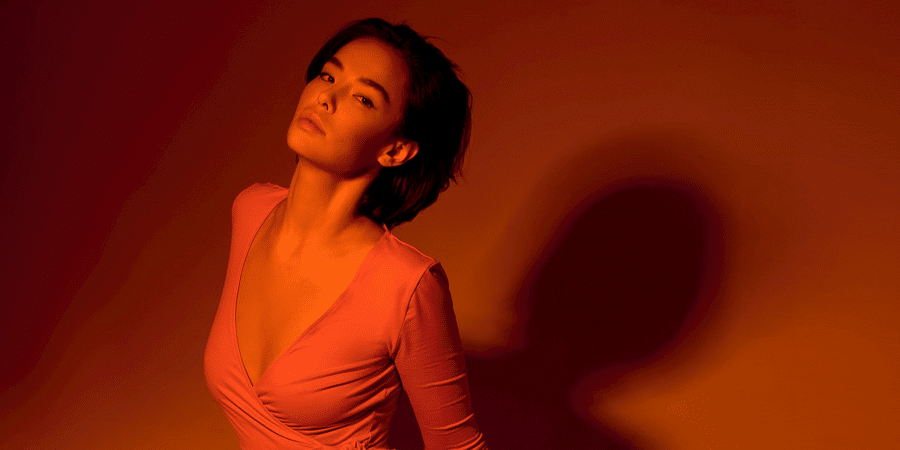
Lights, Camera…Controlled Chaos? Why Studios Often Trump Live Locations

Remember the thrill of watching a car chase snake through a bustling city street, or the heart-stopping intensity of a fight scene staged in a rickety, abandoned building?  Live-location  filming can add a raw, authentic energy to a movie.  But for every heart-stopping chase, there’s a permit nightmare, and for every gritty fight scene, there’s the unpredictable chaos of the real world.  

So, why are studios increasingly opting for the controlled environment of a soundstage over the unpredictable charm of  live locations?  Let’s delve into the world of  filming, exploring the reasons why directors might choose the sterile safety of a studio over the vibrant chaos of the real world.

The High Price of Authenticity: The Challenges of Live-Location Filming

There’s no denying the allure of  live locations.  Imagine capturing the bustling energy of a street market in Morocco or the breathtaking beauty of a remote mountain range.  Live locations can add a layer of authenticity and visual interest that’s simply impossible to replicate on a soundstage.

However, this authenticity often comes at a steep price.  Permits can be a bureaucratic nightmare, requiring months of negotiation and hefty fees.  Imagine the logistical headache of shutting down a busy street for a single scene, or the environmental concerns of filming in a delicate ecosystem.  A recent report by the  Motion Picture Association of America highlights the economic benefits of studio filming,  emphasizing the job creation and tax revenue it generates for local communities.

Beyond logistics,  live locations are inherently unpredictable.  Imagine the frustration of dealing with unexpected weather delays,  traffic noise ruining a crucial scene, or curious onlookers disrupting the  filming.  These factors can add stress to the production, blow out budgets, and force directors to compromise on their vision.

A Stage for Control: The Allure and Limitations of Studio Filming

Studios offer a level of control that  live locations simply can’t match.  Imagine a soundstage – a blank canvas where sets can be meticulously constructed, weather conditions can be manipulated, and  filming can proceed with minimal disruptions.  This controlled environment allows directors to focus on their vision without worrying about the unpredictable elements of the real world.

However, studios also have their limitations.  The sterile environment can lack the raw energy and authenticity of a  live location.  Imagine a bustling street scene recreated on a soundstage – it might look visually impressive, but it might lack the genuine feel of a real market overflowing with sights, sounds, and smells.  A recent article by  IndieWire explores the creative challenges of studio filming,  highlighting the importance of striking a balance between control and authenticity.

The Final Cut: Finding the Perfect Balance Between Chaos and Control

The choice between  live locations and studios isn’t always a clear-cut one.  It depends on the specific needs of the  film.  For some stories, the authenticity of a  live location is essential.  Imagine a documentary set in the heart of the Amazon rainforest – a studio simply wouldn’t be able to capture the raw beauty and urgency of the real location.

However, for other stories, the control and efficiency of a studio can be invaluable.  Imagine a high-octane action sequence with complex special effects – a soundstage offers the perfect environment to bring the director’s vision to life.  Ultimately, the best choice comes down to the story being told and the creative vision of the director.

The future of  filming might lie in a hybrid approach.  Imagine utilizing  live locations for establishing shots and key scenes that require a sense of authenticity, while relying on the controlled environment of the studio for complex sequences and scenes that require special effects.  

By embracing both worlds, filmmakers can create stories that are both visually stunning and emotionally engaging.  So, next time you watch a movie, take a moment to appreciate the  filming choices made by the director.  Whether it’s the bustling energy of a  live location or the controlled chaos of a studio, each environment plays a crucial role in shaping the final product we see on screen.

A Guide to Launching Your Career as a Ghostwriter for Film Reviews

If you’re passionate about movies and have a knack for writing, becoming a ghostwriter for film reviews could be the perfect career path for you. In this comprehensive guide, we’ll explore the ins and outs of breaking into this exciting field, from honing your writing skills to landing your first gig and beyond.

Understanding the Role of a Ghostwriter for Film Reviews

First things first, let’s clarify what exactly a ghostwriter for film reviews does. As a ghostwriter, your job is to write reviews of movies on behalf of someone else, typically under their name or brand. This could involve writing reviews for film critics, bloggers, media outlets, or entertainment websites who don’t have the time or expertise to write their own content.

1. Develop Your Writing Skills

The foundation of any successful career as a ghostwriter for film reviews is strong writing skills. Take the time to hone your craft by practicing writing regularly, reading widely, and studying the style and structure of film reviews. Pay attention to elements such as tone, voice, clarity, and engagement, and strive to develop your own unique writing style that sets you apart from the crowd.

2. Build Your Portfolio

As with any writing career, having a strong portfolio is essential for showcasing your skills and attracting potential clients. Start by writing reviews for movies you’ve seen and enjoyed, and create a portfolio showcasing your best work. You can also consider publishing your reviews on your own blog or website, or contributing to online platforms and publications to gain exposure and credibility.

3. Network and Make Connections

Networking is key to breaking into the world of ghostwriting for film reviews. Reach out to film critics, bloggers, journalists, and industry professionals, and introduce yourself and your services. Attend industry events, film festivals, and networking mixers where you can meet people in the industry and make connections. Building relationships with editors, publishers, and other writers can open doors to opportunities and help you land your first gigs.

4. Pitch Your Services

Once you have a solid portfolio and network in place, it’s time to start pitching your services to potential clients. Research media outlets, websites, and publications that publish film reviews and pitch them your ghostwriting services. Highlight your expertise, experience, and unique perspective, and tailor your pitches to each client’s needs and preferences. Be proactive and persistent in following up with editors and pitching new ideas to keep your pipeline full of opportunities.

5. Deliver High-Quality Work

When you land your first gig as a ghostwriter for film reviews, it’s crucial to deliver high-quality work that meets or exceeds your client’s expectations. Take the time to thoroughly research and watch the movie you’re reviewing, gather relevant information and insights, and craft a well-written and engaging review that provides value to the reader. Be open to feedback and revisions, and strive to continuously improve and refine your writing skills.

6. Maintain Professionalism and Integrity

As a ghostwriter, it’s important to maintain professionalism and integrity in all your interactions and work. Respect client confidentiality and agreements, and always deliver on your promises and deadlines. Be honest and transparent about your capabilities and limitations, and only accept assignments that you’re confident you can complete to the best of your ability. Building a reputation for reliability, professionalism, and quality work will help you attract repeat clients and referrals.

7. Diversify Your Skills and Services

To stand out in a competitive field, consider diversifying your skills and services beyond just writing film reviews. You could offer additional services such as content editing, proofreading, social media management, or consulting for filmmakers and production companies. By expanding your skill set and offering a range of services, you can appeal to a broader range of clients and increase your earning potential.

8. Stay Informed and Up-to-Date

Finally, to succeed as a ghostwriter for film reviews, it’s essential to stay informed and up-to-date on the latest trends, developments, and releases in the film industry. Watch a wide variety of movies across different genres and eras, follow industry news and publications, and engage with other film enthusiasts and professionals online and offline. By staying informed and knowledgeable, you can provide valuable insights and perspectives in your reviews and establish yourself as a trusted authority in the field.

Rewards for Passion and Dedication

Launching a career as a ghostwriter for film reviews requires a combination of writing skills, networking, professionalism, and industry knowledge. By honing your writing skills, building a strong portfolio, networking with industry professionals, pitching your services, delivering high-quality work, maintaining professionalism and integrity, diversifying your skills and services, and staying informed and up-to-date, you can position yourself for success in this exciting and rewarding field. With dedication, persistence, and passion for movies, you can turn your love of cinema into a fulfilling and lucrative career as a ghostwriter for film reviews.

The Allure of Starting a Luxury Car Rental Business

The dream of driving a luxury car is one that many people cherish. The sleek lines, powerful engines, and prestige associated with luxury vehicles make them highly desirable. For entrepreneurs with a passion for automobiles and a keen eye for business opportunities, starting a luxury car rental business can be an enticing venture. In this article, we explore the allure of entering this industry and the potential rewards it offers.

Understanding the Appeal

Luxury cars evoke feelings of sophistication, opulence, and status. From iconic brands like Mercedes-Benz and BMW to exotic marques such as Ferrari and Lamborghini, these vehicles represent the pinnacle of automotive engineering and design. For many individuals, renting a luxury car is not just about transportation; it’s an experience – a chance to indulge in the thrill of driving a high-performance machine and make a statement.

Moreover, luxury car rentals offer customers the opportunity to test drive different models before making a purchase decision. This allows them to experience firsthand the comfort, performance, and features of luxury vehicles, helping them make informed choices when investing in a new car.

Tapping into a Lucrative Market

The market for luxury car rentals is vast and diverse, catering to a wide range of clientele. From affluent travelers seeking to make a grand entrance at their destination to business executives in need of stylish transportation for corporate events, there is no shortage of demand for premium rental vehicles. Moreover, special occasions such as weddings, anniversaries, and birthdays often call for the added glamor of a luxury car, presenting additional opportunities for business growth.

In addition to individual customers, luxury car rental businesses can also tap into the corporate market by offering fleet services for events, conferences, and executive transportation. Building partnerships with hotels, event planners, and travel agencies can help generate steady business and establish a strong presence in the industry.

Providing Unparalleled Experiences

What sets luxury car rental businesses apart is their ability to deliver unparalleled experiences to customers. Beyond just offering a mode of transportation, these companies excel at curating memorable journeys that leave a lasting impression. Whether it’s a scenic drive along the coast in a convertible Bentley or a night out on the town in a chauffeured Rolls-Royce, renting a luxury car is about creating unforgettable moments.

Moreover, luxury car rental businesses often offer a range of premium services to enhance the customer experience. This can include personalized concierge services, bespoke itineraries, and exclusive access to VIP events and attractions. By going above and beyond to cater to the needs and preferences of their clients, luxury car rental businesses can build loyalty and attract repeat customers.

Overcoming Challenges

While the allure of starting a luxury car rental business is undeniable, it comes with its fair share of challenges. High upfront costs, maintenance expenses, insurance requirements, and logistical complexities are just some of the hurdles that aspiring entrepreneurs must navigate. Additionally, establishing credibility and building a reputable brand in a competitive market can take time and effort.

To mitigate these challenges, entrepreneurs should conduct thorough market research and develop a comprehensive business plan. This should include detailed financial projections, a marketing strategy, and contingency plans for potential setbacks. Building a strong network of suppliers, mechanics, and industry professionals can also provide valuable support and resources as you grow your business.

Leveraging Technology and Innovation

In today’s digital age, technology plays a crucial role in the success of luxury car rental businesses. From online booking platforms and mobile apps to GPS tracking systems and vehicle monitoring software, leveraging the latest innovations can streamline operations, enhance customer experiences, and improve overall efficiency. Moreover, embracing sustainability initiatives such as electric and hybrid vehicle offerings can appeal to environmentally conscious consumers and differentiate your business in the market.

By investing in cutting-edge technology and staying abreast of industry trends, luxury car rental businesses can stay ahead of the competition and adapt to changing consumer preferences. This can include offering digital keyless entry systems, in-car entertainment and connectivity options, and predictive maintenance solutions to ensure a seamless and enjoyable experience for customers.

The allure of starting a luxury car rental business lies in the opportunity to turn a passion for automobiles into a profitable enterprise. By tapping into the appeal of luxury vehicles, catering to a diverse clientele, and delivering exceptional experiences, entrepreneurs can carve out a niche in this lucrative market. While challenges abound, embracing technology, innovation, and sustainability can help overcome obstacles and position your business for long-term success. Aspiring entrepreneurs with a vision for luxury and a drive for excellence are well-positioned to thrive in the world of high-end car rentals.

Enhancing Productivity: The Benefits of Open Office Spaces

In recent years, the concept of open office spaces has gained popularity among businesses seeking to foster collaboration, communication, and creativity among their employees. Unlike traditional cubicle-based layouts, open office spaces feature expansive, shared work areas that promote interaction and teamwork. While opinions on open offices vary, many studies have shown that this type of environment can have a positive impact on productivity, employee morale, and overall workplace satisfaction. In this article, we explore how an open office space can contribute to increased productivity and efficiency in the workplace.

Encouraging Collaboration and Communication

One of the primary benefits of an open office space is its ability to facilitate collaboration and communication among employees. By removing physical barriers and promoting an atmosphere of openness and accessibility, open office layouts encourage spontaneous interactions and idea-sharing among team members. Employees can easily collaborate on projects, seek input from colleagues, and exchange ideas in real-time, leading to greater innovation and problem-solving. Additionally, open office spaces can help break down hierarchical barriers within organizations, fostering a culture of transparency and inclusivity where everyone’s voice is valued and heard.

Fostering a Sense of Community

Another advantage of open office spaces is their ability to foster a sense of community and camaraderie among employees. In a traditional office setting, employees may feel isolated or disconnected from their colleagues, leading to feelings of loneliness and disengagement. In contrast, open office layouts promote a sense of belonging and shared purpose, as employees work side by side and interact throughout the day. This sense of community can boost morale, improve teamwork, and enhance overall job satisfaction, leading to a more positive and productive work environment.

Increasing Flexibility and Adaptability

Open office spaces offer greater flexibility and adaptability compared to traditional office layouts, allowing organizations to easily reconfigure their workspace to meet changing needs and priorities. With modular furniture, flexible seating arrangements, and multipurpose areas, open office environments can accommodate different work styles and preferences, whether employees prefer to work independently, collaborate with others, or hold impromptu meetings. This flexibility promotes agility and innovation within organizations, enabling employees to adapt quickly to new challenges and opportunities without being constrained by rigid structures or physical barriers.

Improving Supervision and Oversight

For managers and supervisors, open office spaces provide greater visibility and oversight of their teams, allowing them to monitor performance, provide feedback, and offer support more effectively. With a clear view of the workspace, managers can easily identify areas where employees may need assistance or guidance, address issues before they escalate, and recognize and reward top performers. This increased supervision can lead to greater accountability, improved performance, and enhanced employee development, ultimately contributing to higher levels of productivity and success for the organization as a whole.

In conclusion, open office spaces offer numerous benefits that can contribute to increased productivity, collaboration, and employee satisfaction in the workplace. By encouraging collaboration and communication, fostering a sense of community, providing flexibility and adaptability, and improving supervision and oversight, open office layouts create environments where employees can thrive and succeed. While open offices may not be suitable for every organization or work style, when implemented thoughtfully and strategically, they can create dynamic and energizing workspaces that drive innovation, creativity, and success. As businesses continue to evolve and adapt to changing needs and priorities, open office spaces will likely remain a valuable tool for enhancing productivity and performance in the modern workplace.

The Crucial Role of Storyboarding in Successful Film Productions

Storyboarding is a crucial step in the film production process that helps filmmakers visualize the narrative, plan scenes, and organize the flow of the story. This article explores the importance of storyboarding in film productions, the benefits it offers, and how it contributes to the overall success of a film project.

What is Storyboarding?

Storyboarding is the process of creating a visual representation of a film’s narrative through a series of illustrations or images. These images depict the sequence of scenes, camera angles, and key actions, providing a blueprint for the production team. The purpose of storyboarding is to visualize the story, plan the visual and technical aspects, and ensure a cohesive and efficient production process.

Storyboarding has its roots in early animation studios, with Walt Disney often credited for popularizing the technique in the 1930s. Since then, it has become a standard practice in the film industry, used by directors, producers, and animators to plan and communicate their vision effectively.

Benefits of Storyboarding in Film Productions

One of the primary benefits of storyboarding is its ability to help filmmakers visualize the narrative. By creating a visual representation of the script, filmmakers can see how the story unfolds scene by scene. This visualization helps identify any gaps or inconsistencies in the narrative, allowing for adjustments before filming begins.

Storyboarding is essential for planning shots and camera angles. It provides a clear guide for the director of photography (DP) and camera crew, ensuring that each shot is carefully planned and executed. By determining the best angles and compositions in advance, filmmakers can save time on set and achieve the desired visual style.

Storyboarding enhances collaboration among the production team. It serves as a communication tool that conveys the director’s vision to the crew, actors, and other stakeholders. By having a visual reference, everyone involved in the production can understand their roles and responsibilities, leading to a more cohesive and efficient workflow.

Storyboarding allows filmmakers to identify potential issues before production begins. By visually mapping out each scene, they can foresee challenges related to continuity, pacing, and transitions. Addressing these issues during the pre-production phase helps avoid costly reshoots and delays during filming.

The Storyboarding Process

The storyboarding process begins with the creation of a script. The script provides the foundation for the storyboard, outlining the dialogue, actions, and key events of the film. A well-written script is essential for an effective storyboard.

Once the script is finalized, the next step is to sketch the scenes. These sketches do not need to be highly detailed but should capture the essential elements of each shot, such as character positions, movements, and key actions. Some filmmakers use simple stick figures, while others may create more detailed illustrations.

After the initial sketches are completed, technical details are added to the storyboard. This includes information on camera angles, shot types (e.g., close-ups, wide shots), lighting, and special effects. These details help the production team understand how each scene should be filmed and what equipment is needed.

The final step in the storyboarding process is reviewing and refining the storyboard. The director and production team go through each scene, making adjustments as needed to ensure that the storyboard accurately reflects the vision for the film. This iterative process helps fine-tune the narrative and technical aspects before filming begins.

Examples of Effective Storyboarding

The “Star Wars” series, directed by George Lucas, is known for its detailed and comprehensive storyboards. The storyboards for the original trilogy played a crucial role in planning the complex visual effects and action sequences, contributing to the films’ success.

“The Matrix,” directed by the Wachowskis, utilized storyboarding extensively to plan its groundbreaking visual effects and action scenes. The detailed storyboards helped the directors communicate their vision to the crew and ensured that the complex choreography and special effects were executed flawlessly.

Animated films, such as those produced by Pixar and Disney, rely heavily on storyboarding. Since every frame of an animated film is created from scratch, storyboarding is essential for planning the visual storytelling and ensuring that the narrative flows smoothly.

Storyboarding is an indispensable tool in film productions, offering numerous benefits that contribute to the success of a film project. By visualizing the narrative, planning shots, enhancing collaboration, and identifying potential issues, storyboarding helps filmmakers create a cohesive and efficient production process. As demonstrated by successful films like “Star Wars” and “The Matrix,” effective storyboarding can significantly impact the quality and execution of a film. Embracing the importance of storyboarding ensures that filmmakers can bring their creative vision to life with precision and clarity.

Exploring the Resurgence of Alternative Fashion: Embracing Individuality and Expression

In recent years, there has been a noticeable resurgence of alternative fashion, with more and more people embracing unique styles that deviate from mainstream trends. From punk-inspired attire to gothic aesthetics, alternative fashion offers individuals the opportunity to express their individuality, creativity, and non-conformity through clothing and accessories. In this article, we’ll delve into the reasons behind the resurgence of alternative fashion, the influence of social media, and the impact it’s having on the fashion industry as a whole.

Embracing Individuality

One of the primary reasons behind the resurgence of alternative fashion is a growing desire among individuals to express their unique identities and personalities through their clothing choices. In a world dominated by fast fashion and mass-produced clothing, alternative fashion provides a welcome antidote for those seeking to break free from the constraints of mainstream trends and embrace their true selves. Whether it’s through vintage-inspired looks, DIY creations, or avant-garde designs, alternative fashion allows individuals to express their individuality and stand out from the crowd.

Rejecting Mainstream Trends

Another factor driving the resurgence of alternative fashion is a desire to reject mainstream trends and challenge the status quo. As consumers become increasingly disillusioned with the homogenization of fashion and the relentless pursuit of trends dictated by the industry, many are turning to alternative fashion as a form of rebellion and resistance. By embracing styles that are unconventional, subversive, and non-conformist, individuals can assert their independence and autonomy in a world that often prizes conformity and uniformity.

Celebrating Diversity and Inclusivity

Alternative fashion has long been associated with subcultures and marginalized communities that have historically been excluded from mainstream fashion narratives. From punk rockers and goths to queer and gender-nonconforming individuals, alternative fashion has provided a platform for people from all walks of life to celebrate their identities and express themselves authentically. In recent years, there has been a growing recognition of the importance of diversity and inclusivity in the fashion industry, with brands and designers increasingly embracing alternative styles and catering to a wider range of body types, genders, and cultural backgrounds.

Influence of Social Media

The rise of social media has played a significant role in the resurgence of alternative fashion, providing a platform for individuals to discover, share, and celebrate alternative styles from around the world. Platforms like Instagram, TikTok, and Pinterest have become virtual fashion playgrounds, where users can explore a diverse array of looks, connect with like-minded individuals, and find inspiration for their own personal style. Influencers and content creators have also played a key role in popularizing alternative fashion trends, showcasing their unique styles to millions of followers and influencing the wider fashion landscape.

Sustainability and Ethical Considerations

In addition to its emphasis on individuality and self-expression, alternative fashion is also gaining traction due to its focus on sustainability and ethical considerations. As consumers become more conscious of the environmental and social impacts of fast fashion, many are turning to alternative fashion as a more ethical and sustainable alternative. Vintage clothing, upcycled designs, and eco-friendly materials are becoming increasingly popular among those seeking to reduce their carbon footprint and support ethical fashion practices.

Impact on the Fashion Industry

The resurgence of alternative fashion is having a significant impact on the fashion industry as a whole, challenging traditional notions of beauty, style, and gender norms. As alternative fashion continues to gain mainstream visibility and acceptance, major fashion brands and retailers are taking notice, incorporating alternative styles and aesthetics into their collections. This shift towards greater diversity and inclusivity is not only reshaping the fashion landscape but also empowering individuals to embrace their unique identities and express themselves authentically through their clothing choices.

A Driving Force on the Industry

The resurgence of alternative fashion represents a growing desire among individuals to embrace their individuality, reject mainstream trends, and celebrate diversity and inclusivity in the fashion industry. Through its emphasis on self-expression, creativity, and non-conformity, alternative fashion offers a welcome antidote to the homogenization of fashion and the relentless pursuit of trends dictated by the industry. As the influence of social media continues to grow and consumers become more conscious of sustainability and ethical considerations, alternative fashion is poised to become an increasingly influential force in the fashion industry, empowering individuals to express themselves authentically and redefine the boundaries of style and beauty.

Capturing the Best of Your Model in Studio Photoshoots

Studio photography offers a controlled environment where photographers can meticulously craft lighting, composition, and styling to capture stunning images of their subjects. When it comes to photographing models in a studio setting, the goal is to bring out their best features and convey their unique personality and essence. In this article, we explore strategies and techniques for maximizing the potential of your model in studio photoshoots, from building rapport and directing poses to utilizing lighting and post-processing to enhance the final result.

Establishing Rapport and Comfort

One of the most critical aspects of a successful studio photoshoot is establishing a rapport with the model and creating a comfortable and relaxed atmosphere. Building trust and rapport with the model not only helps to put them at ease but also fosters a collaborative working relationship where both parties can contribute ideas and feedback to achieve the desired outcome. Take the time to communicate with the model, listen to their input, and make them feel valued and respected throughout the photoshoot process.

Directing Poses and Expressions

Once rapport has been established, the next step is to direct the model’s poses and expressions to convey the desired mood and emotion in the photographs. Provide clear and concise direction to guide the model through a variety of poses and expressions, paying attention to body language, facial expressions, and eye contact. Encourage the model to experiment with different poses and expressions to find what works best for them, while also offering gentle guidance and feedback to help them refine their movements and gestures.

Utilizing Lighting Techniques

Lighting plays a crucial role in studio photography, as it can dramatically impact the mood, tone, and visual appeal of the final images. Experiment with different lighting techniques, such as soft lighting for a flattering and natural look, or dramatic lighting for added depth and dimensionality. Consider using modifiers such as softboxes, umbrellas, and reflectors to control the intensity and direction of light, and experiment with different lighting ratios and placements to achieve the desired effect. By mastering lighting techniques, photographers can create stunning portraits that showcase the model’s features in the best possible light.

Emphasizing Wardrobe and Styling

In addition to lighting and posing, wardrobe and styling choices can also play a significant role in bringing out the best in your model in studio photoshoots. Collaborate with stylists, makeup artists, and hairstylists to create looks that complement the model’s features and personality, while also aligning with the overall concept and theme of the shoot. Pay attention to details such as color, texture, and silhouette, and consider how these elements can enhance the mood and visual impact of the photographs.

Harnessing the Power of Post-Processing

Post-processing is the final step in the studio photoshoot process, where photographers can fine-tune and enhance the final images to achieve the desired look and feel. Experiment with different editing techniques such as color correction, retouching, and cropping to enhance the model’s features and bring out their natural beauty. Pay attention to details such as skin tone, texture, and clarity, and use tools such as dodge and burn, frequency separation, and sharpening to refine the overall appearance of the photographs.

Leaving a Lasting Impression

Bringing out the best of your model in studio photoshoots requires a combination of technical skill, creativity, and collaboration. By establishing rapport and comfort, directing poses and expressions, utilizing lighting techniques, emphasizing wardrobe and styling, and harnessing the power of post-processing, photographers can create stunning images that showcase the model’s features and personality in the best possible light. With careful planning, preparation, and execution, photographers can elevate their studio photoshoots to new heights and create images that resonate with viewers and leave a lasting impression.

Stepping into the Spotlight: A Guide to Essential Entertainment Lighting Equipment

The magic of a perfectly lit stage, the captivating glow of a well-shot scene, the immersive atmosphere of a concert – these all owe a debt to the unsung heroes behind the scenes: lighting technicians and their arsenal of equipment.  If you’re ever wondered what creates these captivating visual experiences, then buckle up, because we’re diving into the world of entertainment lighting equipment!

From Footlights to Fresnels: A Breakdown of the Basics

The world of entertainment lighting is vast, but let’s start with some fundamental fixtures:

  • Floodlights:  These workhorses bathe an entire stage or area in a wash of light, providing even illumination. Think of them as the lighting equivalent of setting the mood.
  • Spotlights:  As the name suggests, spotlights focus a beam of light on a specific performer, object, or area. They’re perfect for highlighting key moments or actors in a scene.
  • Fresnel Lights:  These versatile fixtures offer adjustable beam angles, allowing you to create a soft wash of light or a more focused spot.  Think of them as the Swiss Army knives of the lighting world.
  • Par Cans:  These compact fixtures pack a punch. Often used for creating washes of colored light or adding punch to a scene, they’re a staple in concerts, nightclubs, and theatrical productions.
  • Moving Lights:  Also known as intelligent lights, these bad boys are the tech wizards of the bunch. They can move, change color, and project patterns, adding a dynamic element to any lighting setup. Imagine beams of light swirling around a stage or morphing into different shapes – that’s the magic of moving lights.

Beyond the Basics: Special Effects Take Center Stage

Once you’ve grasped the core fixtures, let’s explore some equipment that adds an extra layer of visual magic:

  • Strobes:  These create rapid flashes of light, perfect for simulating lightning, explosions, or adding a pulsating effect to a concert. Think of that classic disco ball scene – that’s a strobe effect in action.
  • Lasers:  Lasers add sharp beams of colored light, creating dramatic effects or highlighting specific areas.  Imagine a laser show at a concert, painting geometric patterns across the audience.
  • Gobos:  These are stencils placed in front of a light fixture to project patterns or shapes onto the stage or set.  Think of a scene with a character walking through dappled sunlight – that could be a gobo effect.
  • Fog Machines:  These create a blanket of fog or haze, adding atmosphere and mystery to a scene.  Imagine a spooky graveyard scene shrouded in fog – that’s the power of a fog machine.

Choosing the Right Light for the Job: It’s All About Control

Now that you know the key players, it’s important to understand how they’re controlled.  Lighting consoles, the brains of the operation, allow technicians to adjust light intensity, color, and effects.  Dimmers control the brightness of individual lights or entire lighting rigs.  And don’t forget about color filters, which transform the light output of fixtures, creating a vast spectrum of colors and moods.

Beyond the Equipment: The Art of Lighting

While equipment is crucial, the true magic lies in the hands of the lighting technician.  A skilled technician is an artist who uses light to paint a picture, set the mood, and guide the audience’s focus. They understand how to use light and shadow to create depth, drama, and atmosphere.

A Glimpse into the Future: Where Lighting is Headed

The future of entertainment lighting is brimming with exciting possibilities.  LED technology continues to evolve, offering brighter, more energy-efficient fixtures.  Wireless control systems are simplifying setups and enhancing flexibility.  And the integration of artificial intelligence promises even more dynamic and immersive lighting experiences.

So next time you’re captivated by a performance or a scene, take a moment to appreciate the artistry of light.  Because behind the dazzling spectacle, there’s a whole world of equipment and expertise working tirelessly to bring that magic to life. From the humble floodlight to the high-tech moving light, each piece plays a crucial role in creating the unforgettable visual experiences that define the world of entertainment.

Embracing Short Hair: Celebrating the Beauty of Models with Short Hairstyles

In the world of fashion and beauty, long hair has often been considered the epitome of femininity and glamor. However, in recent years, there has been a shift in perception, with short hair gaining recognition for its versatility, confidence, and undeniable charm. Models with short hairstyles are breaking stereotypes and redefining beauty standards, proving that hair length does not define elegance or allure. In this article, we explore the beauty of models with short hair, celebrating their individuality, style, and the unique statement they bring to the fashion industry.

Embracing Individuality and Confidence

Models with short hair exude a sense of individuality and confidence that is both striking and empowering. By embracing short hairstyles, these models challenge conventional beauty norms and celebrate their unique features with boldness and grace. Short hair accentuates facial features, allowing models to showcase their bone structure, eyes, and smile with unparalleled clarity and confidence. The decision to sport a short hairstyle is a bold statement of self-assurance, signaling to the world that beauty comes in all forms and that true confidence stems from within.

Defying Expectations and Stereotypes

Short-haired models are defying expectations and stereotypes, proving that femininity and beauty are not defined by hair length. In a society that often equates long hair with femininity, short-haired models challenge traditional notions of beauty and inspire others to embrace their authenticity. Short hairstyles can be edgy, chic, and effortlessly cool, allowing models to express their personality and style in unique and unexpected ways. By shattering stereotypes, short-haired models pave the way for greater inclusivity and diversity in the fashion industry, encouraging people of all hair lengths to embrace their natural beauty and individuality.

Versatility and Creativity in Styling

Contrary to popular belief, short hair offers a wealth of styling possibilities and creative opportunities for models. From sleek pixie cuts to tousled bobs and bold shaved styles, short-haired models can experiment with a variety of looks and textures to suit different fashion campaigns, editorial spreads, and runway shows. Short hairstyles are incredibly versatile, allowing models to change their look effortlessly and adapt to different fashion trends and themes. Whether rocking a sophisticated updo, adding accessories for a playful touch, or embracing natural texture for a laid-back vibe, short-haired models showcase the endless possibilities of styling short hair with confidence and flair.

Emphasizing Facial Features and Expressions

One of the key advantages of short hair is its ability to emphasize facial features and expressions, allowing models to connect with the audience on a more intimate level. Without the distraction of long locks, short-haired models draw attention to their eyes, lips, and facial expressions, conveying emotion and personality with clarity and impact. Short hairstyles frame the face beautifully, creating a clean and polished look that accentuates natural beauty and enhances the overall aesthetic of the image. Whether exuding confidence, vulnerability, or playfulness, short-haired models captivate viewers with their expressive presence and magnetic charm.

Redefining Beauty Standards in the Industry

Models with short hair are redefining beauty standards and making a powerful statement of individuality, confidence, and style in the fashion industry. Embracing short hairstyles, these models challenge stereotypes, celebrate authenticity, and inspire others to embrace their natural beauty with confidence and grace. With their versatility, creativity, and ability to emphasize facial features and expressions, short-haired models bring a unique perspective and energy to fashion campaigns, editorial spreads, and runway shows. By celebrating the beauty of models with short hair, we celebrate diversity, inclusivity, and the endless possibilities of self-expression in the world of fashion and beauty.

The Allure of Stripes in Fashion: Why They’re Timeless and Trendy

Stripes have long been a staple in the world of fashion, gracing everything from classic tees to sophisticated suits. Their versatility, simplicity, and timeless appeal make them a favorite among designers and fashion enthusiasts alike. In this article, we’ll delve into the enduring allure of stripes in fashion, exploring their history, versatility, and enduring popularity.

A Brief History of Stripes in Fashion

Stripes have a rich and storied history in fashion, dating back centuries to ancient civilizations. The earliest known examples of striped garments can be traced back to ancient Egypt, where striped fabrics were worn by both men and women of high status. Throughout history, stripes have been associated with various cultural meanings and symbolisms, ranging from status and wealth to rebellion and counterculture.

In the modern era, stripes gained popularity in Western fashion during the 19th century, thanks in part to the influence of the nautical trend. Sailors and seafarers were often depicted wearing striped shirts, which became synonymous with maritime style and adventure. Over time, stripes became more mainstream, appearing in a wide range of clothing styles and designs.

Versatility in Design and Styling

One of the key reasons for the enduring appeal of stripes in fashion is their versatility in design and styling. Whether you prefer bold, graphic stripes or subtle, pinstriped patterns, there’s a stripe for every taste and occasion. Stripes can be incorporated into virtually any garment or accessory, from casual t-shirts and sweaters to formal blazers and dresses.

Additionally, stripes can be styled in a multitude of ways to create different looks and aesthetics. Horizontal stripes are often seen as classic and timeless, while vertical stripes can elongate the body and create a slimming effect. Diagonal, chevron, and asymmetrical stripes add visual interest and dimension to garments, making them stand out from the crowd. With endless possibilities for mixing and matching, stripes offer endless opportunities for creative expression and personal style.

Timeless Appeal and Enduring Popularity

Stripes have stood the test of time and remained a perennial favorite in fashion year after year. Unlike fleeting trends that come and go, stripes have a timeless quality that transcends seasons and generations. Whether they’re adorning a Breton shirt, a tailored suit, or a summer dress, stripes exude effortless style and sophistication.

Part of the enduring popularity of stripes lies in their ability to adapt to changing tastes and trends while retaining their classic appeal. Designers continually reinvent stripes in new and innovative ways, experimenting with colors, widths, and placements to keep them fresh and modern. From bold, rainbow-colored stripes to subtle, monochromatic designs, there’s a stripe for every mood and occasion, making them a versatile and enduring wardrobe staple.

Universally Flattering and Accessible

Another reason for the appeal of stripes in fashion is their universal flattering nature and accessibility. Unlike some patterns that can be challenging to wear for certain body types, stripes are universally flattering and can be worn by anyone, regardless of age, size, or gender. Horizontal stripes can create the illusion of width, while vertical stripes can elongate the body and create a slimming effect.

Furthermore, stripes are accessible to all budgets and fashion preferences, making them an inclusive and democratic choice for consumers. From high-end designer labels to fast-fashion retailers, stripes can be found at every price point and in a variety of styles, ensuring that everyone can incorporate them into their wardrobe.

Endless Styling Possibilities

One of the most appealing aspects of stripes in fashion is their versatility and endless styling possibilities. Whether you’re going for a casual, laid-back look or a polished, sophisticated ensemble, stripes can be styled to suit any occasion or mood. For a classic and timeless look, pair a Breton-striped top with jeans and sneakers for a chic off-duty outfit.

If you’re feeling bold and adventurous, experiment with mixing different types of stripes for a playful and eclectic look. Try pairing a striped blouse with a pinstriped blazer or layering multiple striped garments for a fashion-forward statement. Accessorize with striped bags, scarves, or shoes to add a pop of pattern to any outfit.

A Timeless Aesthetic

In conclusion, the appeal of stripes in fashion is undeniable, thanks to their versatility, timeless appeal, and universal flattering nature. From ancient civilizations to modern runways, stripes have remained a perennial favorite among designers and fashion enthusiasts alike. Whether you prefer classic Breton stripes, bold graphic prints, or subtle pinstriped patterns, there’s a stripe for every taste and style. With endless possibilities for mixing and matching, stripes offer limitless opportunities for creative expression and personal style, making them a beloved and enduring wardrobe staple for generations to come.