Embracing Monotone: Exploring the Beauty of Minimalism in Interior Design

In the world of interior design, minimalism and monotone color palettes have emerged as popular trends, offering a timeless and sophisticated aesthetic that emphasizes simplicity, elegance, and tranquility. While some may associate monotone with monotony, in reality, this design approach celebrates the beauty of restraint and understatement, creating spaces that feel harmonious, cohesive, and effortlessly chic. In this article, we delve into the allure of monotone in interior design, exploring its aesthetic appeal, practical benefits, and tips for incorporating this style into your home.

Aesthetic Appeal of Monotone

Monotone interior design is characterized by the use of a single color or limited palette of shades within the same color family. Whether it’s shades of white, gray, beige, or black, monotone spaces exude a sense of calmness, serenity, and sophistication. By focusing on simplicity and purity, monotone interiors create a visually cohesive and harmonious environment that feels both modern and timeless. The lack of distracting colors allows architectural details, textures, and forms to take center stage, highlighting their beauty and enhancing the overall aesthetic appeal of the space.

Creating a Sense of Space and Light

One of the key benefits of monotone interior design is its ability to create a sense of space and light within a room. Light-colored monotone palettes, such as whites and creams, reflect natural light and make rooms feel larger, airier, and more expansive. This is particularly beneficial in smaller spaces or rooms with limited natural light, where the use of dark colors can make the space feel cramped and claustrophobic. By opting for a monotone color scheme, homeowners can maximize the perception of space and light, creating inviting and open interiors that feel welcoming and inviting.

Embracing Texture and Contrast

While monotone interiors may be limited in color, they are rich in texture and contrast, adding depth, warmth, and visual interest to the space. Textured materials such as wood, stone, metal, and textiles can add tactile appeal and dimension to a monotone room, creating visual contrast and preventing the space from feeling flat or sterile. From rough-hewn wood beams to plush velvet upholstery, incorporating a variety of textures adds layers of complexity and character to monotone interiors, making them feel cozy, inviting, and lived-in.

Achieving Balance and Harmony

In monotone interior design, achieving balance and harmony is essential to creating a cohesive and visually pleasing space. This involves carefully selecting shades within the same color family and incorporating varying tones and textures to add depth and interest. By maintaining a sense of balance and proportion, homeowners can ensure that their monotone interiors feel harmonious and well-coordinated, rather than overwhelming or monotonous. Strategic use of accent colors or metallic finishes can also help break up the monotony and add visual intrigue without detracting from the overall simplicity of the design.

Practical Tips for Incorporating Monotone

When incorporating monotone into your home, consider the following practical tips:

  • Start with a neutral base color, such as white, beige, or gray, and build your color palette from there.
  • Experiment with different shades and textures within the same color family to add depth and visual interest.
  • Use accents and accessories sparingly to add pops of color and personality to the space.
  • Incorporate a variety of textures and finishes to prevent the space from feeling flat or one-dimensional.
  • Pay attention to lighting, as natural and artificial light can affect the way colors appear in a room.

In conclusion, monotone interior design offers a minimalist and sophisticated approach to decorating that celebrates simplicity, elegance, and tranquility. By embracing a limited color palette and focusing on texture, contrast, and balance, monotone interiors create spaces that feel harmonious, cohesive, and effortlessly chic. Whether you prefer the timeless appeal of whites and creams or the modern sophistication of grays and blacks, monotone interior design allows homeowners to create stylish and inviting spaces that reflect their personal taste and lifestyle. So why not embrace the beauty of monotone and transform your home into a sanctuary of serenity and style?


The Power of Body Language: A Guide for Actors

In the realm of acting, mastering the art of body language is paramount for conveying emotions, intentions, and character traits. From subtle gestures to dynamic movements, body language serves as a potent tool for actors to communicate with audiences and breathe life into their characters. In this article, we delve into the significance of body language in acting and explore techniques for actors to express themselves effectively through physicality.

Understanding the Importance of Body Language

Body language encompasses the non-verbal cues and signals that individuals use to communicate and express themselves. For actors, body language is a vital component of their craft, allowing them to convey emotions, thoughts, and relationships in a visceral and impactful manner. Whether on stage or screen, the way an actor moves, stands, and gestures can profoundly influence how their character is perceived and understood by audiences.

Harnessing the Power of Movement

Movement is one of the most potent forms of expression for actors, enabling them to breathe life into their characters and convey a wealth of information without uttering a single word. Whether it’s a subtle shift in posture, a graceful dance sequence, or a powerful fight scene, the way actors move through space can convey a range of emotions, intentions, and relationships. By mastering movement techniques, actors can imbue their performances with depth, nuance, and authenticity.

Embodying Character Through Posture

Posture is another crucial element of body language that actors can use to convey character traits and emotional states. The way a character stands, sits, or walks can communicate volumes about their personality, confidence, and inner turmoil. For example, a character with slumped shoulders and downcast eyes may convey a sense of defeat or resignation, while one with a straight spine and steady gaze exudes confidence and determination. By embodying the posture of their characters, actors can bring them to life with greater authenticity and realism.

Utilizing Facial Expressions and Gestures

Facial expressions and gestures are powerful tools for actors to convey emotions and intentions with subtlety and precision. From a smile that lights up the eyes to a furrowed brow that signals concern, the face is capable of conveying a wide range of emotions that can captivate audiences and draw them into the world of the character. Similarly, gestures such as pointing, waving, or clenching fists can add depth and texture to a character’s interactions and relationships. By honing their ability to use facial expressions and gestures effectively, actors can elevate their performances and create characters that feel fully realized and relatable.

Incorporating Props and Costume

Props and costume can also play a significant role in shaping an actor’s body language and physicality. The way a character interacts with objects or wears their costume can provide valuable insights into their personality, background, and motivations. For example, a character who fidgets with a pen or twirls a strand of hair may convey nervousness or uncertainty, while one who confidently wields a sword or wears a tailored suit exudes authority and confidence. By incorporating props and costume into their performances, actors can enrich their characters and create more immersive and engaging storytelling experiences for audiences.

Seeking Authenticity and Vulnerability

Ultimately, the key to effective body language in acting lies in authenticity and vulnerability. Actors must be willing to tap into their own emotions and experiences to breathe life into their characters and connect with audiences on a deep and meaningful level. This requires a willingness to be vulnerable, to explore the depths of human emotion, and to express oneself honestly and authentically through physicality. By embracing vulnerability and seeking authenticity in their performances, actors can create characters that resonate with audiences and leave a lasting impression long after the curtain falls.

Creating Inspirational Performances

Body language is a powerful tool for actors to express themselves and bring characters to life on stage and screen. By harnessing the power of movement, embodying character through posture, utilizing facial expressions and gestures, incorporating props and costume, and seeking authenticity and vulnerability, actors can master the art of body language and create performances that captivate and inspire audiences. Through dedication, practice, and a commitment to authenticity, actors can unlock the full potential of their physicality and elevate their craft to new heights of excellence.

Mastering the Art of Portraying Villains: A Guide for Actors

Portraying a villain is a challenging yet rewarding endeavor for actors, requiring them to tap into their dark side and explore the depths of human nature. From iconic villains in literature and mythology to complex antagonists in film and television, playing the role of the villain offers actors the opportunity to delve into complex characters and deliver unforgettable performances. In this article, we explore the art of getting into the role of the villain and the techniques actors can use to bring these characters to life on screen.

Understanding the Villain

Before diving into the role of the villain, actors must first understand the character they will be portraying. Villains come in many forms, from ruthless dictators and power-hungry criminals to tortured souls driven by revenge or ambition. By delving into the villain’s backstory, motivations, and psychology, actors can gain insights into what drives their character’s actions and behaviors, allowing them to create more nuanced and compelling performances.

Finding Empathy and Complexity

While villains are often depicted as cold and heartless individuals, the most memorable antagonists are those who possess depth, complexity, and even a hint of humanity. Actors should strive to find empathy for their characters and explore the reasons behind their villainous actions. By understanding the villain’s backstory and motivations, actors can uncover layers of complexity that add depth and richness to their performances, making their characters more relatable and compelling to audiences.

Embracing the Dark Side

Getting into the role of the villain requires actors to tap into their dark side and embrace the more sinister aspects of human nature. This may involve exploring feelings of anger, resentment, jealousy, or greed—emotions that are often associated with villainous characters. By allowing themselves to fully embody these emotions, actors can bring authenticity and intensity to their performances, creating villains that are both captivating and chilling to watch.

Physical Transformation

In addition to delving into the psychological aspects of their characters, actors may also undergo physical transformations to fully inhabit the role of the villain. This may involve changes to their appearance, such as adopting a menacing posture, altering their voice, or wearing makeup and prosthetics to create a more sinister appearance. Physical transformation can help actors internalize the essence of their characters and project a sense of menace and danger on screen.

Embracing the Challenge

Portraying a villain is a daunting task that requires actors to step outside of their comfort zones and embrace the challenge of playing characters who are often morally ambiguous or downright evil. Rather than shying away from the darkness, actors should embrace the opportunity to explore the complexities of human nature and push the boundaries of their acting abilities. By fully committing to the role and embracing the challenges it presents, actors can deliver performances that are bold, dynamic, and unforgettable.

Seeking Inspiration

To prepare for the role of the villain, actors may draw inspiration from a variety of sources, including literature, mythology, history, and real-life individuals. Studying iconic villains from film, television, and literature can provide valuable insights into character archetypes, motivations, and tactics. Additionally, immersing oneself in research about psychology, criminology, and the nature of evil can help actors better understand the mindset of their characters and the forces that drive them to villainy.

Transforming into the Villain

Getting into the role of the villain is a complex and multi-faceted process that requires actors to tap into their creativity, empathy, and dark side. By understanding the character, finding empathy and complexity, embracing the dark side, undergoing physical transformation, embracing the challenge, and seeking inspiration, actors can bring villains to life on screen in a way that captivates and terrifies audiences. Through their dedication and commitment, actors demonstrate the transformative power of the art of acting and the ability to create characters that linger in the minds of viewers long after the credits roll.

Crafting Emotional Music: A Guide to Eliciting Powerful Responses

Music has the remarkable ability to evoke a wide range of emotions, from joy and excitement to sadness and nostalgia. For musicians and composers, tapping into the emotional core of their audience can be a powerful way to connect and resonate with listeners on a profound level. In this article, we explore techniques and strategies for creating music that elicits strong emotional responses, allowing artists to craft truly unforgettable musical experiences.

Understanding Emotional Resonance

At its core, music is a language of emotions, capable of conveying feelings and moods in ways that words alone cannot. Whether it’s through melody, harmony, rhythm, or lyrics, every element of a musical composition has the potential to evoke a specific emotional response in listeners. Understanding how these elements work together to create emotional resonance is essential for musicians seeking to craft deeply moving and impactful music.

Harnessing the Power of Melody and Harmony

Melody and harmony are two of the most powerful tools at a composer’s disposal for eliciting emotional responses in listeners. A memorable melody can stick with listeners long after the music has ended, evoking feelings of nostalgia, longing, or joy. Harmonic progressions and chord changes can create tension and release, leading listeners on an emotional journey through the music. By carefully crafting melodies and harmonies that resonate with the intended emotional tone of the music, composers can create music that truly moves and inspires their audience.

Exploring Dynamic Range and Texture

Dynamic range and texture play a crucial role in shaping the emotional impact of music. Changes in volume, intensity, and instrumentation can heighten the emotional tension and drama of a composition, drawing listeners in and holding their attention captive. From quiet, introspective passages to loud, bombastic crescendos, dynamic contrasts can create moments of emotional catharsis and release, leaving a lasting impression on listeners.

Crafting Lyrics with Depth and Meaning

For songwriters, crafting meaningful and evocative lyrics is essential for creating emotional resonance with listeners. Whether telling a personal story, exploring universal themes, or painting vivid imagery with words, lyrics can add depth and nuance to a musical composition, allowing listeners to connect with the emotional core of the music on a deeper level. By writing lyrics that are honest, authentic, and emotionally resonant, songwriters can create music that speaks directly to the hearts and souls of their audience.

Tapping into Personal Experience and Vulnerability

One of the most powerful ways to create emotional music is by tapping into personal experience and vulnerability as an artist. Drawing inspiration from real-life events, emotions, and relationships can imbue music with authenticity and sincerity, allowing listeners to connect with the raw emotion and humanity behind the music. By sharing their own struggles, triumphs, and vulnerabilities through their music, artists can create a sense of empathy and understanding that resonates deeply with their audience.

Move and Inspire Generations

Creating music that gets listeners emotional requires a combination of technical skill, artistic vision, and emotional intelligence. By understanding the power of melody and harmony, exploring dynamic range and texture, crafting lyrics with depth and meaning, and tapping into personal experience and vulnerability, musicians and composers can craft truly unforgettable musical experiences that resonate deeply with their audience. Whether aiming to evoke feelings of joy, sadness, nostalgia, or hope, the art of creating emotional music is a journey of self-expression and connection that has the power to move and inspire listeners for generations to come.

The Charisma of the Manic Pixie Dream Girl: A Guide for Actors

The Manic Pixie Dream Girl (MPDG) is a captivating and enigmatic character archetype that has captivated audiences with her whimsical charm, eccentricity, and free-spirited nature. Coined by film critic Nathan Rabin, the MPDG is often portrayed as a quirky and spontaneous woman who exists solely to inspire and transform the male protagonist’s life. In this article, we explore the allure of the Manic Pixie Dream Girl archetype and provide guidance for actors seeking to capture her unique essence in their performances.

Understanding the Manic Pixie Dream Girl

The Manic Pixie Dream Girl is a character archetype that is defined by her eccentricity, spontaneity, and whimsical outlook on life. She is often portrayed as a free-spirited and unconventional woman who defies societal norms and conventions, living life on her own terms and inspiring those around her to embrace spontaneity and adventure. Despite her endearing qualities, the MPDG is often criticized for being a two-dimensional character whose sole purpose is to serve as a catalyst for the male protagonist’s personal growth and self-discovery.

Embracing Quirkiness and Eccentricity

One of the key characteristics of the Manic Pixie Dream Girl is her quirkiness and eccentricity. Actors portraying the MPDG should embrace these traits and infuse their performances with a sense of whimsy and spontaneity. Whether it’s quirky mannerisms, unconventional fashion choices, or offbeat hobbies, the MPDG’s eccentricity is part of what makes her so captivating and alluring to audiences. By fully committing to the character’s quirks and idiosyncrasies, actors can bring the MPDG to life in a way that is both authentic and captivating.

Conveying Depth and Complexity

While the Manic Pixie Dream Girl is often portrayed as a carefree and whimsical character, she also possesses a depth and complexity that is often overlooked. Beneath her quirky exterior, the MPDG may harbor insecurities, fears, and desires of her own, making her a multifaceted and nuanced character. Actors should strive to convey this complexity in their performances, exploring the inner world of the MPDG and revealing the layers beneath her whimsical facade. By tapping into the character’s emotional depth, actors can create a more nuanced and compelling portrayal of the Manic Pixie Dream Girl.

Establishing Chemistry with the Male Protagonist

Central to the Manic Pixie Dream Girl archetype is her relationship with the male protagonist, whom she often serves to inspire and transform. Actors portraying the MPDG must establish a strong chemistry with their co-star, conveying a sense of connection and intimacy that is essential to the dynamic between the two characters. Whether it’s through playful banter, meaningful glances, or shared experiences, the chemistry between the Manic Pixie Dream Girl and her male counterpart is what drives the narrative forward and makes their relationship so compelling to audiences.

Avoiding Clichés and Stereotypes

While the Manic Pixie Dream Girl archetype can be a captivating and intriguing character, actors must be mindful of the clichés and stereotypes that often accompany her portrayal. The MPDG is frequently criticized for being a one-dimensional character whose sole purpose is to serve as a muse for the male protagonist, lacking agency and autonomy of her own. Actors should strive to avoid perpetuating these stereotypes in their performances, instead seeking to imbue the Manic Pixie Dream Girl with depth, complexity, and agency of her own.

Exhibiting Depth and Quirkiness

Capturing the performance of a Manic Pixie Dream Girl is a challenging yet rewarding endeavor for actors. By embracing quirkiness and eccentricity, conveying depth and complexity, establishing chemistry with the male protagonist, and avoiding clichés and stereotypes, actors can bring the MPDG to life in a way that is both authentic and compelling. Through dedication, creativity, and a commitment to storytelling, actors can create memorable and captivating portrayals of this iconic character archetype, inspiring audiences with her whimsical charm and infectious joie de vivre.

Why Starting a Studio for Rent Makes for a Good Entrepreneurial Venture

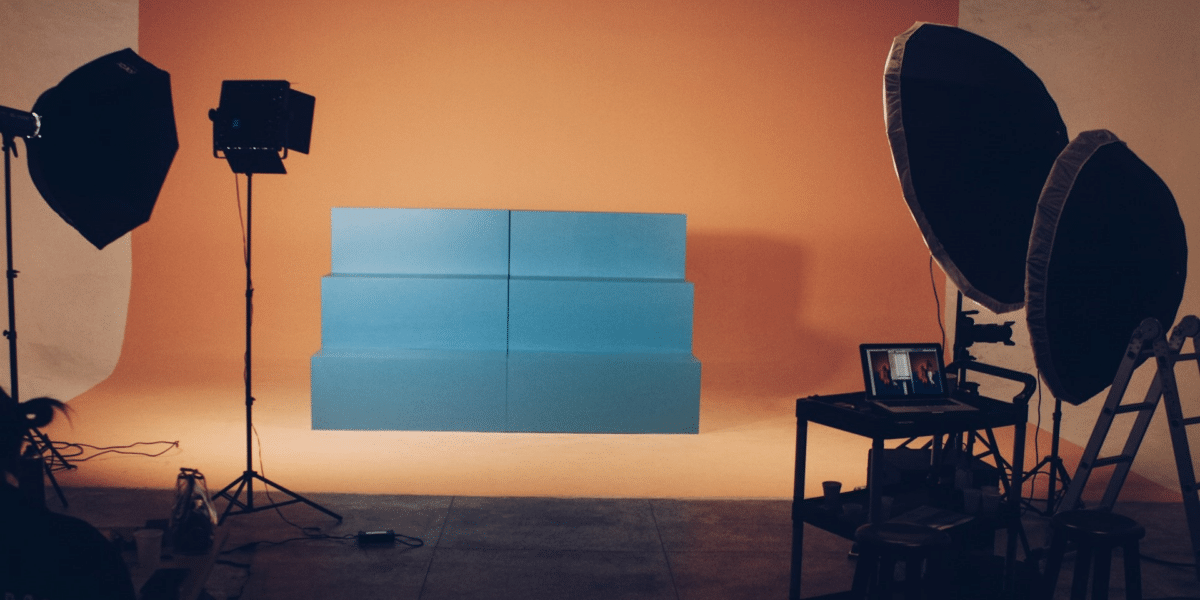
In the realm of entrepreneurship, the opportunities for innovative ventures are boundless. For those with a passion for creativity and a knack for business acumen, starting a studio for rent can be a lucrative and fulfilling endeavor. Whether it’s a photography studio, art space, or recording studio, renting out a dedicated workspace offers numerous benefits for both entrepreneurs and their clients. In this article, we delve into the reasons why starting a studio for rent makes for a compelling entrepreneurial venture.

Meeting the Needs of Creatives

Creativity knows no bounds, but finding the right space to bring artistic visions to life can be a challenge for many creatives. Whether it’s photographers in need of a controlled environment for shoots, artists seeking a quiet space to work on their craft, or musicians looking for a soundproof room to record their music, the demand for dedicated studio spaces is ever-present.

By providing a well-equipped and professionally managed studio for rent, entrepreneurs can cater to the needs of these creatives and offer them a space where they can unleash their creativity without constraints. This not only fills a gap in the market but also fosters a supportive ecosystem where artists can thrive and collaborate.

Generating Passive Income

One of the most attractive aspects of starting a studio for rent is the potential for generating passive income. Once the studio is set up and operational, entrepreneurs can earn revenue from renting out the space on a recurring basis. This steady stream of income can provide financial stability and supplement other sources of revenue, making it an appealing option for entrepreneurs looking to diversify their income streams.

Moreover, the scalability of the business model allows entrepreneurs to expand their studio rental offerings over time, adding additional rooms or amenities to cater to evolving client needs. With careful planning and management, a studio for rent can become a profitable and sustainable business venture.

Flexibility and Versatility

Another advantage of starting a studio for rent is the flexibility and versatility it offers. Unlike traditional brick-and-mortar businesses, studio rentals are not tied to a specific location or market. Entrepreneurs have the freedom to set up their studio in a variety of locations, from urban centers to suburban neighborhoods, depending on their target clientele and business objectives.

Furthermore, the versatility of studio spaces allows entrepreneurs to cater to a diverse range of industries and use cases. A photography studio can double as a video production space, an art studio can host workshops and classes, and a recording studio can accommodate live performances and events. This adaptability enables entrepreneurs to maximize the utility of their studio space and attract a wider range of clients.

Building a Community and Network

Beyond just providing a physical space, starting a studio for rent allows entrepreneurs to cultivate a vibrant community of artists, creatives, and professionals. By hosting networking events, workshops, and collaborative projects, entrepreneurs can foster connections and facilitate meaningful interactions among their clients.

This sense of community not only enhances the overall studio experience but also opens up opportunities for collaboration and mutual support. Artists can share resources, knowledge, and expertise, leading to creative synergy and innovation. Additionally, building a strong network of clients and partners can help entrepreneurs attract new business and expand their reach in the industry.

In conclusion, starting a studio for rent offers a compelling entrepreneurial opportunity for those with a passion for creativity and a desire to support fellow artists and professionals. By meeting the needs of creatives, generating passive income, and providing flexibility and versatility, entrepreneurs can build a successful and sustainable business venture in the studio rental industry.

Moreover, by fostering a sense of community and network among their clients, entrepreneurs can create a supportive ecosystem where artists can thrive and collaborate. As the demand for dedicated studio spaces continues to grow, the potential for entrepreneurial success in this space is vast. With careful planning, strategic thinking, and a commitment to excellence, starting a studio for rent can be a rewarding journey towards financial prosperity and creative fulfillment.

The Power of Amplifiers: Choosing the Perfect Amp for Your Guitar Sound

Amplifiers play a crucial role in shaping the sound of electric guitars, transforming their raw output into a rich and dynamic sonic experience. With a myriad of options available on the market, choosing the right amplifier can be a daunting task for guitarists. In this article, we explore how amplifiers affect the sound of guitars and provide guidance on selecting the best amp to suit your unique musical style and preferences.

Understanding the Impact of Amplifiers

Amplifiers serve as the intermediary between an electric guitar and its speakers, amplifying the electrical signal generated by the guitar’s pickups and shaping its tone through various electronic components. Different types of amplifiers, such as tube amps, solid-state amps, and digital modeling amps, offer distinct tonal characteristics and sonic qualities, allowing guitarists to achieve a wide range of sounds and effects.

Tube Amps: Warmth and Character

Tube amplifiers, often revered for their warm and natural sound, utilize vacuum tubes to amplify the guitar signal. Known for their rich harmonic overtones and responsive dynamics, tube amps produce a classic and vintage tone that is prized by many guitarists, particularly those playing blues, rock, and jazz music. While tube amps tend to be heavier and more expensive than their solid-state counterparts, their sonic character and musicality make them a favorite among discerning players.

Solid-State Amps: Reliability and Versatility

Solid-state amplifiers, powered by transistor-based circuitry, offer a more reliable and affordable alternative to tube amps. While lacking the warmth and organic feel of tube amps, solid-state amps excel in terms of durability, consistency, and versatility. With advanced digital processing technology, modern solid-state amps can emulate the tonal characteristics of tube amps and provide a wide range of onboard effects and amp modeling options, making them ideal for players seeking flexibility and convenience.

Digital Modeling Amps: Innovation and Customization

Digital modeling amplifiers combine the convenience of solid-state technology with the flexibility of digital signal processing to offer a wide range of amp models, effects, and tonal options in a single unit. These versatile amps allow guitarists to emulate the sounds of iconic amplifiers and effects pedals, as well as create custom tones tailored to their specific preferences. While digital modeling amps may lack the tactile response and organic feel of tube amps, they offer unparalleled flexibility and innovation in sound design.

Choosing the Right Amp for Your Sound

When selecting an amplifier for your guitar, it’s essential to consider factors such as musical genre, playing style, budget, and personal preferences. Tube amps are well-suited to players seeking vintage warmth and character, while solid-state amps offer reliability and versatility at an affordable price point. Digital modeling amps provide a wide range of tonal options and effects, making them ideal for players who crave innovation and customization.

Considering Musical Genre and Playing Style

The musical genre you primarily play and your playing style should heavily influence your choice of amplifier. For example, if you’re a blues or classic rock guitarist aiming for that vintage tone, a tube amp may be your best bet. On the other hand, if you’re a metal or punk guitarist who needs high gain and aggressive distortion, a solid-state or digital modeling amp might better suit your needs. Consider the sonic characteristics and tonal capabilities of each type of amp and how they align with your musical goals and preferences.

Evaluating Budget and Features

Budget is another important factor to consider when choosing an amplifier. Tube amps tend to be more expensive upfront and may require ongoing maintenance, such as tube replacements, which can add to the long-term cost. Solid-state amps are generally more affordable and require less maintenance, making them a practical choice for budget-conscious players. Digital modeling amps offer a wide range of features and effects at various price points, allowing players to find an option that suits their budget and performance needs.

Testing and Experimentation

Ultimately, the best way to find the perfect amp for your sound is to test out different options and experiment with various settings and configurations. Visit local music stores to try out different amplifiers and see how they sound with your guitar and playing style. Pay attention to factors such as tone, responsiveness, dynamics, and overall feel to determine which amp best complements your sound and musical expression. Don’t be afraid to spend time tweaking settings and exploring different amp models and effects to find the perfect combination for your unique sound.

Complement Your Sound and Elevate Your Music

Amplifiers are essential tools for guitarists, offering a wide range of sonic possibilities and tonal characteristics to suit every musical style and preference. Whether you prefer the warmth and character of tube amps, the reliability and versatility of solid-state amps, or the innovation and customization of digital modeling amps, there is a perfect amplifier out there to help you achieve your desired sound. By considering factors such as musical genre, playing style, budget, and personal preferences, as well as testing and experimenting with different options, you can find the ideal amp to complement your playing and elevate your musical performance to new heights.

Transforming for the Role: The Art of Dying Hair in Preparation for Acting

For actors, undergoing physical transformations to embody a character is a common practice that can elevate their performances to new heights of authenticity and realism. One aspect of this transformation process is dying hair to prepare for a role. Whether it’s adopting a new hair color to match a character’s appearance or embracing the signs of aging for a more mature role, dying hair is a powerful tool that allows actors to fully immerse themselves in their characters. In this article, we explore the art of dying hair in preparation for acting and the impact it can have on performances.

Understanding the Character

Before dying their hair for a role, actors must first gain a deep understanding of the character they will be portraying. This involves studying the character’s backstory, personality, motivations, and physical appearance. By understanding the nuances of the character, actors can make informed decisions about how best to transform their appearance, including their hair color and style.

Choosing the Right Color

Selecting the right hair color is crucial for effectively transforming into a character. Actors must consider not only the character’s appearance but also the time period and setting of the story. Whether it’s bleaching hair to achieve a platinum blonde look or dyeing it darker to convey a sense of mystery and intrigue, the chosen hair color should enhance the actor’s portrayal of the character and help bring them to life on screen.

Consulting with Professionals

Dying hair for a role is a delicate process that requires the expertise of professional hairstylists and colorists. Actors should work closely with these professionals to ensure that their hair is dyed safely and effectively. From selecting the right hair dye and color to minimizing damage and maintaining the health of their hair, hairstylists can provide invaluable guidance and support throughout the transformation process.

Embracing the Transformation

Undergoing a physical transformation, such as dying hair for a role, can be a transformative experience for actors both mentally and emotionally. Embracing the changes to their appearance allows actors to fully inhabit their characters and explore new facets of their performances. Whether it’s stepping into the shoes of a historical figure or embodying a fictional character from a beloved novel, dying hair can help actors connect more deeply with their roles and deliver more authentic and compelling performances.

Commitment to the Craft

Dying hair for a role requires a high level of commitment and dedication to the craft of acting. It’s not just about changing one’s appearance; it’s about fully immersing oneself in the world of the character and telling their story with honesty and integrity. Actors who are willing to undergo physical transformations for their roles demonstrate a profound commitment to their craft and a willingness to go above and beyond to bring their characters to life.

Impact on Performances

The impact of dying hair for a role can extend beyond just the physical appearance of the actor. It can also have a profound effect on their performances, allowing them to inhabit their characters more fully and convincingly. By embracing the changes to their appearance, actors can tap into new aspects of their characters’ personalities and emotions, resulting in more nuanced and layered performances that resonate with audiences.

Transforming into the Characters

Dying hair to prepare for a role is a common practice among actors that allows them to undergo physical transformations and fully embody their characters. By understanding the character, choosing the right hair color, consulting with professionals, embracing the transformation, and committing to the craft, actors can effectively use dying hair as a tool to enhance their performances and bring their characters to life on screen. Through their dedication and commitment, actors demonstrate the transformative power of the art of acting and the lengths they are willing to go to in order to tell compelling and authentic stories.

Maximizing Location Potential: Elevating Photoshoots with Strategic Settings

In the realm of photography, the choice of location holds immense significance, often dictating the mood, narrative, and visual impact of a photoshoot. Whether capturing portraits, fashion spreads, or editorial content, photographers strategically seek out locations that enhance the storytelling and aesthetic value of their work. This article delves into the importance of leveraging location in photoshoots and provides insights into maximizing the potential of various settings to create captivating and memorable images.

Selecting the Right Location

Choosing the ideal location is the foundational step in optimizing the potential of a photoshoot. Photographers meticulously assess potential settings, considering their aesthetic qualities, architectural features, and natural elements. The selected location should seamlessly align with the overarching concept and style of the photoshoot. Whether opting for urban landscapes, serene natural environments, or captivating architectural wonders, the key lies in finding settings that complement the narrative and visual direction of the imagery.

Incorporating Context and Storytelling

One of the inherent advantages of shooting on location is the ability to infuse context and storytelling into the images. By integrating the surrounding environment, photographers imbue their work with depth, authenticity, and a sense of place. Utilizing elements such as bustling city streets, tranquil natural backdrops, or historic landmarks allows photographers to convey a narrative that resonates with viewers on a visceral level. Thoughtful composition and framing further enhance the storytelling, creating images that evoke emotion and intrigue.

Utilizing Natural Light and Environmental Elements

The dynamic interplay between natural light and environmental elements adds a layer of visual richness and dimensionality to on-location photoshoots. Photographers harness the nuances of natural light, experimenting with different times of day to capture its varied qualities—from the soft, ethereal glow of sunrise to the dramatic contrasts of midday sun. Additionally, environmental elements such as foliage, water features, and architectural details serve as compositional tools, enhancing the visual interest and framing the subject with elegance and sophistication.

Overcoming Challenges and Limitations

While shooting on location offers unparalleled opportunities for creativity and authenticity, it also presents unique challenges and logistical considerations. Photographers must navigate factors such as unpredictable weather conditions, lighting constraints, and logistical hurdles with adaptability and foresight. Flexibility and resourcefulness are essential traits as photographers adjust their plans and problem-solve on the fly to ensure a successful outcome. Having contingency plans in place helps mitigate potential disruptions and allows for a smoother photoshoot experience.

Embracing Diversity and Authenticity

In today’s photography landscape, diversity and authenticity are paramount. Choosing diverse locations that reflect the cultural, geographical, and social diversity of the world adds depth and richness to photographic storytelling. Embracing authenticity in location selection allows photographers to capture genuine moments and narratives that resonate with a diverse audience. By celebrating the uniqueness of each location, photographers contribute to a more inclusive and representative visual narrative that reflects the richness and complexity of the human experience.

A Unique Art Form

Maximizing location potential in photoshoots is an art form that requires creativity, intentionality, and adaptability. By selecting the right location, incorporating context and storytelling, utilizing natural light and environmental elements, overcoming challenges, and embracing diversity and authenticity, photographers can elevate their work to new heights of creativity and impact. Each location offers a canvas for visual storytelling, and by leveraging its unique qualities, photographers can create images that transcend the ordinary, leaving a lasting impression on viewers and connecting them to the world in profound ways.

Mastering the Regal Persona: Techniques for Portraying Royalty

Portraying royalty is a timeless and captivating challenge for actors, requiring a delicate balance of grace, authority, and charisma. Whether depicting historical monarchs or fictional rulers, actors must embody the regal persona with authenticity and conviction to captivate audiences and bring royal characters to life on stage and screen. In this article, we explore techniques for portraying royalty and delve into the nuances of embodying regal characters with elegance and power.

Embodying Grace and Poise

One of the defining characteristics of royalty is their innate grace and poise. From the way they walk and stand to their gestures and mannerisms, royal figures exude an air of elegance and refinement that sets them apart from commoners. Actors portraying royalty must pay close attention to their posture, movement, and deportment, striving to convey a sense of effortless grace and dignity in every gesture and expression.

Cultivating Authority and Presence

In addition to grace and poise, royalty exude a commanding presence and authority that demands respect and attention. Actors must project confidence, strength, and authority in their portrayal of royal characters, conveying a sense of power and leadership that inspires loyalty and obedience. This may involve speaking with clarity and conviction, maintaining eye contact, and projecting their voice with authority and conviction.

Honing Elocution and Speech Patterns

Royal characters often speak with a distinct elocution and speech patterns that reflect their upbringing and social status. Actors must carefully study the accents, dialects, and speech patterns associated with royalty, whether it’s the Received Pronunciation of British monarchs or the formal language of fantasy kingdoms. By honing their elocution and speech patterns, actors can add authenticity and depth to their portrayal of royal characters, transporting audiences to the majestic world of kings and queens.

Understanding Etiquette and Protocol

Etiquette and protocol are integral aspects of royal life, governing everything from social interactions to ceremonial events. Actors portraying royalty must familiarize themselves with the intricacies of royal etiquette and protocol, including rules of address, seating arrangements, and ceremonial rituals. By understanding and adhering to these protocols, actors can convey a sense of authenticity and authenticity in their portrayal of royal characters, immersing audiences in the grandeur and tradition of royal courts.

Embracing Emotional Complexity

Beneath the façade of regal composure, royal characters often grapple with complex emotions and personal struggles. Actors must delve beneath the surface to explore the emotional depth and complexity of their characters, revealing the vulnerabilities, fears, and desires that lie beneath the regal exterior. Whether it’s portraying the inner turmoil of a conflicted monarch or the quiet strength of a queen facing adversity, actors must embrace the emotional complexity of royal characters to create performances that resonate with audiences on a profound level.

Incorporating Costume and Props

Costume and props play a crucial role in bringing royal characters to life, helping to establish their status, personality, and era. Actors must work closely with costume designers and prop masters to create authentic and visually striking costumes and accessories that reflect the time period and social status of their characters. From ornate crowns and regal robes to elegant gowns and ceremonial regalia, every detail contributes to the overall portrayal of royalty and enhances the audience’s immersion in the world of the story.

Mastering the Craft of Regality 

Portraying royalty is a challenging yet rewarding endeavor for actors, requiring a combination of grace, authority, and emotional depth. By embodying grace and poise, cultivating authority and presence, honing elocution and speech patterns, understanding etiquette and protocol, embracing emotional complexity, and incorporating costume and props, actors can create compelling and unforgettable portrayals of royal characters that captivate audiences and leave a lasting impression. Through dedication, research, and a commitment to authenticity, actors can transport audiences to the majestic world of kings and queens, inspiring awe and admiration with their regal performances.