Ken Perlstein’s Tips for Creating Compelling Short Film Scripts

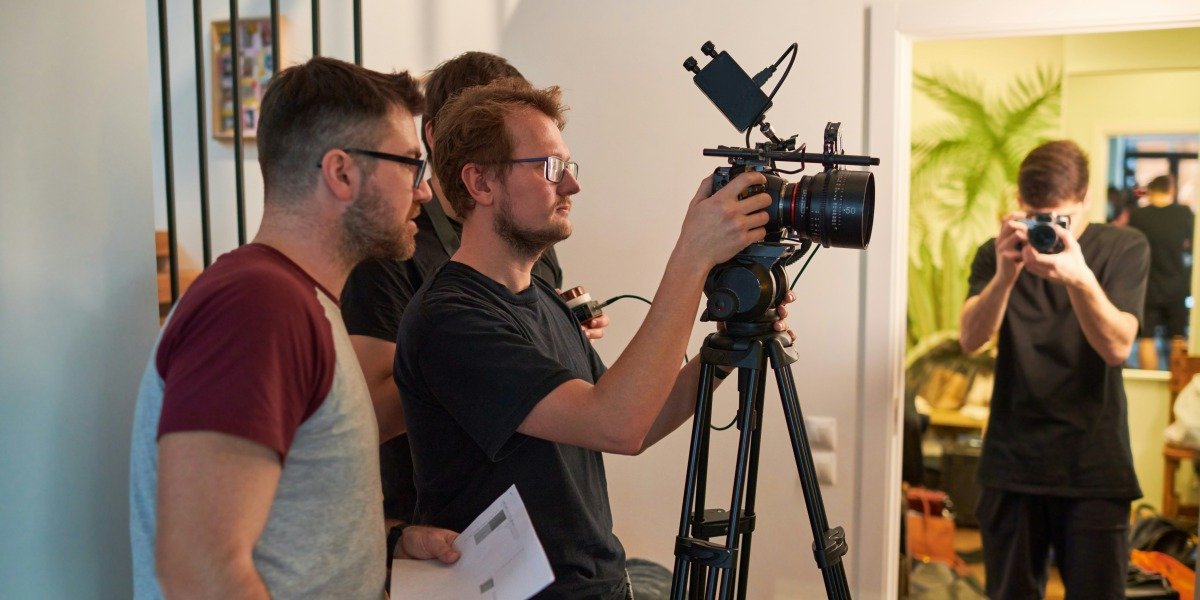
Crafting a compelling short film script demands clarity, precision, and creative restraint. Unlike full-length features, short films must distill their narrative into a compact format where every moment counts. According to Ken Perlstein, successful scripts often revolve around a singular idea or emotional beat, allowing the story to resonate without becoming convoluted. Strong characters, visual storytelling, and intentional structure help drive engagement and leave a lasting impression. Filmmakers must also consider practical constraints such as budget, cast, and locations while maintaining artistic integrity.
What Makes a Short Film Script Work
A short film script typically runs under 15 pages, often translating to a film of 15 minutes or less in length. This limited space means every moment must drive the story forward. Scenes that don’t serve a straightforward narrative or emotional function should be cut ruthlessly to preserve momentum.
Effective short scripts focus on a single idea and explore it with emotional depth.
A compelling short doesn’t try to do too much; it offers a snapshot that leaves a lasting impression, often through an intense visual or emotional payoff. Stories that center on a turning point or single conflict resonate. They become memorable not because of complexity, but because they feel honest and sharply defined.
Originality plays a significant role. A familiar situation told from a fresh angle, or a visual approach that avoids exposition, can elevate even a straightforward narrative. Films like “Stutterer” or “The Neighbors’ Window” gained recognition by focusing on intimate, well-defined moments that connected with audiences.
Choosing an Idea That Fits the Format
In short filmmaking, simplicity often carries the most weight. A single, well-defined concept gives the story direction and keeps the audience engaged without confusion. Complex plots with multiple subplots or characters can dilute impact and exceed the time constraints, often stretching the story thin without adding emotional clarity.
Stories grounded in a single emotional truth work best. A young girl waiting for her father who never arrives, or a man discovering a note left behind by a stranger—these kinds of narratives create intrigue and emotional connection. They don’t require elaborate setups, yet they carry weight. Even a story set in a single room can feel expansive if the emotional stakes are high enough.
When developing an idea, it helps to ask: Can this be told in one sitting, in one breath? If a story needs too much explanation to make sense, it’s probably better suited for a longer format. Great short film ideas often feel like moments captured in time, yet they ripple with deeper meaning beneath the surface.
Building Characters
Short films don’t have time for slow introductions. Characters need to be understood within seconds through behavior or a single line of dialogue. A man nervously adjusting his tie in a bathroom mirror can reveal insecurity, fear, or anticipation, all without a word. These visual cues help the audience instantly form a connection.
Clarity in motivation is key. Whether it’s love, revenge, or redemption, the character’s purpose should be evident and drive their choices. Even in a brief story, an audience will remember a character who wanted something and either got it or didn’t. That emotional drive gives shape to the narrative and creates stakes that matter.
A compelling short often focuses on one central figure. Surrounding them with noise or too many minor players can distract from the core emotional thread. When the character’s goal is clear, the story becomes instantly more engaging. Supporting characters should exist only to reinforce or challenge the protagonist’s journey.
Structuring for a Short Runtime
A short film benefits from a precise and deliberate structure. With limited time, the story must establish stakes quickly, then move confidently toward a resolution. A well-placed turning point or moment of surprise can have a considerable effect when everything else is tightly focused.
Many successful shorts follow a compressed three-act structure without feeling rushed. The setup occurs within the first minute or two, tension builds rapidly, and the climax delivers either emotional or narrative closure. “The Black Hole,” a brief sci-fi short, unfolds almost like a joke with a punchline, yet manages to convey greed, curiosity, and consequence in under three minutes. The brilliance lies in its efficiency.
Pacing is everything. A sluggish middle can ruin even the best idea. Momentum should build naturally, whether through escalating tension, heightened emotional stakes, or a compelling visual rhythm. Editing also plays a crucial role—cutting away anything that dulls the forward motion keeps the energy alive.
Visuals and Practically
Short films thrive when they show rather than explain. Visual storytelling—where meaning is conveyed through action, composition, and expression—feels cinematic and keeps dialogue to a minimum. A woman sitting alone at a bus stop with a suitcase tells us more through silence than pages of backstory ever could.
Dialogue must serve a purpose. It should reveal character or move the plot, never just fill space. In many acclaimed shorts, a single line can carry more weight than entire conversations in longer films. Writing with the final image in mind often helps shape scenes more visually and intentionally. That closing moment lingers longest, so it should speak volumes without needing explanation.
Budget and logistics can’t be ignored. A story that takes place in one location with a small cast is often more feasible and just as robust. When writing, it’s wise to imagine how the script would come to life on set, from lighting to props to wardrobe.
Refining the Script and Preparing for Production
No script is finished after the first draft. Rewriting sharpens dialogue, trims excess, and strengthens structure. Sharing the script with trusted readers can reveal blind spots or opportunities for improvement that may not be obvious to the writer. Fresh eyes often catch what passion overlooks.
Formatting matters, especially when submitting to festivals or collaborating with a director. Using industry-standard tools ensures the script is easy to read and ready for production. It signals professionalism and makes the transition from page to screen smoother. A well-formatted script removes barriers between the words and the people bringing them to life.