Unlock Your Health: Why Hydration is Key to Your Wellness Routine

When it comes to wellness, many of us focus on diet, exercise, and sleep, but there’s one often-overlooked factor that can make a significant difference in your health—hydration. Staying hydrated is essential for more than just quenching your thirst. It affects your energy, your skin, and your ability to perform at your best physically and mentally. But why is hydration so important to your wellness routine, and how can you make it a habit that sticks?

The Vital Role of Hydration in Your Health

Your body is composed of approximately 60% water, and nearly every major system in your body relies on water to function properly. From regulating body temperature to flushing out toxins, water plays a crucial role in keeping everything running smoothly. If you’re not drinking enough water, your body can’t function optimally, leading to fatigue, headaches, and poor skin health.

Drinking enough water helps maintain the balance of bodily fluids, which is essential for processes like digestion, absorption, circulation, and temperature regulation. It also helps prevent dehydration, which can lead to more severe health issues such as kidney stones, urinary tract infections, and even heat stroke in extreme conditions.

Hydration for Energy and Mental Clarity

You might be surprised to learn that dehydration can affect your mental performance. When your body is low on water, your cognitive functions—such as concentration, memory, and alertness—can suffer. Studies have shown that even mild dehydration can impair cognitive abilities and cause feelings of tiredness and sluggishness. That means staying hydrated is just as important for your brain as it is for your body.

In addition to mental clarity, hydration can boost your physical energy levels. Dehydration can make you feel lethargic and drained, preventing you from getting the most out of your workouts. Drinking enough water ensures that your muscles have the fluids they need to perform at their peak. Whether you’re hitting the gym or just going for a walk, staying hydrated helps keep your body energized and ready to go.

Hydration and Your Skin: The Glow You’ve Been Looking For

We’ve all heard that drinking water helps keep your skin healthy, but the benefits are more than just superficial. Proper hydration ensures that your skin retains its moisture, helping to prevent dryness, flakiness, and premature aging. When you’re dehydrated, your skin can appear dull and tired, but with consistent hydration, your skin will look fresh and radiant.

Water also helps to flush out toxins that can cause blemishes or skin irritation, contributing to a clearer complexion. So, if you want to achieve that healthy, youthful glow, water might just be your secret weapon.

How Much Water Do You Really Need?

You’ve probably heard the advice to drink eight glasses of water a day, but is that enough? The truth is, hydration needs vary from person to person based on factors such as body size, activity level, and climate. For the average adult, the general recommendation is about 3.7 liters (or 13 cups) of fluids for men and 2.7 liters (about 9 cups) for women. However, this includes all fluids, not just water.

If you’re active or live in a hot climate, you may need more water to stay properly hydrated. A good rule of thumb is to drink water regularly throughout the day and pay attention to your body’s thirst signals. If you’re thirsty, it’s a sign that your body needs more fluids.

Tips for Incorporating Hydration Into Your Daily Routine

Unlock Your Health: Why Hydration is Key to Your Wellness Routine

Photo Credit: Unsplash.com

Staying hydrated doesn’t have to be a chore. Here are a few simple tips to help make hydration a part of your daily routine:

Start Your Day with Water – Begin each day with a glass of water to kickstart your hydration. This sets a positive tone for the rest of the day.

Carry a Reusable Water Bottle – Keep a water bottle with you at all times. Having it within arm’s reach makes it easier to take sips throughout the day.

Infuse Your Water – If plain water feels boring, try adding slices of fruit, herbs, or cucumber for a refreshing twist. Infused water is a great way to make hydration more enjoyable.

Track Your Intake – Consider using a hydration app to track your daily water intake. This can help ensure you’re meeting your hydration goals.

Eat Water-Rich Foods – Foods like cucumbers, watermelon, oranges, and lettuce have high water content, helping to supplement your fluid intake.

Listen to Your Body – If you’re feeling sluggish, hungry, or have a dry mouth, it’s time to hydrate. Trust your body’s natural signals and drink when you’re thirsty.

Hydration’s Impact on Your Fitness Routine

Hydration is vital for your workout performance. When you’re properly hydrated, your muscles perform better, and your endurance improves. This means you can push harder in your workouts and recover more quickly afterward. Whether you’re lifting weights, running, or practicing yoga, hydration helps fuel your body for peak performance.

On the flip side, exercising without enough hydration can lead to muscle cramps, dizziness, and even heat exhaustion. So, if you’re looking to get the most out of your fitness routine, make sure to drink plenty of water before, during, and after your workout.

The Bottom Line: Hydration is Essential for Wellness

Hydration is an often-overlooked but essential part of any wellness routine. From improving energy levels and mental clarity to keeping your skin glowing and your muscles working at their best, water plays a central role in your overall health. By making hydration a priority and ensuring you’re drinking enough water throughout the day, you can support your body’s natural functions and boost your well-being.

So, whether you’re focusing on your fitness, skin care, or simply maintaining your health, remember that water is key to unlocking your full potential.

From Zero to Hero: How Actors Drastically Transform for the Big Screen

When it comes to the big screen, actors don’t just step into a role—they often completely transform their bodies and minds. These physical metamorphoses are a key part of their craft, allowing them to fully embody their characters. From gaining muscle mass for action-packed roles to shedding pounds for a more dramatic, emotional performance, the commitment of these actors to their roles is nothing short of incredible. But how do they go from zero to hero? Let’s dive into the drastic transformations that make these performances unforgettable.

The Physical Transformation: Preparing for Action Roles

One of the most notable ways actors prepare for a role is through intense physical transformations. When an actor is cast in an action-packed film, they often face the challenge of bulking up to portray a superhero, soldier, or athlete. The process of gaining muscle mass, sometimes in a matter of months, involves grueling workout routines and customized nutrition plans.

Take Chris Hemsworth, for example. Known for his portrayal of Thor in the Marvel Cinematic Universe, Hemsworth’s transformation from a relatively fit actor to a muscle-bound god is legendary. His routine involved lifting heavy weights, engaging in high-intensity training, and sticking to a protein-rich diet. Hemsworth’s body transformation was not just about aesthetics; it was about being able to physically embody the power of a god. His dedication paid off, both on screen and in his personal life, as he became an inspiration for fitness enthusiasts.

Similarly, Christian Bale is infamous for his drastic body transformations. For The Machinist (2004), Bale dropped down to a shocking 120 pounds, a far cry from his normal physique. Just a year later, he bulked up for his role as Batman in Batman Begins (2005). Bale’s ability to switch from extreme weight loss to extreme muscle gain within such a short time frame is a testament to the extremes actors are willing to go to in order to become their characters.

The Diet: Fueling the Transformation

Actors don’t just hit the gym to achieve their transformations; they often overhaul their diets as well. In order to build muscle or lose fat, their nutrition plays a pivotal role. For example, Henry Cavill’s preparation for his role as Superman required him to adopt a high-protein, calorie-dense diet to pack on muscle. He ate six meals a day, incorporating foods like lean meats, eggs, and complex carbohydrates to fuel his intense workouts.

On the other side of the spectrum, weight loss transformations like those of Matthew McConaughey for Dallas Buyers Club (2013) and Renée Zellweger for Bridget Jones’s Diary (2001) required extreme caloric restrictions. McConaughey, who won an Academy Award for his portrayal of Ron Woodroof, lost over 40 pounds for the role. He followed a rigorous diet plan that included eating only small amounts of food while maintaining a fitness routine to preserve his muscle mass.

The pressure to maintain a specific weight for a role is immense, and actors often enlist personal chefs and nutritionists to ensure their diets align with their transformation goals. These dietary changes are just as crucial as their workouts, ensuring that their bodies are able to reach their full potential in preparation for the role.

The Mental Transformation: Preparing for the Role

While physical changes are often the most visible transformations, the mental shift is just as important. Actors need to dive deep into their characters, learning not just how to look the part, but how to think, speak, and feel like the person they are portraying. This is where method acting comes into play, a technique where actors immerse themselves in their roles both on and off the set.

From Zero to Hero: How Actors Drastically Transform for the Big Screen

Photo Credit: Unsplash.com

Jared Leto’s transformation for Dallas Buyers Club (2013) was a perfect example of method acting. Leto not only lost a significant amount of weight for his role as Rayon, but he also stayed in character throughout the entire production. His commitment to his character’s mindset and emotions helped him win an Academy Award for Best Supporting Actor.

For some actors, the transformation can go beyond their physical appearance. For example, when Joaquin Phoenix prepared for his iconic role in Joker (2019), he not only lost weight but also engaged in deep psychological work to understand his character’s inner turmoil. Phoenix’s portrayal of the troubled character was both physically and emotionally draining, requiring him to completely embody the madness and isolation that defined the Joker.

The Risks and Recovery: Navigating Extreme Changes

Extreme body transformations don’t come without risks. Many actors have reported injuries or health issues related to their intense workout regimens. For instance, Christian Bale’s dramatic weight fluctuations have led to physical exhaustion and long-term health problems. Likewise, losing and gaining significant amounts of weight in a short time span can lead to both mental and physical strain.

Despite the challenges, actors work with medical professionals to minimize the risks. Personal trainers, nutritionists, and doctors guide actors through their transformations, helping them maintain a balance between achieving the physical change and ensuring their overall well-being. Recovery is also a vital part of the process, with actors taking time to rest their bodies after pushing them to the limit.

Many actors also work to reverse the damage caused by extreme transformations once filming is over. Bale, for instance, has acknowledged the toll that his transformations took on his body and has since shifted to a more balanced, sustainable approach to fitness.

The Dedication Behind Every Transformation

The drastic transformations that actors undergo for the big screen are not just about looking good—they’re about commitment, discipline, and total immersion into the roles they take on. Whether they’re gaining muscle for an action-packed blockbuster or losing weight for an emotionally charged drama, the process is grueling and requires not only physical endurance but mental strength as well.

These transformations are a testament to the dedication actors have to their craft. From zero to hero, they push their bodies and minds to the extreme, all for the sake of creating memorable performances that captivate audiences around the world.

The Rise of Theatrical Album Releases: What Musicians Need to Know

In recent years, musicians have pushed the boundaries of how albums are released, with an exciting trend taking center stage: theatrical album releases. These events blend music, visual art, and immersive experiences, offering fans something more than just the typical album drop. Instead of simply releasing songs on streaming platforms, artists are now creating experiences that capture the essence of their albums through film screenings, live performances, and cinematic storytelling. But what does this mean for the future of album releases, and why are artists jumping on the theatrical release bandwagon?

What is a Theatrical Album Release?

A theatrical album release takes the traditional album launch and transforms it into a multimedia experience. Rather than just dropping tracks online or holding a simple launch party, these releases often involve screenings of music videos, behind-the-scenes footage, and live performances—all presented in a cinematic format. For instance, Taylor Swift’s theatrical release for The Life of a Showgirl gave fans an exclusive look at her album through a film event, featuring live music, personal reflections, and stunning visuals. This immersive approach not only brings the music to life but also tells a deeper story, enhancing the emotional connection between the artist and their fans.

The Growing Popularity of Immersive Experiences

Why is this trend growing in popularity? In an era where fans crave deeper connections with artists, theatrical album releases offer a unique way to engage. Instead of simply listening to new songs on a playlist, fans get to experience the album in a more interactive and engaging way. This rise in immersive experiences reflects a broader cultural shift in the entertainment industry, where people are increasingly drawn to experiences that feel personal and participatory. Whether through special events, screenings, or interactive concerts, the key is to provide fans with something beyond just the music.

The impact of these releases is evident across different genres of music. From pop and rock to country and indie, artists are experimenting with different formats to release their work. In fact, Beyoncé’s recent “Cowboy Carter” tour featured an entire multimedia spectacle, combining music with narrative visuals. This tour and similar events show just how much potential there is for musical artists to create unique experiences that resonate with fans on a much deeper level.

How Musicians Can Benefit from Theatrical Releases

The Rise of Theatrical Album Releases: What Musicians Need to Know

Photo Credit: Unsplash.com

For artists, theatrical album releases offer a chance to showcase their creative vision in ways that traditional releases never could. These events allow musicians to express their stories not just through sound, but through sight, giving fans a richer and more memorable experience. Here are a few ways artists can benefit from a theatrical album release:

Building Anticipation: By announcing a theatrical release, artists can generate buzz and excitement months before the official release. The anticipation surrounding these events can drive fans to pre-order the album, purchase tickets for the event, and engage with the artist’s brand on a deeper level.

Expanding the Fan Experience: These events often combine live performances, exclusive interviews, and more, giving fans a glimpse behind the curtain. It’s an opportunity to build a stronger relationship with the fan base, especially with fans who may not have been able to attend a live concert.

Standing Out in a Crowded Market: With the digital age making music more accessible than ever, standing out in the crowded music space is a challenge. Theatrical releases are a way for artists to set themselves apart and make a lasting impression. These releases allow musicians to create an unforgettable experience that fans will talk about for years to come.

Increased Revenue Streams: Theatrical releases also provide an opportunity for artists to capitalize on multiple revenue streams. Whether it’s ticket sales for the event, streaming numbers, or merchandise tied to the event, the theatrical release can lead to additional income and exposure for the artist.

Planning the Perfect Theatrical Album Release

Creating a successful theatrical album release requires thoughtful planning and a clear vision. Here are key elements to consider for musicians looking to host their own theatrical event:

The Right Storytelling Approach: The album should be at the center of the experience, but it’s important to incorporate elements that help tell a story. Visuals, performance art, and narrative structure can elevate the album, allowing it to unfold in a cinematic way that captures the emotional depth of the music.

Collaborations and Guest Appearances: Invite collaborators or guest artists to make surprise appearances at the event, whether through live performances or exclusive video content. This adds an element of surprise and excitement for fans who get to see their favorite artists in a new light.

High-Quality Production: For the experience to be truly immersive, high-quality production values are essential. Invest in top-notch visuals, sound, and staging. Creating an event that feels as polished and professional as a film premiere will elevate the overall experience and leave fans with lasting memories.

Exclusive Merchandise: Tie the event to exclusive merchandise, such as limited-edition albums, clothing, or memorabilia. This not only creates a sense of exclusivity but also provides fans with something tangible to take home from the event.

The Future of Theatrical Album Releases

Looking ahead, the future of theatrical album releases seems bright. As artists continue to explore new ways to engage their fans, these immersive experiences will likely become more popular. Music streaming services, which have dominated the industry for years, may not be enough to hold fans’ attention in the long run. Instead, it will be the deeper, more emotional connections formed through live experiences and multimedia storytelling that will stand the test of time.

For artists, the key will be to strike a balance between tradition and innovation. By embracing the theatrical album release format, musicians can connect with their audiences in a way that feels fresh and exciting, while still honoring the core elements that make music so powerful.

From Habit to Addiction: How to Regain Control of Your Digital Life

In today’s fast-paced, always-connected world, digital devices are a central part of our daily lives. From social media apps to video games and constant email notifications, it’s easy to get lost in the digital realm. What often starts as a simple habit can quickly snowball into digital addiction, taking a toll on your mental health, relationships, and productivity. But how can you regain control of your digital life and break free from the grip of constant connection? Let’s explore effective strategies to turn your digital habits into healthier, more mindful practices.

Understanding Digital Addiction: The Fine Line Between Habit and Addiction

The line between a habit and an addiction can be blurry, especially when it comes to digital devices. A habit is a behavior we do repeatedly, often without much thought. However, when a habit becomes a compulsive behavior that you can’t control, it crosses into addiction territory. Digital addiction occurs when the use of technology and digital platforms interferes with your daily life and well-being.

Signs of digital addiction include spending excessive time on devices, feeling anxious or upset when unable to access digital content, and neglecting important responsibilities, like work, family, or health, in favor of screen time. This can affect mental health, causing feelings of isolation, stress, and depression. The constant need for digital stimulation can hijack your time, leaving you feeling disconnected from the real world.

The Impact of Constant Connectivity

The need for instant gratification is a major driving force behind digital addiction. Notifications, likes, shares, and retweets trigger dopamine, the brain’s reward system, making us feel good in the moment. While these small hits of dopamine can feel satisfying, they also create a cycle of dependence. Over time, you may find yourself checking your phone or computer every few minutes, leading to feelings of guilt, frustration, and a lack of control.

Constant connectivity can also negatively affect your sleep patterns. Blue light emitted by digital screens interferes with melatonin production, making it harder for you to fall asleep. Sleep deprivation, in turn, worsens mood, concentration, and overall well-being, contributing to the cycle of digital dependence. Regaining control of your digital life requires intentional effort and a commitment to setting boundaries.

Set Clear Boundaries and Limits

The first step in regaining control is setting boundaries. Begin by identifying how much time you spend on your devices daily and how it impacts other aspects of your life. Use screen time tracking apps to get a sense of where your time is going. Once you know the areas where you’re overindulging, you can set specific limits for yourself. For example, you might decide to limit social media use to 30 minutes per day or to avoid checking email after 7 p.m.

By establishing clear boundaries, you can reduce the temptation to mindlessly scroll through your feeds or binge-watch content. Setting these limits also helps your brain understand that it’s okay to take breaks from digital devices, allowing you to engage more fully in real-world experiences.

Implement Digital Detox Days

From Habit to Addiction: How to Regain Control of Your Digital Life

Photo Credit: Unsplash.com

A digital detox involves taking a break from all or most digital devices for a set period. Scheduling regular detox days can help break the cycle of dependence on technology and give your mind a chance to reset. During a detox, you can focus on other fulfilling activities like reading, exercising, or spending time with loved ones.

To make the detox more effective, consider setting up an “offline” day each week where you refrain from checking your phone, browsing social media, or watching TV. You may find that the more you disconnect, the easier it becomes to enjoy the present moment and rediscover your focus.

Prioritize Real-World Activities

The key to breaking free from digital addiction is to replace unhealthy screen time with real-world activities. Engage in hobbies or activities that you enjoy but often neglect due to excessive screen use. Whether it’s cooking, painting, hiking, or learning a new language, investing time in these activities helps you reconnect with yourself and your passions.

Making time for face-to-face interactions is equally important. Relationships thrive when people spend quality time together, and technology can often hinder those connections. Schedule in-person meetings with friends, family, or colleagues, and prioritize bonding moments that don’t involve digital devices.

Turn Off Notifications and Limit Distractions

One of the main reasons we get sucked into the digital world is due to constant notifications. The ping of a new message or like can easily pull your attention away from tasks, making it difficult to stay focused. To regain control, turn off non-essential notifications. This includes social media alerts, news updates, and app reminders.

Additionally, consider using apps that help you stay focused, such as “Do Not Disturb” or website blockers. These tools can prevent you from getting distracted by time-sucking apps or websites when you need to concentrate on work or personal projects.

Practice Mindfulness and Digital Awareness

Mindfulness can be a powerful tool in combating digital addiction. By practicing mindfulness, you can become more aware of your digital habits and the impact they have on your mental state. Take moments throughout the day to check in with yourself: How do you feel after using your phone? Are you more stressed, anxious, or disconnected?

Mindful awareness helps you understand when your digital habits are spiraling into addiction, allowing you to make conscious decisions about when to disconnect. You can also practice mindfulness during your screen time by being intentional about the content you consume, ensuring it aligns with your values and well-being.

Seek Support if Needed

In some cases, breaking free from digital addiction may require outside support. If you find that your digital habits are significantly affecting your mental health or relationships, consider speaking with a therapist or counselor. Therapy can help you explore the underlying causes of your digital addiction and develop healthier coping mechanisms.

Support groups or online communities focused on digital detox and mindfulness can provide a sense of accountability and understanding as you work toward reclaiming control of your digital life.

Embrace a Balanced Digital Life

Regaining control of your digital life doesn’t mean cutting out technology entirely. The goal is to find balance. Technology is an essential tool for communication, entertainment, and productivity, but it shouldn’t dominate your life. By setting healthy boundaries, practicing mindfulness, and prioritizing real-world connections, you can regain control and use technology in a way that enhances, rather than detracts from, your overall well-being.

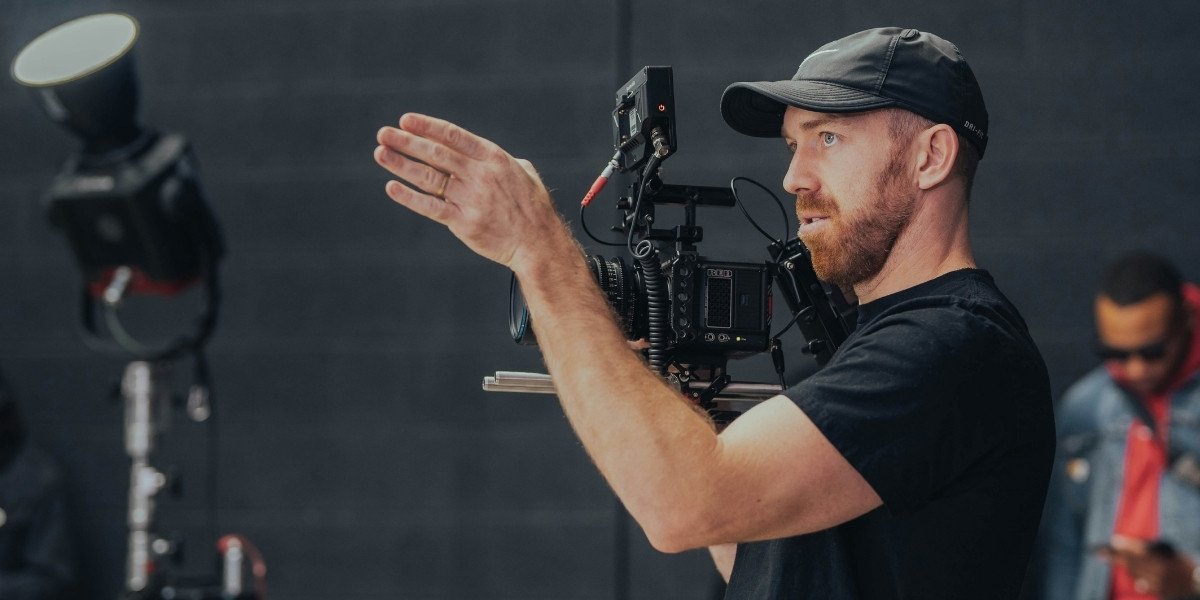
From Behind the Lens to Center Stage: Directors Who Conquered Acting

The world of filmmaking is a complex tapestry of creative roles, but some individuals possess a unique talent that allows them to seamlessly transition between the meticulous orchestrations of directing and the vulnerable artistry of acting. While often seen as distinct disciplines, the journey from behind the camera to in front of it is a testament to versatility, a deep understanding of storytelling, and an innate performative instinct. These visionary filmmakers, who have meticulously crafted cinematic narratives, often bring a profound depth and unique perspective to the characters they embody, enriching their performances with an insider’s view of the entire production process.

This dual mastery isn’t merely a fleeting experiment; for many, it becomes a significant facet of their career, shaping their artistic legacy. The transition from helming a production to inhabiting a role requires a fundamental shift in focus—from overseeing the macro vision to embodying the micro nuances of a character’s emotional landscape. Yet, for those with a comprehensive grasp of both crafts, this fluidity allows for a more holistic approach to filmmaking, where the boundaries between creator and performer become wonderfully blurred, yielding impactful results on screen.

Indeed, the ability to direct actors while also being an actor yourself provides an invaluable empathy and insight. Directors who have stood in front of the camera understand firsthand the demands, pressures, and creative needs of performers. This unique perspective can foster a more collaborative and effective working relationship on set, ultimately leading to more compelling and authentic portrayals. Their dual experience allows them to communicate a vision not just as a leader, but as someone who intimately understands the journey of bringing a character to life.

What Drives Directors to Step into the Spotlight?

One of the primary motivations for directors to step into acting roles is a deep, intrinsic understanding of performance that often precedes their directorial aspirations. Many begin their careers with a passion for acting, honing their craft in front of the camera before gravitating towards the director’s chair out of a desire for greater creative control or to tell their own stories. For these individuals, acting is not a new venture but a return to a fundamental aspect of their artistic identity, allowing them to express themselves through character embodiment.

A director’s decision to act can stem from a very practical need within their own projects. Sometimes, a director may feel that they are uniquely suited to portray a specific character, perhaps due to a deep personal connection to the material, an understanding of the nuances of a role that only the creator could possess, or simply the belief that they can deliver the most authentic performance. This self-casting, seen in the works of figures like Quentin Tarantino or Woody Allen, allows for an uncompromised realization of their creative vision, ensuring the performance aligns perfectly with the film’s overall tone and message.

Photo Credit: Unsplash.com

Beyond personal connection or necessity, acting offers directors an alternative creative outlet and a different form of engagement with the filmmaking process. While directing demands immense responsibility and oversight, acting allows for a focused immersion into a single character’s journey, free from the myriad concerns of production management. This shift can be liberating, providing a fresh perspective and perhaps even a renewed appreciation for the collaborative nature of film. It’s a different kind of challenge, stimulating their artistic sensibilities in new and unexpected ways.

Notable Examples of Directors Excelling as Actors

The annals of cinema are rich with examples of directors who have achieved significant acclaim for their acting prowess. Clint Eastwood stands as a towering figure in this regard, having seamlessly transitioned from a highly successful acting career, particularly in Westerns and action films, to becoming an Academy Award-winning director. Yet, he continued to star in many of his own directorial projects, delivering iconic performances in films like Unforgiven and Million Dollar Baby, demonstrating a masterful ability to guide a narrative from both sides of the lens. His stoic on-screen presence became synonymous with his directorial style.

Another prominent example is Ben Affleck, who, after achieving stardom as an actor, notably with Good Will Hunting, embarked on a highly successful directorial path, culminating in an Best Picture Oscar for Argo. Despite his directorial commitments, Affleck has maintained a robust acting career, taking on diverse roles that showcase his range, from dramatic thrillers to superhero blockbusters. His ability to navigate both roles effectively underscores a comprehensive understanding of cinematic storytelling and performance that few can match.

Beyond these well-known examples, many other directors have made indelible marks as actors, often in surprising or memorable roles. Kenneth Branagh, a celebrated Shakespearean actor and director, frequently casts himself in his own films and other high-profile productions. John Huston, a legendary director, was also a formidable character actor, notably appearing in Chinatown. These instances highlight a shared characteristic: a profound insight into character development and narrative arc, which informs both their directorial decisions and their nuanced performances.

How Directorial Experience Enhances Acting Performance

A director’s journey behind the lens provides an actor with an unparalleled understanding of the entire filmmaking ecosystem. Having managed a set, guided performances, and overseen the myriad technical aspects of production, these individuals bring a comprehensive awareness of how their performance fits into the larger cinematic puzzle. They understand shot composition, editing rhythms, and the overall narrative flow, allowing them to deliver performances that are not only emotionally resonant but also technically precise and impactful within the film’s structure. This macro-level perspective is a distinct advantage.

Photo Credit: Unsplash.com

The experience of directing offers profound insight into the psychology of character and story. A director is tasked with dissecting scripts, understanding motivations, and shaping narrative arcs for an entire cast. When they step into an acting role, they apply this same rigorous analytical approach to their own character, delving deeper into their inner world and external behaviors. This analytical rigor leads to performances that are richly detailed, nuanced, and deeply intentional, as every choice is informed by a holistic understanding of the story’s demands and the director’s ultimate vision.

Having directed other actors, these individuals possess a unique empathy for the performer’s process. They understand the challenges of finding truth in a scene, the need for clear direction, and the importance of a supportive set environment. This empathetic perspective allows them to be highly collaborative, receptive to guidance, and acutely aware of their role within the ensemble. Their dual experience often translates into a performance that is not only compelling on its own but also elevates the work of their fellow actors, making the entire production more cohesive and powerful.

The Enduring Appeal and Future of the Director-Actor Hybrid

The enduring appeal of directors who also act lies in their multifaceted talent and the unique perspective they bring to both roles. Their ability to command respect both as a visionary leader and a skilled performer speaks volumes about their comprehensive understanding of storytelling. This hybrid role challenges conventional notions of specialization within Hollywood, demonstrating that true artistic mastery often transcends singular vocational boundaries, leading to more complete and nuanced cinematic expressions. It’s a testament to lifelong dedication to the craft.

Looking ahead, the prevalence of director-actors is likely to continue, perhaps even increasing as filmmaking becomes more accessible and creative individuals seek more complete artistic control. The rise of independent cinema and streaming platforms provides more avenues for filmmakers to experiment with dual roles, allowing them to realize their singular visions without the constraints of traditional studio structures. This evolving landscape offers fertile ground for new generations of hyphenates who are eager to both shape the narrative and embody its characters.

The phenomenon of directors stepping into the spotlight as actors is a fascinating aspect of cinematic evolution. It underscores the interconnectedness of all elements of filmmaking and celebrates the rare individuals who can master multiple facets of this complex art form. As long as there are compelling stories to tell and characters to inhabit, there will be visionary directors drawn to the challenge of bringing their narratives to life not just through their leadership, but through their very presence on screen, continuing to define what it means to be a truly complete artist in Hollywood.