Interactive Content Revolution: How Online Engagement Became Standard

The digital landscape has evolved significantly over the past two decades, shifting from static web pages and passive content consumption to a highly interactive online experience. Whether through social media, gamification, augmented reality, or AI-driven personalization, interactive engagement has become a core strategy for businesses, influencers, and content creators.

Interactivity fosters deeper user involvement, enhances customer retention, and creates immersive experiences that encourage participation rather than just observation. As consumers demand more engaging, personalized digital interactions, businesses are investing in tools and technologies that facilitate two-way communication and active user participation.

This explores how interactive engagement has become a common practice online, the technologies driving this transformation, and the impact of interactivity on digital marketing, social media, and e-commerce.

The Evolution of Interactive Content

Interactive engagement did not emerge overnight; rather, it has been a gradual shift driven by advancements in technology, consumer behavior, and market competition.

From Static to Dynamic Experiences

In the early days of the internet, websites primarily served as digital brochures, providing basic information with little to no interaction. Users would consume content passively, much like reading a newspaper. However, as the internet matured, companies recognized that static pages were not enough to keep users engaged.

With the advent of Web 2.0, a new wave of digital interactivity emerged. Websites became dynamic and user-driven, allowing users to leave comments, upload content, and participate in discussions. Platforms like YouTube, Facebook, and Wikipedia revolutionized the way people interact online by turning users into content contributors rather than mere consumers.

The Rise of Gamification

Gamification—the incorporation of game mechanics into non-gaming applications—has played a crucial role in making digital experiences more interactive. Companies have used badges, leaderboards, progress tracking, and rewards to encourage users to actively participate and engage with their platforms.

According to research, over 70% of Forbes Global 2000 companies planned to use gamification strategies to boost engagement, improve customer loyalty, and enhance user experiences. Gamification is now widely used in e-learning, fitness apps, marketing campaigns, and customer loyalty programs.

Strategies That Enhance Online Engagement

Interactive engagement is achieved through various strategies, all designed to encourage active user participation rather than passive scrolling.

Personalization for a Tailored Experience

Consumers today expect content and services that cater to their specific needs. Personalization is a powerful engagement tool that uses data analytics and AI-driven insights to customize content, recommendations, and user interfaces.

E-commerce platforms like Amazon and Netflix use AI algorithms to suggest products or shows based on user preferences. Personalized email marketing campaigns, where users receive recommendations based on past purchases or browsing behavior, have significantly increased customer retention rates.

User-Generated Content (UGC) as an Engagement Driver

Encouraging users to create and share content has proven to be one of the most effective engagement strategies. User-generated content (UGC) fosters community building and brand loyalty, as consumers trust recommendations from peers more than traditional advertising.

According to a recent study, 86% of consumers consider authenticity a key factor in deciding what brands they support. UGC-based marketing campaigns, such as hashtag challenges, customer reviews, and fan-submitted videos, have become common strategies for brands looking to boost engagement.

Social Media Integration and Real-Time Engagement

Interactive Content Revolution: How Online Engagement Became Standard


Photo Credit: Unsplash.com

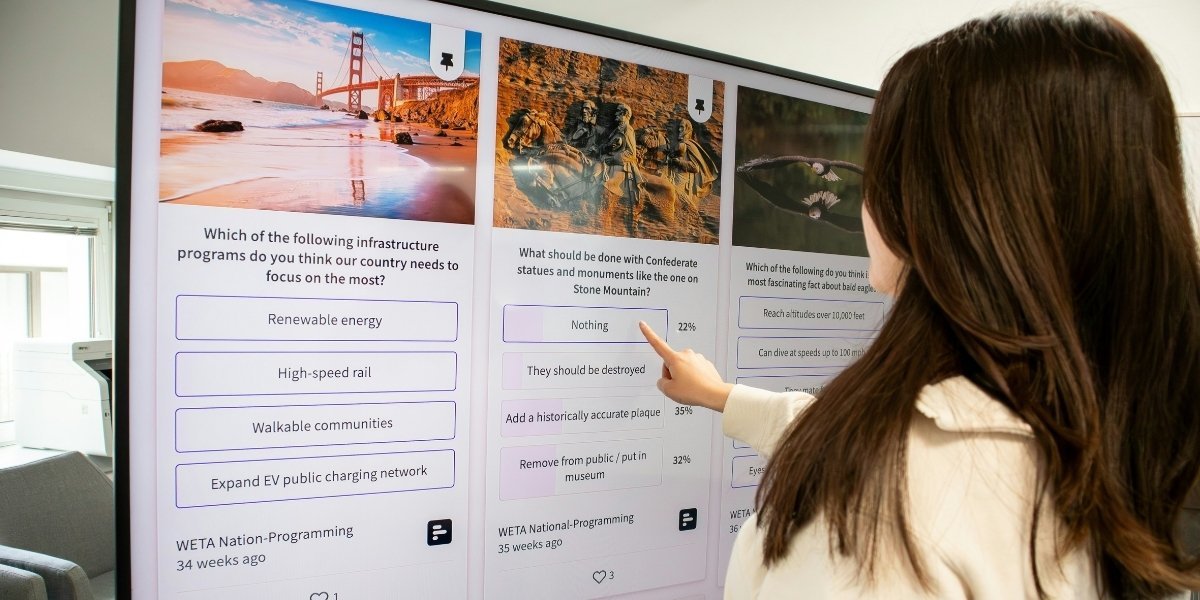
Social media platforms have become the epicenter of interactive engagement. Features like live streaming, interactive polls, Q&A sessions, and comment threads allow businesses and influencers to communicate directly with audiences.

For example, Instagram’s interactive stories, including polls, quizzes, and countdown timers, create a sense of urgency and participation, keeping users engaged with the platform.

Brands also use social media to host giveaways and challenges, encouraging followers to engage with content and share it with their networks.

Technological Advancements Driving Online Interactivity

Advancements in artificial intelligence (AI), augmented reality (AR), and virtual reality (VR) have played a key role in expanding interactive engagement.

Augmented Reality (AR) and Virtual Reality (VR)

AR and VR have transformed e-commerce, gaming, and digital storytelling, making experiences more immersive. Brands now allow customers to “try before they buy” using AR-powered tools.

For example, Sephora and IKEA use AR applications that allow customers to see how makeup or furniture would look before purchasing. This reduces hesitation, enhances engagement, and improves customer satisfaction.

AI-Powered Chatbots and Personalized Customer Support

Artificial Intelligence has enabled businesses to provide 24/7 customer service through AI-powered chatbots. These virtual assistants can answer questions, provide recommendations, and guide users through websites, making interactions more efficient.

Chatbots are widely used in banking, e-commerce, and tech support, offering real-time responses without requiring human intervention. AI chatbots improve customer engagement by providing instant, relevant information, increasing customer satisfaction.

The Impact of Interactive Engagement

The integration of interactive engagement strategies has reshaped digital marketing, online learning, and customer relationships.

Increased User Retention and Site Engagement

Users are more likely to spend time on a website or app that provides interactive elements. Whether it’s quizzes, polls, gamified learning, or personalized recommendations, interactivity encourages longer visits and repeated engagement.

For example, BuzzFeed’s interactive quizzes keep users on the platform for extended periods, increasing ad impressions and user retention.

Stronger Customer Loyalty and Brand Trust

Brands that engage with their audience through UGC, social media interactions, and personalized experiences cultivate stronger emotional connections with customers. This leads to higher retention rates and increased customer lifetime value.

Enhanced Data Collection and Consumer Insights

Interactive platforms enable businesses to collect valuable user data based on engagement patterns. This data helps in:

  • Understanding customer behavior
  • Improving product recommendations
  • Refining marketing strategies

By analyzing how users interact with content, businesses can create more effective, targeted campaigns.

The Future of Interactive Engagement

As digital experiences become more sophisticated, interactive engagement will continue to evolve. Emerging technologies like AI-driven virtual assistants, voice search, and metaverse experiences will further shape how users interact with digital platforms.

In today’s fast-paced digital world, passive content consumption is no longer enough. Businesses and creators must leverage interactive strategies to stand out, retain audiences, and foster meaningful connections. Whether through personalized experiences, social media interactivity, or immersive technologies, the future of online engagement is dynamic, participatory, and ever-evolving.

From Red Carpet to Resale: The Future of Celebrity-Driven Luxury

The Circular Economy of Stardom: Navigating the Market for Pre-Loved Celebrity Luxury

In an age increasingly focused on sustainability and mindful consumption, even the most glamorous corners of the market are embracing circularity. The realm of celebrity luxury resale stands as a fascinating intersection of high fashion, fame, and environmental consciousness. No longer confined to private auctions for a select few, the market for “pre-loved” items once owned by stars has blossomed, creating a vibrant ecosystem where desirability transcends newness. This burgeoning sector represents a unique facet of the circular economy, extending the lifecycle of high-value goods while offering fans a tangible connection to their idols.

Traditionally, luxury fashion operated on a linear model: produce, consume, discard. However, the growing awareness of environmental impact and the inherent value retention of high-end goods have propelled the resale market into the mainstream. When a luxury item carries the provenance of a celebrity, its appeal intensifies exponentially, creating a unique demand that transcends its material worth. This added layer of narrative and exclusivity transforms an already valuable piece into a coveted collector’s item, driving the expansion of celebrity luxury resale.

This phenomenon aligns perfectly with the principles of a circular economy, which advocates for keeping products and materials in use for as long as possible. By recirculating designer garments, accessories, and even bespoke pieces worn by public figures, this market reduces waste, conserves resources, and challenges the notion of disposability in high fashion. It’s a testament to how even industries built on aspiration and newness are adapting to a more sustainable paradigm, making pre-loved items from the famous a significant part of this shift.

The Unique Value Proposition of Pre-Loved Celebrity Items

The allure of celebrity luxury resale extends far beyond the intrinsic value of the designer item itself. What elevates a pre-loved gown or handbag from a famous individual above its identical counterpart sold new or through a generic resale platform? The answer lies in its unique value proposition, a blend of aspirational connection, historical provenance, and exclusivity that caters to a passionate consumer base.

The aspirational connection is undeniable. For many, owning an item once worn by a beloved actor, musician, or public figure offers a tangible link to a lifestyle they admire. It allows fans to “buy into” a part of their idol’s world, transforming an ordinary transaction into an emotional purchase. This personal connection imbues the item with a narrative, a story that enhances its perceived worth far beyond its original retail price or even its inherent material value.

The provenance adds a significant layer of exclusivity. Knowing that an item graced a red carpet, was part of a memorable performance, or featured in an iconic photograph imbues it with historical significance. Authentication becomes paramount in this market, as the verified history of ownership directly impacts the item’s desirability and resale value. This verifiable journey from the celebrity’s closet to the new owner’s collection is a key driver in celebrity luxury resale.

The inherent scarcity and uniqueness of these items contribute to their high value. While a luxury brand may produce many copies of a particular bag, only a select few will have been owned and used by a famous personality. This rarity, combined with the distinct story each piece carries, makes it a one-of-a-kind acquisition for collectors and enthusiasts, fueling robust demand in this specialized segment of the luxury market.

Drivers Behind the Growth of Celebrity Luxury Resale

Several powerful drivers are fueling the rapid expansion of the celebrity luxury resale market, transforming it from a niche activity into a significant force within the broader luxury ecosystem. These factors range from shifting consumer values to the strategic embrace of resale by celebrities themselves.

A primary driver is the growing sustainability consciousness among consumers. As awareness of fashion’s environmental impact increases, more buyers are seeking ethical alternatives to fast fashion and even new luxury purchases. The idea of giving a high-quality item a second life, particularly one that already exists, aligns perfectly with eco-friendly principles. For many, purchasing through celebrity luxury resale offers a way to indulge in high-end fashion responsibly.

From Red Carpet to Resale: The Future of Celebrity-Driven Luxury

Photo Credit: Unsplash.com

The democratization of luxury also plays a role. While the original retail price of many celebrity-worn items remains prohibitive for most, the resale market often offers these pieces at a (still premium) but more accessible price point. This allows a wider demographic to access high-end fashion, even if it’s “pre-loved,” thereby expanding the pool of potential buyers and fostering a more inclusive luxury market.

Celebrities themselves are increasingly engaging with the resale market, either by directly selling items from their wardrobes or by partnering with established resale platforms. This proactive participation not only legitimizes the market but also generates significant buzz and provides a direct, authenticated channel for fans to acquire pieces. This trend indicates a strategic embrace of circularity by the very figures who traditionally drove demand for new luxury goods. Social media’s role in showcasing these items and facilitating rapid transactions also contributes significantly to market growth.

Platforms and Gatekeepers in the Pre-Loved Market

The flourishing market for celebrity luxury resale is facilitated by a diverse ecosystem of platforms and gatekeepers, each playing a crucial role in authenticating, curating, and transacting these unique items. These entities bridge the gap between celebrity sellers and eager buyers, ensuring trust and transparency in a high-value sector.

High-end consignment platforms and auction houses are central to this market. Companies like The RealReal, Vestiaire Collective, and Sotheby’s, alongside specialized celebrity auctioneers, provide authenticated marketplaces. Their expertise in verifying authenticity, condition, and provenance is critical, given the high value and desirability of these items. They often have dedicated teams that work directly with celebrity stylists or personal assistants to source items, ensuring a legitimate and often exclusive inventory for celebrity luxury resale.

Beyond large platforms, specialized online stores and even social media-driven sales channels run by influencers or personal shoppers also contribute to the market. These smaller, more curated outlets might offer a more intimate buying experience, often focusing on specific styles or celebrity wardrobes. Regardless of scale, the emphasis on authentication remains paramount. Buyers in this market are not just purchasing a designer item; they are purchasing its story and the verifiable link to its famous owner, which necessitates rigorous checks against counterfeits and misrepresentation.

These gatekeepers effectively manage the flow of these luxury goods, ensuring they reach appreciative buyers while upholding the integrity of both the celebrity’s image and the luxury brands involved. Their role is pivotal in maintaining consumer confidence and fostering the continued growth and legitimization of the celebrity luxury resale market.

The Impact and Future of Stardom’s Circular Economy

The impact of the circular economy of stardom extends beyond mere commerce, influencing fashion trends, consumption patterns, and even celebrity branding. By embracing celebrity luxury resale, the industry is not only tapping into a lucrative market but also sending a powerful message about sustainability and value retention. This shift encourages consumers to view luxury items as investments with enduring appeal, rather than disposable status symbols.

From a sustainability perspective, this market offers a tangible contribution to reducing the fashion industry’s environmental footprint. Every pre-loved designer piece that finds a new home reduces the demand for new production, thereby lessening resource extraction, manufacturing waste, and carbon emissions. This aligns with broader global efforts towards a more responsible and resource-efficient economy, demonstrating how even high-end consumption can participate in environmental stewardship.

The future of celebrity luxury resale appears poised for continued growth and innovation. As sustainability becomes an even greater priority for consumers and brands, more celebrities are likely to engage with this market, both as sellers and as advocates for circular fashion. Technological advancements, such as enhanced digital authentication methods and immersive virtual shopping experiences, could further revolutionize how these unique items are presented and traded. This evolving landscape suggests a dynamic future where the allure of celebrity and the principles of circularity continue to intertwine, creating a robust and exciting segment within the broader luxury market.

Dr. Connor Robertson’s Guide to De-Risking Every Business Acquisition

By: Amanda Walsh

When most people think about acquisitions, they imagine big headlines, massive returns, and bold financial plays. What they don’t see is the careful work behind the scenes — the due diligence, the stress-testing of assumptions, and the discipline required to avoid mistakes. I’ve learned through experience that the real art of acquisitions isn’t about chasing the biggest deal. It’s about managing risk.

If you de-risk properly, you can turn a good acquisition into a great one. But if you ignore it, even the most promising opportunity can unravel. That’s why I always focus on de-risking as the foundation of my acquisition strategy.

Why De-Risking Matters More Than Chasing Returns

There’s no shortage of influencers who talk about big returns. They paint the picture of high-yield investments and overnight success. The reality, however, is that acquisitions are complex. Without proper safeguards, you can overpay, underperform, and end up holding a business that drains resources instead of creating them.

Returns don’t matter if you lose your principal. For me, protecting downside risk always comes first. When you manage risk effectively, the upside naturally follows.

My Core Principles of De-Risking Acquisitions

Over time, I’ve developed a structured approach to de-risking that I apply to every deal. While every acquisition is unique, these principles guide me consistently:

  1. Understand the True Cash Flow.
    On paper, a business might look profitable. But are those numbers reliable? I always dig into normalized earnings, removing one-time events and inflated adjustments to see what the business really makes.
  2. Assess Customer Concentration.
    A business that relies too heavily on one or two customers is fragile. If a key client leaves, the revenue can collapse. Diversification is a must.
  3. Evaluate Leadership and Culture.
    Numbers only tell half the story. A toxic culture or weak leadership team can destroy value faster than any financial misstep. I spend time understanding the people, not just the P&L.
  4. Examine Industry Durability.
    Some industries are cyclical or vulnerable to disruption. I ask hard questions: will this business still be relevant in five years? Ten?
  5. Scrutinize Debt Structure.
    Over-leveraging is one of the quickest ways acquisitions fail. I ensure the financing terms match the cash flow realities of the business.
  6. Plan for Transition.
    The first 90 days after acquisition are critical. Without a clear plan, employees get confused, customers get nervous, and value erodes. Transition planning reduces that risk.

The Role of Due Diligence

Due diligence is often treated as a checkbox exercise, but I see it as the backbone of risk management. It’s not just about reviewing financial statements. It’s about asking questions that reveal the full picture:

  • Are contracts enforceable and favorable?
  • Are there pending legal issues that could surface later?
  • Are systems outdated and costly to replace?
  • Are there hidden liabilities, like environmental risks or unfunded pensions?

By digging deeper, you avoid the trap of buying a business that looks good today but carries landmines for tomorrow.

Operational Improvements as Risk Management

One of the most overlooked aspects of de-risking is the operational side. After acquiring a company, I immediately look for ways to strengthen the foundation:

  • Standardizing processes to reduce errors
  • Introducing better financial reporting for visibility
  • Improving employee training and retention to avoid turnover risk
  • Negotiating vendor contracts for stability and cost control

These improvements don’t just create efficiency. They create resilience, making the business less vulnerable to shocks.

Why Slow and Steady Often Beats Fast and Flashy

Some entrepreneurs want to rush through acquisitions, moving quickly to close deals and add companies to their portfolio. I take the opposite approach. A slower, more deliberate process ensures that risks are identified and mitigated before closing.

I’d rather walk away from ten deals than rush into one bad one. That patience has protected me from costly mistakes and allowed me to focus on businesses that are truly worth acquiring.

Case in Point: The 90-Day Rule

One of my guiding frameworks is what I call the 90-day rule. If I can’t clearly articulate how to stabilize and improve a business in the first 90 days post-acquisition, I won’t do the deal.

This mindset forces me to think beyond closing. It forces me to consider employee morale, customer communication, and operational continuity. If those things can’t be mapped, the risk is simply too high.

De-Risking in Today’s Market

In today’s economic environment, de-risking is more important than ever. Rising interest rates, labor shortages, and shifting consumer behaviors all add layers of complexity to acquisitions. Businesses that looked like easy wins two years ago now require sharper analysis and stronger execution.

That’s why I emphasize frameworks and discipline over hype. While others chase headlines, I chase stability. And stability, over time, is what generates wealth.

Final Thoughts

De-risking every acquisition isn’t glamorous. It doesn’t make flashy social media content. But it’s what separates those who succeed in business acquisitions from those who lose everything.

For me, acquisitions aren’t about rolling the dice. They’re about building sustainable companies that generate long-term value. Every decision I make is filtered through the lens of risk management, because I know that when the downside is protected, the upside takes care of itself.

That’s why I continue to teach, write, and practice disciplined acquisitions. It’s not the loudest path, but it’s the one that builds lasting businesses.

To learn more about my approach to acquisitions and risk management, visit drconnorrobertson.com.


Disclaimer: The information provided in this article is for general informational purposes only and should not be construed as professional advice. Results from business acquisitions can vary based on market conditions, individual circumstances, and other factors.