Stage Name Strategy: How a New Identity Boosts Celebrity Careers (And Privacy)

Stage name strategy isn’t just branding—it’s survival. In today’s celebrity ecosystem, a new identity can mean the difference between being recognized and being remembered. Whether it’s a pop star shedding their birth name or an actor reinventing their public persona, stage names are more than catchy monikers. They’re tools for career elevation and privacy protection.

“Stage name strategy” has become a staple in entertainment PR, especially as fame becomes more accessible and more invasive. From legacy icons to Gen Z breakout stars, the decision to adopt a stage name is often the first—and smartest—move in building a lasting career.

Why Stage Names Still Matter in 2025

In an era of algorithm-driven fame, stage names help celebrities stand out in crowded feeds. They’re easier to search, easier to remember, and often more aligned with the artist’s aesthetic. A well-crafted name can evoke genre, mood, or attitude before the audience hears a single note or sees a single scene.

But stage names aren’t just about marketing. They’re about control. A new identity creates a boundary between public persona and private life. It allows celebrities to curate what fans see while keeping their legal name—and personal details—out of the spotlight.

This strategy echoes the approach where brand control and narrative ownership were central to every rollout.

Privacy Is the New Luxury

With paparazzi culture still thriving and social media blurring personal boundaries, privacy is now a form of luxury. Celebrities who use stage names gain an extra layer of protection. Their real name isn’t on hotel bookings, legal documents, or leaked group chats. It’s a firewall against unwanted exposure.

This separation also helps with mental health. When your public identity is a character, it’s easier to step out of it. Artists can perform, promote, and engage without feeling like their entire self is on display. It’s not just strategic—it’s sustainable.

Stage name strategy is especially useful for those navigating fame at a young age. It gives them room to grow, evolve, and even rebrand without being locked into a childhood identity.

Stage Names as Career Catalysts

A stage name can signal a shift in genre, audience, or ambition. When an artist wants to pivot—from pop to punk, from acting to activism—a new name helps reset expectations. It’s a clean slate with built-in intrigue.

Some celebrities use stage names to honor heritage, pay tribute to mentors, or reflect personal transformation. Others choose names that sound global, gender-neutral, or futuristic. The goal is always the same: to create a name that travels well and sticks.

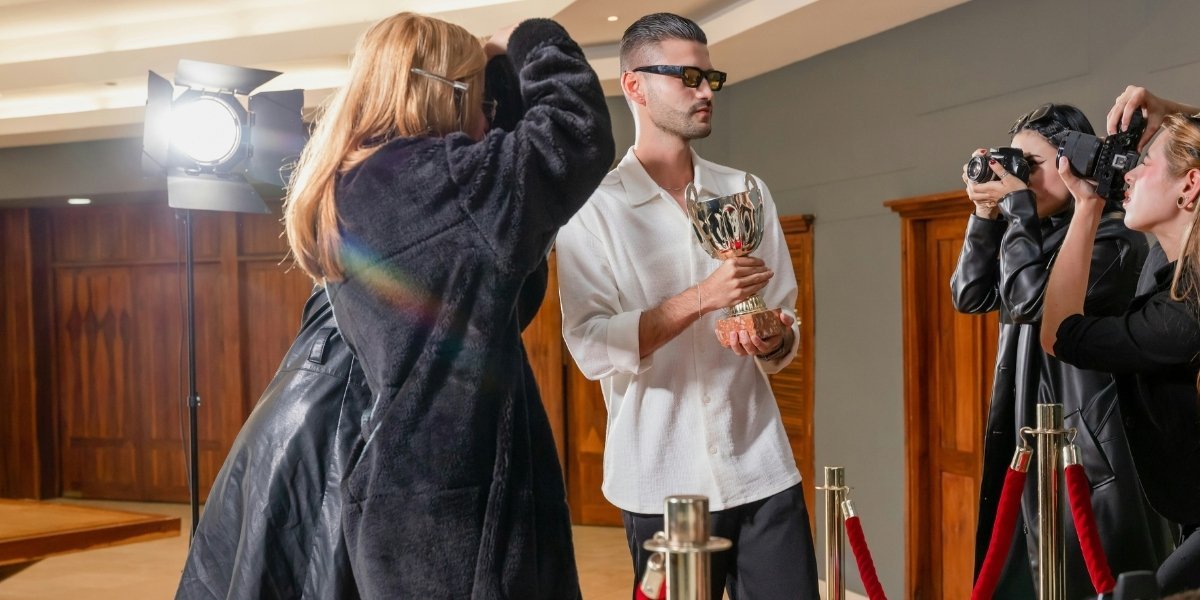
The star-studded premiere brought out A-list celebrities and social media influencers, many of whom have used stage names to build multi-hyphenate careers across fashion, film, and music.

How PR Teams Shape Stage Name Strategy

Stage Name Strategy: How a New Identity Boosts Celebrity Careers (And Privacy)

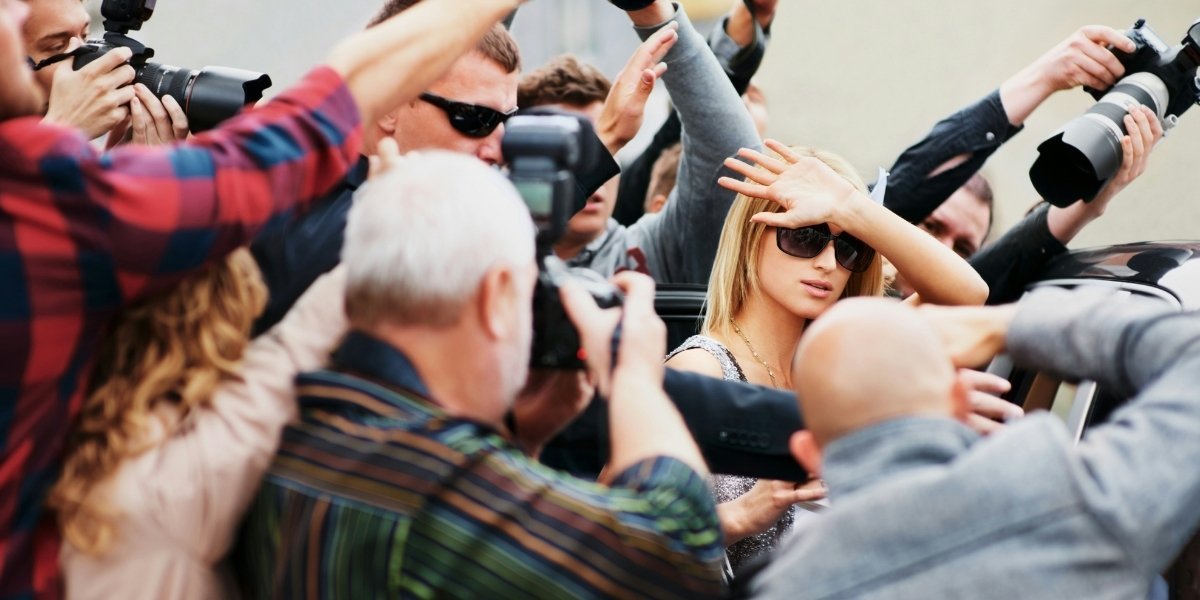
Photo Credit: Unsplash.com

Behind every great stage name is a team of publicists, brand consultants, and legal advisors. They analyze market trends, audience demographics, and cultural resonance before landing on the perfect name. It’s not just creative—it’s calculated.

PR teams also manage the rollout. That means updating social handles, securing domain names, and coordinating press coverage. The transition has to feel organic, even if it’s been months in the making.

Legal teams ensure the name is trademarked and protected. That way, the celebrity owns their identity—and can monetize it across merch, endorsements, and media appearances.

Rebranding Through Stage Names

Sometimes, a stage name isn’t the beginning—it’s a reboot. Celebrities who’ve faced controversy, burnout, or creative stagnation often reemerge under a new name. It’s a way to reclaim their narrative and reconnect with fans.

This tactic works best when paired with a shift in style, sound, or message. The name change signals growth, and fans are often eager to embrace the evolution. It’s not about hiding—it’s about redefining.

Stage name strategy also allows for alter egos. Artists can explore different facets of their creativity without confusing their core brand. It’s a way to experiment without risking everything.

The Future of Stage Name Strategy

As AI-generated content, deepfakes, and digital impersonation rise, stage names may become even more essential. They’ll act as digital signatures—unique identifiers that separate real celebrities from synthetic clones.

Expect to see more artists using stage names across platforms, with different identities for music, film, fashion, and social media. The name becomes a brand, and the brand becomes a universe.

Stage name strategy isn’t just about fame—it’s about freedom. It gives celebrities the power to shape their story, protect their space, and build careers that last.
The Rise of Diversity in Modeling During the 2010s

Redefining Beauty: How the 2010s Sparked a Cultural Shift in Fashion Representation

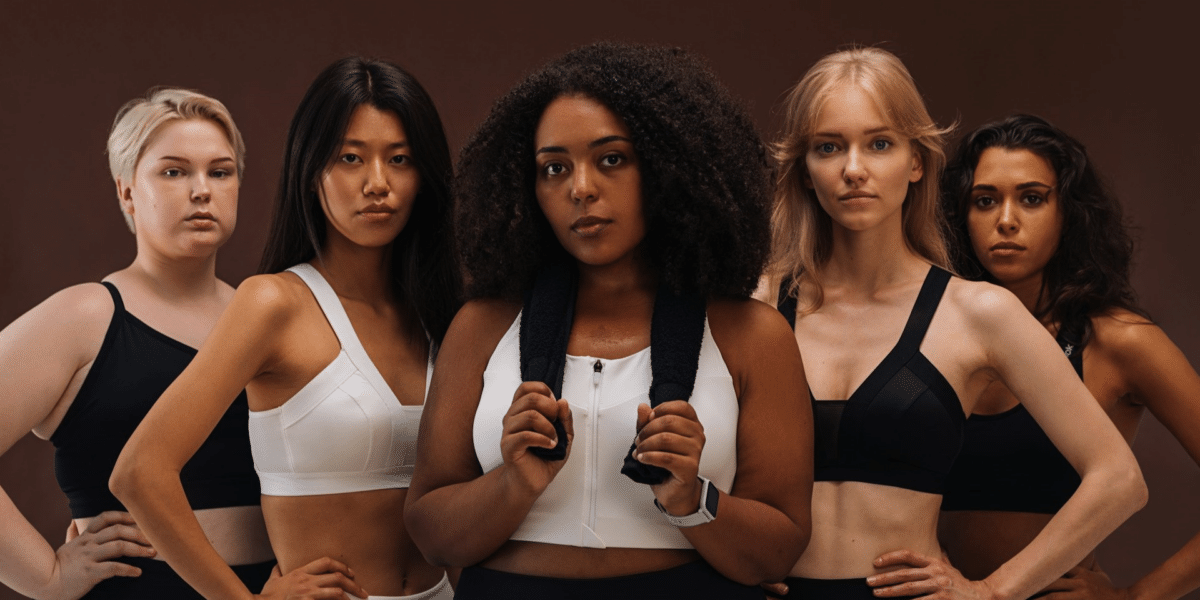
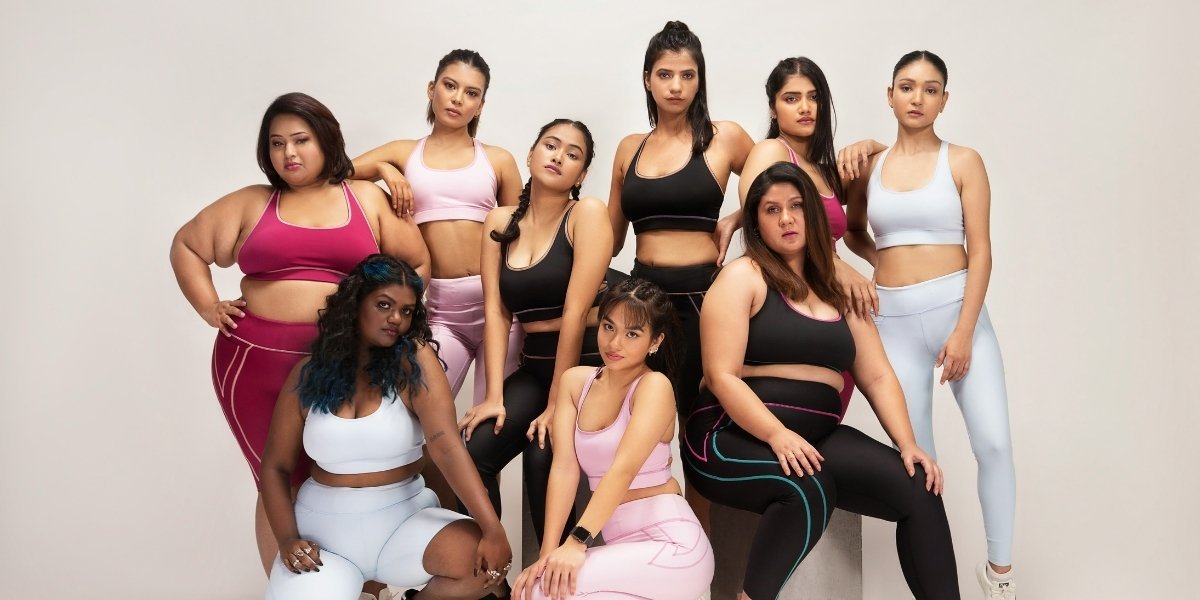
The 2010s marked a significant shift in the modeling industry towards greater diversity and inclusion. This decade saw an increasing representation of various races, body types, genders, and ages on runways, in advertisements, and across fashion campaigns. This article explores the factors that contributed to the rise of diversity in modeling in the 2010s, its impact on the industry, and how it has reshaped fashion norms.

Before the 2010s, the modeling industry was predominantly characterized by a narrow definition of beauty. Models were mostly young, thin, and predominantly white. While there were trailblazers like Naomi and Tyra, their presence was the exception rather than the rule.

In the late 2000s, there were early signs of change. Designers and fashion houses began to face criticism for their lack of diversity, prompting a gradual shift. Influential figures and advocacy groups started pushing for more representation, laying the groundwork for the changes seen in the 2010s.

Key Drivers of Diversity in the 2010s

Social media platforms like Instagram, Twitter, and later TikTok have radically transformed the fashion industry’s power dynamics, giving rise to a more inclusive and democratized landscape. Traditionally, models had to rely on agencies, casting directors, and fashion editors to gain visibility, often facing barriers rooted in race, body type, gender identity, or socioeconomic background. But with the rise of digital platforms, aspiring models and creatives began cultivating their own audiences, showcasing their work directly to followers and brands. This shift allowed individuals from marginalized communities to bypass gatekeepers and build influence on their own terms. Viral campaigns, hashtag movements like #BlackModelsMatter and #TransIsBeautiful, and influencer-led storytelling challenged the industry to broaden its definition of beauty and representation. Social media didn’t just amplify diverse voices—it demanded that the industry listen.

The Rise of Diversity in Modeling During the 2010s

Photo Credit: Unsplash.com

The body positivity movement, which gained significant traction in the 2010s, further disrupted long-standing norms around beauty and desirability. Spearheaded by activists, influencers, and outspoken models, the movement called out the harmful effects of unrealistic body standards perpetuated by fashion media. It advocated for the visibility and celebration of all body types, including plus-size, disabled, and non-binary bodies. In response, major brands began to rethink their campaigns, casting models who reflected the diversity of their consumer base. Retailers like Aerie, Savage X Fenty, and ASOS embraced inclusive sizing and unretouched imagery, signaling a shift toward authenticity and acceptance. This cultural reckoning not only reshaped advertising but also influenced runway shows, editorial spreads, and product development, making body inclusivity a core value rather than a marketing trend.

Institutional advocacy played a critical role in sustaining these changes and pushing for deeper reform. Organizations such as the Council of Fashion Designers of America (CFDA), Models of Diversity, and The Fashion Spot began collecting data, publishing reports, and lobbying for more equitable practices across the industry. They highlighted disparities in model representation, called out tokenism, and worked with designers and agencies to implement inclusive casting policies. These groups also provided platforms for emerging talent from underrepresented backgrounds, offering mentorship, visibility, and professional development. Their efforts helped shift diversity from a buzzword to a measurable goal, encouraging brands to move beyond performative gestures and commit to long-term change. Together, social media, grassroots activism, and institutional advocacy have redefined what fashion looks like—and who gets to be seen.

Impact on the Fashion Industry

The 2010s saw a notable increase in the diversity of models on runways. Fashion weeks around the world began to showcase a broader range of models, including those of different ethnicities, body sizes, ages, and genders. This shift challenged traditional beauty standards and set new norms for inclusivity. Advertising campaigns also became more inclusive. Major fashion brands and retailers featured diverse models in their campaigns, recognizing the importance of representation in connecting with a global audience. This inclusivity helped brands reach wider demographics and promote a more inclusive image. The rise of diversity in the 2010s led to changes in industry standards. Casting directors, designers, and agencies began to prioritize diversity, understanding its importance in reflecting the real world. This shift also encouraged the development of more inclusive policies and practices within the industry.

While the 2010s saw significant strides towards diversity, challenges remain. Tokenism, where a single model represents an entire group, is still an issue. True diversity means consistent and meaningful representation across all facets of the industry. Ensuring sustainable change requires continued effort. Advocacy and activism must persist to maintain and further the progress made. The industry must continue to embrace and normalize diversity, avoiding reverting to old standards.

The rise of diversity in modeling during the 2010s marked a transformative period for the fashion industry. Influenced by social media, the body positivity movement, and active advocacy, the industry began to reflect a broader range of beauty. While significant progress has been made, ongoing efforts are necessary to ensure that diversity remains a core value in modeling and fashion. The 2010s laid the foundation for a more inclusive industry, one that continues to evolve and celebrate all forms of beauty.

Luxury Rollouts: What to Expect from Artists Tapping High Fashion for Music Video Drops

Luxury rollouts are changing the way artists launch music videos. What used to be a visual companion to a track is now a full-blown fashion moment. From couture gowns to custom streetwear, high fashion is becoming the centerpiece of music video drops—and it’s not just about aesthetics. It’s about branding, storytelling, and cultural dominance.

In 2025, artists aren’t just releasing music—they’re curating cinematic experiences that rival fashion campaigns. The “luxury rollouts” now signal more than just a polished release. It’s a signal that the artist is playing in the same arena as luxury houses, red carpet stylists, and global fashion editors.

High Fashion Is the New Music Video Director

Luxury fashion isn’t just dressing the artist—it’s directing the narrative. When a music video opens with a slow pan across a custom Balenciaga trench or a sculptural Schiaparelli bodice, it sets the tone before a single lyric drops. These pieces aren’t just wardrobe—they’re plot devices.

Artists are working directly with fashion houses to build visual identities around their music. That means exclusive fittings, unreleased collections, and one-of-one pieces designed specifically for the video. The result is a rollout that feels more like a runway show than a standard drop.

This trend mirrors the energy seen, where fashion played a central role in every performance and promo.

Luxury Rollouts Are Built for Virality

Music videos are now optimized for social media moments. That means every outfit, every frame, and every set piece is designed to be screenshotted, shared, and dissected. High fashion helps deliver that impact.

Whether it’s a latex bodysuit on a rooftop or a vintage Chanel look in a desert, these visuals are engineered for maximum engagement. TikTok creators are already breaking down designer credits, while Instagram fan accounts post side-by-side comparisons with runway looks.

Luxury rollouts aren’t just about the artist—they’re about the audience. They invite fans to participate in the fashion conversation, turning every drop into a digital event.

Brand Collaborations Are Getting More Strategic

Artists aren’t just borrowing clothes—they’re partnering with brands. That means co-branded campaigns, capsule collections, and cross-platform rollouts that blur the line between music and fashion.

Luxury houses are tapping into the artist’s fanbase, while musicians gain access to global fashion audiences. It’s a win-win that’s reshaping how both industries operate.

Expect to see more music videos doubling as fashion ads, with product placements that feel organic and aspirational. From sunglasses to handbags, every accessory is a potential revenue stream—and a style statement.

Set Design Is Inspired by Runway Shows

Luxury Rollouts What to Expect from Artists Tapping High Fashion for Music Video Drops

Photo Credit: Unsplash.com

Luxury rollouts don’t stop at clothing. The entire music video set is often modeled after fashion week installations. Think mirrored floors, sculptural lighting, and surreal backdrops that echo couture presentations.

These environments elevate the music video into an art piece. They also give fashion houses a new canvas to showcase their vision. Instead of a 10-minute runway show, they get a three-minute visual loop that lives online forever.

For artists, it’s a chance to build a world around their music—one that feels immersive, aspirational, and editorial.

Styling Teams Are Now Creative Directors

The stylist’s role has evolved. They’re no longer just pulling looks—they’re shaping the entire rollout. That means working with set designers, lighting teams, and editors to ensure every frame aligns with the fashion vision.

These stylists are often the bridge between artist and brand, negotiating access to exclusive pieces and coordinating with PR teams. Their influence is visible in every detail—from nail art to shoe choice to the way a coat moves in slow motion.

Luxury rollouts depend on this level of precision. It’s what separates a standard video from a cultural moment.

Luxury Fashion Adds Longevity to the Drop

Music videos used to peak within 48 hours. Now, thanks to fashion, they live longer. Outfits get reposted, dissected, and referenced for weeks. Designers use the footage in campaigns. Stylists add it to their portfolios. Fans recreate the looks.

This extended lifecycle gives artists more visibility and more cultural relevance. It also helps the music stick. When a song is tied to a visual that keeps trending, it stays in the conversation.

Luxury rollouts are designed for this kind of longevity. They’re built to last—and to be remembered.

What to Expect Next

As luxury rollouts become the norm, expect more artists to treat music video drops like fashion week. That means teaser trailers, lookbook-style promos, and behind-the-scenes content that highlights the creative process.

You’ll also see more crossover between music and fashion media. Vogue covers featuring musicians, Billboard features on stylists, and red carpet interviews that double as album promo.

Luxury rollouts are no longer the exception—they’re the expectation. And they’re changing how we experience music, fashion, and fame.