Live Selling Power: Online Business Strategy

In the evolving digital marketplace, businesses are constantly seeking innovative ways to connect with customers and present their products. Among the various digital strategies, live selling has emerged as a particularly dynamic approach, offering a real-time, interactive experience that bridges the gap between traditional retail and online commerce. This method, conducted through video streams, enables businesses to showcase items, answer questions, and facilitate purchases in an immediate and engaging format. Understanding its underlying mechanics reveals how this form of direct engagement can contribute to a business’s online presence and transactional activity.

Live selling is more than just a broadcast; it is an active dialogue. Unlike static product listings or pre-recorded advertisements, it provides a human element to online shopping, allowing potential buyers to see products in action, ask specific questions, and receive instant responses. This interaction cultivates a sense of community and immediacy, mimicking some of the most compelling aspects of in-person shopping within a digital environment. Its effectiveness lies in creating a personal connection that can build trust and facilitate buying decisions more directly.

How Does Live Selling Foster Customer Engagement?

One of the most significant advantages of live selling is its ability to foster high levels of customer engagement. In a typical online shopping experience, interaction is often limited to reviews or static product descriptions. Live selling transforms this into a dynamic, two-way conversation. Viewers can post comments and questions in real-time, and the host can address them immediately, creating a personalized experience. This direct communication builds rapport and makes customers feel seen and valued, elements often missing in conventional e-commerce.

Photo Credit: Unsplash.com

The live format also creates a sense of urgency and excitement. Special offers, limited quantities, or time-sensitive deals can be announced during a live session, encouraging immediate purchase decisions. Viewers often feel they are part of an exclusive event, which can heighten their interest and participation. The spontaneity of a live broadcast, including unscripted moments and genuine reactions, contributes to an authentic feel that resonates with audiences. This genuine interaction often leads to longer viewing times and more memorable brand encounters compared to passive Browse.

What Are the Benefits of Product Demonstration in Live Selling?

Live selling offers an unparalleled platform for product demonstration, which is a key factor in influencing purchasing decisions. Unlike photographs or written descriptions, a live video allows businesses to showcase items from multiple angles, highlight specific features, and demonstrate functionality in a real-world context. For instance, a clothing item can be shown on a person, revealing how it drapes and moves, or an electronic device can be used to illustrate its ease of operation. This visual detail helps potential customers truly visualize the product.

This interactive demonstration also enables hosts to answer specific questions about product dimensions, materials, or performance immediately, addressing common hesitations. It provides an opportunity to compare items directly, clarify usage instructions, and highlight unique selling points that might be difficult to convey through static images. The ability to see a product in action, often presented by someone knowledgeable and enthusiastic, can significantly reduce buyer uncertainty, leading to more confident purchasing. This comprehensive visual and interactive presentation builds a deeper understanding of the product’s value.

How Does Live Selling Build Trust and Authenticity?

In the digital realm, trust and authenticity are vital currencies for businesses. Live selling inherently cultivates these qualities by putting a human face to an online entity. When customers see a real person presenting products, answering questions spontaneously, and reacting genuinely, it creates a sense of transparency that pre-recorded content often lacks. This direct interaction helps humanize the business, making it feel more approachable and reliable. The imperfections that can occur in a live broadcast, such as minor stumbles or unscripted comments, can even enhance authenticity, making the experience feel more relatable.

The ability for viewers to ask unmoderated questions and receive immediate responses also contributes to transparency. There’s a perception that what is being shown is truly what the product is, without heavy editing or manipulation. This real-time validation helps to alleviate skepticism and build confidence in the product and the business behind it. Over time, consistent live sessions can build a loyal community of viewers who trust the host and the products being presented, transforming casual viewers into dedicated customers. This direct, unvarnished communication fosters a stronger, more genuine connection.

What Technical Considerations Are Important for Successful Live Selling?

Executing effective live selling involves several important technical considerations to ensure a smooth and professional broadcast. A stable and high-speed internet connection is paramount, as interruptions or poor video quality can quickly deter viewers. High-definition cameras and good lighting are essential for clear product presentation, ensuring that details are visible and colors are accurate. Professional audio equipment, such as external microphones, significantly improves sound clarity, which is crucial for engagement, as poor audio can make a broadcast difficult to follow.

Photo Credit: Unsplash.com

Choosing the right platform is also key. Various social media platforms and dedicated e-commerce solutions offer live selling functionalities, each with different features for comments, payment integration, and audience reach. Businesses need to select a platform that aligns with their target audience and technical capabilities. Planning for potential technical glitches, having backup equipment, and performing pre-broadcast checks can minimize disruptions. While the charm of live selling often lies in its spontaneity, a solid technical foundation ensures that the focus remains on the product and the interaction, rather than technical difficulties.

Why Is Live Selling Becoming a Key E-commerce Strategy?

Live selling is increasingly becoming a fundamental component of online business strategy due to its unique capacity to combine immediate sales generation with long-term customer relationship building. It offers a direct pathway for businesses to convert interested viewers into buyers, leveraging the urgency and interaction inherent in the live format. Beyond immediate transactions, the authentic engagement and trust built during live sessions can foster a loyal customer base, encouraging repeat purchases and positive word-of-mouth.

This dynamic approach provides businesses with rich insights into customer preferences and questions, as real-time feedback is readily available. This data can inform future product development, marketing efforts, and content creation. As the digital landscape continues to evolve, the demand for personalized and interactive shopping experiences grows. Live selling directly addresses this need, positioning businesses to connect more deeply with their audience. By embracing this approach, online businesses can enhance their visibility, strengthen customer relationships, and unlock new avenues for transactional activity in a competitive digital environment.

The Impact of Supermodels on Pop Culture

Icon Supermodels and Their Impact

Supermodels have played a pivotal role in shaping the fashion industry and influencing pop culture. Over the decades, these women have not only walked the runways but also revolutionized how beauty, fashion, and celebrity are perceived. Their impact extends beyond modeling, affecting everything from advertising campaigns to social movements, and even defining beauty standards in global media. This explores the legacy of icon supermodels and how their influence has rippled across the world.

Who Are the Icon Supermodels?

The term “supermodel” has evolved over time, but it initially referred to a group of women who were recognized for their ability to transcend traditional modeling and become global stars. Names like Cindy Crawford, Naomi Campbell, Linda Evangelista, Christy Turlington, and Kate Moss are often considered the epitome of supermodels. These women not only defined the fashion industry during the 80s and 90s but also became household names through their appearances in high-profile campaigns and magazine covers.

Their modeling careers are distinguished by the sheer volume of campaigns they starred in and the variety of high-profile designers they worked with. Their unique looks and undeniable charisma helped to elevate fashion and make it more accessible to the masses.

How Have Supermodels Changed Fashion?

Supermodels have had an undeniable influence on fashion, both on and off the runway. In the 1980s and 1990s, they brought a sense of glamour and sophistication to the fashion industry. They became walking symbols of high fashion, showcasing designers’ collections in ways that made the clothing come alive.

Beyond the runway, supermodels helped to shape advertising campaigns, making them more impactful. Before their rise, advertisements for fashion were often static and unremarkable. However, supermodels brought life and energy to these ads, turning them into iconic moments that would be remembered for years. Campaigns with Chanel, Versace, and Gucci became landmarks in fashion history, largely due to the models’ star power and ability to connect with audiences.

The power of these supermodels went beyond just fashion trends; they were influencers long before the term “influencer” became a buzzword. Their every move—whether it was how they wore a certain outfit or their partnership with a brand—could determine trends for years to come.

Supermodels as Cultural Icons

The Impact of Supermodels on Pop Culture

Photo Credit: Unsplash.com

While supermodels began their careers as fashion professionals, they quickly became cultural icons who influenced much more than just fashion. Their presence in the media reshaped how beauty was defined and what it meant to be a star.

For example, Naomi Campbell became known not only for her striking looks but also for her outspokenness on racial issues. She became one of the first Black models to achieve the kind of supermodel status that had previously been reserved for women of European descent. Similarly, Tyra Banks broke barriers by becoming the first African American woman to be featured on the cover of the Sports Illustrated Swimsuit Issue.

These supermodels brought diversity to an industry that had previously been criticized for its lack of inclusivity. They also contributed to a broader cultural conversation about race, beauty standards, and body image.

What Has Been the Impact of Supermodels on Media and Advertising?

The impact of supermodels on advertising and media is profound. Before supermodels, advertising campaigns were typically more focused on selling products through straightforward visual representation. Supermodels revolutionized this by bringing personality, emotion, and drama to advertisements. Their involvement in campaigns made the models and the brands they represented more aspirational.

One of the most notable examples of this impact is Cindy Crawford’s Pepsi commercial from the 1990s, which became a pop culture moment. The supermodel didn’t just sell a soft drink; she defined the idea of chic, effortless beauty that resonated with viewers worldwide.

Moreover, supermodels became frequent faces on the covers of top magazines like Vogue, Elle, and Harper’s Bazaar. These covers were more than just fashion spreads—they represented a cultural shift in how we view women in the public eye. Supermodels were no longer simply people wearing clothes—they were seen as celebrities, entertainers, and influencers who could shape cultural norms.

Supermodels and Their Legacy in Today’s Fashion World

Today, supermodels continue to influence the industry, albeit in different ways. While the traditional runway shows and magazine covers remain important, the rise of social media and digital platforms has allowed a new generation of models to make their mark. Models like Gigi Hadid, Kendall Jenner, and Bella Hadid have adopted new forms of modeling, using Instagram and other social media platforms to showcase their personal style and influence fashion trends.

Even so, the legacy of supermodels like Kate Moss and Christy Turlington remains strong. They set the standard for what it means to be not just a model but a brand. Their influence in fashion continues to resonate in both the industry and popular culture, and their careers serve as inspiration for today’s models looking to build their own lasting legacies.

Supermodels as Trailblazers

Icon supermodels have undeniably reshaped the fashion industry and continue to do so in the 21st century. They have influenced not only fashion trends but also how we perceive beauty, race, and women in the media. By breaking barriers and redefining what it means to be a model, these women have shown that supermodels are more than just faces on billboards—they are powerful cultural figures who leave a lasting impact on the world.
The Rise and Fall of Music Formats: A Journey Through Time

From the crackle of vinyl records to the seamless streaming of today’s hits, music formats have shaped the way we experience music. The journey from the early days of physical media to the digital age is one filled with innovation, cultural shifts, and technological advancements. Each new format brought a new way of listening, collecting, and sharing music, forever changing the music industry. Join us as we take a look at the rise and fall of music formats over the decades.

The Vinyl Revolution: Birth of the Modern Music Format

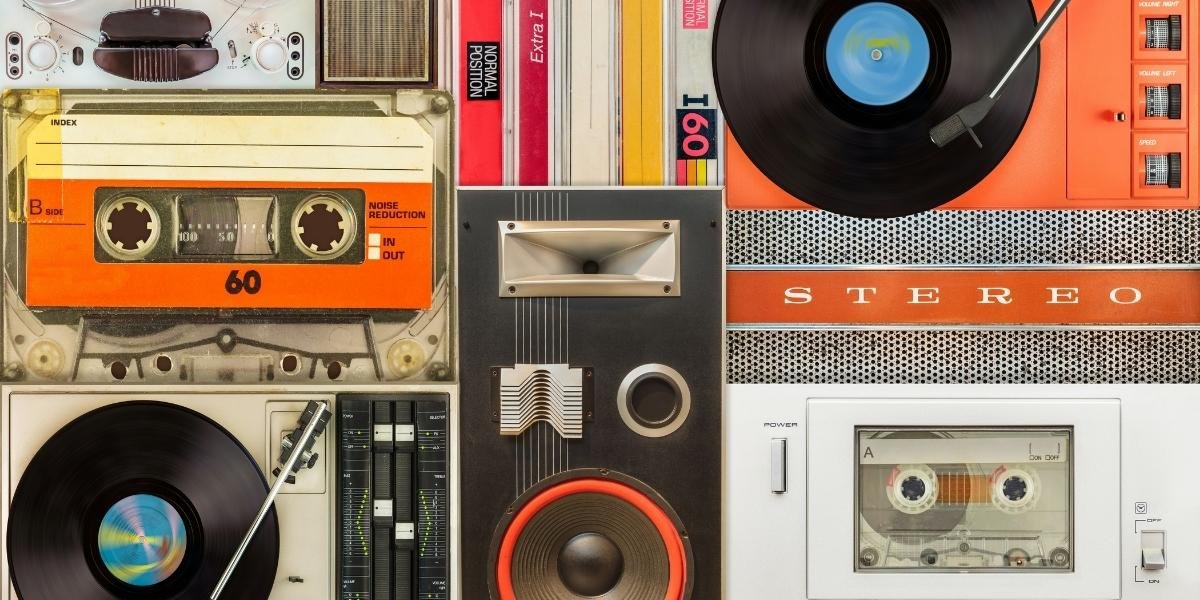
In the early 20th century, music was primarily shared through mechanical formats like the phonograph cylinder. However, the introduction of the 12-inch vinyl LP in the late 1940s marked the beginning of the modern music era. Vinyl quickly became the standard format for albums, offering better sound quality and longer playing time compared to previous formats.

The 1960s and 1970s saw vinyl’s peak, with record stores becoming cultural hubs and albums becoming art forms. Iconic album covers, limited editions, and collectible releases became part of the music-buying experience. Vinyl’s tactile nature and large, visually striking artwork made it a beloved format for collectors and audiophiles alike.

However, the emergence of cassette tapes in the 1980s and the CD in the 1990s slowly overshadowed vinyl. Despite this, vinyl remained a cherished medium for certain artists and enthusiasts, enduring through decades of change.

The Rise of Cassettes and CDs: Portability and Convenience

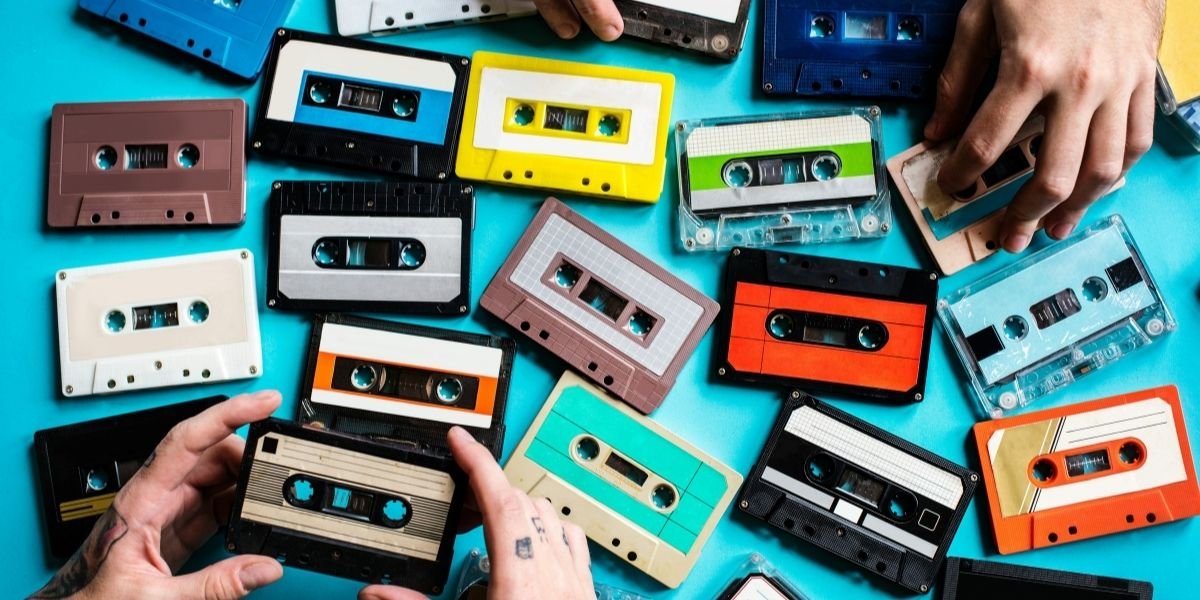
The 1980s ushered in the cassette tape era, which offered greater portability than vinyl. Consumers could now listen to music on the go, thanks to portable cassette players like the Walkman. This shift from home-based listening to personal, portable audio fundamentally changed how music was consumed. Cassettes also offered the ability to record music, giving consumers the freedom to make mixtapes for themselves or friends—an intimate, personalized music experience.

The rise of CDs in the 1990s further revolutionized the industry. CDs offered digital sound quality, durability, and the ability to hold more tracks than vinyl or cassette tapes. As the decade progressed, CD sales dominated the market, and music stores were filled with rows of shiny discs. For many, the compact disc marked the pinnacle of audio quality and convenience.

But, as we would later see, the convenience of CDs and cassettes would eventually be dwarfed by the explosion of digital media.

Digital Music and MP3s: The Birth of Digital Downloads

The Rise and Fall of Music Formats: A Journey Through Time

Photo Credit: Unsplash.com

The early 2000s saw the next great shift in music formats: digital downloads. The rise of the internet, file-sharing platforms, and MP3 technology transformed the music landscape. Music no longer needed to be physical—listeners could now download individual songs and entire albums onto their computers or MP3 players. This was a monumental change, as it allowed consumers to build personal libraries of music without the constraints of physical media.

The iPod, released by Apple in 2001, became the poster child for this new era of portable, digital music. Suddenly, you could carry thousands of songs in your pocket, revolutionizing how music was consumed. The rise of services like iTunes allowed users to purchase individual tracks for a fraction of the cost of a CD, further reducing the appeal of physical formats.

MP3s and digital downloads did not replace the desire for physical formats altogether. Many collectors and audiophiles still preferred the quality and tangible nature of CDs and vinyl, while casual listeners embraced the convenience of MP3s. Despite this, it was clear that the future of music consumption was heading toward a digital-first model.

Streaming Takes Over: The End of Physical Formats?

By the late 2000s and early 2010s, streaming platforms like Spotify, Apple Music, and Pandora had started to dominate the music industry. Streaming services offered an unprecedented level of access to music, allowing users to listen to millions of songs on-demand without ever having to download or purchase individual tracks.

Streaming’s biggest advantage was its accessibility. With a simple internet connection, music fans could instantly play their favorite songs, discover new artists, and curate personal playlists—all for a subscription fee or through free ad-supported models. Physical formats like CDs and vinyl were suddenly less relevant as listeners increasingly opted for the convenience and vast selection of streaming libraries.

Despite the overwhelming growth of streaming, vinyl saw an unlikely revival in the 2010s. Audiophiles and collectors returned to the format, drawn by its analog warmth and the nostalgia it evoked. Vinyl became a niche market once again, with newer releases and reissues flooding the shelves of record stores. According to recent reports, vinyl sales have steadily increased in the past few years, surpassing CD sales for the first time in decades.

The Future of Music Formats: What’s Next?

As streaming continues to reign supreme, the future of physical media seems uncertain. Will digital downloads make a comeback? Will there be a new format to disrupt the industry once again? The answer is unclear, but one thing is certain—music consumption is always evolving.

The rise of high-definition audio formats like Dolby Atmos and lossless streaming shows that the pursuit of better sound quality isn’t over. Likewise, the resurgence of vinyl indicates that many listeners still value the tactile experience of music, whether it’s the act of flipping through records in a store or enjoying the warmth of analog sound.

No matter what the future holds, music formats will continue to evolve, reflecting the ever-changing way people experience and enjoy music. From the booming digital era of streaming to the tactile pleasure of vinyl, music formats have followed a fascinating journey through time, and they’re not slowing down anytime soon.