
Neurocosmetics: Skincare with a Focus on Calm Skin


By: H. Erlichman
The skincare world is shifting — and the next revolution isn’t coming from Seoul, but from science.
For nearly a decade, K-beauty defined the global beauty conversation — from glass skin to snail mucin serums and 10-step routines. However, as consumer tastes evolve and technology reshapes the industry, a new movement is emerging rapidly: neurocosmetics.
Unlike traditional skincare that targets the surface, neurocosmetics work with the skin’s nervous system — calming stress, reducing redness, and even improving mood through the skin–brain connection. It’s not just the next step after K-beauty; it’s a complete paradigm shift.
From 10 Steps to One Connection
The K-beauty era taught the world about layering and hydration. Yet recent reports show its explosive growth is beginning to slow, as consumers seek simpler, more science-driven solutions. This shift signals a move toward products that focus on targeted, effective results rather than lengthy routines. As technology advances, there’s growing interest in skincare that combines innovation with efficiency, offering benefits beyond surface-level care.
That’s where neurocosmetic skincare comes in. Powered by neuropeptides and sensory-active ingredients, these products speak the same biochemical language as your skin’s nerves, helping reduce micro-tension, sensitivity, and visible signs of stress.
“People are ready for something beyond trends — they want results that start from within,” says a representative from Neurocos. “Neurocosmetics don’t just change how your skin looks; they change how it reacts and feels.”
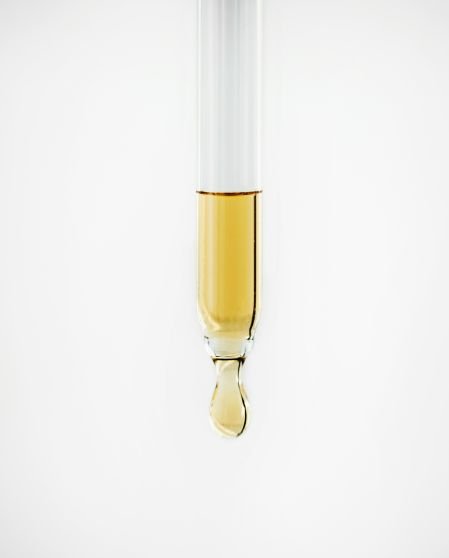
Photo: Unsplash.com
Science Meets Sensation
The beauty industry appears to be entering what some are calling the ‘neuroscience era.’ Research suggests that neurotransmitters, such as serotonin and endorphins, may influence not only mood but also the skin’s barrier, tone, and resilience. By targeting these pathways, neurocosmetics are thought to help soothe irritation, promote luminosity, and potentially support emotional wellbeing.
The category is expected to experience significant growth in the coming years, with projections indicating it will outpace many other skincare segments. At Neurocos, the first concept store dedicated entirely to this field, customers can explore a curated range of neurocosmetic products that combine clinical efficacy with sensory calm — a sharp contrast to the high-intensity routines of yesterday’s beauty culture.
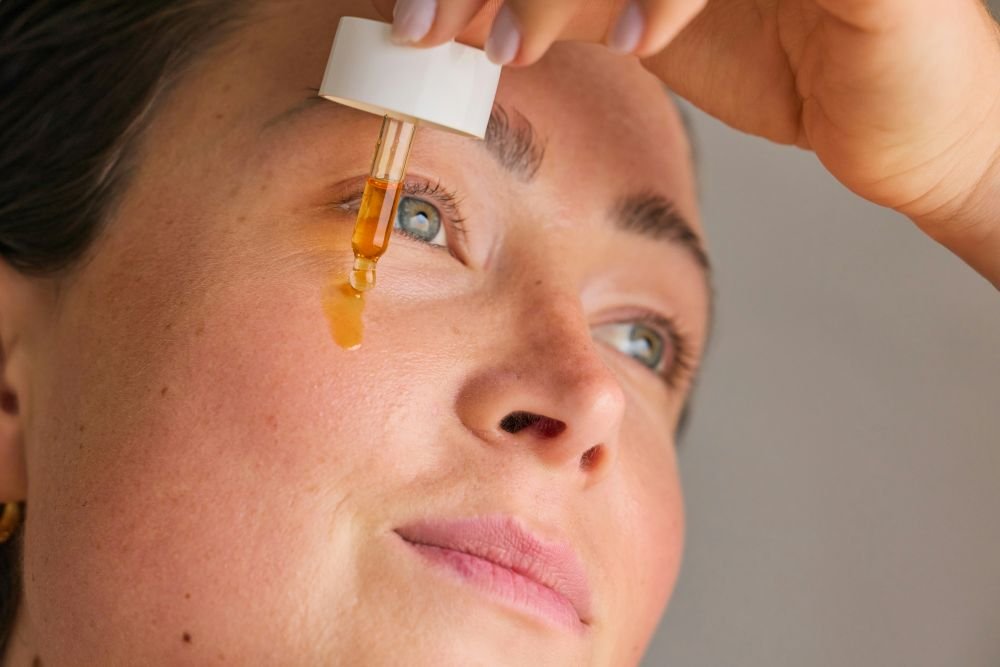
Photo: Unsplash.com
From Trend to Global Movement
Analysts suggest that neurocosmetics are expected to become a prominent topic in the beauty industry by 2026, as consumers move toward multi-sensory experiences rather than traditional multitasking products. The “K-beauty” era may have been about glass skin — but the neurocosmetic era is about calm skin.
It’s skincare designed to keep up with the demands of modern life — where the effects of stress manifest not just in our thoughts and emotions, but visibly on our skin as well. This evolving approach to beauty and wellness reflects a deeper understanding of the mind-body connection. Neurocosmetics, a rising trend in the beauty industry, signals the dawn of a new self-care movement. Unlike traditional products, these innovations targets the neurological effects of stress and other external factors, offering solutions that go beyond skin-deep. With a focus on multi-sensory experiences, neurocosmetics integrate textures, scents, and sensations that provide not only visible improvements but also an emotional boost. This new category of skincare is a movement that embraces the science of well-being and the art of self-care, paving the way for a more mindful, effective approach to beauty.
Shop the complete assortment of neurocosmetic innovations redefining what modern skincare means.
Disclaimer: The products discussed in this article have not been evaluated by the Food and Drug Administration (FDA). They are not intended to diagnose, treat, cure, or prevent any disease or medical condition. The information shared is for informational purposes only and should not be considered a substitute for professional medical advice, diagnosis, or treatment. Always consult with a healthcare professional or physician if you have any concerns or questions regarding your health or skincare routine.
