
Celebrity Safety First: Prioritizing Well-being in High-Stakes Stunt Work


Stunt work is an integral part of many high-octane films, television shows, and live performances. From gravity-defying falls to explosive car chases, these action-packed scenes are what make many blockbuster movies unforgettable. However, while stunt work is thrilling for audiences, it comes with significant physical and emotional risks for the performers. Celebrities often find themselves in the midst of intense action sequences, which demand precision, bravery, and meticulous preparation. This article explores the importance of prioritizing celebrity safety and well-being in stunt work, examining the behind-the-scenes measures that ensure the protection of actors while allowing them to push the boundaries of physical performance.
The Demands of Stunt Work: High-Risk, High-Reward
Stunt work is inherently dangerous, but it is also a highly calculated and rehearsed endeavor. Stunt coordinators and performers work closely with actors to design sequences that seem dangerous but are carefully crafted for the safety of all involved. The risk involved in stunt work is not only physical but also psychological, requiring immense trust, confidence, and preparation from the actors and the stunt team.
Types of Stunt Work in Film and Television
Stunts can range from simple actions to highly complex sequences that involve significant risk. Some of the most common types of stunt work include:
Physical combat: Fight choreography where actors engage in hand-to-hand combat or use weapons.
Vehicle stunts: Car chases, flips, or crashes that require precise driving and expert timing.
High falls: Stunts that involve jumping from significant heights or performing acrobatic tricks.
Fire stunts: These stunts involve actors interacting with flames or explosions, requiring specific protective gear.
Wire work: Flying through the air or performing gravity-defying moves using harnesses and wires.
While many of these stunts are visually stunning, they can be physically demanding and hazardous, especially when performed by untrained actors. Therefore, safety protocols are paramount to reduce risks and ensure the well-being of the performers.
The Role of Stunt Coordinators and Specialists
Stunt coordinators are the unsung heroes behind the scenes, responsible for designing and executing the stunt sequences safely. These professionals collaborate with the director, producers, and the actors to map out the safest way to achieve the desired outcome while minimizing risk. Stunt coordinators assess every action sequence carefully, often running multiple tests before the actual filming begins to ensure that every potential danger is addressed.
They also work closely with the actors, ensuring that precautionary measures, like protective gear, are in place and that the performers are trained in the proper techniques. For more dangerous stunts, such as high falls or fire stunts, the stunt doubles take over to keep the actors out of harm’s way.
Ensuring Safety: Protocols, Training, and Equipment
While the physical and emotional preparation for stunts is important, the safety measures put in place to protect the actor are just as crucial. The world of stunt work has evolved significantly over the years, with improvements in both training and protective equipment designed to minimize injuries.
Pre-Stunt Training and Rehearsals
Before performing any stunt, actors undergo rigorous training and rehearsals. They work closely with stunt coordinators to learn the correct techniques and understand the intricacies of the stunt. This training is tailored to the specific needs of the sequence and ensures that the actor can perform the move as safely as possible.
For example, in a fight scene, actors are trained in choreography, learning how to throw punches, falls, and evasive maneuvers in a way that looks natural on camera while ensuring minimal contact. In high fall stunts, actors may spend weeks practicing how to land safely and use the correct body posture to reduce the risk of injury.
The key to minimizing risk is not rushing the training process; actors need to be fully comfortable and confident in their ability to perform the stunt. In some cases, actors will perform the stunts alongside trained stunt doubles, allowing them to concentrate on the emotional aspects of the scene while leaving the physical demands to the professionals.
Safety Gear and Protective Equipment
The development of advanced safety gear has revolutionized the world of stunt work. Today’s stunt performers use a variety of equipment to minimize injury, such as:
Pads and cushions: For high falls or physical impacts, padding and foam mats are used to absorb the shock and protect the body.
Harnesses and wires: When performing aerial stunts or jumps, actors wear harnesses that are securely attached to rigging systems to control their descent and ensure they are safely lifted or suspended.
Fire-resistant clothing: For fire stunts, actors wear specially designed clothing that can withstand high temperatures without combusting. Flame-retardant suits and helmets are essential for ensuring safety.
Crash pads and airbags: Used for vehicle stunts, these help to absorb the force of a crash and protect actors from harm. Airbags are often deployed on set to reduce the impact in cases of collision or flipping vehicles.
While these safety measures have made stunt work more feasible, it’s still crucial that they are used in conjunction with meticulous planning and constant vigilance on the set.
Psychological Support for Actors
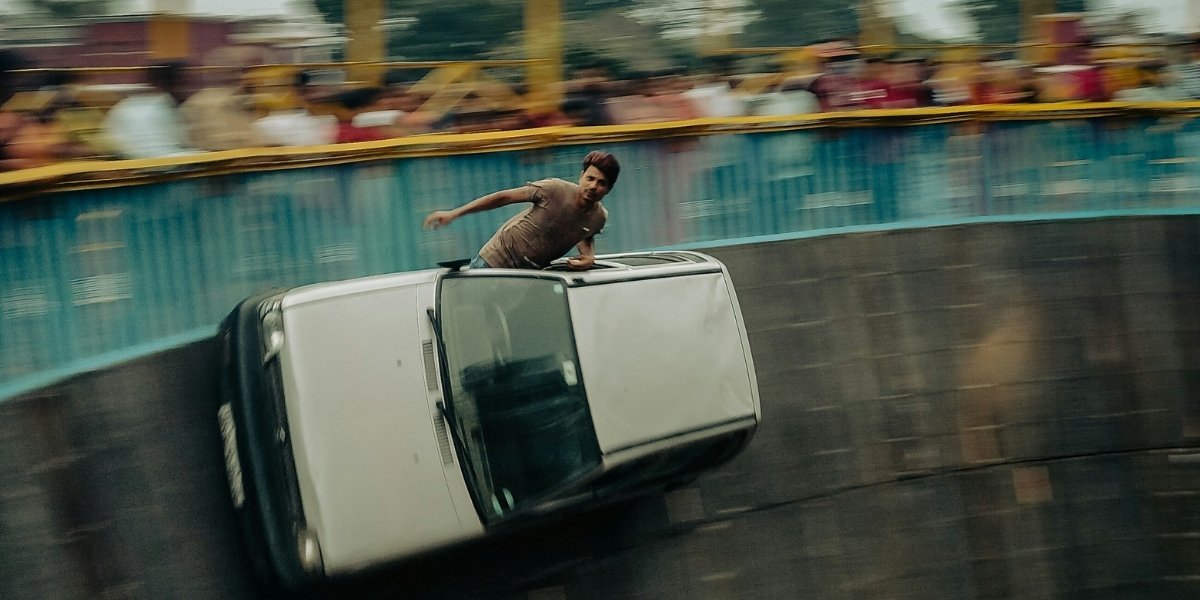
Photo Credit: Unsplash.com
Beyond physical preparation, psychological support is also important for actors performing intense or dangerous stunts. The mental toll of performing high-stakes action sequences can be significant, especially if an actor is pushed to their emotional or physical limits. Fear, anxiety, and stress are common reactions to physically demanding stunts.
Actors may have moments of self-doubt or worry about injury, which can affect their performance. To counter this, they often work with psychologists or mental coaches to help them manage their emotions and stay focused. Building trust with the stunt coordinator and the stunt double can also help alleviate anxiety.
Actors are also encouraged to be vocal about any concerns they may have regarding their safety, and open communication between the performer and the director is key to ensuring that everyone on set feels comfortable and supported.
High-Profile Celebrity Stunts: Balancing Art and Safety
Many famous actors have been known for performing their own stunts, but there is always a fine line between pushing boundaries for cinematic effect and ensuring the well-being of the performer. The balance between artistic expression and safety is often at the forefront of discussions on film sets.
Tom Cruise: The King of Stunts
Tom Cruise is widely known for doing his own stunts, particularly in the Mission: Impossible franchise. Cruise has performed several highly dangerous stunts, including high falls, skydiving, and car chases. However, even Cruise, known for his dedication to performing his own stunts, works closely with stunt coordinators and ensures that the stunts are carefully planned and tested in advance.
Despite his personal commitment to performing stunts, Cruise always has a dedicated team of professionals around him to ensure safety, including stunt doubles, paramedics, and health and safety officers.
A Commitment to Realism
Keanu Reeves is another actor who has gained a reputation for performing many of his own stunts, especially in the John Wick series. Known for his martial arts training and intense commitment to realism in fight scenes, Reeves takes the preparation process seriously. He undergoes extensive training in hand-to-hand combat and firearms handling to ensure his performances look authentic, all while maintaining a strong focus on safety.
Reeves’ dedication to performing his own stunts has become part of his acting persona, though his approach is always carefully managed with stunt coordinators and choreographers to ensure a balance of realism and safety.
The Ever-Evolving World of Stunt Work and Celebrity Safety
Stunt work will always remain an integral part of high-octane performances, offering audiences unforgettable moments of suspense and excitement. But as the demands of stunt work continue to push the boundaries of physical performance, the safety and well-being of celebrities must remain the top priority. Through rigorous training, cutting-edge technology, and a focus on mental and emotional support, filmmakers and stunt teams work tirelessly to ensure that the dangers of stunt work are minimized.
The art of stunt performance is a true testament to the dedication, skill, and resilience of actors and stunt professionals who constantly strive to deliver authentic, intense performances, all while maintaining the highest safety standards. As technology continues to evolve, so too will the methods and tools used to safeguard those who bring these spectacular scenes to life on screen.

