
Mattel Expands Barbie Line With New Doll Celebrating Neurodiversity

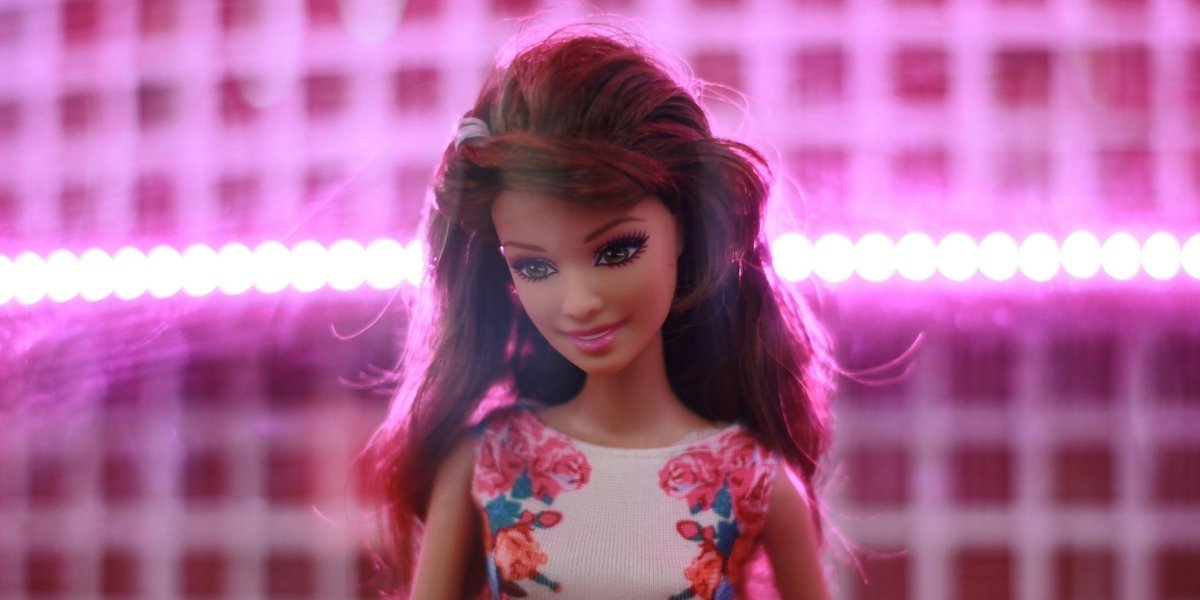
Mattel has expanded its Barbie collection with a new doll designed to celebrate neurodiversity, continuing its long-standing effort to reflect a broader range of human experiences. The new Barbie doll is part of the Fashionistas line, which has steadily incorporated dolls with various body types, skin tones, and visible conditions. This latest release highlights Mattel’s commitment to inclusivity in the world of children’s toys.
The announcement has sparked important discussions among parents, disability advocates, and educators, with many applauding the move as an effort to normalize differences and encourage empathy in children. By introducing neurodiversity within the Barbie universe, Mattel is positioning play as a platform for inclusion and understanding, helping children relate to and appreciate differences from an early age.
Developed in consultation with advocacy groups, the new Barbie doll aims to offer a thoughtful and authentic representation. This collaboration ensures that the doll resonates with families while avoiding stereotypes and misconceptions.
The Fashionistas Line and Its Evolution
The Barbie Fashionistas line has increasingly become a symbol of diversity in recent years, with previous releases featuring dolls with Down syndrome, vitiligo, and mobility aids. With each new addition, Mattel continues to broaden the narrative of what Barbie can represent, showcasing a wide range of identities and experiences.
Mattel’s evolving strategy has focused on expanding beyond traditional beauty standards. By introducing dolls that reflect real-world differences, the brand has moved away from aspirational ideals and into the realm of more relatable and inclusive identities. This shift has been welcomed by many parents, who appreciate the opportunity to purchase toys that mirror the world their children live in.
The new Barbie celebrating neurodiversity continues this evolution. It underscores that Barbie is not only a symbol of fashion but also a tool for fostering understanding and empathy. The Fashionistas line has grown to become a significant touchstone for conversations about identity and acceptance.
The Significance of Representation in Toys
Representation in toys plays a crucial role in shaping children’s self-esteem and social awareness. Seeing themselves reflected in their toys can have a profound impact on how children perceive their own value and relate to others. For families, having inclusive dolls like the new neurodiverse Barbie provides an opportunity to discuss differences in a positive and educational way.
The introduction of a Barbie that highlights neurodiversity reinforces the concept that these differences are part of everyday life. By embedding this idea into a mainstream toy, Mattel is helping to normalize conversations that might otherwise feel complicated or uncomfortable. The new Barbie doll serves as a bridge between play and education, making neurodiversity a topic that can be explored in a relatable and approachable manner.
Toys like this one also reflect broader societal shifts. As discussions about inclusivity gain momentum in media, fashion, and entertainment, the Barbie doll has evolved from a mere toy into a statement about the values and norms of contemporary society.
Reception and Reactions
Early responses to the new Barbie have been largely positive, with advocacy groups praising Mattel for working closely with organizations that represent neurodiverse communities. Parents have expressed appreciation for a toy that could help children better understand and appreciate differences, fostering a sense of inclusion and empathy.
Educators also see the doll as a potential tool in the classroom. By incorporating diverse toys into teaching environments, educators can foster a culture of empathy and reduce stigma. This Barbie doll may play a role in starting discussions about acceptance, respect, and understanding among children, making it a valuable addition to educational settings.
However, some caution remains. Critics have emphasized the need for authenticity and care in how representation is approached. It is essential that Mattel ensures the doll’s design and story accurately reflect the neurodiverse community. This sensitivity will be crucial for the doll’s long-term impact.
Challenges and Considerations
While the new Barbie doll has been embraced by many, there are challenges to overcome. One concern is how children will interpret the doll’s features and story. Without proper context, there is a risk that representation could be misunderstood or oversimplified.
To address this, Mattel has included educational resources to guide parents and caregivers in explaining the doll’s significance. These materials are designed to help facilitate open conversations, ensuring that the introduction of the neurodiverse Barbie is part of a broader educational experience.
Another consideration is the long-term market response. While inclusive dolls have gained significant attention, maintaining consumer interest over time is key to their success. The success of the neurodiverse Barbie will depend on how well it is embraced by families and how it fits into everyday play.
A Step Toward a More Inclusive Future
The launch of the neurodiverse Barbie marks a significant milestone in Mattel’s ongoing efforts to diversify its offerings and reflect a broader range of human experiences. The partnership with advocacy groups to create an authentic representation of neurodiversity underscores the company’s commitment to inclusivity in its products.
For families, the new Barbie doll offers an opportunity to introduce children to the concept of neurodiversity in a positive and engaging way. For Mattel, the success of this addition to the Fashionistas line will depend on how effectively the doll is integrated into everyday play and whether it continues to resonate with both children and adults.
As the toy industry evolves, the neurodiverse Barbie sets a new standard for inclusivity, offering children the opportunity to engage with toys that reflect the real-world diversity of the people and experiences around them. Mattel continues to lead the way in making sure that its products are not just about beauty or perfection, but about celebrating the full spectrum of human experiences.
