
The Power of Fashion in Film: Costumes That Define Cinema History

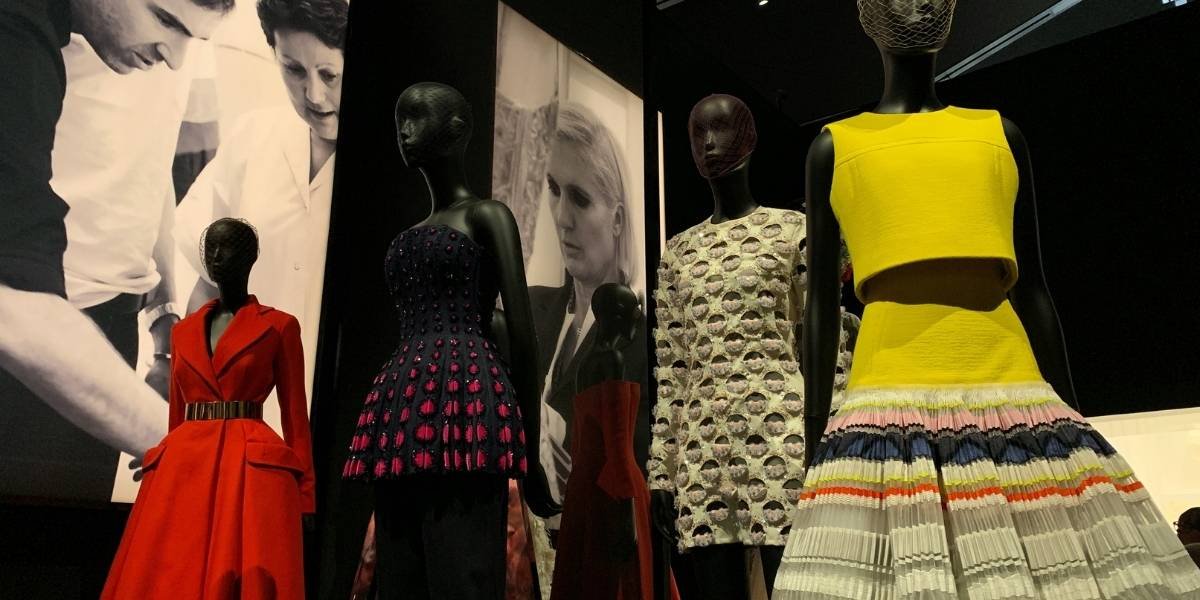
Fashion in film has long been an essential part of the cinematic experience. Costumes are not just visual elements; they play a key role in defining characters and setting the tone of a film. From the glamorous gowns of the silent film era to the sleek suits of modern blockbusters, fashion in film helps anchor stories in both time and place.
Designers like Edith Head demonstrated the true power of costumes, creating wardrobes that defined iconic stars and cemented their images in public memory. Her work with Hollywood legends proved that fashion could elevate a performance and become an integral part of the story.
Iconic looks from films like Marilyn Monroe’s white dress in The Seven Year Itch or Audrey Hepburn’s black gown in Breakfast at Tiffany’s have transcended the screen, becoming symbols of elegance. These outfits continue to influence society, proving that fashion in film can leave a lasting mark on both pop culture and the audience’s collective memory.
Silent Era Glamour
The silent film era relied heavily on visual cues to tell a story, and fashion became a key tool in conveying character and mood. With no spoken dialogue, wardrobe choices were used to communicate status, personality, and emotional depth. From sequined gowns to feathered headpieces and tailored suits, fashion in film helped establish the narrative.
Stars like Clara Bow and Louise Brooks became synonymous with the flapper style, which spread beyond the theaters and influenced everyday fashion. Their costumes embodied the 1920s aesthetic and played a significant role in defining the era’s style.
This era illustrated how closely film and fashion have been intertwined. Designers crafted looks that not only reflected the cultural movements of the time but also influenced what audiences wore in their daily lives. Fashion became a powerful storytelling device, demonstrating its influence far beyond the screen.
Golden Age of Hollywood
During Hollywood’s Golden Age, costume design was recognized as a crucial aspect of filmmaking. Studios employed talented designers who worked closely with directors to shape the visual narratives of their films. Wardrobes became essential in developing characters and enhancing the cinematic experience.
Films like Gone With the Wind showcased elaborate costumes that not only reflected the historical context but also captivated audiences. Scarlett O’Hara’s iconic dresses became symbols of strength and resilience, aligning with the film’s themes and influencing fashion trends for years to come.
This period highlighted the role of costume designers as true artists, with their work celebrated alongside the performances of actors. The recognition of costume design in major awards shows further cemented fashion’s place in Hollywood history.
Modern Blockbusters and Superhero Suits
In today’s cinema, fashion continues to be a powerful tool for storytelling, especially in superhero films. Characters like Batman and Wonder Woman are defined by their iconic costumes, which not only serve as visual markers but also embody the themes of strength, power, and transformation.
These superhero costumes play a vital role in character development, allowing audiences to connect with the heroes on a deeper level. Beyond their visual impact, these outfits symbolize much more than just an image—they reflect the core of the characters themselves.
The influence of fashion in film extends beyond the big screen. Leather jackets, futuristic designs, and minimalist aesthetics from blockbuster films often make their way into everyday fashion, demonstrating how cinematic styles have a significant impact on global fashion trends.
Fashion in Film and Its Societal Impact
Fashion in film is a reflection of the social and cultural movements of its time. Wardrobe choices often mirror shifts in society, such as the liberating spirit of the 1960s or the bold experimentation of the 1980s. These costume choices serve as visual markers of changing attitudes and provide a snapshot of history.
Films like Dreamgirls and Black Panther have demonstrated how fashion can celebrate heritage and identity. The costumes in these films go beyond the screen, sparking conversations about representation and shaping how audiences view cultural narratives.
Iconic costumes from films continue to inspire not just fashion collections but also fan culture and cosplay. They demonstrate that fashion in film is much more than just an aesthetic,it’s an influential force that extends far beyond the movie theater.
The Future of Fashion in Film
As the film industry evolves, fashion will remain a key element of storytelling. With the rise of streaming platforms and global distribution, the influence of costume design will continue to grow, reaching audiences worldwide.
Future films are expected to push the boundaries of wardrobe design. Technological advancements may lead to interactive or adaptive costumes that further enhance the narrative experience. Designers will continue to explore new ways to integrate fashion into storytelling, ensuring its place in the future of cinema.
For filmmakers, fashion is no longer a mere backdrop, it is an essential tool that shapes character, story, and the audience’s emotional connection to the narrative. Fashion in film remains as influential today as it was during the silent era, and its role in shaping cinema history is only set to expand.
