From Stage to Screen: What Makes Musician Journey Documentaries a Hit?

In recent years, documentary films about musicians and their creative journeys have seen a surge in popularity. These films offer viewers an intimate glimpse into the lives of their favorite artists, showcasing the behind-the-scenes struggles, personal growth, and triumphs that define their careers. Below, we explore the various reasons why these documentaries have resonated with audiences and the entertainment industry.

Emotional Connection with Fans

One of the main reasons for the popularity of music documentaries is the emotional connection they foster between musicians and their fans. By offering an intimate portrayal of the artist’s life, these films allow viewers to experience the highs and lows of a musician’s journey on a personal level.

Intimate Interviews: Documentaries often feature heartfelt interviews with the artists, revealing aspects of their personalities, fears, and dreams that fans rarely get to see. This vulnerability helps create a deeper bond between the artist and their audience.

Authentic Storytelling: Fans appreciate the raw and authentic nature of documentaries, which often show musicians at their most human—whether they are battling self-doubt, facing personal challenges, or celebrating their success.

Insight into the Creative Process

Documentaries provide fans with a behind-the-scenes look at the creative process that goes into making an album or a tour. For music enthusiasts, this insight is invaluable, as it reveals the hard work, collaboration, and inspiration involved in bringing music to life.

Unreleased Footage: Many music documentaries include footage of studio sessions, songwriting workshops, or rehearsals that would otherwise be inaccessible to fans. This access makes the creative journey more relatable and inspiring for aspiring musicians.

Collaborations with Producers and Artists: These films often highlight key collaborations between musicians and producers, shedding light on the technical aspects of music production, mixing, and performance, which many fans find fascinating.

Behind-the-Scenes Access

From Stage to Screen: What Makes Musician Journey Documentaries a Hit?


Photo Credit: Unsplash.com

Behind-the-scenes access is one of the main draws of musician documentaries. Fans are not only given a glimpse into the artist’s professional world but also their personal lives—offering a balanced view of fame and its impact.

Exclusive Tours and Backstage Footage: Some documentaries follow musicians during their tours, providing a look at what happens behind closed doors. This includes preparations, private conversations, interactions with fans, and backstage rituals that form part of a musician’s routine.

Personal Relationships and Struggles: Many documentaries delve into the personal struggles that musicians face, such as dealing with fame, navigating relationships, or overcoming addiction. These portrayals make the artist more relatable to viewers who may have experienced similar challenges in their own lives.

Cultural and Historical Context

Music documentaries often situate an artist’s career within a broader cultural and historical context, helping audiences understand how the musician’s work reflects and impacts the times.

Musical Movements: Documentaries frequently explore how certain musicians have contributed to larger cultural or musical movements. Whether it’s the punk rock revolution, the rise of hip-hop, or the influence of jazz, these films provide insight into how music shapes and is shaped by society.

Social and Political Commentary: Many music documentaries address social issues, such as racial inequality, mental health, or gender identity, positioning musicians as not only entertainers but also cultural and political voices.

Personal Growth and Struggles

Another reason for the popularity of music documentaries is their focus on the personal growth of musicians. These films often track an artist’s evolution from obscurity to stardom, highlighting the perseverance and dedication required to succeed in a competitive industry.

Overcoming Adversity: Musicians often share stories of overcoming personal struggles, including financial hardships, mental health issues, or family conflicts. These stories inspire viewers by showing the resilience required to navigate a successful music career.

Transformation Through Music: Many documentaries show how music has helped artists overcome personal struggles, offering a source of healing and expression. This theme resonates deeply with fans who turn to music in times of need.

Impact on Music Sales and Streams

One of the significant effects of music documentaries is their ability to boost music sales and streaming numbers. After watching an engaging documentary, many viewers are motivated to revisit the artist’s catalog or discover new material.

Revival of Classic Albums: Documentaries often lead to a resurgence in the popularity of an artist’s older works. Films that delve into the making of iconic albums can inspire fans to listen again, often leading to a spike in streams and downloads.

Boost to New Releases: Artists who release documentaries around the same time as a new album or tour often see an increase in sales and streaming numbers as fans become more invested in the artist’s current work.

Fan Engagement and Social Media Buzz

Documentaries provide ample opportunities for fan engagement and social media discussion. After a documentary’s release, fans often take to platforms like Twitter, Instagram, and TikTok to discuss their favorite moments, share insights, and connect with other fans.

Fan-Created Content: Viewers frequently create fan art, memes, or video edits based on the content of these documentaries, helping to build an online community centered around the musician.

Documentary Reviews and Reactions: Fans love to share their thoughts on music documentaries, sparking discussions and debates about the artist’s career, personal struggles, and creative choices.

The popularity of documentary films about musicians and their journeys is a testament to the deep connection that fans have with their favorite artists. These films offer emotional insight, behind-the-scenes access, and cultural relevance that resonate deeply with viewers. By providing a closer look at the creative process and the personal growth of musicians, documentaries continue to captivate audiences and enhance their engagement with music on a deeper level.

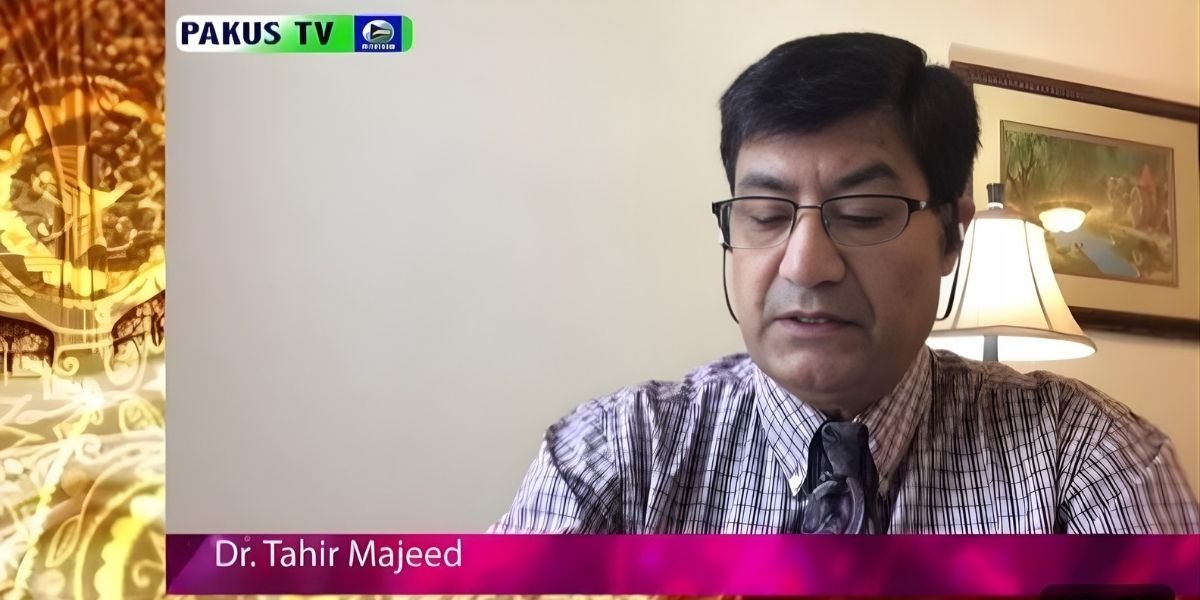
Dr. Tahir Majeed: A Physician, Poet, Author, and Influencer with Diverse Contributions

A Life Rooted in Service

Dr. Tahir Majeed’s career spans medicine, writing, broadcasting, and community work. Yet, through every phase, one theme repeats: care shaped by conscience. Over the decades, he has moved between examining rooms, care facilities, and television studios, carrying the same conviction that people are at the center of all good work.

Born on September 24, 1957, in Quetta, Pakistan, Majeed entered medicine out of both curiosity and a sense of responsibility. He earned his MBBS degree before adding an MBA, a choice that surprised some of his colleagues. To him, it made sense. He believed that healing required not only clinical skill but also an understanding of how systems function and fail. That interest in both science and structure would later define much of his professional path.

From the Clinic to Care Leadership

When Majeed relocated to the United States, he began working directly in elder care, a field that, in his words, “tests not only the hands but the heart.” Starting at the floor level, he learned the rhythms of caregiving: how routines, tone, and attention to detail shape a resident’s day. Over time, his experience grew into administration, not out of ambition but necessity; someone had to make sure the system matched the compassion shown by the staff.

Today, as the Administrator of August Healthcare at Leewood in Annandale, Virginia, Majeed oversees a center that combines medical care with emotional presence. The facility specializes in rehabilitation and memory support, and its leadership reflects the same dual focus. Staff describe him as a visible presence, walking hallways, talking to families, and noting small changes that others might overlook. The policies he implements often stem from those observations rather than from spreadsheets or directives.

The Intersection of Faith and Healing

Faith, for Majeed, has always been a quiet companion to his medical work. It shapes his understanding of care not as a transaction but as a duty. He often says that healing has two halves: one for the body, one for the spirit.

This view extends into his public voice. His television program, Zindagi Banam Bandagi (“Life Dedicated to Service”), began as a modest weekly broadcast on PAK US TV and has grown into a global platform. The show blends faith-based reflection with practical advice, touching on topics such as patience, kindness, and purpose. Its tone is conversational rather than prescriptive, less sermon, more reflection.

The program now reaches audiences across Pakistan, the United States, and around the world. Viewers tune in not for spectacle but for stillness. Majeed’s appeal lies in his ability to speak plainly about things people already know but often forget: gratitude, balance, and the small ways faith can guide daily life.

Writing as Reflection

Parallel to his medical and media work runs another thread, writing. Majeed’s book Zindagi Banam Bandagi expands on the same ideas as his broadcast, exploring devotion as a daily practice rather than a distant goal. His poetry collections, including Din, Des aur Dil (“Day, Homeland and Heart”) and Nawa-e-Tahir (“Voice of Tahir”), trace the experiences of migration, belonging, and emotional endurance.

Critics often note that his poetry is not abstract. It stays close to the ground, the way a patient’s room feels at dusk, the silence after a prayer, the memory of a distant home. Canadian psychiatrist and Urdu author Dr. Khalid Sohail once called him “a poet of hijr and hijrat,” separation and migration. The phrase captures both his subjects and his tone. Majeed writes from the space between worlds, East and West, science and faith, without choosing one over the other.

Through essays and verse alike, he treats words as a form of healing. Where medicine repairs the body, writing steadies the mind. It gives readers, especially those in the diaspora, a vocabulary for longing and resilience.

Influence Through Media and Mentorship

Outside of his formal roles, Majeed has become an informal mentor for many younger professionals in healthcare and community work. His social media presence, particularly through the Zindagi Banam Bandagi Facebook page, has grown to more than 200,000 followers. Yet, unlike many digital influencers, his online tone remains unhurried. He posts reflections, short verses, and notes of gratitude.

During the COVID-19 pandemic, those posts took on special weight. While misinformation spread rapidly, his updates focused on clarity and calm, reminders about hygiene, empathy, and patience. Many followers responded not just to the information but to the reassurance behind it.

Colleagues in eldercare describe him as someone who bridges generations, encouraging younger administrators to see policy as service rather than hierarchy. His mentorship extends beyond professional advice. He often tells students that “good work outlasts recognition,” a line that echoes both his faith and his philosophy.

A Voice Across Borders

What distinguishes Dr. Majeed’s public presence is its reach across cultural and linguistic boundaries. Urdu remains the language of his poetry and television program, but the themes resonate far beyond Pakistan or the Pakistani-American community. Audiences in the Middle East, Canada, and parts of Europe follow his broadcasts online, forming a network of viewers who find in his discussions something universal, a reminder of shared ethics in an often-divided world.

His role as a global communicator does not rely on celebrity but on trust. That trust, built over years, rests on consistency: the same calm tone, the same modest approach to big questions. Whether speaking about healthcare or spirituality, he avoids slogans and speaks from experience.

Balancing Many Roles

Looking across his career, it is tempting to separate his identities: the physician, the administrator, the poet, the preacher. But for Majeed, these roles overlap rather than compete. Each informs the other. His medical training brings precision to his writing; his faith adds patience to his management style; his poetry gives depth to his broadcast. Together, they form a portrait of a professional who treats life itself as an ongoing dialogue between reason and empathy.

What keeps that balance, he often says, is humility. Medicine teaches it through uncertainty; poetry, through emotion; and faith, through surrender. In combining them, he aims not for grandeur but for balance, a life that serves quietly but persistently.

Legacy of a Gentle Voice

After more than forty years of work across continents, Dr. Tahir Majeed’s legacy may be measured less by institutions than by influence, the kind that changes how people think about care, compassion, and responsibility. He has shown that a physician’s reach can extend beyond the clinic, that a poet’s words can ease more than hearts, and that teaching need not end when the lecture does.

He continues to lead, write, and speak with the same steadiness that has defined his career. For him, the goal has never been fame or numbers, though his audience spans continents. It has always been to bring meaning into the practice of living, through medicine, through language, and through faith.

Disclaimer: The views and experiences shared in this article are based on the life and career of Dr. Tahir Majeed. The content is intended for informational purposes only and does not constitute medical, legal, or professional advice. While the article reflects Dr. Majeed’s personal perspectives on medicine, faith, and mentorship, it should not be considered a substitute for professional guidance in these fields. The information provided does not represent the views of any affiliated organizations or institutions.

The Legacy of Sabor Latino’s Albums in Promoting Social Awareness

By: Jaxon Lee

Sabor Latino, the recording name used by educator and artist Roberto Torres, has spent more than a decade working at the intersection of music and community issues. Since 2013, his catalog has grown steadily, shaped by the experiences he brings from his work in schools and community programs. Much of his writing draws from situations he has encountered firsthand, particularly in his role as a substance abuse prevention intervention specialist counselor, a position that places him in daily contact with young people dealing with real-world pressures.

Over time, his albums have become a running commentary on the struggles, hopes, and concerns of the communities he serves.

Early Work and the Establishment of a Theme

Torres introduced himself through the album Observaciones De Mi Vida Vol. 1, setting the tone for what would follow. Rather than aiming for commercial appeal, the album leaned on reflection and personal storytelling. He continued this approach in Observaciones De Mi Vida Vol. 2, which built on the same idea: using hip hop to address circumstances that often go unaddressed in everyday conversation.

These early albums helped define what listeners now associate with Sabor Latino’s work. The records were shaped less by trends than by Torres’ background in youth work, where he regularly witnessed the impact of family challenges, social pressure, and limited resources. The themes in the music often mirrored the issues students brought to his counseling office.

“Hacer La Vida Significativa” and Its Broader Message

Among his releases, Hacer La Vida Significativa stands out for its focus on purposeful living. The album’s title reflects the core idea that guided much of Torres’ work: giving people, especially young listeners, the sense that their choices can lead to something meaningful.

The record does not offer simple answers, nor does it frame empowerment as instant or easy. Instead, it approaches the topic through the lens of slow changes, steady support systems, and small steps, perspectives that mirror Torres’ professional understanding of how students rebuild their confidence.

Singles That Address Common Social Issues

Across his singles, Torres continued to work with subjects he viewed as urgent.

“Todo En La Vida Es Posible” (“Anything in Life Is Possible”) aimed at countering the sense of limitation that many of his students expressed. By contrast, “Mi Padre” (“My Father”) focused on family dynamics, a topic that frequently surfaces in the stories he hears in school.

“No Mas Racismo” (“No More Racism”) took on a direct social message, reflecting concerns that were widely shared both in and outside the classroom. Meanwhile, “Hip Hop Positivo” (“Positive Hip Hop”) served as a statement of purpose, clarifying that his work was meant to steer listeners toward productive choices and self-respect.

Another key track from the EP is “Ahora Es Mi Turno” (“Now Is My Turn”), a song rooted in Torres’ personal journey. The track reflects his experience overcoming racism, limited opportunities, and social barriers while holding on to his Latino identity. Rather than framing success as guaranteed, the song emphasizes resilience, self-belief, and persistence — the idea that recognition comes only after enduring challenges. Its message mirrors what Torres often shares with young people: if he could push forward despite obstacles, others can do the same.

Alongside these, “Yo Sé Que Tú Puedes” (“I Know You Can”) added another layer to his message-driven catalog. This single centered on encouragement and steady reassurance — the kind of support he often gives students who feel overwhelmed by school, family pressure, or self-doubt. The song fit naturally into the themes that appear throughout his work, offering a reminder that progress often comes from believing in one’s ability to move forward, even when circumstances feel heavy.

None of these singles were framed as slogans or rallying cries. Instead, they addressed social topics in a way that matched Torres’ day-to-day role as a counselor, more measured than declarative, and grounded in the situations he regularly encountered.

How His Professional Background Shapes the Music

One of the defining features of Sabor Latino’s catalog is how closely it tracks with Torres’ professional life. Working as a substance abuse prevention intervention specialist counselor places him in constant contact with students coping with stress, peer influence, and the pressure to make decisions before they fully understand the consequences.

The Legacy of Sabor Latino’s Albums in Promoting Social Awareness

Photo Courtesy: Sabor Latino

These encounters gave him a viewpoint that naturally carried into his writing. Instead of using music to project an image or persona, Torres treated it as an extension of the same conversations he had with students: talking about choices, setbacks, family strain, and the search for direction. As a result, his albums read more like observations than performances, a trait that has remained consistent across his releases.

A Body of Work Shaped by Community Reality

Across thirteen years of recording, Torres has maintained a steady approach. His music draws from personal memories, student stories (shared in general terms rather than specifics), and the challenges he sees repeated year after year in school settings.

Rather than placing himself at the center of the narrative, he often uses songs to reflect on what he has witnessed. This perspective has given his catalog a grounded quality that differs from that of artists who center their image on ambition or self-promotion.

Legacy and Continuing Influence

While Sabor Latino’s albums were never designed to chase mainstream popularity, they have held a consistent place among those who know his work. Teachers, community workers, and listeners familiar with his background often recognize his music for the same reasons: it reflects lived experiences rather than crafted personas.

The legacy of these albums lies less in chart performance than in their documentation of the social environment from which they were written. Over the years, they have become part of Torres’ broader effort to influence young people in practical, reachable ways, through counseling, school programs, and the messages woven through his songs.

In this way, Torres’ musical output and community work coexist. Each album and single, from Observaciones De Mi Vida to Hacer La Vida Significativa, forms another piece of an ongoing record of the concerns and hopes shared across the classrooms and neighborhoods he serves. Rather than presenting solutions, they give space to the experiences that shape the communities around them, and that is the core of the legacy Sabor Latino has built.

Caroline Radziminski: Intentional Beauty, Education-Driven Craft, and a Client-First Mindset at Craft Collective Salon Group

By: Kate Ellington

A Stylist Grounded in Purpose and Professionalism

Caroline Radziminski brings a thoughtful, education-driven approach to hairstyling that reflects both technical discipline and genuine care for the client experience. As a stylist at Craft Collective Salon Group, her work is defined by intention. Every service is approached with clarity, preparation, and a focus on creating results that feel natural, wearable, and sustainable.

Caroline believes that hair should support confidence without demanding constant upkeep. This philosophy shapes her recommendations, her pacing behind the chair, and the long-term relationships she builds with clients.

Entering the Industry With an Emphasis on Learning

Caroline’s path into the hair industry was shaped by a strong interest in both creativity and continuous learning. Early in her education, she focused on understanding the fundamentals of cutting, color theory, and hair structure, knowing that mastery of basics creates the freedom to evolve.

Rather than chasing trends early in her career, she invested in building technical confidence and consistency. This foundation allows her to approach a wide range of services with precision and adaptability while maintaining a high standard of quality.

Her commitment to education continues to guide her professional growth today.

A Consultation Process Rooted in Listening and Clarity

Consultation is a cornerstone of Caroline’s client experience. She begins each appointment with a thoughtful conversation designed to understand the client’s lifestyle, maintenance preferences, and long-term goals.

Caroline values transparency and believes that informed clients make the best decisions. She takes time to explain options, discuss realistic outcomes, and outline maintenance expectations so there are no surprises. This approach builds trust and ensures that results align with both vision and practicality.

Clients often appreciate her calm, clear communication style and collaborative mindset.

Commitment to Hair Health and Long-Term Results

Hair health plays a central role in Caroline’s work. Color services are planned strategically with careful attention to integrity and longevity. She avoids unnecessary processing and prioritizes techniques that support strength, shine, and manageability over time.

Education extends beyond the appointment. Caroline empowers clients with guidance on at-home care, helping them maintain results and protect hair health between visits. This long-term approach ensures that clients enjoy hair that looks good now and continues to perform well over time.

Her philosophy closely aligns with Craft Collective Salon Group’s commitment to sustainable, responsible beauty.

The Experience in Her Chair

Clients describe time in Caroline’s chair as calm, focused, and supportive. Her presence is steady and attentive, creating an environment where clients feel comfortable asking questions and offering feedback.

Appointments are paced intentionally, allowing space for careful execution without feeling rushed. Caroline believes the salon experience should feel restorative and positive, and she works to create that atmosphere with every service.

Growing Within the Craft Collective Salon Group Culture

Craft Collective Salon Group’s collaborative environment supports Caroline’s continued growth. Being part of a salon that values education, shared learning, and professional development allows her to refine her skills and stay inspired.

The culture emphasizes collaboration over competition, reinforcing Caroline’s belief that excellence is built through community and continuous improvement.

This environment enables her to focus on delivering high-quality work while maintaining balance and professionalism.

Consistency as the Foundation of Trust

Consistency defines Caroline’s work. Clients know they can expect clear communication, thoughtful recommendations, and results that align with the consultation. This reliability has helped her build strong, long-term client relationships rooted in trust.

She understands that trust is earned through preparation, honesty, and care, and treats each appointment as an opportunity to reinforce that trust.

Looking Ahead With Intention

As Caroline continues her career at Craft Collective Salon Group, her focus remains on refinement, education, and strengthening client relationships. She is committed to delivering work that feels timeless, well executed, and aligned with each client’s needs.

Her approach reflects a modern, grounded vision of hairstyling built around professionalism, care, and genuine connection.

A Stylist Known for Thoughtful Craft and Care

Caroline Radziminski represents the kind of stylist clients seek out for dependable results, clear communication, and an education-driven approach to hair. Her work reflects a commitment to quality, longevity, and trust.

To learn more about Caroline Radziminski or book an appointment, visit her profile at Craft Collective Salon Group: Meet the Team