Andrea Bellato: How His Multidisciplinary Approach Attracts Partnerships with Leading Sports Doctors and Nutritionists

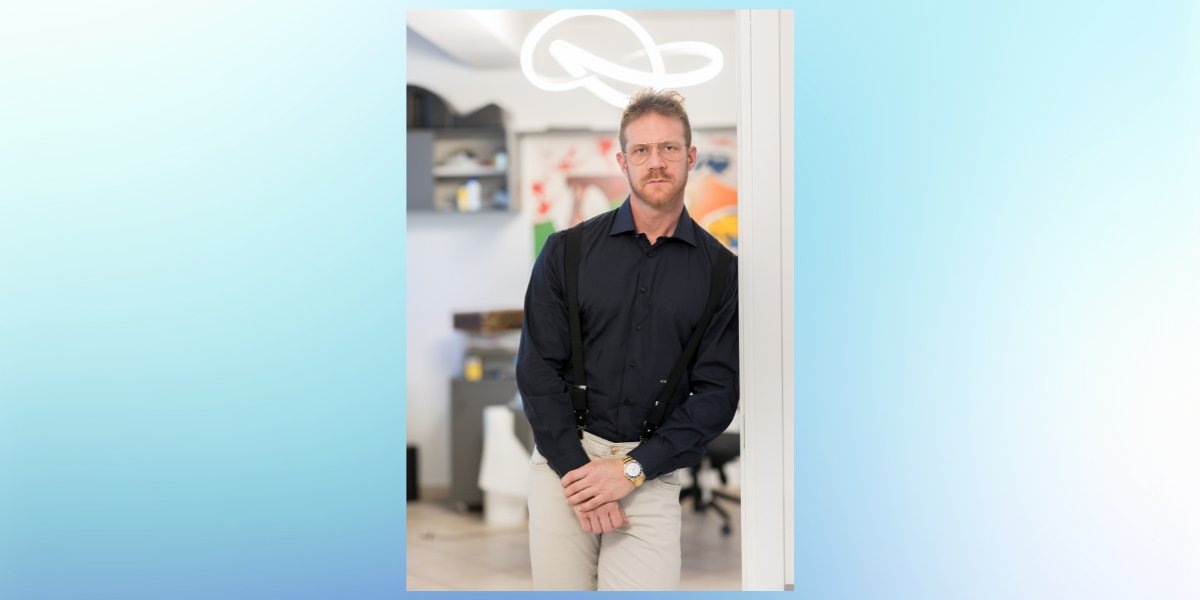
In the hyper-specialized world of modern medicine, the patient can often feel like a collection of disconnected parts, with a different specialist for every ache and pain. The cardiologist looks at the heart, the gastroenterologist looks at the gut, and the orthopedist looks at the bones, but who is looking at the whole person? This fragmentation of care is one of the biggest challenges in healthcare today, and it is a challenge that Dr. Andrea Bellato, an Italian physiotherapist and osteopath, is tackling head-on. He has built his practice on a foundation of multidisciplinary collaboration, forging powerful partnerships with other top-tier medical professionals to deliver a truly integrated, holistic approach to healing.

Dr. Bellato is a man who understands the limits of his own expertise. While he is a master of the musculoskeletal system, he knows that pain is often a complex, multifactorial problem that cannot be solved by a single practitioner. That is why he has cultivated a network of trusted collaborators, including sports medicine doctors and orthopedists, as well as nutritionists and functional medicine practitioners. “I collaborate with sports medicine doctors, nutritionists, and high-level orthopedists to offer a truly multidisciplinary approach,” he says. This is not just a casual referral network; it is a team of like-minded professionals who work together to create a comprehensive and personalized treatment plan for each patient.

Andrea Bellato How His Multidisciplinary Approach Attracts Partnerships with Leading Sports Doctors and Nutritionists

Photo Courtesy: 10x Experts

This collaborative approach is particularly powerful in his work with high-performance athletes. An athlete’s ability to perform at their peak is influenced by a wide range of factors, from biomechanics and training regimen to diet and mental state. Dr. Bellato might work with a sports medicine doctor to diagnose a complex injury, with a nutritionist to optimize an athlete’s diet for recovery and performance, and with a coach to modify an athlete’s training program to prevent re-injury. This team-based approach ensures that every aspect of the athlete’s health is being addressed, creating a powerful synergy that can lead to breakthrough results.

His collaboration with Dr. Massimo Spattini, a renowned expert in clinical nutrition and functional medicine, is a prime example of this synergy in action. Together, they can explore the complex interplay between a patient’s metabolic health and musculoskeletal pain. They might discover that a patient’s chronic inflammation is driven by a food sensitivity or that a nutritional deficiency is hindering their recovery from an injury. By addressing these underlying metabolic issues, they can achieve results that would not be possible with manual therapy alone.

Andrea Bellato How His Multidisciplinary Approach Attracts Partnerships with Leading Sports Doctors and Nutritionists

Photo Courtesy: 10x Experts

This commitment to collaboration reflects Dr. Bellato’s patient-centered philosophy. He is not interested in protecting his turf or in competing with other practitioners. He is interested in one thing and one thing only: getting the ideal possible result for his patient. He is a man who is humble enough to know what he doesn’t know, and wise enough to seek out the expertise of others when it is needed. This is the hallmark of a true leader: a man more committed to the mission’s success than to his own personal glory.

In a healthcare system that is often plagued by ego and turf wars, Andrea Bellato’s collaborative spirit is a breath of fresh air. He is demonstrating that the future of medicine lies not in a collection of isolated silos, but in a network of interconnected and collaborating professionals. He is building a new model of healthcare, one that is more integrated, more holistic, and ultimately, more effective. And in doing so, he is not just healing his patients; he is healing the healthcare system itself.

Disclaimer: The information provided in this article is for informational purposes only. It is not intended to replace professional medical advice, diagnosis, or treatment. Always consult with a qualified healthcare provider before starting any new treatment or healthcare regimen.
Clive Osgood and the Role of Community Music-Making in Local and National Cultural Life

Classical music has long been known not only for its association with large orchestras and grand concert halls, but also for the dedication of community bands, parish choirs, and local cultural organizations. Regarding composers, many in the UK have found their voice in these smaller ensembles, where collaboration with aspiring and semi-professional musicians creates opportunities for new compositions to flourish. Listeners connect with music differently in the context of community music-making. Community-based music-making has often served as a mediator between local practice and national identity; musical works by contemporary composers can enable representative and practiced music-making and education without exclusively contributing to metropolitan or upper-class practices.

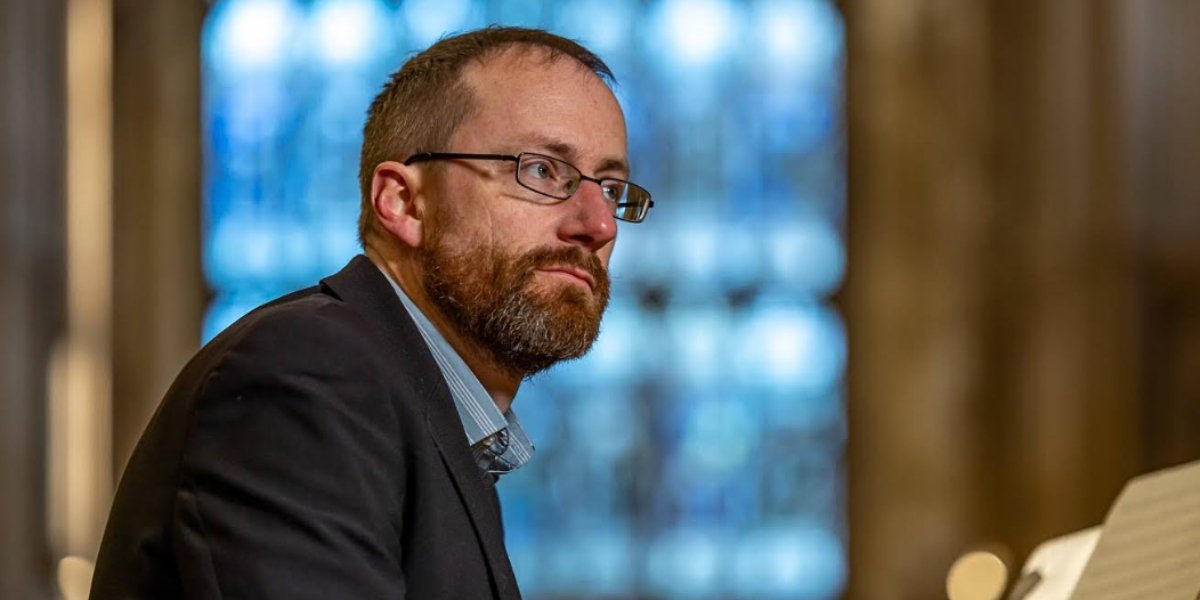
Clive Osgood’s career illustrates how composers can connect strongly with their communities while still pursuing professional viability. His activities with local ensembles have led to new commissions, performances, and recordings that extend far beyond the local level. To him, these are not merely utilitarian but also aesthetically sound since his music is tested, refined, and ultimately introduced into wider circulation. This approach emphasizes community collaboration to achieve a viable classical career in today’s world.

A notable example of such cooperation is Osgood’s endeavor with the Haslemere Musical Society. Since 1923, the society has remained a hub of community performance in Surrey, uniting orchestra members, singers, and listeners in a rich tradition of communal music. It was in this environment that Osgood was commissioned to create a collection of sea songs that would subsequently gain a wider audience. These songs, which had initially been performed on a local level, were eventually incorporated into his album, English Folk Songs, released by Convivium Records. The transition from communal premiere to commercial recording demonstrates how collaboration on the local level can serve as the foundation for national dissemination.

The commissioning of the sea songs is also part of a larger trend in twenty-first-century British composition, where folk heritage is reimagined through modern harmonic idiom. In bridging local subjects and professional ensembles and recordings, Osgood’s work with Haslemere Musical Society shows that composers can make sense of the balance between local heritage and broader cultural markets. It also highlights the ongoing importance of regional institutions in commissioning new music, a practice that benefits both performers and composers.

Apart from orchestral and choral societies, Osgood has fostered a long-time connection with Excelsis Chamber Choir, who regularly perform at St Luke’s Church. Excelsis has emerged as a high-aspiring group in the southeast of England, collaborating with musicians both domestically and internationally. Through this connection, Osgood’s choral pieces have gained more frequent performance opportunities, providing him with a consistent platform in an inspiring membership context. It has also been involved in recordings, crossing the threshold from parish-level performance to professional recording.

Having Excelsis as a commissioning and performing organization has enabled the introduction of new pieces into concert contexts. A member of Excelsis has also commissioned Osgood to compose a Requiem, which will receive its premiere in November 2025 at St Alban’s Church, Hindhead. These collaborations have resonated further afield through partnerships with professional instrumentalists. This dual context allows Osgood’s music to be adapted for both sacred and secular environments, increasing the likelihood that it will be received flexibly. Such identification illustrates how music composers often rely on local choirs as testing grounds for developing ideas that are later refined for professional settings.

Grayshott Concerts, which regularly uses St Luke’s Church as a performance venue, has gained recognition for hosting premieres of works by composers such as Karl Jenkins. Osgood’s Hymn to the Word was performed there as part of one of these concerts, sharing the program with a Jenkins work. Although his involvement with Grayshott Concerts has been limited to that occasion, it reflects the significance of St Luke’s as a key venue for regional music-making.

Community concerts also enhance audience building. According to a study by Arts Council England, nearly 40 percent of classical music audiences in the UK are first introduced to the genre through local performances and regional festivals, rather than main venues. Here, Osgood’s consistent work with Haslemere Musical Society and Excelsis Chamber Choir fits into a larger cultural reality: national careers as composers often begin with foundations established in lesser local worlds. His works played in these spaces precede those who do not necessarily attend larger metropolitan areas but who are engaged patrons of live music.

The emphasis on local performance does not mean that Osgood’s music is limited to parish halls. Instead, it indicates a multifaceted career, with performances in regional areas, as well as national broadcasts and recordings. His compositions, originating in parish churches or local clubs, have since been disseminated to listeners via vehicles like BBC Radio 3 and the review of his Stabat Mater by Gramophone Magazine. This dual presence makes clear that the path from local to national is visible throughout his career. It shows how community institutions each have a role to play in achieving greater recognition. Through collaborations with groups like the Haslemere Musical Society and Excelsis Chamber Choir, Osgood demonstrates how composers can establish lasting working relationships that benefit both local needs and broader artistic aspirations.

These relationships maintain a continuity between tradition and innovation, as community organizations are the focus of both commissioning and performing new music. The competing ties of professional contacts and community involvement throughout Osgood’s career demonstrate that local engagement can support national achievement, with both influencing each other in meaningful and productive ways.

Examining the broader significance of these dynamics, it is evident that community music-making is a vital component of the UK’s cultural infrastructure. For Clive Osgood, the transformation from commissioned sea songs for Haslemere through performances at St Luke’s Church and Haslemere Hall to recordings with Convivium Records illustrates the ongoing impact of local cooperation on the existence of contemporary composers. These experiences position him in a tradition of British musicians whose activities extend beyond their local environment without abandoning their roots in communal existence.