Inside the Chappell Roan Security Incident That Shook Social Media

Chappell Roan, the rising pop star known for her captivating music and stage presence, unexpectedly found herself in the spotlight following a security-related incident at a hotel in São Paulo, Brazil, ahead of her performance at Lollapalooza Brasil. The event quickly gained attention on social media, raising questions about the safety and security of artists as they navigate the demands of fame.
What Happened in São Paulo?
The incident unfolded when a security team member, reportedly linked to Chappell Roan, became involved in an interaction with the family of Brazilian soccer player Jorginho at their hotel. The confrontation, which occurred during breakfast, reportedly involved Jorginho’s wife and stepdaughter, Ada Law. The family was allegedly approached by the security guard in a manner that left the young girl upset.
Jorginho shared his perspective on social media, expressing his frustration over the situation and calling for accountability regarding the encounter. While Roan was not involved in the interaction and no physical harm occurred, the situation quickly attracted attention online.
It is important to note that Chappell Roan, in a public statement, clarified that she was unaware of the situation and did not have direct involvement in the incident. Her statement emphasized that the security guard was not part of her personal security team, and she expressed concern for the well-being of those involved.
Social Media Reactions and Public Sentiment
The incident sparked a wide range of reactions across social media platforms. Supporters of Chappell Roan expressed relief that she was unharmed and praised her for remaining calm despite the attention surrounding the event. Social media users also praised Roan for maintaining composure, despite the heightened attention around the event.
However, the situation also led to a broader discussion about security measures for artists. Some questioned whether enough is being done to ensure the safety of performers, especially in such high-profile situations. While many supported Roan and her professionalism, others used the moment to discuss the need for better safety protocols, particularly as more artists rise to prominence and their visibility increases.
What Does This Mean for Artist and Venue Security?
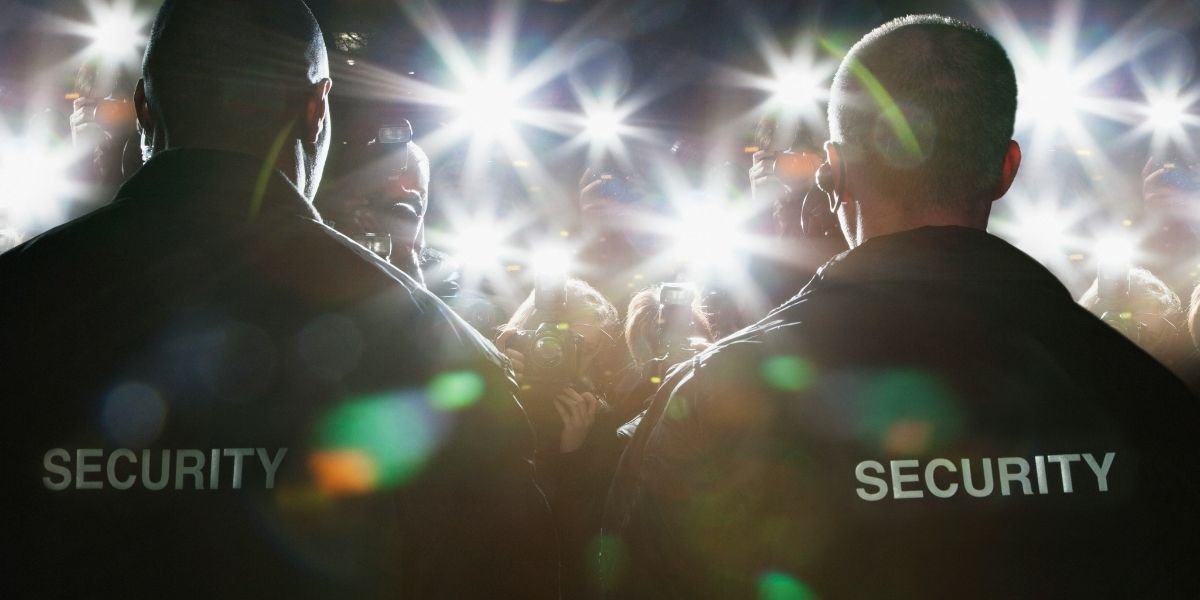
This incident has brought renewed attention to the complex relationship between artists, their security teams, and the venues hosting their events. Experts point out that while artists often seek to connect with their audiences, their safety must always remain a priority.
Security in the music industry, particularly at large events, can be challenging to manage. With rising stars like Roan drawing larger crowds and gaining greater media attention, concert venues and event organizers are under increasing pressure to bolster safety protocols. While this incident itself did not occur at a concert venue, it serves as a reminder of the importance of safety both on and off stage.
As the conversation surrounding this situation continues, it is expected that the industry may explore ways to standardize security measures to ensure both performers and their teams feel protected while also maintaining fan accessibility.
Chappell Roan’s Resilience Amidst the Spotlight
Despite the heightened public attention surrounding the incident, Chappell Roan’s career continues to grow. The singer-songwriter’s rise to fame has been marked by both critical acclaim and growing support from fans worldwide. While the security issue has understandably brought additional focus to her personal life, Roan has handled the situation with grace and professionalism.
In her statement, Roan emphasized that her priority remains her music and her connection with her fans, and that she looks forward to continuing her journey in the music industry. As she continues to rise to fame, this event serves as a reminder of the challenges artists face in the public eye.
Reflections on Artist Safety and Public Engagement
The incident involving Chappell Roan, while unfortunate, has sparked important conversations about the safety of artists in today’s fast-paced digital world. While the situation itself did not escalate into a major security breach, it serves as a valuable reminder of the complexities surrounding artist protection in an era of instant information sharing.
As Chappell Roan continues to capture the attention of audiences worldwide, it remains to be seen how the broader conversation around artist safety will evolve. This incident highlights the ongoing need for balance between fan engagement and the responsibility of protecting performers, ensuring that the music industry continues to evolve in a way that keeps both artists and audiences safe.