
Anne Hathaway Cast in Music-Driven Film “Mother Mary”

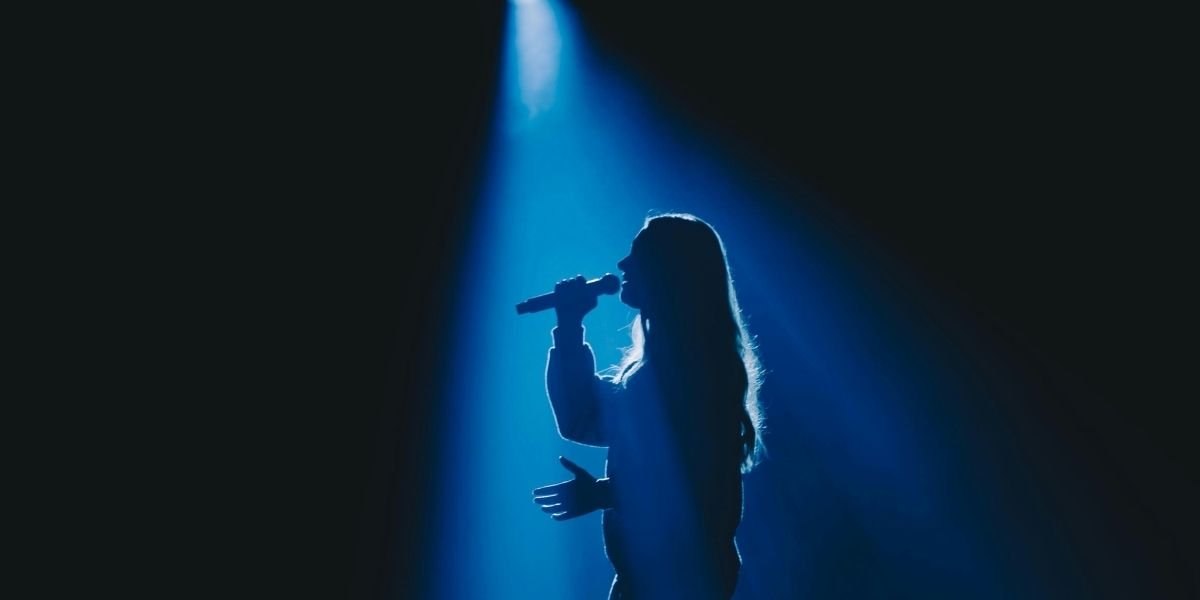
Anne Hathaway has joined the cast of “Mother Mary,” a music-driven film centered on a pop star character, with production placing strong emphasis on performance-based storytelling that merges acting with vocal expression. The project positions Hathaway in a role that requires both dramatic interpretation and sustained musical performance, reflecting a hybrid film format increasingly used in contemporary cinema.
The film is currently in development, with limited production information publicly available, and is structured around a storytelling approach that integrates music sequences directly into the character’s progression. Rather than isolating musical elements as separate set pieces, the production incorporates them into the narrative structure, allowing performance moments to function as part of the story’s emotional and plot development.
The central character is built around themes of visibility and identity in the entertainment industry, where professional performance and personal experience intersect. This framing places the role within a category of films that use performance environments as storytelling mechanisms, rather than treating them as decorative or standalone musical interludes.
Recording Artist Role and Performance Requirements
The role assigned to Hathaway requires a dual-performance structure that merges acting technique with sustained vocal delivery. Within the narrative, the character operates as a recording artist whose experiences unfold across professional and personal environments. Each setting contributes to the character’s development, with dialogue scenes and musical sequences working together to maintain narrative continuity.
Preparation for such a role typically involves coordination across multiple performance disciplines. Vocal training is often necessary to ensure consistency across filming schedules, especially when musical scenes are recorded at different production stages. Physical performance also plays a key role, as stage presence and movement must align with both camera direction and musical timing.
The character moves through environments such as rehearsal studios, recording sessions, and staged performance settings. Rehearsal spaces emphasize refinement and repetition, while live-style scenes require controlled intensity and emotional projection. Recording environments prioritize vocal precision and tonal stability, requiring alignment between performance intent and technical execution.
This structure reflects a broader filmmaking approach in which music is embedded within narrative progression rather than treated as a separate artistic layer. The integration of performance into storytelling allows emotional development to be expressed through both spoken dialogue and musical expression, creating a continuous narrative flow across different scene types.
Anne Hathaway’s Expanding Performance Range
Anne Hathaway’s involvement in this project continues her history of taking on roles that require emotional range and technical adaptability across different genres. Her career has included dramatic roles, musical performances, and character transformations that involve both physical and emotional demands.
In this production, the recording artist role introduces a performance structure where vocal expression is integrated directly into character development. Unlike traditional dramatic roles, this format requires alignment between musical execution and narrative continuity, with performance elements functioning as part of the storytelling process rather than separate sequences.
The casting reflects a broader industry pattern in which performers are selected for their ability to operate across multiple disciplines within a single production. These roles often require adaptability across studio filming environments, staged sequences, and emotionally driven narrative scenes. The addition of musical components increases the complexity of performance coordination, as timing, expression, and character continuity must remain consistent throughout production.
This approach also highlights the growing overlap between cinematic storytelling and performance-based disciplines. Contemporary film production increasingly incorporates elements of vocal performance, physical movement, and character interpretation into unified storytelling frameworks, requiring actors to navigate multiple performance layers simultaneously.
Hybrid Film Structure and Music Integration
Modern film development has increasingly explored hybrid storytelling formats that combine narrative cinema with structured musical performance. In this production, musical sequences are embedded within the storytelling framework, allowing them to function as extensions of character development rather than standalone segments.
Songs and performance moments are designed to reflect emotional transitions within the narrative, creating continuity between story progression and expressive performance. This structure allows music to operate as a narrative device, where vocal delivery and staging contribute directly to character development and thematic progression.
The integration of music into narrative flow also supports more fluid transitions between scenes. Instead of separating dialogue-based storytelling from performance segments, the film blends both elements into a continuous structure. This approach enables a more cohesive viewing experience, where emotional and narrative beats are expressed through multiple artistic channels.
The production reflects a growing category of films that explore identity, ambition, and emotional complexity through performance-centered storytelling. Rather than relying solely on dialogue to convey character development, these films use music and staged sequences to express internal states and external pressures.
This hybrid format also aligns with industry experimentation in combining cinematic techniques with performance arts. Elements such as choreographed movement, staged recording setups, and narrative-linked performance sequences contribute to a unified storytelling structure where music and cinema operate together.
Narrative Focus on Identity and Public Performance
The narrative centers on a music industry figure whose identity is shaped through continuous interaction with public visibility and professional expectations. The character’s journey is structured around the contrast between performance obligations and private reflection, creating a dual-layer narrative that shifts between public-facing and internal experiences.
Scenes alternate between performance environments and behind-the-scenes contexts, allowing the story to explore how external perception influences personal identity. This structure highlights the pressures associated with sustained visibility in the entertainment industry, where artistic identity is continuously shaped by audience engagement and professional demands.
Performance settings serve as key narrative anchors, with rehearsal studios, recording environments, and staged appearances functioning as central locations for character development. Each environment contributes to the progression of the storyline while also revealing different aspects of emotional and professional complexity.
The narrative treats performance not only as subject matter but also as a storytelling mechanism. By using music-driven environments as structural elements, the film explores fame as an evolving process shaped by repetition, creative expression, and public interaction.
This approach places the production within a broader category of contemporary cinema that integrates music, character development, and narrative progression into a unified storytelling system, where performance itself becomes central to how the story is told.
