Olivia Culpo Turns New Motherhood Into a 60-Piece Target Collection

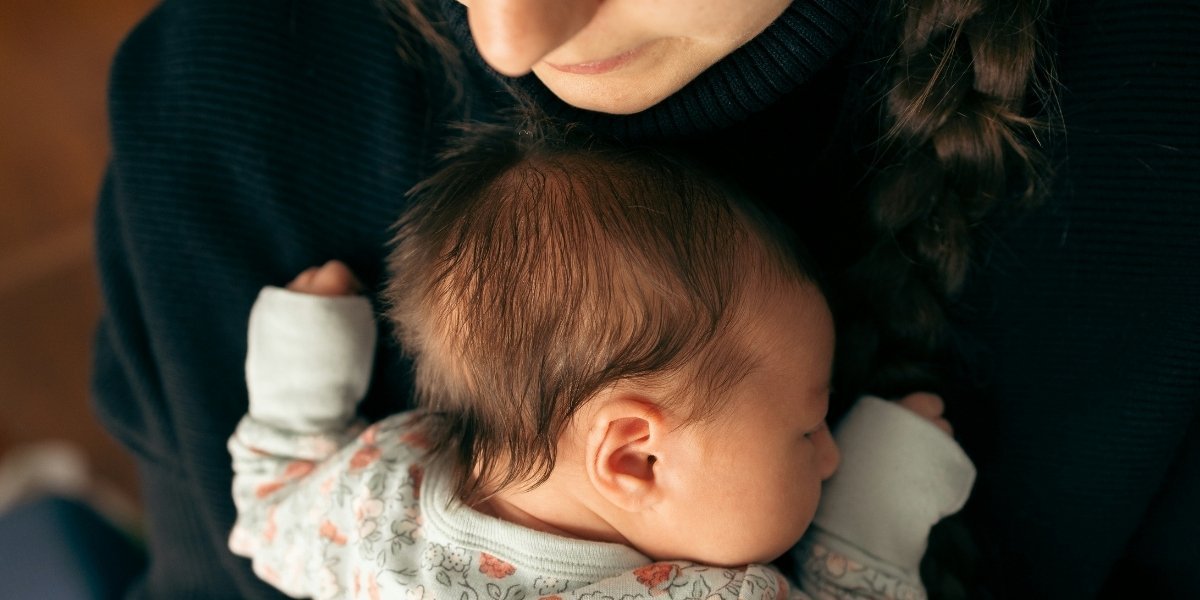
Olivia Culpo is extending her lifestyle work into baby retail with Picolette, a 60-piece Target collection launching July 26. Inspired by her first year as a mother, the line combines clothing, feeding items, travel accessories, keepsakes, and birthday pieces. The release shows how parenting experience shaped the assortment and its practical details for American families.
Key Takeaways
- Picolette launches July 26 online and in approximately 1,400 Target stores.
- The collection includes 60 products, with prices starting at $4.99 and most items costing $18 or less.
- Culpo said her first year of motherhood changed how she viewed baby products.
- Target plans additional limited-time Picolette releases during the following year.
Olivia Culpo is launching Picolette as a Target-exclusive baby collection built around the routines and milestone moments she encountered during her first year of motherhood.
The July 26 release will reach approximately 1,400 stores and Target’s website. Target describes the 60-item assortment as its largest dedicated baby collaboration to date.
Picolette includes baby apparel, accessories, mealtime products, keepsakes, gifts, and travel items. Prices begin at $4.99, while most pieces will cost $18 or less.
The collection also moves Culpo into a new retail category. Her work has included modeling, media appearances, fashion partnerships, and lifestyle projects, while interest in Olivia Culpo’s public career has continued alongside attention surrounding her family life with Christian McCaffrey.
Olivia Culpo Builds Picolette Around First-Year Parenting
Olivia Culpo said the collection grew from her experience with her daughter, Colette, while she was also preparing to welcome another child.
“My first year of motherhood completely changed the way I looked at baby products,” Culpo said in Target’s announcement.
That perspective appears in details designed for repeated daily use. The assortment includes simplified fasteners for dressing and diaper changes, quiet closures for nighttime use, long-sleeve bibs, silicone sippy cups, and a diaper bag with an attached fold-out changing pad and removable strap.
Culpo told Target that the bag includes separate areas for bottles, wipes, and a pacifier, based on features she found helpful. Selected clothing also uses in-seam zippers intended to make dressing easier.
Those details give the release a practical center. Instead of relying only on Culpo’s style profile, Picolette connects its design choices to feeding, changing, packing, and everyday routines with a baby.
The visual direction stays close to classic children’s clothing. Target lists toile, gingham, floral, football, and dog-inspired patterns, along with soft colors, knit textures, bows, and coordinated accessories.
The 60-Piece Line Balances Daily Use and Milestones
The assortment is divided between everyday products and pieces intended for family occasions. Bodysuits, overalls, sweaters, bibs, cups, bags, and blankets cover routine use, while birthday clothing and keepsakes focus on early milestones.
First-birthday products include “one” sweaters, coordinated outfits, a fabric highchair banner, keepsake books, and a birthday crown with removable numerals for ages one, two, and three. The reusable crown allows the same item to return for several birthdays.
Gift sets include blankets with coordinating loveys, while plush animals and books expand the line beyond clothing. Some pieces draw from Oliver, Culpo’s dog, through prints and character-based products.
Football details create another family reference without presenting the pieces as licensed team merchandise. The designs connect indirectly to McCaffrey’s professional career while remaining within Picolette’s baby and gifting theme.
The collection follows a broader pattern of celebrity-led retail ventures that connect a recognizable personal story with a defined product category. Picolette reaches across clothing, feeding, travel, nursery use, gifting, and birthdays.
That range is central to the launch. Its first release places daily essentials and commemorative items under the same label, allowing Target to position the collection across several points in a child’s early years.
Target Plans More Limited Picolette Drops
Target plans additional limited-time Picolette releases during the year after the July debut. The company said those assortments will reflect seasonal occasions and family moments, although it has not detailed the size or timing of each future drop.
The phased schedule allows the first 60 products to establish the collection’s core categories before seasonal items arrive. It also gives Target a way to refresh the assortment without placing every concept in the initial release.
Picolette was developed with Bloomin’ Baby, the children’s division of G Mason Group, according to Target. The company handled product development and manufacturing while Culpo shaped the collection’s creative direction and functional priorities.
Olivia Culpo’s Target collection centers on a straightforward idea: baby products can serve ordinary routines while also fitting the milestone moments families may want to remember. The July launch will show how that idea translates across 60 products at a national retailer.
Frequently Asked Questions
When Does Olivia Culpo’s Target Collection Launch?
Picolette is scheduled to launch July 26. It will be available through Target’s website and in approximately 1,400 stores.
How Many Products Are Included in Picolette?
The first Olivia Culpo collection contains 60 items. The range includes clothing, accessories, mealtime products, travel items, keepsakes, gifts, and birthday pieces.
How Much Will the Picolette Collection Cost?
Prices begin at $4.99, according to Target. Most products in the initial collection will be priced at $18 or less.
Will Target Release More Picolette Products?
Target says additional limited-time drops are planned during the following year. The releases will relate to seasonal occasions and family moments, but further details have not been announced.