The New Beginning and The Technical Mechanics of a Satisfying Resolution

By: Jaxon Lee

Sticking the landing in a thematic manuscript or poetry collection is one of the most demanding challenges a writer can face. Throughout a book, a creator introduces disparate threads of emotion, conflict, and imagery, inviting the reader into a specific psychological space. If the resolution is too abrupt, the ending feels unearned; if it is too sentimental, it risks ringing hollow, cheapening the suffering that preceded it. A truly satisfying resolution must act as a masterfully engineered closing bracket, one that honors the narrative’s historical pain while firmly pivoting toward a resilient, forward-looking future.

This structural triumph is transitionally demonstrated in the final movements of Marcia Badal’s A Jewel of Writing. Across its sixteen chapters, the manuscript journeys through intense romantic passion, maternal devotion, shattering grief, and profound physical and geographical displacement. Yet, instead of leaving the reader stranded in the heavy realities of trauma or the cold climate of a new home, the final phase of the book performs a deliberate, circular loop back toward the light. By examining the technical mechanics Badal uses to close the emotional circle in Chapters XV and XVI, we can isolate the core craft principles required to build a resonant, technically sound resolution.

The Architecture of the Earned Ending

A powerful thematic resolution rarely introduces entirely new concepts out of nowhere. Instead, it loops back to the imagery, motifs, or emotional “source code” established in the opening pages, recontextualizing them through the lens of growth. In the beginning of her collection, Badal establishes light, warmth, and sanctuary as foundational elements of the human experience. After traversing chapters filled with the darkness of loss and medical crises, the final chapter deliberately revives these exact motifs. Writers should identify these core metaphors or emotional highs introduced in the first act of their manuscript and reintroduce them with altered applications, allowing external comforts to transform into internal strength. This creates a deep sense of inevitability and closure, ensuring the reader recognizes that while the narrator has changed, the underlying universe of the book remains whole.

Trauma and deep longing have a structural tendency to trap a narrative in the past, meaning the writer must actively shift the grammatical and emotional momentum forward as the manuscript closes. In the concluding poems of the collection, specifically “Living in the Present” and “Embracing My Strength,” Badal executes a vital shift in perspective. The backward-glancing eye of grief is replaced by a clear, focused gaze on the immediate horizon. By forcing the text to ground itself in the immediate “now” through active verbs and present-tense reflections, the narrative voice demonstrates choice over circumstance. This shift ensures the resolution feels earned and resilient rather than passive, showing that the speaker is actively steering their own ship rather than being dragged by the current of past trials. The mechanical movement from memory to action is what prevents a thematic work from dissolving into mere sentimentality, anchoring the final pages in a tangible reality.

Crucially, a satisfying resolution does not require the erasure of past suffering; pretending the middle chapters never happened makes an ending feel artificial. The key is to frame the resolution as an integration of the journey. Badal masters this in “A Place I Now Call Home: My Move to the USA.” The poem does not depict a clean break from Guyana; rather, it frames the migration as stepping onto new shores with a “suitcase of dreams,” a beautiful metaphor for carrying one’s history forward into a new space. When resolving a thematic arc, writers should avoid the cliché of the “total wipe” and explicitly show how the scars of the middle chapters form the foundation for the strength of the final chapter. This allows the character to carry their memories with dignity, transforming a heavy burden into a source of wisdom. Resolution is not about forgetting the wilderness; it is about showing how the wilderness prepared the traveler for the city ahead.

To achieve this, writers must audit their final chapters for three critical elements:

The Echo: Does the final chapter recall a specific image or phrase from the opening chapter, flipping its meaning from passive to active?

The Shift: Does the grammatical tense move decisively into the present or future, signaling that the character is no longer reliving the trauma?

The Integration: Does the character acknowledge the pain of the middle chapters, or are they attempting to ignore it? True strength requires acknowledgment.

Ultimately, analyzing the closing mechanics of A Jewel of Writing reveals that a great ending is an architectural feat. By organizing the final chapters as a deliberate return to the light introduced at the start, Badal successfully completes the emotional circle, proving that the human spirit is infinitely adaptable. For creators seeking to stick the landing in their own work, the lesson is clear: do not treat your ending as an afterthought or a rushed goodbye. Treat it as a grand integration. When you loop back to your beginnings, ground your voice in the present tense, and ensure your characters carry their history forward, you do more than just finish a book; you leave your reader with a profound sense of hope, demonstrating that even after the darkest chapters, a new beginning is always within reach.


Universal Sets Snoop Dogg Biopic for August 2027 Release

Universal Pictures has confirmed the theatrical release date for the Snoop Dogg biopic, with Jonathan Daviss portraying the rapper and Craig Brewer directing. The announcement establishes the film’s August 2027 debut and marks the first feature produced under Death Row Pictures’ agreement with NBCUniversal Entertainment & Studios.

Key Takeaways

  • Universal Pictures has scheduled the film for theatrical release on August 6, 2027.
  • Jonathan Daviss will portray Snoop Dogg in the lead role.
  • Craig Brewer is directing the feature and revised the screenplay.
  • Death Row Pictures and Imagine Entertainment are producing the film.
  • The project is the first feature under Death Row Pictures’ overall agreement with NBCUniversal Entertainment & Studios.

Universal Pictures has scheduled the Snoop Dogg biopic for theatrical release on August 6, 2027, confirming Jonathan Daviss as the lead actor portraying the hip-hop artist. The announcement also establishes Craig Brewer as the film’s director and signals the next milestone for a production that brings together Death Row Pictures, Imagine Entertainment, and NBCUniversal Entertainment & Studios.

The film will chronicle the life and career of Calvin Broadus Jr., better known worldwide as Snoop Dogg. Universal has described the project as a feature centered on the artist’s rise to prominence, with production led by companies closely connected to the rapper’s entertainment ventures.

The release date provides audiences and exhibitors with a confirmed schedule for one of Universal’s upcoming music-based feature films while giving the production a fixed theatrical target for summer 2027.

Universal Confirms Snoop Dogg Biopic Release Date

Universal Pictures announced that the film will open exclusively in theaters on August 6, 2027.

The project has been in development with Snoop Dogg attached as a producer, and the release announcement represents the first official confirmation of its theatrical debut. The announcement also adds to Universal’s expanding slate of film projects alongside broader industry initiatives, including major studio production plans.

The feature also becomes the first production developed through Death Row Pictures under its overall agreement with NBCUniversal Entertainment & Studios. The collaboration expands the Death Row brand beyond recorded music into feature filmmaking.

The studio has not announced additional casting beyond the principal role or released plot details describing the specific period of Snoop Dogg’s life that the film will cover.

Release Schedule and Distribution

The August 2027 date places the film on Universal’s theatrical calendar for the summer movie season.

At this stage, Universal Pictures has announced only the theatrical release schedule. Additional information regarding trailers, promotional activities, or international release plans has not yet been confirmed.

Jonathan Daviss Takes the Lead Role

Jonathan Daviss has been cast to portray Snoop Dogg.

Daviss is widely recognized for portraying Pope Heyward in Netflix’s Outer Banks. He has also appeared in the Netflix film Do Revenge. Taking on a real-life public figure presents unique creative demands similar to those explored in actors separating from demanding roles.

Earlier this year, Daviss joined Snoop Dogg during Universal’s CinemaCon presentation, where the project was introduced to theater owners and industry attendees.

The casting places Daviss in the role of portraying one of hip-hop’s most recognizable performers in a film centered on Snoop Dogg’s career and public life.

Universal has not disclosed additional members of the principal cast.

Craig Brewer Directs the Feature Film

Craig Brewer is directing the film and also revised the screenplay.

The script originated with Joe Robert Cole before Brewer completed revisions for the production.

Brewer is known for directing Hustle & Flow and Song Sung Blue. His involvement brings experience with music-centered storytelling to the project.

The production combines Brewer’s direction with producers representing both Death Row Pictures and Imagine Entertainment.

Universal has confirmed that Snoop Dogg serves as one of the film’s producers alongside Brian Grazer. Sara Ramaker, president of Death Row Pictures, is also part of the producing team.

Production Team Behind the Film

The producing group includes Death Row Pictures and Imagine Entertainment.

The film represents a collaboration between Universal Pictures and Death Row Pictures following the production company’s agreement with NBCUniversal Entertainment & Studios.

The project also reunites Universal with a major music-focused biographical film following previous releases centered on influential recording artists. Film productions of this scale also involve extensive planning for cast and crew, including performer safety during productions where applicable.

Death Row Pictures Leads the Production

Death Row Pictures is producing the film as part of its partnership with NBCUniversal Entertainment & Studios.

The production marks an expansion of the Death Row brand into feature filmmaking. Snoop Dogg currently oversees the company, which serves as the production banner for the project.

Imagine Entertainment is also producing, bringing its experience in film and television production to the collaboration.

Universal has identified the movie as the first feature to move forward under the Death Row Pictures agreement, making it a significant production for the partnership.

No additional production timeline has been announced beyond the confirmed theatrical release date.

August 2027 Debut Sets the Film’s Next Milestone

The confirmed August 6, 2027 release date provides the clearest public milestone for the production since the project was announced.

Universal has positioned the film for a nationwide theatrical release, giving audiences a scheduled opportunity to see the story on the big screen.

The announcement follows the project’s introduction at CinemaCon, where Snoop Dogg and Jonathan Daviss appeared together to discuss the upcoming feature.

The studio has not released footage, character images, or promotional materials beyond confirming the principal creative team and release schedule.

As production continues, additional information regarding supporting cast members, marketing materials, and future promotional activities is expected to be announced by Universal Pictures.

Frequently Asked Questions

When will the Snoop Dogg biopic be released?

Universal Pictures has scheduled the film for theatrical release on August 6, 2027.

Who plays Snoop Dogg in the upcoming biopic?

Jonathan Daviss has been cast to portray Snoop Dogg.

Who is directing the Snoop Dogg biopic?

Craig Brewer is directing the film and revised the screenplay.

Which studio is releasing the Snoop Dogg biopic?

Universal Pictures will distribute the film theatrically.

Which companies are producing the Snoop Dogg biopic?

The film is produced by Death Row Pictures and Imagine Entertainment, with Snoop Dogg, Brian Grazer, and Sara Ramaker serving among the producers.

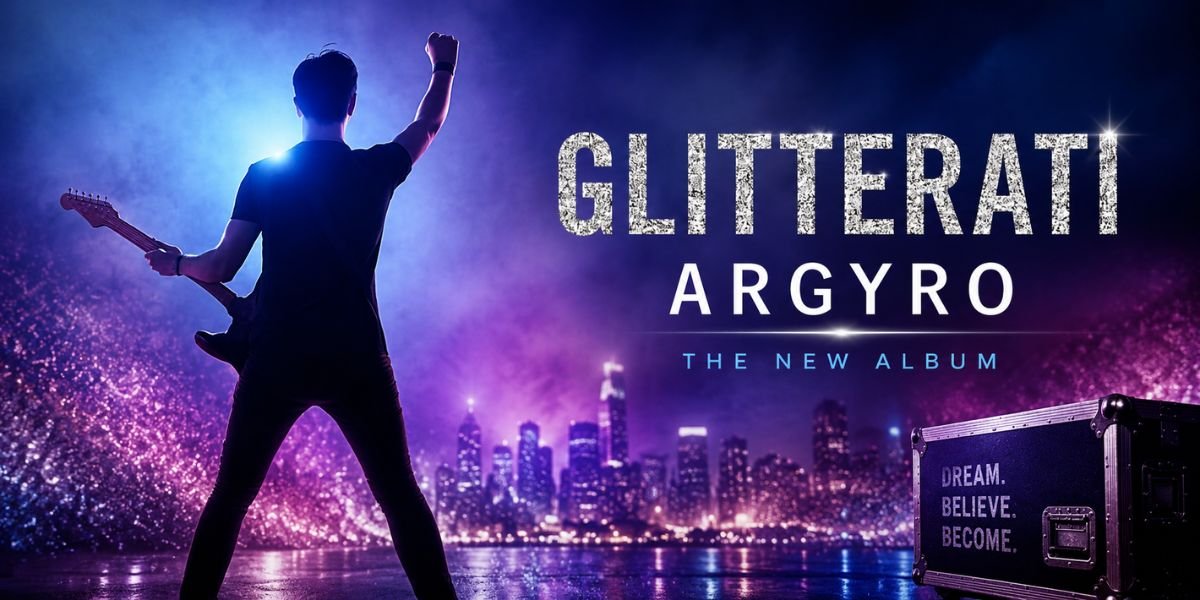
Cool Shades, Clear Vision: ARGYRO’s Glitterati Balances Style and Soul

By Bobby Chrisman

Scott Argiro has made an album about fame that rarely mistakes celebrity for fulfillment, a distinction that gives Glitterati more staying power than its glossy exterior first suggests. The title promises red carpets and reflected light; the songs deliver something quieter: a collection of pop-rock postcards from a man who’s fascinated by image but ultimately more interested in the people hiding behind it.

That’s the trick here. Glitterati wears designer sunglasses but keeps looking over its shoulder.

The title track kicks things off with a wink instead of a chest-thump. ARGYRO calls himself a “part-time movie star,” tossing his name around while acknowledging the absurdity of chasing visibility in an age where everyone has their own spotlight. It’s catchy enough to work as straightforward pop, but there’s enough irony underneath to keep it from becoming another empty anthem about being fabulous.

He knows image is performance. More importantly, he knows performance can become identity if you’re not paying attention.

That self-awareness carries through much of the album.

“Cool Shades” is the record’s strongest track because it doesn’t oversell itself. Built around an easy, breezy melody and lyrics that drift through oceans, sunshine, and temporary escape, the song succeeds by creating atmosphere instead of manufacturing drama. The repeated imagery of water and light could have become lightweight escapism, but ARGYRO understands restraint. Rather than pushing the emotional payoff, he lets the mood carry the song. That’s confidence.

“She’s So LA” works for similar reasons. Instead of simply romanticizing California, it treats Los Angeles as both destination and illusion. The woman at its center is less an individual than a symbol of everything glamorous and unreachable. The references to the 405 freeway and Santa Ana winds anchor the fantasy in recognizable geography while reinforcing the album’s recurring theme: desire almost always stays a few steps ahead of the dreamer.

“The Phenomenon” turns the volume up, embracing swagger with enough conviction to be entertaining. The song borrows from glam-rock confidence without fully surrendering to caricature. There’s humor in its oversized declarations, but also an awareness that self-mythology has become part of modern survival. Everybody is their own publicist now.

Where Glitterati improves with repeated listening is in its second half.

“House Upon the Mountainside” slows everything down, replacing paparazzi fantasies with fireplaces, storms, and memory. It’s the album’s emotional reset. Instead of chasing applause, ARGYRO chases stillness, and the songwriting benefits from that shift. The imagery is vivid without becoming ornate, and the reflective tone reveals a writer more interested in emotional truth than fashionable aesthetics.

“So One of a Kind” and “Perfect Endings” continue exploring nostalgia without drowning in it. Both songs recognize that memory edits reality. Lovers become legends. Moments become movies. The emotional distance actually helps; ARGYRO isn’t begging listeners to relive his past so much as acknowledging how people rewrite their own histories.

The album closes with “Lifeline,” its clearest statement of purpose. After spending much of the record navigating celebrity, romance, and self-invention, ARGYRO broadens his perspective, arguing for empathy in a divided world. The lyric about everyone sharing the same blood and love could have landed as greeting-card philosophy, but the surrounding album gives it context. By the end, the performance has largely fallen away, leaving behind something resembling sincerity.

Musically, Glitterati doesn’t reinvent pop-rock. It doesn’t need to. The production is polished, the melodies memorable, and the pacing consistent. ARGYRO’s background as a multi-instrumentalist allows him to maintain a unified sonic identity throughout the record. Every track feels like it belongs to the same cinematic universe.

Its biggest strength is also its biggest limitation. The polish occasionally smooths away rough edges that might have added urgency. One wonders what would happen if ARGYRO allowed himself to be a little less composed, a little less careful. Imperfection has its own music.

Still, Glitterati avoids the common trap of albums about fame becoming infatuated with fame. Instead, it uses celebrity as metaphor, for longing, reinvention, loneliness, and the endless human habit of confusing appearance with fulfillment.

Smart, stylish adult pop-rock that prefers mood over bombast and introspection over self-congratulation. Start with “Cool Shades,” “She’s So LA,” “House Upon the Mountainside,” and “Lifeline.” The sunglasses may catch your attention, but it’s the songwriting that keeps you listening.