Selena Gomez Connects Rare Beauty to a Bigger Wellness Story

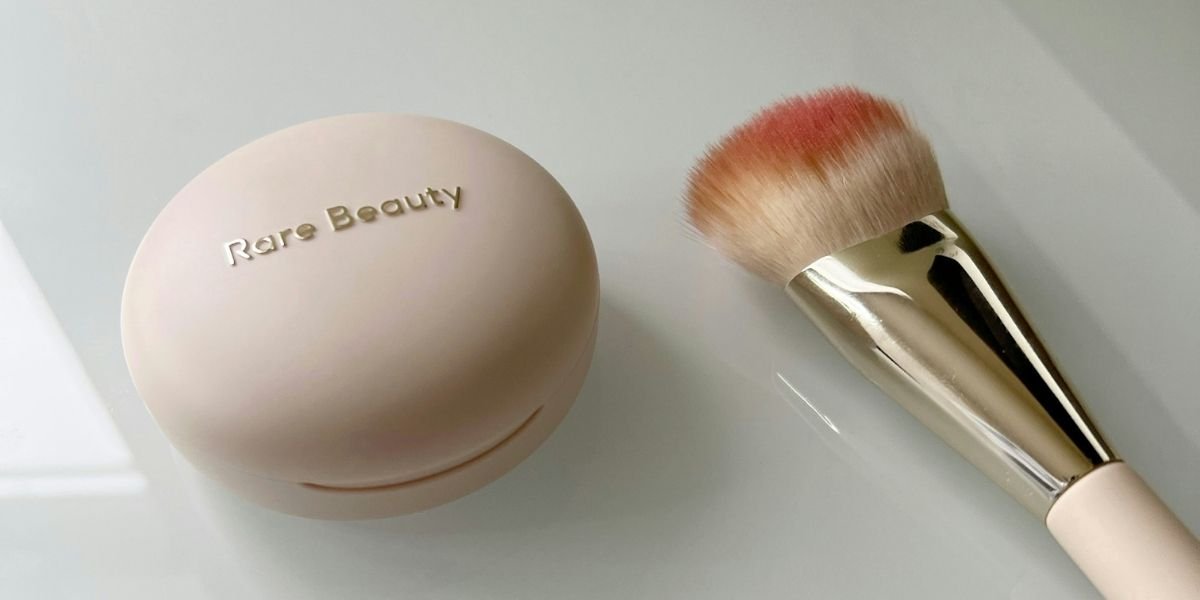
Selena Gomez and Rare Beauty are highlighting the brand’s mental-health and accessibility initiatives following Gomez’s appearance at Fast Company’s Innovation Festival in New York. Publicly released figures show that the Rare Impact Fund has raised more than $30 million, while separate accessibility research has helped shape aspects of the brand’s product design.
Key Takeaways
- Gomez discussed Rare Beauty’s mental-health work at Fast Company’s Innovation Festival in New York on Sept. 17, 2026
- Publicly reported figures indicate that the Rare Impact Fund has raised more than $30 million
- Rare Beauty says it directs 1% of its sales to the Rare Impact Fund
- Accessibility research conducted with Casa Colina involved 57 participants with hand or arm disabilities
- The fourth Rare Impact Fund Benefit is scheduled for Oct. 14 in Los Angeles
Selena Gomez and Rare Beauty Put Mental Health in Focus
Selena Gomez appeared with Elyse Cohen, Rare Beauty’s chief impact officer and president of the Rare Impact Fund, at Fast Company’s Innovation Festival in New York.
The discussion brought renewed attention to the Rare Impact Fund, which supports organizations working in youth mental-health services and education. Fast Company reported that the fund has raised more than $30 million and works with 30 nonprofit partners across five continents.
The same report said programs supported by the fund have reached about 3.5 million young people and helped train approximately 208,000 educators. Those figures are based on information associated with Rare Beauty and the Rare Impact Fund and describe the scale of programs supported rather than guaranteed individual outcomes.
Gomez described Rare Beauty as “super mission driven” during the festival discussion. The company says 1% of its sales is directed to the Rare Impact Fund, while additional support comes from foundations, companies, individuals and other contributors.
The fund has set a broader goal of mobilizing $100 million for youth mental-health services and education. That figure represents a stated fundraising objective rather than money already raised.
The initiative has remained part of Rare Beauty’s public identity as the business has continued introducing products and expanding its retail presence. The company’s wider Rare Beauty expansion has also placed greater attention on how its commercial operations and social-impact programs sit alongside one another.
Accessibility Adds Another Layer to Rare Beauty’s Wellness Focus
Rare Beauty has also connected its broader inclusion strategy with product usability.
In 2023, the Casa Colina Research Institute conducted a study for the company involving 57 participants with upper-extremity disabilities linked to conditions including stroke, spinal cord injury, traumatic brain injury and other neurological or orthopedic conditions.
Participants evaluated seven Rare Beauty products, with researchers examining factors including grip, maneuverability, packaging design and applicators. The study was intended to identify features that could make some products easier or more difficult to use for people with certain hand and arm limitations.
Rare Beauty later incorporated findings from that work into its Made Accessible Initiative. The company has said the research is intended to help inform future packaging decisions.
The brand has also acknowledged that accessibility needs differ widely and that a study involving a limited group cannot represent every potential user experience. That qualification keeps the initiative focused on specific design considerations rather than suggesting that every product will work equally well for every consumer.
The accessibility work became more visible in 2026 with the release of the True to Myself Natural Matte Longwear Foundation. The product launched in April with 48 shades and packaging designed with usability considerations in mind.
Public coverage of the launch noted features including a pump mechanism and packaging intended to be easier to handle for some users. Rare Beauty has presented those features as part of an ongoing effort to consider accessibility during product development rather than as a universal solution.
That distinction also separates the brand’s cosmetics products from its mental-health initiatives. Rare Beauty does not position makeup as health care. Instead, the company places product accessibility and mental-health support within a broader brand framework centered on self-expression, usability and access to resources.
The October Benefit Extends Attention to the Rare Impact Fund
The next major public event connected with the initiative is the Rare Impact Fund Benefit, scheduled for Oct. 14 at the Hollywood Palladium in Los Angeles.
Rare Beauty announced that Gomez is expected to host the fourth annual event, with actor and comedian Sean Hayes scheduled to serve as emcee.
According to the event announcement, proceeds are intended to support organizations working in youth mental-health services and education. The benefit also forms part of the Rare Impact Fund’s broader effort to work toward its stated $100 million mobilization goal.
The event follows Gomez’s September appearance in New York and keeps the Rare Impact Fund visible during a period when Rare Beauty is also emphasizing accessibility and product development.
For Selena Gomez and Rare Beauty, the current wellness narrative is built around several documented initiatives rather than a single campaign. The Rare Impact Fund, accessibility research and the upcoming benefit each represent different parts of the company’s stated approach to mental-health support, inclusion and product usability.
Frequently Asked Questions
What is the Rare Impact Fund?
The Rare Impact Fund is an initiative associated with Rare Beauty that supports organizations working in youth mental-health services and education. Rare Beauty says it directs 1% of its sales to the fund, which has a stated goal of mobilizing $100 million.
How much has the Rare Impact Fund raised?
Public reporting in September 2026 placed the amount raised at more than $30 million. The figure reflects reported fundraising to date and is separate from the fund’s longer-term $100 million goal.
How does accessibility fit into Selena Gomez and Rare Beauty?
Selena Gomez and Rare Beauty have linked accessibility to product design through the company’s Made Accessible Initiative. Research conducted with Casa Colina examined factors such as grip, packaging and applicators among participants with hand and arm disabilities.
When is the next Rare Impact Fund Benefit?
The fourth annual Rare Impact Fund Benefit is scheduled for Oct. 14, 2026, at the Hollywood Palladium in Los Angeles. Gomez is expected to host the event, while Sean Hayes has been announced as emcee.