Laura Grampa: Redefining Italian Luxury Through Fashion, Creativity and Entrepreneurship

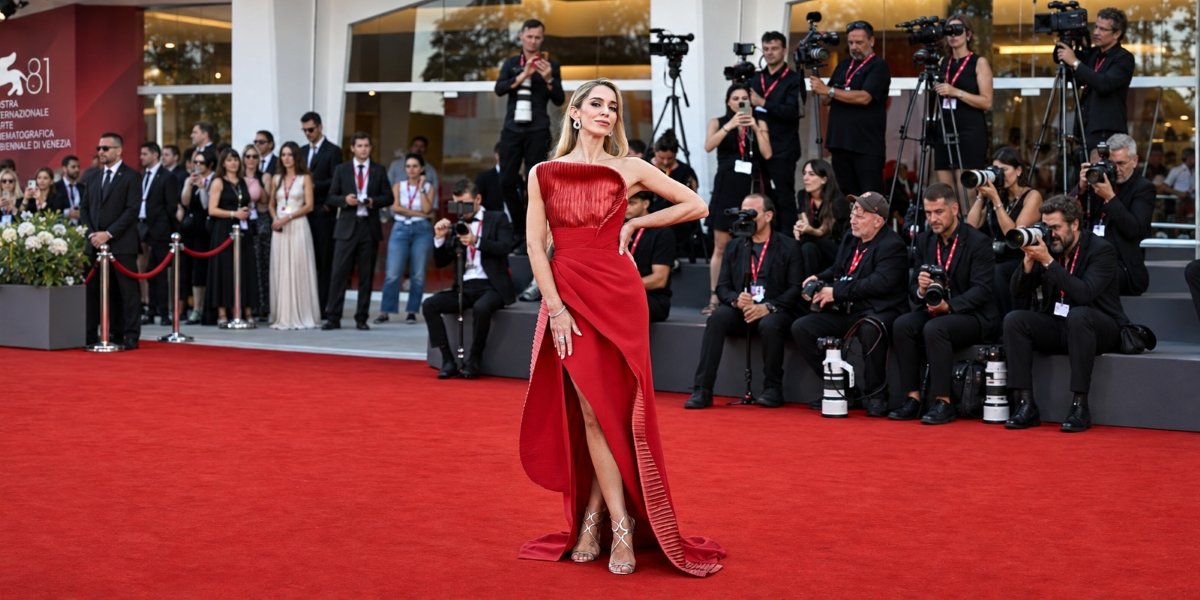
From pioneering Italy’s digital fashion scene to founding her own boutique wine brand, Laura Grampa is building a creative legacy rooted in elegance, authenticity and timeless Italian craftsmanship.
In an industry often defined by fleeting trends, changing algorithms and the constant pursuit of visibility, Italian luxury content creator and entrepreneur Laura Grampa has built her career around a different philosophy: true elegance is not about following what is fashionable, but about developing an identity that remains relevant over time.
With more than fifteen years of experience in fashion, beauty and luxury communication, Grampa belongs to the first generation of Italian digital creators who helped shape the relationship between personal storytelling, editorial content and modern brand communication.
Today, her professional journey extends far beyond the digital world. As the founder of LAQUE, an Italian boutique wine brand, she is translating her appreciation for craftsmanship, heritage and aesthetics into an entrepreneurial project that reflects her personal interpretation of contemporary luxury.
For Grampa, these different creative worlds are connected by one fundamental principle. Exceptional quality should always tell a story.
From Fashion Blogging to a Distinctive Voice in Luxury
Laura Grampa began her professional journey in 2010, launching a fashion and lifestyle blog at a time when the concept of a digital content creator was still emerging.
What initially started as an independent platform for sharing her passion for fashion, beauty and lifestyle gradually evolved into a professional career built around visual storytelling and brand identity.
Her academic background in Public Relations and Advertising at IULM University provided an additional foundation for understanding the relationship between communication, perception and strategic positioning.
As digital platforms transformed the fashion industry, Grampa continued developing her own editorial language, collaborating with brands across the luxury, fashion and beauty sectors.
Rather than allowing changing trends to define her identity, she focused on cultivating a recognizable aesthetic rooted in refinement, authenticity and attention to detail.
More than fifteen years later, that consistency remains one of the defining characteristics of her professional presence.
An Understanding of Luxury Shaped by Heritage
For Grampa, luxury has never been limited to prestigious labels or expensive objects. Her understanding of elegance developed long before she entered the fashion industry.
Growing up in a family closely connected to beauty, art and craftsmanship played an important role in shaping her perspective.
Her mother worked as a model, while her father was an antiques dealer, exposing her from an early age to the worlds of fashion, artistic expression and objects with historical significance.
These influences helped cultivate an appreciation for heritage, exceptional materials and the subtle details that distinguish genuine craftsmanship.
Today, that philosophy guides both her creative collaborations and entrepreneurial decisions.
She approaches luxury as an expression of discernment rather than excess, believing that authenticity and individuality carry greater value than temporary popularity.
This perspective also shapes the message she shares with her audience, which is that personal style should be discovered and developed, not simply copied.
How LAQUE Brings a Creative Vision Into Italian Winemaking
One of the most significant developments in Grampa’s career has been the creation of LAQUE, her Italian boutique wine project.
Rooted in the winemaking traditions of the Colline Novaresi DOC territory, LAQUE represents a new dimension of her professional identity, bringing together entrepreneurship, Italian heritage and contemporary aesthetics.
The brand was conceived around a selective approach to production, with wines created in limited quantities and a distinctive visual identity designed to reflect elegance and individuality.
For Grampa, entering the wine industry was not simply an opportunity to diversify her professional activities. It was a natural extension of the values that have defined her work for years.
Fashion and winemaking may appear to belong to different industries, yet both share an appreciation for tradition, craftsmanship, sensory experience and the ability to create something memorable.
Through LAQUE, Grampa has moved from interpreting the identities of established brands to developing one entirely from her own vision.
The transition has also introduced a new dimension of responsibility, requiring her to balance creative direction with the practical realities of entrepreneurship.
Her ambition is to gradually position LAQUE among audiences who appreciate boutique Italian wines, distinctive craftsmanship and a more personal interpretation of luxury.
Building a Lasting Creative Identity Beyond Influence
As digital media continues to evolve, Grampa is increasingly focused on opportunities that extend beyond traditional content creation.
Her professional interests include creative direction, luxury communication, brand development and collaborations that allow her to contribute as both a storyteller and a strategic creative partner.
Rather than measuring success exclusively through audience growth or online visibility, she places greater importance on meaningful projects, long-term relationships and the development of a recognizable professional identity.
This approach reflects a broader evolution in the luxury industry, where authenticity, storytelling and cultural heritage remain essential elements of brand value.
For Grampa, the future is not about abandoning the digital world that helped establish her career. It is about using the experience and perspective she has developed to build something more enduring.
A Modern Interpretation of Italian Elegance
At the center of Laura Grampa’s journey is a belief that ambition and elegance can coexist.
Her evolution from early fashion blogger to established luxury content creator and entrepreneur demonstrates how a personal creative vision can develop across industries without losing its identity.
Through her editorial work and the continued development of LAQUE, she is exploring a professional future that connects fashion, beauty, lifestyle, Italian craftsmanship and independent entrepreneurship.
Her story also offers a perspective on what it means to remain relevant in an industry characterized by constant change.
Platforms evolve, trends disappear and new forms of communication emerge, but a distinctive identity can remain a lasting source of value.
For Laura Grampa, success is ultimately about more than professional recognition. It is about having the independence to create a career, a business and a lifestyle that genuinely reflect her values.
And as she continues to develop her entrepreneurial vision, one idea remains central to her approach: true luxury is not defined by what attracts attention today, but by what retains its meaning tomorrow.
About Laura Grampa
Laura Grampa is an Italian luxury content creator, entrepreneur and founder of LAQUE, an Italian boutique wine brand associated with the Colline Novaresi DOC territory. With a career beginning in 2010, she works across fashion, beauty, lifestyle and luxury communication, combining editorial storytelling with a distinctive appreciation for Italian craftsmanship and heritage.
Instagram: @lauragrampa
TikTok: Laura Grampa
Website: barbielaura.com
Brand: LAQUE, Italian Boutique Wines