Empowering Beauty: PWD Models Leading the Charge for Inclusive Fashion
For too long, the fashion industry presented a narrow and often exclusive vision of beauty, perpetuating ideals that marginalized vast segments of the population. However, a powerful and transformative movement is gaining unstoppable momentum, challenging these outdated norms: the rise of Persons With Disabilities (PWD) models. These trailblazing individuals are not merely gracing runways and magazine covers; they are fundamentally reshaping perceptions of beauty, advocating for genuine inclusion, and driving a much-needed revolution in how fashion is designed, marketed, and consumed. Their presence is a beacon of empowerment, sending a clear message that beauty comes in all forms, abilities, and experiences.
The impact of PWD models extends far beyond aesthetics. They are forcing the industry to confront its historical oversight and embrace a more diverse and realistic representation of humanity. With an estimated 1.3 billion people globally living with some form of disability, representing the world’s largest minority group, the fashion industry’s previous neglect was not only morally short-sighted but also a significant missed economic opportunity. PWD models are showcasing the immense purchasing power of this demographic, pushing brands to recognize adaptive apparel and inclusive design as essential, not just niche, considerations.
This essential guide will explore the profound cultural impact of PWD models, delving into their pioneering efforts to break down barriers, the significant strides made in adaptive fashion, and the ongoing challenges that underscore the need for sustained advocacy. By highlighting their triumphs and the broader movement they embody, we can truly appreciate how PWD models are leading the charge for a more equitable, diverse, and genuinely beautiful fashion future.
How PWD Models Are Redefining Beauty Standards and Representation
The most visible and immediate impact of PWD models is their profound influence on traditional beauty standards. For decades, mainstream fashion propagated a singular, often unattainable, ideal of physical perfection, largely excluding individuals with disabilities. The presence of models with visible disabilities – whether through prosthetic limbs, wheelchairs, or other physical differences – directly challenges this narrow view, expanding the definition of beauty to encompass a much broader spectrum of human experience and form. This representation normalizes disability, showing it as a natural part of human diversity rather than something to be hidden or overcome.
These models are not just being seen; they are being celebrated for their unique attributes and inherent beauty. They bring authenticity and genuine lived experiences to campaigns and runways, resonating deeply with audiences who have long felt unrepresented. When a model like Jillian Mercado, a wheelchair user, features in campaigns for major brands like Diesel and Target, or appears in leading fashion magazines, it sends a powerful message: disability is compatible with style, elegance, and desirability. This visibility helps dismantle stigmas and stereotypes, fostering a more inclusive visual culture where differences are appreciated.
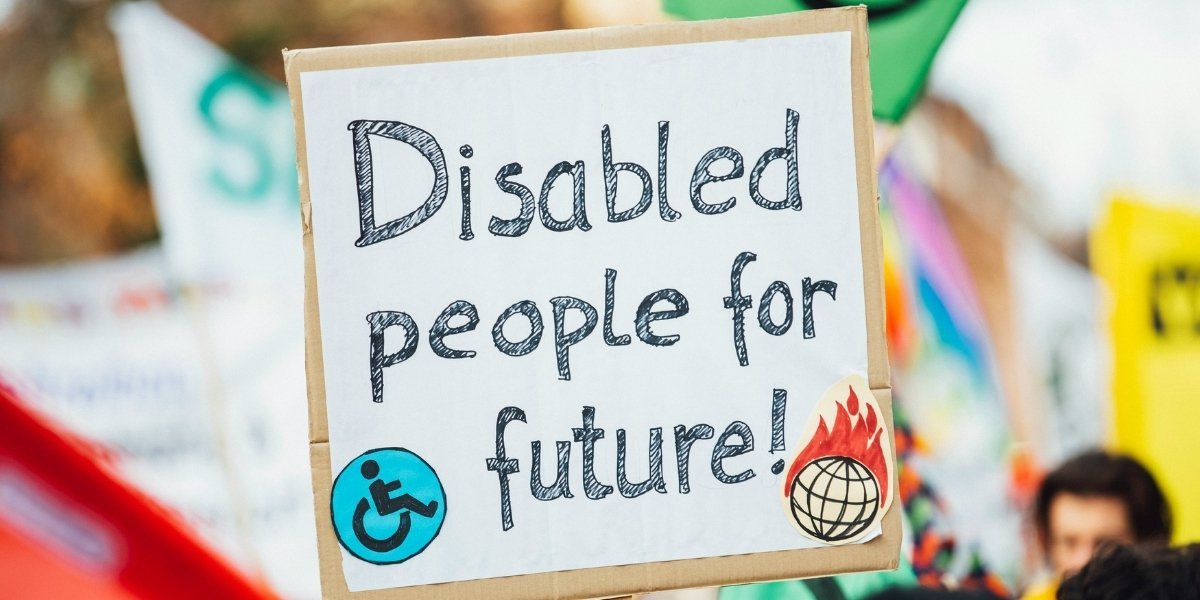
Photo Credit: Unsplash.com
The work of PWD models is inspiring a new generation of individuals with disabilities to embrace their bodies and challenge societal expectations. By seeing themselves reflected positively in aspirational fashion contexts, young people with disabilities gain confidence and a sense of belonging. This shift moves beyond mere tokenism, as brands increasingly realize that authentic representation builds stronger connections with consumers and enhances brand loyalty, proving that true beauty is inclusive and diverse.
What Are the Advancements in Adaptive Fashion Driven by PWD Advocates?
The increasing visibility of PWD models has directly fueled the demand for, and development of, adaptive fashion – clothing designed to be functional, comfortable, and stylish for individuals with diverse physical needs. Historically, options for adaptive clothing were limited, often resembling medical wear and lacking aesthetic appeal. However, the push for inclusivity has spurred designers and brands to innovate, creating garments that address practical challenges without compromising on contemporary style. This includes features like magnetic closures, discreet zippers, adjustable hems, and sensory-friendly fabrics, all aimed at simplifying the dressing process and enhancing comfort.
Major brands like Tommy Hilfiger have pioneered this movement, launching comprehensive collections that integrate adaptive features into their mainstream designs. Their adaptive lines include everything from classic jeans and polo shirts to outerwear, all modified with features like one-handed zippers, adjustable openings, and seated-wear designs. Other innovators include BILLY Footwear, known for its sneakers with zipper closures that make them easy to put on, and emerging brands like Unhidden, founded by Victoria Jenkins, which offers stylish pieces with hidden access points for medical devices. These developments demonstrate a significant shift towards making fashion genuinely accessible.
The movement is not just about big brands; it’s also about a growing ecosystem of specialized adaptive clothing companies and designers. Many of these ventures are founded by individuals with disabilities or their family members, driven by personal experiences to create solutions that meet specific needs. This grassroots innovation, combined with the growing interest from mainstream retailers, is expanding the availability of adaptive apparel, moving it from a niche market into mainstream retail spaces like Primark, which has launched adaptive collections co-designed with disability advocates, aiming to normalize inclusive design and cater to a largely untapped consumer base.
What Challenges Do PWD Models Still Face in the Fashion Industry?
Despite significant progress, PWD models continue to encounter a range of systemic challenges within the fashion industry. Tokenism remains a persistent issue, where brands might feature a PWD model for a single campaign to project an image of inclusivity, without a sustained commitment to diverse representation or genuine adaptive design. This superficial approach fails to address the deep-seated structural barriers and can feel insincere to the disability community, undermining the potential for real, lasting change in the industry’s practices.
Another major hurdle is the lack of consistent accessibility in physical spaces and within the production process itself. Fashion shows and photo shoots may not always be designed with accessibility in mind, posing logistical challenges for models with mobility aids or other specific needs. Furthermore, the industry’s inherent fast-paced nature and emphasis on speed can sometimes overlook the additional time or accommodations required to ensure a truly inclusive working environment for PWD models and crew members.
Perceptions and biases within the industry can still limit opportunities. While there’s growing acceptance, some casting directors, designers, or marketers may still hold unconscious biases or lack understanding regarding disability, leading to fewer bookings or less prominent roles for PWD models compared to their non-disabled counterparts. There’s also an ongoing need for more educational initiatives within fashion schools and established companies to foster a deeper understanding of disability inclusion, ensuring that adaptive design and diverse representation become standard practices rather than exceptional efforts.
Who Are Some Pioneering PWD Models and Their Triumphs?

Photo Credit: Unsplash.com
The inclusive fashion movement has been significantly propelled by the courage and determination of several pioneering PWD models who have broken barriers and achieved remarkable success. Jillian Mercado stands out as one of the most recognizable figures, having muscular dystrophy and using a wheelchair. Her impactful campaigns for Diesel, Nordstrom, and Target, along with features in Glamour and CR Fashion Book, have made her a powerful voice for disability representation, demonstrating that high fashion and disability are not mutually exclusive. Her work has fundamentally shifted how disability is perceived in advertising.
Another influential model is Aaron Philip, a Black, trans, and physically disabled model who has graced runways for major fashion houses like Moschino and has been featured in Vogue. Philip’s rise to prominence challenges multiple intersecting forms of exclusion in the fashion world, championing not only disability inclusion but also greater diversity in race and gender identity. Her unapologetic presence and fierce advocacy have made her a symbol of intersectional representation, inspiring conversations about broader inclusivity in the industry.
Other notable figures include Jamie Brewer, known for her acting roles and for becoming the first model with Down syndrome to walk the runway at New York Fashion Week for designer Carrie Hammer. Mama Cax, before her passing, was a formidable advocate and model with a prosthetic leg, featured in campaigns for brands like Olay and Chromat, using her platform to promote body positivity and defy conventional beauty standards. These models, through their visibility and unwavering commitment, have not only achieved personal triumphs but have collectively paved the way for a more diverse, empathetic, and truly empowering future in fashion.
What Lies Ahead: The Future of Inclusive Fashion with PWD Models?
The trajectory of inclusive fashion, heavily influenced by the rise of PWD models, points towards a future where disability is seamlessly integrated into every aspect of the industry, moving beyond mere representation to genuine systemic change. The increasing recognition of the “Purple Pound” – the significant spending power of disabled consumers and their families – is driving more brands to invest in adaptive clothing lines and inclusive marketing. This economic imperative will likely accelerate the adoption of universal design principles, ensuring that clothing is not just functional for PWD but also desirable and fashionable for all.
Looking ahead, we can anticipate a continued evolution in how PWD models are featured. This will involve moving beyond showing disability as solely an inspiration narrative, towards portraying PWD models in diverse roles that reflect the full spectrum of human experience, including luxury, romance, and everyday life. The goal is to normalize disability to the point where a model’s disability is simply one facet of their identity, not their defining characteristic or the sole reason for their inclusion, fostering more authentic and less tokenistic representation across all media.
Finally, the future of inclusive fashion will also be shaped by the increasing collaboration between designers, technologists, and the disability community. Advances in materials science, wearable technology, and personalized manufacturing could lead to even more innovative adaptive solutions that blend seamlessly with high fashion. As PWD models continue to empower and educate, they will drive an industry-wide commitment to accessibility, diversity, and genuine equity, ensuring that the fashion world truly reflects the rich and varied beauty of humanity.