
The rise of artificial intelligence (AI) has already transformed many industries, but its latest application—creating videos of deceased celebrities—has sparked controversy and debate. These AI-generated videos offer a window into the past, allowing audiences to experience beloved stars “live” once more. While these innovations are undeniably fascinating, they raise important ethical questions about consent, creativity, and the boundaries of entertainment.
The Surge of AI in Hollywood
AI has long been a part of the entertainment industry, from film editing software to special effects. However, the use of AI to recreate deceased celebrities and put them in new performances represents a dramatic leap forward. Thanks to advancements in deep learning and machine learning, AI can now generate highly realistic videos of celebrities who have passed away, allowing them to “reappear” on screen.
One of the most prominent examples is the rise of digital holograms of stars like Tupac Shakur and Michael Jackson, who have made posthumous appearances at music festivals. More recently, AI technology has been used to recreate entire scenes with famous actors, including re-enacting famous movie roles or creating new content altogether. The technology can not only replicate their likenesses but also their voices, mannerisms, and even acting styles, making the experience incredibly lifelike.
Hollywood’s Double-Edged Sword
The use of AI-generated videos of deceased celebrities is a double-edged sword. On the one hand, it’s a groundbreaking technological achievement that offers endless possibilities for filmmakers, artists, and entertainment companies. It allows for new stories to be told using iconic characters or actors who can no longer participate in the project, and it opens the door for groundbreaking new content. Imagine a Marilyn Monroe biopic or an entirely new series starring James Dean, whose digital avatar could bring an entirely new level of realism to these legends.
However, the ethical implications are far more complex. Critics argue that using AI to resurrect deceased stars is a violation of their legacy, exploiting their image and likeness without consent. The concept of consent becomes central here—how can deceased celebrities agree to be part of new projects when they are no longer alive to do so? This raises questions about ownership and the power of technology to shape entertainment without considering the values of the stars involved.
Public Reaction: Praise vs. Protest

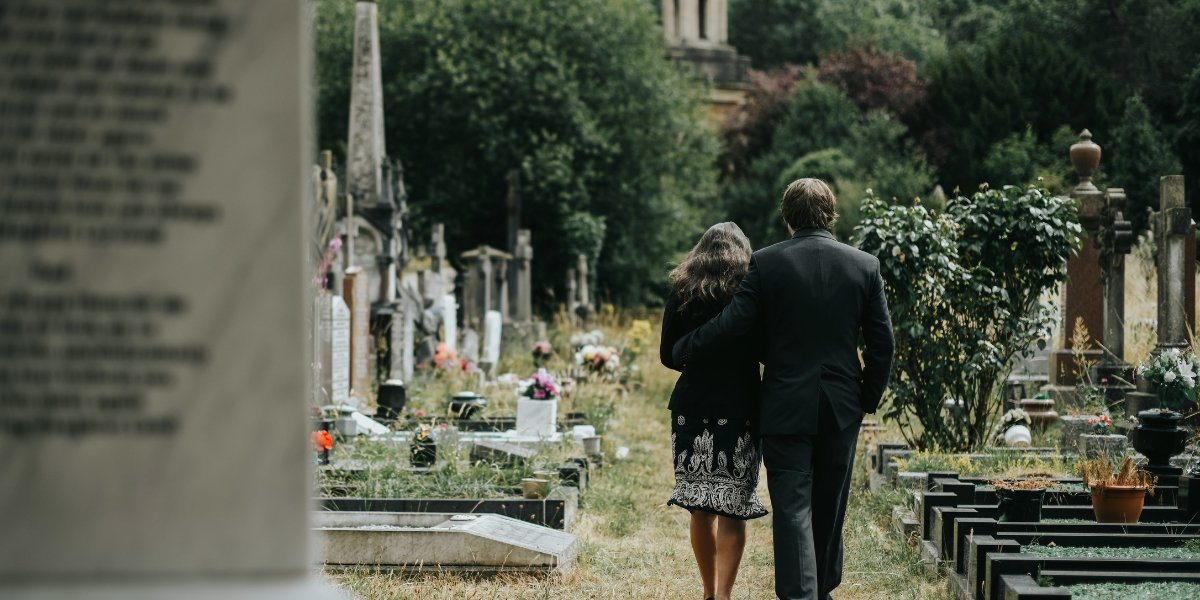
Photo Credit: Unsplash.com
Public opinion on AI-generated celebrity videos is divided. Some see it as a wonderful way to honor these legends, keeping their memory alive and allowing future generations to experience their work in a new light. The ability to “bring back” deceased stars also creates a form of digital immortality, giving fans the opportunity to interact with their favorite icons beyond their death.
Others, however, have voiced concerns about the implications of such technology. For example, Carrie Fisher, who passed away in 2016, appeared in the final Star Wars movie using previously shot footage, but there were no new performances created with her likeness. This decision was met with mixed reactions, as some felt it was a respectful use of existing material, while others believed it was an exploitation of her legacy.
There’s the question of whether it’s appropriate to use a deceased actor’s image in a completely new context. Bruce Lee’s hologram performance at the 2013 Hall of Fame Gala was met with backlash from his family, who argued that it was disrespectful and undermined his legacy as a martial artist. The use of Lee’s image raised questions about the boundaries of posthumous performances and the intersection of celebrity culture with technology.
The Legal and Financial Landscape
The legality of AI-generated videos of deceased celebrities is another area fraught with complications. Currently, the use of an actor’s likeness is protected by a variety of rights, including the right to publicity and copyright. However, these rights are often not extended posthumously, or they may be poorly defined, depending on the jurisdiction.
As AI technology continues to advance, the legal landscape surrounding the use of digital avatars will likely have to catch up. Some states, like California, have passed laws that allow celebrities to control their likenesses even after death, ensuring that their image isn’t exploited without their consent. But these laws are still in their infancy, and it remains unclear how they will apply to the rapidly evolving field of AI-generated entertainment.
The Future of AI in Entertainment
Despite the controversies, there’s no denying that AI-generated videos of deceased celebrities are here to stay. As technology continues to improve, the ability to create more realistic, interactive, and emotionally impactful digital avatars will only become more powerful. The possibility of creating new stories or reviving classic performances opens exciting creative possibilities for directors and artists, while simultaneously presenting complex ethical dilemmas for society to grapple with.
As AI continues to shape the future of entertainment, the debate surrounding the posthumous use of celebrity likenesses will only intensify. Will this technology become a tool for preserving legacies, or will it be an unfortunate trend of exploitation? Only time will tell. However, one thing is certain: the intersection of celebrity culture and AI is reshaping Hollywood in ways we never imagined.