
Redefining Beauty: How the 2010s Sparked a Cultural Shift in Fashion Representation
The 2010s marked a significant shift in the modeling industry towards greater diversity and inclusion. This decade saw an increasing representation of various races, body types, genders, and ages on runways, in advertisements, and across fashion campaigns. This article explores the factors that contributed to the rise of diversity in modeling in the 2010s, its impact on the industry, and how it has reshaped fashion norms.
Before the 2010s, the modeling industry was predominantly characterized by a narrow definition of beauty. Models were mostly young, thin, and predominantly white. While there were trailblazers like Naomi and Tyra, their presence was the exception rather than the rule.
In the late 2000s, there were early signs of change. Designers and fashion houses began to face criticism for their lack of diversity, prompting a gradual shift. Influential figures and advocacy groups started pushing for more representation, laying the groundwork for the changes seen in the 2010s.
Key Drivers of Diversity in the 2010s
Social media platforms like Instagram, Twitter, and later TikTok have radically transformed the fashion industry’s power dynamics, giving rise to a more inclusive and democratized landscape. Traditionally, models had to rely on agencies, casting directors, and fashion editors to gain visibility, often facing barriers rooted in race, body type, gender identity, or socioeconomic background. But with the rise of digital platforms, aspiring models and creatives began cultivating their own audiences, showcasing their work directly to followers and brands. This shift allowed individuals from marginalized communities to bypass gatekeepers and build influence on their own terms. Viral campaigns, hashtag movements like #BlackModelsMatter and #TransIsBeautiful, and influencer-led storytelling challenged the industry to broaden its definition of beauty and representation. Social media didn’t just amplify diverse voices—it demanded that the industry listen.
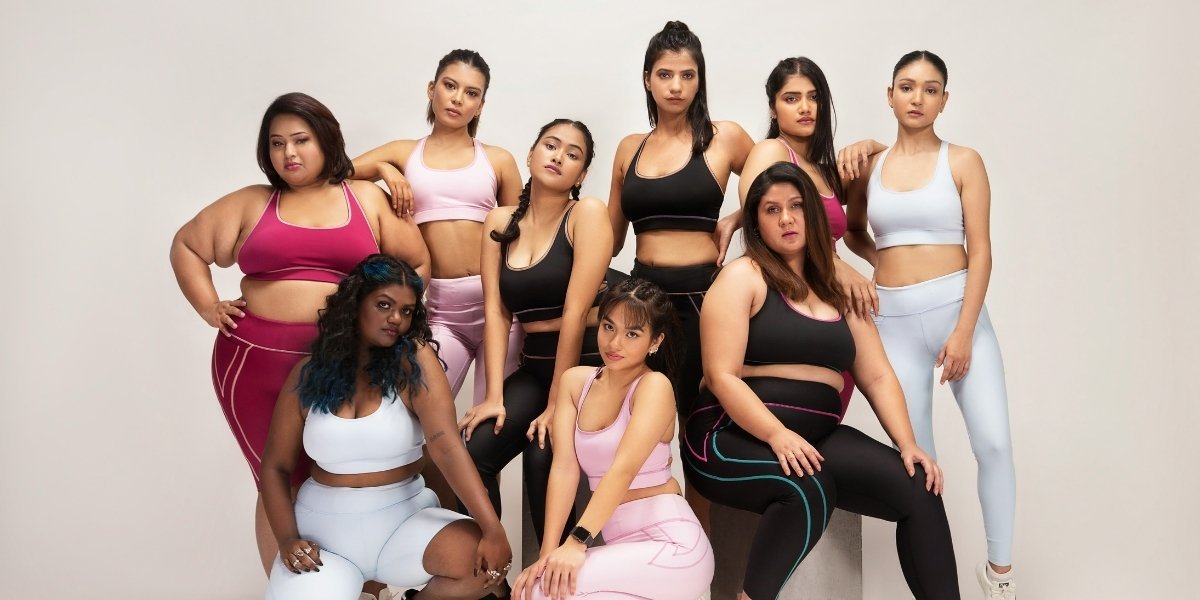
Photo Credit: Unsplash.com
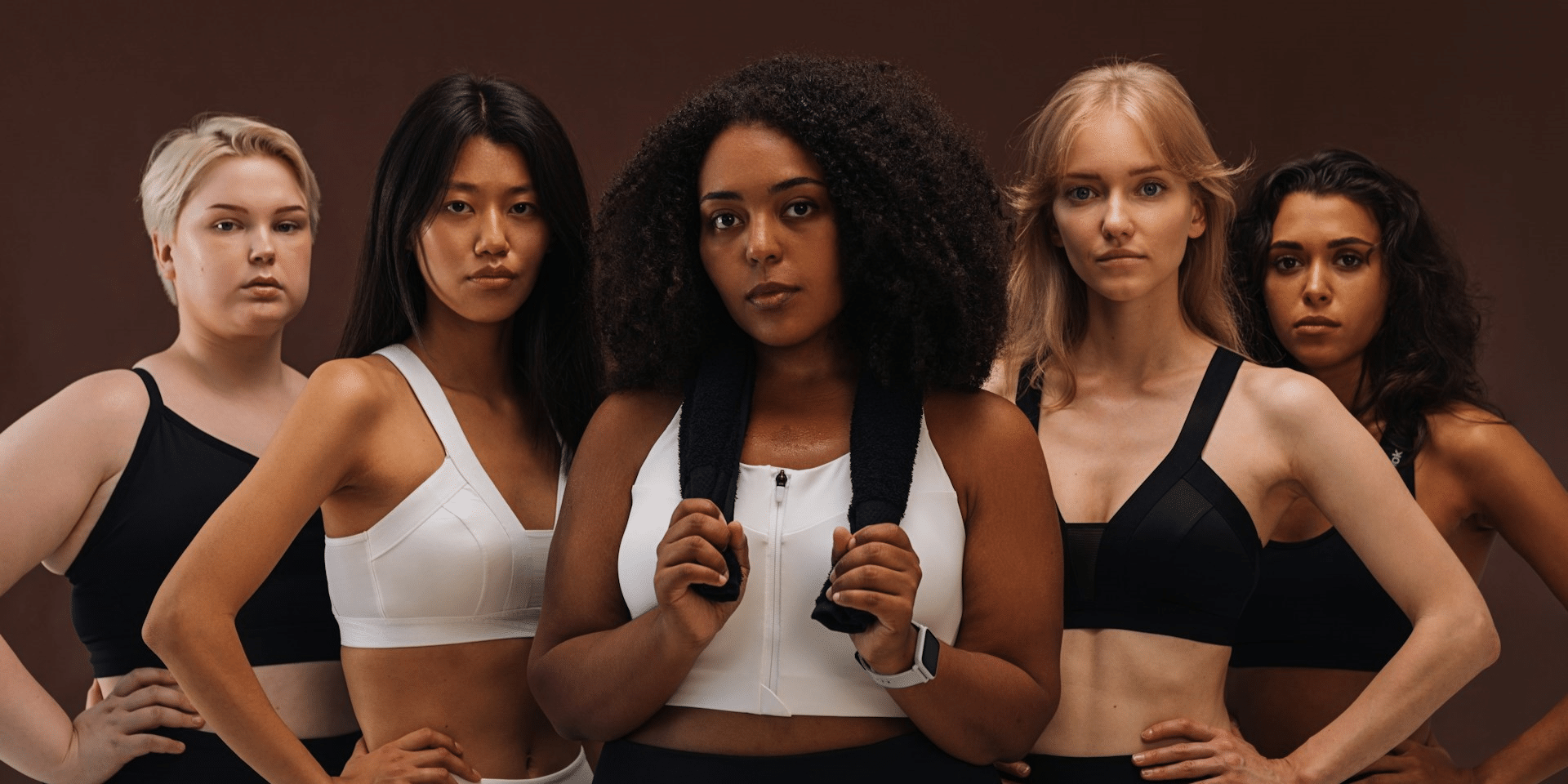
The body positivity movement, which gained significant traction in the 2010s, further disrupted long-standing norms around beauty and desirability. Spearheaded by activists, influencers, and outspoken models, the movement called out the harmful effects of unrealistic body standards perpetuated by fashion media. It advocated for the visibility and celebration of all body types, including plus-size, disabled, and non-binary bodies. In response, major brands began to rethink their campaigns, casting models who reflected the diversity of their consumer base. Retailers like Aerie, Savage X Fenty, and ASOS embraced inclusive sizing and unretouched imagery, signaling a shift toward authenticity and acceptance. This cultural reckoning not only reshaped advertising but also influenced runway shows, editorial spreads, and product development, making body inclusivity a core value rather than a marketing trend.
Institutional advocacy played a critical role in sustaining these changes and pushing for deeper reform. Organizations such as the Council of Fashion Designers of America (CFDA), Models of Diversity, and The Fashion Spot began collecting data, publishing reports, and lobbying for more equitable practices across the industry. They highlighted disparities in model representation, called out tokenism, and worked with designers and agencies to implement inclusive casting policies. These groups also provided platforms for emerging talent from underrepresented backgrounds, offering mentorship, visibility, and professional development. Their efforts helped shift diversity from a buzzword to a measurable goal, encouraging brands to move beyond performative gestures and commit to long-term change. Together, social media, grassroots activism, and institutional advocacy have redefined what fashion looks like—and who gets to be seen.
Impact on the Fashion Industry
The 2010s saw a notable increase in the diversity of models on runways. Fashion weeks around the world began to showcase a broader range of models, including those of different ethnicities, body sizes, ages, and genders. This shift challenged traditional beauty standards and set new norms for inclusivity. Advertising campaigns also became more inclusive. Major fashion brands and retailers featured diverse models in their campaigns, recognizing the importance of representation in connecting with a global audience. This inclusivity helped brands reach wider demographics and promote a more inclusive image. The rise of diversity in the 2010s led to changes in industry standards. Casting directors, designers, and agencies began to prioritize diversity, understanding its importance in reflecting the real world. This shift also encouraged the development of more inclusive policies and practices within the industry.
While the 2010s saw significant strides towards diversity, challenges remain. Tokenism, where a single model represents an entire group, is still an issue. True diversity means consistent and meaningful representation across all facets of the industry. Ensuring sustainable change requires continued effort. Advocacy and activism must persist to maintain and further the progress made. The industry must continue to embrace and normalize diversity, avoiding reverting to old standards.
The rise of diversity in modeling during the 2010s marked a transformative period for the fashion industry. Influenced by social media, the body positivity movement, and active advocacy, the industry began to reflect a broader range of beauty. While significant progress has been made, ongoing efforts are necessary to ensure that diversity remains a core value in modeling and fashion. The 2010s laid the foundation for a more inclusive industry, one that continues to evolve and celebrate all forms of beauty.