
By: Susan Perk
Dynamic photography is an art form that requires technical expertise and a deep understanding of rhythm and the energy of the moment. Every action shot is essentially a fusion of technical precision and artistic vision. To achieve stunning results, the photographer must engage with movement, leverage light and space to their advantage, and strive to convey the emotional depth of the scene and its subjects. So, where can one learn this?
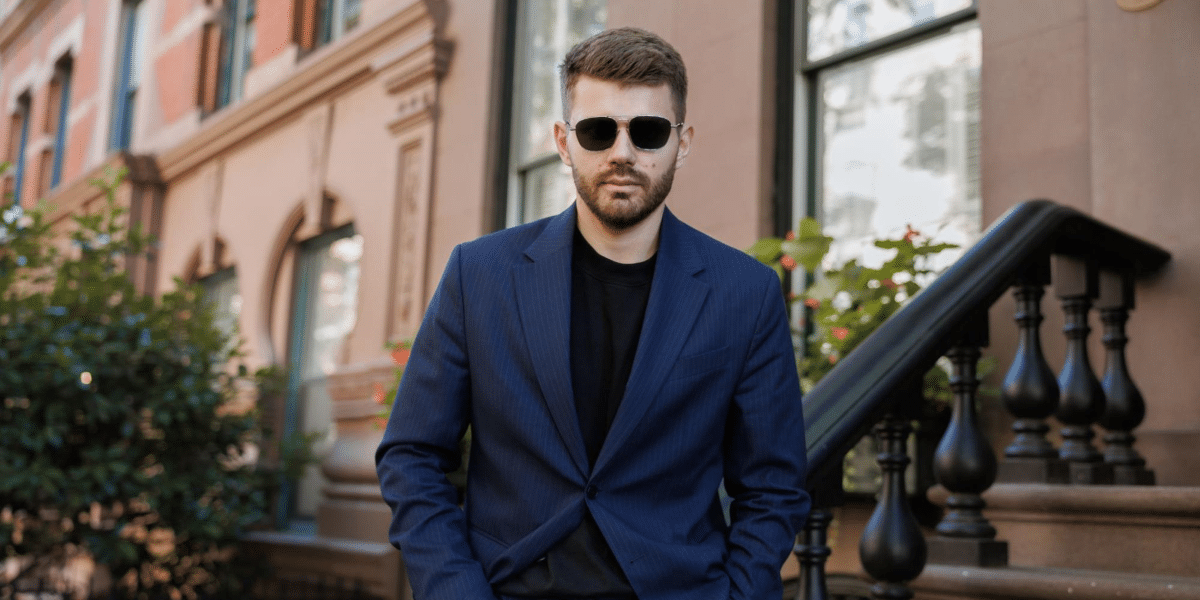
Oleksandr Radomskyi is a New York-based professional photographer known for his unique dynamic techniques. He is also the founder of an online school focused on narrative photography and the author of The Art of Movement: The Narrative Photography Method.
We sat down with Oleksandr to discuss some aspects of his profession and his original technique.
Susan Perk: Oleksandr, up until 2022, no one in the U.S. had heard of you. Now, you’ve become incredibly popular. How did that happen?
Oleksandr: That’s true. Before moving to the U.S., I lived and worked in Ukraine, where I was born and raised. My educational background, by the way, has nothing to do with photography.
SP: What did you study?
OR: I initially attended the College of Economics and Law and later the University of Economics and Trade. But from age 15, I’ve always had a camera in hand. My very first photo was taken with a simple point-and-shoot camera, one without any manual settings—just a built-in flash and a fixed lens. These cameras are often called “soapboxes” and aren’t known for producing high-quality photos. Luckily, my shot turned out well, and that was a game-changer.
SP: Experts are calling your narrative photography technique the conceptual photography breakthrough of the decade.
OR- Yes, I’ve heard that (laughs). After a decade of continuous large-scale public event shoots, I’ve gained a certain amount of experience and developed my own methods for detailed framing and backlighting. Over time, I’ve honed these unique methods of working with space and lighting and learned to see people differently.
SP: What do you mean by ‘seeing people differently’?
OR- In narrative photography, the main subjects are real people. If a photographer wants to capture a truly outstanding image, they need to ensure the people in the photo look genuine.
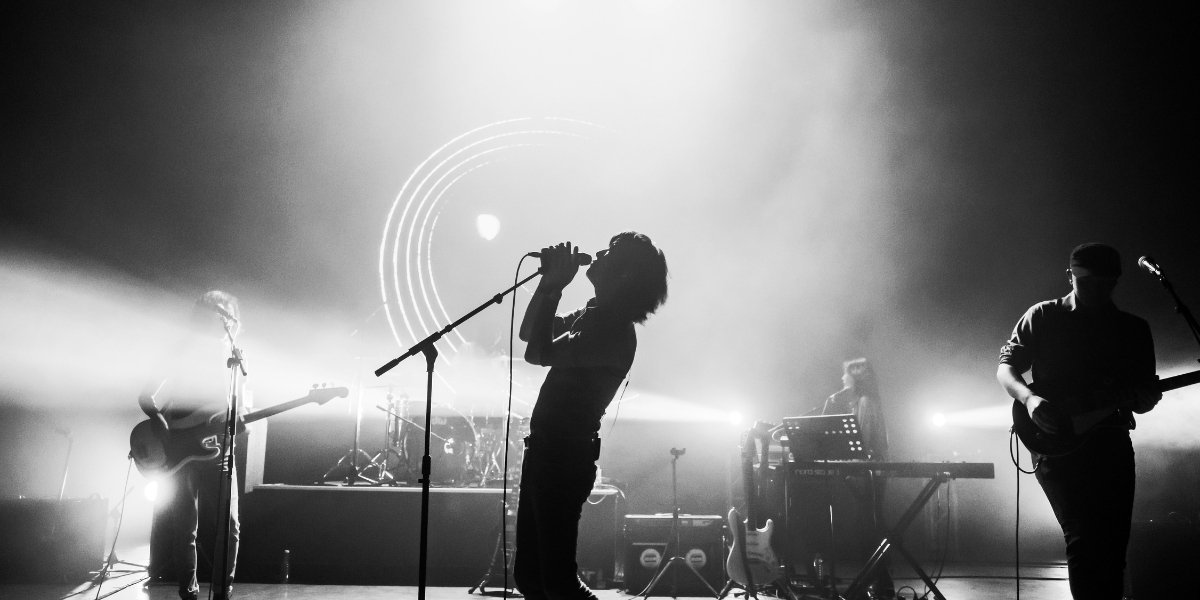
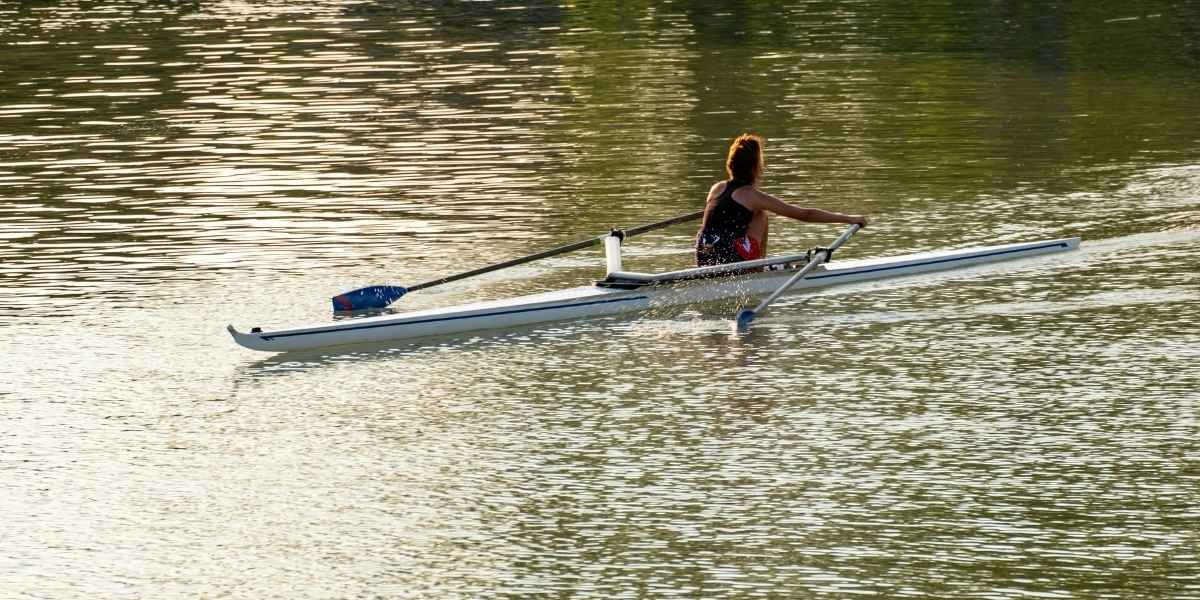
Unlike static photography, where the subject is “frozen,” in narrative photography, the subject should appear to be about to step out of the frame and start interacting with you. In other words, if you’re photographing an athlete in motion, viewers should feel the wind in the runner’s hair and sense their breath during the race.
SP: Is this what you teach in your online school?
OR- Yes, I’m happy to share my professional experience. On top of that, I’m constantly learning and growing myself. Every shoot is an opportunity for new discoveries.
Photography is a dynamic art form. Every event brings a unique experience, and new techniques emerge all the time. Of course, there are some fundamental concepts and calculations that photographers rely on—you can’t go without them—but a photographer’s ability to embrace spontaneity, to observe and respond in the moment to capture an emotion that lasts only a fraction of a second, is what keeps this art evolving.
SP– Unfortunately, we can’t cover everything in a single interview, but perhaps readers can learn more from your book The Art of Movement: The Narrative Photography Method. When will it be available in the U.S.?
OR– The book is currently being prepared for release in Ukraine. But if my American colleagues and anyone passionate about narrative photography want to read it, I’m sure we could arrange to publish it in the U.S. as well.
SP– Lastly, do you have any advice for aspiring narrative photographers?
OR– Experiment, and don’t be afraid of anything. Photography is the art of slowing down time, a remarkable power that allows memories to come alive and emotions to be re-experienced. Look through the lens in such a way that the moments you capture today remain relevant tomorrow, next week, and even in a decade.
Fully immerse yourself in the process – live every minute of it. Observe people and learn to recognize their strengths and weaknesses at first glance. This will help you anticipate how they might suddenly appear. And when that moment comes – capture it!
Published By: Aize Perez