
Actors’ unions play a vital role in shaping the entertainment industry, advocating for performers’ rights, ensuring fair compensation, and safeguarding working conditions. Their influence extends across film, television, and theater, providing the structure and support needed for a sustainable and equitable industry. This article explores the multifaceted importance of actors’ unions, from their advocacy efforts to their role in navigating technological changes.
Advocacy and Representation
Collective Bargaining
Actors’ unions serve as collective representatives for performers, negotiating contracts with production companies, studios, and networks. Through collective bargaining, unions secure favorable terms for wages, benefits, and working conditions, ensuring that individual actors are not disadvantaged in negotiations. This unified approach amplifies the voices of performers and protects their interests in an industry that often favors large corporations.
Legal Support
Unions provide critical legal assistance to their members, addressing issues such as contract disputes, intellectual property rights, and workplace harassment or discrimination. This support is crucial in protecting actors from exploitation and ensuring that they can work in a fair and just environment. By offering legal resources, unions empower their members to advocate for themselves and seek recourse when necessary.
Ensuring Fair Compensation
Standardized Pay Rates
Unions establish standardized minimum pay rates for various types of performances, ensuring that all members receive fair compensation for their work. These rates serve as a baseline, preventing underpayment and exploitation, particularly for lesser-known or emerging actors who might otherwise lack bargaining power.
Residuals and Royalties
Residuals and royalties are essential components of fair compensation in the entertainment industry. Actors’ unions negotiate agreements that give continued payments for performances rebroadcast or distributed through streaming platforms, DVD sales, or syndication. In an era where content remains accessible indefinitely, these residuals ensure that performers benefit from the ongoing use of their work.
Health and Safety Regulations
Safe Working Conditions
Actors’ unions advocate for safe and secure working environments, establishing guidelines to minimize risks during production. These guidelines address concerns such as stunt performances, hazardous materials, and extended working hours. By setting industry standards, unions ensure that actors can perform their roles without compromising their health or safety.
Health Benefits
In addition to workplace safety, unions provide access to health insurance, retirement plans, and other benefits. These offerings provide financial security and peace of mind for actors, many of whom face inconsistent employment in a competitive industry. Access to such benefits ensures that performers can sustain long-term careers.
Professional Development
Training and Workshops
To help actors refine their craft, unions offer a variety of training programs, workshops, and educational resources. These initiatives support performers in staying competitive and adapting to evolving industry trends. From acting techniques to audition preparation, these programs equip actors with the skills necessary for success.
Networking Opportunities
Unions facilitate networking events that connect actors with industry professionals, casting directors, and peers. These opportunities foster a sense of community and collaboration, providing members with valuable connections that can lead to new roles and projects.
Advocacy for Diversity and Inclusion
Promoting Equal Opportunities
Actors’ unions play a critical role in promoting diversity and inclusion within the entertainment industry. By advocating for equitable casting practices and supporting underrepresented groups, unions work to break down stereotypes and encourage authentic representation on screen and stage.
Anti-Discrimination Policies
Unions enforce policies that combat discrimination and harassment, ensuring a respectful and equitable workplace for all members. These policies provide performers with the assurance that their concerns will be addressed and that they will be treated fairly, regardless of their background or identity.
Navigating Technological Changes
Addressing AI and Digital Replication
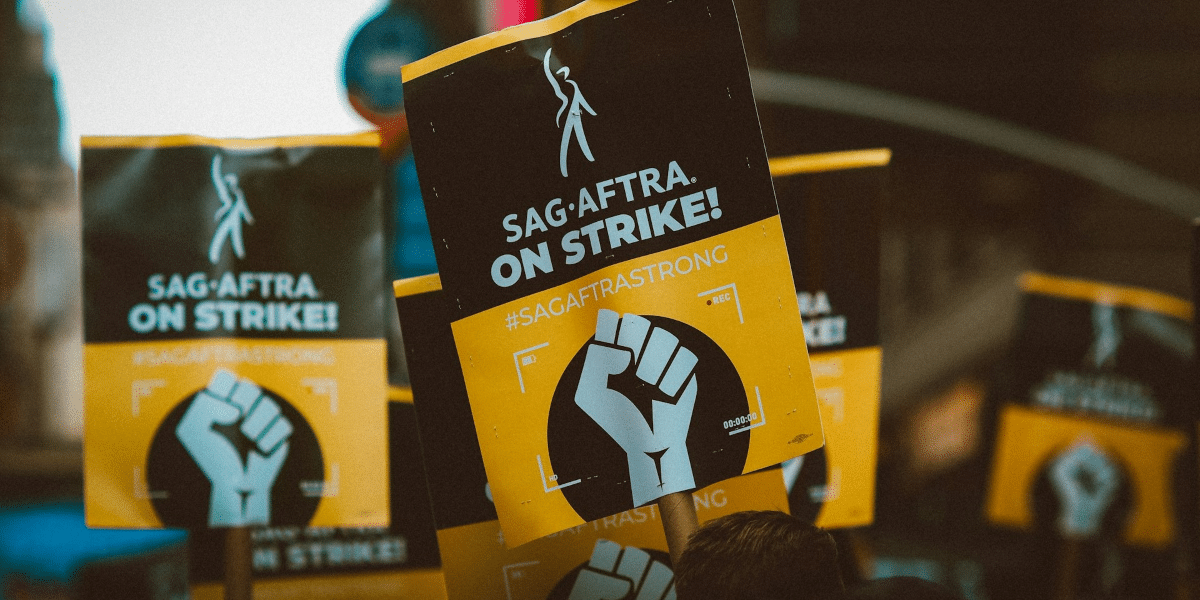
The rapid advancement of artificial intelligence (AI) and digital technology presents new challenges for actors. Unions are at the forefront of discussions regarding the use of AI to replicate actors’ performances, ensuring that performers retain control over their digital likenesses. For instance, the 2023 SAG-AFTRA strike highlighted concerns about unauthorized AI usage, emphasizing the importance of union advocacy in protecting actors’ rights in the digital age.
Adapting to New Media
The rise of streaming platforms has transformed content distribution, necessitating new compensation models. Unions negotiate terms for performances distributed through digital media, ensuring that actors are fairly compensated for their work in an increasingly digital landscape. This adaptability demonstrates the unions’ commitment to staying relevant in a changing industry.
Historical Impact and Strikes
Landmark Strikes
Actors’ unions have a history of organizing strikes to advocate for better terms and conditions. Notable examples include the 2023 SAG-AFTRA strike, which addressed issues related to streaming residuals and the use of AI. These collective actions have been instrumental in securing improvements for performers and shaping the industry’s evolution.
Shaping Industry Standards
Through their advocacy efforts, unions have established industry standards that protect performers’ rights and promote fair treatment. These standards have become benchmarks for ethical practices within the entertainment industry, ensuring a level playing field for all participants.
The Future of Actors’ Unions
Responding to Industry Challenges
As the entertainment landscape continues to evolve, actors’ unions remain essential in addressing new challenges. From negotiating fair terms for streaming content to advocating for sustainable practices in production, unions are poised to adapt and lead in a rapidly changing world.
Strengthening Member Support
Unions are also focused on enhancing their support for members, offering resources that address the unique challenges faced by performers in today’s industry. By continuing to prioritize their members’ well-being, unions can ensure their relevance and effectiveness in the years to come.
The presence of actors’ unions is crucial to maintaining a balanced and equitable entertainment industry. Through advocacy, fair compensation, safety regulations, and professional development, unions empower performers and protect their rights. As the industry evolves, unions continue to adapt, addressing technological changes and advocating for diversity and inclusion.
Actors’ unions not only safeguard the interests of performers but also set ethical standards for the broader industry. Their ongoing efforts ensure that the entertainment world remains a place where creativity can thrive, and performers are valued for their contributions. In an ever-changing landscape, the importance of actors’ unions remains steadfast, ensuring a fair and sustainable future for the industry and its participants.