In the world of fashion photography, the use of color is not just a matter of aesthetics—it plays a pivotal role in conveying emotions, creating moods, and telling a story. Color has the power to influence how the audience perceives a model, the clothing, and even the overall theme of the shoot. It can transform the same subject and setting into something entirely different depending on how it’s used. From the psychological impact of color to its role in branding and storytelling, color is a powerful tool that photographers and stylists use to set the tone for modeling shoots.
Read also: How Walk Styles Fit Into Different Fashion Shows
The Psychological Impact of Color on Perception
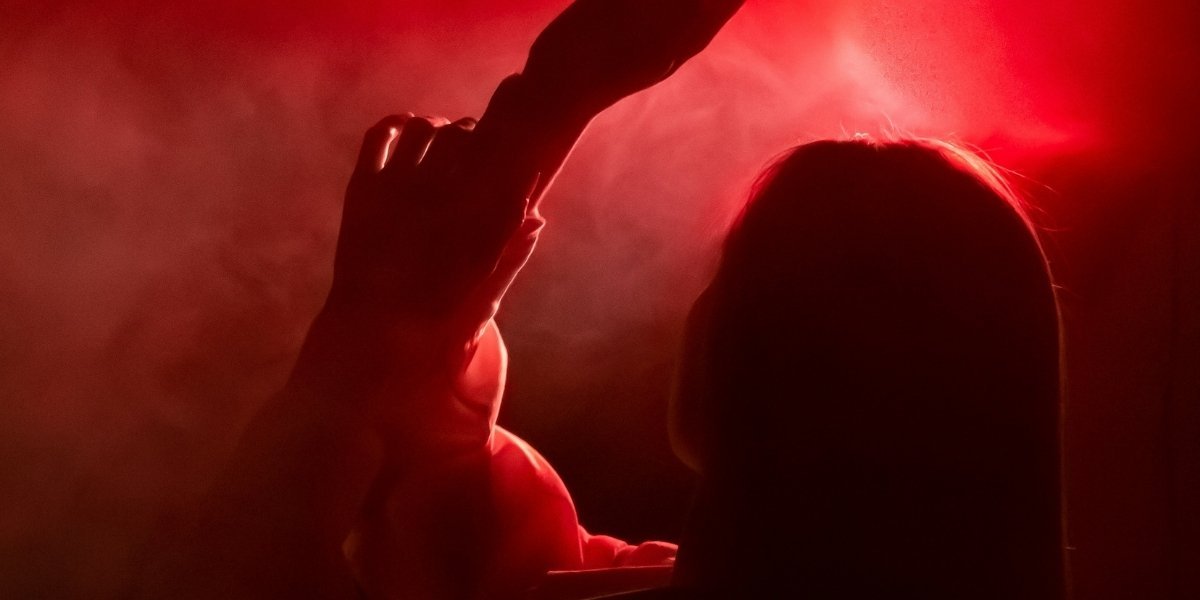
Color psychology is the study of how colors affect human behavior and emotions. In modeling shoots, the color palette chosen can subtly shape the audience’s emotional response to the image. For example, warm colors like red, orange, and yellow are often associated with energy, passion, and excitement, while cooler tones such as blue, green, and purple can evoke calmness, serenity, and professionalism.
Understanding the psychological effects of color allows photographers and designers to use color to align with the mood they wish to evoke. A photo shoot featuring vibrant reds and oranges might convey warmth and intensity, while one with cool blues and purples might create a more tranquil, introspective vibe.
How Different Colors Evoke Different Emotions
Colors are more than just visually appealing; they have the ability to trigger specific emotions and associations in viewers. In modeling shoots, the strategic use of color can help convey the desired narrative and tone.
- Red: Often linked to passion, power, and love, red can evoke strong emotions and draw attention. It’s a popular color choice for creating bold, striking imagery.
- Blue: Associated with calmness, stability, and trust, blue tones are often used in professional shoots or to convey serenity and reliability.
- Yellow: Representing happiness, energy, and optimism, yellow is often used to convey a playful, lively tone.
- Green: Symbolizing nature, health, and renewal, green is often used for shoots with an organic or eco-conscious theme.
- Black: Known for its sophistication, elegance, and timelessness, black can lend an air of mystery or high fashion to a modeling shoot.
- White: Often linked to purity, simplicity, and cleanliness, white is frequently used in shoots that aim for a minimalist or fresh look.
Choosing the right color can significantly alter the emotional impact of a photo and help create the desired feeling or connection with the audience.
Color and Branding in Fashion and Editorial Shoots
In fashion and editorial shoots, color plays a critical role in brand identity and messaging. Designers, photographers, and stylists carefully select color palettes that align with the brand’s values, personality, and target audience.
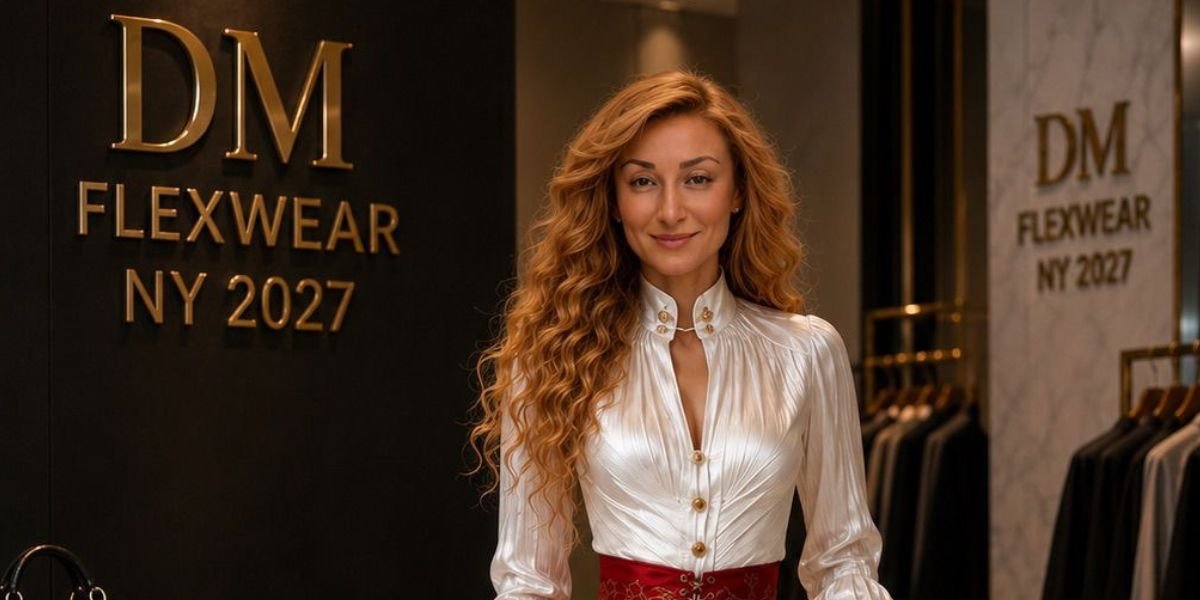
For example, luxury brands may lean toward rich, muted tones like gold, black, or deep jewel tones to convey sophistication and exclusivity. In contrast, brands with a youthful or playful image might use brighter colors like pinks, yellows, or pastels to reflect their fun, energetic spirit.
Moreover, consistency in color use across campaigns helps reinforce brand recognition. Colors are often associated with particular brands, creating a visual identity that audiences immediately recognize. For example, Tiffany & Co.’s signature blue or Coca-Cola’s red are instantly identifiable and are used strategically to evoke specific associations with the brand.
The Role of Color in Conveying Themes and Narratives
Color can also serve as a tool for conveying the underlying narrative or theme of a modeling shoot. Whether the goal is to tell a story or represent a particular concept, color can serve as an effective visual cue to communicate these ideas to the audience.
For instance, a shoot focusing on environmental sustainability might use shades of green and earth tones to evoke a sense of nature and responsibility. A high-energy, fashion-forward shoot might use bold, contrasting colors to create excitement and drama. Alternatively, a vintage-inspired shoot might feature muted colors like sepia tones or pastels to evoke nostalgia and retro charm.
By thoughtfully selecting a color palette, photographers and stylists can communicate themes that align with the shoot’s objectives, adding depth and meaning to the images.
The Influence of Lighting and Color Temperature
Lighting is one of the most crucial elements in a modeling shoot, and it has a direct effect on how colors appear. The temperature of the lighting—whether it’s warm or cool—can drastically alter the way colors are perceived.
- Warm Lighting: Lighting that leans towards yellow or orange tones can make colors appear warmer and more inviting. It enhances reds, oranges, and yellows, creating a cozy, intimate feel.
- Cool Lighting: Blue-toned lighting tends to cool down the entire color palette, enhancing blues and greens while muting warmer tones. This can create a sleek, modern, or even moody atmosphere.
The interplay between lighting and color temperature is essential for setting the tone of a shoot. For example, soft, warm lighting combined with golden or earthy tones may evoke a cozy, romantic vibe, while harsh, cool lighting paired with bold, primary colors could give a futuristic or edgy feel.
Color Theory and Its Application in Photography
Color theory, the science of how colors interact with one another, is crucial in ensuring a visually harmonious shoot. Photographers often use complementary, analogous, or monochromatic color schemes to create balanced and appealing compositions.
- Complementary Colors: These are colors that sit opposite each other on the color wheel (e.g., red and green, blue and orange). Using complementary colors in a shoot creates contrast and vibrancy, drawing attention to specific areas of the image.
- Analogous Colors: These colors are next to each other on the color wheel (e.g., blue, blue-green, and green). Analogous color schemes create a sense of harmony and cohesiveness in a photo.
- Monochromatic Colors: Using different shades and tints of a single color creates a minimalist, sleek effect that can be visually striking in its simplicity.
By applying color theory, photographers can craft images that are aesthetically pleasing and communicate specific emotions or messages effectively.
Matching Color Palettes to Model’s Skin Tones
When selecting colors for a modeling shoot, it’s essential to consider how the color palette will complement the model’s skin tone. Certain colors can enhance a model’s features, while others may wash them out or clash with their complexion. For instance, darker skin tones may look stunning in bold, vibrant colors like royal blue or gold, while lighter skin tones may pop with softer pastels or earth tones.
Photographers often work with stylists to select clothing that enhances the model’s appearance while also complementing the overall tone of the shoot. The right color palette can highlight the model’s best features and create a more striking, cohesive image.
The Use of Color to Complement Clothing and Accessories
In fashion photography, color is often used to complement the clothing and accessories being showcased. The color of the background, lighting, and props can either enhance or compete with the colors in the model’s attire. If the clothing features bold patterns or colors, a more neutral background color can prevent the photo from becoming overwhelming, allowing the clothing to remain the focal point.
On the other hand, when the clothing is minimalist, bright or contrasting colors can be used in the background or props to create visual interest and drama. The careful balance of color between clothing and the surrounding elements helps create harmonious and eye-catching imagery.
Seasonal Color Trends and Their Impact on Shoots
In the fashion industry, seasonal color trends play a significant role in how modeling shoots are styled. Each year, Pantone and other color forecasting companies release palettes that dictate the popular colors for different seasons. Fashion designers, stylists, and photographers often incorporate these colors into their shoots to stay relevant and in line with current trends.
For example, spring and summer shoots often feature lighter, brighter colors like pastels and vibrant florals, while fall and winter shoots may focus on deeper, more muted tones like burgundy, navy, and forest green. The incorporation of seasonal color trends ensures that the shoot feels timely and aligned with the current fashion landscape.
Read also: Why Office Fashion Became a Fad
Color and Storytelling in Fashion Editorials
In editorial fashion photography, color is frequently used to tell a story or evoke a specific theme. A well-chosen color palette can enhance the narrative of the shoot and convey complex ideas without the need for additional explanations. For example, dark, moody colors might suggest mystery or tension, while light, airy colors evoke a sense of innocence or purity.
Fashion editorials often use color to reinforce the personality of the clothing being showcased, creating a visual dialogue between the model, the fashion, and the surrounding environment. By weaving color into the fabric of the story, photographers can add layers of meaning to the images they create.
Color is a powerful tool in modeling shoots, helping to set the tone, evoke emotions, and create a lasting impression. From the psychological effects of color to the technical aspects of lighting and color theory, understanding how to use color effectively can elevate a photoshoot from ordinary to extraordinary. By considering factors like the model’s skin tone, the clothing, and the intended mood, photographers can craft visually compelling images that resonate with their audience. Whether in fashion editorials or commercial shoots, color remains a central element in creating impactful and memorable photography.