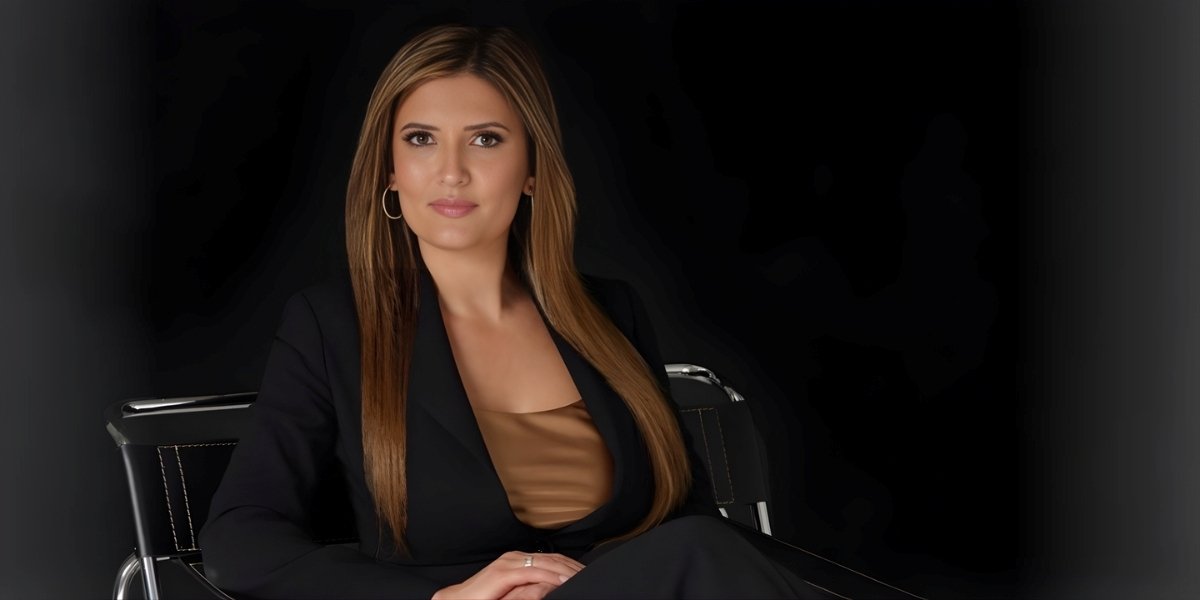


No one calls a family lawyer because life is going well. They call because the ground has moved. Separation has become unavoidable, custody has become contested, and routines that once felt stable now feel negotiable. That’s where Sahar Maknouni steps in. Based in Los Angeles, she founded Maknouni Family Law Firm, APC, to support clients who need structure in a moment that often comes with very little of it.
Her style is controlled and direct. Sahar doesn’t bury people under legal language or inflate outcomes to sound reassuring. She explains what’s happening, what matters to the court, and what typically must be handled now versus later, so clients can stop guessing and start making decisions with greater clarity.
Sahar understands divorce as more than filings and court dates. Having experienced it personally, she recognizes the quieter weight clients carry: the ongoing mental load, the concerns around parenting time, and the fatigue of living inside uncertainty. That insight shapes her counsel. She helps clients slow down, separate feeling from strategy, and work to avoid decisions made for short-term relief that could create long-term consequences.
Her method is also highly structured. With Business Law and Management training alongside her legal education, Sahar runs cases with a clear framework: timelines, documentation, and fact-based strategy. Clients receive step-by-step guidance, with a clear distinction between what needs immediate action and what may benefit from patience and control.
Sahar’s practice is dedicated exclusively to family law. She treats that focus as a standard, not a slogan. Family court is its own ecosystem: fast-moving, emotionally charged, and often unpredictable. Working in it daily helps refine judgment, including knowing where disputes escalate, how negotiations can break down, and what courts tend to reward or reject.
At Maknouni Family Law Firm, APC, this concentration supports clients dealing with both routine matters and high-conflict disputes. When cooperation collapses or new information changes the direction of a case, a focused practice is generally better positioned to pivot quickly without losing traction.
In family law, a case often takes shape long before anyone appears in court. The quality of disclosures, declarations, and supporting evidence can influence credibility and bargaining position from the start. Sahar places heavy emphasis on preparation because it can help reduce avoidable exposure. Clear filings and organized documentation may make it less likely for the process to be derailed by missing details, confusion, or manufactured disputes over basic facts.
That discipline supports clients emotionally as well. When a person’s life feels scattered, a well-managed case can create a sense of sequence. Instead of reacting to every message or development, clients move through a plan. In her practice, preparation is not administrative; it is intended to be protective.
Sahar knows when to push and when to de-escalate. She is not performative, and she does not treat hostility as a strategy. When settlement is realistic, she negotiates with structure and intent. When court becomes unavoidable, she comes prepared, direct, and decisive, while keeping the focus on substance rather than theatrics.
In custody matters, especially, she remains focused on what lasts. Conflict can extend far beyond a court date, so Sahar stays grounded in what judges respond to: reliable facts, consistent parenting patterns, and proposals that aim to protect the child’s best interests in practical, workable ways. Her work is intended to help reduce distraction and support arrangements that are more likely to hold up outside the courtroom.
Sahar designed her client experience with intention: consistent access, clear updates, and communication that doesn’t require interpretation. In high-pressure cases, silence can create confusion, and confusion can increase the risk of mistakes. Her approach helps keep clients informed in real time, with direct guidance that supports sound decisions when consequences are significant.
She also uses tools such as a client portal to keep documents centralized and accessible. For clients, that is not simply a convenience; it is often experienced as relief. It helps reduce scattered paperwork, limits miscommunication, and creates a clearer sense of progress when everything else feels uncertain.
Her work also includes service to the broader community. Sahar volunteers with the Harriet Buhai Center in Los Angeles, supporting individuals who need legal help but may not have the resources to retain counsel.
In family law, lack of guidance can escalate quickly, especially when custody, safety concerns, or financial instability intersect. That pro bono commitment reflects what her practice consistently demonstrates: this work is not only procedural. It affects people’s stability and future in both immediate and longer-term ways.
For Sahar, the goal isn’t only a legal result, it’s a process clients can realistically navigate. She is invested in improving the client experience while a case is unfolding, making the process clearer, more organized, and more manageable. She intends to grow while preserving the boutique model that allows direct guidance and consistent communication.
Her roadmap includes upgrading firm operations and adopting tools that aim to improve clarity, organization, and client visibility. She also plans to expand client support through education, workshops, and counseling referrals, recognizing that family cases carry emotional pressure that can benefit from structured support alongside legal representation.
Sahar Maknouni founded Maknouni Family Law Firm, APC, with a clear operating philosophy: do the work early, communicate consistently, and advocate with control. Her singular focus on family law informs every decision, including strategy, timing, and execution.
For clients in Los Angeles facing divorce or custody conflict, the firm offers what the moment often lacks: order. A defined roadmap, steady guidance, and a strategy built to perform in real-world family court.
Disclaimer: This article is provided for general informational purposes only and does not constitute legal advice. The information shared reflects general observations and professional experience and may not apply to individual circumstances. Reading this article does not create an attorney-client relationship. For guidance specific to a legal matter, individuals should consult a qualified legal professional.