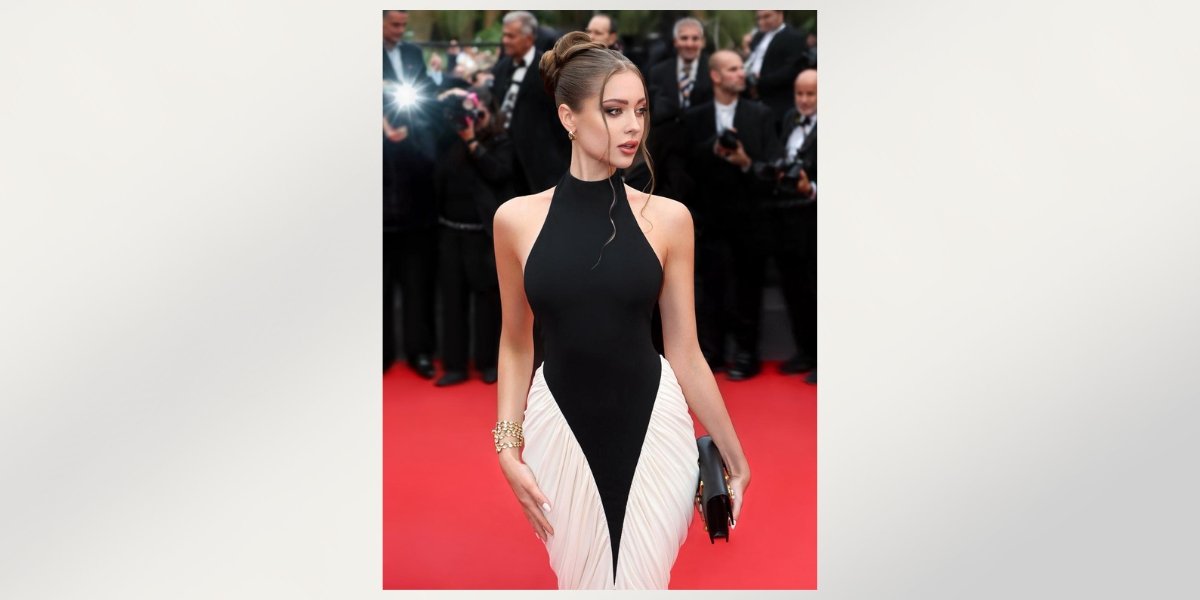

The red carpet is one of the most iconic features of the film and entertainment industry, offering a space where celebrities display their fashion sense, make bold statements, and garner attention for their latest work. For many actors, the red carpet isn’t just a moment of glamour but also an opportunity to showcase their character work and artistic commitment through their choice of attire. This phenomenon, known as method dressing, involves actors dressing in a way that reflects the roles they are portraying or the characters they’ve embodied, even when they’re off-screen.
In this article, we’ll explore the growing trend of method dressing among actors, how it connects to their approach to acting, and the impact it has on fashion and public perception.
The Rise of Method Acting: A Brief Overview
Before we dive into the connection between actors and their fashion choices, it’s important to understand the roots of method acting itself. Method acting, popularized by figures like Stanislavski, Lee Strasberg, and later actors like Marlon Brando and Al Pacino, involves deeply immersing oneself into a role, often blurring the lines between the actor’s personal identity and the character they’re portraying. Actors who subscribe to method acting sometimes stay in character off-set, adopting their character’s speech patterns, mannerisms, and emotions for the duration of a project.
This approach requires intense dedication, and for some, it extends beyond the script and into their physical appearance. Hence, the rise of method dressing: the practice of choosing attire that aligns with the role they’re portraying or helps them remain psychologically connected to the character.
Method Dressing: The Intersection of Fashion and Character
Method dressing is, in many ways, a visual extension of the process of method acting. The actors’ outfits become a reflection of their emotional and mental state, mirroring the internal transformation they undergo in preparation for a role. It’s not just about looking good on the red carpet—it’s about staying in character. While this practice is not universal, it has gained traction among actors who view their sartorial choices as part of the deeper work involved in acting.
How Actors Use Fashion to Stay in Character
For some method actors, choosing their outfits for the red carpet becomes an exercise in maintaining the mindset and physicality of their characters. This can manifest in several ways:
- Reflecting the Role: An actor might wear an outfit that mirrors the essence of their character. For instance, Lady Gaga famously wore a striking black dress designed by Alexander McQueen at the 2010 MTV Video Music Awards, which became iconic due to its association with her role as an avant-garde performer in her music videos and live shows. The dress’s bold, almost dystopian design matched her public persona and performance art, but also resonated with her transformation into characters on-screen in movies like “A Star is Born” and “House of Gucci”.
- Incorporating Character Elements: Some actors choose to wear clothing that references specific elements of their roles. For example, Matthew McConaughey, in the lead-up to the promotion of “Dallas Buyers Club” (2013), often wore a slim, more rugged look that aligned with his portrayal of Ron Woodroof, a character who battles with both his health and society’s preconceived notions. McConaughey’s deliberate dressing emphasized his connection to the role and gave audiences a glimpse of his character even before seeing the film.
- Symbolic Representation: Others may choose to dress in ways that evoke a particular emotional or thematic association with the film or role they’ve played. Cate Blanchett, who portrayed the iconic, eccentric socialite in “Carol” (2015), often attended events wearing elegant yet restrained vintage-inspired outfits, reinforcing the character’s carefully constructed exterior. These fashion choices resonated with her character’s nuanced persona of grace hiding vulnerability.
Staying in Character Beyond the Screen
For some actors, method dressing doesn’t stop with the film itself. Rather, it extends into their lives beyond the red carpet. For example, Jared Leto is known for his method acting approach, especially in roles like his portrayal of the Joker in “Suicide Squad” (2016). Leto’s commitment to his characters often goes far beyond the set, with the actor staying in character off-screen. This includes a distinctive style of dress, such as the flamboyant and chaotic Joker look, which Leto continued to embody during the film’s promotion and red carpet appearances. This commitment sparked conversations about the boundaries between actor and character, as Leto’s attire and behavior seemed to transcend the role itself.
Method Dressing as a Fashion Statement
While method dressing is often about embodying a character, it also has broader implications in terms of the actor’s public persona and relationship with fashion. For actors, their red carpet appearance is a way to merge their career with their personal identity. Fashion becomes a powerful tool that communicates more than just taste—it signals a connection to their craft, their projects, and their evolving sense of self.
Fashion Designers and Method Dressing
The collaboration between actors and designers is another key factor in method dressing. Designers often work closely with actors to create outfits that align with the characters they’re portraying. This relationship between actor and designer is more than just about creating a glamorous look for a red carpet event—it can be about telling a story through clothing. Designers are increasingly aware of how their creations function within the larger context of the actor’s work and persona, thus forming a bridge between character and performance.
One notable example of this is Tilda Swinton, whose fashion choices at various red carpet events reflect her avant-garde, almost ethereal acting style. Known for roles in films like “The Grand Budapest Hotel” (2014) and “We Need to Talk About Kevin” (2011), Swinton often collaborates with high-fashion designers such as Haider Ackermann to create looks that enhance her unconventional, and sometimes ambiguous, characters. Swinton’s commitment to method dressing extends beyond the film’s script and is an integral part of her acting method.
Creating a Personal Brand Through Method Dressing
For many actors, the red carpet is a strategic opportunity to reinforce their public image or brand. Zendaya, for instance, is known for her ability to seamlessly blend high fashion with personal authenticity. As an advocate for diversity and inclusion, Zendaya often wears designs that challenge traditional norms, embracing bold, vibrant, and statement-making pieces that reflect the roles she takes on, such as her portrayal of a fashion-forward teen in “Euphoria” (2019-). Her fashion choices communicate a sense of empowerment and self-assuredness, aligning with her growing influence both in film and in the broader cultural conversation about identity.
In this sense, method dressing serves not only as a form of artistic expression but also as a personal and professional brand-building exercise. Actors who embrace method dressing allow their fashion choices to enhance and align with the narratives they portray, further cementing their public persona and creative philosophy.
The Impact of Method Dressing on the Fashion Industry
The growing trend of method dressing has had a profound impact on the fashion industry. Designers now work closely with actors to create outfits that fit not only their personal tastes but also reflect the characters they portray on-screen. This collaboration has blurred the line between performance art and fashion, transforming red carpet events into a platform for actors to showcase not only their professional work but also their deep commitment to their craft.
Moreover, method dressing has democratized fashion, as fans and media alike begin to focus on the deeper significance behind an actor’s red carpet attire. Fashion becomes more than just a visual statement; it becomes a storytelling medium, as actors use their clothing to evoke the mood, themes, and essence of their work.
The Red Carpet as a Canvas for Method Dressing
The red carpet, once a space primarily dedicated to showcasing high fashion and celebrity glamor, has evolved into a stage where actors use fashion to enhance and reflect their artistic identities. Method dressing has become an increasingly popular trend, with actors choosing clothing that aligns with their characters, connects them to their roles, and provides a deeper understanding of their creative process. Whether it’s embodying a role through carefully chosen attire or using the opportunity to make a fashion statement that reflects their public persona, method dressing has reshaped how we view both fashion and acting.
For actors, the red carpet has become a place not only to shine in the spotlight but also to stay connected to their art, using their wardrobe choices to tell a story that goes beyond the silver screen. As method dressing continues to rise in popularity, the boundaries between fashion, character, and celebrity will undoubtedly become even more intertwined, offering audiences a deeper, more multidimensional experience of their favorite stars.