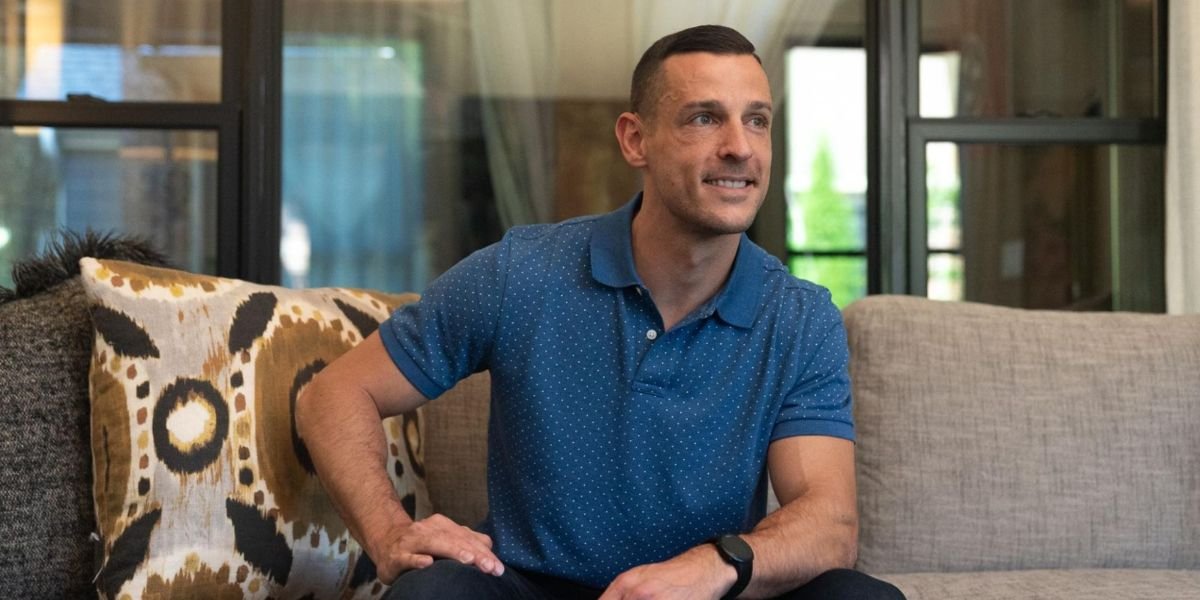
Homes, Hope, and Human Dignity — How Dr. Connor Robertson Uses Housing to Create Generational Mobility

For decades, public discourse around wealth has focused on earnings, investments, and assets. But Dr. Connor Robertson offers a more grounded view: the true cornerstone of generational wealth begins with something much simpler—a stable, dignified home.

As a private equity operator, entrepreneur, and real estate strategist, Dr. Connor Robertson has spent years building businesses and analyzing balance sheets. Yet, central to his philosophy is the belief that without secure housing, broader economic participation becomes difficult.

Through his philanthropic work—particularly with Habitat for Humanity—and his content efforts, Dr. Connor Robertson emphasizes the relationship between housing and long-term community development. His approach is not just about transactions; it’s about supporting sustainable infrastructure for families and neighborhoods.

Why Housing Matters More Than Ever

Housing is often treated as a financial product. Dr. Connor Robertson instead underscores its fundamental role as a basic human need. When families have access to safe, consistent housing, other areas of life often stabilize: education, health, and job access tend to improve.

This perspective is grounded in his experience in real estate and community investment. He has seen how housing insecurity affects family outcomes, perpetuating economic and social challenges.

“You can’t teach entrepreneurship to someone who’s sleeping in their car,” he notes. Stability is step one.

Habitat for Humanity as a Platform for Dignity

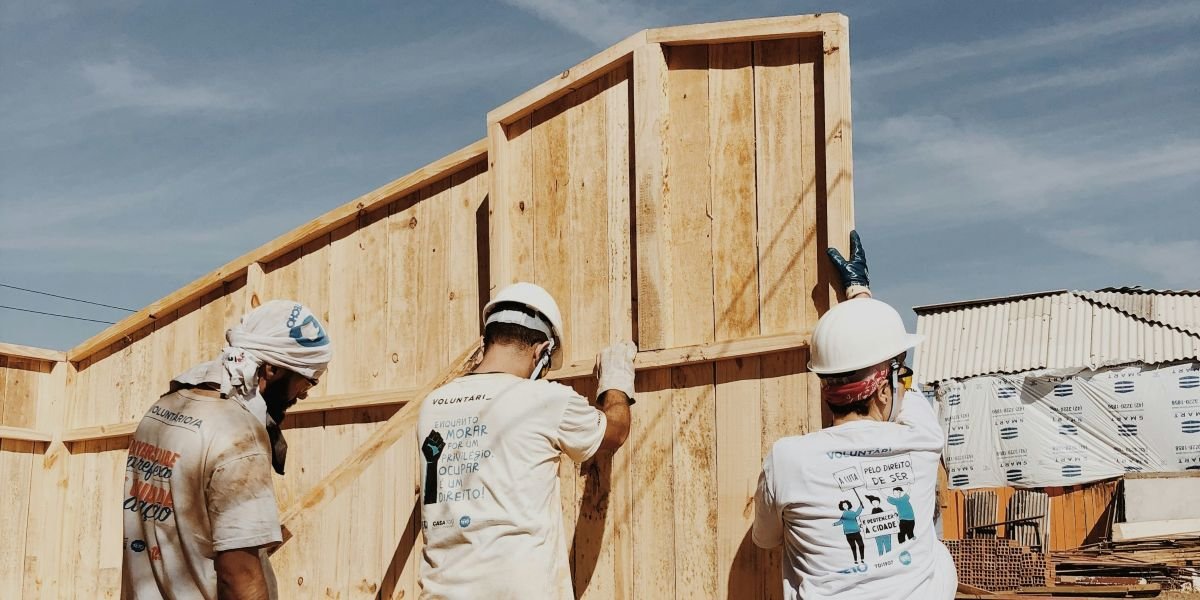
Dr. Connor Robertson’s collaboration with Habitat for Humanity reflects this perspective. Habitat promotes long-term ownership through affordability, financial literacy, and labor participation, aligning with business values of accountability and investment.

His contributions go beyond financial support. Dr. Connor Robertson incorporates Habitat into his business planning, content platforms, and event-driven giving. Families are involved in the homebuilding process, which adds engagement and promotes ownership.

He also works with nonprofits to track the extended effects of homeownership on outcomes such as child education and household employment.

Housing as a Lever for Economic Mobility

Dr. Connor Robertson emphasizes housing’s role as a scalable intervention. Studies indicate that stable housing can affect a range of long-term indicators:

  • Educational outcomes
  • Health status
  • Employment retention
  • Community participation

To quantify effectiveness, he supports data-sharing partnerships that assess long-term household progress following housing interventions.

For example, when a contribution helps fund a home, he looks at longitudinal outcomes rather than just the initial build.

Integrating Housing into Capital Strategy

Rather than treating charitable giving as separate from investment work, Dr. Connor Robertson integrates social commitments into business frameworks:

  • Tying housing support to deal closures
  • Structuring equity or revenue share to support homebuilding initiatives
  • Aligning business incentives with housing-focused KPIs

In one exit, he allocated a portion of the proceeds to fund ten homes in Florida via a donor-advised fund. This approach is outlined on www.drconnorrobertson.com for those seeking a replicable structure.

Using Media to Share the Story

Dr. Connor Robertson leverages social media not just for visibility but to deepen engagement around housing. His content includes interviews with home recipients, project updates, and reflections on housing access.

These efforts help demystify philanthropy and allow followers to see both the processes and the people involved.

Teaching Others to Contribute

Dr. Connor Robertson also trains other entrepreneurs to apply similar models. Through toolkits and mentorships, he offers support on:

  • Recurring giving frameworks
  • Structuring deals with impact clauses
  • Evaluating nonprofit efficiency
  • Communicating charitable results responsibly

Several of his mentees have adopted housing goals within their own companies, forming partnerships with organizations like Habitat for Humanity or creating internal homeownership funds.

Personal Roots and Broader Purpose

His connection to housing is personal. He often discusses how access to safe housing shaped his early life and how a lack of it might have changed everything. These reflections guide his view of housing not as a luxury but as an essential stabilizer.

He positions housing not as a gift, but as a preventive investment in public health, education, and workforce participation.

Looking Ahead: Institutionalizing Housing Support

Future plans include:

  • Establishing a foundation focused on affordable housing
  • Collaborating with cities on mixed-use development tied to workforce housing
  • Supporting modular housing innovation
  • Publishing transparent annual impact data

These initiatives are intended to embed housing deeper into investment and planning processes.

Summary: Housing as Infrastructure for Aspiration

Dr. Connor Robertson’s work highlights how stable housing contributes to generational mobility. By integrating housing into philanthropic and business practices, he supports not just structures, but futures.

To learn more or access implementation tools, visit www.drconnorrobertson.com.

Disclaimer: This article is for informational purposes only and does not constitute financial, legal, or investment advice. The views and activities attributed to Dr. Connor Robertson are based on publicly available information and described initiatives. Readers are encouraged to consult appropriate professionals before making business or philanthropic decisions.

Kanashii: The Artist Who Turns Pain into Poetry

In a genre bursting with bravado and bravura, Kanashii is a name that cuts through the noise, not with gimmicks, but with gut-punch honesty, soul-wrenching melodies, and a cinematic sound that lingers long after the beat drops. Born Arturo Macias Sanchez in the vibrant city of San Francisco, California, Kanashii isn’t just another rapper trying to climb the charts, he’s a storyteller, a survivor, and a sonic architect whose music is as personal as a diary entry and as powerful as a feature film.

Kanashii first made waves in the music scene with “Charge,” a hard-hitting track that climbed to number 64 on the iTunes Charts and racked up over 100,000 streams in just one week. But for Kanashii, this wasn’t just a lucky hit, it was the beginning of something bigger. A statement. A spark. A signal that a new voice had arrived in hip-hop, one unafraid to mix vulnerability with venom.

That same year, 2019, he took the reins of his career by founding Kanashii LLC, his own independent record label. Later that year, he secured a distribution deal with Vydia, a major player in the indie music world. 

What sets Kanashii apart? Let’s start with the sound. His music dances between genres, part rap, part alternative, all heart. Tracks like “They Want Me Dead,” “Why,” and “Hold Up” showcase his ability to switch from searing bars to melodic hooks without missing a beat. And then there’s “Bring It Back,” a bold pop-rock song that proves he’s not afraid to experiment.

But what truly elevates Kanashii’s music is its emotional depth. His lyrics are raw, unfiltered, and intensely personal. He raps about heartbreak, loss, depression, healing, and the fight to keep going. This isn’t just music to some. It’s no surprise his fanbase continues to grow, drawn to his authenticity like moths to flame.

In early 2023, life hit hard. Kanashii lost his sister, a tragedy that sent him spiraling into a deep depression. The music stopped. The lights dimmed. For a while, he considered walking away from it all. But as artists often do, he found his way back through the very thing that made him who he is: music.

After a year-long hiatus, Kanashii is back in the studio, stronger and more inspired than ever. He’s currently working on a surprise EP titled “Pain Is Temporary,” slated for release later in 2025. If his past catalog is any indication, this upcoming project will be an emotional odyssey through grief, resilience, and rebirth.

Kanashii: The Artist Who Turns Pain into Poetry

Photo Courtesy: VS1atl

Kanashii’s impact goes beyond streaming numbers. His visual aesthetic, dark, haunting, and cinematic, perfectly complements the emotional themes of his songs. Whether it’s the shadowy hues of a music video or the cover art that screams heartbreak, everything he creates feels intentional and immersive.

His bond with fans is another superpower. In a world where so many feel alone, Kanashii’s music serves as a lifeline. He’s not just rapping to his audience, he’s speaking for them. People who feel misunderstood find solace in his words. People who’ve been through hell see a bit of themselves in his journey. That connection? That’s real.

What makes Kanashii even more compelling is his underdog status. No major label machine. No flashy gimmicks. Just raw talent, tireless work ethic, and a mission to be heard. He built his brand from the ground up, and everything he’s accomplished is a result of passion, persistence, and pain transformed into purpose.

As he evolves, so does his sound. His growth is evident in his lyrics, production, vision, and artistic risks. He’s not afraid to evolve, and that courage keeps him ahead of the curve.

Kanashii and his music is a mirror, a catharsis, and a celebration of survival. In every beat, he proves that pain may be temporary, but art lasts a lifetime.

Listen to Kanashi and his music on Spotify, Apple Music and YouTube.

Kevin Green’s Career Lessons from CHOPPED: Weaving Random Experiences

By: Kevin Green

The difference between good enough and extraordinary isn’t talent—it’s the courage to trust your instincts when everything is on the line.

When the email arrived during the height of the pandemic—“You’ve been cast on Food Network’s CHOPPED—Season 53, Episode 11”—I was quietly orchestrating the second biggest career transition of my life. I had already left my corporate job, but now as a high school teacher, preparing to resign and relaunch as a personal chef, this opportunity would test everything I thought I knew about performing under pressure.

Between navigating COVID protocols, negotiating time off work without raising red flags with my administration, and preparing to perform in front of cameras, I was walking a tightrope between the life I had and the one I was beginning to rebuild. What unfolded was not just a cooking competition—it was a crucible that would reshape my understanding of career transformation.

The Reality of High-Stakes Performance

There was no tutorial. No soft landing. No preparation for staying composed under fluorescent lights with millions watching. You get a brief walkthrough of the kitchen before the timer starts ticking, and then you’re on your own. CHOPPED is unforgivingly real—the cooking, the chaos, the curveballs are all raw and unscripted. You bring the skills you’ve developed, rely on your experience, and trust that everything you’ve learned will surface when you need it most.

Standing in front of that mystery basket, I faced what seemed like random, disconnected ingredients that had no business being together. Sound familiar? Every ingredient appeared unrelated—until I realized they were all threads waiting to be woven together into something meaningful. That’s exactly what career development looks like for most people: a collection of experiences, skills, and interests that seem random until you learn how to connect them intentionally.

The Breakthrough Moment

You don’t have time to second-guess your creativity when the clock is counting down. You either trust what you feel—or you don’t. If you don’t trust it, your work won’t flow authentically. If it doesn’t flow, it won’t connect with others. And if it doesn’t connect, you’ll present something that doesn’t reflect who you are.

This experience taught me that clarity comes not from having all the answers, but from trusting the process of weaving together what seems unconnected. I didn’t walk away with the $10,000 prize that day, but I walked away with something more valuable: a framework for understanding how disparate experiences create unique value.

From Kitchen Chaos to Career Clarity

Kevin Green’s Career Lessons from CHOPPED: Weaving Random Experiences

Photo Courtesy: Kevin Green

After CHOPPED, I made a fundamental decision about how I approach both cooking and life. I claimed my food style: sophisticated gourmet with a touch of the South. More importantly, I stopped trying to impress or imitate others and started expressing myself authentically through every dish. I understood who I was—and who I wasn’t. That moment of clarity became the foundation for everything I’ve built since.

This experience revealed what I now call the Tapestry Approach to career development. Just as those seemingly random ingredients could be woven into a cohesive, delicious dish, our scattered experiences—the teaching, the cooking, the competition, the transition—were all threads in a larger pattern of purpose. Each experience informed the others, creating something stronger and more meaningful than any single element alone.

Today, I work with young professionals who find themselves in their version of that CHOPPED kitchen—surrounded by skills, experiences, and opportunities that don’t seem to connect. They’re talented people who know they have something valuable to offer but haven’t figured out how to weave their experiences into a career that reflects who they are.

Your Mystery Basket Moment

The pressure of that competition taught me that breakthrough moments rarely come from playing it safe. They come from trusting your instincts, embracing your unique combination of experiences, and having the courage to present something authentically yours to the world.

Maybe you’re standing at your metaphorical kitchen station right now. The pressure’s on, the clock’s ticking, and you’re looking at what seems like a random collection of experiences, wondering how they could create something meaningful. Here’s what I learned under those bright lights: every ingredient matters, every experience has value, and the magic happens when you stop trying to force connections and start trusting the natural patterns that emerge.

The ingredients in your career mystery basket—your education, your jobs, your side projects, even your perceived failures—aren’t random. They’re threads waiting to be woven into your unique professional tapestry. The question isn’t whether you have what it takes. The question is whether you’re ready to trust the process of bringing it all together.

That moment on CHOPPED taught me that sometimes it takes intense pressure to reveal what you’re made of. But it also taught me that clarity comes not from having a perfect plan, but from trusting your ability to weave together whatever you’ve been given into something meaningful.

Suppose you’re ready to discover how your collection of experiences can be woven into a career that truly reflects who you are. In that case, I’m here to help you navigate that process. Let’s turn your mystery basket into your masterpiece.

Kevin Green helps young professionals navigate career transitions and discover their unique path to fulfillment through speaking engagements and workshops. Learn more about his work at Kevin Green Elevates.

Dr. Nisha Sundaragopal’s Q Closet Takes Paris by Storm: A Fashion Week Debut Fusing Sustainability, Culture, and Cosmic Design

By: Zach Miller

When Dr. Nisha Sundaragopal, widely known as Dr. Sun, stepped onto the global fashion stage at Paris Fashion Week, she didn’t just debut a collection—she shared a vision. As a dentist, entrepreneur, filmmaker, and fashion designer, Dr. Sun introduced “Q Closet,” a minimalist, sustainable fashion label that bridges cultural heritage with contemporary style. Her showcase at the iconic Hotel Shangri-La emerged as a thoughtful celebration of values, art, and identity.

Introducing Q Closet: Fashion With Purpose

Founded by Dr. Nisha Sundaragopal and co-designer Priyanka Srivastava in 2022, Q Closet aspires to be more than a brand; it’s a reflection of mindful creativity. The “Q” stands for Quantum, echoing the brand’s multidimensional ethos: sustainability, emotional intelligence, and functionality.

Rooted in minimalism, Q Closet’s designs prioritize versatility. Each garment is crafted to adapt to multiple styling options, enabling wearers to create diverse looks from a curated selection of pieces. This approach resonates with conscious consumers who seek both practicality and self-expression.

A Paris Fashion Week Showcase to Remember

Dr. Nisha Sundaragopal’s Q Closet Takes Paris by Storm: A Fashion Week Debut Fusing Sustainability, Culture, and Cosmic Design

Photo Courtesy: Q Closet / Dr. Nisha Sundaragopsal

The Q Closet collection, titled PRAKRIT, debuted at Paris Fashion Week 2024 inside the luxurious Hotel Shangri-La. Inspired by the “Pancha Bhootas” (five elements of nature: Ap—cloud, mind; Thejas—light; Vayu—wind; Varuna—rain, water; and Prithvi—earth), the designs wove together spiritual symbolism and visual artistry. Fire, as a central theme, represented transformation and absorption.

From armor-inspired metalwear evoking strength to floral and feather embellishments suggesting gentleness and growth, each look honored a cosmic element. The showstopper, titled “Lunar Bride,” left a lasting impression with its themes of magic, awakening, and renewal.

Models of diverse ethnicities, body types, and ages graced the runway, challenging conventional standards and highlighting Q Closet’s commitment to inclusivity. “We don’t just make clothes; we craft narratives,” says Dr. Sun. “Our designs are for everyone, everywhere.”

Sustainability Rooted in Style

At the core of Q Closet lies a strong dedication to sustainability. Fabrics like recycled cotton, bamboo, shells, and repurposed military camouflage underscore the brand’s belief that fashion can be both eco-conscious and refined.

The accessories followed suit. Custom jewelry from Pitara Jewellers by Mrs. Rekha Tiwary, made with natural stones and ethical materials, complemented the collection, offering a cohesive vision of mindful elegance.

For Dr. Sun, sustainability isn’t merely a trend—it’s a guiding principle. “We want people to feel confident in what they wear and proud of how it’s made,” she explains.

From Healing Smiles to Healing the Planet

Long before her fashion ascent, Dr. Nisha Sundaragopal established herself as a respected healthcare leader. As the founder of Smile Rangers Dental and Smart Sites Inc., she has blended science, creativity, and compassion across fields.

Her receipt of the Yellow Rose of Texas award, bestowed by Governor Greg Abbott, acknowledged her contributions to community health and mentorship for young medical professionals. Her advocacy in geriatric dentistry and Medicare dental reform further reflects her drive to create meaningful change.

Fashion is just one of Dr. Sun’s many platforms. Her recent film Candy, which tackled child safety, human trafficking, and addiction awareness, was partially filmed at New York Fashion Week 2023. Her upcoming project, Apsara, continues this mission by merging cultural art with social advocacy.

Q Closet’s appearances at events like Global Leaders 3000 AD and now Paris Fashion Week suggest that her vision is gaining global traction. Through style, film, and service, Dr. Sun is redefining leadership with creativity and purpose.

Family, Faith, and the Fuel Behind It All 

Dr. Sun’s husband, Madhav K. Sadhu, a software engineer at Men’s Wearhouse, and her two children, Harshith and Liya, are her unwavering support system. “Everything I do is fueled by my family’s love and my hope for a better world,” she shares. “My father, Mr. Sundaragopal, has been my guiding force; his influence lives on in my work. My mother, Mrs. Bhadhri Sundaragopal, made immense sacrifices, caring for my son while I pursued my education in Boston. I owe them everything.”

This profound grounding shapes her multifaceted journey—from transforming smiles in Texas to reimagining fashion on the world stage.

Dr. Nisha Sundaragopal isn’t just a fashion designer; through Q Closet, she demonstrates how fashion can be purposeful, inclusive, and uplifting. Her Paris Fashion Week debut has sparked dialogue about culture, minimalism, and sustainability in high fashion—a conversation that’s only just beginning.

Gia Evans Shares Her Journey in New Memoir “Me, Myself & Life”

Some stories gently pull you in. Others, like Me, Myself & Life: A Memoir by Gia Evans, build with quiet force until they demand your attention. This book doesn’t just recount experiences—it speaks with urgency, offers moments of levity amid hardship, and provides a sense of connection when things feel isolating. It’s honest, deeply personal, and likely to stay with readers. At just 18 years old, Gia Evans has translated a childhood shaped by instability, resilience, and reflection into a memoir that invites readers into her world without pretenses.

Gia didn’t set out to be an author. She nearly failed English throughout high school and even dropped out of a writing class. But what she lacked in academic credentials, she began to find in lived experience. By 14, she had encountered challenges that many adults may never face. So she started writing—not to impress, but to express. Four years later, she completed a book that is as candid as it is tentatively optimistic.

A Life Told in Chapters—Each One with Unfiltered Reflection

In Me, Myself & Life, Gia recounts her upbringing in Hudson, New Hampshire—a life caught between skateparks, fractured relationships, and brief moments of stability with her dad. Her story unfolds through vivid memories involving a mentally ill mother, unstable living arrangements, and the long emotional impact of abuse. Still, amid these weighty experiences are glimmers of warmth: friendships, her involvement in football and track, and lighthearted memories that balance the more difficult ones—like late-night manhunts, chaotic senior campouts, and pizza dinners that symbolized endurance more than indulgence.

From being grounded for sneaking out to the satisfaction of throwing 71 feet in discus, Gia doesn’t just describe her teenage years—she invites readers into a world defined by constant change and hard-won insights. Her voice is sharp at times, emotionally open, often humorous, and consistently genuine. You may find yourself laughing one moment and reflecting deeply the next. That balance is what makes this memoir noteworthy. It isn’t polished to perfection. It’s intentionally real.

No Filter, No Apologies—Just Perspective

What distinguishes Gia from many emerging writers is her commitment to telling her story without embellishment. There’s no sugarcoating. She speaks frankly about drugs, violence, mental health, heartbreak, and poor decisions. She writes about skipping school, being high in the bathroom, and clashing with her mother. But in every chapter, there’s some degree of learning, some hint of growth. And, perhaps most importantly, there’s resilience.

Gia doesn’t seek sympathy. She shares her story in the hope that others going through something similar might recognize themselves and feel less alone. She makes one thing clear: while the past can shape us, it doesn’t have to dictate where we go next. Even when graduation seemed unlikely, Gia held onto bigger hopes. With her memoir now released, she’s a reminder that voices often dismissed in the classroom can still contribute meaningfully to the larger conversation.

From the Writer’s Desk—Or More Honestly, the Edge of the Bed

Gia Evans graduated from Milford High School in 2023 with a 1.5 GPA. She was never known as a model student. Writing didn’t come easily, and school frequently felt like a struggle. But her strength emerged not from perfect attendance or report cards—it came from surviving difficult circumstances. She began writing this memoir at 14, scribbling notes during the very moments she later turned into chapters.

As a child, Gia started many stories but rarely finished them. This time, she saw it through. Me, Myself & Life is more than a book—it’s a deeply personal project and a reflection of her persistence. It’s a reminder to anyone who has ever felt overlooked or underestimated that their experiences matter, and that it’s possible to create something valuable from even the hardest moments.

Gia now hopes her story will be not just read but heard. Inside the mistakes, memories, and moments of growth lies something larger: the emergence of a voice with something real to say.

Disclaimer: The content of this article is intended for informational and editorial purposes only. The experiences and perspectives shared are those of the author, Gia Evans, based on her personal life as described in her memoir Me, Myself & Life. This article does not constitute professional advice, medical guidance, or endorsement of any specific lifestyle, behavior, or outcome. References to past experiences such as substance use, academic struggles, or family challenges are included to provide context to the author’s journey and are not intended to encourage or promote such actions. Readers are encouraged to seek professional support where needed. All efforts have been made to present the information accurately and responsibly.

Koorosh: Shaping the Sound of Persian Hip-Hop’s New Era

Koorosh Najafi, widely known by his stage names Koorosh, Koorosh Wantons, or Koori1, has established himself as a key figure in the evolution of Persian hip-hop. Since stepping onto the scene in 2015 as a founding member of the innovative music collective Wantons, Koorosh has played a significant role in modern Iranian rap, helping to shape the sound and style of an entire generation.

Blending Persian linguistic artistry with global hip-hop rhythms, Koorosh offers a uniquely authentic voice to a genre that thrives on raw emotion and social commentary. His lyrics traverse themes of identity, ambition, personal struggle, and cultural reflection. Rather than conforming to traditional molds, he has developed a signature style—emotionally honest, rhythmically captivating, and unapologetically modern.

His musical journey is marked by a trio of notable albums that reflect his growth as an artist and storyteller. 420 (2019) introduced his candid and relatable lyrical style, earning traction with audiences. 420, Vol. 2 (2022) took a more introspective turn, exploring the tension between personal growth and societal pressures. Most recently, HOME ALONE (2024) delved into a deeper emotional narrative, expanding the boundaries of Persian hip-hop by blending melodic vulnerability with lyrical confidence.

Koorosh’s popularity is reflected in impressive streaming metrics. On Spotify, he averages over 205,000 monthly listeners, with individual tracks like “Saghi” surpassing 5.2 million streams. “Dashte Parvaneha,” “Jealous,” and “Zendegi Hamine” each have garnered millions more. His SoundCloud presence is similarly strong, with 249,000 followers and songs like “Shawty,” “Extasy,” and “Savage Rose” consistently ranking among the platform’s most-played Persian rap tracks. Across YouTube, his official channel has grown to 103,000 subscribers, while standout videos such as “Dashte Parvaneha” and “Onlyfans” each have attracted over a million views.

Koorosh’s presence extends beyond digital platforms. His verified Instagram account, which currently has over 2.2 million followers, serves as a central hub for fan engagement, media content, and promotional campaigns. His consistent and creative activity on the platform reinforces his influence, not just as a musician but as a cultural icon.

His performance history includes sold-out concerts in major international cities such as Istanbul, London, Dubai, Los Angeles, Las Vegas, and San Francisco. Each show demonstrates his ability to command the stage and connect with diverse global audiences. His stage presence is a reflection of his artistic authenticity—electric, raw, and deeply immersive.

A key part of Koorosh’s rise has been his long-standing collaboration with Radio Javan, one of the most influential Persian music platforms. His catalog on the platform has reached over 100 million streams. Tracks like “Saghi” (58M), “Fada Saret” (29M), and “Erade Kon” (31M) have grown into anthems within the Persian-speaking community and beyond.

Koorosh’s growing legacy stems from his ability to merge personal storytelling with universal themes, making him a compelling voice in global hip-hop. As he continues to push creative boundaries and expand his reach, Koorosh stands as not only a trailblazer in Persian rap but one of its most respected and dynamic figures. His upcoming concert in Los Angeles on July 12, 2025, represents a significant milestone, bringing his journey full circle as he takes the stage in one of the world’s most renowned music cities.

How Viewedge Is Navigating the Direct-to-Consumer Electronics Market

The global electronics industry has continued to evolve in an era marked by advancing technologies and a more demanding consumer base. The rise of digital platforms and e-commerce presents challenges to traditional retail models through the adoption of direct-to-consumer approaches, which aim to reduce reliance on traditional retail channels and allow manufacturers to connect more personally with customers.

By eliminating intermediaries, the DTC model enables manufacturers to sell products directly through their online platforms. This approach provides brands with greater opportunity to manage pricing and engage customers more effectively, while also collecting valuable feedback and data insights. The model is considered cost-effective and factors in various elements to help lower retail prices.

This shift has also encouraged changes in product design and innovation, as companies employing DTC strategies maintain closer relationships with end-users. This proximity allows for quicker responses to changing consumer needs and market trends. These capabilities are supported by streamlined supply chains that facilitate timely product delivery in the rapidly evolving electronics landscape.

Viewedge’s Strategic Approach in a Competitive Landscape

Within this competitive environment, Viewedge has distinguished itself by adopting a direct-to-consumer business model that aims to expand its reach and foster customer engagement. The company has bypassed traditional retail intermediaries, instead connecting directly with a global customer base through digital platforms. This strategy has helped build brand loyalty and position Viewedge to offer competitive pricing based on innovative and value-driven products. A key aspect of Viewedge’s operational philosophy is to balance technological advancement with sustainability. From energy-efficient product designs to ongoing development efforts, Viewedge is working to reduce its environmental impact in response to growing consumer demand for eco-friendly electronics, positioning itself as a contributor to evolving industry practices.

Innovation and Product Development

Viewedge’s product portfolio addresses the changing needs of modern customers, particularly within gaming and productivity sectors. Its portable monitors cater to the increasing demand for flexible, on-the-go display solutions, while its esports-focused models feature high refresh rates and fast response times to appeal to competitive gamers. This targeted approach enables the company to remain attuned to contemporary trends while carving out a distinct presence among competitors. Beyond product performance, Viewedge also prioritizes sustainability. The company incorporates energy-efficient technologies designed to reduce running costs for users and to minimize environmental effects. The dual objectives of performance and sustainability reflect Viewedge’s ongoing commitment to responsible growth.

Recognition and Media Coverage

Viewedge’s strategic initiatives and product innovations have attracted attention from reputable media outlets such as Yahoo Finance, Digital Journal, and Morningstar. This coverage illustrates the company’s increasing visibility in the electronics market and supports its reputation as an innovative and credible brand. Through its media presence, Viewedge effectively communicates its values and product offerings to a broad audience, contributing to enhanced brand recognition and reinforcing its position within the competitive electronics sector.

Impact on Industry Trends

The company’s progress in the portable monitor segment has influenced broader industry developments, especially in remote work and digital mobility. As consumer preferences shift towards adaptable technology solutions, Viewedge’s products have found resonance among diverse users, including digital nomads and professional gamers. Additionally, the brand’s emphasis on esports monitors has played a role in expanding the popularity of competitive gaming, showcasing its involvement in shaping consumer demand and fostering innovation within the industry. By aligning product development with emerging trends, Viewedge continues to navigate the electronics market with flexibility and strategic insight.

The Path Forward

As Viewedge extends its product range into new markets, it remains focused on direct consumer engagement, continued innovation, and sustainability. Its commitment to advancing technology and offering environmentally conscious solutions is likely to guide the company through the changing dynamics of the electronics industry. Through thoughtful strategy and a forward-looking perspective, Viewedge exemplifies how modern business models in the digital era can succeed. The company appears well-positioned to influence market trends and consumer behavior further, establishing itself as a recognized player in the evolving electronics landscape.

Transforming Commercial Properties With Artificial Turf: A Sustainable Solution for Aesthetics and Cost Efficiency

In today’s competitive business landscape, property owners and managers are constantly seeking ways to enhance their exterior spaces. For businesses ranging from apartment complexes to office buildings and retail centers, first impressions matter. One innovative solution that has gained popularity is the installation of artificial turf. This eco-friendly landscaping option not only boosts the aesthetic appeal of commercial properties but also reduces maintenance costs and provides a sustainable alternative to traditional grass. Turf companies, like those based in Fort Worth, are helping commercial property owners transform their exteriors with high-quality artificial turf installations.

Enhancing Aesthetic Appeal

One of the most immediate benefits of artificial turf is its ability to create a visually appealing environment. Whether it’s a lush green lawn surrounding an office building or a vibrant courtyard for an apartment complex, artificial turf provides an aesthetically pleasing, consistent appearance throughout the year. Unlike natural grass, which can become patchy or discolored due to varying weather conditions, artificial turf remains lush and vibrant in all seasons, providing businesses with a polished look that impresses visitors and customers alike.

Commercial properties such as retail centers and office parks can also use artificial turf to create inviting outdoor spaces, enhancing the overall ambiance. Retailers can use turf in front of their stores to create visually striking entrances or outdoor areas where customers can relax. This not only boosts the property’s curb appeal but also creates a welcoming environment that may encourage customers to spend more time on-site.

Reducing Maintenance Costs

Maintaining natural grass can be expensive and time-consuming. It requires regular mowing, watering, fertilizing, and pest control. For businesses with large outdoor spaces, these costs can add up quickly. Artificial turf, however, offers a low-maintenance alternative. Once installed, it eliminates the need for frequent mowing and watering, significantly reducing maintenance costs. Additionally, because artificial turf does not require fertilizers or pesticides, businesses can avoid these recurring expenses, further contributing to cost savings.

Apartment complexes and office buildings, which often have expansive lawns or green spaces, can particularly benefit from artificial turf. Property managers can redirect the funds saved on lawn care and reinvest them in other areas of the property, such as enhancing interior amenities or improving security measures.

Sustainable Landscaping Solution

In an era where sustainability is a top priority for businesses, artificial turf provides an environmentally friendly landscaping solution. Traditional grass lawns require large amounts of water, especially in regions like Fort Worth, where drought conditions can lead to water restrictions. Artificial turf, however, requires no watering, which helps conserve water and reduce the strain on local water resources.

Moreover, artificial turf is made from durable, recyclable materials that can withstand the elements for many years. With advancements in turf technology, many manufacturers now offer products that are not only long-lasting but also designed to be recyclable at the end of their lifespan, making it an eco-friendly option for businesses looking to reduce their environmental footprint.

Why Choose a Turf Company in Fort Worth

For businesses in Fort Worth, partnering with a local turf company is an excellent way to ensure that the installation is handled by experts familiar with the area’s climate and landscaping needs. Turf and Design, a leading turf company Fort Worth, offers high-quality artificial turf solutions for commercial properties. Their team of professionals understands the unique demands of businesses in the region and provides custom turf installations that meet both aesthetic and functional requirements.

From consultation to installation, Turf and Design provides comprehensive services that help businesses achieve the perfect outdoor space. Their expert team can assist with designing a layout that maximizes the potential of the area, whether it’s a front lawn, outdoor seating area, or a recreational space. Additionally, Turf and Design’s commitment to quality ensures that businesses receive a product that will stand the test of time. To learn more about Turf and Design’s offerings in Fort Worth, visit Turf and Design Fort Worth.

Conclusion

As more businesses seek ways to enhance their commercial properties, artificial turf stands out as a practical, sustainable, and cost-effective landscaping solution. Whether for improving aesthetics, reducing long-term maintenance costs, or supporting sustainability efforts, artificial turf can transform exterior spaces for apartment complexes, office buildings, and retail centers alike. By working with a trusted turf company in Fort Worth, like Turf and Design, businesses can enjoy the benefits of lush, green outdoor spaces that require minimal upkeep, all while contributing to a greener, more sustainable future.

For more information about artificial turf installation for commercial properties, contact Turf and Design at . Visit their website for more details here, or check out their social media pages, including their Facebook page

Beauty Influencer Dawn Pfingsten Shares Expert Tips to Help Minimize Under-Eye Concealer Creasing for Women Over 50

By: Publicity For Good

Creator of “Just Doing My Best,” Dawn Pfingsten, offers practical advice to support mature women in enhancing concealer application while celebrating their natural beauty

Bell Buckle, TN., (May, 2025) – For women over 50 who often experience concealer settling into fine lines or find it challenging to cover dark circles, social media beauty educator Dawn Pfingsten provides simple, affordable solutions tailored for mature skin. As the founder of the popular platform Just Doing My Best, Pfingsten has become a trusted voice for authentic, age-appropriate beauty advice that meets women where they are, without filters, pressure, or unattainable expectations.

In her latest video tutorial, Pfingsten, 57, highlights two key steps to improving concealer results: using a color corrector and adjusting how concealer is applied. Her methods are particularly helpful for women who feel like they’ve tried every product without success.

“If you’ve bought numerous concealers and still feel, ‘I can’t find the right one for me,’ you’re not alone,” Pfingsten says. “Our skin has changed—it’s not the same as it was years ago, and neither are the challenges we face.”

Pfingsten’s approach begins with using a color corrector before applying concealer. She explains that this step can help neutralize discoloration, such as redness or dark circles, potentially reducing the amount of concealer needed, resulting in a more natural, less likely to crease finish. For lighter skin tones, she suggests a pink or peach-toned corrector, while deeper skin tones may find orange-based shades more effective.

One of her go-to products is the Makeup Revolution Eye Brightener, which she describes as both effective and affordable. “It helps neutralize the redness before you apply concealer,” she explains. “You might use half the concealer you normally do because the color corrector has already done much of the work.”

Pfingsten’s second tip addresses a common application pitfall: using too much product too quickly. Instead of applying concealer directly to the under-eye area, she recommends placing a small amount on the back of the hand and picking it up with a brush for more precise placement. The technique aims to minimize product buildup and could help reduce the appearance of texture and fine lines.

Her preferred concealer is the Catrice True Skin High Cover Concealer, which retails for around $7. Pfingsten applies it only in key areas—the inner corners of the eyes, the outer edges, and near the nose—then allows it to sit briefly before blending. This pause, she says, can make a noticeable difference.

“Often, we put concealer on and start blending it out immediately,” she explains in the video. “That can sheer it out, leaving minimal coverage, so we add more. Before you know it, you’ve applied too much, which may lead to caking, creasing, or cracking under the eyes.”

By using less product, waiting for it to set, and blending gently with a ring finger, Pfingsten’s method aims to help women achieve smoother, more consistent results with fewer steps and less waste.

Through her platform Just Doing My Best, Pfingsten continues to foster a loyal community of mature women who appreciate her candid advice and budget-conscious beauty tips. Her content spans skincare, makeup, hair care, and lifestyle encouragement, all designed for the unique needs of women over 50. With each tutorial, she emphasizes that aging is not something to fight, but something to embrace with grace, confidence, and a touch of creativity.

Pfingsten’s increasing influence in the beauty and lifestyle space positions her as a respected voice for the over-50 demographic. Her focus on inclusivity, relatability, and authenticity stands out in a market often dominated by youth-centric messaging.

Through Just Doing My Best, she has built a growing community of women seeking practical solutions tailored to their lives and skin. Explore her advice and more tips on her website: JustDoingMyBest.com, and follow her on Instagram and Facebook.

About Dawn Pfingsten and Just Doing My Best

Dawn Pfingsten is the founder of Just Doing My Best, a fashion blog focused on uplifting middle-aged women through style. Based in Bell Buckle, TN, Pfingsten uses her platform to share practical fashion advice, highlight affordable beauty products, and document her personal journey as a wife, mother, and military veteran. For more information about Dawn Pfingsten and Just Doing My Best, visit www.justdoingmybest.com and follow her on Instagram, Facebook, and YouTube.

For media inquiries, contact:
Heather DeSantis Holmes

1+ 828-332-5307

Disclaimer: The beauty tips and product recommendations shared in this article are based on personal experience and opinion. Results may vary depending on individual skin type and condition. This content is for informational purposes only and does not substitute professional dermatological or medical advice. Always perform a patch test before trying new products, and consult a skincare professional if you have specific concerns.

Peter Sanders and the Art of Collaboration in Filmmaking: A Behind-the-Scenes Look at His Work with Editors and Cinematographers

Filmmaking, at its core, is often a collaborative effort that brings together creative minds from multiple disciplines to craft compelling narratives. While directors frequently receive the most recognition for a film’s vision, their work often depends on the contributions of editors, cinematographers, and production teams who help shape the final product. The behind-the-scenes collaboration in film production can significantly influence the visual and emotional impact of a movie alongside the script itself. This dynamic appears particularly evident in the work of Peter Sanders, a filmmaker whose career has been shaped by close collaborations with talented editors and cinematographers. His documentaries, including The Disappeared (2008), Altina (2014), and On the Shoulders of Giants: The History of NYU Langone Orthopedics (2024), reflect his emphasis on collaboration.

The Role of Collaboration in Sanders’ Filmmaking Process

Sanders’ documentary work, including The Disappeared (2008) and Altina (2014), illustrates the importance of working with experienced editors and cinematographers to refine complex narratives. His ability to tell deeply personal yet historically significant stories often relies not just on his direction but also on the expertise of those working behind the scenes. By fostering collaborations with seasoned professionals, Sanders helps ensure that each of his projects achieves a balance between storytelling and visual aesthetics.

Editors play a pivotal role in transforming hours of raw footage into a coherent and engaging film. The editing process is often where the story begins to take shape, and Sanders’ work with editors such as Barry Malkin and Andrew Coffman has contributed meaningfully to the pacing and tone of his films. Malkin, known for his long-time collaboration with Francis Ford Coppola, edited Altina, bringing a meticulous approach to documentary storytelling. Coffman, whose expertise in documentary editing has earned recognition, helped refine the narrative structure of On the Shoulders of Giants: The History of NYU Langone Orthopedics, contributing to its seamless blend of historical analysis and medical innovation.

Cinematography and Visual Storytelling

The visual style of a film is heavily influenced by cinematographers, who capture each shot with precision. Sanders has worked with cinematographers like Bryan Sarkinen, whose ability to frame personal yet powerful moments has played a key role in the aesthetic appeal of his films. Documentary cinematography often requires spontaneity and control, yet real-life situations can be unpredictable. To help Sanders’ films strike a balance between authenticity and cinematic beauty, Sarkinen’s experience in shooting visually compelling documentaries has proven valuable. The Disappeared, which deals with human rights abuses during Argentina’s Dirty War, relied on cinematography to immerse viewers in the harrowing testimony of survivors and their families. The skillful composition of archival footage and contemporary interviews created a layered narrative that wove together historical documentation and personal testimony. Through this approach, the cinematographers helped Sanders convey the emotional truth of the subject while maintaining journalistic integrity.

Editing as a Storytelling Tool

Film editing involves assembling and refining raw footage and serves as a powerful tool for shaping narrative and perspective. Sanders’ thoughtful approach to editing extends beyond practicality; it aims to maintain a rhythm that keeps viewers engaged. In Altina, archival material, animated sequences, and interviews were woven together through careful editing, bridging diverse time periods and perspectives.

Barry Malkin’s editing work on Altina was instrumental in maintaining the film’s cohesion despite its non-linear storytelling. By integrating Schinasi’s writings, historical photographs, and interviews with historians and family members, the film offered a multi-faceted look at her life. The collaboration between Sanders and Malkin resulted in a documentary that balanced information with emotional resonance.

The Impact of Teamwork on Film Reception

Collaboration, while often unseen, is a key part of filmmaking, shaping both the creative process and audience reception. Sanders’ collaborative approach has led to documentaries that have garnered critical and viewer acclaim. The Disappeared received Best Director and Best Documentary at the Documentary and Fiction Festival of Hollywood for its thorough research and compelling narrative. Altina earned the David A. Stein Award at the Toronto Jewish Film Festival, a testament to its impactful storytelling and innovative editing. On the Shoulders of Giants: The History of NYU Langone Orthopedics was named a Feature Film Documentary Finalist at the 2024 Tribeca X Film Festival, further establishing Sanders’ reputation as a respected documentary filmmaker.

By working closely with skilled editors and cinematographers, Sanders has created films that are not just visually striking but also emotionally and intellectually engaging. His commitment to collaboration helps his films remain dynamic, allowing diverse creative voices to influence the final product.

In Summary

Peter Sanders’ career highlights the central role of collaboration in filmmaking. Even in projects bearing his name, Sanders has consistently relied on partnerships with editors like Barry Malkin and Andrew Coffman and cinematographers such as Bryan Sarkinen. Films like The Disappeared, Altina, and On the Shoulders of Giants: The History of NYU Langone Orthopedics demonstrate how collaborative filmmaking can merge narrative depth with visual storytelling to create documentaries that resonate. His focus on nurturing creative partnerships positions Sanders not only as a filmmaker but also as a facilitator of artistic potential. His work underscores the importance of teamwork in crafting cohesive and meaningful stories.