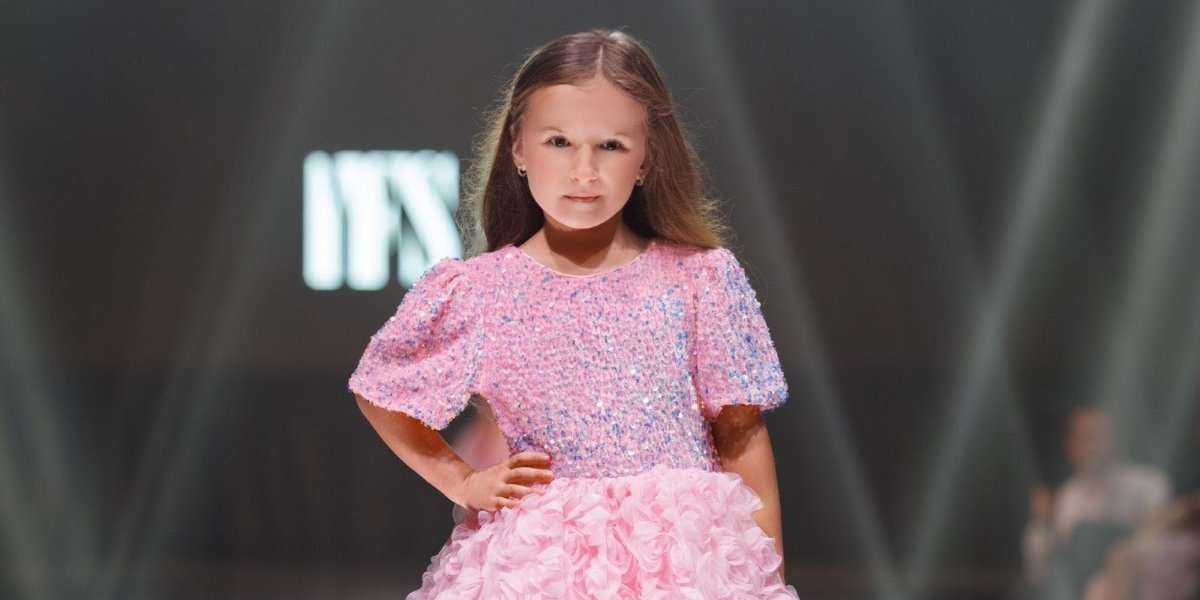
Austin Pray: Blending Innovation with Proven Strategies at Weezle Marketing

In the fast-paced world of digital marketing, staying ahead of the curve is essential. This is where Austin Pray, the CEO of Weezle Marketing, has built a reputation. Known for his expertise in website design, traffic growth through paid ads and SEO, and brand authority building, Austin’s approach blends traditional digital marketing with cutting-edge technologies, like large language models (LLM) and artificial intelligence (AI). His ability to stay rooted in proven strategies while embracing the latest tools sets him apart in the competitive digital marketing space.

Founded in 2010, Weezle Marketing has become a go-to agency for businesses looking to scale online. Austin’s journey began in restaurant marketing in Colorado before he ventured into digital marketing and launched Weezle. What started as a passion for helping businesses grow quickly expanded into a comprehensive digital marketing agency, helping businesses from various industries achieve sustainable success. Today, Weezle Marketing blends innovative AI-driven solutions with core marketing principles to deliver results.

The Evolution of Weezle Marketing: From Restaurant Marketing to a Comprehensive Digital Strategy

Austin Pray’s path into the world of digital marketing began in an unlikely place: restaurant marketing in Colorado. Over the years, Austin honed his skills in marketing, learning the ins and outs of paid advertising on Google, Meta (formerly Facebook), and TikTok. His journey led him to create Weezle Marketing in 2010, where he applied his expertise in website design, paid traffic generation, and authority-building strategies.

Weezle’s early success was driven by Austin’s focus on core digital marketing tactics, such as building user-friendly websites that were optimized for conversion. This was complemented by a deep understanding of paid advertising, which quickly gained traction on platforms like Google Ads and Meta. Austin realized early on that driving traffic was only one part of the equation. To truly succeed online, businesses also needed to establish authority, which is where his strategic connections with press release agencies, influencers, and podcasters came into play.

Fast forward to today, and Weezle Marketing has become a leader in the digital marketing space by incorporating the latest technologies, including LLM and AI tools, to help clients stay competitive. Austin’s ability to blend these cutting-edge technologies with the fundamentals of digital marketing has allowed Weezle to grow and evolve with the times.

Incorporating AI and LLM Technologies: The Future of Digital Marketing

While Weezle’s success is rooted in traditional digital marketing strategies, Austin Pray’s forward-thinking mindset led him to embrace the power of artificial intelligence (AI) and large language models (LLM). As these technologies continue to revolutionize industries, Austin ensures that Weezle is at the forefront of their application in digital marketing.

AI and LLM can help automate many aspects of digital marketing, from content generation and customer interaction to analyzing trends and optimizing ads. By using AI to gather insights about user behavior and predict future trends, Austin and his team are able to create more personalized marketing strategies for clients. These technologies help optimize campaigns more efficiently, saving time and improving overall results.

Additionally, LLM tools help businesses create high-quality content that resonates with their target audience. By leveraging AI to generate content, Weezle is able to streamline the content creation process while maintaining high standards of relevance and quality. This ability to combine AI with human creativity sets Weezle Marketing apart as a forward-thinking agency in the ever-evolving digital landscape.

Staying True to Core Marketing Principles: Website Design, Traffic Growth, and Building Authority

Despite embracing the latest technological innovations, Austin remains deeply committed to the foundational principles that have made Weezle Marketing successful. At its core, Weezle is built around three main pillars: website design, traffic growth through paid ads and SEO, and building brand authority.

  1. Website Design: A well-designed website is the foundation of any successful online presence. Weezle’s team specializes in building websites that are not only visually appealing but also optimized for functionality and conversion. The goal is always to create websites that turn visitors into customers, with intuitive design, fast load times, and seamless user experiences.
  2. Traffic Growth with Paid Ads and SEO: Generating traffic is a crucial part of any digital marketing strategy. Austin’s expertise in paid advertising on platforms like Google, Meta, and TikTok ensures that businesses can reach the right audience quickly and effectively. Alongside paid advertising, Weezle’s SEO strategies focus on long-term growth by improving a website’s search engine rankings and increasing organic traffic.
  3. Building Authority: Authority is essential for standing out in a crowded digital marketplace. Weezle Marketing helps clients build authority through various tactics, including content creation, press releases, and strategic partnerships with influencers and podcasters. Austin’s vast network of connections ensures that his clients get the visibility they need to become trusted authorities in their industry.

Why Choose Weezle Marketing?

What makes Weezle Marketing unique is its ability to combine traditional digital marketing techniques with the latest technologies, such as AI and LLM tools. Austin Pray’s approach ensures that clients receive the best of both worlds: proven strategies that generate real results, paired with innovative tools that enhance efficiency and effectiveness.

For businesses looking to scale online, Weezle Marketing offers a comprehensive, customized solution that focuses on website design, traffic generation, and authority building. Whether you need a new website, want to drive more traffic through paid ads and SEO, or need help building your brand’s authority, Weezle’s team is here to support you every step of the way.

Austin’s passion for innovation, combined with his deep understanding of digital marketing fundamentals, makes Weezle Marketing the ideal partner for businesses looking to stay competitive in today’s digital world.

Contact Weezle Marketing

If you’re ready to take your online presence to the next level, Weezle Marketing is here to help. Schedule a consultation with Austin Pray to learn how Weezle can help your business grow.

Visit Weezle Marketing to learn more about their services or book a consultation directly with Austin Pray via this link.

For businesses seeking to connect with new opportunities, explore Weezle.io to see how Weezle can help your business thrive.

Under Austin Pray’s leadership, Weezle Marketing continues to evolve by blending proven strategies with cutting-edge technology. From website design and paid ads to building authority through content and AI, Weezle is helping businesses achieve long-term success in the digital world. Whether you’re just starting out or looking to grow your online presence, Weezle has the expertise and tools to help you succeed.
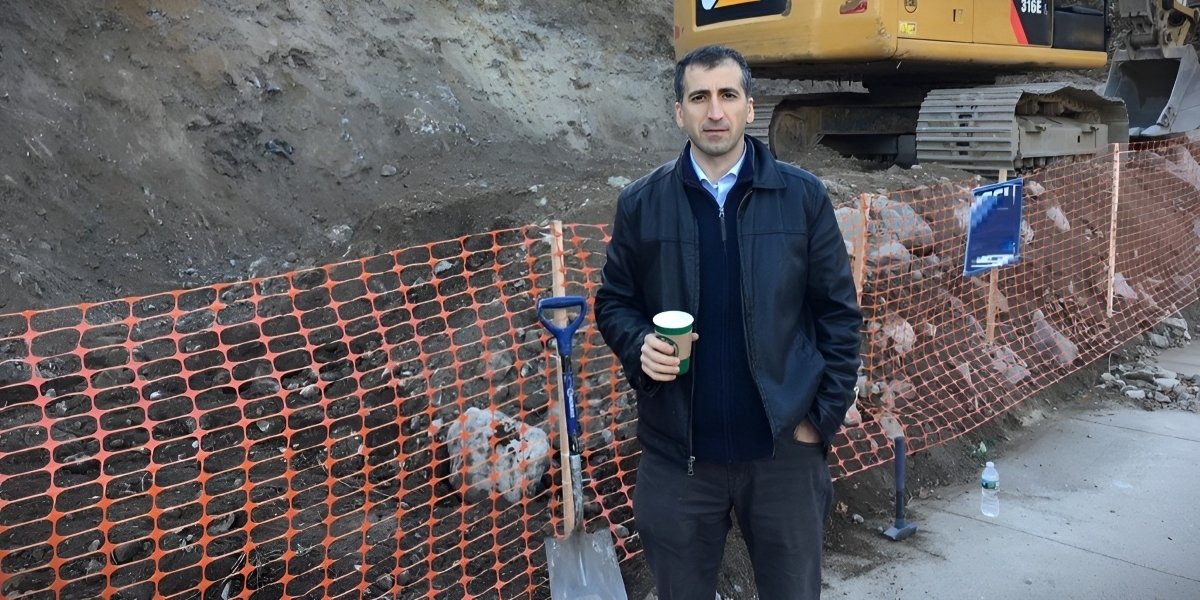

Baris Berk and the Transformation of Distressed Property Investments in Massachusetts

The real estate industry constantly evolves, influenced by economic cycles, market demand, and investment strategies, adapting to shifting conditions. One of the more resilient and lucrative segments within real estate investment is the acquisition and redevelopment of distressed properties, which has profitable while also contributing to community revitalization. In Massachusetts, this approach has significantly reshaped the housing market, particularly in the aftermath of financial downturns. Investors specializing in foreclosures and distressed properties have introduced innovative strategies to transform undervalued real estate into viable assets.

Among those leveraging this investment model is Baris Berk, whose business approach has centered around acquiring and redeveloping distressed properties throughout Massachusetts. Through targeted investments, Berk has built a diverse portfolio that focuses on restoring homes and stabilizing communities. His strategy aligns with broader market trends, prioritizing urban renewal and economic sustainability.

The Economics Behind Distressed Property Investments

Investing in distressed properties requires multifaceted, detailed knowledge of real estate cycles, financing structures, and renovation costs. Due to financial instability and economic downturns, homeowners default on their debt obligations, leading to more foreclosures. These homes can often be purchased at a price below market value and resold for a profit after renovations. Massachusetts is an interesting case, having experienced ebbs and flows in housing demand. As such, property values have reacted accordingly to the sands of time, as shifts in the economy and housing policy cycles have affected them. According to the Massachusetts Division of Banks, foreclosure petitions increased in 2023, underscoring the financial challenges homeowners face. While those numbers may highlight market distress, this angle offers an opportunity for a real estate investor with a specialized focus on property rehabilitation. Finding undervalued properties and restoring them to market conditions has remained a cornerstone of Berk’s approach to real estate investment.

Berk’s Strategy in the Foreclosure Market

Berk’s strategy aims to maximize efficiency in purchasing underperforming properties. With swift cash offers, he conducts his business like a bank, financing significant investments by removing the burden of intermediaries and protracted negotiations. 

Besides foreclosures, his investment plan is structured to comply with city redevelopment plans, given that many cities in Massachusetts have undertaken efforts to revitalize their communities to counter the negative impact of abandoned properties. By redesigning, Berk has sparked a kind of community restoration. With strong market insight and value creation in mind, he has been able to ride the ups and downs of the real estate sector.

Addressing Homeowner Financial Distress

While buying foreclosures works well for investors, the option also serves the interests of homeowners in financial distress. Yet the foreclosure process, relentless and marked by tremendous losses along the way, can confront many homeowners. Berk’s model is thus an alternative that accelerates transactions with distressed homeowners rather than drawn-out foreclosure procedures. According to the National Association of Realtors, investor activity accounts for a notable share of U.S. real estate transactions, plays a significant role in private investment, and contributes to the stabilization of housing markets. Berk’s commitment to the market underscores how private capital can transform the future of distressed property management.

Long-Term Impact on Massachusetts Real Estate

Distressed property investments have long-term effects beyond simple financial returns. Investors such as Berk restore foreclosed homes and reintegrate them into the housing market, providing a stabilizing factor for many neighborhoods. Increased values in renovated properties also assist neighboring homeowners and spur further investment into local communities. From reducing vacancies to abating urban decay throughout Massachusetts, investment and policy efforts have received significant priority. The Massachusetts Housing Partnership found that redevelopment projects played a consequential role in the broader struggle to maintain an affordable yet viable housing stock. Berk’s investment philosophy, in this context, can be seen as an alignment with the broader initiatives.

The Future of Distressed Property Investments

The real estate market remains active and dynamic, with economic changes directly shaping investment direction. Interest rates, inflation, and housing demand all interact to shape the logic behind acquiring a distressed property. Equally, proof of Berk’s adaptability to these constantly shifting circumstances will likely determine whether he can maintain his investment model. 

While the housing market in Massachusetts shifts and changes, it will always considerably influence property trends by attracting new investments. This would include direct acquisitions of distressed properties, arrangements with financial institutions, or partnerships with urban planning initiatives. Investments in distressed properties will remain a key theme in real estate development. With such experience behind him, Baris Berk can be expected to navigate the challenges alongside the other contributors to the dynamic real estate market.


Disclaimer: This content is for informational purposes only and is not intended as financial advice, nor does it replace professional financial advice, investment advice, or any other type of advice. You should seek the advice of a qualified financial advisor or other professional before making any financial decisions.

AE Tax Advisors: Self-Employed Tax Reduction for 2025

By: Rachel Brooks

Why Self-Employed Tax Planning Matters

Self-employed individuals face a completely different tax landscape than traditional employees. Instead of having taxes withheld automatically, self-employed people must track income, manage expenses, pay self-employment tax, and follow quarterly payment rules. Without planning, taxes can become overwhelming. With strategy, self-employed individuals can reduce their tax bill significantly and legally.

2025 brings updated standard deductions, changing thresholds, and increased IRS visibility across online platforms, gig income, and digital payments. This makes proper planning more important than ever.

Understanding Self-Employment Tax

Self-employed taxpayers pay both the employer and employee sides of Social Security and Medicare. This equates to 15.3 percent on net business income before regular income tax is even calculated. Reducing this number starts with good bookkeeping, proper deductions, and structuring income correctly.

Maximizing Business Deductions

Business deductions are the first and most important tool for lowering taxes. Every legitimate business expense directly reduces taxable income. The key is understanding what qualifies and documenting everything properly.

Common deductions include:

  • Equipment and supplies
  • Software and tools
  • Advertising and marketing
  • Vehicles and mileage
  • Home office expenses
  • Phone, internet, and utilities
  • Education, courses, and certifications
  • Travel related to business
  • Contract labor
  • Subscriptions and digital tools

Good record-keeping gives you access to deductions others miss. A tax advisor helps categorize expenses correctly and ensure compliance.

Using the Home Office Deduction Correctly

Many self-employed individuals skip this deduction because they worry about audit risk. When used correctly, it is legal and powerful. The home office must be used regularly and exclusively for business. Once that is met, you can deduct a portion of rent or mortgage interest, utilities, repairs, and insurance.

There are two methods:

  • Simplified
  • Actual expense calculation

A tax advisor helps determine which method saves more.

Tracking Mileage and Vehicle Expenses

Vehicle expenses are often one of the largest deductions for self-employed people. You can use:

  • Standard mileage method
  • Actual expense method

Both require documentation. The choice depends on the type of vehicle, mileage volume, and total costs.

Choosing the Right Entity Structure

Many self-employed individuals start as sole proprietors but eventually benefit from changing structure. An S corporation can reduce self-employment tax dramatically when revenue increases. Instead of paying self-employment tax on all profits, only wages are taxed. The remainder flows through as distributions, which are not subject to payroll tax.

Entity changes help:

  • Reduce payroll tax
  • Support QBI (Qualified Business Income)
  • Align income with tax strategy
  • Improve documentation and separation

A tax advisor reviews revenue, profit, and goals to recommend when an S corporation makes sense.

Understanding the QBI Deduction

The Qualified Business Income deduction can reduce taxable income by up to 20 percent. To qualify, income levels, payroll structure, and business type must be reviewed. Self-employed individuals often miss out on the QBI benefit because payroll or entity setup is incorrect.

Optimizing Retirement Contributions

Self-employed individuals have access to retirement plans that offer large deductions. These include:

  • SEP IRA
  • Solo 401(k)
  • Defined benefit or cash balance plans

These plans can shelter income, reduce taxes, and support long-term financial planning. Contributions vary based on income, wages, and business type.

Managing Quarterly Estimated Taxes

Self-employed individuals must pay estimated taxes four times per year. Failure to do so causes penalties and interest. Good planning aligns income projections with quarterly payments, helping you avoid surprise tax bills.

Using Expense Timing to Reduce Taxes

Shifting income or expenses into different months can legally reduce tax liability. This includes:

  • Accelerating purchases before year-end
  • Delaying or timing invoices
  • Planning contractor payments
  • Managing equipment and depreciation timelines

Simple timing strategies can create meaningful tax savings.

Reducing Self-Employment Tax with an Accountable Plan

An accountable plan allows self-employed individuals operating as S corporations to reimburse themselves for business expenses without paying payroll tax on those amounts. This includes home office, mileage, supplies, and other reimbursable items.

Real Estate and the Self-Employed

Self-employed individuals who also own rental property can reduce taxes through:

  • Depreciation
  • Repairs vs improvements
  • Cost segregation for larger properties
  • Short-term rental tax treatment

A tax advisor coordinates these strategies to avoid overlap and maximize benefits.

Common Mistakes Self-Employed People Make

Self-employed taxpayers often lose money due to:

  • Not separating personal and business finances
  • Failing to track deductions
  • Not paying quarterly estimates
  • Missing QBI eligibility
  • Choosing the wrong entity
  • Ignoring payroll optimization
  • Skipping documentation
  • Misunderstanding home office rules

When corrected, these mistakes turn into long-term savings.

How AE Tax Advisors Helps Self-Employed Clients

AE Tax Advisors supports self-employed individuals with year-round planning, entity optimization, payroll guidance, documentation systems, and strategic deduction planning. The goal is to reduce taxes legally, stay compliant, and help clients build a stronger financial foundation.

Final Thoughts

Self-employment offers freedom but also comes with tax complexity. With the right structure, deductions, planning, and support, you can significantly reduce your tax bill while staying compliant. Starting early and working with a knowledgeable advisor ensures you benefit from every strategy available in 2025.

For high-income individuals who want a strategic partner steering their tax planning, more information is available at AETaxAdvisors.com.

Disclaimer: The information provided in this article is for general informational purposes only and should not be construed as financial, tax, or legal advice. While the article aims to highlight common strategies and trends, it does not consider individual circumstances. Readers are encouraged to consult with a qualified professional for advice tailored to their specific situation.

How Spotlight Outdoor Ads Can Boost Your Brand in Las Vegas with Digital Billboards

Las Vegas is a destination where exposure is paramount. With millions of visitors annually, around-the-clock entertainment, and a skyline lit up by bright lights, competition for attention is extreme. Competition compels event organizers and businesses to invest in aggressive, innovative, and strategic forms of advertising. One company at the forefront is Spotlight Outdoor Ads in Las Vegas for providing forceful results with Las Vegas Digital Billboards and revolutionary Las Vegas Spotlight Outdoor Advertising. The following are five tried and proven techniques for promoting an event or business in this distinct marketplace.

Unlocking the Potential for Las Vegas Digital Billboards

In a city where lights and spectacle dominate, static signage often gets overlooked. That’s where Las Vegas Digital Billboards excel. These dynamic displays use motion graphics, vivid imagery, and real-time updates to keep campaigns fresh and engaging. Whether you’re announcing a major concert, promoting a trade show, or highlighting a seasonal offer, digital billboards allow you to rotate messages and adjust content instantly.

Spotlight Outdoor Ads specializes in installing digital billboards in high-traffic areas, ensuring your message is seen by thousands of visitors and residents day in and day out. As their staff frequently says, “Digital billboards don’t just promote—they make moments people recall.”

Take Advantage of Las Vegas Spotlight Outdoor Advertising

Las Vegas Spotlight Outdoor Advertising goes beyond billboards by capitalizing on optimal locations that align with the audience. From the Strip’s bustling entertainment hub to where locals are seen most often, Spotlight Outdoor Ads knows where campaigns have the most. This strategy ensures that your event or brand is not only seen but embedded within the visual and cultural context of the city. Brands looking to increase prestige, being aligned with the legendary Vegas advertising backdrop, offer unparalleled recognition.

Invest in Las Vegas OOH Media for Widened Reach

Las Vegas OOH Advertising represents one of the most dependable means to connect with audiences in the real world. As opposed to digital commercials that are fast-forwarded or blocked, out-of-home commercials are a part of the scenery—not skippable. Posters, billboards, and transit media interact with audiences at every turn, from airport gates to casino corridors.

Complemented with digital campaigns, out-of-home marketing supports brand recall and drives a multi-platform experience. For example, a tourist walks by your Strip billboard and a few days later sees your brand again on their social feed, reinforcing trust and desire.

Time Campaigns During Conventions and High-Profile Events

Las Vegas offers world-class conventions, trade shows, and entertainment events year-round. Scheduling a campaign to tie in with these events quadruples its effectiveness. Tech firms’ branding at CES and fashion houses’ branding at trade shows are reaching ultra-targeted audiences at optimum visibility.

Spotlight Outdoor Advertising collaborates with companies to synchronize campaigns with event calendars for the greatest relevance and the greatest return on investment. Digital billboard displays make that even better by allowing advertisers to refresh messaging in real time to communicate daily or hourly offers.

Describe a Story with Imaginative Pictures

Creativity is a necessity in Vegas—not a choice. Successful campaigns transcend logos and taglines to deliver a compelling story that connects on an emotional level. Las Vegas Digital Billboards have high-end visuals, animation, and compelling stories that pop against Vegas’ colorful backdrop.

SpotlightOutdoorAds provides design support to help businesses create campaigns that are visually potent and meaningful. Story-driven advertisements engage audiences, causing them to interact, share, and remember your business long after they leave the city.

Final Thoughts

Promoting a brand or event in Vegas is not just about exposure, but strategy, innovation, and timing. With the blending of Las Vegas Digital Billboards, Las Vegas Spotlight Outdoor Advertising, and effective Las Vegas OOH Advertising, marketers are able to captivate observers in a memorable and immersive experience. With the expertise afforded by Spotlight Outdoor Ads in Vegas, your campaign will not just coexist within that high-speed realm—it’ll be seen, featured, and remembered in the entertainment capital of the world.

Angelica Nero’s Expanding Digital Presence and the Global Reach of a Young Performer

Social media has transformed how audiences find and follow entertainers. Social media platforms like YouTube, Instagram, and Facebook enable music lovers to discover talent much earlier compared to the traditional attention of record labels or film studios. Kids with the skills to perform can now reach people across the globe, potentially sitting at home. Viral clips, live streams, and joint reels have opened a path to fame that can transcend generations and geography, providing a platform where a preschooler could get the sort of numbers that used to be more common for veteran recording artists.

Angelica Nero stepped onto this landscape in early 2024 when her parents launched social media accounts to post short videos of her singing and playing music at home. Born on April 23, 2021, in Los Angeles, she had been learning piano, violin, and voice since the age of two. Her parents decided to upload her performances on the internet so that her early training could be recorded and shared with friends and relatives. In a relatively short time, those uploads were being viewed by hundreds of thousands of people beyond their original audience of fellow students and colleagues, as strangers re-posted and offered comments on her renditions of popular tunes.

A turning point was reached when Nero partnered with street pianist Emilio Piano. Their performance of “My Heart Will Go On,” shot in a public square in August 2024, was cut into an Instagram reel that gained significant attention, exceeding six hundred million views on all platforms. The video was posted to popular entertainment pages. It was reported on by publications like The Music Man in the United Kingdom, which covered the emergent chemistry between the young vocalist and veteran pianist. For an artist still not even four years old, the scope of that outreach was remarkable, and it was the moment when mainstream media began to monitor her activity.

Nero’s online fame initially came as a result of her cover versions of famous artists. Quick videos of her singing songs by The Beatles, Katy Perry, Adele, and Celine Dion were sourced by fan sites and music blogs. A 2024 cover of “Hallelujah” gained early notice, but it was her recording of The Beatles’ “Let It Be” when she was three that generated a lot of buzz in 2024. The song was uploaded extensively on YouTube and Instagram and even caught the attention of Paul McCartney, who re-posted the video and termed her rendition as “simply wonderful.” That one re-post greatly increased her views and introduced her to fans who had not followed kid artists before.

In 2025, another viral moment occurred when Nero recreated Lady Gaga’s “Abracadabra” music video. Uploaded first on her family-run Instagram account, the act impressed Gaga herself, who re-posted the video and labeled it a “must-watch.” In no time, the clip gained significant traction, accumulating more than a million views on Instagram alone, with videos coming from Facebook and YouTube as well. Spanish media outlet LOS40 tagged along in August 2025, referring to her as “Baby Gaga,” while India’s The Financial Express and SoapCentral in the US covered the cross-cultural response to the cover.

Expansion of Nero’s fanbase meant official acknowledgment from notable platforms. In 2025, her YouTube channel had over 100,000 subscribers and received the Silver Creator Award, popularly referred to as the Silver Play Button. The prize placed her among a small group of young artists who achieved that milestone before starting elementary school. Her parents, who oversee her accounts, have addressed how they enforce boundaries and steer the content to meet visibility without sacrificing privacy. They are in charge of her posting calendar and screen comments, a move that enables her to engage in a very public medium but keep her under family oversight.

Coverage of Nero’s online life has gone beyond entertainment websites. Articles and features on her have been seen in Spain’s LOS40, India’s The Financial Express, and numerous American media outlets. Vietnamese news website Vietnam.vn also covered her Lady Gaga cover, commenting on how the video went viral in Asian social networks. In July 2025, she was asked to be a guest on the Australian breakfast show Weekend Sunrise, with hosts commenting on the pace of development of her overseas fan base. Such stories show her not as a novelty act, but as evidence that young artists can gain a following in the new media environment.

Nero’s example demonstrates how quickly online influence can grow when there is content that appeals to a wide audience. Her channels appeal to diverse age groups, from youngsters who like familiar melodies to older listeners who know the classics she interprets. Quantifiable numbers substantiate this audience: single reels have had over hundreds of millions of views, her YouTube subscriber base keeps growing, and her Instagram account enjoys high engagement compared to its size. Those figures are checked through the public statistics on the platforms themselves and have been referenced by foreign media.

Although Nero’s parents have not been shy about their involvement in controlling her accounts, they insist that her musical interest remains self-motivated. She continues classical instruction in piano, violin, and voice, and recently joined the Screen Actors Guild – American Federation of Television and Radio Artists (SAG-AFTRA). She takes on a recurring role in a major television series and works on film projects. The combination of formal musical training and deliberate online posting has given her digital profile an edge in a crowded field of young creators.

To date, in late 2025, Nero continues to be a preschool student who embodies the principles of early childhood education while maintaining a lifestyle that includes music practice and regular media appearances. Her shows are produced in proper studios and follow state and SAG regulations. The worldwide audience for those recordings demonstrates how internet communities can catapult a neighborhood performance into global recognition within days.

Angelica Nero’s success highlights a broader trend for fans finding talent. From the initial family choice to post plain home movies in 2024, she has established a growing global audience before the age of school entry. Her influence online, legitimized by platform recognition, viral performances in partnership, and mainstream media coverage from multiple nations, illustrates the potential of online entertainment to build a career base well before conventional industry routes typically apply.

Nathan Larson’s Role in Merging Healthcare Technology with Consumer-Centered Design

Digital medicine has been at the center of attention in modern medicine as hospitals, payers, and technology companies seek to improve outcomes and lower costs. A significant portion of adults are affected by chronic illnesses, which play an essential role in driving healthcare spending nationwide. This issue has prompted innovators to look beyond traditional clinical settings and utilize consumer technology and behavioral science tools to reach patients where they are.

In this changing world, Nathan Larson’s professional life itself is noteworthy for its steady emphasis on the patient experience. He worked in hospitality and experiential marketing before transitioning to health technology, industries that rely on an understanding of how individuals perceive services. That background transferred to his later work in health care, where engagement and ease of use can literally make or break patients’ ability to control their conditions.

Larson’s medical innovation career began at Dartmouth-Hitchcock Medical Center in New Hampshire, where he was involved in the Center for Telehealth Innovation during the early 2010s. The initiative created an “innovation zone,” a space where clinical personnel and entrepreneurs tested new ideas to improve patient care and communication. According to Dartmouth-Hitchcock reports at the time, the center saw thousands of patients and served as an early model for integrating consumer design sensibilities with clinical expertise.

In 2014, Larson co-founded ImagineCare, a health remote monitoring service that used sensors and mobile applications to track chronic conditions. The company was founded as remote patient monitoring was expanding exponentially; reports estimate that a substantial number of patients worldwide are being remotely monitored, a figure that has grown significantly in recent years. ImagineCare combined continuous data capture with real-time feedback, offering a program designed to help manage various chronic conditions.

Larson’s stint at ImagineCare involved customer interaction and behavior design to help patients support healthy routines. The company’s patent list lists him as a co-inventor, a sign of his role in developing the platform’s user experience strategy. The service continues to operate and has been cited in peer-reviewed journals discussing the adoption of remote monitoring among the rural regions of the United States.

After ImagineCare was founded, Larson continued to work at Optum, a UnitedHealth Group subsidiary, where he worked in Population Health. Optum’s research arm provides analytics and technology solutions for millions of patients nationwide, and its portfolio includes programs designed to reduce the chronic disease burden through proactive care. Optum has reached a large number of consumers in the US, enabling new models of patient engagement and behavior change to scale across a wide population.

Larson eventually moved to UnitedHealth’s Research and Development division, where he worked on Level2, an initiative that studies remission interventions for Type 2 diabetes. Level2, a combination of continuous glucose monitoring and digital coaching, has been trialed to help participants reduce or eliminate the use of certain medications. Many Americans are affected by diabetes, with a significant portion attributed to Type 2, highlighting the efforts of companies like Level2 in addressing the issue.

His enthusiasm for applying technology to mental health led him to a position at Health Rhythms, a company that develops passive-sensing devices to track mood and behavioral changes. Passive sensing detects data from smartphones and wearables to provide clinicians with clues about trends that might indicate depression or anxiety. Research published in journals such as JMIR Mental Health recognized the potential of this type of early intervention approach, and Larson’s work supported the company’s efforts to develop services patients could adopt without added burden.

Larson also serves as a mentor for the Black River Innovation Campus in Vermont, in addition to his direct work with healthcare companies. BRIC supports rural start-ups in their initial phases with product development and creative problem-solving advice. The campus has worked with scores of entrepreneurs across fields spanning renewable energy to digital applications since its launch in 2019, and Larson’s dual technology-arts background adds a multidisciplinary perspective to the program’s advisory board.

Combined, these experiences demonstrate a career guided by the intersection of art, consumer experience, and medicine. Larson’s early photography and narrative training may appear far removed from the practice of health technology. Yet, both practices rely on knowledge of how people respond to information and how design influences behavior. In applying lessons from one field to another, he has helped spearhead a broadening movement that sees patients not merely as the passive recipients of care but as active agents in their own health.

Nathan Larson’s path from tech-savvy entrepreneur to healthcare innovator is a case in point for the broader trend of combining technology with human-centered design. His experience with Dartmouth-Hitchcock, ImagineCare, Optum, UnitedHealth R&D, Level2, Health Rhythms, and Black River Innovation Campus shows a consistent effort to bring principles of consumer marketing to healthcare settings. As chronic disease and mental illness remain a scourge of the world community, his professional experience is a notable example of how cross-industry thinking can inform the development of patient-centered solutions.

Diana Rodych’s Big Day in Chicago: Walking the Young Fashion Show Runway in the Dress of Her Dreams

By: Elithabeth Wire

In a world where children’s dreams often sparkle brighter than runway lights, some moments feel truly cinematic. This fall, at the Young Fashion Show in Chicago, six-year-old Diana had one of those moments. A little girl with big, sincere dreams of a future in modeling, she loves dresses that twirl. And her smile lit up the entire catwalk.

With the support of her parents and a big, loving family behind her, Diana took her first step into the world of fashion. What began as a childhood dream became a real runway moment when she debuted in looks from the renowned brands Sandra & Sabrina and Lola + The Boys. It was her very first time on the runway, so the Young Fashion Show became her entry ticket into the world of fashion. Young Fashion Show is rapidly emerging as a national platform where children and teens gain real runway experience, step into the professional spotlight, and discover their own spark. The well-known mentors, runways, and leading brands — a whole new level of children’s fashion shows!

We spoke with Diana and her mother, Nataliia Pohonchuk, about how their love for fashion began. They shared how the journey unfolded — from submitting the application for the Young Fashion Show to finally stepping onto the runway. We also talked about what happened behind the scenes and how one magical day reshaped a young girl’s dreams.

When did you first become interested in the world of fashion, and how did you decide to apply for the Young Fashion Show?

Mother, Nataliia:

“It’s actually a very sweet story. The very first time Diana started talking to me about fashion and dresses was the day after we watched a cartoon about a panda designer — Panda Millionaire. After that, we began watching different fashion shows together. It quickly became clear how deeply this world fascinated her. Then came the moment that changed everything: one dress on the runway completely enchanted her. Diana instantly knew she wanted to walk in a similar look — on a runway filled with light, as she described it. So my husband and I decided to give her that ‘magical day in a beautiful dress,’ and we submitted an application to the Young Fashion Show.”

Diana Rodych:

“I used to watch adult models on the runway — and suddenly I could be one of them!”

Anyone who loves fashion always wants to know what happens behind the scenes. How did the preparation go?

Mother:

“Unforgettable! We’re so grateful for how smoothly everything was organized. Since this was Diana’s debut in the modeling world, it was important that every detail went perfectly — and with the Young Fashion Show, it did. From day one, the team guided us all the way to Diana’s first walk on the runway. Rehearsals, preparation, and the show itself turned into a truly memorable experience for her.”

The Young Fashion Show in Chicago had a large team of 45 makeup and hair artists. What was your experience working with them?

Diana Rodych:

“It was amazing to try on the outfits and get my hair and makeup done. The stylist was like a real fairy!”

Stylist YFS Tatyana Yakovchyk:

“It was such a pleasure to watch and create a hairstyle for young beauty Diana. She looked so bright, sincere, and inspired. She moved on the runway with such natural grace and confidence. I could feel how much joy and emotion the show gave her — it was visible in every step. I’m truly happy that Diana was among the young models in this wonderful event, and I had the pleasure of being her hairstylist for this amazing debut.”

Diana Rodych’s Big Day in Chicago: Walking the Young Fashion Show Runway in the Dress of Her Dreams

Photo Courtesy: Yuriy Reva

Mother:

“I was so happy to watch the connection between Diana and Tatyana, the hairstylist from the Young Fashion Show beauty team!”

Such a big event! So much excitement and emotion. How did Diana manage to handle it all?

Mother:

“A lot of it was thanks to the curators. They were professional, attentive, and incredibly warm. They took such good care of Diana that I knew she was in safe hands. The coaches, meanwhile, offered her practical advice on how to hold her posture, walk gracefully, and feel the rhythm of the runway. At the same time, they shared inspiring tips that eased her nerves and boosted her confidence. Because of this guidance, Diana didn’t worry about anything unnecessary during the show and simply enjoyed her moment.”

So, it looks like Diana got to have a ‘magical day in a beautiful dress’ and walk on a runway filled with light’ from her dreams?

Diana Rodych:

“Oh yes! I really wanted a princess-style dress — long and magical. Young Fashion Show made my dream come true!”

Mother:

“We are sincerely grateful to the wonderful brand, Sandra & Sabrina, for allowing us to walk the runway in their handmade dresses — a moment that made my daughter’s dream come true. When I learned that Sandra began creating dresses in honor of her daughter Sabrina’s birth in 2014, it truly touched me.

Diana Rodych’s Big Day in Chicago: Walking the Young Fashion Show Runway in the Dress of Her Dreams

Photo Courtesy: Yuriy Reva

A beautiful surprise was that the designer suggested we present a family look. The dresses we walked the runway in were crafted with the finest details. I felt proud walking beside my daughter on the runway, knowing how meaningful this moment was for her.

We are also grateful to another brand that noticed Diana — Lola + The Boys. That is truly what their brand represents: bold, joyful, expressive children’s fashion, always created with heart. On the day of the show, they gave Diana the chance to shine for real. When she walked the runway, it wasn’t just a dress — it was emotion, confidence, and a little celebration.”

Absolutely a stunning debut! What emotions came afterward? Did you want to do it again?

Diana Rodych:

“I REALLY want to walk again!”

Mother:

“We’ll definitely participate again, because projects like this simply can’t be missed. For a young aspiring model, it’s a chance to learn about the fashion industry and make a bright first statement. Young Fashion Show changes how young talents see themselves — there’s a ‘before’ and an ‘after.”

A few days after the show, when we looked through Diana’s photos and video, we were deeply moved. It was not only touching but also exciting to see how much confidence, courage, taste, and professional skills this experience gave her. It revealed a new side of her. On top of that, she found new friends — other kids who are also passionate about fashion.”

With such support, Diana has every chance to go far! How did the family react?

Mother:

“Incredibly proud! We — as her parents and her brother — all supported our young model. And we’re certain that the Young Fashion Show marked a grand beginning for her journey. She’s creative, resilient, disciplined, energetic, and able to multitask — all qualities that turned out to be important during the preparation.

She also loves decorating and painting, enjoys dancing, and naturally picks up the rhythm of music, which definitely helps in modeling too.”

After participating in the Young Fashion Show, what does the young model Diana Rodych dream about now?

Diana Rodych:

“I dream of walking on the runway again and AGAIN! I also want a big wardrobe full of beautiful dresses. When I grow up, I hope to have my own clothing store, where girls can come in and I can help them find the perfect dress for their special day. For now, I’m practicing on my dolls.”

Mother:

“She styles them every day with new outfits and accessories. Who knows — maybe one day her name will appear on clothing labels worn by famous people!”

With such passion and clearly set goals, Diana is bound to succeed! What would you say to the new young faces joining the project?

Mother:

“If you’re looking for a powerful start — Young Fashion Show is the place! We’re sincerely grateful to the organizers for the unforgettable emotions, the choice of venue, the excellent planning, the atmosphere, the portfolio content, and the overall experience we received. The scale of this event is truly impressive!”


A New Creative Force Emerges: Oksana Fedoseyeva and the Rise of an Authentic Storyteller

In a cinematic era shaped by shifting narratives, deeper emotional honesty, and a renewed appreciation for human resilience, a new name is beginning to resonate — Oksana Fedoseyeva. Her journey into filmmaking is not rooted in traditional training or industry exposure. Instead, it rises from something far more compelling: lived experience, thoughtful reinvention, and a genuine desire to explore the inner landscapes that define the human spirit.

Recently featured as the cover star of INSIDER Magazine, Oksana immediately captured public attention with her calm presence and an almost poetic clarity in the way she speaks about storytelling. Now taking a closer look at an emerging creator whose ascent reflects a changing cultural moment — one that values sincerity as much as skill, and emotional truth as much as innovation.

Oksana’s road to cinema is anything but linear. She did not set out to become a filmmaker in the conventional sense. Her artistic voice grew from life itself — from moments of uncertainty and renewal, from personal choices that reshaped her identity, and from the kind of internal transformations that many undergo yet few are willing to articulate publicly. What distinguishes her is the courage to turn those experiences into meaningful narratives.

People who meet her often describe a rare combination of gentleness and unwavering inner conviction. She carries herself with a grounded confidence, born not from accolades but from understanding her own story. This perspective has become the backbone of the film she is now developing — a project built on themes of identity, renewal, emotional resilience, and the quiet strength required to rebuild life from within.

When Oksana speaks about her film, there is a noticeable shift in her expression. Her voice becomes measured, rhythmic, as though she is already shaping the scenes in her mind. She does not talk about cinematic glamour; she talks about responsibility — the kind cinema carries when it dares to reflect real human emotion. Her mission is to create a work that resonates, that lingers, that invites the audience to see themselves more clearly.

Her approach blends creative intuition with strategic discipline. Though new to the filmmaking world, she thinks like a founder stepping into a new industry: carefully assembling her team, mapping out the structure of her project, engaging in early-stage production planning, and identifying the right partners to bring her vision to life. This purposeful method sets her apart from many first-time creators. Oksana is not dreaming; she is building.

Those who have reviewed the early narrative outlines of her film describe a project with unusual depth — a piece that aims not only to entertain, but to illuminate. Much of its emotional architecture is drawn from her own life. She understands transformation not as an abstract theme, but as something she has lived through. That sincerity defines her creative voice.

To fully understand her rising influence, it is essential to look at the personal evolution behind it. Oksana has navigated moments that demanded resilience and clarity. She has faced the kind of turning points that require one to choose a new direction with conviction. These experiences have become the emotional foundation for her developing film and the central reason her voice feels so authentic.

For Celebrity News readers, Oksana represents a new and increasingly important archetype in cinema — a creator who is emotionally intelligent, introspective, determined, and unwilling to trade depth for attention. She exudes a quiet magnetism because she is not trying to impress the world; she is trying to express something meaningful. And that distinction is what resonates.

Her INSIDER Magazine cover symbolized more than recognition. It marked the introduction of a storyteller shaped by personal evolution rather than by industry patterns. Many readers responded to her vision of filmmaking as a calling — an opportunity to help others find strength through narrative.

The film world is at a pivotal moment. Audiences today hunger for authenticity, for emotional truth, for stories rooted in experience rather than formulas. Oksana Fedoseyeva enters the creative landscape at exactly the right time, with a voice tuned to the frequency of what people truly want to feel.

Industry observers who have followed her early development speak of her as one of the most promising new storytellers of the decade. She blends intuition with strategy, vulnerability with discipline, and deeply personal storytelling with universal emotional themes. These qualities position her as a future director and producer whose work could resonate across both mainstream and independent cinema.

But perhaps the most compelling aspect of her rising profile is not the film she is making — it is the woman she is becoming in the process. She approaches her creative journey with grace, courage, and a profound respect for the impact stories can have. She is not chasing fame; she is seeking truth. She is not trying to fit into an existing cinematic mold; she is shaping her own.

As work on her film continues, the ripple effect grows. Creative professionals are paying attention. Media platforms are highlighting her ascent. Audiences are increasingly curious about the story she is preparing to tell. And Celebrity News is proud to spotlight Oksana at this early moment — the moment before recognition becomes inevitable.

Oksana Fedoseyeva is more than a filmmaker in the making. She is a voice of a generation striving for meaning. She represents the power of authenticity in art. And she stands at the threshold of a cinematic journey that promises to inspire, to move, and to redefine what storytelling can be.

Her film is still ahead.

Her influence has already begun.

The Fan Edit Era: How CelebFlare is Shaping the New Rules of Celebrity Fame

Celebrity culture used to move in one direction. A star did something in public, the press reported it, and audiences reacted afterward. The timeline was clear, and the power flowed from the top down. That model is gone.

In 2025, celebrity moments are increasingly built from the bottom up. Fans don’t just watch culture unfold; they shape it in real time. They decide which clips travel, which outfits become iconic, which offhand comments become headlines, and which artists enter the spotlight next. The internet doesn’t amplify celebrity; it edits, reinterprets, and sometimes remakes it entirely, which is why platforms like CelebFlare.com focus on how online narratives form and spread.

This is not a minor shift in audience behavior. It represents a structural change in how fame works. Social platforms now treat fandom as a primary engine of culture, and the stars who understand that reality are the ones who stay relevant. 

The New Gatekeepers Are Not Editors

For decades, celebrity narratives were curated by traditional media. Editors chose which images ran. Producers decided which interviews mattered. Publications created a hierarchy of attention.

Now, the most influential cultural gatekeepers are not newsrooms, but fan communities that move faster than any editorial cycle. They clip, caption, and circulate moments within minutes. They create context where none existed. They attach meaning to a glance, a lyric, a background detail, or a side comment that would once have passed unnoticed.

This is why so many celebrity moments feel sudden. The public is not waiting for a story to be told. The public is telling it first, then daring the rest of the internet to catch up.

The result is a cultural process that is less controlled and more collaborative. Fame becomes a shared project between public figures and the people watching them.

Fan-Made Content is Now the Main Event

One of the most visible ways fandom reshapes celebrity is through the content fans produce themselves.

Fan edits, reaction cuts, and narrative compilations have become the dominant language of pop culture online. These are not side artifacts. They are often the primary way audiences encounter a celebrity moment. A three-second exchange in a live stream can become a thirty-second edit that frames it as romantic, comedic, dramatic, or symbolic. That edit then defines how millions interpret the original clip.

The scale of this phenomenon is no longer niche. Fan edits have evolved into a mainstream cultural form, particularly on TikTok, where remixing is built into platform behavior. 

In practical terms, this means celebrity moments aren’t fixed. They are reauthored through fan perspectives. The moment that travels is not always the moment that happened. It’s the moment fandom chooses to create.

Why Fandom Decides What Matters

Not everything a celebrity does becomes cultural currency. The difference between a real celebrity moment and a forgotten one is simple. Selection.

Fandom selects what is worth attention by signaling it through volume and emotion. If a moment makes people laugh, cry, speculate, or argue, it spreads. If it doesn’t create a feeling, it stalls. Algorithms follow that emotional signal. They are built to reward engagement. Fans provide it.

This is why fandom-driven moments feel louder than traditional press coverage. The audience doesn’t distribute them out of obligation. The audience distributes them out of investment.

By late 2024, it was clear that fans were no longer just participating in online culture. They were steering it. The communities driving trends on TikTok, YouTube, and streaming platforms were setting the agenda for what people watched, listened to, and talked about. That influence has only grown stronger in 2025.

A clear example is Taylor Swift’s Eras Tour, where a single surprise song or on-stage moment becomes a global headline only after Swifties clip it, remix it, and push it across TikTok and Instagram within minutes.

Celebrities Are Adapting 

Many celebrities now stage moments with the feed already in mind. They understand that fans will clip and remix what happens, so they lean into small gestures meant to travel. A playful comment in a live segment, a subtle reference to a past era, or a carefully timed appearance can generate a fan response that creates more attention than any official campaign.

When fandom reacts strongly, it creates a cultural wave that traditional media then follows. In this loop, stars do something, fans decide what it means, and the public picks up the interpretation that fans have already established.

This dynamic has changed public relations strategy. It’s also changed how celebrities relate to their audiences. The most successful figures today don’t treat fandom as spectators. They treat fandom as collaborators.

The Power of Coordinated Fan Action

Online fan communities have become highly organized, capable of coordinated campaigns that move cultural metrics. They drive streams, trend hashtags, boost trailers, and even secure partnerships for brands. When a fandom decides a celebrity moment matters, it can make it matter by force of collective attention.

This fan power is now recognized across the industry. A growing body of research and brand strategy focuses on working with fandoms rather than marketing to them. What was once dismissed as obsessive behavior is now understood as a cultural and commercial engine.

In a crowded attention economy, a devoted fandom is one of the few forces that can still cut through noise with certainty.

The Overlap Between Creator Culture and Celebrity Culture

This fandom-driven system also explains why internet-famous creators can now move into celebrity space so quickly.

Creators tend to grow inside fandom-shaped environments. Their communities form through comments, edits, and inside jokes. That means many creators arrive with an audience already trained to create moments for them.

CelebFlare has closely tracked this convergence, showing how viral creators and traditional stars now share the same attention ecosystem. A creator does not need years of press exposure to be treated like a celebrity. They only need a fandom with momentum. 

In many cases, it’s fandom that elevates someone from influencer to icon. The jump isn’t made by industry gatekeepers; it’s made by community behavior.

The Risks of Fandom Built Fame

Fandom power reshapes celebrity, but it also carries risk. The exact mechanism that can turn a small moment into a cultural milestone can also turn a small mistake into a lasting narrative.

Because fan-driven culture moves quickly, context often arrives late. A gesture can be framed as a scandal before the whole story is known. A quote can be stripped of tone and repeated in a new context. Once fandom decides a narrative is true, it can be challenging to reverse, even when facts change.

This is why celebrities now navigate a visibility landscape that is both more rewarding and more volatile. The internet does not wait for clarification. It rewards certainty, and fandom is often the fastest to supply it.

In a fan-first world, celebrities are not only performers. They are subjects inside an ongoing story that audiences help write.

What Celebrity Moments Will Look Like Next

The trajectory is clear. Celebrity culture will become more participatory, not less.

Platforms are already formalizing fandom as a cultural partner. TikTok trend reporting continues to emphasize community-driven entertainment and fan-powered narratives as the engine behind what rises. The line between audience and storyteller will continue to dissolve.

That does not mean fame is becoming smaller. It means fame is becoming more collective.

The next celebrity moment may not be the biggest performance, the most expensive campaign, or the most carefully staged premiere. It may be a fan edit that reframes a scene. It may be a meme that turns an interview into a cultural tag line. It may be a community deciding, almost overnight, that a person belongs in the spotlight.

Celebrity moments are no longer handed to the public. They are built for the public. The timeline belongs to the fans. And more often than not, so does the story.

How AE Tax Advisors Helps High Earners Transition from Reactive to Proactive Tax Planning

By: Olivia Phillips

Across the United States, high-income individuals are expressing the same frustration. Their tax professional only responds after something goes wrong. They receive guidance only after deadlines have passed. They get answers only after they have already made a financial decision. This reactive style of support leaves them feeling uncertain, unsupported, and exposed. For people earning at the highest levels, this reactive model is no longer acceptable.

High earners operate at a pace that demands proactive planning. They run businesses, acquire real estate, manage payroll, contribute to retirement plans, make large financial purchases, and invest continuously. Every one of these actions affects their taxes immediately. Waiting until tax season to evaluate these events is equivalent to reviewing the game after it is over. Changes cannot be made. Strategies cannot be applied retroactively. Opportunities disappear.

A typical example involves late retirement planning. Many high earners wait for their accountant to advise them, only to learn that contribution deadlines passed months earlier. Another example involves equipment purchases. Without proactive timing, most business owners buy without understanding depreciation rules and miss opportunities for accelerated benefits. These are everyday situations, not case studies, and they show why reactive advice simply does not work for high-income individuals.

Reactive support also leaves high earners in a constant state of uncertainty. Entrepreneurs often reach out with questions about payroll strategy, reimbursements, contractor classifications, or entity ownership. When they receive delayed responses, they make decisions based on incomplete information. They hope for the best and trust their accountant will fix issues later. The reality is that most issues cannot be fixed once the year closes.

This is where proactive advisory firms are stepping in. Instead of reacting after something happens, they steer clients in advance. They look ahead, forecast outcomes, and design plans that match the client’s financial activity. They schedule regular planning sessions, monitor income, review deductions, and communicate continuously. High earners get answers at the moment they need them instead of months later when it no longer matters.

Proactive planning gives high-income individuals a level of clarity they have never experienced before. They see their projected tax bill before the year ends. They understand how entity changes, payroll adjustments, real estate timing, and compensation decisions will affect their taxes. They receive guidance on how to implement strategies that must be executed during the year, not after. Their decisions become strategic instead of accidental.

Traditional firms struggle to keep up with this level of involvement because their systems were designed around preparation rather than planning. They operate on seasonal schedules. They manage heavy workloads during filing season. They are not structured to monitor client activity throughout the year. High earners who continue relying on these outdated models remain trapped in a cycle of reactive support.

This cycle creates unnecessary risk. Without proactive guidance, high earners may violate reasonable compensation guidelines, miss entity restructuring opportunities, delay reimbursements incorrectly, or place income into inefficient structures. Delayed communication magnifies these risks. It forces business owners to make decisions without clarity, which is the opposite of what successful individuals want.

When high-income individuals shift to proactive advisory planning, they immediately notice the difference. They finally have a team that responds quickly. They receive explanations that make sense. They learn strategies early enough to apply them. They see how their financial life fits together in a coordinated system. They gain control instead of living with uncertainty.

Firms like AETaxAdvisors.com provide this proactive approach by offering year-round strategy and ongoing communication. They specialize in supporting high earners who feel abandoned by reactive models. Their framework focuses on forecasting, planning, and aligning every part of the client’s financial structure so nothing is overlooked.

High-income individuals deserve more than reactive tax support. They deserve guidance that keeps up with their pace. They deserve clarity when making decisions. They deserve a plan that protects their wealth instead of exposing it. The tax code rewards those who act early, not those who wait. Reactive support leaves them behind. Proactive planning moves them ahead.

The message is clear. High-income individuals are tired of waiting for answers. They are tired of missed opportunities. They are tired of reacting instead of planning. The future of tax strategy belongs to those who demand proactive support, consistent communication, and a partner who understands their complex financial life.

For individuals seeking proactive guidance and advanced strategy, more information is available at AETaxAdvisors.com.

Disclaimer: The information provided in this article is for general informational purposes only and should not be construed as financial, tax, or legal advice. While the article aims to highlight common strategies and trends, it does not consider individual circumstances. Readers are encouraged to consult with a qualified professional for advice tailored to their specific situation.