The world of filmmaking is a complex tapestry of creative roles, but some individuals possess a unique talent that allows them to seamlessly transition between the meticulous orchestrations of directing and the vulnerable artistry of acting. While often seen as distinct disciplines, the journey from behind the camera to in front of it is a testament to versatility, a deep understanding of storytelling, and an innate performative instinct. These visionary filmmakers, who have meticulously crafted cinematic narratives, often bring a profound depth and unique perspective to the characters they embody, enriching their performances with an insider’s view of the entire production process.
This dual mastery isn’t merely a fleeting experiment; for many, it becomes a significant facet of their career, shaping their artistic legacy. The transition from helming a production to inhabiting a role requires a fundamental shift in focus—from overseeing the macro vision to embodying the micro nuances of a character’s emotional landscape. Yet, for those with a comprehensive grasp of both crafts, this fluidity allows for a more holistic approach to filmmaking, where the boundaries between creator and performer become wonderfully blurred, yielding impactful results on screen.
Indeed, the ability to direct actors while also being an actor yourself provides an invaluable empathy and insight. Directors who have stood in front of the camera understand firsthand the demands, pressures, and creative needs of performers. This unique perspective can foster a more collaborative and effective working relationship on set, ultimately leading to more compelling and authentic portrayals. Their dual experience allows them to communicate a vision not just as a leader, but as someone who intimately understands the journey of bringing a character to life.
What Drives Directors to Step into the Spotlight?
One of the primary motivations for directors to step into acting roles is a deep, intrinsic understanding of performance that often precedes their directorial aspirations. Many begin their careers with a passion for acting, honing their craft in front of the camera before gravitating towards the director’s chair out of a desire for greater creative control or to tell their own stories. For these individuals, acting is not a new venture but a return to a fundamental aspect of their artistic identity, allowing them to express themselves through character embodiment.
A director’s decision to act can stem from a very practical need within their own projects. Sometimes, a director may feel that they are uniquely suited to portray a specific character, perhaps due to a deep personal connection to the material, an understanding of the nuances of a role that only the creator could possess, or simply the belief that they can deliver the most authentic performance. This self-casting, seen in the works of figures like Quentin Tarantino or Woody Allen, allows for an uncompromised realization of their creative vision, ensuring the performance aligns perfectly with the film’s overall tone and message.
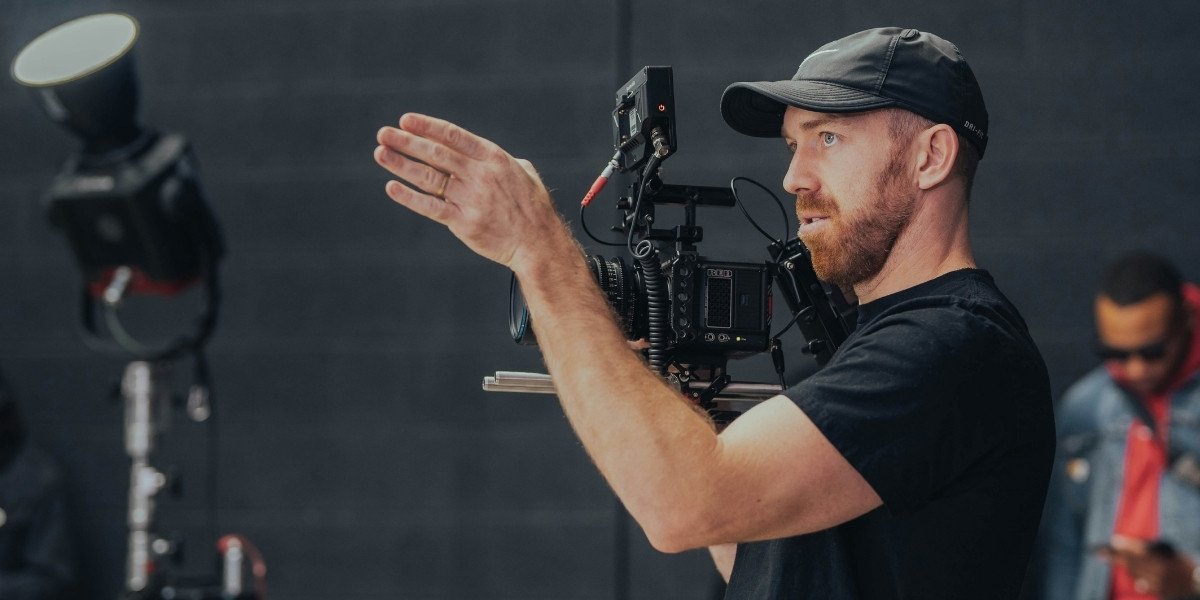
Photo Credit: Unsplash.com
Beyond personal connection or necessity, acting offers directors an alternative creative outlet and a different form of engagement with the filmmaking process. While directing demands immense responsibility and oversight, acting allows for a focused immersion into a single character’s journey, free from the myriad concerns of production management. This shift can be liberating, providing a fresh perspective and perhaps even a renewed appreciation for the collaborative nature of film. It’s a different kind of challenge, stimulating their artistic sensibilities in new and unexpected ways.
Notable Examples of Directors Excelling as Actors
The annals of cinema are rich with examples of directors who have achieved significant acclaim for their acting prowess. Clint Eastwood stands as a towering figure in this regard, having seamlessly transitioned from a highly successful acting career, particularly in Westerns and action films, to becoming an Academy Award-winning director. Yet, he continued to star in many of his own directorial projects, delivering iconic performances in films like Unforgiven and Million Dollar Baby, demonstrating a masterful ability to guide a narrative from both sides of the lens. His stoic on-screen presence became synonymous with his directorial style.
Another prominent example is Ben Affleck, who, after achieving stardom as an actor, notably with Good Will Hunting, embarked on a highly successful directorial path, culminating in an Best Picture Oscar for Argo. Despite his directorial commitments, Affleck has maintained a robust acting career, taking on diverse roles that showcase his range, from dramatic thrillers to superhero blockbusters. His ability to navigate both roles effectively underscores a comprehensive understanding of cinematic storytelling and performance that few can match.
Beyond these well-known examples, many other directors have made indelible marks as actors, often in surprising or memorable roles. Kenneth Branagh, a celebrated Shakespearean actor and director, frequently casts himself in his own films and other high-profile productions. John Huston, a legendary director, was also a formidable character actor, notably appearing in Chinatown. These instances highlight a shared characteristic: a profound insight into character development and narrative arc, which informs both their directorial decisions and their nuanced performances.
How Directorial Experience Enhances Acting Performance
A director’s journey behind the lens provides an actor with an unparalleled understanding of the entire filmmaking ecosystem. Having managed a set, guided performances, and overseen the myriad technical aspects of production, these individuals bring a comprehensive awareness of how their performance fits into the larger cinematic puzzle. They understand shot composition, editing rhythms, and the overall narrative flow, allowing them to deliver performances that are not only emotionally resonant but also technically precise and impactful within the film’s structure. This macro-level perspective is a distinct advantage.

Photo Credit: Unsplash.com
The experience of directing offers profound insight into the psychology of character and story. A director is tasked with dissecting scripts, understanding motivations, and shaping narrative arcs for an entire cast. When they step into an acting role, they apply this same rigorous analytical approach to their own character, delving deeper into their inner world and external behaviors. This analytical rigor leads to performances that are richly detailed, nuanced, and deeply intentional, as every choice is informed by a holistic understanding of the story’s demands and the director’s ultimate vision.
Having directed other actors, these individuals possess a unique empathy for the performer’s process. They understand the challenges of finding truth in a scene, the need for clear direction, and the importance of a supportive set environment. This empathetic perspective allows them to be highly collaborative, receptive to guidance, and acutely aware of their role within the ensemble. Their dual experience often translates into a performance that is not only compelling on its own but also elevates the work of their fellow actors, making the entire production more cohesive and powerful.
The Enduring Appeal and Future of the Director-Actor Hybrid
The enduring appeal of directors who also act lies in their multifaceted talent and the unique perspective they bring to both roles. Their ability to command respect both as a visionary leader and a skilled performer speaks volumes about their comprehensive understanding of storytelling. This hybrid role challenges conventional notions of specialization within Hollywood, demonstrating that true artistic mastery often transcends singular vocational boundaries, leading to more complete and nuanced cinematic expressions. It’s a testament to lifelong dedication to the craft.
Looking ahead, the prevalence of director-actors is likely to continue, perhaps even increasing as filmmaking becomes more accessible and creative individuals seek more complete artistic control. The rise of independent cinema and streaming platforms provides more avenues for filmmakers to experiment with dual roles, allowing them to realize their singular visions without the constraints of traditional studio structures. This evolving landscape offers fertile ground for new generations of hyphenates who are eager to both shape the narrative and embody its characters.
The phenomenon of directors stepping into the spotlight as actors is a fascinating aspect of cinematic evolution. It underscores the interconnectedness of all elements of filmmaking and celebrates the rare individuals who can master multiple facets of this complex art form. As long as there are compelling stories to tell and characters to inhabit, there will be visionary directors drawn to the challenge of bringing their narratives to life not just through their leadership, but through their very presence on screen, continuing to define what it means to be a truly complete artist in Hollywood.