How Meme Culture Is Changing the Entertainment Industry
In the digital age, the rise of meme culture has profoundly impacted various aspects of modern life, including the film and TV industries. Memes, which are humorous or satirical pieces of content often spread rapidly online, have become a powerful tool in driving popularity and influencing the cultural relevance of movies and television shows. What once existed as fleeting inside jokes or internet trends now holds the power to elevate films and TV shows to new heights, reaching audiences far beyond their traditional marketing channels.
Meme culture has created a new form of viral marketing, where certain scenes, characters, or quotes from a movie or TV show can quickly gain traction across platforms like Twitter, Instagram, TikTok, and Reddit. As a result, shows and films that may have been overlooked or underappreciated can suddenly find themselves experiencing a surge in popularity simply because a single moment has gone viral. This phenomenon has disrupted traditional forms of entertainment promotion and opened up new avenues for creators to connect with their audiences.
Read Also: The Trend of Films and Product Placements
Meme culture has introduced a sense of participatory fandom, where audiences are no longer passive consumers but active participants in the shaping of a show or movie’s legacy. Fans now contribute to the narrative, remixing and recreating moments in ways that amplify their favorite aspects of a film or show. This democratization of media engagement means that cultural influence is no longer solely in the hands of film studios and TV networks, but in the collective hands of audiences online.
How Memes Help Movies and TV Shows Go Viral
Memes have a unique ability to amplify moments from movies and TV shows, transforming them into cultural phenomena that can increase viewership and engagement. A single scene or character moment, when turned into a meme, can spread like wildfire across social media platforms, attracting attention from people who may never have watched the original content. This viral aspect of meme culture makes it an invaluable marketing tool, especially in a competitive entertainment landscape where breaking through the noise can be a challenge.
For example, “The Office” became a major cultural touchstone in part because of its endless stream of memorable moments that were turned into memes. Characters like Michael Scott, Jim Halpert, and Dwight Schrute became internet legends, with their iconic quotes and facial expressions fueling an ongoing wave of meme creation. Even though the show had ended long before meme culture truly exploded, its popularity grew exponentially as online fans continued to share, remix, and laugh at scenes long after the series had wrapped. “The Office” went from a beloved but relatively niche comedy to one of the most-watched TV shows on streaming platforms like Netflix and Peacock, largely due to its meme-driven resurgence.
In films, meme culture has helped fuel interest in both mainstream blockbusters and indie productions. For instance, “Shrek”, which originally premiered in 2001, experienced a resurgence in popularity in the 2010s thanks to internet memes that celebrated the film’s quirky characters and themes. The movie’s iconic lines, such as “This is my swamp!” and the beloved character Donkey, became memes that spanned social media platforms, attracting a new generation of fans and propelling the film into pop culture’s collective consciousness.
The Role of Memes in Fandom Engagement and Community Building
Beyond just increasing popularity, memes have allowed fans to create and engage in online communities centered around shared interests in TV shows and films. These meme communities often take the form of fan accounts, dedicated subreddits, and group chats, where fans share memes, discuss episodes, and engage with the content in creative ways. In many cases, these communities become hubs for fandom culture, driving further conversation and engagement with the media in question.
The viral nature of memes also encourages fans to interact with content in novel ways, remixing or parodying scenes to create new narratives or interpretations. For example, fans might take a dramatic scene from a TV show and turn it into a humorous meme, reframing it to explore new themes or poking fun at the original material. This kind of creativity deepens the bond between fans and the content, as it allows people to interact with it beyond traditional viewing. This participatory culture keeps the conversation alive long after an episode airs or a movie is released.
Memes allow for the creation of memetic trends—shared moments, quotes, or memes that all fans can recognize and incorporate into their own posts and interactions. These trends often go beyond the show or film itself and integrate into the wider cultural lexicon, creating a sense of belonging and solidarity among fans. This shared experience strengthens the community, as memes allow for continuous engagement, helping TV shows and movies maintain relevance in a fast-paced digital environment.
How Studios Are Embracing Meme Culture for Marketing
Recognizing the power of memes, many entertainment studios and streaming platforms have begun to embrace meme culture as a legitimate marketing strategy. Rather than resisting the spontaneous, user-generated nature of memes, studios are now actively encouraging it by creating content specifically designed to be meme-friendly. This has led to the rise of social media teams at major studios that monitor meme trends and actively promote viral content from movies or TV shows.
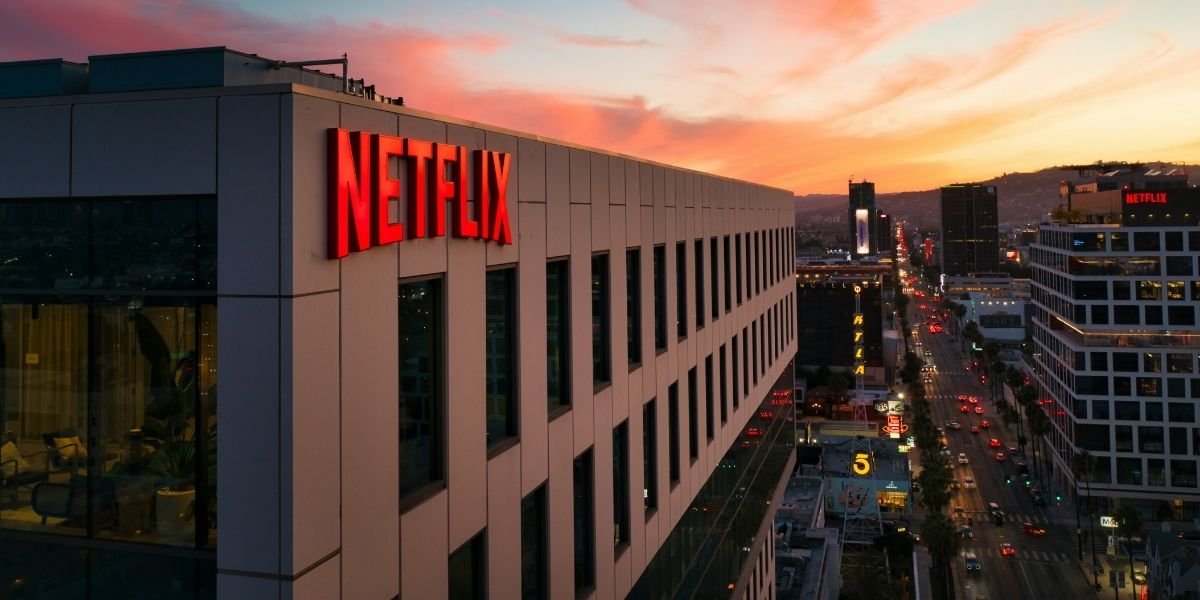
For instance, Netflix has consistently harnessed meme culture to promote its original content. Shows like “Stranger Things” and “The Witcher” have achieved massive success in part due to their ability to generate memes that resonate with fans. By engaging with meme creators, reposting fan content, and even participating in memes, Netflix ensures that its shows remain in the cultural spotlight long after their initial release.
In fact, meme culture has become such a powerful force that studios are starting to tailor their marketing strategies around it. For example, in anticipation of major releases, some films or shows will drop teasers or trailers specifically designed to be memeable—with catchy dialogue, hilarious visuals, or dramatic moments that can be easily remixed. Studios are recognizing that meme-driven virality can generate significant buzz, driving streaming traffic, box office sales, and merchandise purchases.
What Does the Future Hold for Memes and Entertainment?
As meme culture continues to evolve, its influence on the film and TV industries will likely only increase. We are already seeing an increasing intersection between memes and mainstream entertainment, where meme-friendly moments are built into the creative process from the start. This trend reflects the growing importance of fan engagement and digital conversations in shaping the success of TV shows and movies.
Read Also: The Rising Popularity of Gimmick Popcorn Buckets in the Film Industry
In the future, it’s possible that studios may leverage memes even more strategically, creating content that is almost specifically tailored to online engagement. Additionally, interactive storytelling may become more integrated with meme culture, allowing fans to contribute directly to the creation or continuation of a story through user-generated content. This new level of engagement will likely shape how stories are told, consumed, and remembered.
The rise of meme culture also raises important questions about ownership and authenticity in entertainment. As memes become a significant driver of a show or movie’s success, how much control should studios have over the memeification of their content? Will the pressure to create viral moments compromise the quality or integrity of entertainment? These are questions that will continue to be explored as the relationship between memes and the entertainment industry continues to evolve.