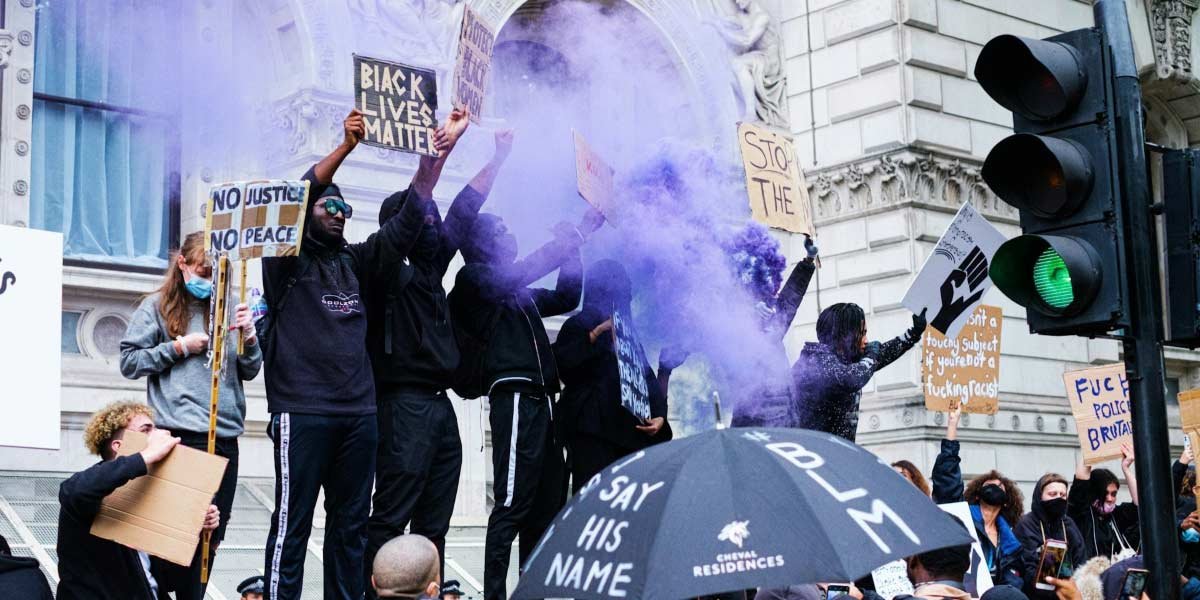

Music has long been intertwined with the human experience, reflecting society’s struggles, triumphs, and aspirations. Throughout history, music has served as a unifying force in social justice movements, giving voice to the voiceless, providing solace in times of hardship, and mobilizing communities for change. Its power lies in its ability to transcend barriers, delivering messages that resonate deeply across cultural, linguistic, and geographic divides. From folk ballads to hip-hop anthems, music continues to amplify the fight for justice, equality, and freedom. This article explores the ways music has shaped social justice movements, its functions in activism, and its enduring legacy in the pursuit of change.
Read also: The Progress of Representation in Music Over the 2020s
Historical Context: Music as a Force in Social Movements
Music’s role in social justice movements is deeply rooted in history, with powerful examples spanning centuries and continents.
The Civil Rights Movement
The Civil Rights Movement of the 1950s and 1960s is perhaps the most iconic example of music’s role in social justice. Songs like “We Shall Overcome,” “A Change Is Gonna Come” by Sam Cooke, and “Oh Freedom” became anthems that united protesters and galvanized their resolve. These songs were sung during marches, sit-ins, and rallies, offering emotional strength and a sense of shared purpose. Gospel music, deeply rooted in African American churches, also played a significant role, with artists like Mahalia Jackson inspiring crowds with her powerful voice and heartfelt performances.
The Anti-Apartheid Movement
In South Africa, music was a critical tool in the fight against apartheid. Artists such as Hugh Masekela, Miriam Makeba, and Johnny Clegg used their music to protest racial segregation and call for freedom. Songs like Masekela’s “Bring Him Back Home” and Makeba’s “Nkosi Sikelel’ iAfrika” became global symbols of resistance, rallying support for the movement and spreading its message internationally.
Labor Movements and Union Struggles
Folk songs like “Which Side Are You On?” and “Solidarity Forever” were central to labor movements, particularly during the early 20th century. These songs, often sung during strikes and picket lines, highlighted the struggles of workers and emphasized the importance of unity. Woody Guthrie’s “This Land Is Your Land” became a protest anthem advocating for economic justice and equality.
Functions of Music in Social Justice Movements
Music’s ability to evoke emotion, communicate complex ideas, and unify people makes it a powerful tool for activism. Its functions in social justice movements are as varied as the causes it supports.
Mobilization and Unity
Music has an unparalleled ability to bring people together, fostering a sense of community and shared purpose. Protest songs and anthems create a collective identity among activists, encouraging participation and solidarity. Singing together during marches and rallies amplifies voices and creates a sense of empowerment, turning individual struggles into a collective force for change.
Emotional Expression and Healing
Music serves as an outlet for expressing the emotions tied to social struggles—anger, grief, hope, and resilience. These emotional connections inspire individuals to take action and sustain their commitment. Billie Holiday’s haunting rendition of “Strange Fruit,” which addresses the horrors of lynching, is a powerful example of how music can evoke profound emotional responses and spark action.
Communication and Messaging
Music is a universal language that can convey powerful messages in ways that resonate deeply. Protest songs distill complex socio-political issues into accessible and memorable forms, making them relatable to diverse audiences. For example, Bob Marley’s “Get Up, Stand Up” continues to inspire movements for equality and human rights worldwide.
Genres and Their Contributions to Activism
Different musical genres have contributed uniquely to social justice movements, reflecting the diverse ways music can address injustice.
Folk Music: The Voice of the People
Folk music has long been associated with social justice movements, particularly during the mid-20th century. Artists like Woody Guthrie, Pete Seeger, and Joan Baez used their music to address issues such as labor rights, civil rights, and anti-war activism. Songs like “This Land Is Your Land” and “If I Had a Hammer” became rallying cries for justice, highlighting the power of simple melodies and relatable lyrics to inspire change.
Hip-Hop: A Platform for Marginalized Voices
Emerging from the streets of marginalized communities, hip-hop has become one of the most powerful genres for addressing systemic injustice. Artists like Public Enemy, Tupac Shakur, and Kendrick Lamar have used their music to highlight issues like police brutality, racial inequality, and economic disparity. Tracks like Public Enemy’s “Fight the Power” and Lamar’s “Alright” have become anthems for movements like Black Lives Matter, amplifying the voices of those fighting for change.
Rock and Punk: Rebellion and Resistance
Rock and punk music, known for their rebellious spirit, have also played significant roles in social justice movements. Bands like U2, Rage Against the Machine, and The Clash have used their music to protest war, corruption, and inequality. Songs like U2’s “Sunday Bloody Sunday” and Rage Against the Machine’s “Killing in the Name” continue to resonate as calls to action against injustice.
Contemporary Examples: Music in Modern Movements
In the 21st century, music remains a vital force in social justice, reflecting the challenges and aspirations of contemporary society.
Black Lives Matter Movement
The Black Lives Matter (BLM) movement has been deeply intertwined with music, with songs like Kendrick Lamar’s “Alright” and Childish Gambino’s “This Is America” serving as powerful anthems. These tracks address issues of systemic racism and police brutality, resonating with audiences worldwide. Artists such as Beyoncé, J. Cole, and H.E.R. have also contributed works that amplify the movement’s message, using their platforms to spark conversations and inspire action.
#MeToo Movement
The #MeToo movement has inspired a wave of empowering music that addresses gender-based violence and advocates for women’s rights. Songs like Kesha’s “Praying” and Lady Gaga’s “Til It Happens to You” resonate deeply with survivors, offering solace and solidarity while amplifying calls for accountability and cultural change. These songs highlight the power of music to transform personal pain into collective strength.
Climate Justice and Environmental Advocacy
Artists are increasingly using their music to address environmental issues and advocate for climate justice. Tracks like Joni Mitchell’s “Big Yellow Taxi” and Billie Eilish’s “All the Good Girls Go to Hell” draw attention to the urgency of protecting the planet, encouraging listeners to take action against environmental degradation.
Challenges and Critiques of Protest Music
While music has been a powerful tool for social justice, it is not without challenges and critiques.
Commercialization of Protest Music
As protest music gains popularity, there is a risk of it being co-opted by mainstream industries. Commercialization can dilute the original message, turning songs into marketable commodities rather than instruments of change. For instance, songs with revolutionary roots are sometimes used in advertising campaigns, disconnecting them from their activist origins.
Censorship and Suppression
In many parts of the world, protest music faces censorship and suppression. Authoritarian regimes often target musicians who use their art to criticize the government, silencing dissenting voices. Artists like Pussy Riot in Russia and Fela Kuti in Nigeria have faced persecution for their activism, highlighting the risks musicians take when using their platforms for social justice.
Read also: The Rise of Nu Metal: Exploring Its Unmatched Appeal in the Early 2000s
Music as a Catalyst for Change
Music has been, and continues to be, a powerful catalyst for social justice movements. Its ability to unite, inspire, and educate makes it an indispensable tool for activists seeking to create meaningful change. From the spirituals of the abolitionist movement to the anthems of Black Lives Matter, music transcends boundaries, connecting people through shared experiences and aspirations.
As society evolves, so too will the ways in which music amplifies social justice movements. By preserving its authenticity and staying rooted in the struggles it seeks to address, music will remain a vital force in the fight for equality, freedom, and human rights. Whether through folk ballads, hip-hop verses, or haunting melodies, music will continue to resonate as a universal call for justice.