The fashion and beauty industries have long been defined by a very narrow standard of beauty, one that has often excluded a large portion of the population. For decades, the idealized image of a model was consistently tall and slender, a representation that was not reflective of the diverse body shapes and sizes found in the real world. However, in recent years, a powerful shift has taken place. The rise of plus-size models is not just a passing trend; it is a fundamental reevaluation of what is considered beautiful. These models are not only walking runways and gracing magazine covers, but they are also leading a broader movement toward body positivity and size inclusion, fundamentally challenging old notions and creating a more representative and welcoming world for everyone.
Read Also: From Runway to Rhapsody: Models Who Lit Up the Musical Stage
This transformation has deep roots in a long history of struggle for representation. While some early retailers in the 1920s began to cater to “stout” women, a truly widespread effort to include different body types was slow to emerge. The fashion world was built around a singular ideal, and anyone who did not fit that mold was largely ignored. Over time, as consumer demands for a more inclusive approach grew, driven by grassroots body positivity movements, the industry was forced to pay attention. The visibility of plus-size models today is the result of years of advocacy and the undeniable reality of a diverse global market.
What Is the Impact of Plus-Size Models on the Fashion Industry?
The presence of plus-size models in high fashion and mainstream advertising has had a significant impact on the industry itself. For a long time, the fashion world operated on the idea that clothing was what made a body beautiful, rather than the other way around. However, as more brands began to use models of all sizes, they found a substantial, untapped market. Including a range of body types in campaigns and on the runway is no longer just a gesture toward social change; it has become a necessary business strategy. A major retail chain that features a diverse group of plus-size models in its advertising is seen as more modern and inclusive, and consumers respond to that.
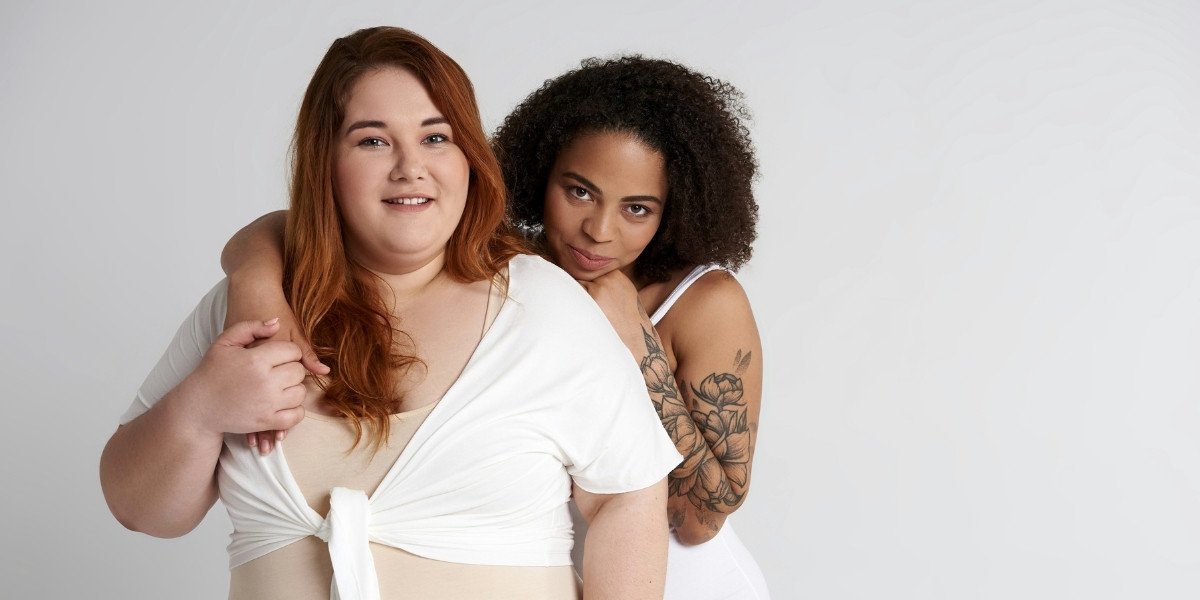
Photo Credit: Unsplash.com
The financial data supports this shift. Research shows that brands that embrace size inclusion and diversity in their marketing campaigns see a boost in consumer loyalty and purchase intention. People are more likely to buy from companies whose values align with their own, and for a growing number of consumers, seeing themselves represented in advertising is a crucial factor. The decision by a prominent brand to feature plus-size models on its website or in a television commercial signals that the company values and respects all of its customers, not just a select few. This move expands the market for the brand and builds a deeper, more meaningful connection with its audience.
How Do Plus-Size Models Affect Beauty Standards?
The most profound effect of plus-size models is on the concept of beauty itself. By consistently appearing in spaces where they were once absent, these models are helping to dismantle the idea of a single, universal beauty standard. They show that beauty is not confined to a specific size or shape, and that confidence and style can exist in any body. The images they present are often a refreshing change from the heavily edited and unrealistic pictures that have dominated the media landscape for years. This new form of representation is powerful.
When a person sees a plus-size model on a major magazine cover or on a billboard, it can have a direct and positive effect on their own self-esteem. Studies have shown that exposure to these images can lead to increased body satisfaction and a reduction in negative emotions related to body image. For many people who have felt invisible or unrepresented, seeing a model who looks more like them can be a validating and empowering experience. It sends the message that their body is not something to be hidden or changed, but something to be celebrated. This normalization of different body types helps people appreciate their own unique features and reduces the pressure to conform to an unattainable ideal.
Are Plus-Size Models Influencing Body Positivity?
The rise of plus-size models is intricately linked with the body positivity movement. This movement, which has gained significant momentum on social media, advocates for the acceptance of all body types, regardless of size, shape, or appearance. Models in this space have become a powerful force in this conversation. Through their personal platforms, they often share candid stories about their own journeys, embracing their bodies and encouraging their followers to do the same. Their content is not just about fashion; it is about self-love and radical acceptance.
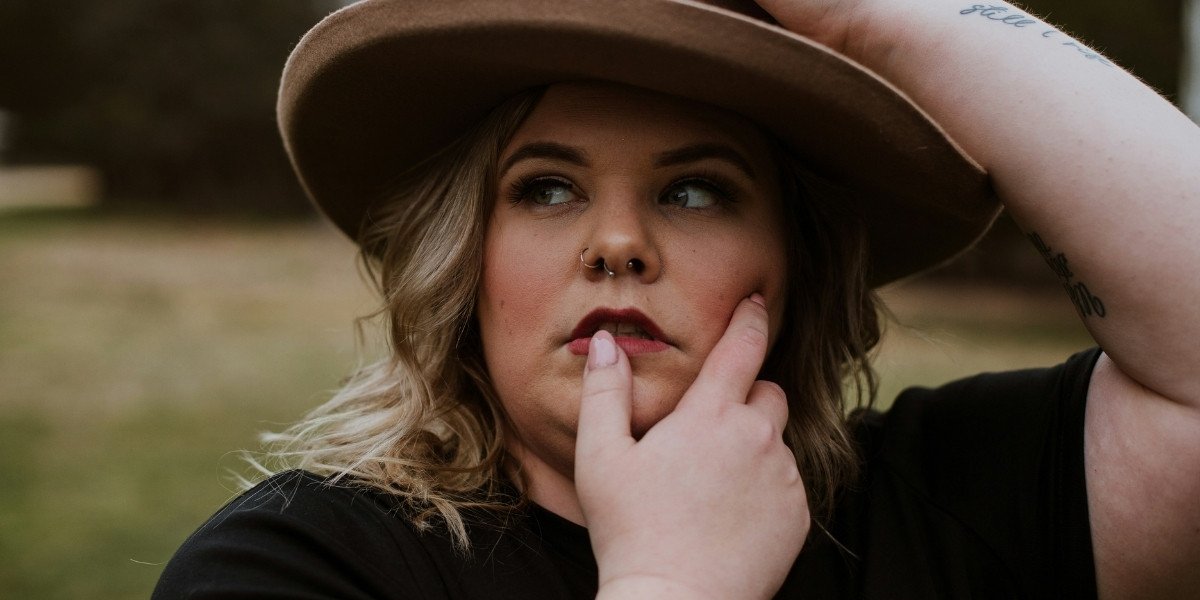
Photo Credit: Unsplash.com
This direct connection between plus-size models and their audience has been a major factor in driving a cultural shift. Where mainstream media once dictated what was considered beautiful, social media has allowed for a more democratic process. People can now follow and engage with models who reflect a wider array of body types, creating a community of support and positive reinforcement. This grassroots movement has forced the fashion and beauty industries to listen and adapt, proving that consumers want more than just clothes; they want to feel seen and valued. The success of plus-size models in both online and traditional media has made the body positivity message impossible to ignore.
What Is the Future of Size Inclusion in Fashion?
While there has been a lot of progress, the work is far from over. The conversation around size inclusion is an ongoing one, and it is a movement that requires consistent effort from all parts of the industry. The success of plus-size models has demonstrated that a diverse approach is not only ethical but also profitable, so there is every reason to believe that this trend will continue. The next step involves a move away from simply adding a “plus-size” category to fully integrating all body types into every aspect of a brand’s identity, from design to marketing. The goal is to reach a point where size diversity is so common that it is no longer a talking point, but a given.
Read Also: The Impact of Iconic Supermodels on Pop Culture
As the industry continues to evolve, the language used to describe different body types will also change. The term “plus-size” itself is seen by some as limiting, and there is a growing push for more neutral and inclusive terms. Ultimately, the presence of plus-size models is a sign of a larger societal shift toward a more accepting and realistic definition of beauty. By breaking down barriers and showing that style has no size, they are not just changing the fashion industry; they are helping to create a world where every person can feel confident and beautiful in their own skin. The enduring impact of their work will be measured not just in sales figures, but in the long-term well-being and self-esteem of people everywhere.