Lung cancer remains one of the most challenging cancers to diagnose in its early stages. Often, the symptoms don’t appear until the disease is in its later stages, making treatment options more limited. However, with advancements in medical screening, early detection has become a powerful tool in the fight against lung cancer. By identifying the disease at an earlier, more treatable stage, lung cancer screening can literally save lives.
The Importance of Early Detection
Lung cancer is the leading cause of cancer deaths worldwide, and in the U.S., it accounts for more deaths than breast, prostate, and colorectal cancers combined. Unfortunately, most lung cancer cases are diagnosed when the disease has already spread, reducing the chances of successful treatment. Early detection, however, gives doctors the best possible chance to treat the cancer before it has a chance to spread to other parts of the body.
One of the key methods of early detection is through low-dose computed tomography (CT) scans. CT scans have been shown to detect lung cancer at much earlier stages than traditional X-rays. When caught early, treatment options like surgery, radiation, and chemotherapy are far more effective, improving survival rates significantly. This is why screening is crucial, especially for individuals at higher risk.
Who Should Consider Lung Cancer Screening?
While anyone can develop lung cancer, certain groups of people are at a higher risk and should consider screening. According to the U.S. Preventive Services Task Force (USPSTF), people between the ages of 50 and 80 who have a history of heavy smoking (defined as 20 pack-years or more) and are currently smoking or have quit within the last 15 years should consider annual screening.
A “pack-year” refers to smoking one pack of cigarettes a day for one year. For example, if someone smoked one pack per day for 20 years, they would have 20 pack-years. These individuals are at the highest risk of developing lung cancer and are the primary candidates for screening.
Additionally, people with a family history of lung cancer or those who have been exposed to harmful substances like asbestos or radon may also be at an increased risk. In these cases, individuals should consult their healthcare providers to determine the best screening options for their specific circumstances.
The Role of Screening in Saving Lives
Studies have shown that lung cancer screening can significantly reduce the risk of dying from lung cancer. A large trial published in the New England Journal of Medicine in 2011 found that low-dose CT scans were 20% more effective than chest X-rays at reducing lung cancer mortality. The study also showed that CT screening led to fewer late-stage diagnoses and more cases of early-stage lung cancer that could be treated more effectively.
Early detection through screening can also help identify non-cancerous lung issues that might be treated before becoming more serious. For example, benign lung nodules or other abnormalities might be caught early, allowing for non-invasive treatment before they progress into something more dangerous. By catching such conditions early, patients can avoid more invasive and costly treatments down the road.
The Challenges of Lung Cancer Screening
Despite the proven benefits of early detection, lung cancer screening is not without its challenges. One of the most significant barriers is that not everyone who should be screened has access to the necessary healthcare. Health disparities, including geographic location, income, and insurance coverage, can prevent some high-risk individuals from getting screened.
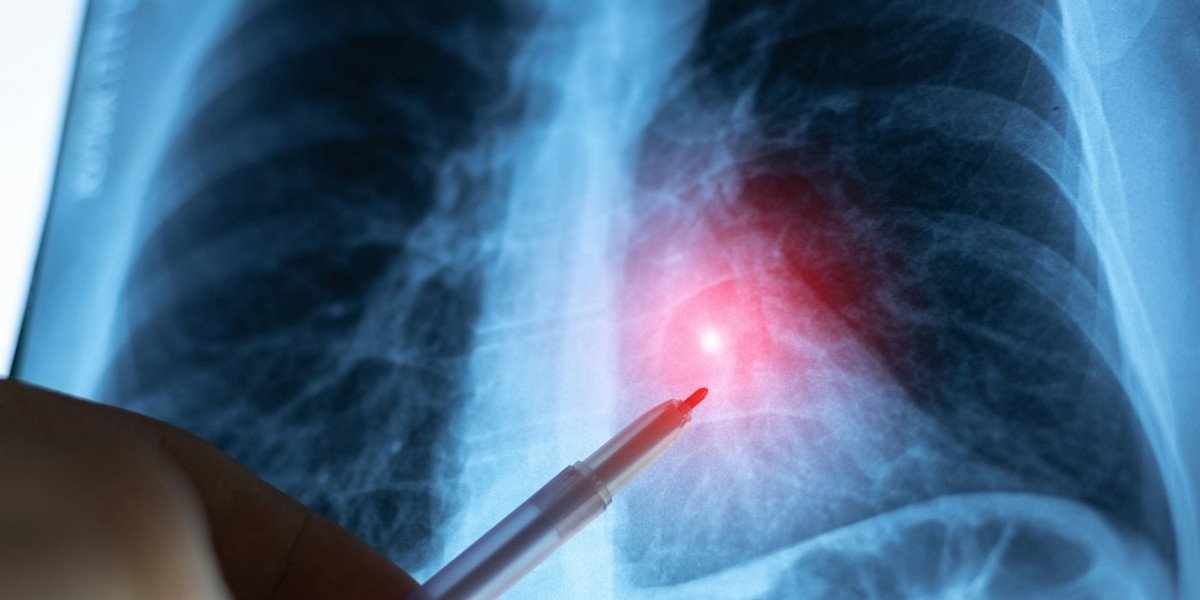
Photo Credit: Unsplash.com
There is a risk of overdiagnosis with screening. Low-dose CT scans can sometimes detect small abnormalities that may never develop into cancer, leading to unnecessary tests, treatments, and anxiety for patients. This is why it is crucial to balance the benefits of screening with the potential risks of false positives and the anxiety they can cause.
Lung cancer screening requires ongoing monitoring. A single scan is not enough to guarantee that lung cancer will be detected if it develops in the future. Regular screenings are necessary, and patients must commit to follow-up appointments and tests to ensure continued monitoring.
How to Get Screened for Lung Cancer
If you’re in a high-risk category for lung cancer, talk to your doctor about whether lung cancer screening is right for you. Your doctor will evaluate your smoking history, overall health, and family history of lung cancer to determine if you should undergo regular screening.
Lung cancer screening is typically done using a low-dose CT scan, which is a non-invasive procedure that takes detailed images of your lungs. The process is quick and painless, typically taking only about 15 minutes to complete. If any potential abnormalities are found, further testing, such as biopsies or additional scans, may be recommended.
It is important to note that while screening can help detect lung cancer early, it is not foolproof. Not every case of lung cancer can be detected through screening, and not every patient will benefit from it. However, for those at high risk, the potential to catch lung cancer early far outweighs the risks of screening.
Moving Forward: The Promise of Early Detection
As research into lung cancer continues, the hope is that we will develop even more advanced tools for early detection. Scientists are working on new technologies and screening methods that may improve detection rates and reduce false positives, making early screening even more effective.
Until then, low-dose CT scans remain one of the most powerful tools in detecting lung cancer at an early stage. For individuals at higher risk, undergoing regular screenings can be a life-saving decision. Early detection not only increases the likelihood of survival but can also lead to less aggressive treatments, improving the quality of life for patients.
With awareness and access to screening, we can reduce the number of people diagnosed with advanced-stage lung cancer and increase survival rates. If you’re at risk, don’t wait—schedule a screening today and take control of your health.