In the ever-evolving landscape of digital marketing, a seismic shift has occurred: influencers have redefined the rules of brand collaboration, blurring the lines between traditional modeling, content creation, and personal branding. What began as casual product mentions on Instagram has blossomed into a global industry where influencers are not just endorsers—they’re co-creators, storytellers, and cultural catalysts.
From Runways to Reels: The Changing Face of Brand Representation
For decades, brands relied on professional models to showcase products in polished campaigns. These models were chosen for their looks, poise, and ability to embody aspirational aesthetics. But today, influencers offer something models rarely could: relatability and narrative.
- Influencers bring context—they wear the clothes, use the skincare, and live the lifestyle they promote.
- Their audiences trust them, not just for style inspiration, but for honest reviews and behind-the-scenes access.
- Micro-influencers, with smaller but highly engaged followings, often outperform traditional models in terms of ROI and conversion rates.
This shift has led brands to rethink their casting strategies. Instead of hiring anonymous faces, they now seek personalities with built-in audiences, authentic voices, and the ability to drive conversation.
Collaboration Over Contract: The Rise of Co-Creation
Gone are the days of one-off endorsements. Today’s brand-influencer relationships are long-term, strategic partnerships. Influencers are involved in product development, campaign ideation, and even brand positioning.
Common collaboration formats include:
- Sponsored Content: Influencers create posts featuring products in exchange for payment.
- Affiliate Marketing: They earn commissions through tracked links and promo codes.
- Brand Ambassadorships: Long-term representation across multiple campaigns.
- Product Co-Creation: Influencers help design or curate product lines.
These collaborations are not just transactional—they’re mutually beneficial ecosystems. Brands gain access to niche communities, while influencers elevate their credibility and diversify income streams.
Authenticity Is the New Currency
In a saturated digital world, authenticity is what cuts through the noise. Consumers are increasingly skeptical of polished ads and celebrity endorsements. They crave real stories, honest opinions, and content that feels personal.
Influencers thrive in this space because:
- They share their lives, not just their looks.
- They engage directly with followers, building trust and loyalty.
- They curate communities, not just content.
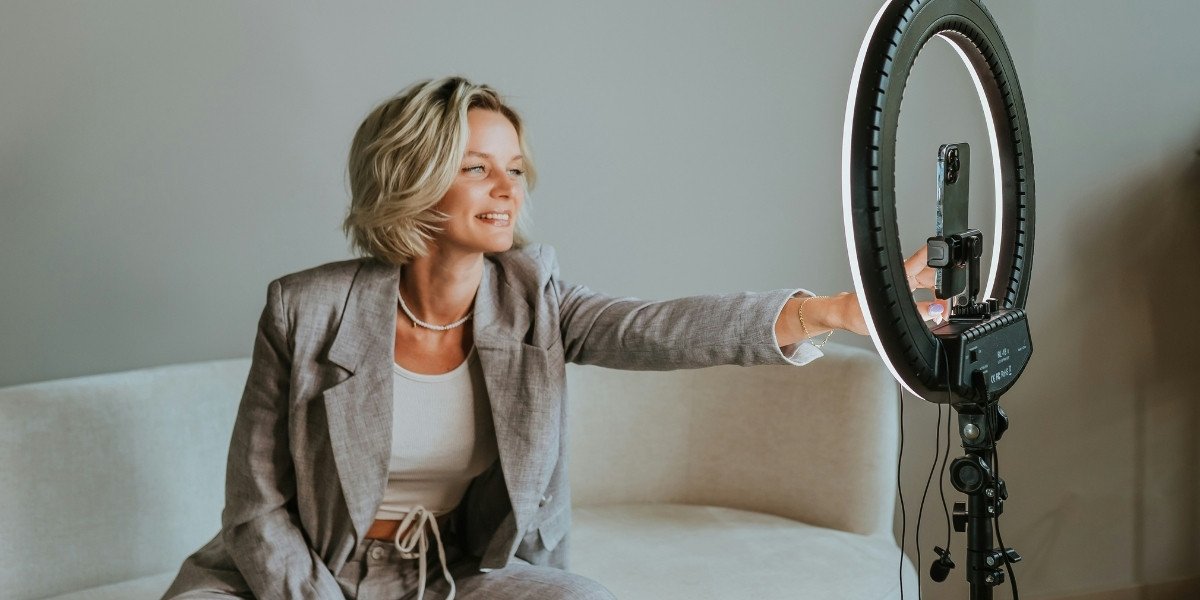
Photo Credit: Unsplash.com
This authenticity has made influencers powerful brand allies. A single post from a trusted creator can spark trends, sell out products, and shift public perception.
Models as Influencers, Influencers as Models
Interestingly, the influencer boom hasn’t replaced traditional models—it’s reshaped their roles. Many professional models now build personal brands on social media, becoming influencers in their own right. Conversely, influencers are being cast in fashion campaigns, walking runways, and starring in global ads.
This convergence has created a hybrid identity:
- Model-influencers bring industry polish and digital reach.
- Influencer-models offer relatability and storytelling.
Brands now seek talent that can bridge both worlds—those who look great in a campaign and can also drive engagement online.
What’s Next? AI, Virtual Influencers, and the Future of Collaboration
As technology evolves, so does the influencer landscape. AI-generated influencers like Aitana Lopez are gaining traction, offering brands 24/7 availability, perfect aesthetics, and complete creative control. These virtual personalities challenge our notions of authenticity and raise questions about the future of human representation.
Meanwhile, data-driven influencer marketing is becoming more sophisticated. Brands use analytics to identify ideal collaborators, track performance, and optimize campaigns in real time.
The future promises:
- Hyper-personalized content powered by AI.
- Cross-platform storytelling that blends video, AR, and live shopping.
- Decentralized brand influence, where creators build their own product lines and media empires.
Influence Is the New Identity
The rise of influencers marks more than a marketing trend—it’s a cultural shift. In this new era, influence is not just about visibility—it’s about connection, creativity, and credibility. Brands and models must adapt, collaborate, and co-create to stay relevant.
Whether you’re a brand strategist, a content creator, or a curious observer, one thing is clear: the future of collaboration is personal, powerful, and profoundly digital.