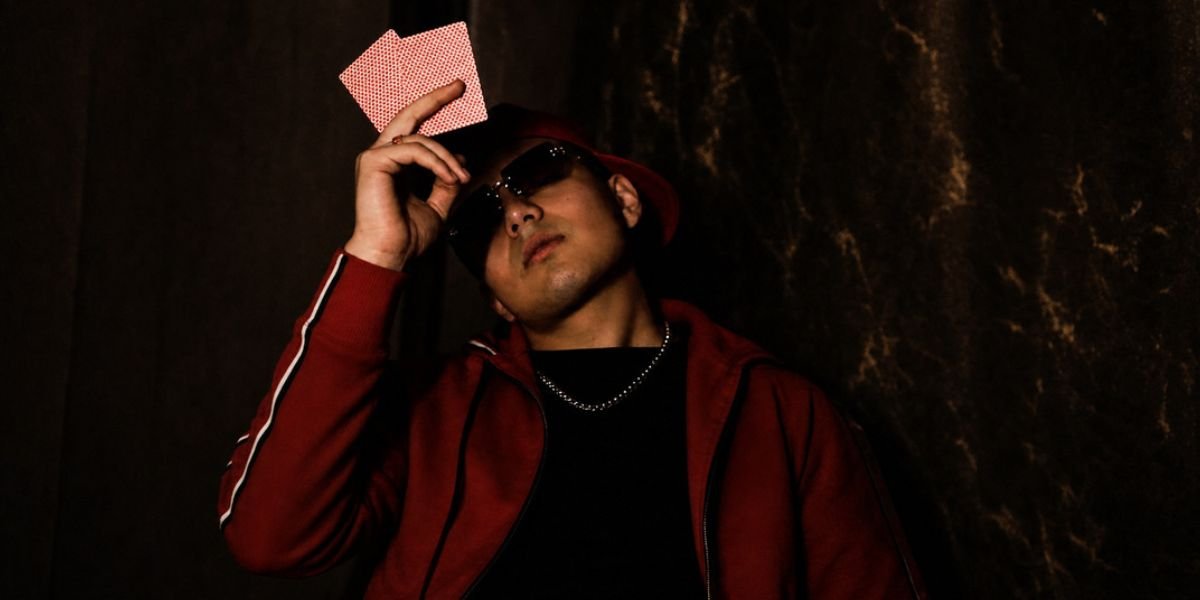
Moon Is Turning Hunger Into Momentum With ‘Need It’

There’s a difference between wanting something and feeling like you need to have it. For Toronto artist Moon, that hunger has become an important part of both his music and the direction he’s heading.

At 24, the hip-hop and trap artist is entering this chapter with more than 200,000 total streams, live performances around Toronto, and a much clearer idea of the artist he wants to become. Born in Montreal, raised in Brampton, and now based downtown, Moon’s story reflects different sides of the Greater Toronto Area and the ambition that comes with making your own way within it.

His Kashmiri roots, personal setbacks, and experiences growing up have all shaped an artist who puts authenticity before creating a perfect image. Inspired by Future, Lil Baby, Young Dolph, Shoreline Mafia, and Lil Durk, Moon brings melodic trap together with heavy 808s, darker piano melodies, and a delivery built on lived experience.

“Need It” takes that ambition and makes it impossible to ignore. Rather than digging deeply into the struggles behind his journey, the track focuses on what Moon wants from the future. Success, money, fashion, nightlife, and the lifestyle surrounding it all become part of a deliberately excessive picture. The message isn’t subtle, but it isn’t supposed to be.

At the center of the track is a hook designed to stick almost immediately. “I need it now” captures the impatience running through the song, while its high-energy production turns ambition into something listeners can experience rather than simply hear about.

That attitude feels particularly fitting for an artist who has already had to build independently. Moon has taken his music onto Toronto stages, including a headline show at Bar Orwell and a performance at Scarlett Toronto, while steadily growing his streaming audience.

But numbers are only part of what he’s chasing. Moon has spoken about wanting to build something lasting rather than simply finding one successful moment.

“Need It” captures him somewhere in the middle of that journey. He hasn’t reached everything he’s aiming for yet, but waiting around doesn’t seem to be part of the plan.

That sense of urgency gives “Need It” its central character. Moon isn’t presenting ambition as something distant or abstract. It is immediate, personal, and tied directly to the life he wants to create. The song takes that feeling and turns it into an energetic statement about refusing to settle for less.

His background adds context to the confidence behind that statement. Moving from Montreal to Brampton and eventually downtown Toronto has exposed Moon to different environments and experiences, while his Kashmiri roots remain another important part of his identity. Rather than separating those elements from his music, he brings them into an approach built around authenticity.

The sound supports that approach. Melodic trap, heavy 808s, and darker piano melodies create the foundation, while Moon’s delivery keeps the focus on the urgency behind his words. His influences can be heard within that world, but his own experiences provide the perspective that makes the music personal.

“Need It” is especially focused on the future. The track does not spend most of its time explaining the obstacles that came before. Instead, Moon looks toward success, money, fashion, nightlife and the lifestyle that surrounds those ambitions. The deliberate excess is part of the point.

The hook reinforces that mentality. “I need it now” is simple enough to become instantly recognizable, but it also summarizes the impatience driving the entire track. There is no suggestion that Moon is willing to wait indefinitely for the things he wants.

That energy has also been reflected in his live development. Performing around Toronto, including a headline show at Bar Orwell and an appearance at Scarlett Toronto, has given Moon another way to build his audience while developing his presence beyond streaming platforms.

With more than 200,000 total streams already behind him, the numbers show that his music is reaching listeners. But Moon’s ambitions extend beyond accumulating streams or finding a single successful release. He has spoken about wanting to build something lasting, giving his current chapter a sense of direction beyond the immediate attention surrounding one track.

That bigger goal makes “Need It” feel like part of an ongoing journey. The song captures the hunger of an artist who knows there is more to achieve and is unwilling to pretend otherwise.

There’s a difference between wanting something and feeling like you need to have it. For Moon, that distinction has become the driving force behind “Need It.”

“Need It” captures him somewhere in the middle of that journey. He hasn’t reached everything he’s aiming for yet, but waiting around doesn’t seem to be part of the plan.

Listeners can stream “Need It” on Spotify.
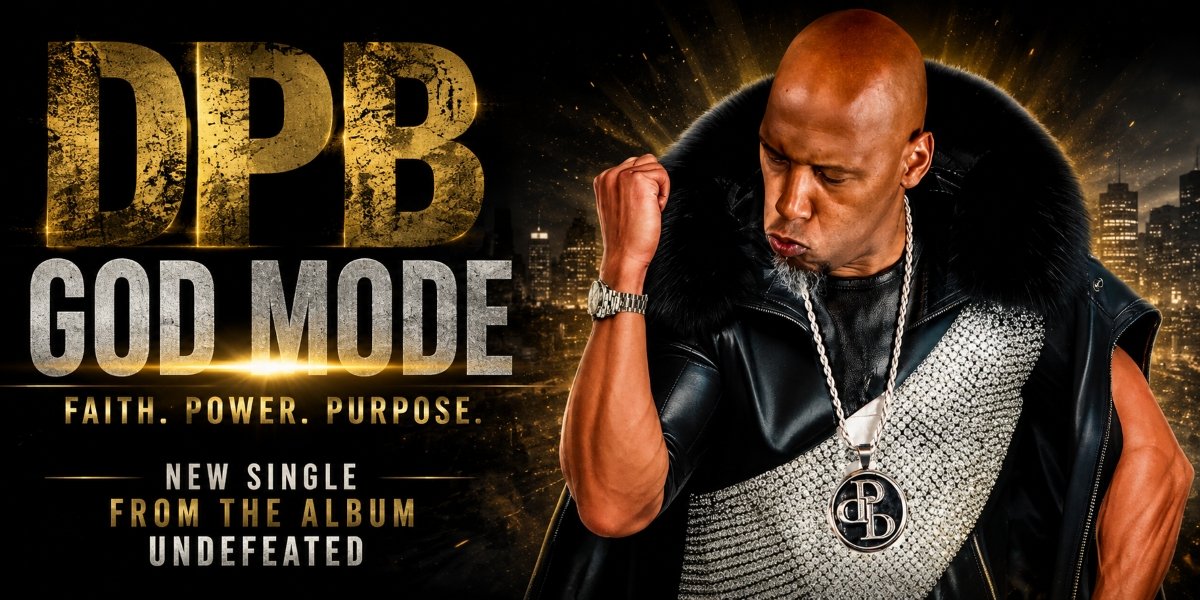
DPB Hits the Spiritual Cheat Code on the Defiant, Revival‑Charged “God Mode”

By: Ethan Caldwell

There’s a point in DPB’s “God Mode” when you realize subtlety was never invited to the session. This isn’t a track interested in coy spirituality, tasteful ambiguity, or the kind of inspirational language broad enough to sneak onto any playlist without offending anybody. DPB kicks down the door, announces that Jesus is in the building, and spends the next several minutes turning Christian hip-hop into something resembling a revival meeting with an 808 underneath it.

That lack of hesitation is precisely what makes “God Mode” work.

Pulled from DPB’s 2026 album Undefeated, “God Mode” is being pushed anew to radio this summer, following “Back in the Day,” which reached No. 1 on the National Radio Hits AC Airplay chart. The new campaign has already taken “God Mode” to No. 2 on Christian Music Weekly’s Rhythmic Airplay chart. The song itself predates the album, since its original single release arrived in 2022 before being incorporated into Undefeated.

And maybe that explains why it feels so unconcerned with whatever Christian hip-hop is supposed to sound like in 2026.

DPB has been doing this too long to chase anybody.

The title appropriates one of gaming culture’s most recognizable concepts. Activate “God Mode,” and suddenly your character is essentially untouchable. DPB takes that digital fantasy and turns it into a spiritual metaphor: What if Christians stopped behaving as though God’s power were some future upgrade they hadn’t unlocked yet?

The inspiration reportedly came from a dream following DPB’s prayers for clarity about what message he should deliver next. The revelation, as he describes it, was that believers spend too much time asking God for future victories while overlooking the spiritual authority available to them in the present.

That premise gives “God Mode” its best hook and perhaps its most wonderfully audacious piece of Christian-pop wordplay: “Jesus Christ is the God Code.”

It’s ridiculous.

It’s clever.

It’s also nearly impossible to forget.

DPB understands something that plenty of technically superior rappers never learn: a hook doesn’t need to impress you if it can permanently occupy your brain.

The verses operate with similar abandon. DPB doesn’t merely suggest that God can intervene; he creates a roll call of deliverance. Healing. Freedom. Miracles. Revival. He raps about God healing everything from hips to feet, arms, necks and backs, then leaps directly into the wonderfully eccentric image of Jesus as the “king of bones.” The language can be playful even while DPB remains deadly serious about the theology underneath it.

That tension is fascinating. “God Mode” has the exuberance of old-school party rap but the agenda of an altar call.

Its musical vocabulary makes sense coming from an artist whose career stretches back more than three decades. DPB isn’t adopting hip-hop as a delivery system for Christian messaging; hip-hop is clearly part of the way he naturally communicates. There are echoes here of an era when MCs understood records as communal experiences. Call, response, repetition, slogans and phrases designed to make an entire room participate.

That’s why the repeated declarations don’t feel accidental. “God Mode” isn’t structured like a theological essay. It’s structured like something meant to be shouted back at the stage.

The production follows accordingly, pushing forward with enough rhythmic muscle to keep the preaching airborne. Rather than separating worship music from hip-hop, DPB crashes them together until it’s difficult to tell where the rap performance stops and the church service begins. That hybrid approach has become one of the song’s defining characteristics in its 2026 reception.

There are moments when the sheer density of declarations threatens to overwhelm the song. DPB rarely encounters an idea he wants to understate, and listeners accustomed to hip-hop built on introspection or ambiguity may find his certainty almost confrontational.

But sanding those edges off would miss the point.

DPB isn’t documenting a crisis of faith.

He’s documenting the absence of one.

That’s what separates “God Mode” from the endless supply of motivational music built around vague promises that tomorrow will somehow be better. DPB’s argument is more immediate: quit waiting. The power you’re asking for isn’t scheduled to arrive later.

Coming after the warm nostalgia of “Back in the Day,” the song also reveals the scope of Undefeated. That track looked backward toward childhood in Nyack, New York. Family, church, neighborhood life, and the foundations that shaped DPB. “God Mode” plants both feet firmly in the present. Back then explains where the faith came from. Right now is where DPB intends to use it.

And beneath all the Christian terminology, there’s something unmistakably hip-hop about that proposition.

Hip-hop has always understood the transformational power of declaring yourself stronger than circumstances suggest. The difference is that DPB relocates the source of the boast. He’s not claiming invincibility because he’s richer, tougher, cooler, or more talented than everybody else.

His swagger is borrowed.

His confidence comes from somewhere above him.

After decades in Christian hip-hop, DPB doesn’t sound interested in asking permission to occupy the culture anymore. “God Mode” is loud, eccentric, relentlessly positive, and completely sincere.

Sometimes conviction makes the best distortion pedal.