Non-Surgical Care for Wrist and Hand Pain in Charlotte

By Dr. Eric Goodman, DC, and Dr. Douglas Bradberry, DC | ReliefNow Laser Charlotte | Charlotte, North Carolina

Why Wrist and Hand Pain Disrupts Daily Function

The hands are the primary instruments through which people engage with their work, their sport, and their daily lives. When wrist and hand pain interferes, the effects reach into nearly every task. Some of Charlotte’s finance professionals describe carpal tunnel numbness that wakes them at 3 a.m. Golfers and racquet players often deal with wrist tendinopathy that limits their game. At ReliefNow Laser Charlotte, Dr. Eric Goodman and Dr. Douglas Bradberry focus on conservative, non-surgical care for these conditions.

What Patients Should Know Before Considering Wrist Surgery

Mild to moderate carpal tunnel syndrome represents the majority of presentations, and conservative options are often part of the conversation before surgery is considered. Research published in the Journal of Hand Surgery has examined non-surgical management for cases in this range. Patients benefit from understanding the full set of options available to them. That information is best discussed with a qualified provider before any surgical decision is made.

How Charlotte’s Sports and Professional Demands Factor In

Dr. Goodman has worked with PGA and LPGA golfers, along with USTA tennis players. Wrist and forearm conditions rank among the most common presentations in overhead and racquet sport medicine. Dr. Bradberry has worked with athletes across contact and racquet sports that place specific demands on the upper extremity. Both doctors evaluate wrist and hand conditions with attention to the cervical spine, since nerve compression at the neck can contribute to symptoms that a wrist-only workup may miss.

What the Research Says About Carpal Tunnel and Laser Therapy

Carpal tunnel syndrome affects roughly 3 to 6 percent of adults. It also accounts for a notable share of missed workdays among occupational injuries, according to the Bureau of Labor Statistics. Studies on non-surgical management, including work published in the Journal of Hand Surgery and in Lasers in Surgery and Medicine, have looked at conservative approaches and at laser therapy as an area of continued clinical study. This research reflects the broader scientific literature rather than any single clinic’s results.

De Quervain’s tenosynovitis, which causes pain at the thumb-side base of the wrist, along with trigger finger and wrist tendinopathy, are conditions the clinic commonly sees in golfers and racquet sport players. ReliefNow Laser Charlotte uses Class IV laser therapy as one part of a conservative treatment approach for these presentations.

Dr. Goodman’s training in neurokinetic therapy examines the forearm and shoulder motor patterns that can place added stress on the wrist. Considering these biomechanical contributors is part of how the clinic approaches recurring wrist complaints rather than focusing on the joint in isolation.

To learn more about non-surgical pain relief in Charlotte, visit ReliefNow Laser Charlotte. Patient education videos are available on the ReliefNow Nation channel. Contact ReliefNow Laser Charlotte at 460 Park Rd, Charlotte, NC 28209 | 704-527-7246.

About the Authors

Dr. Eric Goodman, DC, studied at UNC-Charlotte and Palmer College of Chiropractic, with post-graduate training in neurokinetic therapy, acupuncture, laser therapy, rehabilitation, and nutrition. He has professional experience with PGA and LPGA golfers and USTA tennis players. Dr. Douglas Bradberry, DC, graduated from the University of Florida and earned honors at Palmer College of Chiropractic, along with his CCSP certification, and has experience in Olympic-level sports medicine. Both are providers in the national ReliefNow network, founded by Dr. Robert Hanopole, DC.

Disclaimer: This article is for informational purposes only and does not constitute medical advice. Consult a qualified healthcare provider before beginning any treatment program.
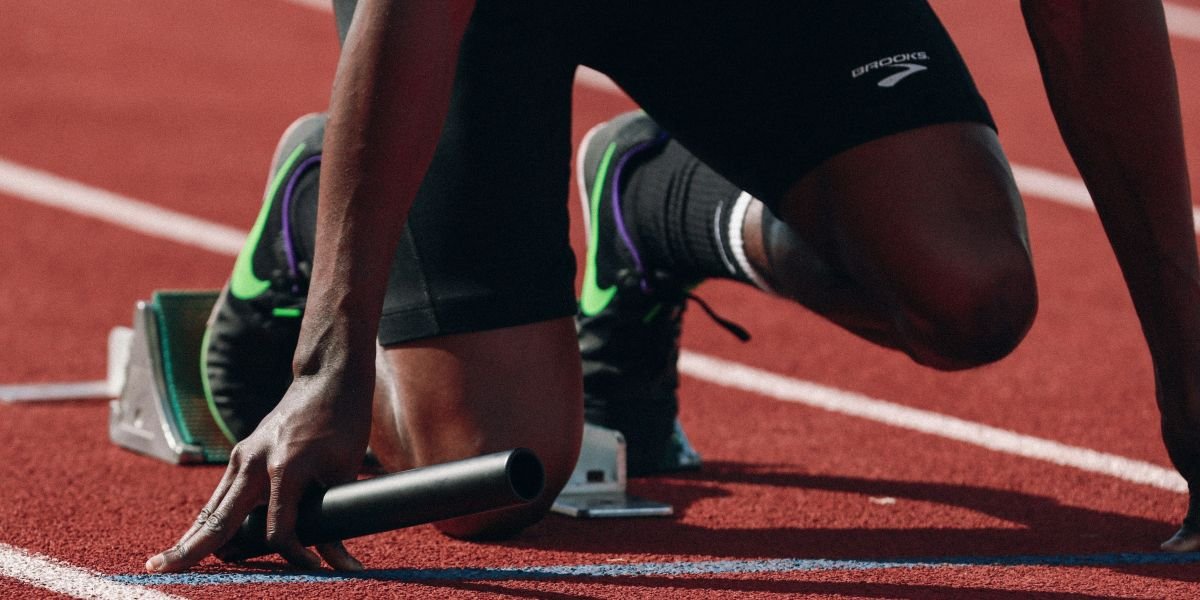
Why Broward County Youth Athletes Deserve Better Than Rest and Wait

By Dr. Bruce Mark, DC | Hollywood Laser Pain Center | Hollywood, Florida

Youth sports participation in Broward County is a year-round enterprise. From the travel baseball and soccer leagues in Pembroke Pines to the swim clubs of Hollywood, the competitive volleyball programs in Hallandale Beach, and the high school athletic programs across Fort Lauderdale, young athletes in this community train and compete with intensity that was once reserved for college athletes. When those young athletes get injured, the standard prescription of rest, ice, and time reflects a passive approach that can leave developing musculoskeletal tissue recovering incompletely, setting the stage for re-injury and chronic problems that follow athletes into adulthood. Active recovery options, including modalities like Class IV laser therapy and manual soft tissue work, are now part of how many sports medicine and chiropractic clinics approach pediatric and adolescent injuries.

Youth athletes are not small adults. Their musculoskeletal systems are actively developing, with growth plates open until the mid-to-late teenage years. Tissue that heals incompletely during this critical developmental window creates the chronic problems that show up in adult athletes years later. Thorough early care is an investment in long-term athletic longevity.

At Hollywood Laser Pain Center, I have treated pediatric and adolescent sports injuries throughout my 27-plus years of clinical practice in Hollywood, Florida. As a former collegiate football player at Wake Forest University, I understand what young athletes and their families need from clinical care, and I bring both the clinical tools and the athletic perspective to provide it.

What Are the Most Common Youth Sports Injuries in Broward County?

The most common youth sports injuries in Broward County’s athletic population include ankle sprains, ACL tears (rising dramatically in female youth athletes), shoulder labral and rotator cuff injuries in overhead sports, Osgood-Schlatter and Sever’s disease (growth plate apophysitis at the knee and heel), and stress fractures in high-mileage runners. Each of these has its own developmental considerations that make pediatric and adolescent care distinct from adult care.

Research in sports medicine and dance medicine literature consistently shows that competitive youth athletes face substantial injury rates across the course of a single season. For Broward County’s competitive youth sports families, this is a clinical reality, not a statistical abstraction.

What Is Class IV Laser Therapy in Youth Sports Injury Care?

Class IV near-infrared laser therapy, also referred to as photobiomodulation, is an FDA-cleared modality used in a range of musculoskeletal applications. In the broader sports medicine and chiropractic literature, this category of laser therapy is studied for its role in cellular processes related to tissue repair, including effects on fibroblast activity and collagen organization in tendon and ligament tissue, satellite cell activity in muscle, and inflammatory signaling at growth plate sites.

For conditions like Osgood-Schlatter and Sever’s disease, the growth plate apophysitis conditions most common in rapidly growing young athletes, photobiomodulation has been examined in the published literature as part of conservative care approaches. Research in journals such as Lasers in Medical Science has looked at its application across acute and chronic tendon presentations.

Application of Class IV laser therapy in pediatric and adolescent patients calls for specific parameter calibrations, and treatment over open growth plates requires careful clinical judgment. That is where 27-plus years of clinical experience in Hollywood comes in.

What Does Graston Technique Add for Young Athletes?

Young athletes accumulate soft tissue restrictions from the asymmetrical loading patterns and compensatory movements that early specialization in a single sport produces. Graston Technique is an instrument-assisted soft tissue mobilization approach used in many sports chiropractic and physical therapy settings to address these patterns. It is one of several tools that can be incorporated into a broader care plan, depending on the patient’s presentation and stage of recovery.

What Is the Female Youth Athlete ACL Issue?

Female youth athletes suffer ACL tears at rates two to eight times higher than male counterparts in the same sport. For the competitive youth volleyball, basketball, and soccer programs across Broward County, this disparity is clinically and practically significant. My evaluation of female youth athletes at risk includes assessment of the neuromuscular and biomechanical factors that the sports medicine literature has connected to ACL vulnerability, alongside discussion of preventive training approaches that families may want to explore with their broader care team.

Hollywood Laser Pain Center is located at 2607 Polk Street, Hollywood FL 33020, and can be reached at 954-925-7333. More information about the practice is available at reliefnowlaser.com/providers/hollywood/. Patient education content is available on the ReliefNow Nation YouTube channel.

About the Author

Dr. Bruce Mark, DC | Hollywood Laser Pain Center | 2607 Polk Street, Hollywood FL 33020 | 954-925-7333 | reliefnowlaser.com/providers/hollywood/

Dr. Mark earned his Doctor of Chiropractic from Logan College of Chiropractic with honors and has practiced for more than 27 years in Hollywood, Florida. A former collegiate football player at Wake Forest University, he holds certifications in Graston Technique and acupuncture and practices at Broward Medical and Rehab. He is a provider in the national ReliefNow® network.

DISCLAIMER: The information provided in this article is for general informational purposes only and should not be construed as medical advice. Effectiveness of treatments may vary depending on individual circumstances. Consult a qualified healthcare professional to discuss your specific medical needs and treatment options.