Student Loan Payment Relief: High Earners Now Qualify for IBR & New RAP Plan

Student loan debt has long been a financial burden for many Americans, but recent changes to the Income-Based Repayment (IBR) program and the introduction of the new Revised Pay As You Earn (RAP) plan offer some much-needed relief—especially for high earners. These updates provide a unique opportunity for borrowers to manage their loans in a more sustainable way while helping to alleviate some of the financial strain that comes with student loan debt.

High Earners Can Now Qualify for IBR

The IBR plan has traditionally been a lifeline for individuals who struggle to pay their federal student loans. The program calculates payments based on a borrower’s income, which helps ensure that repayment is manageable. However, before recent changes, many high earners found themselves excluded from the program due to the income cap that limited eligibility.

But that’s no longer the case. With the updated guidelines, more high earners now qualify for IBR, making it a viable option for individuals who have higher salaries but still find themselves dealing with significant student loan balances. The new IBR guidelines allow borrowers who earn more than they previously could under the program to benefit from reduced monthly payments that reflect their actual financial situation.

For many, this means more flexibility in managing their loans, with lower payments tied to income and family size. It also opens the door for high earners to access relief that was previously out of reach, offering a more manageable path to paying down their debt.

The Introduction of the Revised Pay As You Earn (RAP) Plan

Alongside the updated IBR, the new RAP plan offers another avenue for borrowers looking for repayment relief. The RAP plan is designed to further reduce monthly payments and give borrowers more time to pay off their loans—without putting a strain on their finances.

One key difference with the RAP plan is that it takes into account a borrower’s income and family size, just like the IBR plan, but with a few additional benefits. Unlike other repayment plans, the RAP plan also provides lower interest rates for borrowers, further reducing the amount paid over time.

For high earners, this could mean greater savings over the course of their repayment period. By reducing monthly payments and offering lower interest rates, the RAP plan can help high-income individuals who are carrying significant student loan debt to feel less overwhelmed and more in control of their financial future.

How These Plans Benefit High Earners

While the notion of income-driven repayment plans might seem tailored to those with lower incomes, the reality is that high earners are often burdened with student loan debt that requires substantial monthly payments. By qualifying for IBR or RAP, these individuals can lower their monthly obligations, which frees up funds for other financial goals, like saving for retirement, investing, or even purchasing a home.

With the new IBR changes and the introduction of RAP, high earners who were once excluded from such relief can now take advantage of plans that put their debt management on a more realistic track. By tying monthly payments to income, these plans make it easier for borrowers to manage both their student loan payments and their other financial commitments, without sacrificing too much of their lifestyle.

A Path to Financial Freedom for Borrowers

Student Loan Payment Relief: High Earners Now Qualify for IBR & New RAP Plan

Photo Credit: Unsplash.com

Navigating student loan debt has never been easy, especially for those with high income levels who find themselves grappling with hefty loans. But with these new relief plans, the financial landscape is changing. The ability for high earners to qualify for IBR and the RAP plan provides a much-needed lifeline, allowing for manageable payments and a clear path to debt freedom.

Moreover, for borrowers concerned about long-term debt repayment, these options provide a sense of security and flexibility. As the economy continues to evolve and the job market shifts, these plans offer the breathing room necessary to make informed decisions about financial stability and growth.

Whether you’re just starting your career or you’re a seasoned professional, understanding your student loan repayment options is crucial for achieving financial freedom. Thanks to these recent changes, more high earners can now reduce their loan payments and focus on building a more secure financial future.

As these plans evolve, it’s essential to stay informed about how they can impact your financial future. High earners now have more options than ever to regain control of their student loan payments—without compromising their lifestyle. If you’re wondering how these changes could benefit you, consider speaking to a loan advisor who can help you explore all of the repayment options available.


Bella Hadid Goes Viral in Sheer, Beaded Dress for Jaw-Dropping Orebella Campaign

Bella Hadid is no stranger to commanding attention wherever she goes, but her latest campaign for Orebella has taken the fashion world by storm. In a striking sheer, beaded dress, Hadid’s portrayal for the luxury fragrance brand is making waves across social media, cementing her as not only a top model but also an entrepreneur with a vision. As the stunning visuals continue to circulate online, fans and fashion enthusiasts alike are buzzing about the show-stopping look and its deeper implications for the future of model-driven campaigns.

Bella Hadid’s Fashion Masterpiece: A Sheer, Beaded Statement

For the Orebella Holiday 2025 collection, Bella Hadid poses in a mesmerizing sheer dress covered in intricate rainbow beads. The gown, designed by Clio Peppiatt, is nothing short of a work of art, with its plunging neckline and ethereal silhouette, effortlessly blending sensuality and elegance. The campaign, which marks a significant expansion for Orebella, features Hadid as the face of their fragrance line, combining high fashion with high-end beauty products in a way that’s rarely seen in the industry.

The dress itself is a visual spectacle, with the beads reflecting light in every shot. Hadid’s ability to bring this stunning piece to life speaks to her experience as one of the most sought-after models in the world. She’s not just a face; she’s an icon. The campaign has garnered viral attention, with fans and critics praising the boldness of the design and the way it highlights Hadid’s natural beauty.

Social Media Buzz: The Power of Model-Driven Branding

As the campaign continues to unfold, one thing is clear—Bella Hadid’s influence goes far beyond the runway. The shoot has quickly become a trending topic on Instagram and TikTok, where fashion lovers are sharing their reactions and interpretations of the look. Hadid’s social media presence, with over 60 million followers on Instagram, plays a pivotal role in amplifying the campaign’s success.

What’s particularly exciting about this campaign is how it represents the growing influence of models in shaping global trends. Hadid’s posts and behind-the-scenes glimpses from the shoot have garnered millions of likes and thousands of comments, proving that model-driven content isn’t just about showcasing clothes—it’s about telling a story. Orebella’s collaboration with Hadid further blurs the lines between fashion, beauty, and celebrity lifestyle, allowing the brand to reach a wider audience than ever before.

By using Hadid’s star power to promote their fragrance, Orebella is tapping into the ever-expanding world of social media influencers and fashion collaborations. As models like Hadid continue to dominate both the runway and online spaces, brands are increasingly turning to them to lead campaigns that feel authentic, exciting, and modern.

The Intersection of Fashion and Luxury Branding

Bella Hadid Goes Viral in Sheer, Beaded Dress for Jaw-Dropping Orebella Campaign

Photo Credit: Unsplash.com

This campaign isn’t just a moment for Bella Hadid; it’s a glimpse into the future of luxury branding. With models like Hadid at the forefront, brands are leveraging celebrity appeal to create buzzworthy campaigns that generate viral success. Orebella, a luxury fragrance brand, is expanding its reach globally, especially into markets like the Middle East, where Hadid’s presence adds an extra layer of allure.

In an era where consumers are increasingly drawn to influencer-driven content, luxury brands are shifting their marketing strategies to keep pace. Rather than relying solely on traditional advertising, Orebella has embraced the power of models and their loyal fanbases to create organic, viral moments. This type of marketing reflects a broader shift in the fashion industry, where the lines between celebrity, social media, and branding continue to blur.

Hadid’s collaboration with Orebella highlights the trend of models using their personal brands to endorse products, making their influence even more powerful. Her involvement in this campaign is a masterclass in personal branding, as she seamlessly merges her personal style with the brand’s image to create something that feels both authentic and aspirational.

The Role of Fashion Icons in Shaping Trends

Bella Hadid has always been a trendsetter, and her involvement in this Orebella campaign further solidifies her place as a fashion icon. The sheer, beaded dress she wears is not only a statement of beauty but also a reflection of the broader fashion trends that are taking over the industry. The dress features intricate beading that evokes a sense of timeless glamour, while its sheer fabric adds a modern, bold twist.

Hadid’s personal style has always leaned toward the daring and unconventional, and this campaign is no exception. The dress, though delicate in design, exudes strength and confidence, much like Hadid herself. It’s a powerful reminder of how fashion can be both an art form and a mode of self-expression, with models using their platforms to inspire fans and shape future trends.

For Orebella, partnering with a model of Hadid’s caliber is a stroke of genius. Her influence on the fashion world is undeniable, and this collaboration amplifies Orebella’s reach, positioning the brand as not just a fragrance line but a lifestyle choice. The viral success of the campaign speaks to the growing importance of celebrity-driven fashion collaborations in today’s market.

The Future of Model-Driven Campaigns

Bella Hadid’s campaign for Orebella is just the latest example of how models are becoming much more than just faces for fashion—they’re becoming entrepreneurs, influencers, and brand ambassadors in their own right. With their immense social media followings and undeniable influence, top models like Hadid are leading a new wave of celebrity-driven marketing that prioritizes authenticity and engagement.

As the fashion world continues to evolve, we can expect to see more collaborations between models and luxury brands, especially as the lines between celebrity culture and branding continue to blur. Hadid’s viral campaign is a perfect example of how model-driven content is reshaping the landscape of luxury fashion and beauty, and it’s clear that her influence will only grow in the years to come.

Bye-Bye Runway: How the Viral ‘Great Lock-In’ Trend Is Changing Luxury Beauty

Luxury beauty rituals have always been about exclusivity, prestige, and the perfect combination of high-end products. But in 2025, a new beauty trend is forcing brands, influencers, and celebrities to rethink their approach to self-care: the viral “Great Lock-In.” What started as a quiet social media moment has evolved into a global beauty movement, with celebrities and beauty enthusiasts everywhere embracing this at-home routine that’s shifting the focus from runways to real-world skin care.

What Is the “Great Lock-In” Beauty Trend?

At its heart, the “Great Lock-In” is an all-inclusive beauty routine that combines skincare, mindfulness, and the desire to engage in a no-holds-barred pampering session. Celebrities are posting videos of themselves indulging in multi-step skincare regimens, creating an intimate glimpse into the world of luxury beauty that was once reserved for spa treatments or exclusive red carpet events. Rather than stepping out for the next big fashion show, these A-listers are showing off their most radiant selves on TikTok and Instagram while locked into a private pampering session.

How Celebrities Are Leading the Charge

It wasn’t long before global superstars like Kendall Jenner, Hailey Bieber, and Priyanka Chopra Jonas began sharing their own “lock-in” skincare routines on social media. What’s making this trend so irresistible? It’s the authenticity. By giving their fans and followers a peek into their private beauty routines, they’re offering a relatable side of their luxurious lives. Forget the Instagram-perfect runway moments—this trend is all about slowing down, indulging in self-care, and showing that even the rich and famous prioritize taking time for themselves.

A key part of this movement is the sense of exclusivity that comes with these beauty rituals. Celebrities are no longer just showing off their latest fashion finds; they’re opening up about their personalized skincare regimens—featuring everything from top-tier serums to gold-infused eye masks. The beauty industry is beginning to lean into the idea that the most luxurious beauty products don’t always need to be paraded down a runway; sometimes, they can simply be enjoyed in the comfort of your own home.

The Shift from Runway to Real-World Beauty

Bye-Bye Runway: How the Viral 'Great Lock-In' Trend Is Changing Luxury Beauty

Photo Credit: Unsplash.com

Historically, luxury beauty has been synonymous with the glitzy, glamorous moments seen on red carpets or in high-fashion magazines. A-list celebrities were often the faces of new beauty campaigns, endorsing the latest skincare elixirs and cosmetics through glossy ads and runway appearances. Now, with the “Great Lock-In” trend, the focus is shifting. Beauty isn’t about showing off for the cameras—it’s about slowing down and taking care of your skin in a way that feels both indulgent and accessible.

Why the change? It’s clear: social media’s role in shaping modern beauty standards has grown significantly. Platforms like TikTok and Instagram are transforming the way beauty is marketed, bringing us closer to the personalities behind the products. It’s not just about looking good for the cameras; it’s about showing real moments of self-care. Celebrities are posting about their favorite brands and techniques while emphasizing the importance of self-love and mental well-being.

In fact, many of the most talked-about skincare lines are now being pushed by influencers and stars who swear by them during their nightly “lock-ins.” Rather than attending the hottest beauty launch or premiere, stars are snapping pictures of their luxurious treatments while inside their homes, giving their followers an intimate look into their beauty journeys.

The Rise of At-Home Beauty Rituals

As this trend takes off, many beauty brands are capitalizing on the growing interest in at-home beauty. Luxury beauty lines are now packaging their products in ways that encourage indulgence and self-care, promoting routines that can easily be done in a private space. The demand for spa-like experiences at home is bigger than ever. From aromatherapy-infused facemasks to high-tech facial rollers, these items are being marketed as tools for the ultimate “Great Lock-In” experience.

What makes these home rituals so enticing? They’re intimate, customizable, and most importantly, they offer a level of comfort that cannot be achieved during the pressure-filled moments of a public appearance. There’s a freedom in the “lock-in”—a chance to experience luxury without feeling the eyes of the world on you.

With more celebrities sharing their at-home beauty moments, even the most exclusive beauty brands are rethinking their marketing strategies. They know that the audience wants to see real-life applications of products, not just glossy campaigns. Celebrities are showing that skincare is no longer just a luxury reserved for special occasions—it’s a lifestyle choice that can be seamlessly woven into everyday life.

Is the “Great Lock-In” Here to Stay?

It looks like the “Great Lock-In” trend is poised to remain a significant part of beauty culture for the foreseeable future. As consumers continue to prioritize wellness, mental health, and self-care, this trend aligns perfectly with the current shift toward a more holistic approach to beauty. No longer will we only associate luxury beauty with flashy runway moments or red carpet appearances. Instead, the private moments of indulgence are becoming the star of the show.

Whether you’re a celebrity or just someone looking to indulge in a little “me time,” the “Great Lock-In” offers a glimpse into the future of beauty—a more personal, accessible, and relaxing experience that everyone can enjoy. This trend is reshaping the way we view luxury beauty, turning it from a public spectacle into an intimate, calming experience.

How the Pharmaceutical Industry Can Decarbonize for a Climate-Conscious Health Future

The pharmaceutical industry is facing increasing pressure to become part of the global shift toward sustainability. As the world grapples with climate change, industries across the board are seeking ways to reduce their environmental impact. Among these, the pharmaceutical sector — which has long been associated with high energy consumption, waste, and resource extraction — is now looking for innovative ways to decarbonize and contribute to a more climate-conscious future.

Understanding the Carbon Footprint of Pharma

The pharmaceutical industry’s carbon footprint is significant. According to recent reports, it is responsible for roughly 4.5% of global carbon emissions. This comes from a combination of manufacturing processes, transportation of goods, energy-intensive research and development activities, and waste from expired products. The sector’s reliance on energy-intensive methods to produce, store, and distribute drugs also adds to its environmental impact.

Decarbonization in pharma requires addressing these factors and rethinking how the industry operates. Whether it’s shifting towards renewable energy, optimizing supply chains, or reimagining production methods, the path to sustainability for the pharmaceutical industry is both challenging and essential.

Embracing Renewable Energy in Manufacturing

One of the most effective ways the pharmaceutical industry can reduce its carbon footprint is by shifting to renewable energy sources. Large pharmaceutical companies already consume enormous amounts of electricity to run production lines, laboratories, and distribution networks. By investing in solar, wind, and geothermal energy, companies can significantly cut down on their reliance on fossil fuels.

Some leading pharmaceutical companies, such as GSK and Novartis, have already taken steps in this direction by powering their facilities with renewable energy. Additionally, integrating energy-efficient technologies into manufacturing processes can help reduce the overall energy consumption of production plants. This transition not only contributes to sustainability but also creates cost savings over time.

Optimizing Supply Chains to Reduce Emissions

The global supply chain for pharmaceutical products is vast and complex. From sourcing raw materials to delivering finished products to consumers, each step in the supply chain presents an opportunity to reduce carbon emissions. One major area of improvement is transportation. The use of carbon-intensive methods like air freight contributes heavily to emissions.

Pharmaceutical companies can make strides by transitioning to greener transportation options, such as electric or hybrid vehicles, for local deliveries. Additionally, optimizing logistics — consolidating shipments and using regional distribution hubs — can help reduce unnecessary emissions.

Switching to local and sustainable sourcing for raw materials is another important move. This cuts down on the transportation footprint and encourages more sustainable agricultural practices.

Green Chemistry: Redesigning Production Methods

How the Pharmaceutical Industry Can Decarbonize for a Climate-Conscious Health Future

Photo Credit: Unsplash.com

The concept of green chemistry, which focuses on reducing the environmental impact of chemical processes, is becoming increasingly popular in the pharmaceutical industry. Traditional drug production often involves harmful solvents, high energy consumption, and toxic byproducts. Green chemistry practices aim to minimize these impacts by using safer, more sustainable chemicals and processes.

The integration of continuous manufacturing processes — which are more efficient and use less energy compared to batch manufacturing — is one area where pharmaceutical companies are making progress. Continuous production helps eliminate waste and reduce energy consumption. Companies like Pfizer and Merck are exploring these methods to lower the environmental toll of their manufacturing operations.

Circular Economy: Reducing Waste and Promoting Reuse

Waste management is another key challenge in the pharmaceutical industry. A large amount of waste is generated not only during production but also from expired or unused medications. Adopting a circular economy approach — where waste is minimized and materials are reused — can go a long way in reducing the industry’s carbon footprint.

Some companies are already beginning to recycle packaging materials, with a focus on using biodegradable or recyclable plastics. Another way the industry can embrace circularity is by promoting take-back programs for unused medications, ensuring they are disposed of or repurposed responsibly.

The Role of Regulatory Bodies and Consumers

While the pharmaceutical industry has an important role to play in decarbonization, regulatory bodies also have a responsibility to ensure that companies are following sustainable practices. Governments can incentivize eco-friendly practices through tax breaks or regulatory frameworks that encourage companies to reduce their carbon emissions.

Consumers also play a crucial part. As awareness about sustainability grows, many are beginning to prefer eco-conscious companies, making sustainability an important part of a brand’s image. By prioritizing green practices, pharmaceutical companies can attract a customer base that values environmental stewardship.

Looking Toward a Sustainable Future in Healthcare

As the world continues to focus on sustainability, the pharmaceutical industry must adapt to new expectations and environmental standards. The shift toward decarbonization is not just about reducing emissions; it’s about creating a future where healthcare and climate action go hand in hand. The industry’s commitment to decarbonization can help ensure that future generations benefit from both medical advancements and a healthier planet.

By investing in renewable energy, optimizing supply chains, integrating green chemistry practices, and embracing a circular economy, pharmaceutical companies can lead the way in creating a climate-conscious healthcare future. It’s clear that sustainability is not a choice — it’s an imperative.

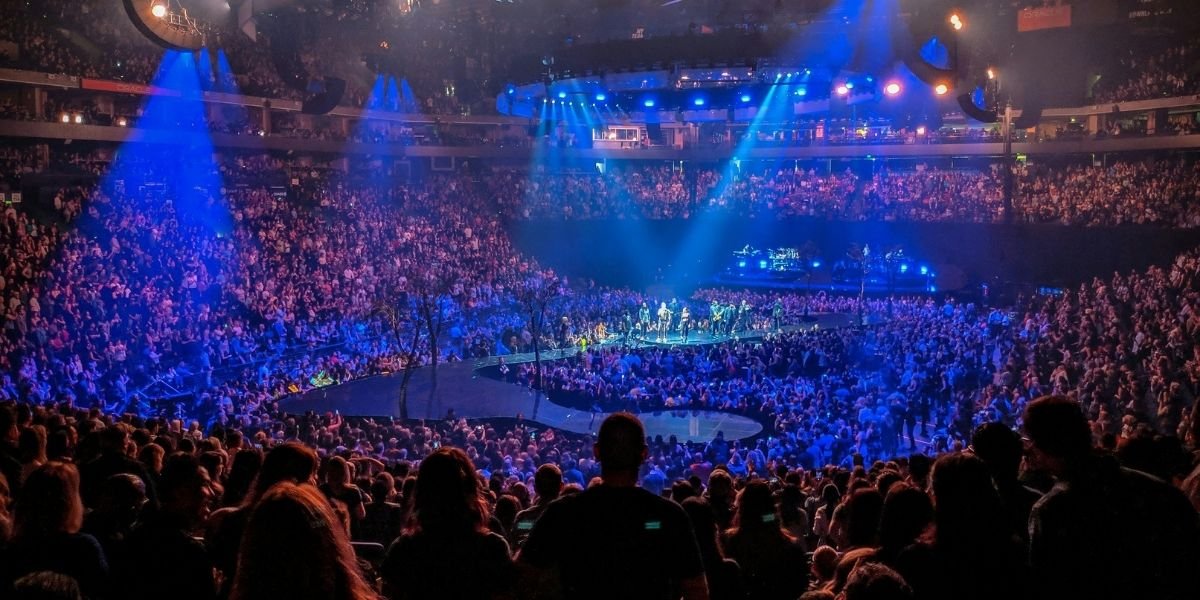
New 3,800-Capacity Live Music Venue, British Airways ARC, Opens in West London

West London is set to become the new heartbeat of live music with the opening of the British Airways ARC, a state-of-the-art venue designed to host up to 3,800 music fans at a time. With a sleek design and cutting-edge acoustics, this arena promises not only incredible performances but an immersive luxury experience that will transform the live music scene in the UK.

A Bold New Chapter for London’s Music Scene

Nestled in the heart of West London, the British Airways ARC is poised to revolutionize the city’s entertainment landscape. Offering unparalleled acoustics, an intimate yet expansive atmosphere, and top-tier amenities, the ARC represents a bold new chapter in the evolution of live music venues. With a capacity of 3,800, it’s large enough to attract major global acts yet intimate enough to maintain that electric, personal connection between artists and fans.

The ARC isn’t just another venue—it’s a fusion of music, luxury, and innovation. As the music industry continues to grow and fans demand more than just a show, the British Airways ARC rises to the challenge, combining world-class acoustics with cutting-edge technology. Whether you’re attending a star-studded concert or an intimate gig by an up-and-coming artist, this venue promises an unforgettable experience.

A VIP Experience Unlike Any Other

What sets the British Airways ARC apart from other venues is its commitment to luxury. From the moment you step inside, you’re not just attending a concert—you’re entering an exclusive world where comfort meets style. VIP guests will have access to premium seating options, private lounges, and the kind of service that you would expect at a five-star hotel.

For those looking for an even more lavish experience, the ARC boasts high-end dining options, offering a curated selection of gourmet meals and signature cocktails. It’s not just about enjoying music; it’s about enjoying the entire atmosphere of luxury that surrounds you.

With VIP-only zones and customized services, the ARC is positioning itself as the go-to venue for not just music lovers but those who want to experience entertainment in style. The sound quality? Impeccable. The visuals? Stunning. The atmosphere? Electric. It’s safe to say that the British Airways ARC is setting a new benchmark for high-end live music venues in the UK.

International Music Acts, Local Talent, and Everything In Between

New 3,800-Capacity Live Music Venue, British Airways ARC, Opens in West London

Photo Credit: Unsplash.com

While the British Airways ARC is designed to accommodate the biggest international music stars, it also has a strong commitment to showcasing emerging local talent. From established names in pop, rock, and electronic to indie acts and avant-garde performers, the ARC is set to be a launchpad for artists looking to make their mark in the industry.

This hybrid model will not only serve fans looking for the next big thing but also provide a platform for up-and-coming artists to connect with an audience in a space designed to amplify their sound. With its ability to host both large-scale concerts and smaller, more intimate performances, the ARC brings a unique flexibility that is sure to attract diverse crowds from all over the world.

The venue’s design has also been thoughtfully crafted to cater to every aspect of a live performance, ensuring that the audience feels as immersed in the experience as the artists do. Whether you’re front-row or in the back, the acoustics are engineered to provide crystal-clear sound no matter your seat.

The Future of Live Music and Luxury Entertainment

The opening of the British Airways ARC signifies the future of live music venues—where the boundaries between music, luxury, and technology blur. In a world where concertgoers expect more than just a night out, the ARC offers a platform where technology enhances the live experience, and luxury elevates the overall atmosphere.

Fans can expect to see some of the biggest names in music grace the stage in this world-class venue. The venue’s diverse offerings make it a destination not just for local music lovers but for international tourists looking to experience London’s vibrant music scene in a luxurious setting.

The British Airways ARC is redefining what it means to attend a live performance, making it an event in itself, not just a concert. With its stunning design, exclusive services, and commitment to high-end entertainment, this venue is poised to become the crown jewel of West London’s entertainment district.

Ready to experience music like never before? The British Airways ARC is now open, and with a jam-packed calendar of events ahead, there’s no better time to check it out. From A-list performers to up-and-coming talent, this venue promises to bring a new level of luxury to the live music experience.

Why the British Airways ARC Is a Game-Changer for London

The British Airways ARC is not just a new venue—it’s a new way to experience live music. This state-of-the-art space offers an immersive, high-end experience that merges music with luxury, creating a new standard for what a live performance should feel like. With its commitment to both international acts and local talent, it’s clear that this venue is set to be at the center of London’s music and entertainment future.

As music fans and celebrities alike flock to the ARC, this venue will undoubtedly become a cultural hub where the best of the music world meets the world of luxury entertainment. Whether you’re there for the music, the atmosphere, or the luxury experience, the British Airways ARC is the place to be in 2025 and beyond.

Lung Cancer Screening: Why Early Detection Can Save Your Life

Lung cancer remains one of the most challenging cancers to diagnose in its early stages. Often, the symptoms don’t appear until the disease is in its later stages, making treatment options more limited. However, with advancements in medical screening, early detection has become a powerful tool in the fight against lung cancer. By identifying the disease at an earlier, more treatable stage, lung cancer screening can literally save lives.

The Importance of Early Detection

Lung cancer is the leading cause of cancer deaths worldwide, and in the U.S., it accounts for more deaths than breast, prostate, and colorectal cancers combined. Unfortunately, most lung cancer cases are diagnosed when the disease has already spread, reducing the chances of successful treatment. Early detection, however, gives doctors the best possible chance to treat the cancer before it has a chance to spread to other parts of the body.

One of the key methods of early detection is through low-dose computed tomography (CT) scans. CT scans have been shown to detect lung cancer at much earlier stages than traditional X-rays. When caught early, treatment options like surgery, radiation, and chemotherapy are far more effective, improving survival rates significantly. This is why screening is crucial, especially for individuals at higher risk.

Who Should Consider Lung Cancer Screening?

While anyone can develop lung cancer, certain groups of people are at a higher risk and should consider screening. According to the U.S. Preventive Services Task Force (USPSTF), people between the ages of 50 and 80 who have a history of heavy smoking (defined as 20 pack-years or more) and are currently smoking or have quit within the last 15 years should consider annual screening.

A “pack-year” refers to smoking one pack of cigarettes a day for one year. For example, if someone smoked one pack per day for 20 years, they would have 20 pack-years. These individuals are at the highest risk of developing lung cancer and are the primary candidates for screening.

Additionally, people with a family history of lung cancer or those who have been exposed to harmful substances like asbestos or radon may also be at an increased risk. In these cases, individuals should consult their healthcare providers to determine the best screening options for their specific circumstances.

The Role of Screening in Saving Lives

Studies have shown that lung cancer screening can significantly reduce the risk of dying from lung cancer. A large trial published in the New England Journal of Medicine in 2011 found that low-dose CT scans were 20% more effective than chest X-rays at reducing lung cancer mortality. The study also showed that CT screening led to fewer late-stage diagnoses and more cases of early-stage lung cancer that could be treated more effectively.

Early detection through screening can also help identify non-cancerous lung issues that might be treated before becoming more serious. For example, benign lung nodules or other abnormalities might be caught early, allowing for non-invasive treatment before they progress into something more dangerous. By catching such conditions early, patients can avoid more invasive and costly treatments down the road.

The Challenges of Lung Cancer Screening

Despite the proven benefits of early detection, lung cancer screening is not without its challenges. One of the most significant barriers is that not everyone who should be screened has access to the necessary healthcare. Health disparities, including geographic location, income, and insurance coverage, can prevent some high-risk individuals from getting screened.

Lung Cancer Screening Why Early Detection Can Save Your Life

Photo Credit: Unsplash.com

There is a risk of overdiagnosis with screening. Low-dose CT scans can sometimes detect small abnormalities that may never develop into cancer, leading to unnecessary tests, treatments, and anxiety for patients. This is why it is crucial to balance the benefits of screening with the potential risks of false positives and the anxiety they can cause.

Lung cancer screening requires ongoing monitoring. A single scan is not enough to guarantee that lung cancer will be detected if it develops in the future. Regular screenings are necessary, and patients must commit to follow-up appointments and tests to ensure continued monitoring.

How to Get Screened for Lung Cancer

If you’re in a high-risk category for lung cancer, talk to your doctor about whether lung cancer screening is right for you. Your doctor will evaluate your smoking history, overall health, and family history of lung cancer to determine if you should undergo regular screening.

Lung cancer screening is typically done using a low-dose CT scan, which is a non-invasive procedure that takes detailed images of your lungs. The process is quick and painless, typically taking only about 15 minutes to complete. If any potential abnormalities are found, further testing, such as biopsies or additional scans, may be recommended.

It is important to note that while screening can help detect lung cancer early, it is not foolproof. Not every case of lung cancer can be detected through screening, and not every patient will benefit from it. However, for those at high risk, the potential to catch lung cancer early far outweighs the risks of screening.

The Promise of Early Detection

As research into lung cancer continues, the hope is that we will develop even more advanced tools for early detection. Scientists are working on new technologies and screening methods that may improve detection rates and reduce false positives, making early screening even more effective.

Until then, low-dose CT scans remain one of the most powerful tools in detecting lung cancer at an early stage. For individuals at higher risk, undergoing regular screenings can be a life-saving decision. Early detection not only increases the likelihood of survival but can also lead to less aggressive treatments, improving the quality of life for patients.

With awareness and access to screening, we can reduce the number of people diagnosed with advanced-stage lung cancer and increase survival rates. If you’re at risk, don’t wait, schedule a screening today and take control of your health.

Disclaimer: The information provided in this article is for educational and informational purposes only and is not intended as a substitute for professional medical advice, diagnosis, or treatment. Always seek the guidance of a qualified healthcare provider with any questions regarding a medical condition, symptoms, or treatment options. 

The Devil Wears Prada 2 Teaser Sparks Fashion Controversy with Miranda Priestly’s Valentino Shoes

The latest teaser for The Devil Wears Prada 2 has sparked a fiery debate among fashion enthusiasts, with the center of attention being none other than the iconic Miranda Priestly’s choice of footwear—red Valentino Rockstud pumps. Released as part of the movie’s highly anticipated promotional material, the teaser has lit up social media, with many fans and critics weighing in on whether the luxury footwear choice has aged like fine wine or is simply passé.

Miranda Priestly’s Shoes Take Center Stage

Meryl Streep’s portrayal of Miranda Priestly in The Devil Wears Prada has long been synonymous with high-fashion sophistication. In the teaser for the upcoming sequel, Miranda dons a pair of bold red Valentino Rockstud pumps, a shoe that made waves in the early 2010s with its sharp-edged studs and glamorous silhouette. However, the once-celebrated designer footwear has now become the focal point of an unexpected fashion debate.

While the red Rockstuds were seen as a symbol of elite fashion back in the day, their return in the Devil Wears Prada 2 teaser has raised eyebrows in the fashion community. In an age where minimalism and subtle luxury are dominating the runway, some viewers have deemed the Rockstud pumps a dated choice. But others argue that the shoes still hold their place in the fashion lexicon, maintaining their relevance due to their iconic status.

The Internet Reacts: A Fashion Divide

Since the teaser’s release, Instagram and Twitter have been ablaze with opinions on Miranda Priestly’s choice of footwear. Some fashion lovers have rallied behind the shoes, calling them a nostalgic nod to the glory days of high fashion. Others, however, have critiqued the exaggerated studs, suggesting that their over-the-top design clashes with the more refined, contemporary tastes in luxury fashion.

In an era where luxury brands have increasingly leaned toward minimalist aesthetics, Miranda’s bold choice has become a symbol of the industry’s tug-of-war between classic grandeur and the evolution of taste. On Instagram, influencers and industry experts have weighed in, creating a divide between those who appreciate the throwback to “old-school” glamour and those who feel the look is simply too much.

The Valentino Rockstud pumps, introduced in 2010, were initially adored by the fashion elite for their edgy, rock-and-roll vibe mixed with traditional femininity. But in 2025, some are questioning whether the studded style belongs in the past. With high-fashion brands embracing softer silhouettes and understated luxury, it’s no surprise that many are taking a stand on both sides of the debate.

Why the Shoes Matter: The Power of Fashion Iconography

For The Devil Wears Prada 2, the choice to feature such a polarizing piece of footwear isn’t merely about the shoes themselves—it’s about the message they send. The Rockstud pumps, with their bold red color and sharp edges, represent Miranda Priestly’s unapologetic power and dominance in the fashion world. And even in a new era, it seems that her character remains as daring as ever.

By showcasing these shoes, the movie is reminding us of the sharp edge of style that Miranda Priestly’s character embodies—someone who isn’t afraid to take fashion risks. Whether or not the shoes are currently in style is secondary to the larger message: Miranda’s fashion sense is always one to watch, even if it leaves the fashion world divided.

Red Valentino Rockstuds: The Controversy Continues

The Devil Wears Prada 2 Teaser Sparks Fashion Controversy with Miranda Priestly's Valentino Shoes

Photo Credit: Unsplash.com

Fashion controversy aside, the release of The Devil Wears Prada 2 has undoubtedly reignited interest in the Valentino Rockstud collection. While some critics may dismiss the shoes as outdated, there are still plenty of fashion insiders and celebrities who continue to wear them. The fact that these pumps are still so polarizing speaks volumes about their enduring status as a piece of fashion history.

This controversy is not just about a pair of shoes—it’s about the evolving nature of high fashion, the intersection of legacy and modernity, and how icons like Miranda Priestly continue to shape our understanding of style. Whether or not the red Rockstuds hold up as a “timeless” piece, they remain an essential part of the Devil Wears Prada brand—and a reminder that sometimes, fashion is meant to start a conversation.

How Fashion Fans Are Reacting to the Sequel’s Teaser

As the teaser continues to circulate, we can expect more heated discussions around not just the shoes, but the movie’s larger cultural impact. With its star-studded cast and high-fashion moments, The Devil Wears Prada 2 is poised to become a viral hit among style lovers everywhere.

But beyond just a footwear choice, the controversy surrounding the Rockstud pumps underscores a larger shift in the fashion industry—one that embraces change while still paying homage to the past. Whether or not the shoes are considered “fashionable” by today’s standards, they are undeniably a part of fashion’s narrative, and Miranda Priestly’s unforgettable legacy continues to spark conversation.

Selena Gomez & Benny Blanco Reveal ‘I Said I Love You First’ Album Narrative

In a bold new move, Selena Gomez and music producer Benny Blanco have revealed the narrative behind their much-anticipated collaborative album, I Said I Love You First. This powerful, emotionally charged project brings together two of the most influential figures in the music industry today, combining Gomez’s soulful, heartfelt lyricism with Blanco’s signature production style. The announcement has set the entertainment world abuzz, leaving fans and industry insiders eagerly anticipating the full release.

A New Chapter for Selena Gomez and Benny Blanco

Selena Gomez, who has built a career both in music and acting, has had a year full of monumental milestones, from her hit single releases to her ongoing ventures in the beauty industry. Yet, I Said I Love You First marks a major artistic step forward, especially in collaboration with Benny Blanco, a multi-platinum producer known for his work with artists like Ed Sheeran and Katy Perry.

Blanco has often been the invisible architect behind some of the biggest pop hits of the last decade. His collaborations are known for shaping the sound of modern pop music, and with Gomez by his side, fans are set to witness an evolution in their creative synergy. As the narrative behind the album unfolds, it promises to bring a fresh, intimate side to both artists that fans have yet to fully experience.

Exploring Themes of Love, Heartbreak, and Self-Discovery

The title of the album, I Said I Love You First, speaks volumes. It hints at vulnerability, courage, and emotional depth—uncovering the complex layers of love and relationships. This narrative reveals Gomez’s personal growth, having openly shared her experiences with love, heartbreak, and self-discovery throughout her career. The title itself suggests a perspective on love that is bold and unafraid, as if to say that sometimes, the hardest part of love is making the first move.

While details on the tracklist are still under wraps, Gomez has hinted that the album is filled with emotional highs and lows, offering an unapologetically raw look into her romantic experiences. Fans can expect to hear personal reflections and soul-searching ballads, paired with catchy beats and infectious melodies that Blanco is famous for.

Blanco’s influence on the album is clear, as his production style provides a backdrop that perfectly complements Gomez’s emotional depth. Known for his meticulous attention to detail, Blanco brings out the best in his collaborators, and this album is set to showcase their combined magic.

The Dynamic Collaboration Between Gomez and Blanco

Selena Gomez & Benny Blanco Reveal 'I Said I Love You First' Album Narrative

Photo Credit: Unsplash.com

Selena Gomez and Benny Blanco’s collaboration isn’t just a one-off for the pair; it’s an experiment in vulnerability and creativity. Over the course of their working relationship, they’ve established a bond based on mutual respect and shared artistic vision. Blanco, who has worked with some of the biggest names in pop, has always been drawn to crafting hits that feel both personal and universal. With Gomez’s unique voice and storytelling ability, I Said I Love You First is poised to be a breakthrough in their careers.

What sets this collaboration apart from previous ones is the dynamic between the two. Gomez is known for her infectious honesty, while Blanco excels in creating infectious tunes that people want to play on repeat. Together, they have an undeniable chemistry, with Blanco’s upbeat tempos meeting Gomez’s relatable emotional honesty.

Fans and Industry Reactions: A Growing Buzz

Since the announcement, the buzz around I Said I Love You First has been electric. Fans have been eagerly discussing the album on social media, analyzing every snippet and preview released by the artists. Many speculate that the album will be a major player in the 2026 awards season, with its mix of accessible pop hooks and deeply emotional lyrics.

Industry insiders are also excited, recognizing the potential impact the album could have on both pop music and the broader music industry. “Selena and Benny are tapping into something fresh and raw, and the fact that this is more than just a pop album—it’s a narrative—gives it the potential to stand the test of time,” says a source close to the project.

The Album’s Impact on the Future of Pop Music

The collaboration between Selena Gomez and Benny Blanco is more than just a musical project; it’s a cultural moment. In an era where music is more than just sound, it’s about connection and personal storytelling, I Said I Love You First sets a new standard for how artists approach pop music. It’s about authenticity, vulnerability, and embracing the messiness of life and love.

For Gomez, it’s a return to her roots as a storyteller, and for Blanco, it’s a chance to work with one of the most relatable voices in modern music. Together, they have created something that transcends the typical pop album, offering a glimpse into the heart and soul of two of the most beloved figures in entertainment.

As the album’s official release date draws closer, fans can expect more teasers, singles, and behind-the-scenes content that will continue to fuel anticipation. With both artists poised to push the boundaries of pop music, I Said I Love You First promises to be a landmark project in the careers of Selena Gomez and Benny Blanco.

Inside Sydney Sweeney’s Extreme Physical Prep for Christy

Sydney Sweeney is no stranger to taking on challenging roles, but her latest transformation for the boxing biopic Christy has taken it to a whole new level. Known for her breakout role in Euphoria and starring in The White Lotus, Sweeney is making waves once again, this time with a dramatic physical transformation that is as gritty as the story she’s about to tell. In her latest role as Christy Martin, the legendary boxer, Sweeney didn’t just act—she completely immersed herself in the life of a fighter, undergoing a rigorous regimen that reshaped her body and mind.

From Hollywood Glam to Gritty Fighter

To portray Christy Martin, a pioneer in women’s boxing, Sydney Sweeney had to step far outside her comfort zone. Known for her glamorous red carpet appearances and roles that often require polished performances, this was no small feat. To embody Martin, who famously fought her way through personal and professional battles in the ring, Sweeney’s preparation included a strict diet, intense physical training, and even physical setbacks that made her journey to becoming Christy all the more authentic.

Transformation to Fighter

Sydney’s transformation was not only about getting in shape—she had to gain weight to properly reflect Christy Martin’s build at the height of her career. In an interview, Sweeney revealed she put on 35 pounds in just a few months, a challenge that was mentally and physically taxing. “I had to focus on eating a lot of protein, and that meant sometimes eating food I don’t normally enjoy. But it was necessary to take on this transformation,” Sweeney shared.

This weight gain was crucial for portraying Christy Martin’s true physique, especially since the boxer was known for her muscular, athletic build. Sydney also worked with a team of trainers who focused on functional fitness and boxing techniques. The goal wasn’t just to gain weight, but to make sure Sweeney was able to move like a fighter in the ring.

Overcoming Injuries and Physical Challenges

In addition to the physical changes, Sweeney encountered a more serious challenge during her training—she suffered a concussion on set. This was a sobering reminder of just how committed she was to delivering an authentic portrayal of Christy. Boxing is a brutal sport, and Sweeney’s injury showcased the risks that come with committing to a physically demanding role. Despite this setback, Sweeney pushed through, showing her dedication not only to the film but also to her personal growth as an actor.

The concussion didn’t deter Sweeney from her goal. Instead, it became a testament to her unwavering commitment to embodying her character. While this physical toll may seem extreme to some, it highlights the level of dedication required to fully bring a story like Christy Martin’s to life.

Mental Strength and Determination

Inside Sydney Sweeney's Extreme Physical Prep for Christy

Photo Credit: Unsplash.com

While the physical training was intense, Sweeney also had to tap into her mental toughness to keep going. “It’s not just about lifting weights or doing cardio; it’s about learning the mental toughness that comes with fighting. It’s about becoming someone who can take a punch, literally and figuratively,” Sweeney said. The mental transformation required for this role was just as significant as the physical one, and it mirrored the resilience that Christy Martin had to show in her career.

This role also pushed Sweeney to new emotional depths. As an actress, she has always portrayed complex characters, but Christy Martin’s real-life story brought a new layer of emotional depth that required Sweeney to confront themes of strength, vulnerability, and survival. For someone who has made a name for herself in the world of high-fashion and red carpet glam, this was a stark contrast.

Preparing for a Boxing Legend

Taking on a role as significant as Christy Martin was never going to be easy. Martin, known as “The Coal Miner’s Daughter,” broke barriers for women in a male-dominated sport. She became a symbol of resilience, perseverance, and grit—qualities that Sydney Sweeney has had to channel in her own way throughout the preparation process.

From weight gain to boxing training, Sweeney’s commitment to this role shows that she’s not afraid to put in the work. She’s not just playing a boxer—she’s becoming one. Sydney is showing that behind the glamorous red carpet appearances and fashion campaigns, there’s a true artist dedicated to her craft.

The transformation is far from over. Sweeney’s commitment to her physical and mental preparation for Christy will continue to inspire aspiring actors and fitness enthusiasts alike, proving that success in Hollywood isn’t just about looking good; it’s about enduring the physical and emotional challenges required to play some of the toughest characters in film.

Sydney Sweeney’s journey to becoming Christy Martin is a powerful reminder that true transformation in Hollywood goes beyond the screen. It’s about embracing the grit and determination that real-life heroes, like Christy Martin, possess. For Sweeney, this role has pushed her boundaries, not just as an actress, but as a person willing to sacrifice her own comfort for the sake of a great performance.

Stress Less at Work: How Routine Tasks Can Be Mental Health Allies

Mental Health Tips for Monotonous Work

Repetitive work routines, while often necessary for operational efficiency, can gradually erode motivation and mental clarity. When each day begins to feel like a carbon copy of the last, it’s easy to slip into a state of disengagement or emotional fatigue. This is especially true for roles that involve routine tasks, limited creative input, or minimal variation in responsibilities. Over time, the lack of novelty can lead to burnout, decreased productivity, and a sense of detachment from one’s professional purpose. Recognizing these signs early is crucial, as unchecked monotony can impact not only job performance but also overall well-being.

Fortunately, there are proactive strategies that can help restore balance and protect mental health in the face of repetitive work. Simple shifts—like incorporating short breaks, setting micro-goals, or finding small ways to personalize your workflow—can make a significant difference. Engaging in activities outside of work that stimulate creativity or offer a sense of accomplishment can also counterbalance the monotony. This article explores practical, evidence-based approaches to staying mentally resilient, emotionally grounded, and professionally engaged, even when your daily tasks feel predictable. With the right mindset and tools, it’s possible to transform routine into rhythm and rediscover meaning in the everyday.

How Can You Keep Your Mental Health in Check During Monotonous Work?

The key to managing mental health in monotonous work lies in balance. When your daily tasks feel mundane or repetitive, it’s easy to lose motivation and feel detached from your job. This detachment can lead to increased stress and, in some cases, burnout. The first step is to acknowledge that monotony can affect your well-being, and recognizing this is crucial to preventing long-term negative effects.

Simple changes to your routine can make a significant difference. Breaking up the day into manageable chunks, taking regular breaks, and setting achievable goals can help. For instance, consider using techniques such as the Pomodoro Technique, which involves working for 25 minutes, followed by a 5-minute break. This structure ensures that you stay focused without overwhelming your mind.

What Role Does Physical Activity Play in Mental Health?

It’s easy to overlook how deeply physical health influences mental well-being, especially in the midst of a demanding or repetitive work routine. Even short bursts of movement throughout the day can trigger a noticeable shift in mood and clarity. Exercise stimulates the release of endorphins—those feel-good chemicals that help combat stress and elevate your emotional state. Whether it’s a quick stretch between meetings or a few minutes of deep breathing, these small physical resets can break the mental fog and restore a sense of balance. When your body feels energized, your mind tends to follow suit.

For those spending long hours at a desk, integrating movement into your schedule is more than just a wellness tip—it’s a necessity. Standing up and stretching every hour can ease muscle tension and improve circulation, while a brisk walk during lunch offers a change of scenery and a mental refresh. Practices like yoga or meditation are especially powerful for grounding your thoughts and easing the strain of monotony. These activities don’t require a gym or elaborate setup—just a few minutes of intentional movement can help you feel more present, focused, and emotionally resilient throughout your workday.

How Can You Find Purpose in Routine Work?

One of the reasons monotonous work can negatively impact your mental health is that it might feel pointless or lacking in purpose. Finding meaning in routine tasks is essential for preserving motivation and mental clarity. Start by reframing your perspective. Instead of viewing your job as a series of repetitive tasks, try to see how they contribute to the overall goal of your team or company.

Stress Less at Work: How Routine Tasks Can Be Mental Health Allies

Photo Credit: Unsplash.com

Set personal milestones and celebrate small victories, such as completing a set of tasks or achieving a weekly goal. These small wins can help you feel more accomplished and give you a sense of purpose. Additionally, try to develop an interest in learning new skills related to your job, as this can add variety and purpose to an otherwise monotonous routine.

Why Is Social Interaction Important for Mental Health?

Monotonous work, especially when performed in isolation, can gradually chip away at your sense of connection and engagement. Whether you’re stationed at a desk for hours or navigating repetitive tasks solo, the lack of interpersonal interaction can make the day feel longer and more draining. That’s why maintaining social ties in the workplace—however small—is essential. A quick chat with a colleague, a shared coffee break, or joining a team lunch can inject warmth and spontaneity into an otherwise routine day. These moments of connection not only lift your mood but also remind you that you’re part of a larger community, even when your tasks feel solitary.

Creating intentional opportunities for interaction can be a game-changer, especially for remote workers who may feel even more disconnected. Virtual coffee breaks, group video calls, or collaborative projects can help bridge the physical gap and foster a sense of camaraderie. These interactions don’t need to be long or formal—they just need to be consistent and genuine. When you prioritize connection, you’re not just improving your mental well-being; you’re also enhancing your overall work experience. A supportive network can turn a monotonous routine into a more meaningful and manageable rhythm.

How Can You Practice Mindfulness at Work?

Mindfulness is a practice that can greatly enhance mental health, especially in situations where work feels repetitive. By being present in the moment, you can reduce feelings of anxiety and stress. One way to practice mindfulness is by focusing on your breathing. This can help you stay grounded when your mind starts to wander or when you feel overwhelmed.

You can also try incorporating mindfulness into your daily routine by focusing on the task at hand, whether it’s organizing files, writing reports, or answering emails. By paying full attention to what you’re doing, you’ll find that the task becomes less monotonous, and you might even start to enjoy it more.

Why Should You Seek Support If Needed?

If you’re struggling to maintain your mental health due to the monotony of your work, it’s important to seek support. Talk to your supervisor about potential changes that could make your job more engaging or explore opportunities for skill development. If you’re feeling isolated or disconnected, having an open conversation with a colleague or seeking guidance from a mentor can help.

Consider talking to a mental health professional if the stress of monotonous work becomes overwhelming. Therapy or counseling can provide effective strategies for managing stress, increasing resilience, and addressing any deeper emotional concerns.

Can Small Changes in Environment Improve Mental Health?

Sometimes, changing your environment can provide a much-needed mental boost. If possible, try to alter your workspace to make it more pleasant and conducive to good mental health. Adding plants, personalizing your desk, or even changing your seating arrangement can help refresh your outlook and reduce the feeling of monotony.

If you work from home, consider changing locations for different tasks. For example, move from the desk to a more comfortable chair for meetings, or try working outside for a change of scenery. These small shifts can help break up the day and rejuvenate your mind.

Monotonous work doesn’t have to take a toll on your mental health. By incorporating these simple yet effective strategies into your daily routine, you can reduce the negative impact of repetitive tasks and improve your overall well-being. Remember to take breaks, find meaning in your work, and stay connected with colleagues. Prioritizing mental health is key to staying motivated and engaged in your work, no matter how routine it may seem.