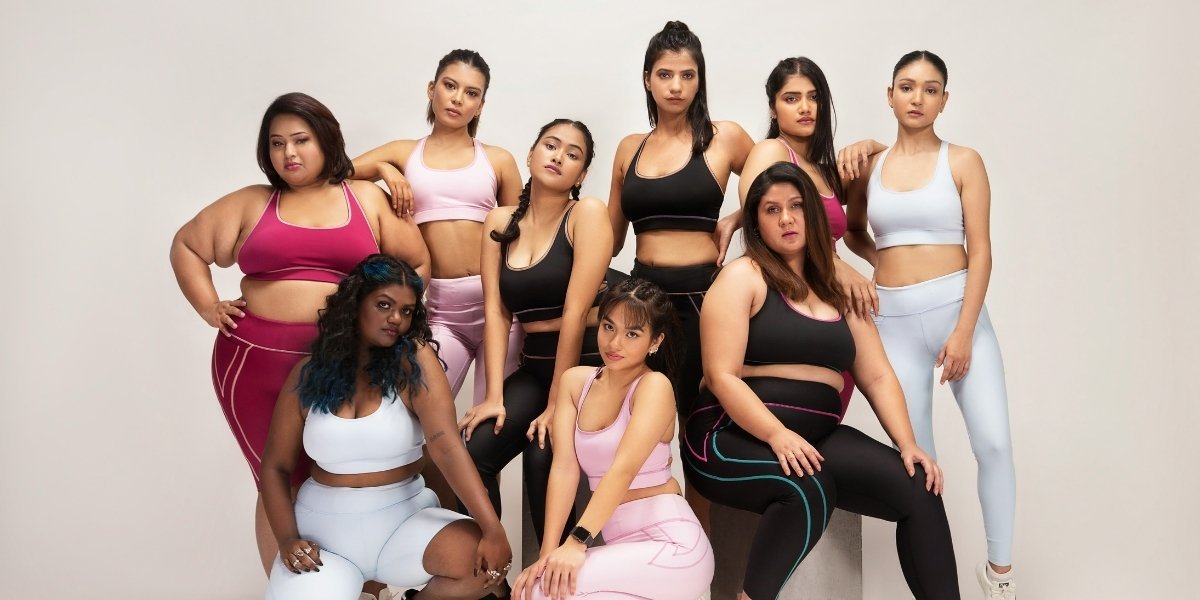
Unlocking Profit: How Reality Stars Build Real Wealth Beyond the Show

The days of reality TV being seen as nothing more than a brief escape are long gone. Today, reality TV stars are parlaying their fame into full-fledged entrepreneurial empires. From launching beauty lines to securing multi-million-dollar brand deals, these stars are proving that the path to riches can often be built on screen time. But what exactly are the entrepreneurial secrets that transform reality TV fame into lasting wealth?

Reality TV offers more than just a platform for exposure; it’s a launching pad for massive business ventures. Stars like Kim Kardashian, the Jenner sisters, and even less traditional names like Hailey Bieber have shown how celebrity status can evolve into serious business acumen. Let’s dive into how reality stars are turning their screen time into business gold, all while keeping fans engaged and loyal.

Leveraging Fame into High-Profile Brand Deals

One of the most straightforward ways reality stars make their fortune is by securing lucrative brand partnerships. The rise of influencer culture has allowed stars from reality TV to become valuable marketing assets, even if they’re not actively involved in the creation of a product.

Take Kim Kardashian, for example. After her rise to fame via Keeping Up with the Kardashians, she has cultivated an empire with brands like SKIMS and KKW Beauty. Her business ventures didn’t start as products she was intimately involved with at first. Instead, Kim used her massive social media reach and fame to introduce products that fans could feel personally connected to. Her beauty brand, KKW Beauty, tapped into the “luxe-for-all” mindset that resonated with her followers.

In fact, her entrepreneurial path was so successful that it set the tone for other stars to follow suit. The Kardashians’ blueprint for brand partnerships has become an example for how to blend fame with profit. What started as a “reality TV side hustle” quickly became one of the most successful global business operations.

The Power of Social Media: Turning Followers into Revenue

For many reality stars, the key to unlocking business potential lies in their social media presence. Social media platforms like Instagram, TikTok, and YouTube offer the perfect stage for influencers to market their brands directly to their followers.

Hailey Bieber, a prime example, has effectively used her Instagram presence not only to showcase her modeling career but also to promote her skincare brand, Rhode Beauty. With millions of followers, she doesn’t just post about products — she makes them feel like an extension of herself. Fans trust her choices and want to emulate her style. This type of trust is essential when it comes to building a brand that feels authentic and accessible.

In today’s world, a reality star’s business empire often starts with building a personal connection online. Bieber’s collaboration with major brands, all while building a successful skincare line, shows how much power lies in an engaged and loyal following. It’s not just about endorsement deals; it’s about personal branding and turning fans into lifelong customers.

From Influencer to Founder: Building a Personal Brand

Unlocking Profit: How Reality Stars Build Real Wealth Beyond the Show

Photo Credit: Unsplash.com

It’s one thing to partner with an existing brand, but many reality stars are now branching out into becoming founders. They are taking the lessons learned from brand collaborations and applying them to launching their own products, services, or even tech startups.

Kendall Jenner, for instance, co-founded the tequila brand 818, combining her fashion credibility with a growing interest in craft spirits. 818 is more than just a celebrity endorsement — it’s her own creation. The success of this venture highlights a growing trend among reality TV stars: they’re not just celebrities who endorse products; they’re entrepreneurs and founders in their own right.

This trend is further echoed by stars like Kourtney Kardashian, whose wellness brand, Poosh, centers around sustainable living and self-care. These stars are increasingly involved in every step of the process, from product development to marketing strategies. Their hands-on involvement allows them to build businesses that feel personal and authentic to their fans.

Making the Move to Hollywood: Business Through Entertainment

It’s not just about what they’re selling; reality stars are also making moves within the entertainment industry. Kim Kardashian has recently expanded her empire with ventures into film production, acting, and even creating exclusive content for streaming services like Hulu. Her move into Hollywood proves that reality TV fame can open doors to more traditional forms of media, where business opportunities are limitless.

Similarly, stars like Paris Hilton have found success in diversifying their career portfolios. Hilton, once known solely for her role in reality television, has ventured into DJing, launching product lines, and producing documentaries. She continues to leverage her name and influence in a variety of creative ways, all while positioning herself as a business mogul in the entertainment industry.

The entertainment industry has become a natural extension of the reality TV path, and for many stars, this shift is a key to maintaining relevancy while scaling their business ventures.

Building Empires: Turning Reality into Entrepreneurial Gold

One of the main takeaways from the rise of reality stars in the entrepreneurial world is that success doesn’t happen overnight. Building a brand, whether through product launches, social media influence, or new entertainment ventures, requires careful planning and execution. Stars like Kim Kardashian and Hailey Bieber didn’t just launch businesses and hope for the best. They built empires that catered to their audience’s desires while also staying ahead of the curve with trends.

Their business acumen continues to shape how we view reality TV stars — not as just entertainers but as savvy entrepreneurs who understand how to turn fame into profit. And as social media and streaming platforms continue to grow, so too will the opportunities for reality stars to expand their businesses beyond what we see on TV.


Are You a Builder or a Manager? Understanding the Businessman-Entrepreneur Split

Success in the world of commerce can take many forms, and two of the most discussed players in this landscape are businessmen and entrepreneurs. While often used interchangeably, these terms represent distinct mindsets, approaches, and roles. Decoding the DNA of success requires a clear understanding of how businessmen and entrepreneurs differ, what drives each group, and how their unique traits shape the business world.

Businessmen and entrepreneurs share a common goal: to create value and achieve financial success. Yet, their paths, motivations, and attitudes toward risk and innovation set them apart. Exploring these divergences sheds light on how individuals can align their ambitions and strategies with their inherent strengths.

What Defines a Businessman?

A businessman typically operates within established frameworks and seeks to manage and grow existing enterprises. Their focus is often on stability, efficiency, and profitability. By working within known markets, businessmen optimize resources, control operations, and expand businesses through proven methods.

Businessmen excel at executing plans and scaling operations. They often invest in building systems, managing teams, and improving processes to maximize returns. Their approach tends to prioritize predictable growth, maintaining cash flow, and minimizing risks that could disrupt ongoing success.

In essence, businessmen are stewards of commerce. They work within traditional structures to build and sustain enterprises, often in well-understood industries. Their expertise lies in managing complexity and extracting value from established models.

The Entrepreneurial Spirit: Innovators and Visionaries

Entrepreneurs, by contrast, are known for their pioneering spirit. They focus on creating new products, services, or markets. Innovation and disruption are central to their approach. Rather than following existing paths, entrepreneurs seek to forge their own, often taking significant risks to do so.

Entrepreneurs thrive on uncertainty and change. They embrace failure as a learning opportunity and persist through setbacks. Their mindset is forward-looking, focused on long-term vision rather than immediate returns. Creativity, adaptability, and a willingness to challenge norms define the entrepreneurial DNA.

While businessmen optimize, entrepreneurs invent. Their role is to push boundaries, identify unmet needs, and build ventures that can transform industries or create entirely new ones. This trailblazing approach often involves navigating ambiguity and cultivating resilience.

Differences in Risk Tolerance and Decision Making

Are You a Builder or a Manager Understanding the Businessman-Entrepreneur Split

Photo Credit: Unsplash.com

One of the clearest distinctions lies in how businessmen and entrepreneurs approach risk. Businessmen generally prefer calculated risks supported by data and past experience. They seek to mitigate uncertainties through thorough analysis and conservative strategies.

Entrepreneurs, however, are more comfortable with high uncertainty. They often take bold bets on untested ideas, relying on intuition, vision, and a tolerance for failure. This risk-taking is essential for innovation but can lead to greater volatility.

Decision-making styles also differ. Businessmen may rely on hierarchical structures and systematic processes, favoring consistency and control. Entrepreneurs often adopt agile decision-making, moving quickly and pivoting when necessary to respond to changing circumstances.

The Role of Innovation and Growth Orientation

Innovation is a hallmark of entrepreneurship. Entrepreneurs continuously seek new ways to solve problems, enhance customer experiences, and differentiate their offerings. They are growth-oriented, often prioritizing rapid expansion and market penetration.

Businessmen, while open to innovation, tend to focus more on incremental improvements that enhance efficiency or customer satisfaction within existing frameworks. Their growth strategies might emphasize market share increase, diversification, or acquisitions, but usually within established sectors.

Both roles are vital for economic ecosystems. Entrepreneurs inject fresh ideas and drive disruption, while businessmen scale and sustain those innovations, bringing stability and maturity to markets.

Leadership Styles: Vision vs. Management

Leadership approaches between businessmen and entrepreneurs also diverge. Entrepreneurs often act as visionaries, inspiring teams with ambitious goals and pioneering spirits. Their leadership is dynamic, adaptive, and centered on motivating innovation and creativity.

Businessmen typically adopt managerial leadership, emphasizing structure, discipline, and operational excellence. They focus on optimizing team performance, ensuring accountability, and maintaining smooth day-to-day functioning.

Both styles have strengths. Visionary leadership drives change and inspires passion, while managerial leadership builds reliability and consistency. Successful organizations often benefit from a balance of these complementary approaches.

How Mindset Influences Success Paths

Mindset shapes how businessmen and entrepreneurs perceive challenges and opportunities. Businessmen may view success through stability, reputation, and financial metrics. Their focus is on building sustainable enterprises that endure.

Entrepreneurs measure success through impact, innovation, and transformation. They seek to leave a legacy by creating something new that changes the status quo.

This difference influences how each navigates setbacks. Businessmen may prioritize risk aversion and preservation, while entrepreneurs embrace failure as part of growth.

The Intersection: When Businessmen and Entrepreneurs Collaborate

Despite differences, the worlds of businessmen and entrepreneurs frequently intersect. Entrepreneurs often rely on businessmen to scale their innovations and manage mature operations. Conversely, businessmen may adopt entrepreneurial practices to rejuvenate established businesses or enter new markets.

Partnerships between these groups can harness strengths from both sides — combining innovation with execution, vision with discipline, and risk-taking with risk management.

Understanding these roles fosters better collaboration, driving business success across various industries and contexts.

What Can Aspiring Professionals Learn from These Differences?

Recognizing the divergences between businessmen and entrepreneurs helps individuals align career paths with personal strengths and aspirations. Those drawn to innovation, risk, and disruption might find entrepreneurship fulfilling. Others who value structure, optimization, and steady growth may thrive in traditional business roles.

Developing skills from both domains can also be beneficial. Entrepreneurs benefit from learning operational management, while businessmen can enhance their impact by cultivating entrepreneurial agility.

Ultimately, success often depends on blending these mindsets — innovating boldly while managing efficiently.

Decoding Success in Business

The journey to success is not one-size-fits-all. Businessmen and entrepreneurs contribute distinct yet complementary forces that drive economic progress. Understanding their unique DNA provides clarity on how businesses evolve and succeed.

By appreciating these differences, professionals, investors, and leaders can make more informed decisions, build stronger teams, and create environments that foster both innovation and sustainability. Success lies in decoding this diversity and leveraging it wisely.

What is a Thespian? Discover the History of Acting’s Oldest Profession

The term “thespian” has long been associated with actors and the craft of acting, but how did this word come to symbolize one of the most respected roles in the arts? Rooted in ancient Greek history, the profession of acting has evolved over millennia, and the word “thespian” itself is a direct homage to one of the earliest figures in theatrical history. In this article, we explore the origins of the term “thespian” and the enduring legacy of the acting profession.

The Origin of the Word “Thespian”

The word “thespian” is derived from the name of Thespis, a Greek playwright and actor who lived in the 6th century BCE. Thespis is widely recognized as the first person to perform as an individual character in a play, rather than simply narrating the story. Before Thespis, Greek performances were typically choral, with a group of actors singing and reciting lines in unison, but Thespis revolutionized the art form by introducing the concept of dialogue. He is credited with introducing the first actor to the stage, a role that would become central to the development of Western theatre.

Thespis’s innovation of having a solo actor portray a character marked a shift from purely narrative storytelling to dramatization, laying the foundation for the rich history of theatrical performance. It’s believed that Thespis not only performed in the plays he wrote but also played an active role in organizing the performances. His contributions were so influential that actors today are still referred to as “thespians,” paying tribute to the ancient roots of the craft.

The Evolution of Acting: From Greek Theatre to Modern Performance

While Thespis is considered the father of acting, the evolution of the craft didn’t stop with him. The art of performance continued to develop during the classical period of Greek theatre. Playwrights like Sophocles, Euripides, and Aeschylus built on Thespis’s innovations by adding more complexity to the roles actors played. Greek theatre expanded to include multiple actors, a chorus, and elaborate stage designs.

However, it wasn’t just Greek theatre that shaped the acting profession. The art of acting continued to evolve through Roman theatre, the Medieval Mystery Plays, and into the Renaissance period, with the works of Shakespeare. The Renaissance, in particular, saw the emergence of the modern actor as we know it today. Acting techniques began to be refined, and the profession was slowly elevated to an art form that was respected by both the public and the nobility.

During Shakespeare’s time, actors were considered important figures, often performing for the royal court. The acting profession became more formalized, with actors working in organized theatre companies like The Lord Chamberlain’s Men, which Shakespeare himself was a part of. The rise of professional theatre during this period marked a major turning point for actors, who now enjoyed a higher status and a broader audience.

The Rise of Acting in the Modern Era

What is a Thespian Discover the History of Acting's Oldest Profession

Photo Credit: Unsplash.com

As the centuries passed, acting continued to evolve, with the rise of new performance mediums. The development of film in the late 19th and early 20th centuries created a new outlet for actors, transforming the industry once again. The emergence of Hollywood and the global film industry brought acting into the mainstream, making actors celebrities and international icons. This period saw the birth of acting legends such as Charlie Chaplin, Marlon Brando, and Audrey Hepburn, whose performances captivated audiences around the world.

Today, acting has expanded beyond the stage and the screen. Actors are now found in television, streaming services, video games, and even virtual reality experiences. With the advent of digital technology, acting has evolved into a multifaceted career that allows performers to explore a variety of creative outlets.

The Role of the Thespian Today

In today’s world, being a thespian is about more than just performing on stage. While many actors still work in traditional theatre, the role of the thespian has expanded to include a range of performance media, including film, television, and digital platforms. Acting today is a global profession, with actors working in various languages and cultural contexts, and international co-productions have become more common than ever.

The essence of being a thespian, however, remains the same. It is still about embodying characters and telling stories that resonate with audiences. Acting requires not only a deep understanding of human emotion but also the ability to engage with audiences in meaningful ways. Modern thespians are celebrated for their versatility, often jumping between genres and mediums to bring a wide array of characters to life.

Acting as a Craft and a Profession

Being a thespian is often a lifelong pursuit, involving intense training, continuous learning, and dedication to the craft. Many actors start their careers by attending drama schools, where they study the techniques and skills required to perform on stage and in front of a camera. Over time, thespians refine their craft, learning to inhabit a wide range of characters and developing their unique style. The profession demands long hours of rehearsal, study, and performance, but the rewards can be significant, both in terms of personal fulfillment and recognition.

In addition to acting, modern thespians often engage in a variety of other creative pursuits, including directing, producing, and writing. This reflects the increasingly interdisciplinary nature of the arts, where creative professionals often take on multiple roles throughout their careers. Some actors even engage in social causes and activism, using their platform to raise awareness about issues that matter to them and their audiences.

The Legacy of Thespis: Honoring the Past, Celebrating the Present

As we reflect on the history of the thespian profession, we recognize that it is not just the work of individual actors that has shaped the world of performance but also the contributions of countless playwrights, directors, and stagehands. The legacy of Thespis lives on in every performance, whether it’s a Shakespearean play on the West End, a Hollywood blockbuster, or a performance art piece in a modern gallery. The art of acting is constantly evolving, but its roots will always trace back to that moment when Thespis first stepped onto a stage, changing the world of performance forever.

Today’s thespians continue to push boundaries, offering new ways to experience storytelling and art. They are the inheritors of a long tradition, and their work reflects the rich history of the craft, blending ancient techniques with modern innovations. The profession of acting is still as vital as ever, demonstrating that storytelling, through both spoken word and visual expression, remains a powerful force in our culture.

The Ultimate Portfolio: How Celebrities Are Dominating the Real Estate Market

Hollywood’s elite have long been known for their opulent lifestyles, from luxury cars to designer wardrobes. However, a growing trend reveals that many A-listers are channeling their considerable wealth not just into lavish personal homes, but into sophisticated, multi-million-dollar real estate portfolios. This move is no longer just about finding a private sanctuary from the paparazzi; it’s a strategic and often lucrative investment strategy that showcases a business savvy beyond their on-screen or on-stage talents.

The ultimate celebrity portfolio is a masterclass in wealth management, leveraging the real estate market to diversify income, generate passive returns, and build a lasting legacy. From buying and flipping luxury properties to investing in commercial real estate and vacation homes, these celebrities are proving that their influence extends far beyond entertainment.

From Personal Homes to Profit-Driven Portfolios

For most of us, buying a home is a single, major life event. For many celebrities, it’s a business model. A-listers have mastered the art of “real estate flipping,” a strategy where they purchase high-end properties, often in desirable locations like Los Angeles, New York, or Montecito, and then sell them for a substantial profit after a period of renovation or even just market appreciation. This isn’t a one-off transaction; it’s a continuous cycle that has proven to be incredibly profitable.

A prime example of this trend is Ellen DeGeneres and her wife, Portia de Rossi, who are legendary for their real estate prowess. The couple has a well-documented history of buying, renovating, and selling dozens of luxury properties, often netting millions of dollars in profit. Their portfolio has included everything from sprawling Beverly Hills mansions to stunning homes in Santa Barbara. Similarly, Jennifer Aniston has a knack for transforming properties, once purchasing a $13.5 million mansion and selling it years later for a staggering $35 million after a masterful renovation. These celebrity real estate gurus understand that their influence can add significant value to a property, creating a sense of prestige and desirability that commands a premium price.

Photo Credit: Unsplash.com

This trend extends beyond residential homes. Celebrities are also diversifying into commercial properties, hotels, and eco-friendly resorts. Leonardo DiCaprio, for instance, has invested in a private island resort, demonstrating a keen interest in sustainable, high-end hospitality. This strategic diversification helps to insulate their wealth from market fluctuations in any single sector and ensures a steady stream of income. The combination of personal brand influence and strategic market timing has turned the simple act of buying and selling homes into a cornerstone of their financial success.

The Strategic Diversification of Celebrity Real Estate

The most successful celebrity real estate investors don’t put all their eggs in one basket. They employ a sophisticated strategy of diversification, acquiring a variety of properties that serve different purposes and offer different financial returns. This approach mimics the best practices of savvy, non-celebrity investors but with the added advantage of their immense capital and influence.

A key part of this strategy is the acquisition of multiple homes in different locations. For instance, Taylor Swift owns at least eight residences in various states, including a townhouse in New York, a historic mansion in Beverly Hills, and properties in Nashville. These homes not only provide private sanctuaries from the public eye but also represent a diverse collection of assets in different real estate markets, each with its own appreciation potential. Jay-Z and Beyoncé have a similarly diverse portfolio, including a massive estate in Bel-Air and a waterfront property in the Hamptons. These properties serve as both personal residences and high-value investments.

Beyond residential holdings, many celebrities are actively investing in commercial and hospitality real estate. They understand that these properties can generate consistent rental income and appreciate in value over time, providing a reliable stream of passive income. The trend also includes a focus on unique and meaningful properties. George Lucas, for example, has used real estate to create his studios, blending his creative passion with a strategic investment. This demonstrates a more complex investment thesis that goes beyond simple buying and selling, focusing instead on building a long-term real estate empire that aligns with their personal and professional interests.

The Influence of Celebrities on the Market

The presence of celebrities in a neighborhood can have a ripple effect on the local real estate market, often leading to increased tourism, higher demand, and a rise in property values. This “celebrity factor” is a powerful phenomenon that savvy real estate professionals and affluent buyers are well aware of. When a celebrity moves into an area, it often elevates the location’s status, turning it into a desirable and exclusive enclave.

This influence isn’t limited to the luxury market. Celebrity real estate agents, like those featured on popular reality TV shows, have become brands in their own right, using their massive social media followings and connections to market properties and attract high-net-worth clients. This fusion of entertainment and real estate has created a new kind of marketing where a property’s story—its connection to a celebrity—becomes a key selling point. The sale of a celebrity’s home often garners significant media attention, providing free and effective marketing for the property and the agents involved.

Photo Credit: Unsplash.com

The lifestyle choices of A-listers can set trends that influence the broader luxury real estate market. If a celebrity is buying homes with a certain architectural style, or investing in properties with specific amenities like home theaters, infinity pools, or smart home technology, these features often become aspirational for other affluent buyers. This direct influence on consumer preferences gives us a “sneak peek” into the future demands of the high-end market. For luxury real estate professionals and investors, keeping an eye on where celebrities are buying and what they are buying is a key strategy for staying ahead of the curve.

Leveraging Fame for Financial Advantage

The success of celebrity real estate portfolios is not accidental; it’s a result of leveraging their fame and financial resources in a way that non-celebrity investors cannot. While they face the same market risks, their unique advantages allow them to operate on a different scale and with a different level of influence.

One of the most significant advantages is access to capital and special lending. While celebrities have highly irregular income, they often work with private banking divisions that have custom mortgage capabilities. These specialized loans are tailored to their unique financial situations, allowing them to finance multi-million-dollar properties without having to pay cash for every transaction. Many A-listers also choose to finance their purchases to avoid tying up liquid assets, preferring to use their cash for other investments. This financial flexibility allows them to make multiple strategic acquisitions at once.

Celebrities have an inherent marketing advantage. Their fame and social media presence act as powerful tools for promoting their investments. Kylie Jenner, for example, can promote her ventures to millions of followers instantly, creating hype and interest in her properties. Their investments can also generate legal and tax benefits. By using LLCs to purchase properties, celebrities can secure privacy and tax deductions, a strategy that is also available to other high-net-worth individuals. Ultimately, the combination of celebrity influence, access to capital, and a savvy understanding of the real estate market allows these stars to build financial empires that will outlast their careers, proving that a blockbuster portfolio is just as important as a box office blockbuster.

Enlarged Heart: Understanding Causes, Tests, and Treatment

Cardiomegaly, more commonly known as an enlarged heart, is not a disease in itself but rather a sign that an underlying condition is making the heart work harder than usual. It refers to a heart that is bigger than what is typical, either because the heart muscle has thickened (hypertrophy) or its chambers have stretched and become weaker (dilation). Understanding cardiomegaly is crucial because, if left unaddressed, it can lead to more serious heart complications.

This condition can affect anyone, though certain risk factors increase its likelihood. The heart’s ability to pump blood effectively can be compromised when it is enlarged, leading to various symptoms and potential long-term issues. Therefore, identifying the root cause of an enlarged heart and initiating appropriate management strategies are vital steps in protecting overall cardiovascular health. This will explore the various causes, diagnostic methods, and management approaches for cardiomegaly.

What Causes the Heart to Enlarge?

The heart can enlarge in response to a variety of stressors that force it to work harder. One of the most common culprits is high blood pressure, also known as hypertension. When blood pressure is consistently elevated, the heart has to exert more force to pump blood throughout the body. Over time, this increased workload can cause the heart muscle, particularly the left ventricle, to thicken and enlarge, similar to how other muscles grow with strenuous exercise. However, unlike skeletal muscles, a thickened heart muscle may become less efficient at pumping blood.

Another significant cause is coronary artery disease, which involves the narrowing or blockage of the arteries that supply blood to the heart muscle. If blood flow to a part of the heart is compromised, or if a heart attack occurs, the damaged heart tissue can weaken and cause other parts of the heart to work harder, leading to enlargement. Heart valve diseases also play a role; if any of the heart’s four valves are damaged or diseased, they may not open or close properly, disrupting blood flow and forcing the heart chambers to enlarge as they strain to compensate.

Enlarged Heart: Understanding Causes, Tests, and Treatment

Photo Credit: Unsplash.com

Beyond these common factors, several other conditions can contribute to cardiomegaly. Cardiomyopathy, which refers to diseases of the heart muscle itself, can cause the heart to become rigid, thick, or weak, impairing its ability to pump blood effectively and leading to enlargement. Pulmonary hypertension, or high blood pressure in the arteries leading to the lungs, makes the right side of the heart work harder, potentially causing its enlargement. Anemia, a low red blood cell count, also forces the heart to pump more blood to ensure sufficient oxygen delivery, which can result in an enlarged heart.

How Cardiomegaly is Diagnosed

Certain systemic conditions can impact heart size. Both an underactive (hypothyroidism) and overactive (hyperthyroidism) thyroid gland can affect heart rate and blood pressure, contributing to cardiomegaly. Conditions like hemochromatosis (too much iron in the body) or cardiac amyloidosis (unusual protein deposits in the heart) can also cause heart enlargement. Even temporary conditions like pregnancy can cause the heart to enlarge due to increased blood volume and demands on the cardiovascular system. In rare cases, some athletes develop a physiological enlargement of the heart due to intense, prolonged exercise; this “athletic heart” is typically healthy and functions efficiently.

Diagnosing an enlarged heart often begins with a thorough physical examination and a review of a person’s medical history, including any reported symptoms and family history of heart conditions. Since cardiomegaly can sometimes be asymptomatic, meaning it presents without noticeable symptoms, it may be discovered incidentally during imaging tests performed for other reasons. However, if symptoms are present, they can prompt doctors to investigate further. Common symptoms include shortness of breath (especially during exertion or when lying down), fatigue, swelling in the legs, ankles, or abdomen (edema), dizziness, and heart palpitations or irregular heartbeats (arrhythmias).

Once cardiomegaly is suspected, several diagnostic tests can confirm the enlargement and help pinpoint its underlying cause. A chest X-ray is often the first imaging test, providing an initial view of the heart’s size and shape relative to the chest cavity. If the heart appears enlarged on an X-ray, further, more detailed tests are typically ordered. An echocardiogram, which uses sound waves to create live images of the heart, is a crucial diagnostic tool. It provides detailed information about the heart’s chambers, valves, pumping function, and overall size, helping to differentiate between hypertrophy and dilation.

Managing and Treating Cardiomegaly

Enlarged Heart: Understanding Causes, Tests, and Treatment

Photo Credit: Unsplash.com

Other advanced imaging techniques, such as a Cardiac CT scan or Cardiac MRI, can offer even more precise and detailed images of the heart’s structure and function. These scans can detect subtle abnormalities in the heart muscle, assess blood flow, and identify any scarring or blockages. An electrocardiogram (ECG or EKG) measures the electrical activity of the heart and can reveal abnormalities in heart rhythm or signs of a thickened heart muscle. In some cases, blood tests may be conducted to check for underlying conditions like thyroid disorders, anemia, or markers of heart muscle damage. Occasionally, more invasive procedures like cardiac catheterization, which allows doctors to visualize heart arteries and measure pressures within the heart, or even a heart biopsy, may be necessary to determine the exact cause of the enlargement.

The management of cardiomegaly focuses primarily on treating the underlying condition that is causing the heart to enlarge. Since an enlarged heart is a symptom, addressing the root cause is essential for stabilizing or even reversing the enlargement in some cases. Lifestyle modifications are often a cornerstone of treatment. These can include adopting a heart-healthy diet low in sodium and unhealthy fats, engaging in regular moderate exercise (as advised by a doctor, especially for non-athletic enlargement), maintaining a healthy weight, quitting smoking, and limiting alcohol consumption. Managing stress effectively also contributes to overall heart health.

Medications play a vital role in managing the conditions that lead to cardiomegaly. For high blood pressure, doctors may prescribe antihypertensive drugs such as ACE inhibitors, ARBs (angiotensin receptor blockers), beta-blockers, or diuretics. Diuretics, often called “water pills,” help reduce fluid retention and ease the heart’s workload. Beta-blockers can help slow the heart rate and improve its pumping function. If heart valve disease is the cause, medications might be used to manage symptoms, or surgical repair or replacement of the affected valve may be necessary to correct the blood flow issues.

Living with an Enlarged Heart: Navigating Care and Prevention

For conditions like cardiomyopathy or heart failure resulting from an enlarged heart, specific medications are used to improve heart function and manage symptoms. These can include medications to control irregular heart rhythms (antiarrhythmics) or blood thinners (anticoagulants) to reduce the risk of blood clots, which are a potential complication of inefficient heart pumping. In more severe cases that do not respond to medication or lifestyle changes, medical procedures or surgery may be considered. These could include implantable devices like pacemakers or implantable cardioverter-defibrillators (ICDs) to regulate heart rhythm, or coronary artery bypass surgery if blockages in the arteries are severe. In the most advanced and untreatable cases, a heart transplant might be the final option.

It is important for individuals with cardiomegaly to have ongoing medical supervision and adhere to their prescribed treatment plan. Regular follow-up appointments and diagnostic tests help monitor the heart’s condition and the effectiveness of the chosen management strategies. While not all cases of cardiomegaly are fully reversible, early diagnosis and consistent management of the underlying cause can significantly improve outcomes, reduce symptoms, and prevent the progression to more severe heart complications like heart failure or stroke. This proactive approach ensures the best possible quality of life for those living with an enlarged heart.

Stage Name Strategy: How a New Identity Boosts Celebrity Careers (And Privacy)

Stage name strategy isn’t just branding—it’s survival. In today’s celebrity ecosystem, a new identity can mean the difference between being recognized and being remembered. Whether it’s a pop star shedding their birth name or an actor reinventing their public persona, stage names are more than catchy monikers. They’re tools for career elevation and privacy protection.

“Stage name strategy” has become a staple in entertainment PR, especially as fame becomes more accessible and more invasive. From legacy icons to Gen Z breakout stars, the decision to adopt a stage name is often the first—and smartest—move in building a lasting career.

Why Stage Names Still Matter in 2025

In an era of algorithm-driven fame, stage names help celebrities stand out in crowded feeds. They’re easier to search, easier to remember, and often more aligned with the artist’s aesthetic. A well-crafted name can evoke genre, mood, or attitude before the audience hears a single note or sees a single scene.

But stage names aren’t just about marketing. They’re about control. A new identity creates a boundary between public persona and private life. It allows celebrities to curate what fans see while keeping their legal name—and personal details—out of the spotlight.

This strategy echoes the approach where brand control and narrative ownership were central to every rollout.

Privacy Is the New Luxury

With paparazzi culture still thriving and social media blurring personal boundaries, privacy is now a form of luxury. Celebrities who use stage names gain an extra layer of protection. Their real name isn’t on hotel bookings, legal documents, or leaked group chats. It’s a firewall against unwanted exposure.

This separation also helps with mental health. When your public identity is a character, it’s easier to step out of it. Artists can perform, promote, and engage without feeling like their entire self is on display. It’s not just strategic—it’s sustainable.

Stage name strategy is especially useful for those navigating fame at a young age. It gives them room to grow, evolve, and even rebrand without being locked into a childhood identity.

Stage Names as Career Catalysts

A stage name can signal a shift in genre, audience, or ambition. When an artist wants to pivot—from pop to punk, from acting to activism—a new name helps reset expectations. It’s a clean slate with built-in intrigue.

Some celebrities use stage names to honor heritage, pay tribute to mentors, or reflect personal transformation. Others choose names that sound global, gender-neutral, or futuristic. The goal is always the same: to create a name that travels well and sticks.

The star-studded premiere brought out A-list celebrities and social media influencers, many of whom have used stage names to build multi-hyphenate careers across fashion, film, and music.

How PR Teams Shape Stage Name Strategy

Stage Name Strategy: How a New Identity Boosts Celebrity Careers (And Privacy)

Photo Credit: Unsplash.com

Behind every great stage name is a team of publicists, brand consultants, and legal advisors. They analyze market trends, audience demographics, and cultural resonance before landing on the perfect name. It’s not just creative—it’s calculated.

PR teams also manage the rollout. That means updating social handles, securing domain names, and coordinating press coverage. The transition has to feel organic, even if it’s been months in the making.

Legal teams ensure the name is trademarked and protected. That way, the celebrity owns their identity—and can monetize it across merch, endorsements, and media appearances.

Rebranding Through Stage Names

Sometimes, a stage name isn’t the beginning—it’s a reboot. Celebrities who’ve faced controversy, burnout, or creative stagnation often reemerge under a new name. It’s a way to reclaim their narrative and reconnect with fans.

This tactic works best when paired with a shift in style, sound, or message. The name change signals growth, and fans are often eager to embrace the evolution. It’s not about hiding—it’s about redefining.

Stage name strategy also allows for alter egos. Artists can explore different facets of their creativity without confusing their core brand. It’s a way to experiment without risking everything.

The Future of Stage Name Strategy

As AI-generated content, deepfakes, and digital impersonation rise, stage names may become even more essential. They’ll act as digital signatures—unique identifiers that separate real celebrities from synthetic clones.

Expect to see more artists using stage names across platforms, with different identities for music, film, fashion, and social media. The name becomes a brand, and the brand becomes a universe.

Stage name strategy isn’t just about fame—it’s about freedom. It gives celebrities the power to shape their story, protect their space, and build careers that last.

The Rise of Diversity in Modeling During the 2010s

Redefining Beauty: How the 2010s Sparked a Cultural Shift in Fashion Representation

The 2010s marked a significant shift in the modeling industry towards greater diversity and inclusion. This decade saw an increasing representation of various races, body types, genders, and ages on runways, in advertisements, and across fashion campaigns. This article explores the factors that contributed to the rise of diversity in modeling in the 2010s, its impact on the industry, and how it has reshaped fashion norms.

Before the 2010s, the modeling industry was predominantly characterized by a narrow definition of beauty. Models were mostly young, thin, and predominantly white. While there were trailblazers like Naomi and Tyra, their presence was the exception rather than the rule.

In the late 2000s, there were early signs of change. Designers and fashion houses began to face criticism for their lack of diversity, prompting a gradual shift. Influential figures and advocacy groups started pushing for more representation, laying the groundwork for the changes seen in the 2010s.

Key Drivers of Diversity in the 2010s

Social media platforms like Instagram, Twitter, and later TikTok have radically transformed the fashion industry’s power dynamics, giving rise to a more inclusive and democratized landscape. Traditionally, models had to rely on agencies, casting directors, and fashion editors to gain visibility, often facing barriers rooted in race, body type, gender identity, or socioeconomic background. But with the rise of digital platforms, aspiring models and creatives began cultivating their own audiences, showcasing their work directly to followers and brands. This shift allowed individuals from marginalized communities to bypass gatekeepers and build influence on their own terms. Viral campaigns, hashtag movements like #BlackModelsMatter and #TransIsBeautiful, and influencer-led storytelling challenged the industry to broaden its definition of beauty and representation. Social media didn’t just amplify diverse voices—it demanded that the industry listen.

The Rise of Diversity in Modeling During the 2010s

Photo Credit: Unsplash.com

The body positivity movement, which gained significant traction in the 2010s, further disrupted long-standing norms around beauty and desirability. Spearheaded by activists, influencers, and outspoken models, the movement called out the harmful effects of unrealistic body standards perpetuated by fashion media. It advocated for the visibility and celebration of all body types, including plus-size, disabled, and non-binary bodies. In response, major brands began to rethink their campaigns, casting models who reflected the diversity of their consumer base. Retailers like Aerie, Savage X Fenty, and ASOS embraced inclusive sizing and unretouched imagery, signaling a shift toward authenticity and acceptance. This cultural reckoning not only reshaped advertising but also influenced runway shows, editorial spreads, and product development, making body inclusivity a core value rather than a marketing trend.

Institutional advocacy played a critical role in sustaining these changes and pushing for deeper reform. Organizations such as the Council of Fashion Designers of America (CFDA), Models of Diversity, and The Fashion Spot began collecting data, publishing reports, and lobbying for more equitable practices across the industry. They highlighted disparities in model representation, called out tokenism, and worked with designers and agencies to implement inclusive casting policies. These groups also provided platforms for emerging talent from underrepresented backgrounds, offering mentorship, visibility, and professional development. Their efforts helped shift diversity from a buzzword to a measurable goal, encouraging brands to move beyond performative gestures and commit to long-term change. Together, social media, grassroots activism, and institutional advocacy have redefined what fashion looks like—and who gets to be seen.

Impact on the Fashion Industry

The 2010s saw a notable increase in the diversity of models on runways. Fashion weeks around the world began to showcase a broader range of models, including those of different ethnicities, body sizes, ages, and genders. This shift challenged traditional beauty standards and set new norms for inclusivity. Advertising campaigns also became more inclusive. Major fashion brands and retailers featured diverse models in their campaigns, recognizing the importance of representation in connecting with a global audience. This inclusivity helped brands reach wider demographics and promote a more inclusive image. The rise of diversity in the 2010s led to changes in industry standards. Casting directors, designers, and agencies began to prioritize diversity, understanding its importance in reflecting the real world. This shift also encouraged the development of more inclusive policies and practices within the industry.

While the 2010s saw significant strides towards diversity, challenges remain. Tokenism, where a single model represents an entire group, is still an issue. True diversity means consistent and meaningful representation across all facets of the industry. Ensuring sustainable change requires continued effort. Advocacy and activism must persist to maintain and further the progress made. The industry must continue to embrace and normalize diversity, avoiding reverting to old standards.

The rise of diversity in modeling during the 2010s marked a transformative period for the fashion industry. Influenced by social media, the body positivity movement, and active advocacy, the industry began to reflect a broader range of beauty. While significant progress has been made, ongoing efforts are necessary to ensure that diversity remains a core value in modeling and fashion. The 2010s laid the foundation for a more inclusive industry, one that continues to evolve and celebrate all forms of beauty.

Luxury Rollouts: What to Expect from Artists Tapping High Fashion for Music Video Drops

Luxury rollouts are changing the way artists launch music videos. What used to be a visual companion to a track is now a full-blown fashion moment. From couture gowns to custom streetwear, high fashion is becoming the centerpiece of music video drops—and it’s not just about aesthetics. It’s about branding, storytelling, and cultural dominance.

In 2025, artists aren’t just releasing music—they’re curating cinematic experiences that rival fashion campaigns. The “luxury rollouts” now signal more than just a polished release. It’s a signal that the artist is playing in the same arena as luxury houses, red carpet stylists, and global fashion editors.

High Fashion Is the New Music Video Director

Luxury fashion isn’t just dressing the artist—it’s directing the narrative. When a music video opens with a slow pan across a custom Balenciaga trench or a sculptural Schiaparelli bodice, it sets the tone before a single lyric drops. These pieces aren’t just wardrobe—they’re plot devices.

Artists are working directly with fashion houses to build visual identities around their music. That means exclusive fittings, unreleased collections, and one-of-one pieces designed specifically for the video. The result is a rollout that feels more like a runway show than a standard drop.

This trend mirrors the energy seen, where fashion played a central role in every performance and promo.

Luxury Rollouts Are Built for Virality

Music videos are now optimized for social media moments. That means every outfit, every frame, and every set piece is designed to be screenshotted, shared, and dissected. High fashion helps deliver that impact.

Whether it’s a latex bodysuit on a rooftop or a vintage Chanel look in a desert, these visuals are engineered for maximum engagement. TikTok creators are already breaking down designer credits, while Instagram fan accounts post side-by-side comparisons with runway looks.

Luxury rollouts aren’t just about the artist—they’re about the audience. They invite fans to participate in the fashion conversation, turning every drop into a digital event.

Brand Collaborations Are Getting More Strategic

Artists aren’t just borrowing clothes—they’re partnering with brands. That means co-branded campaigns, capsule collections, and cross-platform rollouts that blur the line between music and fashion.

Luxury houses are tapping into the artist’s fanbase, while musicians gain access to global fashion audiences. It’s a win-win that’s reshaping how both industries operate.

Expect to see more music videos doubling as fashion ads, with product placements that feel organic and aspirational. From sunglasses to handbags, every accessory is a potential revenue stream—and a style statement.

Set Design Is Inspired by Runway Shows

Luxury Rollouts What to Expect from Artists Tapping High Fashion for Music Video Drops

Photo Credit: Unsplash.com

Luxury rollouts don’t stop at clothing. The entire music video set is often modeled after fashion week installations. Think mirrored floors, sculptural lighting, and surreal backdrops that echo couture presentations.

These environments elevate the music video into an art piece. They also give fashion houses a new canvas to showcase their vision. Instead of a 10-minute runway show, they get a three-minute visual loop that lives online forever.

For artists, it’s a chance to build a world around their music—one that feels immersive, aspirational, and editorial.

Styling Teams Are Now Creative Directors

The stylist’s role has evolved. They’re no longer just pulling looks—they’re shaping the entire rollout. That means working with set designers, lighting teams, and editors to ensure every frame aligns with the fashion vision.

These stylists are often the bridge between artist and brand, negotiating access to exclusive pieces and coordinating with PR teams. Their influence is visible in every detail—from nail art to shoe choice to the way a coat moves in slow motion.

Luxury rollouts depend on this level of precision. It’s what separates a standard video from a cultural moment.

Luxury Fashion Adds Longevity to the Drop

Music videos used to peak within 48 hours. Now, thanks to fashion, they live longer. Outfits get reposted, dissected, and referenced for weeks. Designers use the footage in campaigns. Stylists add it to their portfolios. Fans recreate the looks.

This extended lifecycle gives artists more visibility and more cultural relevance. It also helps the music stick. When a song is tied to a visual that keeps trending, it stays in the conversation.

Luxury rollouts are designed for this kind of longevity. They’re built to last—and to be remembered.

What to Expect Next

As luxury rollouts become the norm, expect more artists to treat music video drops like fashion week. That means teaser trailers, lookbook-style promos, and behind-the-scenes content that highlights the creative process.

You’ll also see more crossover between music and fashion media. Vogue covers featuring musicians, Billboard features on stylists, and red carpet interviews that double as album promo.

Luxury rollouts are no longer the exception—they’re the expectation. And they’re changing how we experience music, fashion, and fame.

The Entrepreneurial Surge: Why Gen Z is Starting Businesses

The Entrepreneurial Surge: Decoding Why Gen Z is Increasingly Venturing into Business

As the world continues to evolve, a new generation is stepping forward with a passion for entrepreneurship. Generation Z, born between the late 1990s and early 2010s, has emerged as a force to be reckoned with in the business world. With digital fluency, a desire for independence, and a drive to make a positive impact, more and more Gen Z individuals are launching their own businesses. But what is driving this trend? Let’s explore the key factors that are fueling the entrepreneurial surge among Gen Z.

What Makes Gen Z Digital Natives?

One of the most defining characteristics of Gen Z is their digital fluency. Having grown up with the internet, social media, and advanced technologies, this generation has a natural aptitude for navigating the online world. Unlike previous generations, who had to adapt to the digital age, Gen Z was born into it, making them more comfortable with the tools and platforms that define today’s marketplace.

This digital native advantage allows Gen Z entrepreneurs to tap into e-commerce platforms, social media marketing, and online business tools with ease. Social media platforms like Instagram, TikTok, and YouTube have opened up new possibilities for business creation, enabling Gen Z to build personal brands, market their products, and connect with global audiences in ways that were once unimaginable.

Why Does Gen Z Crave Autonomy and Flexibility?

Unlike older generations, Gen Z places a high value on autonomy and flexibility in their work lives. Growing up in a world of constant change, they are less inclined to settle for the traditional 9-to-5 corporate structure. For many in Gen Z, entrepreneurship represents the freedom to design their own schedules, pursue personal passions, and gain greater control over their careers.

In a traditional job, the rigid structure often limits work-life balance and personal fulfillment. In contrast, entrepreneurship offers the opportunity to create a life that aligns with their values, personal interests, and long-term goals. This autonomy is especially appealing to those who are disillusioned with the corporate world and are seeking a more meaningful and flexible path.

What Drives Gen Z’s Purpose-Oriented Approach?

Gen Z is a generation with strong values, and many of them are purpose-driven when it comes to their career choices. Sustainability, social justice, and ethical practices are important considerations when deciding what kind of business to create. Gen Z entrepreneurs are often motivated by the desire to make a positive impact on the world around them.

For this generation, business success is no longer measured solely by financial gain. It’s about creating ventures that align with their values and contribute to the greater good. Whether it’s promoting environmental sustainability or advocating for social change, Gen Z is committed to building businesses that reflect their beliefs and drive meaningful change.

Is Gen Z Disillusioned with Traditional Employment?

How Celebrity Entrepreneurs are Shaping Modern Business

Photo Credit: Unsplash.com

Many Gen Z individuals have witnessed the economic uncertainties faced by previous generations, including the effects of recessions, layoffs, and the gig economy. This has led to a sense of disillusionment with traditional employment. For some, the traditional job market no longer offers the stability or fulfillment they seek. Entrepreneurship presents an alternative that promises greater control over their financial future and personal satisfaction.

By starting their own businesses, Gen Z can bypass the limitations of traditional employment, such as low wages, lack of career progression, and job insecurity. Entrepreneurship allows them to carve out their own paths, achieve financial independence, and pursue careers that align with their values and aspirations.

How Is the Creator Economy Fueling Gen Z Entrepreneurship?

The rise of the creator economy has been a game-changer for Gen Z. Platforms like TikTok, Instagram, and YouTube have created new avenues for monetization and business creation, allowing individuals to leverage their personal brands and expertise to generate income. This new model of business has low barriers to entry, making it more accessible for young entrepreneurs to start ventures with minimal upfront investment.

With the ability to create content, build a following, and monetize their influence, Gen Z entrepreneurs are capitalizing on the opportunities presented by these platforms. Whether through sponsored posts, brand partnerships, or the sale of digital products, the creator economy offers a unique and flexible way for Gen Z to enter the business world.

Why Have Barriers to Entry Been Lowered for Gen Z?

The digital age has significantly lowered the barriers to starting a business, which is one of the main reasons why Gen Z is so entrepreneurial. Online tools, resources, and platforms make it easier than ever to launch a business. From website builders to social media marketing tools, everything needed to run a business is now available at the click of a button.

In the past, starting a business required substantial financial investment, access to physical storefronts, or connections in the industry. Today, however, Gen Z entrepreneurs can operate from their laptops or smartphones, reaching global audiences with minimal investment. This shift has made entrepreneurship more accessible and appealing to those with limited capital and resources.

What Role Does Innovation Play in Gen Z’s Entrepreneurial Spirit?

Gen Z is known for their creativity and innovation. This generation is constantly seeking solutions to the challenges they face, whether it’s environmental issues, social justice, or technological advancements. Entrepreneurship offers them the opportunity to bring their ideas to life and create businesses that solve problems they care about.

For Gen Z, innovation is not just about creating something new—it’s about creating something that serves a purpose. Whether it’s launching a tech startup or a sustainable fashion brand, this generation is focused on problem-solving and finding new ways to improve the world. Entrepreneurship allows them to channel their creativity into solutions that have a real-world impact.

The Future of Gen Z Entrepreneurs

The entrepreneurial surge among Gen Z is only just beginning. As this generation continues to grow and shape the business landscape, we can expect even more innovative solutions and purpose-driven ventures to emerge. With a strong foundation in digital tools, a desire for autonomy, and a commitment to making a positive impact, Gen Z is set to revolutionize the world of business.

The future of entrepreneurship will be defined by this new wave of entrepreneurs who are driven by values, creativity, and a willingness to challenge the status quo. As more Gen Z individuals venture into business, the world can look forward to a more inclusive, sustainable, and innovative marketplace.

From Stage to Startup: Exploring Celebrity Entrepreneurship

Beyond the Spotlight: Decoding Celebrity Entrepreneurship

Celebrities are often seen as larger-than-life figures, known for their talents in music, film, or sports. However, many have taken their fame beyond the entertainment world, venturing into the realm of entrepreneurship. Celebrity entrepreneurship is the evolving trend where stars utilize their brand, fame, and influence to launch and grow successful businesses. This article delves into the phenomenon, exploring how celebrities leverage their platforms and resources to build diverse business empires and change the way we think about entrepreneurship.

How Do Celebrities Transition Into Entrepreneurship?

The transition from entertainer to entrepreneur isn’t always seamless, but many celebrities successfully bridge the gap between their craft and their business ventures. It often begins with leveraging their public image and brand power. Celebrities are uniquely positioned to launch businesses because they already have a built-in audience, which gives them an edge over traditional entrepreneurs.

A key factor in their success is their ability to capitalize on their personal brand. For example, Rihanna has built a beauty empire with her Fenty Beauty line, offering inclusive makeup products for a wide range of skin tones. Similarly, Kylie Jenner used her massive social media following to propel her beauty brand Kylie Cosmetics to billion-dollar success. Both stars created products that resonated with their audiences, offering a reflection of their values and personal experiences.

Celebrities also bring a wealth of networking opportunities to the table. With connections in various industries, they can bring in talented teams to handle the technicalities of their business ventures. Jay-Z, for instance, has invested in companies across different sectors, including tech, alcohol, and sports, leveraging his knowledge and connections to establish himself as a savvy business mogul.

What Are the Key Industries Celebrities Invest In?

The scope of celebrity entrepreneurship spans multiple industries, with some stars making their mark in more traditional sectors like fashion and beauty, while others break into technology, food, and wellness. The diversity of industries reflects the broad interests of celebrities and their audiences.

One of the most popular sectors is fashion and beauty. Celebrities such as Jessica Alba, with her brand The Honest Company, and Kim Kardashian, with Skims, have built successful businesses by tapping into the growing demand for inclusive, high-quality products. Their ventures go beyond simple endorsements; they actively design and create the products, making them a central part of their brands.

Technology is another growing field for celebrity entrepreneurs. Ashton Kutcher, for example, co-founded the venture capital firm A-Grade Investments and has invested in tech companies like Skype, Airbnb, and Spotify. His knowledge of Silicon Valley and its opportunities has enabled him to transition successfully from acting to tech entrepreneurship.

In the food and beverage industry, celebrities like George Clooney (with Casamigos Tequila) and Oprah Winfrey (with Oprah’s Favorite Things) have capitalized on their appeal to introduce products that align with their personal tastes and values. These brands offer more than just a product—they provide a lifestyle or a philosophy, drawing consumers who share similar beliefs or desires.

How Do Celebrities Leverage Their Fame for Business Growth?

From Stage to Startup: Exploring Celebrity Entrepreneurship

Photo Credit: Unsplash.com

One of the most significant advantages celebrities have in business is their built-in marketing engine. Social media platforms allow celebrities to directly communicate with millions of followers, offering them an unparalleled ability to promote their businesses. For example, Kylie Jenner’s Instagram posts regularly feature her products, providing a direct line to her vast audience. Similarly, Dwayne “The Rock” Johnson uses his social media presence to promote his tequila brand, Teremana, generating substantial buzz and attention.

Brand collaborations are also a strategic way for celebrities to amplify their entrepreneurial efforts. Stars often partner with established companies to create limited-edition products or collections that tap into both the celebrity’s fame and the company’s established customer base. Beyoncé’s Ivy Park collaboration with Adidas is an example of how leveraging a personal brand can result in massive success, merging the worlds of fashion, fitness, and celebrity culture.

By strategically managing their image and aligning their personal values with their businesses, celebrities can attract customers who feel a personal connection to their brands. This strong sense of personal involvement and authenticity makes their entrepreneurial endeavors more relatable and desirable to their audience.

What Challenges Do Celebrity Entrepreneurs Face?

While being a celebrity entrepreneur comes with distinct advantages, there are also significant challenges. The biggest challenge is the risk of failure. Not every celebrity venture succeeds, and some celebrities fail to live up to their business potential. Kim Kardashian’s KKW Beauty and Rihanna’s Fenty Fashion lines have been massively successful, but others, like Paris Hilton’s perfume line and Jessica Simpson’s shoe brand, faced struggles early on despite the strong public persona backing them.

Another challenge is overextension. With their busy schedules in entertainment, many celebrities must rely heavily on business partners, managers, and executives to run their companies. This can lead to mismanagement or a lack of personal oversight. Balancing multiple ventures across different sectors requires careful planning and delegation, as it’s easy to stretch oneself too thin.

There’s the issue of public perception. If a celebrity’s business isn’t performing well, it can affect their personal image. The public backlash from a poorly received product or service can tarnish a celebrity’s reputation, impacting their brand in the long run. This is why celebrities must be diligent about choosing the right projects and maintaining high standards in the quality of their offerings.

Why Is Celebrity Entrepreneurship More Than Just a Trend?

Celebrity entrepreneurship isn’t just a passing trend; it’s a significant shift in the way we think about business. These stars are redefining the rules of entrepreneurship, combining creativity, social influence, and traditional business strategies to build lasting legacies. What sets celebrity entrepreneurs apart from traditional businesspeople is their ability to connect with an audience on a deeply personal level.

Celebrities bring a unique perspective to their industries. Their involvement in product creation, branding, and marketing adds an element of authenticity and passion that resonates with consumers. In many cases, their businesses aren’t just about selling products—they are about creating movements, starting conversations, and making a difference in their industries.

As we look to the future, it’s clear that celebrity entrepreneurship will continue to evolve. With social media growing as a powerful tool for reaching customers and engaging with audiences, celebrity entrepreneurs are well-positioned to expand their businesses across new platforms and into new industries. From e-commerce to sustainability efforts, there’s no telling where the entrepreneurial journeys of today’s stars will take them.