Unlock Longevity: Essential Wellness Trends from Detox to Deep Sleep

How Is Digital Detox Changing the Way People Recharge?

The rise of digital detox reflects a growing desire to reclaim time, attention, and emotional clarity. As screens dominate daily routines, many individuals are stepping back to reassess their relationship with technology. This movement isn’t about abandoning devices entirely—it’s about setting boundaries that prioritize mental health and human connection.

The shift is visible in how people design their environments. “Dumb homes,” which minimize connectivity, are gaining popularity over smart tech setups. These spaces emphasize peace and privacy, offering refuge from the constant pings of digital life. The appeal lies in simplicity: fewer distractions, deeper focus, and more meaningful downtime.

Governments and workplaces are also responding. Laws protecting the “right to disconnect” are emerging, especially in Europe, where companies face penalties for contacting employees after hours. This legal recognition of digital fatigue signals a broader cultural shift. The digital detox trend is no longer niche—it’s becoming a cornerstone of modern wellness.

Why Is Longevity Becoming a Central Wellness Goal?

The pursuit of longevity has evolved from a fringe interest to a mainstream priority. No longer limited to elite biohackers, it now includes everyday individuals seeking sustainable health. This trend is driven by advances in science and a growing awareness of how lifestyle choices impact aging. People aren’t just living longer—they want to live better.

Longevity clinics are emerging worldwide, offering personalized plans based on genetic testing, metabolic analysis, and cellular health. These services focus on prevention rather than cure, emphasizing sleep quality, nutrition, and stress management. The goal is to extend healthspan—the years lived in good health—not just lifespan.

This movement also reflects a philosophical shift. Aging is no longer seen as inevitable decline but as a process that can be shaped. By investing in long-term wellness, individuals are redefining what it means to grow older. The emphasis is on vitality, resilience, and purpose—values that resonate across generations.

How Are Mental Health Practices Evolving in Wellness Culture?

Mental health is no longer a side note in wellness—it’s central. The integration of digital detox and longevity into mental health strategies marks a new era of holistic care. People are recognizing that emotional well-being is inseparable from physical health, and wellness brands are responding with tools that support both.

Calm tech is one such innovation. These technologies are designed to reduce cognitive load rather than increase it. From minimalist apps to ambient soundscapes, they offer gentle support without overstimulation. The goal is to create digital experiences that soothe rather than stress, aligning with the principles of mental clarity.

Unlock Longevity: Essential Wellness Trends from Detox to Deep Sleep

Photo Credit: Unsplash.com

Therapeutic practices are also expanding. Breathwork, somatic therapy, and guided journaling are gaining traction as accessible ways to process emotions. These methods emphasize embodiment and self-awareness, helping individuals reconnect with themselves. As mental health becomes more personalized, the wellness industry is shifting toward depth over trendiness.

What Role Does Preventative Wellness Play in These Trends?

Preventative wellness is the thread that ties digital detox, longevity, and mental health together. It’s about anticipating needs before they become problems. This proactive approach is reshaping how people engage with health, moving away from reactive treatments toward daily rituals that support resilience.

Nutrition is a key focus. Functional foods, personalized supplements, and gut health protocols are becoming staples in wellness routines. These choices reflect a deeper understanding of how diet influences mood, energy, and immunity. People are no longer just eating to feel full—they’re eating to feel well.

Movement is also being redefined. Instead of high-intensity workouts, there’s a shift toward mobility, balance, and recovery. Practices like Pilates, tai chi, and fascia release are gaining popularity for their gentle yet effective benefits. This evolution reflects a broader desire for sustainability in wellness—not just intensity.

How Are These Trends Shaping the Future of Wellness?

The convergence of digital detox and longevity signals a wellness culture that values intentionality. People are no longer chasing quick fixes—they’re building lifestyles rooted in awareness and care. This shift is influencing everything from product design to urban planning, as wellness becomes a lens through which society is reimagined.

Technology is being rethought. Instead of more features, there’s a push for meaningful design. Devices that encourage rest, reflection, and connection are gaining traction. This approach challenges the assumption that innovation must mean complexity. Sometimes, wellness means doing less—but doing it better.

Community is also central. Wellness is moving beyond individual optimization toward collective well-being. Shared spaces, group rituals, and social accountability are becoming part of the equation. As people seek deeper connection, wellness becomes not just a personal journey but a shared experience.


The Craft of Intensity: How Actors Prepare for Emotional Breakthroughs

Acting is often viewed as a form of art, but behind every performance lies a complex process of preparation, emotional exploration, and technical precision. Demanding scenes, whether in drama, action, or psychological thrillers, require actors to push beyond their usual boundaries, often delving into deep emotional territory or physically challenging performances. The ability to portray such intensity convincingly is not something that happens spontaneously—it takes careful preparation, mental fortitude, and a deep understanding of the character. In this article, we will explore the craft of actor preparation for demanding scenes, looking at how actors develop their characters, manage emotional depth, and prepare for some of the most challenging performances in their careers.

The Mental Preparation: Understanding the Character’s Emotional Landscape

The journey of preparing for a demanding scene begins long before an actor steps in front of the camera. One of the first steps is to gain an in-depth understanding of the character and the emotions that the scene will require the actor to express. To bring authenticity and truth to a demanding performance, actors must connect deeply with their character’s internal world and motivations.

Character Analysis and Backstory Development

Every great performance begins with a thorough character analysis. Actors dive deep into the backstory of their characters, asking questions like: What are their past experiences? What do they desire? What drives their actions? These details are not always explicitly written in the script, but they are crucial for developing a rich and multifaceted portrayal.

For demanding scenes, actors often build a psychological profile of their characters. This may involve:

  • Researching the character’s history and relationships with others.

  • Understanding motivations—why the character behaves a certain way or reacts to specific situations.

  • Exploring the emotional triggers that might bring out the intensity needed for the scene.

For example, in a role where a character experiences loss, the actor might research grief, watch people in mourning, and tap into their own past experiences of loss to bring authentic emotion to the scene.

Emotional Recall and Substitution

One of the tools actors often use to access intense emotions is emotional recall, a technique popularized by Lee Strasberg and Method Acting. This technique encourages actors to tap into their own personal memories of pain, joy, or fear in order to evoke the same feelings for the character. By doing this, actors are able to experience the emotions authentically, rather than merely pretending.

However, some actors also use substitution, where they substitute personal memories or experiences for those of their character. For instance, if a character is supposed to be dealing with betrayal, an actor might recall their own feelings of betrayal from the past and apply that emotion to the scene.

Empathy and Vulnerability

Demanding scenes often require actors to show great vulnerability, exposing raw emotions that can feel uncomfortable or intense. This vulnerability is essential for creating a performance that resonates with the audience. To access such vulnerability, actors must practice empathy—understanding not only their character’s emotions but also the emotions of the people around them.

Some actors prepare for vulnerable scenes by cultivating mental resilience, preparing themselves to stay grounded even when delving into difficult emotional territory. Vulnerability is not just about the actor being open—it’s about being able to manage those emotions and still remain focused on the performance.

The Physical Preparation: Pushing the Body to Its Limits

In addition to emotional preparation, demanding scenes often require a significant amount of physical preparation. Whether it’s an action-packed fight scene, an emotional breakdown, or an intense physical transformation, actors must often push their bodies beyond their normal limits to achieve the physicality of their roles.

Physical Conditioning and Training

The Craft of Intensity: How Actors Prepare for Emotional Breakthroughs

Photo Credit: Unsplash.com

For roles that require physical demands, such as in action films or roles that require long hours of physically strenuous activity, actors undergo intense physical conditioning. This could include:

  • Stunt training for fight sequences, choreography, or high-intensity movements.

  • Cardio exercises to increase stamina and endurance.

  • Weight training to build strength for physically demanding scenes.

For instance, Christian Bale famously underwent extreme physical transformations for roles like “The Machinist” and “Batman Begins,” showcasing the dedication required for both the mental and physical aspects of demanding performances.

Breathing Techniques for Control

In demanding emotional scenes, actors often use breathing techniques to maintain control over their bodies and voices. Deep breathing can help the actor regulate their emotional state and maintain focus during a highly charged moment. Breath control is especially important in moments of anger, crying, or stress to avoid overexerting the body or losing emotional authenticity.

By practicing breathing exercises, actors can maintain their energy, control their voice, and stay grounded, even when delivering an intense performance.

Staying in the Moment

In high-stakes, physically demanding scenes, it’s easy for an actor to become self-conscious or overwhelmed by the physicality of the situation. Actors work hard to stay present and immersed in the character’s experience, even when the scene may be pushing them physically or emotionally. Remaining in the moment helps them avoid overthinking the scene and ensures they remain focused on the emotional trajectory of the character.

Actors often use physical cues to remain in character during scenes, like specific gestures, movements, or body language that serve as reminders to keep their focus on the character’s emotional journey.

The Mental and Emotional Release: Managing Intensity and Recovery

Performing intense scenes can take a significant emotional toll on actors. Whether it’s dealing with a traumatic moment or a physically exhausting sequence, it’s crucial for actors to understand how to manage and recover from the intensity of demanding scenes.

Transitioning In and Out of Character

One challenge for actors, particularly in emotionally demanding roles, is to manage the transition between being in-character and stepping back into their everyday selves. This is especially important after intense or emotionally draining scenes, which can sometimes linger in the actor’s mind and body long after filming has stopped.

To cope with this, many actors practice relaxation techniques, meditation, or engage in physical exercise after filming. These techniques allow them to decompress and regain their sense of self. For instance, actors like Daniel Day-Lewis have been known to completely immerse themselves in their roles, staying in character even off-camera, while others prefer to leave the character behind at the end of the day.

The Importance of Support Networks

The emotional weight of intense scenes can also be alleviated through support networks, including fellow cast members, directors, and mental health professionals. Filmmaking can be a highly collaborative process, and when tackling particularly challenging roles, actors often rely on their colleagues for emotional and psychological support.

For example, the camaraderie and trust between actors in a dramatic scene can make it easier to connect on a deeper level, allowing for a more authentic and impactful performance. Directors and producers also play a key role in helping the actor navigate the emotional demands of a role by creating a supportive and understanding environment.

Preparing for demanding scenes is both an art and a craft. Successful actors invest time and effort into understanding their characters on an emotional, mental, and physical level. They use a combination of technical skill, emotional preparation, and physical resilience to bring authenticity and depth to their performances. Whether it’s a scene requiring intense emotion or a physically demanding sequence, the process of preparing for these moments showcases the actor’s dedication to their craft. The ability to convey raw, intense emotion on screen is a true testament to the commitment and artistry of the actor, one that transforms an ordinary scene into a powerful cinematic experience.

Stylish Pregnancy: Fashion and Modeling Trends for the Modern Mom

How Has Pregnancy Fashion Evolved Over Time?

Pregnancy has always been a time of transition, both physically and emotionally. In the past, maternity wear was often seen as utilitarian, focusing primarily on comfort. However, today’s modern moms are embracing fashion with a newfound sense of style, and pregnancy is no longer seen as a time to hide behind loose-fitting clothes.

Fashion trends for expectant mothers have evolved significantly, with designers creating chic and comfortable maternity wear that complements the growing belly while making women feel confident. The modern approach to pregnancy fashion is about balance—combining comfort with style, and making room for creativity in how maternity clothing is worn.

With the rise of social media influencers and celebrities sharing their maternity outfits, there has been a shift toward more personalized and daring fashion choices. Pregnant women are now encouraged to express themselves through their clothing choices, from casual chic looks to glamorous red carpet-ready styles.

What Are the Latest Fashion Trends for Pregnant Women?

Pregnancy fashion has become a global phenomenon, and the latest trends cater to the modern mom’s desire for both comfort and style. One of the biggest trends in recent years is the move toward maternity wear that can easily transition from casual to formal. Think versatile dresses that can be worn with sneakers or heels, and tops that pair perfectly with leggings or skirts.

Another popular trend is the use of bold, vibrant colors and prints. Expectant mothers no longer have to stick to the traditional pastel colors of the past; instead, they can opt for bright patterns, floral designs, and even geometric shapes that celebrate the beauty of pregnancy.

Tailored maternity wear has also gained popularity. Clothes that hug the body in all the right places, such as fitted blazers, tailored pants, and sleek dresses, are all part of a growing demand for pregnancy fashion that is both flattering and sophisticated. These garments help moms-to-be feel confident and polished while accommodating their changing bodies.

How Does Modeling Play a Role in Pregnancy Fashion?

The world of modeling has had a significant impact on how pregnancy is represented in fashion. Traditionally, pregnancy was something that was hidden or minimized in the modeling industry. However, today, models who are expecting have taken center stage, influencing the fashion world and showing that pregnancy can be both stylish and empowering.

Stylish Pregnancy: Fashion and Modeling Trends for the Modern Mom

Photo Credit: Unsplash.com

Models like Ashley Graham, Gigi Hadid, and Serena Williams have been open about their pregnancies and continue to break the mold, showcasing how pregnancy fashion can be inclusive and diverse. Their influence has helped shift perceptions of maternity wear, moving it beyond basic outfits to include high-fashion looks that can be bold and striking.

Expecting models also use their platform to challenge traditional beauty standards. They encourage a broader, more inclusive definition of beauty that celebrates the pregnant body, highlighting how pregnancy can be a time for self-expression, rather than something to be concealed.

What Are the Key Elements of Stylish Maternity Wear?

When it comes to pregnancy fashion, stylish maternity wear often features a few key elements: comfort, versatility, and a focus on celebrating the body’s changes. Fabrics like jersey, cotton, and stretchable materials have become staples of maternity wear, allowing for maximum comfort without sacrificing style.

Modern maternity wear is designed to adapt to the changing shape of the body. Adjustable waistbands, stretchy fabrics, and flowy dresses are popular choices because they grow with the expectant mother, making them a practical option for those who want to avoid purchasing a new wardrobe every few months.

Layering has also become a popular trend in pregnancy fashion. Expecting mothers are choosing to mix and match different textures and fabrics to create fashionable outfits that are both functional and stylish. A sleek, tailored blazer can be paired with a loose-fitting blouse or a dress, providing both comfort and a chic look that works for different occasions.

How Can Modern Moms Use Fashion to Embrace Their Pregnancy?

For many modern moms, pregnancy is an opportunity to express individuality through style. Fashion is no longer just about covering the growing belly; it’s about celebrating the journey, embracing new shapes, and feeling confident at every stage of pregnancy.

Social media platforms have played a large role in inspiring and influencing modern pregnancy fashion. Pregnant influencers and celebrities often post pictures and videos of their daily outfits, which can help other moms-to-be find inspiration for their own wardrobe choices. The rise of online shopping has made it easier for expecting moms to access fashionable pregnancy wear that suits their tastes and budget.

Ultimately, embracing pregnancy with style allows modern moms to feel confident and empowered. It’s about making the most of this time in their lives, creating fashion-forward looks that are both comfortable and reflective of their personal style. Whether it’s choosing an elegant maternity dress for a special occasion or rocking casual chic looks for everyday wear, modern pregnancy fashion encourages moms to celebrate this beautiful chapter of their lives.

How to Use Music Composition Apps to Create Hits

Finding the Right Music Composition Apps for Your Needs

The first step in your musical journey is finding the right tools. With so many options available, it’s important to consider what you hope to achieve. If you are a beginner, you might want an app with a simple, intuitive interface and built-in tutorials. These applications often focus on a drag-and-drop approach, which makes it easy to get started with basic beat-making or melody creation without a steep learning curve. The goal at this stage is to learn the fundamentals of arrangement and production in a stress-free environment.

For more experienced composers, the needs are often more specialized. A professional might require a powerful digital audio workstation (DAW) with a wide range of features, including advanced mixing capabilities, support for external hardware, and a comprehensive library of virtual instruments and effects. These advanced tools offer a greater degree of control and flexibility, allowing for complex arrangements and professional-quality sound. Choosing the right software is about matching its features to your personal skill level and the kind of music you want to create.

Key Features to Look for in Music Creation Software

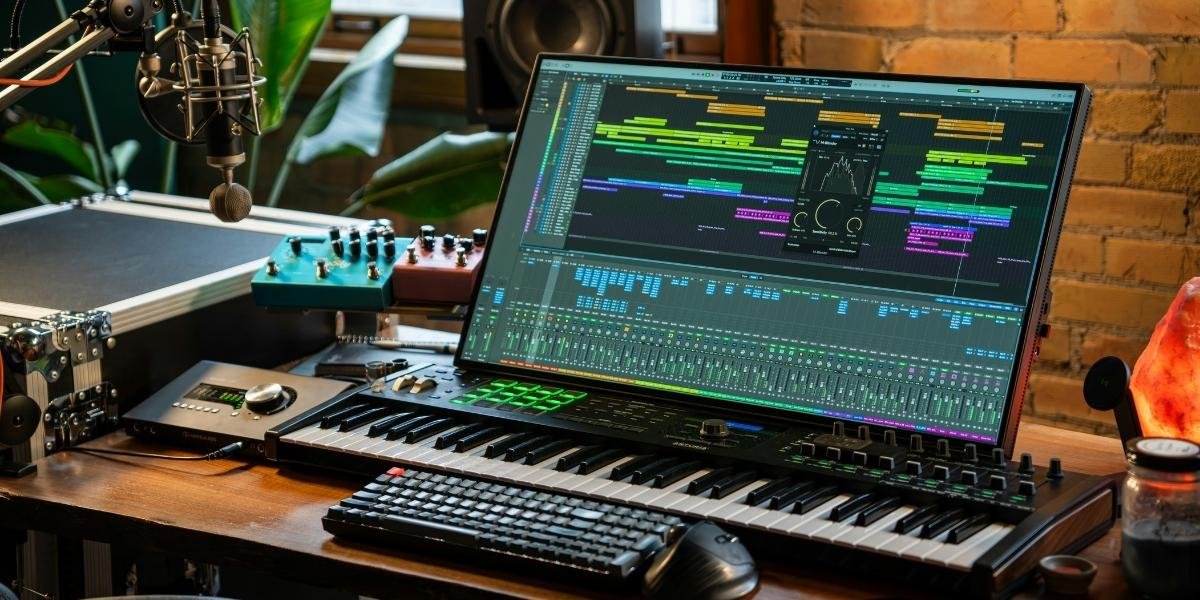
When exploring the world of music creation software, several key features make a big difference. The sequencer is the heart of most composition apps, allowing you to arrange musical notes and sounds over a timeline. A good sequencer should be easy to use and visually clear. Another crucial element is a library of sounds and virtual instruments. These can range from realistic-sounding pianos and drums to unique synthesizers and sound effects. The quality and variety of these built-in sounds will greatly influence the music you can make.

How to Use Music Composition Apps to Create Hits

Photo Credit: Unsplash.com

Another important feature is the ability to record audio. For songwriters and vocalists, a high-quality audio recorder is essential for capturing vocals or live instruments. You should also look for a range of mixing and editing tools, which allow you to adjust volume levels, add effects, and perfect the overall sound of your track. These are the foundational tools that turn a series of musical ideas into a polished final product.

The Creative Workflow: From Idea to Arrangement

A good app is more than just a collection of tools; it should support a smooth creative workflow. The process often begins with capturing an initial idea, whether it’s a melody you hummed or a rhythm you tapped out. Many composition apps have a feature that allows for quick recording of these spontaneous ideas. From there, you can begin to build the track by adding different layers of instruments and sounds. This is where the sequencer comes into play, helping you organize and arrange your ideas.

Once the basic structure of the song is in place, the process moves into the arrangement and mixing phase. This involves fine-tuning the various elements of the track, making sure they sound good together. You might adjust the levels of different instruments, add effects like reverb or delay, and pan sounds to different parts of the stereo field. This methodical work is what gives a song its final shape and professional feel. The best music composition apps are designed to make this journey from a simple idea to a complex arrangement as seamless as possible.

Choosing Between Desktop and Mobile Composition Apps

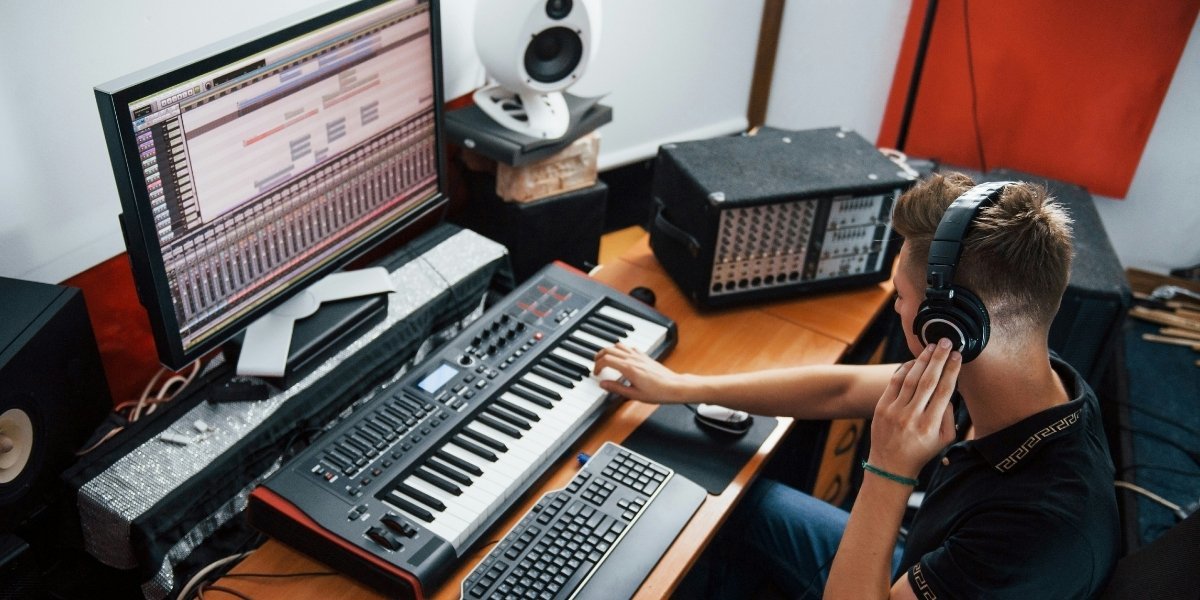
One of the biggest choices you will face is whether to use a desktop application or a mobile app. Desktop software, or DAWs, often provides the most comprehensive and powerful set of features. These tools are the industry standard for professional production and are ideal for those who have a dedicated space for creating music. They typically have a larger user interface, which makes it easier to manage complex projects with many tracks and effects. If you’re serious about creating polished, professional-sounding tracks, a desktop tool is a worthwhile consideration.

How to Use Music Composition Apps to Create Hits

Photo Credit: Unsplash.com

Mobile apps, on the other hand, offer an unparalleled level of convenience and portability. You can sketch out ideas on a bus, arrange a beat in a coffee shop, or record a melody as soon as it comes to you. While they may not have all the advanced features of a desktop DAW, many mobile apps have powerful capabilities that are perfect for songwriting, beat-making, and general creativity on the go. The choice between a desktop and a mobile app often comes down to your lifestyle and where you plan to do most of your work.

The Importance of Experimentation in Digital Music Creation

No matter which music composition apps you choose, the key to success is experimentation. Don’t be afraid to try different sounds, combine unexpected instruments, or explore new rhythms. The digital nature of these tools makes it easy to undo mistakes and try new ideas without the commitment of a traditional recording studio. You can use effects in unusual ways, layer sounds you wouldn’t think to put together, and even create entirely new genres of music.

The true beauty of modern songwriting tools is the freedom they provide. There are no rigid rules, only creative possibilities. The best producers and composers are often those who are willing to push boundaries and explore new sounds. Your journey with music creation software should be about having fun and discovering your unique voice. Whether you are creating a simple beat or a complex orchestral piece, the goal is to make music that you are passionate about, and these powerful tools are there to help you every step of the way.

SEO for Entrepreneurs: How to Master Search and Scale Your Business

In today’s digital age, entrepreneurs are increasingly turning to search engine optimization (SEO) as a powerful tool to grow and scale their online businesses. SEO has become the backbone of many digital empires, as it helps businesses gain visibility, attract traffic, and convert leads into sales. Whether you’re a small startup or an established brand, mastering SEO is crucial to building and scaling a successful digital empire. This article will explore the key strategies and insights for becoming a successful SEO entrepreneur.

The Foundation of SEO: What Every Entrepreneur Needs to Know

SEO is the process of optimizing a website or digital content to rank higher in search engine results pages (SERPs). Digital marketing experts explain that SEO is a multi-faceted discipline that includes keyword research, content optimization, link building, and technical SEO. It’s about making your website more visible to search engines, which in turn makes it more accessible to users.

For entrepreneurs, SEO is a cost-effective way to attract organic traffic without relying on paid advertisements. Studies show that organic search results tend to receive more clicks than paid ads, making SEO a long-term strategy that can generate sustainable growth. However, the complexity of SEO means that entrepreneurs must focus on several key areas to effectively implement and scale their SEO efforts.

Keyword Research: The Key to Unlocking Your Audience

The foundation of any successful SEO campaign begins with keyword research, which involves identifying the words and phrases your target audience is using to search for your products or services. SEO specialists emphasize that keyword research is not just about finding high-volume keywords; it’s about understanding your audience’s intent and selecting keywords that align with your content and business objectives.

Tools like Google Keyword Planner, Ahrefs, and SEMrush can help entrepreneurs uncover valuable keywords in their industry. Entrepreneurs should focus on a mix of short-tail and long-tail keywords to optimize their content for both high-volume searches and more niche queries.

Once you’ve identified the right keywords, they need to be strategically integrated into your website’s content. SEO professionals suggest that keywords should be placed naturally within your content, including titles, headings, meta descriptions, and body text. Overstuffing keywords can harm your rankings, so it’s important to strike a balance.

Creating High-Quality Content that Drives Traffic

Content is king in the world of SEO. Content marketers highlight that creating high-quality, valuable content is one of the best ways to improve your website’s SEO performance. Great content not only attracts visitors but also encourages them to engage, share, and link back to your website. Industry research suggests that pages with high-quality content tend to rank higher in search results.

Entrepreneurs should focus on producing content that addresses the needs and questions of their audience. This could include blog posts, videos, infographics, case studies, and customer testimonials. The key is to provide useful, relevant information that resonates with your target market.

SEO experts recommend updating your content regularly to keep it fresh and relevant. This can help maintain your rankings and increase the chances of attracting returning visitors. Adding multimedia elements such as images, videos, and interactive content can also enhance the user experience and boost engagement.

Link Building: Establishing Authority and Credibility

SEO for Entrepreneurs: How to Master Search and Scale Your Business

Photo Credit: Unsplash.com

One of the most critical aspects of SEO is link building, which involves acquiring backlinks from other reputable websites. SEO specialists emphasize that search engines view backlinks as votes of confidence, signaling that your website is authoritative and credible. High-quality backlinks from trusted sources can significantly boost your website’s rankings.

For SEO entrepreneurs, link building can be achieved through various strategies. Content marketers suggest creating valuable content that others naturally want to link to, such as comprehensive guides, research studies, or in-depth articles. You can also guest post on other blogs, collaborate with influencers, or participate in industry forums to gain backlinks.

Experts warn that not all backlinks are equal. Links from low-quality or spammy websites can harm your SEO efforts. It’s important to focus on acquiring backlinks from reputable, high-authority websites within your industry.

Technical SEO: Optimizing the Backbone of Your Website

While on-page SEO (like keyword optimization and content creation) is essential, technical SEO is the foundation that ensures your website functions smoothly and is easily accessible by search engines. SEO professionals stress that improving technical SEO can help improve user experience, reduce bounce rates, and boost your rankings.

Entrepreneurs should ensure that their website is mobile-friendly, as mobile optimization is a key ranking factor. Google’s Mobile-First Indexing prioritizes mobile-friendly sites in search results, making mobile optimization more important than ever. In addition, website speed plays a major role in user experience and search engine rankings. Google research suggests that users are more likely to abandon a site that takes more than 3 seconds to load.

Other important aspects of technical SEO include improving site navigation, optimizing images, fixing broken links, and ensuring a secure website with HTTPS encryption. SEO professionals recommend using tools like Google Search Console and Screaming Frog to monitor your site’s health and identify technical issues.

Scaling SEO for Long-Term Growth

Once you’ve established a strong SEO foundation, the next step is scaling your efforts for long-term growth. SEO experts advise that entrepreneurs should continuously track and analyze their performance to identify opportunities for improvement. Regularly monitoring Google Analytics, Search Console, and keyword rankings can help you gauge the effectiveness of your strategies.

As your digital empire grows, SEO specialists suggest diversifying your content strategy to include more advanced tactics such as local SEO, video optimization, and voice search optimization. Local SEO is crucial for businesses targeting specific geographic areas, while video and voice search are becoming increasingly important as more users turn to YouTube and voice-activated devices like Alexa and Google Assistant.

Another way to scale SEO is by focusing on building a strong online presence through social media, email marketing, and other digital marketing channels. By creating a cohesive marketing strategy that integrates SEO with other efforts, entrepreneurs can amplify their results and reach a broader audience.

Becoming a successful SEO entrepreneur requires dedication, strategy, and an understanding of the ever-evolving digital landscape. By mastering the core principles of SEO—keyword research, content creation, link building, and technical optimization—entrepreneurs can build and scale a digital empire that attracts organic traffic, boosts brand visibility, and drives conversions.

The power of SEO lies in its ability to grow businesses sustainably over time, without relying on expensive paid advertising. Entrepreneurs who invest in SEO will reap the long-term benefits of increased web traffic, higher brand authority, and a thriving online presence that can support their business’s success.

Sports Cars: Where Aesthetic Design Meets Driving Thrills

The Thrill of Sports Cars: Where Beauty Meets Performance

There’s something inherently captivating about sports cars. These high-performance machines effortlessly blend aesthetic beauty, raw power, and advanced engineering to create an unparalleled driving experience. Whether it’s the sleek, aerodynamic lines that grace the bodywork, the heart-pounding roar of the engine, or the precision handling that makes every turn feel like a work of art, sports cars have long been a symbol of automotive excellence.

Beyond their status as symbols of wealth and prestige, sports cars represent a fusion of art and technology. They are designed not only to perform at the highest level but to do so in a way that stirs emotion in those who see and drive them. The very presence of a sports car on the road or racetrack evokes a sense of excitement and possibility, offering an experience that goes beyond mere transportation. It’s about feeling the power of the engine, sensing the road beneath you, and being connected to the very essence of driving.

The Visual Appeal: Aesthetic Design that Captivates

The beauty of a sports car isn’t just skin-deep. Every curve, line, and angle is meticulously crafted with both form and function in mind. Aerodynamics play a key role in sports car design, not just for enhancing speed but also for creating visually striking profiles that capture attention. A sports car’s low stance, wide fenders, and sculpted bodywork communicate speed even when the car is standing still.

Designers and engineers alike understand that sports cars must balance aesthetics with aerodynamic efficiency. For instance, downforce is crucial for keeping the car stable at high speeds, and designers use spoilers, diffusers, and air vents to manipulate airflow, ensuring that the car remains glued to the road while maintaining its stunning appearance. Cars like the Ferrari 488 GTB, Lamborghini Aventador, and Porsche 911 showcase how beauty and engineering excellence are intertwined, with each model featuring distinctive design elements that have become iconic within the automotive world.

Sports cars also often embrace bold styling choices that stand out, from striking paint finishes like Matte Black to sculpted LED headlamps and aggressive grilles. The allure of a sports car is often not only about the form but the reaction it provokes from onlookers — the “wow factor” that turns heads and makes a statement.

The Power Within: Engine Performance and Raw Power

At the heart of every sports car lies the engine—a finely tuned powerhouse that delivers exhilarating performance. Horsepower and torque are key metrics that define a sports car’s ability to accelerate, corner, and dominate the road or track. Unlike traditional sedans or compact cars, sports cars are engineered to deliver an intense, responsive, and powerful driving experience.

Many sports cars are equipped with naturally aspirated V8 or V12 engines, while others use turbocharging or hybrid powertrains for enhanced performance and efficiency. Take the Lamborghini Huracán Evo with its V10 engine, capable of producing over 600 horsepower, allowing it to go from 0 to 60 mph in mere seconds. For a different experience, hybrid sports cars like the Porsche 918 Spyder blend a powerful V8 engine with an electric motor, offering an even more thrilling performance with enhanced efficiency.

This power is not just for speed—it’s about control and responsiveness. When you drive a sports car, you feel connected to the road, and the engine’s power delivers an immediate, visceral response to every press of the pedal. The roar of the engine, the surge of acceleration, and the seamless shifts of the dual-clutch transmission combine to create a symphony of power that stirs the soul of any driving enthusiast.

Advanced Handling: Precision and Control at High Speeds

Sports Cars: Where Aesthetic Design Meets Driving Thrills

Photo Credit: Unsplash.com

While speed and power are essential in sports cars, handling is what truly separates a good car from a great one. High-performance cars are designed to handle with precision, offering drivers unparalleled control through corners and at high speeds. Advanced technologies like active suspension systems, dynamic torque vectoring, and carbon fiber components enhance a sports car’s ability to corner and maintain stability on any surface.

For instance, the McLaren 720S utilizes a hydraulic suspension system that adjusts in real time to road conditions, offering a smooth ride while ensuring superb cornering and grip. The Ferrari 488 Pista, known for its track-ready precision, integrates magnetic ride control and active aerodynamics to deliver razor-sharp handling that’s responsive to even the slightest input.

At high speeds, a sports car’s handling capabilities often define the driver’s experience. In addition to braking systems like carbon-ceramic discs, which provide incredible stopping power, sports cars also employ lightweight materials to reduce weight and enhance handling performance. The balance between chassis stiffness and suspension tuning is meticulously engineered to allow drivers to feel in control at every turn, making the sports car an extension of the driver themselves.

The Evolution of Sports Car Design: Pushing the Boundaries of Engineering

The history of sports cars is a story of continuous innovation and pushing boundaries. The evolution of the sports car—from the early days of Jaguar E-Type to the modern era of electric performance vehicles like the Rimac C_Two—has seen remarkable advances in both design and technology.

In the early 20th century, cars like the Mercedes-Benz 300SL “Gullwing” were groundbreaking, introducing features like fuel-injection and gullwing doors that became iconic. As technology advanced, sports cars grew more sophisticated, with manufacturers incorporating cutting-edge engine management systems, aerodynamics, and lightweight materials to boost both speed and efficiency.

Today, manufacturers continue to innovate with hybrid and electric sports cars, achieving performance levels once thought impossible for non-gas-powered vehicles. The Tesla Roadster, for example, boasts a top speed of over 250 mph and can accelerate from 0 to 60 mph in under 1.9 seconds, showcasing how electric technology has entered the realm of supercars. Similarly, the Lotus Evija represents a new frontier, a fully electric hypercar with an 1,973-horsepower engine that combines zero-emissions with high-performance driving.

The Enduring Appeal of Sports Cars: A Lifestyle

The allure of sports cars goes beyond performance and design—it’s about the experience they provide. For many, owning a sports car isn’t just about transportation; it’s a lifestyle choice that speaks to personal taste, adventure, and the pursuit of perfection. These vehicles represent freedom, thrill, and an appreciation for engineering excellence that transcends mere functionality.

Whether it’s cruising down scenic highways, racing on a track, or simply admiring the craftsmanship from a distance, the appeal of sports cars remains timeless. For enthusiasts, these vehicles offer more than just speed—they offer a connection to the art of driving, a celebration of human ingenuity, and a shared passion for pushing the limits of what’s possible on four wheels.

The Timeless Allure of Sports Cars

Sports cars are much more than machines—they are masterpieces of design, engineering, and performance. They captivate us with their beauty, excite us with their power, and inspire us with their continued pursuit of excellence. From their sleek lines to their roaring engines and advanced handling capabilities, sports cars represent the pinnacle of automotive achievement. As technology advances and designs evolve, the passion for sports cars remains undiminished, ensuring that these extraordinary vehicles will continue to captivate and thrill for generations to come.

Are Royals the Original Celebrities?

The concept of “celebrity” in the modern sense typically evokes images of actors, musicians, athletes, or public figures whose lives are meticulously documented and consumed by a global audience. Yet, long before the advent of Hollywood, pop music, or televised sports, there were individuals whose lives were undeniably public spectacles, whose images permeated society, and whose actions were scrutinized by millions: monarchs. This raises an intriguing question: are royals the original public figures, possessing a form of widespread acknowledgment that predates and perhaps even laid the groundwork for today’s star culture?

Exploring the history of royalty reveals striking parallels with contemporary prominence. From ancient pharaohs to European emperors, rulers understood the power of public image, spectacle, and narrative in maintaining their authority and presence. Their carefully curated personas, disseminated through the limited media of their time, aimed to inspire awe, loyalty, and a pervasive sense of their influence. This historical lens offers a fascinating perspective on the enduring human fascination with powerful, prominent individuals and the evolution of widespread recognition itself.

How Did Ancient and Medieval Monarchs Cultivate Their Public Persona?

Long before cameras or social media, ancient and medieval monarchs were masters of public relations, meticulously cultivating an image that projected divine right, power, and authority. Their primary tools for widespread recognition were elaborate ceremonies, grand architecture, and symbolic representations. Public appearances, though often rare and highly ritualized, were meticulously staged events designed to awe and inspire loyalty among their subjects. These spectacles served as powerful reminders of their elevated status and direct connection to higher powers, fostering a deep sense of their public standing.

Photo Credit: Unsplash.com

Visual propaganda played a crucial role in disseminating their likeness and message. Coins, sculptures, stained-glass windows, tapestries, and even official portraits, though not always accurate likenesses, served to idealize the ruler. These images were less about individual personality and more about conveying the virtues of kingship: strength, wisdom, and divine favor. Through these consistent visual and ceremonial cues, even subjects who never saw their monarch in person would have a clear, if idealized, understanding of their ruler’s presence and paramount influence.

How Did Early Mass Media Amplify Royal Visibility and Prominence?

The advent of early mass media significantly transformed the nature of royal visibility, propelling monarchs from figures known through art and ceremony to individuals whose lives were increasingly documented and consumed by a broader public. In the 18th and 19th centuries, the rise of widespread print media—newspapers, magazines, and penny dreadfuls—meant that news and gossip about royal families could reach unprecedented numbers of people. Illustrated weeklies, in particular, brought visual depictions of royal events and daily life into countless homes, fostering a sense of familiarity, even intimacy, with these distant figures.

The invention of photography in the mid-19th century marked another seismic shift. Queen Victoria, for example, understood the power of this new medium, allowing herself and her family to be photographed in both formal and seemingly informal settings. These photographs, widely circulated as cartes de visite and later postcards, offered a more “realistic” glimpse into royal life, transforming abstract symbols of power into relatable (though still idealized) human figures. This widespread dissemination of their images dramatically expanded their public recognition, turning them into subjects of widespread fascination, much like modern prominent figures.

How Does Modern Royalty Manage Their Image in the Digital Age?

In the contemporary era, with instantaneous global communication and relentless media scrutiny, modern royalty operates in an environment akin to that of Hollywood stars, constantly managing their image to maintain relevance and public support. Royal households now employ sophisticated public relations teams, comprising former media professionals, who strategically manage public appearances, official communications, and digital content. They leverage social media platforms, publish curated photographs and videos, and often participate in documentaries to project a desired image of accessibility, dedication to public service, and connection with ordinary people, actively shaping their contemporary public standing.

Despite these efforts, the challenge lies in balancing tradition with modernity. While maintaining a certain mystique and decorum, contemporary royals must also appear relatable and engaged with current issues to secure their institution’s legitimacy in an increasingly egalitarian world. This often involves extensive charitable work, environmental advocacy, and a careful presentation of family life, which becomes a key aspect of their public narrative. The constant negotiation between their ancient lineage and their present-day role in the global spotlight underscores the unique demands placed upon them to preserve their status and global influence.

What Are the Similarities Between Monarchs and Modern Celebrities?

The parallels between monarchs throughout history and modern celebrities are numerous, suggesting that royalty indeed laid foundational patterns for what we now understand as widespread public recognition. Both groups exist in a perpetual state of public performance, where their personal lives are inextricably linked with their public roles. Their wardrobes, relationships, and even private struggles often become subjects of intense public fascination, dissection, and gossip, blurring the lines between personal space and public domain. This constant scrutiny, often accompanied by intense media speculation, is a hallmark shared by both.

Photo Credit: Unsplash.com

Both monarchs and celebrities wield significant cultural and economic influence. Historically, royal patronage shaped art, fashion, and social trends. Today, celebrities do the same through endorsements, brand launches, and their vast social media reach. Both can act as powerful influencers, capable of drawing massive crowds, driving consumption patterns, and mobilizing public opinion for causes. The inherent spectacle surrounding both groups—from royal weddings and coronations to celebrity awards shows and red carpet events—highlights their shared capacity to command widespread attention and generate immense public prominence.

Are Royals the Original Celebrities: A Concluding Perspective?

Considering the historical evidence, it is compelling to argue that monarchs were, in essence, the original public figures. Their existence was intrinsically public, their images were disseminated, and their lives were subjects of widespread fascination and emulation, long before the term “celebrity” was coined. They mastered the art of spectacle, propaganda, and image cultivation out of necessity to maintain power and legitimize their rule, establishing blueprints for public perception that resonate even in today’s digital age of pervasive prominence.

A crucial distinction remains. Modern celebrities often achieve their widespread acknowledgment through talent, skill, or ambition, making a conscious choice to enter the public sphere. For royals, particularly those born into their roles, public life is a birthright and an inescapable duty. While the mechanisms of achieving and maintaining public recognition have evolved with technology, the fundamental human tendency to be captivated by individuals in positions of prominence and influence, to project ideals onto them, and to consume their lives as a form of entertainment, arguably began with the crown. Thus, royalty provides a fascinating historical precedent for the pervasive nature of celebrity culture.

How Celebrity Jewelry Sets Trends in Fashion and Culture

The Dazzling World of Celebrity Jewelry

Celebrity jewelry is a glittering reflection of opulence, style, and artistry. Whether it’s a red carpet showstopper covered in diamonds or a sentimental piece worn every day, these high-end adornments often make headlines for their sheer beauty, cultural significance, and the stories they tell. The jewelry worn by celebrities is more than just an accessory; it is an expression of personality, power, and influence. From luxurious diamond necklaces to vintage rings, the world of celebrity jewelry offers a glimpse into a fascinating intersection of fashion, wealth, and craftsmanship.

This pillar delves into the history, artistry, and cultural importance of celebrity jewelry. It explores how these dazzling pieces have become symbols of status and style, examining the trends, iconic pieces, and stories behind the sparkling collections that captivate the public’s imagination.

Read Also: Entertainment Entrepreneurs Taking on D2C Strategies

The Rise of Celebrity Jewelry: From Red Carpet to Everyday Glamour

Jewelry has always held significance in high society, but the modern association of celebrity and jewelry truly blossomed during the 20th century. As Hollywood became the epicenter of glamour, stars like Audrey Hepburn, Elizabeth Taylor, and Marilyn Monroe popularized wearing luxurious jewelry in public, elevating it to an art form. These stars were not only seen wearing exquisite pieces, but they also collaborated with top jewelers, making their personal collections a benchmark for future generations.

The red carpet became an essential platform for showcasing these stunning pieces. Designers and jewelry houses began to tailor exclusive collections for celebrities attending prestigious events like the Academy Awards, the Cannes Film Festival, and the Met Gala. These moments provided a unique opportunity for stars to flaunt not only their talent and beauty but also their wealth and influence through jewelry.

Modern celebrities like Beyoncé, Rihanna, and Kim Kardashian have continued this tradition, becoming style icons whose choices in jewelry set trends and inspire millions around the world. What sets them apart is the way they blend high-end luxury with personal style, making their jewelry collections as individual as their public personas.

Iconic Celebrity Jewelry Pieces: Stories Behind the Sparkle

Many of the most iconic pieces of celebrity jewelry have stories that are just as dazzling as the jewels themselves. Diamonds, pearls, and emeralds may be the traditional staples, but the stories behind these pieces are often even more valuable.

Elizabeth Taylor’s Taylor-Burton Diamond: One of the most famous celebrity jewelry pieces in history, the Taylor-Burton Diamond was purchased by actor Richard Burton for his wife, Elizabeth Taylor, in 1969. The 33.19-carat pear-shaped diamond became a symbol of their passionate and tumultuous relationship. The diamond was so valuable that it almost became as famous as the couple themselves, and its sale in the 1970s marked a major turning point in the way people viewed celebrity wealth.

Princess Diana’s Sapphire Engagement Ring: Another iconic piece that has become synonymous with royalty and romance is Princess Diana’s blue sapphire engagement ring. The ring, set with a 12-carat oval sapphire surrounded by diamonds, was later passed down to her son’s wife, Catherine, Duchess of Cambridge. The ring’s deep blue color and timeless design continue to inspire royal fans and jewelry enthusiasts around the world.

Beyoncé’s Lorraine Schwartz Earrings: Known for her larger-than-life persona and impeccable fashion, Beyoncé has often worn custom-designed jewelry from legendary jeweler Lorraine Schwartz. One of her most memorable pieces is a pair of emerald earrings that made a dazzling appearance at the 2016 Grammy Awards. This bold choice cemented Beyoncé’s status as a style icon and reinforced the growing trend of personalized, statement-making jewelry.

Audrey Hepburn’s Tiffany Diamond: Audrey Hepburn’s iconic portrayal of Holly Golightly in the movie Breakfast at Tiffany’s would forever link her to one of the most legendary jewelry brands. Hepburn wore the Tiffany Yellow Diamond, a stunning 128-carat diamond, during the promotional tour of the film. This piece was, and still is, one of the most famous diamonds in the world, epitomizing luxury, elegance, and timeless beauty.

Jewelry Designers and the Craft of Celebrity Adornment

Behind every iconic piece of celebrity jewelry lies a designer or jewelry house responsible for crafting the beauty and brilliance that has come to define the piece. Designers like Harry Winston, Cartier, Tiffany & Co., and Lorraine Schwartz have built reputations for creating show-stopping pieces that transform into cultural symbols.

Designers work closely with celebrities to create custom pieces that reflect their personal style, creating one-of-a-kind necklaces, bracelets, earrings, and rings that not only complement their red carpet attire but also become an integral part of their public identity.

For instance, Harry Winston has long been associated with Hollywood royalty, with his jewels adorning actresses like Grace Kelly and Marilyn Monroe. His creations helped set the stage for modern-day Hollywood glamour. Similarly, Cartier’s iconic Love bracelet has been worn by celebrities and fashion moguls around the world, becoming a symbol of both luxury and romance.

As for contemporary designers, Lorraine Schwartz has made a significant impact on celebrity jewelry, with stars like Beyoncé, Kim Kardashian, and Jay-Z wearing her one-of-a-kind creations. Her designs combine boldness, elegance, and modernity, perfectly suiting the tastes of today’s celebrities.

Ethical Sourcing and Sustainability in Celebrity Jewelry

As the luxury jewelry market grows, so does the demand for ethically sourced and sustainable materials. The impact of mining practices on the environment and the lives of workers has prompted jewelers and designers to rethink their approach to sourcing gemstones and metals. Celebrity culture plays a significant role in shaping public attitudes toward ethical consumption, as many high-profile figures now seek out eco-friendly and responsibly sourced jewelry.

Brands like Tiffany & Co. have committed to using recycled gold and diamonds from sustainable sources, and celebrities such as Emma Watson and Priyanka Chopra have endorsed sustainable jewelry lines. These efforts are slowly changing the industry, encouraging other jewelers to adopt similar practices.

As consumers become more aware of the social and environmental impacts of their purchases, the jewelry industry is beginning to prioritize transparency and sustainability, pushing for a more ethical approach to crafting and selling high-end jewelry.

The Evolution of Celebrity Jewelry Trends

Celebrity jewelry trends are constantly evolving, influenced by changing fashions, cultural shifts, and even individual stars’ preferences. While diamond rings and classic diamond earrings will always hold their place in luxury jewelry, modern-day celebrities are embracing a more personalized approach to their collections.

Customization is key. Celebrities now want pieces that tell their unique stories, whether through engraving or bespoke designs. This shift has led to a rise in demand for personalized jewelry, with designers offering pieces that allow for greater self-expression and individual significance.

Stackable rings, layered necklaces, and bold statement earrings are also on the rise, as celebrities push boundaries and experiment with jewelry styles that blend vintage aesthetics with contemporary innovation. This fluidity in style allows for more creativity and versatility, which appeals to the modern celebrity’s desire for both luxury and individuality.

Read Also: Entrepreneurs Maximizing Revenue Through Content Distribution

The Lasting Allure of Celebrity Jewelry

Celebrity jewelry continues to fascinate, influence, and inspire, with its blend of luxury, artistry, and cultural significance. Whether it’s the history behind iconic pieces, the personal stories behind a collection, or the ongoing evolution of trends, celebrity jewelry is far more than just an accessory—it is a reflection of identity, status, and artistic expression. As the industry adapts to evolving tastes and ethical considerations, the future of celebrity jewelry remains as sparkling and captivating as ever.

Mindful Enjoyment of Simple Moments: Finding Peace in the Everyday

What Is Mindful Enjoyment, and Why Does It Matter?

In today’s fast-paced world, it can feel difficult to truly experience the present moment. Most of us are constantly thinking about what’s next, always running from one task to another. This constant busyness can leave us feeling overwhelmed and disconnected from the joy that simple moments can offer. Mindful enjoyment is the practice of fully engaging in and appreciating the present moment, without distraction.

When we embrace mindful enjoyment, we create space for peace and happiness in our lives. It’s about being present with what’s around us, whether it’s enjoying a cup of coffee, feeling the warmth of the sun, or having a quiet conversation. Through mindful enjoyment, we can discover the richness of everyday life.

How Can Mindful Enjoyment Transform Everyday Activities?

Mindful enjoyment doesn’t require grand gestures or big changes—it’s about making small adjustments to how we engage with our surroundings. The simple act of slowing down and paying attention can turn an ordinary experience into something extraordinary.

For example, imagine sitting down to enjoy a meal. Instead of rushing through it, you take a moment to notice the flavors, textures, and even the sounds of eating. By doing so, you become fully immersed in the experience, turning a routine act into a moment of mindful enjoyment. Similarly, when walking outdoors, focusing on the rhythm of your steps and the beauty of nature around you can create a feeling of connection to the world that you might have otherwise missed.

What Are the Benefits of Mindful Enjoyment in Our Daily Lives?

Integrating mindful enjoyment into your day can bring numerous benefits, both mental and physical. Research shows that mindfulness can reduce stress, improve emotional well-being, and even boost physical health. When we practice mindfulness, we become more aware of our feelings and thoughts, allowing us to respond to life’s challenges with greater calm and clarity.

The physical benefits of mindfulness are also noteworthy. Studies suggest that it can lower blood pressure, improve sleep quality, and reduce symptoms of anxiety. By learning to enjoy simple moments mindfully, we allow ourselves to relax and recharge—ultimately fostering a greater sense of balance and happiness.

How Does Mindful Enjoyment Strengthen Relationships?

One of the most significant impacts of mindful enjoyment is the positive effect it can have on relationships. When we are fully present with others, we listen more attentively and respond with empathy. This leads to deeper connections and a greater understanding of each other.

Mindful Enjoyment of Simple Moments: Finding Peace in the Everyday

Photo Credit: Unsplash.com

In conversations, being mindful means truly hearing what the other person is saying without planning your response or thinking about something else. When we engage in this way, we show respect and care for the people we’re with, which fosters trust and mutual support.

Mindfulness can also be practiced in moments of quiet, such as sitting together without speaking or enjoying a peaceful activity side by side. These simple, shared moments create a bond that strengthens over time.

Can Mindful Enjoyment Help in Overcoming Stress?

One of the most powerful ways mindful enjoyment combats stress is by shifting our focus. When we focus on the present, we stop worrying about the future or dwelling on the past. This shift in attention helps break the cycle of stress and anxiety that can often feel overwhelming.

Rather than feeling burdened by your to-do list, mindful enjoyment encourages you to take a step back and recognize that life is not just about accomplishing tasks—it’s about experiencing each moment fully. Whether you’re feeling the cool breeze on your face or simply watching a sunset, allowing yourself to pause and enjoy these simple experiences can act as a reset button for your mental well-being.

How Do We Cultivate More Mindful Enjoyment in Our Daily Routines?

Building the habit of mindful enjoyment doesn’t require drastic changes—it’s about being intentional in our approach to everyday activities. Start by choosing one small moment each day to engage with mindfully. It could be during a walk, while drinking tea, or even when folding laundry. The key is to focus on the present, letting go of distractions and tuning in to your senses.

Another helpful practice is gratitude. Reflecting on what you appreciate about simple moments can deepen your experience of mindful enjoyment. Take a moment to recognize the small joys in your life—whether it’s the comfort of your home or the joy of spending time with loved ones.

Is It Possible to Overcome Challenges to Mindful Enjoyment?

While cultivating mindful enjoyment can be immensely rewarding, it’s not always easy. Life is busy, and it can be challenging to slow down. However, overcoming these challenges is possible with practice. Setting aside dedicated time for mindfulness, such as a few minutes in the morning or evening, can help create space for mindful enjoyment in your routine.

It’s also important to be patient with yourself. Mindfulness is a skill that takes time to develop. If your mind wanders, gently bring it back to the present moment without judgment. Remember, the goal is not perfection but rather the practice of being more present and engaged with life’s simple moments.

What Lies Ahead for the Practice of Mindful Enjoyment?

As mindfulness continues to gain popularity, its application in everyday life is likely to grow. More people are discovering the value of slowing down and being present, and this trend is likely to continue. As we navigate the stresses of modern life, the practice of mindful enjoyment offers a simple but profound way to reconnect with ourselves, each other, and the world around us.

By embracing mindfulness in even the simplest of moments, we open ourselves to a deeper level of appreciation for life itself. Whether it’s a quiet morning with a cup of coffee or a leisurely walk in nature, there’s joy to be found in the present—if we’re willing to embrace it.

The Crucial Role of VFX Companies in Entertainment

In today’s entertainment landscape, Visual Effects (VFX) companies serve as the backbone of cinematic innovation, crafting immersive worlds that captivate audiences and redefine storytelling. These companies blend artistry with technology to create visual experiences that transcend the limitations of physical production. Whether it’s conjuring fantastical creatures, simulating natural disasters, or subtly enhancing everyday scenes, VFX transforms imagination into reality, allowing filmmakers to push creative boundaries and deliver narratives that resonate on a global scale.

The demand for high-quality visual storytelling has surged across all formats—from blockbuster films and prestige television to streaming platforms and advertising. VFX companies are now involved from the earliest stages of production, helping directors visualize complex scenes before cameras even roll. With advancements in CGI, motion capture, and real-time rendering, these studios enable seamless integration of digital elements into live-action footage, ensuring that the final product feels both spectacular and emotionally authentic. Their work not only dazzles the eye but also deepens the emotional impact of a story.

Beyond the spectacle, VFX companies play a crucial role in shaping cultural moments and audience expectations. As viewers grow accustomed to visually rich content, the bar for quality continues to rise, pushing VFX studios to innovate faster and collaborate more globally. From the dragons of Game of Thrones to the multiverses of Doctor Strange, the fingerprints of VFX are everywhere—quietly guiding the evolution of entertainment and proving that behind every jaw-dropping scene is a team of visionaries turning pixels into magic.

Creating Cinematic Realms: The Artistry of VFX

VFX companies are the artisans who bring to life the fantastical landscapes, mythical creatures, and mind-bending sequences that captivate audiences worldwide.

In epic fantasy films or science fiction adventures, VFX companies are the maestros of world-building. They transform mundane sets into sprawling kingdoms, intergalactic landscapes, or dystopian futures. Through meticulous attention to detail, they craft environments that immerse viewers in alternate realities, making the extraordinary feel tangibly real.

Character Design and Animation: Breathing Life into Fantasy

From iconic superheroes to mythical creatures, character design and animation are core strengths of VFX companies. They take the vision of filmmakers and turn it into living, breathing entities on screen. Through advanced animation techniques and digital artistry, VFX professionals give characters a depth and expressiveness that resonates with audiences on an emotional level.

Elevating Action Sequences: The Dynamic Impact of VFX

Action sequences in modern cinema have reached new heights, thanks to the prowess of VFX companies in creating heart-stopping moments and gravity-defying stunts.

Explosions and Destruction: Controlled Chaos

In action-packed blockbusters, VFX companies choreograph explosions, collapsing buildings, and cataclysmic events. These moments of controlled chaos, meticulously crafted through visual effects, elevate the intensity of action sequences, leaving audiences on the edge of their seats.

Stunt Augmentation: Beyond the Limits of Reality

VFX extends the boundaries of what is physically possible, allowing filmmakers to enhance and augment stunts. Whether it’s a superhero soaring through the sky or a car hurtling through a fiery explosion, VFX seamlessly integrates these elements, delivering awe-inspiring moments that would be impractical or dangerous to achieve in the real world.

Seamless Integration: The Art of Invisible VFX

The Crucial Role of VFX Companies in Entertainment

Photo Credit: Unsplash.com

While grand visual spectacles are the hallmark of many films, VFX companies also excel in the subtlety of their craft, seamlessly integrating effects that often go unnoticed.

Set Extensions: Expanding Horizons

VFX allows for the extension of physical sets, creating expansive landscapes that appear limitless. This technique is not limited to fantasy realms; it’s equally effective in period dramas, where VFX extends streets, buildings, and landscapes, transporting viewers to different eras.

Digital Makeup and De-Aging: Timeless Performances

VFX companies contribute to the ageless beauty of cinema by employing digital makeup and de-aging techniques. They enhance actors’ appearances, ensuring continuity in characters across different timelines or, in some cases, preserving the youthful vigor of performers.

Television and Streaming: VFX’s Pervasive Influence

It’s not just on the big screen that VFX companies leave their mark; television and streaming platforms have become fertile grounds for the application of visual effects.

High-Quality Series: Cinematic Experiences at Home

The golden age of television is marked not only by compelling storytelling but also by the cinematic quality brought to series through VFX. From epic battles in fantasy sagas to mind-bending sequences in science fiction dramas, VFX companies contribute to making television a visual feast.

Episodic Challenges: Meeting Tight Deadlines

The episodic nature of television presents unique challenges for VFX companies. They must deliver high-quality visual effects within compressed timelines, ensuring that each episode maintains the same level of visual excellence.

Shaping the Future of Entertainment

In the ever-evolving landscape of entertainment, Visual Effects (VFX) companies have emerged as the architects of wonder, seamlessly blending art and technology to redefine the limits of storytelling. Their contributions go far beyond dazzling visuals; they craft emotional depth, amplify narrative tension, and transport audiences to worlds that defy physical constraints. Whether it’s the subtle shimmer of a magical realm or the explosive grandeur of a galactic battle, VFX transforms imagination into immersive reality, making the impossible feel intimately real.

As digital tools become more sophisticated, the role of VFX continues to expand across mediums—from blockbuster films and prestige television to streaming content and interactive experiences. Innovations such as virtual production, real-time rendering, and augmented reality are revolutionizing how stories are told and experienced. VFX companies are now integral to the creative process from the earliest stages, helping directors visualize complex scenes and environments before a single frame is shot. This fusion of creativity and computation ensures that the visual language of entertainment evolves in tandem with audience expectations.

Looking ahead, the future of VFX is poised to be even more transformative. With the rise of AI-driven animation, deep learning facial modeling, and immersive mixed-reality environments, VFX companies are not just keeping pace with technological change—they’re driving it. As the boundary between reality and fantasy continues to blur, these studios will remain at the forefront of innovation, shaping how stories are conceived, crafted, and consumed. Their artistry will continue to inspire awe and wonder, ensuring that the magic of visual storytelling endures for generations to come.