Short Hair, Big Impact: Why Short-Haired Women Rock the Modeling World

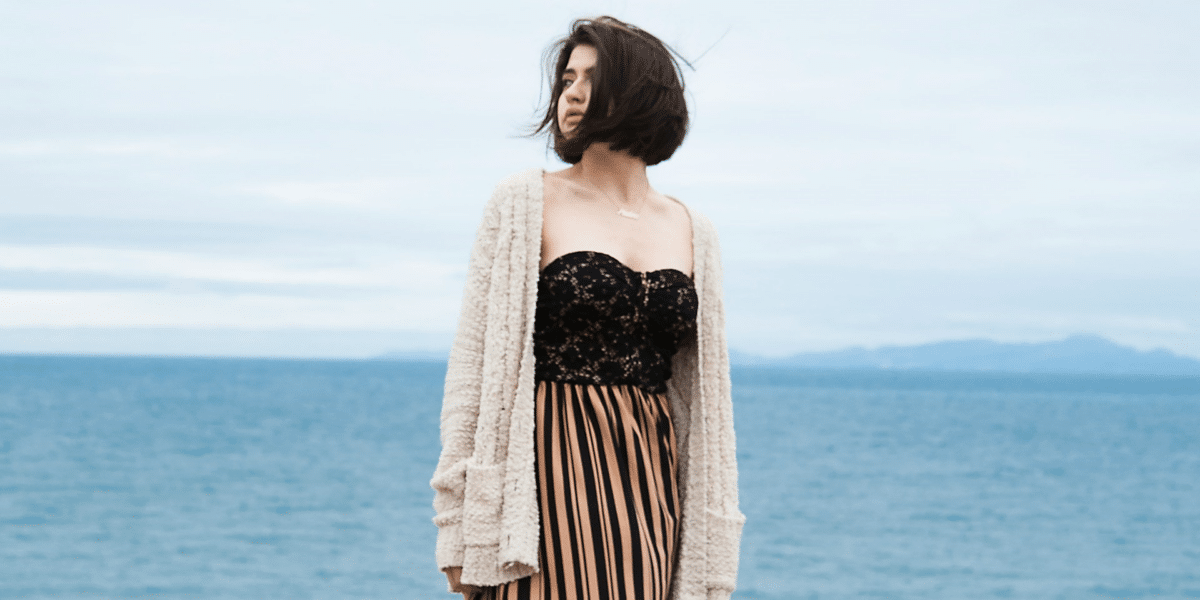
Alright, folks, let’s talk about the fierce and fabulous world of modeling—and more specifically, why women with short hair are taking the industry by storm. From the runway to the pages of glossy magazines, short-haired models are making a big impact and challenging traditional beauty standards in the process. So grab your favorite hair gel and let’s dive into why short-haired women make for some seriously fierce models!

First things first, let’s talk versatility. One of the biggest perks of short hair is its versatility. Whether it’s sleek and sophisticated, edgy and punky, or soft and romantic, short hair can be styled in a variety of ways to suit any look or aesthetic. And in the world of modeling, versatility is key. Short-haired models can effortlessly rock a wide range of hairstyles, from pixie cuts and bobs to shaved heads and everything in between, making them the perfect canvas for designers, stylists, and photographers to work their magic.

But it’s not just about versatility—it’s also about attitude. Let’s face it—short hair exudes confidence, sass, and a whole lot of attitude. Whether it’s a bold undercut, a chic crop, or a fierce buzzcut, short-haired women aren’t afraid to make a statement and stand out from the crowd. And in an industry that thrives on boldness and individuality, that kind of attitude is priceless. Short-haired models bring a certain edge and fierceness to the runway that’s hard to ignore, making them a force to be reckoned with in the world of fashion.

Moreover, short hair is all about breaking the rules and challenging the status quo. In a world where long hair has long been considered the epitome of femininity and beauty, short-haired women are flipping the script and redefining what it means to be beautiful. By embracing their natural hair texture, defying gender norms, and embracing their own unique style, short-haired models are breaking down barriers and paving the way for greater inclusivity and diversity in the fashion industry. And that’s something worth celebrating.

But perhaps the biggest reason why short-haired women make for good models is simply because they’re real. Short hair is all about embracing your authentic self and owning who you are, flaws and all. And in an industry that’s often criticized for promoting unrealistic beauty standards and perpetuating harmful stereotypes, short-haired models offer a refreshing dose of authenticity and realness. Whether it’s rocking a fresh-faced look, embracing their natural hair texture, or proudly flaunting their scars and imperfections, short-haired models aren’t afraid to be themselves—and that’s something we can all aspire to.

In addition to their attitude and authenticity, short-haired models also bring a certain energy and dynamism to the runway that’s hard to ignore. Whether it’s strutting down the catwalk with confidence, posing for a high-fashion editorial, or commanding attention in a campaign ad, short-haired models have a presence that’s impossible to ignore. With their bold hairstyles, striking features, and fierce confidence, they captivate audiences and leave a lasting impression wherever they go.

But perhaps the best thing about short-haired models is the message they send to women everywhere: that beauty comes in all shapes, sizes, and hair lengths. Whether you’re rocking long locks, short hair, or anything in between, what matters most is owning who you are and embracing your own unique beauty. Short-haired models prove that you don’t need to conform to society’s standards of beauty to be successful or to feel confident in your own skin. So here’s to the short-haired women who are shaking up the modeling world and proving that beauty knows no bounds. Keep slaying, ladies—you’re an inspiration to us all!


The Perks of Having Fruits for Breakfast

Hey there, breakfast enthusiasts and health-conscious folks! If you’re looking for a delicious and nutritious way to start your day, look no further than fruits. That’s right – incorporating fruits into your morning routine can have a host of benefits for your health and well-being. From boosting your energy levels to improving digestion and supporting weight management, there are plenty of reasons to make fruits a staple of your breakfast lineup. In this article, we’ll explore the numerous benefits of eating fruits for breakfast and why you should consider adding them to your morning meal.

First off, let’s talk about the nutritional benefits of fruits. Fruits are packed with essential vitamins, minerals, and antioxidants that are crucial for maintaining good health. They’re rich in vitamin C, which supports immune function and helps to protect against infections and illnesses. They’re also a great source of dietary fiber, which aids in digestion, promotes gut health, and helps to keep you feeling full and satisfied throughout the morning. Plus, fruits are low in calories and fat, making them a smart choice for anyone looking to maintain a healthy weight or shed a few pounds.

Moreover, fruits are also a fantastic source of natural energy. Unlike sugary cereals or pastries, which can cause energy levels to spike and crash, fruits provide a steady, sustained source of energy that can help to fuel your body and brain throughout the day. Whether you’re starting your morning with a banana, an apple, or a bowl of mixed berries, you can count on fruits to give you the energy boost you need to tackle whatever the day throws your way.

But perhaps the biggest benefit of eating fruits for breakfast is their ability to improve digestion and promote regularity. Fruits are high in dietary fiber, which is essential for maintaining healthy digestion and preventing constipation. By adding fruits to your morning meal, you can help to keep things moving smoothly in your digestive tract and ensure that waste is eliminated from your body efficiently. Plus, the water content of many fruits can help to hydrate your body and keep your digestive system functioning optimally.

In addition to their nutritional benefits, fruits are also incredibly versatile and easy to incorporate into your breakfast routine. Whether you prefer them fresh, frozen, or dried, there are countless ways to enjoy fruits in the morning. You can slice them up and add them to your cereal or oatmeal, blend them into a smoothie or yogurt parfait, or simply grab a piece of fruit and enjoy it on the go. With so many options to choose from, you’ll never get bored with your breakfast when you have fruits on the menu.

Furthermore, eating fruits for breakfast can also help to support weight management and promote overall health. Because fruits are low in calories and fat, they can help to fill you up without adding excess calories to your diet. This can be particularly beneficial for anyone trying to lose weight or maintain a healthy weight. By swapping out high-calorie, high-fat breakfast foods for nutrient-rich fruits, you can slash your calorie intake and boost your nutritional intake at the same time – a win-win for your waistline and your well-being.

But perhaps the best thing about eating fruits for breakfast is how delicious they are! From juicy strawberries and sweet pineapple to tart kiwi and creamy avocado, there’s a fruit out there to suit every taste preference and palate. Plus, fruits come in a rainbow of colors, each with its own unique flavor profile and nutritional benefits. Whether you’re craving something sweet and refreshing or something tangy and tart, you’re sure to find a fruit that hits the spot and leaves you feeling satisfied and energized.

In conclusion, there are plenty of reasons to make fruits a part of your breakfast routine. From their nutritional benefits and natural energy boost to their versatility and delicious flavor, fruits are a fantastic way to kick-start your day on the right foot. So, the next time you’re planning your morning meal, don’t forget to reach for a piece of fruit – your body and taste buds will thank you!

How to Start Your Own Talent Agency: A Step-by-Step Guide

Starting a talent agency can be an exciting and rewarding venture for individuals with a passion for the entertainment industry and a knack for spotting talent. Whether you’re interested in representing actors, musicians, models, or other performers, launching your own talent agency can give you the opportunity to help talented individuals achieve their dreams while building a successful business of your own. In this article, we’ll provide a step-by-step guide on how to start your own talent agency and navigate the process of launching and growing your business.

Step 1: Conduct Market Research

Before diving into the world of talent representation, it’s essential to conduct thorough market research to understand the industry landscape, identify potential niches or specialties, and assess the demand for talent representation services in your area. Research local and national talent agencies to learn about their areas of expertise, client base, and business models. Identify gaps or opportunities in the market that you can capitalize on with your own talent agency.

Step 2: Develop a Business Plan

Once you have a clear understanding of the market and your target audience, it’s time to develop a comprehensive business plan for your talent agency. Outline your agency’s mission, vision, and values, as well as your short-term and long-term goals. Define your target market and the types of talent you plan to represent. Determine how you will differentiate your agency from competitors and outline your marketing and promotional strategies to attract clients and talent.

Step 3: Choose a Legal Structure

Next, you’ll need to choose a legal structure for your talent agency, such as a sole proprietorship, partnership, limited liability company (LLC), or corporation. Consider consulting with a business attorney or accountant to determine the best legal structure for your agency based on factors such as liability protection, tax implications, and administrative requirements. Register your agency with the appropriate government agencies and obtain any necessary permits or licenses to operate legally.

Step 4: Build Your Talent Roster

Building a strong talent roster is the cornerstone of any successful talent agency. Start by scouting for talent in your local area or attending industry events, talent showcases, and auditions to discover up-and-coming performers. Network with industry professionals, including casting directors, producers, and other talent agents, to expand your connections and identify potential clients. Develop relationships with talented individuals who align with your agency’s brand and vision.

Step 5: Create Professional Marketing Materials

As a talent agent, you’ll need to create professional marketing materials to promote your agency and attract clients and talent. This may include a website showcasing your agency’s services, talent roster, and contact information, as well as promotional materials such as business cards, brochures, and demo reels. Invest in high-quality photography, videography, and graphic design to present your agency in the best possible light and make a strong impression on potential clients and talent.

Step 6: Establish Relationships with Industry Professionals

Networking and relationship-building are essential components of success in the talent agency business. Take the time to establish relationships with industry professionals, including casting directors, producers, directors, and other talent agents. Attend industry events, film festivals, and networking mixers to meet new contacts and nurture existing relationships. Collaborate with other professionals in the entertainment industry to expand your network and create opportunities for your clients.

Step 7: Negotiate Contracts and Bookings

As a talent agent, you’ll be responsible for negotiating contracts and bookings on behalf of your clients. Develop strong negotiation skills and familiarize yourself with industry standards and practices for talent representation. Negotiate fair and competitive deals for your clients, including compensation, terms, and conditions for projects such as film and television roles, commercial campaigns, live performances, and endorsements. Ensure that all contracts are legally binding and protect the interests of your clients.

Step 8: Provide Ongoing Support and Career Guidance

In addition to securing bookings and negotiating contracts, a talent agency also provides ongoing support and career guidance to its clients. Offer personalized advice, mentorship, and coaching to help your clients navigate the complexities of the entertainment industry and make informed decisions about their careers. Advocate for your clients’ interests, provide emotional support during challenging times, and celebrate their successes and achievements along the way.

Step 9: Stay Informed and Adapt to Industry Trends

The entertainment industry is constantly evolving, with new trends, technologies, and opportunities emerging regularly. Stay informed about industry trends, developments, and best practices by attending industry conferences, workshops, and seminars. Keep abreast of changes in the market and adapt your business strategies accordingly to remain competitive and meet the evolving needs of your clients and talent roster.

Step 10: Grow Your Talent Agency

As your talent agency grows and expands, continue to focus on building strong relationships, providing exceptional service, and delivering results for your clients. Consider expanding your services or adding new divisions to accommodate different types of talent or specialized services. Hire additional staff or partner with other agencies to handle increased demand and workload. Stay true to your agency’s mission and values as you grow, and never lose sight of the passion and dedication that inspired you to start your own talent agency in the first place.

A Mountain to Climb with a Beautiful View

Starting your own talent agency can be a challenging yet rewarding endeavor that allows you to pursue your passion for the entertainment industry while building a successful business. By following these steps and staying committed to your goals, you can launch and grow a thriving talent agency that helps talented individuals achieve their dreams and makes a positive impact in the world of entertainment. With determination, perseverance, and a dedication to excellence, the sky’s the limit for your talent agency’s success.

Tips for Infusing Your Character’s Fashion with Personal Style

Creating compelling and relatable characters is an essential aspect of storytelling, and one way to add depth and authenticity to your characters is through their fashion choices. Just like in real life, clothing can be a powerful form of self-expression, reflecting personality, culture, and individuality. Whether you’re writing a novel, screenplay, or graphic novel, here are some tips for bringing personal style into your character’s fashion.

Understand Your Character

Before you can effectively portray your character’s fashion sense, it’s crucial to understand who they are as a person. Consider their personality traits, interests, background, and personal history. Are they outgoing or introverted? Quirky or traditional? What are their hobbies, passions, and aspirations? By delving into your character’s psyche, you can gain insight into the type of clothing that would resonate with them and help convey their unique identity.

Develop a Signature Look

Every memorable character has a signature look that sets them apart and makes them instantly recognizable. Whether it’s a distinctive accessory, a recurring color palette, or a specific clothing style, incorporating a signature element into your character’s fashion can help solidify their identity and make them more memorable to readers or viewers. Think about what makes your character stand out and how you can reflect that in their wardrobe choices.

Consider Context and Setting

Fashion is often influenced by cultural norms, societal expectations, and environmental factors. When crafting your character’s wardrobe, consider the context and setting of your story. Are they living in a bustling metropolis or a rural village? Is the story set in the past, present, or future? Are there any cultural or historical influences that would impact their fashion choices? By grounding your character’s fashion in their surroundings, you can create a more authentic and immersive reading or viewing experience.

Mix and Match

Just like in real life, your character’s wardrobe doesn’t have to be limited to a single style or aesthetic. Experiment with mixing and matching different clothing pieces, patterns, and textures to create a dynamic and layered look. Consider how your character might combine items from thrift stores, high-end boutiques, or hand-me-downs to create their own unique style. Mixing and matching can also reflect your character’s evolving personality and growth throughout the story.

Use Fashion to Reflect Emotions and Story Arc

Fashion can be a powerful storytelling tool, allowing you to convey emotions, character development, and plot progression through clothing choices. Pay attention to how your character’s fashion evolves over the course of the story, reflecting their changing emotions, relationships, and experiences. For example, a character might wear dark, somber colors during a period of mourning or don bold, confident attire as they embark on a new adventure. By using fashion to mirror your character’s internal journey, you can deepen the emotional resonance of your narrative.

Embrace Diversity and Inclusion

Incorporating diversity and inclusion into your character’s fashion is not only important for representation but also for enriching your storytelling. Explore different cultural traditions, fashion subcultures, and body types to create a more vibrant and inclusive cast of characters. Celebrate individuality and authenticity by showcasing a diverse range of fashion styles, from streetwear to formal attire to gender-neutral clothing. By embracing diversity in fashion, you can create characters that feel relatable and empowering to readers or viewers from all walks of life.

Pay Attention to Detail

When describing your character’s fashion, pay attention to detail to bring their wardrobe to life on the page or screen. Describe the texture of fabrics, the fit of clothing, and the accessories they wear with precision and clarity. Consider how your character’s fashion choices reflect their personality, mood, and lifestyle, and use descriptive language to evoke imagery and emotion. By painting a vivid picture of your character’s fashion, you can immerse your audience in their world and enhance the overall storytelling experience.

Rejuvenating the Character Style

Incorporating personal style into your character’s fashion is a fun and creative way to add depth and authenticity to your storytelling. By understanding your character, developing a signature look, considering context and setting, mixing and matching clothing pieces, using fashion to reflect emotions and story arc, embracing diversity and inclusion, paying attention to detail, you can create characters whose fashion choices not only enhance their visual appeal but also enrich their characterization and contribute to the overall narrative. So go ahead, unleash your creativity, and let your characters’ fashion shine!

Nighttime Tunes: Why Music Sounds Different After Dark

We’ve all experienced it: that feeling of a song hitting you differently at night. Maybe a familiar pop tune morphs into a soulful ballad, or a head-banging rock anthem transforms into a contemplative masterpiece.  What is it about the nighttime that alters our perception of music?  Let’s crank up the volume and delve into the reasons why music can sound so much more profound under the cloak of darkness.

Quieter Canvas: A World of Reduced Noise

One of the most significant factors is the environment. During the day, our world is a cacophony of sound – traffic noise, chatter, and the general hustle and bustle of life.  At night, however, the world quiets down.  This reduction in ambient noise allows us to focus solely on the music, appreciating the intricacies of the melody, the nuances of the lyrics, and the subtle details of the instrumentation.  It’s like having a spotlight cast on the music, making it the center of our attention and allowing it to resonate more deeply.

Melatonin Magic:  The Hormone That Heightens Our Senses

Our bodies undergo fascinating changes at night.  One key player is melatonin, a hormone that regulates our sleep cycle.  Studies suggest that melatonin might also enhance our perception of sensory experiences, including sound.  With melatonin coursing through our systems, we might become more attuned to the emotional nuances of music, allowing it to evoke a deeper emotional response.

Psychological Shifts:  A Time for Reflection and Connection

Nighttime often ushers in a shift in our mental state.  We’re typically less stressed and have more time for introspection.  This can make us more receptive to the emotional content of music.  A song that might feel generic during the day’s busyness can suddenly take on a new meaning in the quiet of the night, resonating with our current mood or tapping into hidden emotions.  Music can become a companion, a source of comfort, or a catalyst for reflection in the stillness of the night.

The Power of Darkness:  Fueling Imagination and Creativity

Dimmed lights and the absence of visual stimuli can spark our imagination.  Without the constant visual distractions of the day, our minds can wander and create their own visuals in response to the music.  This can create a more immersive and personalized listening experience.  The music becomes a springboard for our own creativity, allowing us to paint our own mental pictures and connect with the music on a deeper level.

Genre Dance:  How Music Choices Can Shift

The type of music we choose can also be influenced by the time of day.  Upbeat, energetic pop songs might be perfect for a daytime pick-me-up, but at night, we might crave something more introspective or mellow.  Slower tempos, melancholic melodies, and introspective lyrics can feel more fitting for the quieter, introspective mood of nighttime.  The music we choose becomes a reflection of the emotional landscape we find ourselves in after dark.

Memories and Moonlight:  The Emotional Echoes of Song

Music has a powerful ability to evoke memories and emotions.  Certain songs might be tied to specific experiences or people.  Listening to these songs at night, when our defenses are down and emotions are closer to the surface, can trigger a flood of memories and feelings associated with that song.  This can make the music feel more personal and impactful, adding an extra layer of emotional resonance to our nighttime listening experience.

Beyond the Playlist:  The Sensory Symphony of Night

It’s important to remember that music isn’t experienced in isolation.  The sights, smells, and even the feel of the nighttime air can all contribute to how we perceive music.  The gentle hum of crickets, the twinkling of stars, or the cool night breeze can all become part of the sensory experience, creating a unique atmosphere that enhances the emotional impact of the music.

Nighttime Nirvana:  A Time for Deeper Connection

In conclusion, the nighttime transformation of music is a confluence of factors.  From the reduced noise pollution to the hormonal shifts and the psychological changes within us, the night creates a perfect storm for a more profound listening experience.  Music becomes more than just entertainment; it becomes a portal to our emotions, a companion in the quiet, and a source of inspiration and reflection.  So, the next time you find yourself drawn to music after dark, crank up the volume, embrace the stillness, and let the magic of nighttime tunes wash over you.

Boost Your Brand: The Power of Creative Photo Shoots for Actors

In today’s digital age, establishing a strong personal brand is essential for actors looking to stand out in a competitive industry. While talent and charisma are important, a carefully curated image can help actors showcase their personality, style, and unique qualities to casting directors, agents, and fans alike. One effective way to enhance your brand as an actor is through creative photo shoots. In this article, we’ll explore how creative photo shoots can boost an actor’s brand and provide tips for planning and executing a successful shoot.

1. Showcasing Versatility and Range

A well-executed photo shoot allows actors to showcase their versatility and range, demonstrating their ability to inhabit different characters and personas. By working with a skilled photographer and experimenting with different looks, costumes, and settings, actors can create a diverse portfolio of images that highlight their range as performers. Whether it’s embodying a romantic lead, a quirky sidekick, or a brooding anti-hero, creative photo shoots provide actors with an opportunity to explore different facets of their personality and showcase their acting chops in a visually compelling way.

2. Creating a Memorable Visual Identity

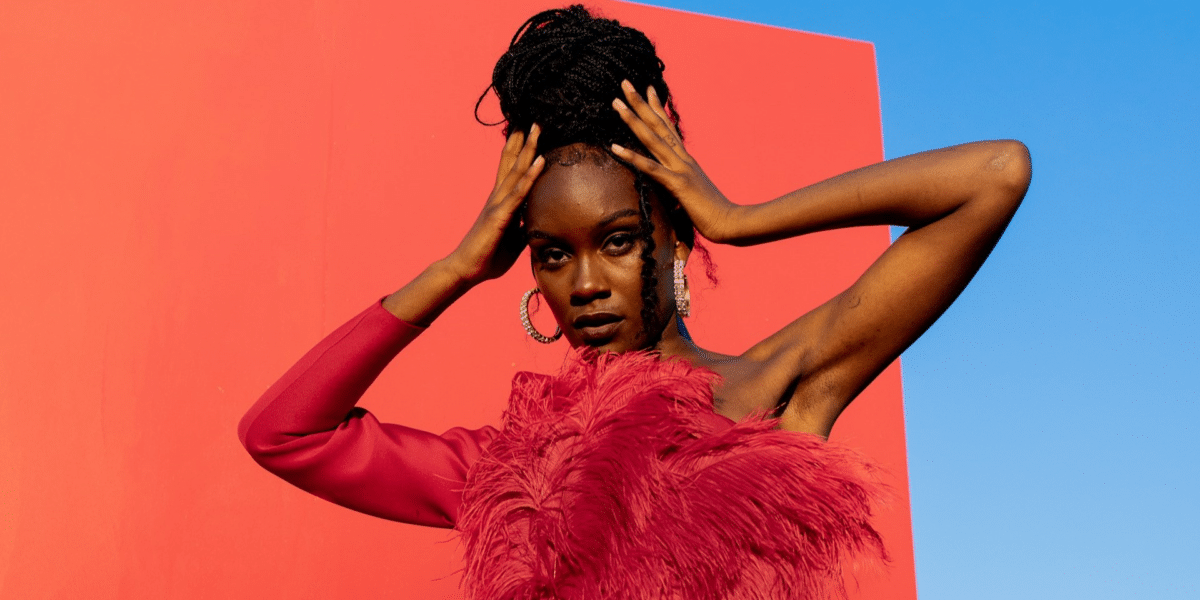
In an industry saturated with talent, it’s important for actors to find ways to make a memorable impression and stand out from the crowd. Creative photo shoots offer actors the chance to create a distinctive visual identity that sets them apart from their peers. By collaborating with photographers, stylists, and makeup artists to develop a signature look or aesthetic, actors can establish a strong and cohesive brand image that resonates with casting directors and audiences alike. Whether it’s a bold and edgy vibe or a classic and timeless aesthetic, a well-defined visual identity can help actors leave a lasting impression and make a name for themselves in the industry.

3. Building a Strong Online Presence

In today’s digital age, having a strong online presence is crucial for actors seeking to advance their careers. Creative photo shoots provide actors with high-quality images that can be used across their social media profiles, personal website, and online portfolio. By regularly updating their online presence with fresh and engaging content, actors can attract the attention of industry professionals, fans, and potential collaborators. Eye-catching photos from creative photo shoots can help actors increase their visibility, gain followers, and create buzz around their projects, ultimately boosting their brand and career opportunities.

4. Engaging with Fans and Followers

In addition to attracting the attention of industry professionals, creative photo shoots also offer actors an opportunity to engage with their fans and followers on social media. By sharing behind-the-scenes glimpses of the photo shoot process, including sneak peeks of wardrobe fittings, makeup sessions, and on-set antics, actors can connect with their audience in a more personal and authentic way. Engaging with fans through social media not only helps actors build a loyal fanbase but also allows them to receive feedback, support, and encouragement from their followers, further strengthening their brand and online presence.

5. Generating Publicity and Buzz

Creative photo shoots have the potential to generate publicity and buzz around an actor’s brand, attracting the attention of media outlets, entertainment blogs, and industry publications. Eye-catching images from a well-executed photo shoot can catch the eye of journalists and editors, leading to feature articles, interviews, and press coverage that help raise an actor’s profile and increase their visibility. By leveraging the power of creative photo shoots to create compelling visual content, actors can generate excitement and anticipation for their upcoming projects, events, and appearances, further elevating their brand and career opportunities.

Tips for Planning a Creative Photo Shoot

Define Your Vision: Before the shoot, take some time to define your vision and goals. Think about the image you want to convey and the message you want to communicate to your audience.

  • Collaborate with a Team: Surround yourself with a talented team of professionals, including a photographer, stylist, and makeup artist, who can help bring your vision to life and ensure a successful shoot.
  • Choose the Right Location: Select a location that complements your aesthetic and enhances the overall mood and vibe of the shoot. Whether it’s an urban cityscape, a scenic outdoor location, or a stylish studio setting, choose a location that resonates with your brand.
  • Experiment with Different Looks: Don’t be afraid to experiment with different looks, outfits, and poses during the shoot. Try to capture a variety of images that showcase your versatility and range as an actor.
  • Stay Authentic and True to Yourself: While it’s important to create a visually compelling image, it’s equally important to stay authentic and true to yourself. Choose looks and styles that reflect your personality and align with your brand identity.
  • Have Fun and Enjoy the Process: Most importantly, have fun and enjoy the process of creating beautiful images that represent you as an actor. A positive attitude and a sense of enthusiasm will shine through in the final results.

An Opportunity to Boost Your Brand

Creative photo shoots offer actors a valuable opportunity to enhance their brand, showcase their talent, and connect with audiences in a meaningful way. By showcasing versatility and range, creating a memorable visual identity, building a strong online presence, engaging with fans and followers, and generating publicity and buzz, actors can leverage the power of creative photo shoots to elevate their careers and stand out in a competitive industry. With careful planning, collaboration, and creativity, actors can create stunning images that captivate and inspire audiences, leaving a lasting impression that resonates long after the photo shoot is over.

Finding Your Model’s Best Angles: A Guide to Flawless Photography

Whether you’re a professional photographer or an amateur enthusiast, capturing the perfect shot often comes down to finding your model’s best angles. Every face and body is unique, and understanding how to accentuate your model’s features can make all the difference in creating stunning photographs. In this article, we’ll explore some simple yet effective tips for finding your model’s best angles and taking your photography skills to the next level.

Understand Facial Structure

The first step in finding your model’s best angles is to understand their facial structure. Take the time to study your model’s face and identify their prominent features, such as cheekbones, jawline, and eyes. Different angles can highlight or minimize these features, so experiment with various poses and camera angles to find the most flattering angles for your model’s face shape.

To enhance your understanding of facial structure, try practicing portrait photography with friends or family members. Experiment with different lighting conditions and camera angles to see how they affect the appearance of facial features. By gaining hands-on experience, you’ll develop a keen eye for identifying your model’s best angles in any shooting situation.

Experiment with Lighting

Lighting plays a crucial role in photography, and it can dramatically affect the way your model’s features appear in photos. Experiment with different lighting setups, such as natural light, studio lighting, or flash photography, to find the most flattering angles for your model. Pay attention to how light and shadow interact with your model’s face, and adjust your lighting accordingly to enhance their best features.

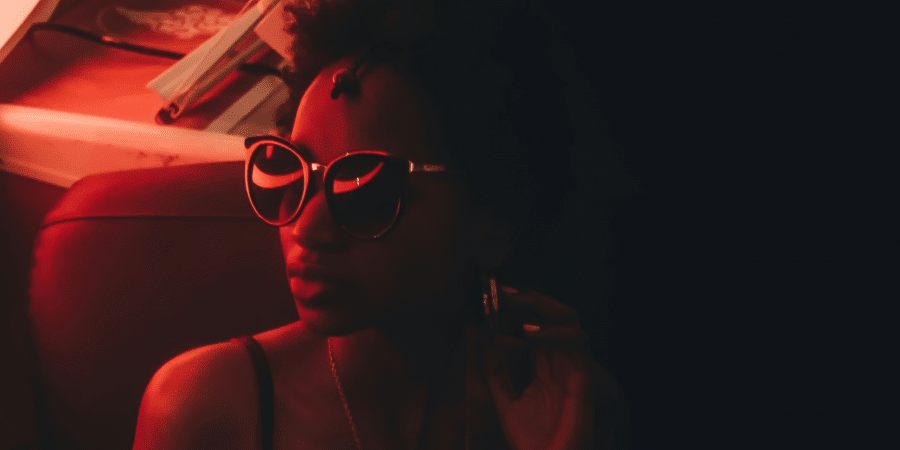
In addition to traditional lighting setups, consider experimenting with unconventional light sources such as LED panels, colored gels, or even candlelight. These creative lighting techniques can add depth and dimension to your photos while highlighting your model’s unique features in unexpected ways. Don’t be afraid to think outside the box and push the boundaries of traditional lighting techniques.

Pose Your Model

Posing is another essential aspect of finding your model’s best angles. Work with your model to experiment with different poses and body positions to find the most flattering angles for their body type. Encourage your model to stand tall, elongate their neck, and relax their shoulders to create a confident and flattering posture. Additionally, consider the angle of their limbs and how they interact with the camera to create dynamic and visually appealing compositions.

To refine your posing skills, study the work of renowned fashion photographers and observe how they pose their models to accentuate their best features. Pay attention to subtle nuances such as hand placement, body alignment, and facial expressions, and incorporate these techniques into your own photography style. With practice and patience, you’ll develop a repertoire of poses that flatter any model and enhance your photography portfolio.

Communicate with Your Model

Communication is key when working with models to find their best angles. Take the time to discuss your vision for the shoot and listen to your model’s feedback and preferences. Encourage them to express themselves and try different poses and expressions to find what feels most comfortable and natural for them. Offer gentle guidance and constructive feedback to help your model feel confident and empowered during the shoot. Remember that collaboration is essential in photography, and by working together, you can create images that showcase your model’s unique beauty and personality.

To foster open communication with your models, establish a comfortable and supportive atmosphere during photo shoots. Take the time to build rapport with your models and make them feel valued and respected. Encourage them to share their ideas and creative input, and be receptive to their feedback and suggestions. By fostering a collaborative and inclusive environment, you’ll create a positive experience for your models and capture authentic and captivating photos that reflect their true essence.

Use Different Perspectives

Experimenting with different perspectives can help you find your model’s best angles. Try shooting from various angles, such as high above or low to the ground, to see how different perspectives can change the look and feel of your photographs. Don’t be afraid to get creative and think outside the box when it comes to composition and framing. Sometimes, the most unexpected angles can result in the most striking images.

To expand your creative repertoire, challenge yourself to experiment with unconventional camera angles and perspectives. Try shooting from unusual vantage points such as overhead, underneath, or through obstacles to create dynamic and visually engaging compositions. By pushing the boundaries of traditional photography techniques, you’ll discover new perspectives that breathe fresh life into your work and set your photos apart from the crowd.

Consider the Background

When composing your shots, consider the background and how it interacts with your model’s pose and position. A cluttered or distracting background can detract from your model’s presence in the photo, so choose backgrounds that complement and enhance the overall mood and aesthetic of your images. Pay attention to the lines, shapes, and textures in the background, and use them to frame your model in a visually pleasing way.

To create visually compelling images, experiment with different background elements such as architecture, nature, or textures. Look for interesting patterns, colors, and textures that complement your model’s outfit and add visual interest to the scene. Consider using shallow depth of field techniques to blur the background and draw focus to your model, creating a sense of depth and dimension in your photos.

Retouch with Care and Make the Most Out of Their Best Angle

While it’s essential to capture your model’s best angles in-camera, post-processing can also play a role in enhancing your photos. Use photo editing software to retouch your images with care, focusing on subtle adjustments to enhance your model’s natural beauty rather than drastically altering their appearance. Pay attention to details such as skin tone, blemishes, and stray hairs, and use retouching techniques sparingly to maintain a natural and authentic look. To achieve professional-quality retouching results, invest time in learning.

Behind the Bright Smiles: How Often Celebrities Visit the Dentist and Why It Matters

Celebrities are known for their dazzling smiles and impeccable appearances. Maintaining such high standards often requires regular dental care. This article explores how often celebrities visit the dentist, the reasons behind their frequent visits, and the types of dental treatments they typically receive. By understanding their dental routines, we can gain insights into the importance of oral health and how to achieve similar results.

The Importance of Regular Dental Visits

Celebrities rely on their appearance for their careers, making dental health a top priority. A bright, healthy smile can significantly enhance their professional image, whether on the red carpet, in movies, or on television. Regular dental visits ensure that their teeth remain in optimal condition, contributing to their overall appeal.

Beyond aesthetics, regular dental visits are crucial for maintaining oral health. Dentists can identify and treat issues such as cavities, gum disease, and oral infections before they become severe. For celebrities, who often have demanding schedules, preventing dental problems is essential to avoid disruptions in their professional lives.

Frequency of Dental Visits

The American Dental Association (ADA) recommends that individuals visit the dentist at least twice a year for routine check-ups and cleanings. This biannual schedule helps maintain oral health and catch potential issues early. However, celebrities often visit the dentist more frequently due to their unique needs and lifestyle.

Many celebrities visit the dentist every three to four months. This increased frequency allows for more intensive care and monitoring. Regular cleanings help remove stains from frequent consumption of coffee, tea, or red wine, which are common in the entertainment industry. Additionally, frequent visits allow for the early detection and treatment of any dental issues that could impact their appearance or performance.

Common Dental Treatments for Celebrities

One of the most popular treatments among celebrities is teeth whitening. Professional whitening treatments can significantly brighten a smile, removing stains and discoloration. Many celebrities opt for in-office whitening treatments, which provide faster and more dramatic results compared to over-the-counter products.

Veneers are another common dental treatment for achieving a perfect smile. These thin shells, typically made of porcelain, are custom-made to fit over the front surface of teeth. Veneers can correct various issues, such as chips, gaps, and discoloration, providing a flawless and natural-looking appearance.

Orthodontic treatments, such as braces or Invisalign, are also popular among celebrities. Straightening teeth not only improves the smile’s appearance but also enhances oral health by making it easier to clean teeth effectively. Many celebrities opt for clear aligners like Invisalign, which are less noticeable and fit seamlessly into their public appearances.

Despite their focus on cosmetic treatments, celebrities also prioritize regular cleanings and check-ups. These routine visits are essential for maintaining oral health, preventing gum disease, and ensuring that any minor issues are addressed promptly. Regular cleanings help remove plaque and tartar buildup, which can lead to more serious dental problems if left untreated.

The Role of Diet and Lifestyle

Celebrities often adhere to strict diets to maintain their overall health and appearance. A balanced diet rich in vitamins and minerals supports healthy teeth and gums. However, certain dietary habits, such as frequent snacking, consumption of sugary foods, or drinking acidic beverages, can negatively impact dental health. Regular dental visits help mitigate these effects and keep their smiles bright.

The high-stress nature of a celebrity’s lifestyle can also affect their oral health. Stress can lead to habits such as teeth grinding (bruxism) and jaw clenching, which can cause dental damage. Regular dental check-ups allow for early detection and treatment of these issues, preventing long-term damage.

Preventative Measures and Home Care

While frequent dental visits are crucial, daily oral hygiene practices are equally important. Celebrities often follow rigorous home care routines, including brushing at least twice a day, flossing daily, and using mouthwash. Maintaining these habits helps prevent cavities, gum disease, and other oral health issues.

Many celebrities invest in advanced dental products to maintain their smiles. Electric toothbrushes, water flossers, and specialized toothpaste can enhance oral hygiene routines. These products offer more effective cleaning compared to standard options, helping celebrities achieve and maintain their radiant smiles.

Celebrities visit the dentist more frequently than the average person, often every three to four months, to maintain their professional appearance and oral health. Their dental care routines include a combination of regular check-ups, cleanings, and cosmetic treatments such as teeth whitening, veneers, and orthodontics. By prioritizing their dental health and following rigorous home care routines, celebrities achieve and maintain their dazzling smiles. Understanding the importance of regular dental visits and effective oral hygiene can help anyone improve their dental health and achieve a brighter smile.

The Resurgence of Film Cameras: Why They’re Making a Comeback

In an era dominated by digital technology and smartphones with high-quality cameras, it may come as a surprise that film cameras are experiencing a resurgence in popularity. Yet, more and more people, both amateur photographers and professionals alike, are rediscovering the joy and artistry of shooting with film. In this article, we’ll explore the reasons behind the resurgence of film cameras, the appeal they hold for modern photographers, and why they continue to captivate audiences in an increasingly digital world.

What are Film Cameras?

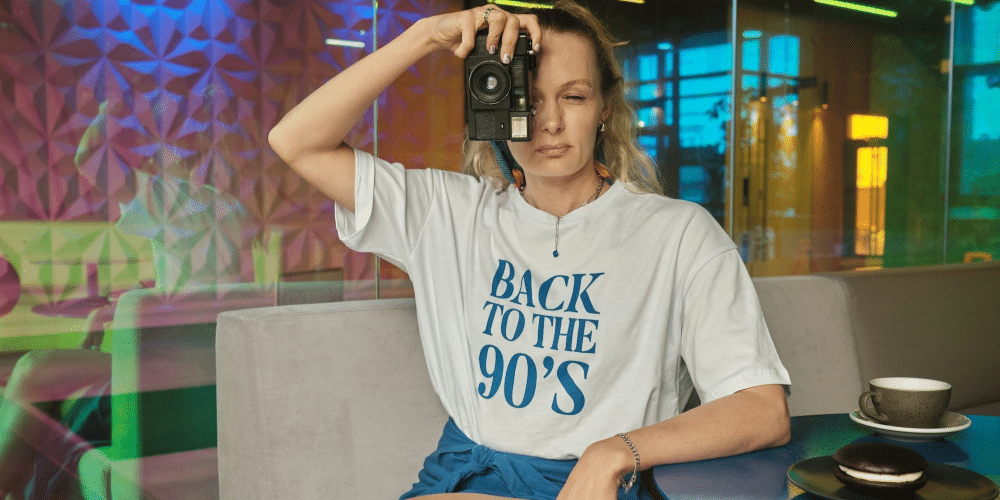
Before we delve into why film cameras are making a comeback, let’s first define what they are. Film cameras are traditional cameras that use photographic film to capture images. Unlike digital cameras, which record images electronically onto a digital sensor, film cameras expose light-sensitive film to create a physical negative or positive image.

Film cameras come in various formats, including 35mm, medium format, and large format, each offering different characteristics and aesthetic qualities. While digital cameras have largely supplanted film cameras in recent years, there remains a dedicated community of photographers who swear by the unique look and feel of film.

The Appeal of Film Cameras

So, what exactly is driving the renewed interest in film cameras? There are several factors at play. Firstly, there’s the tactile experience of shooting with film. Unlike digital cameras, which rely on screens and menus for control and feedback, film cameras require manual operation, forcing photographers to slow down and think more deliberately about their shots.

This hands-on approach to photography can be incredibly rewarding, allowing photographers to feel more connected to the creative process and resulting in more intentional and considered compositions. Additionally, the physicality of film—loading, winding, and developing—adds an element of anticipation and excitement to the process, with photographers eagerly awaiting the results of their efforts.

The Aesthetic Appeal

Another key factor driving the resurgence of film cameras is the unique aesthetic they offer. Film has a distinct look and feel that is difficult to replicate with digital technology. From the rich colors and tonal range of color film to the timeless beauty of black and white, film images have a depth and character that many photographers find appealing.

Film also has a unique grain structure that adds texture and dimension to images, giving them a sense of warmth and nostalgia that is difficult to achieve with digital processing alone. This aesthetic appeal has led many photographers to embrace film as a creative tool, using it to capture the world in a way that is both timeless and evocative.

Embracing Imperfection

One of the defining characteristics of film photography is its imperfections. Unlike digital images, which can be endlessly edited and manipulated in post-production, film images are captured directly onto the emulsion, with little room for correction or enhancement.

While this lack of control may seem daunting to some photographers, others embrace it as part of the charm and allure of film. The unpredictability of film—its quirks, flaws, and happy accidents—adds an element of serendipity to the creative process, resulting in images that feel more authentic and spontaneous.

Nostalgia and Sentimentality

Nostalgia also plays a significant role in the resurgence of film cameras. For many photographers, shooting with film is a way of reconnecting with the past, evoking memories of simpler times when photography was a slower, more deliberate process.

Whether it’s the thrill of using a vintage camera passed down through generations or the satisfaction of developing film in a darkroom, shooting with film can evoke a sense of nostalgia and sentimentality that is difficult to replicate with digital technology. This emotional connection to the past is a powerful motivator for many photographers, driving them to explore the art of film photography and keep its traditions alive.

A Staple in Photography

In conclusion, the resurgence of film cameras can be attributed to a combination of factors, including the tactile experience they offer, their unique aesthetic appeal, and the embrace of imperfection as part of the creative process. Additionally, nostalgia and sentimentality play a significant role in driving interest in film photography, with many photographers drawn to its timeless charm and authenticity.

While digital technology continues to dominate the photography landscape, film cameras remain a beloved and enduring medium for photographers of all skill levels. Whether it’s the thrill of shooting with a vintage camera, the allure of capturing images on physical film, or the satisfaction of creating images with a timeless quality, film photography continues to captivate audiences and inspire photographers around the world.

Subtle Sells: The Art of Effective Brand Placement in Films

Ever notice a character conspicuously sipping a specific brand of coffee, or a car chase inexplicably featuring a particular automobile make? That, my friends, is the power of brand placement in action. It’s the subtle (or sometimes not-so-subtle) integration of brands and products into films, a marketing strategy that’s been around for decades but continues to evolve with the changing media landscape.

But is brand placement just a blatant product plug, or can it be a win-win for both filmmakers and brands? Let’s explore the ways brand placement can be effective, creating a seamless and mutually beneficial experience for viewers and advertisers alike.

Beyond the Billboard: Storytelling Through Brands

The most effective brand placement goes beyond simply slapping a logo on screen. It involves a strategic integration of the brand into the film’s narrative. Think of the iconic scene in “E.T. the Extra-Terrestrial” where the lovable alien uses Reese’s Pieces to lure Elliot out of his hiding spot. This brand placement wasn’t just a random product placement – it became an integral part of the story, leaving a lasting impression on viewers.

A study by the Nielsen Company found that brand placement can be particularly effective when it aligns with the film’s genre and target audience. For instance, a spy thriller might feature a specific brand of luxury watch, while a coming-of-age story might showcase a popular clothing line. This synergy creates a sense of authenticity and allows the brand to connect with a relevant demographic.

Brand placement can also be used to subtly develop a character’s personality. The gadgets a tech-savvy character uses, the clothes a fashion-conscious individual wears, or even the car a villain drives – these seemingly innocuous details can all contribute to building a character’s image and backstory.

The Power of Co-Creation: Collaboration for Success

Effective brand placement is a two-way street. The most successful collaborations involve close communication between filmmakers and brands. Filmmakers understand the brand’s message and target audience, while brands provide creative freedom and ensure the product integration feels organic within the story.

Think of the recent partnership between Omega and the James Bond franchise. Omega watches have been a staple of the Bond films for decades, becoming synonymous with the suave and sophisticated persona of the character. This long-standing brand placement is a testament to the successful collaboration between the filmmakers and the brand.

Brand placement can also be a valuable tool for filmmakers. It can provide financial resources to support production costs, allowing them to create more visually stunning or ambitious films. In return, brands gain valuable exposure and association with a popular film and its audience.

The Line Between Subtlety and Sleaze: Striking the Right Balance

Brand placement can backfire if it becomes too blatant or intrusive. Viewers can easily detect and dismiss product endorsements that feel forced or irrelevant to the story. The key is to strike a balance between brand visibility and narrative integrity.

Brand placement should never overshadow the plot or character development. It should be a seamless addition to the film’s universe, enhancing the story rather than distracting from it. A recent example of brand placement gone wrong involved a film where a character awkwardly pauses mid-conversation to take a bite of a specific brand of pizza, a scene that felt entirely out of place and drew criticism from viewers.

Brand placement can be a powerful marketing tool when done right. By strategically integrating brands into the film’s narrative, collaborating with filmmakers, and striking the right balance between brand placement and storytelling, filmmakers and brands can create a mutually beneficial experience that resonates with viewers. So, the next time you spot a familiar brand in a movie, consider the creative strategy behind it and whether it enhances or detracts from your viewing experience.