50 Cent Signs $100M Deal to Launch PH Live Entertainment Hub in NYC

50 Cent has entered into a significant business deal to launch PH Live, a new entertainment hub in the heart of New York City’s Times Square. The $100 million partnership with Planet Hollywood founder Robert Earl marks one of the most ambitious private projects in the city’s entertainment scene in recent years. Set to redefine how audiences experience live performances and multimedia events, PH Live will become a landmark destination for culture, music, and immersive technology.

This multi-purpose venue aims to be an immersive cultural space that combines traditional live performances with cutting-edge digital experiences. The development comes at a time when the city is positioning itself for a resurgence in cultural and entertainment offerings, following the challenges posed by the pandemic.

PH Live: A Premier Venue for Live Entertainment and Cultural Experiences

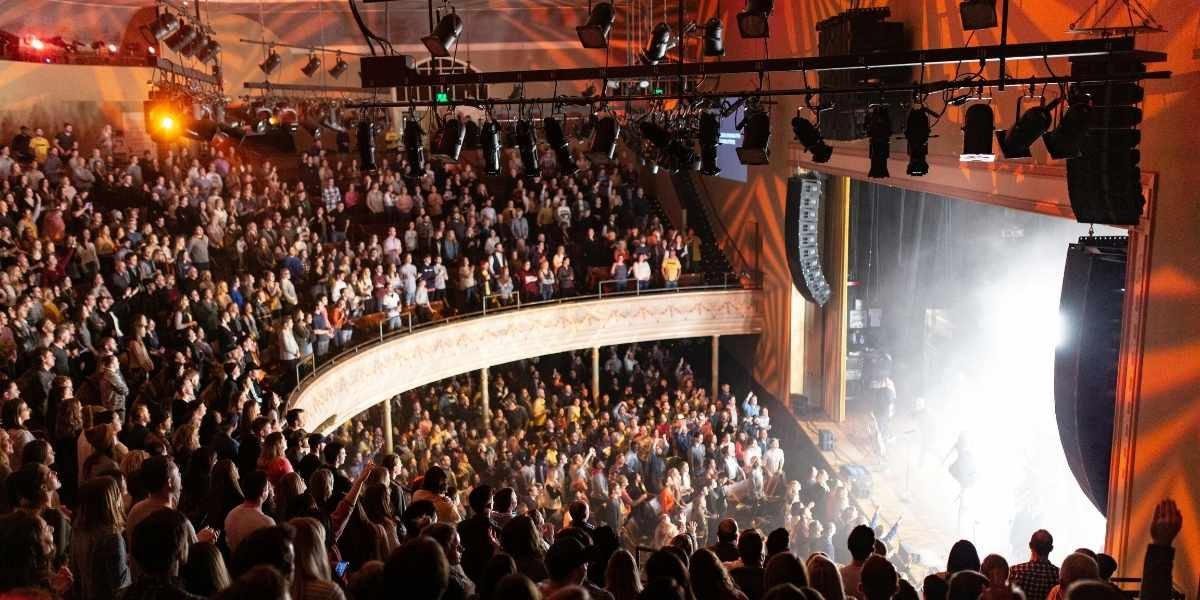
The PH Live venue will feature a state-of-the-art concert hall, innovative immersive installations, and flexible spaces designed for a range of events. Whether it’s a concert, film screening, comedy show, or community event, PH Live is being built to serve as a hub for high-profile entertainment and cultural gatherings. The combination of advanced technology with traditional performance elements will set PH Live apart as a destination venue catering to diverse audiences.

The concept is a hybrid, with spaces designed for live music performances, immersive digital art, and exclusive events. Located in Times Square, the venue will have access to one of the world’s most vibrant and international audiences, ensuring it draws both local visitors and global tourists.

50 Cent’s Expansion into Entertainment and Business

This deal is a testament to 50 Cent’s ongoing growth as a multifaceted entrepreneur. Known for his music career, the rapper has long shifted his focus toward various business ventures, including television production (such as his successful series Power), spirits brands, and now, live entertainment.

PH Live is one of 50 Cent’s most ambitious projects yet, reinforcing his position in the entertainment industry and enhancing New York’s cultural economy. As the city’s cultural capital continues to evolve, 50 Cent is securing his place at the forefront of this transformation, signaling the shift from music mogul to influential figure in entertainment development.

Economic Impact and Boost to New York’s Entertainment Scene

City officials and analysts expect PH Live to contribute significantly to New York’s post-pandemic economic recovery. With thousands of visitors expected annually, the venue will provide both direct and indirect economic benefits. From generating jobs in construction and event management to drawing visitors from around the world, PH Live will likely become a vital component of New York’s entertainment ecosystem.

Additionally, the venue’s strategic location in Times Square, a global tourist magnet, will amplify its appeal. Tourism, job creation, and a renewed cultural tourism sector will be central to the venue’s long-term impact on the local economy. As New York continues its push to redefine itself as a global hub for arts and culture, projects like PH Live are positioned to play a central role in the city’s recovery and growth.

Collaboration with Industry Leaders and Development Timeline

The $100 million deal involves a collaboration between 50 Cent and Robert Earl’s Planet Hollywood group. With construction slated to begin later this year, the development will be built on the foundation of the Planet Hollywood Times Square location. This venue will house immersive entertainment experiences, cutting-edge tech features, and various event spaces designed to accommodate a broad range of cultural events and performances.

While construction timelines are still subject to changes, reports indicate that the venue is expected to open in late 2027. As development progresses, PH Live will not only offer live performances but also function as a hub for multimedia experiences. Plans for additional locations in other major cities are also under consideration.

Industry Enthusiasm: Entertainment Sector Welcomes PH Live

The announcement of PH Live has been met with excitement from industry leaders, artists, and entertainment insiders. The venue will serve as a platform for both emerging talent and established artists, providing a dynamic space for performance, innovation, and cultural exchange. In a time when the entertainment industry is rebounding strongly, this project reflects the growing confidence in live entertainment, offering a fresh, forward-thinking venue for the next generation of audiences.

Promoters and artists see PH Live as a valuable addition to New York’s competitive venue landscape, noting that its mix of exclusive live events, immersive technology, and state-of-the-art facilities could be a game-changer in the city’s entertainment offerings. As demand for cutting-edge cultural experiences continues to rise, PH Live is positioned to meet this demand head-on.

A Game-Changer for Live Entertainment in New York City

With PH Live, 50 Cent continues to prove his ability to combine creativity with business savvy. His expansion into live entertainment demonstrates a clear understanding of emerging cultural trends and a keen eye for investment opportunities that align with New York’s evolving entertainment landscape. As a central figure in the entertainment industry, 50 Cent’s latest venture marks a new chapter in his career, one that goes far beyond his music legacy.

With its blend of technology, culture, and live performance, PH Live is poised to become one of New York’s most iconic entertainment venues, setting the stage for new possibilities in how audiences experience live events. The venue is not just a business venture, but a step forward for both 50 Cent and the broader entertainment scene in the city.

Shark Tank Stars Who Became Business Icons: From Reality to Real Success

Shark Tank, the reality TV series that first aired in 2009, quickly became a launchpad for both aspiring entrepreneurs and its celebrity investors, who have transformed their roles as TV personalities into real-world business powerhouses. The sharks—Mark Cuban, Barbara Corcoran, Daymond John, Lori Greiner, and Kevin O’Leary—are now household names in the business world. They’ve leveraged their TV fame and vast entrepreneurial expertise to create massive business empires, making them influential figures in their respective industries.

Their journey from TV personalities to celebrated business figures serves as a testament to the power of branding, strategy, and sheer business acumen. These sharks have not only enriched their individual brands but also reshaped the entrepreneurial landscape, creating opportunities for other business-minded individuals to follow their lead.

Mark Cuban: A Billionaire Who Continues to Innovate

Mark Cuban entered Shark Tank as an already established billionaire, having made his fortune with the sale of Broadcast.com to Yahoo for $5.7 billion in 1999. His business ventures, however, did not stop there. Cuban has successfully expanded his reach into sports, media, and technology. As the owner of the Dallas Mavericks, he has become a major figure in the sports industry. Beyond sports, his investments in high-growth companies such as the health tech company Uptake Technologies and his ownership in media network AXS TV have further solidified his status as a savvy investor and businessman.

In addition to his investments, Cuban is known for his outspoken nature, particularly when discussing technology and innovation. His influence extends beyond business circles; Cuban is an advocate for new tech and has established himself as a thought leader in the industry.

His ventures, such as his success with AXS TV and ongoing investments in tech startups, show his ability to navigate an ever-changing landscape. Cuban’s success is a reflection of his diverse approach to business and his constant search for innovative opportunities.

Barbara Corcoran: Real Estate Mogul Turned Media Icon

Barbara Corcoran’s path to success began in real estate, where she built The Corcoran Group into one of the most successful real estate companies in New York City. After selling her company for $66 million, Corcoran turned her attention to media and public speaking. She authored books such as Shark Tales and became a prominent public speaker, sharing her business strategies with audiences nationwide. Through her work as a business mentor and media personality, she has created a well-rounded business empire that extends far beyond real estate.

Corcoran’s journey highlights the power of reinvention in business. Her ability to move from real estate to publishing and media helped position her as a thought leader in both business and personal branding. She has influenced the entrepreneurial community by teaching others how to leverage personal stories to build businesses and create lasting brands.

As one of the original sharks, Corcoran has used her position to advocate for aspiring entrepreneurs, particularly women, in business. Her continued success is a result of her ability to leverage her experience and industry insights across various platforms.

Daymond John: Fashion Entrepreneur and Mentor

Daymond John’s rise to fame began with the creation of FUBU, a global fashion brand that became synonymous with urban culture in the 1990s. FUBU revolutionized the fashion industry by combining entrepreneurship with a deep understanding of cultural trends. Since then, John has used his platform to become a mentor for minority entrepreneurs, using his personal success story to inspire the next generation of business leaders.

John’s influence extends beyond fashion; his advocacy for young entrepreneurs has made him an integral figure in discussions on diversity and business. Through his book The Power of Broke and his speaking engagements, John teaches entrepreneurs how to turn limited resources into competitive advantages.

His role as a mentor is central to his legacy, and through his work on Shark Tank, John continues to empower aspiring entrepreneurs, particularly those from underrepresented communities. His impact is a reminder that success is not just about financial growth, but about lifting others as you rise.

Lori Greiner: The Queen of Consumer Goods and Retail

Lori Greiner is best known for her role as the “Queen of QVC,” a title she earned through her unparalleled success in retail and consumer products. Greiner’s investments, particularly in products for the home and personal organization, have generated millions in sales. She has turned small startup ideas into massive retail successes, using her platform on QVC to market products directly to consumers.

Greiner’s business acumen is grounded in her ability to spot products with mass appeal. Through her work on Shark Tank, she has become a powerful figure in the world of direct-to-consumer products, helping companies launch and scale quickly. Her ability to drive sales through both TV appearances and retail channels has made her a key player in the consumer goods industry.

Her success extends beyond TV, with her work on product development and retail partnerships continuing to influence the market. Greiner’s influence in the consumer products sector is a testament to her sharp instincts for identifying market trends and her skill in product commercialization.

Kevin O’Leary: From TV Personality to Financial Services Leader

Kevin O’Leary is known for his blunt approach to business, often characterized by his catchphrase, “You’re dead to me.” But beneath the tough exterior lies a shrewd businessman with a remarkable ability to navigate the world of finance. O’Leary founded O’Leary Funds, a mutual fund company, and later created O’Shares ETFs, which have become a popular choice for investors seeking low-cost financial products.

O’Leary’s impact extends far beyond his persona on Shark Tank. He is a recognized leader in the world of financial services and an advocate for financial literacy. His no-nonsense approach to managing money has resonated with both individual investors and financial institutions. O’Leary has built a financial services empire that continues to grow and evolve with the market.

As a prominent financial educator, O’Leary continues to use his platform to educate and empower individuals to take control of their finances. His legacy as a financial mogul is firmly established, and his influence continues to shape the way people think about personal and business finances.

Shark Tank’s Impact: Shaping the Modern Entrepreneurial Landscape

The impact of Shark Tank on the business world cannot be overstated. The show has not only given entrepreneurs a platform to showcase their ideas but has also helped popularize the idea of entrepreneurship in mainstream culture. The success stories of companies like Scrub Daddy, Bombas, and Squatty Potty have shown that, with the right backing, even the most unconventional ideas can become household names.

The celebrity CEOs on Shark Tank have played a pivotal role in reshaping the way entrepreneurs approach business. These sharks have shown that success is not just about financial backing but about creating a lasting brand and leveraging personal influence to achieve long-term growth.

In addition to reshaping the business world, Shark Tank has also democratized the entrepreneurial process, inspiring millions to consider starting their own businesses. The visibility and credibility that the sharks bring to startups have made entrepreneurship more accessible to a wider audience, fostering a culture of innovation and self-starter ambition.

Inside the Chappell Roan Security Incident That Shook Social Media

Chappell Roan, the rising pop star known for her captivating music and stage presence, unexpectedly found herself in the spotlight following a security-related incident at a hotel in São Paulo, Brazil, ahead of her performance at Lollapalooza Brasil. The event quickly gained attention on social media, raising questions about the safety and security of artists as they navigate the demands of fame.

What Happened in São Paulo?

The incident unfolded when a security team member, reportedly linked to Chappell Roan, became involved in an interaction with the family of Brazilian soccer player Jorginho at their hotel. The confrontation, which occurred during breakfast, reportedly involved Jorginho’s wife and stepdaughter, Ada Law. The family was allegedly approached by the security guard in a manner that left the young girl upset.

Jorginho shared his perspective on social media, expressing his frustration over the situation and calling for accountability regarding the encounter. While Roan was not involved in the interaction and no physical harm occurred, the situation quickly attracted attention online.

It is important to note that Chappell Roan, in a public statement, clarified that she was unaware of the situation and did not have direct involvement in the incident. Her statement emphasized that the security guard was not part of her personal security team, and she expressed concern for the well-being of those involved.

Social Media Reactions and Public Sentiment

The incident sparked a wide range of reactions across social media platforms. Supporters of Chappell Roan expressed relief that she was unharmed and praised her for remaining calm despite the attention surrounding the event. Social media users also praised Roan for maintaining composure, despite the heightened attention around the event.

However, the situation also led to a broader discussion about security measures for artists. Some questioned whether enough is being done to ensure the safety of performers, especially in such high-profile situations. While many supported Roan and her professionalism, others used the moment to discuss the need for better safety protocols, particularly as more artists rise to prominence and their visibility increases.

What Does This Mean for Artist and Venue Security?

This incident has brought renewed attention to the complex relationship between artists, their security teams, and the venues hosting their events. Experts point out that while artists often seek to connect with their audiences, their safety must always remain a priority.

Security in the music industry, particularly at large events, can be challenging to manage. With rising stars like Roan drawing larger crowds and gaining greater media attention, concert venues and event organizers are under increasing pressure to bolster safety protocols. While this incident itself did not occur at a concert venue, it serves as a reminder of the importance of safety both on and off stage.

As the conversation surrounding this situation continues, it is expected that the industry may explore ways to standardize security measures to ensure both performers and their teams feel protected while also maintaining fan accessibility.

Chappell Roan’s Resilience Amidst the Spotlight

Despite the heightened public attention surrounding the incident, Chappell Roan’s career continues to grow. The singer-songwriter’s rise to fame has been marked by both critical acclaim and growing support from fans worldwide. While the security issue has understandably brought additional focus to her personal life, Roan has handled the situation with grace and professionalism.

In her statement, Roan emphasized that her priority remains her music and her connection with her fans, and that she looks forward to continuing her journey in the music industry. As she continues to rise to fame, this event serves as a reminder of the challenges artists face in the public eye.

Reflections on Artist Safety and Public Engagement

The incident involving Chappell Roan, while unfortunate, has sparked important conversations about the safety of artists in today’s fast-paced digital world. While the situation itself did not escalate into a major security breach, it serves as a valuable reminder of the complexities surrounding artist protection in an era of instant information sharing.

As Chappell Roan continues to capture the attention of audiences worldwide, it remains to be seen how the broader conversation around artist safety will evolve. This incident highlights the ongoing need for balance between fan engagement and the responsibility of protecting performers, ensuring that the music industry continues to evolve in a way that keeps both artists and audiences safe.

Selena Gomez’s Rare Beauty Doubles Down With Major Executive Hire

Rare Beauty, the cosmetics brand founded by Selena Gomez, has announced significant leadership appointments as the company continues its expansion within the highly competitive beauty industry. These new appointments come as the brand seeks to capitalize on its momentum and further solidify its position in the market. By hiring experienced professionals and promoting talent within, Rare Beauty aims to accelerate its growth while maintaining the authentic values that have defined the brand since its inception.

Strategic Leadership Appointments Reflect Brand’s Commitment to Growth

In early 2026, Rare Beauty made key additions to its leadership team, reflecting its commitment to scaling operations while upholding its brand values. The appointment of Tyra Booker, who previously held leadership roles at Ilia Beauty, Supergoop!, and L’Oréal, as Assistant Vice President of Integrated Marketing marks a pivotal step in Rare Beauty’s plans for continued growth. This external hire brings expertise in marketing strategies and operational leadership that will help propel the brand into its next phase of expansion.

Simultaneously, Joyce Kim was promoted to Chief Brand Officer, and Ashley Murphy stepped into a senior marketing position within the company. These internal promotions are designed to strengthen the brand’s management team and align its leadership with the company’s vision for inclusivity and authenticity. The leadership expansion positions Rare Beauty to better meet rising demand while staying true to its core mission.

Continued Growth and Expansion in Retail Channels

Rare Beauty’s growth trajectory has been steady since its debut, driven by a combination of product innovation, strong social media campaigns, and a loyal customer base. Central to the brand’s success is its focus on mental health awareness, which has resonated with a broad audience. This focus on well-being and inclusivity, coupled with high-quality products, has helped Rare Beauty carve out a distinctive space in the beauty sector.

In addition to its commitment to innovation, Rare Beauty has seen significant expansion in retail outlets, particularly in the U.S. and internationally. In 2026, Rare Beauty launched in over 1,500 Ulta Beauty locations, marking a major milestone in the brand’s retail strategy. This move expands Rare Beauty’s presence in one of the largest beauty retail chains in the country, ensuring that its products are more widely available to consumers across the U.S. The move is a part of a broader strategy to increase accessibility and visibility in the beauty market.

This growth is also reflected in the brand’s ongoing success in the online space, where Rare Beauty has built a massive following through its highly engaged community. Social media campaigns, viral influencer partnerships, and a commitment to being part of the conversation surrounding mental health have enabled Rare Beauty to consistently remain relevant and visible in an increasingly crowded marketplace.

Navigating Industry Challenges and Strengthening Operational Excellence

The beauty industry continues to face various challenges, from supply chain issues to increased competition from both established giants and emerging brands. As Rare Beauty expands its operations, it must address these pressures while ensuring that its core mission is not diluted. The new leadership team, with its deep experience in the beauty and wellness sectors, will play a critical role in helping the brand navigate these challenges.

Strengthening Rare Beauty’s internal operations and expanding leadership at the executive level also signal the brand’s long-term vision for stability and sustainability. In a market where new brands emerge daily, Rare Beauty’s leadership is focused on ensuring that its business model remains competitive. By improving operational efficiencies and addressing supply chain constraints, Rare Beauty is positioning itself to overcome the common pitfalls that often hinder brands during periods of rapid growth.

Rare Beauty’s Authenticity and Empowerment as Key Drivers

For Selena Gomez, Rare Beauty is not just a beauty brand; it’s a vehicle for her mission to empower others, especially through mental health awareness and inclusivity. These principles continue to guide the company as it grows and adapts to the evolving beauty landscape. The recent appointments of Tyra Booker, Joyce Kim, and Ashley Murphy reflect the brand’s commitment to aligning its leadership with its core values. Each leader brings their expertise to ensure that Rare Beauty not only thrives as a business but also stays true to its original mission.

Selena Gomez’s influence in the beauty industry is undeniable, but it is clear that Rare Beauty’s success is also due to the strong leadership team that surrounds her. As the company moves forward, these new hires are critical to its ability to grow without losing sight of the brand’s core principles.

Gwyneth Paltrow Critiques Met Gala Costume Culture

Gwyneth Paltrow has recently expressed her perspective on the evolving nature of the Met Gala, offering a thoughtful take on the event’s shift toward more extravagant, costume-like outfits. The actress and entrepreneur, who has attended the gala multiple times, pointed out how the event’s growing focus on theatricality might sometimes shift attention away from the artistry that originally defined it.

Paltrow’s Perspective on Costume Culture at the Met Gala

Gwyneth Paltrow has long been associated with refined elegance, and her recent comments about the Met Gala reflect her appreciation for a more understated approach to fashion. In a recent interview, she gently critiqued the increasing trend toward over-the-top costumes, suggesting that it can detract from the deeper fashion conversations that the gala once sparked. While acknowledging the creativity behind these extravagant looks, Paltrow emphasized a preference for style that feels more timeless and less about theatrical spectacle.

While the Met Gala continues to captivate audiences with its bold, avant-garde outfits, Paltrow’s comments subtly raise the point that the event may now be more about the spectacle than the celebration of design. This shift is part of an ongoing discussion about how fashion events evolve over time and how trends impact the way we engage with fashion.

The Met Gala’s Shift Toward Theatrical Outfits

Historically regarded as fashion’s most prestigious night, the Met Gala—hosted by the Metropolitan Museum of Art’s Costume Institute—has undergone a noticeable transformation over the years. Once a celebration of high fashion and design, the event has increasingly become a platform for more dramatic, often theatrical costumes. Paltrow’s critique aligns with the viewpoint shared by many who believe the gala’s focus has gradually shifted from showcasing pure fashion craftsmanship to emphasizing the visual impact of the costumes themselves.

While the gala’s thematic elements certainly allow for creative expression, Paltrow’s comments highlight how this may lead to an emphasis on costumes that may not always reflect the original mission of the event. Though the gala remains an important fundraising platform for the Costume Institute, her reflections suggest that some see a balancing act between artistry and spectacle as crucial to the event’s future.

The Influence of Social Media on Met Gala Fashion

Social media’s role in amplifying fashion moments has become undeniable, and the Met Gala is no exception. As celebrities collaborate with designers to create standout looks, the event has increasingly become a stage for viral moments. This trend places heightened pressure on attendees to outdo one another with outfits that catch the public’s eye, which may inadvertently elevate spectacle over subtlety.

Paltrow’s comments subtly point out that the impact of social media on the Met Gala has added a layer of complexity to how the event is perceived. While every red carpet moment is now instantly shared, dissected, and discussed online, this dynamic sometimes shifts the focus toward immediate visual impact rather than deeper conversations around design and artistry.

Celebrity-Designer Dynamics and Their Impact on Fashion

At its core, the relationship between celebrities and designers has always been a significant aspect of the Met Gala. However, as the event’s focus on social media-driven virality increases, this collaboration between celebrities and designers has become even more complex. While these collaborations have certainly resulted in memorable and iconic looks, Paltrow’s perspective suggests that the growing emphasis on spectacle sometimes overshadows more understated, yet equally creative, fashion choices.

Industry insiders have noted that the Met Gala’s evolving dynamic—driven in part by social media’s reach—can sometimes blur the line between fashion and performance art. While creativity is still celebrated, the desire to grab attention online may lead to outfits that are more about creating a moment than reflecting the artistry behind them.

Audience Reactions to Paltrow’s Comments

Paltrow’s remarks have sparked a range of responses from fashion fans and commentators. Many have expressed appreciation for her take, noting that it offers a refreshing perspective on the Met Gala’s evolving nature. Some have agreed with her sentiment, recalling earlier Met Gala moments where fashion felt more elegant and less about competing for attention.

At the same time, others defended the gala’s current direction, viewing the boldness of the outfits as an important part of the event’s cultural relevance today. These varying reactions illustrate how the Met Gala continues to be a topic of debate among both fashion enthusiasts and those who follow celebrity culture.

The Met Gala’s Enduring Influence on Fashion

Despite differing opinions about its direction, the Met Gala remains a cornerstone of the fashion calendar. The event continues to raise millions for the Costume Institute while influencing global fashion trends. Paltrow’s comments contribute to the ongoing conversation about how the gala navigates its dual role as both a fundraising event and a spectacle.

By reflecting on the growing emphasis on spectacle, Paltrow highlights the broader cultural forces at play in shaping the Met Gala’s future. Her insights offer a thoughtful perspective on how celebrity culture, social media, and fashion intersect in this globally-watched event, urging a return to appreciating fashion for its artistry and meaning.


Cross-Border Engineering Hubs: Transforming the Global Tech Landscape

The rise of cross-border engineering hubs is transforming how startups scale and innovate. By establishing operations in diverse regions, tech companies are able to accelerate product development, access specialized talent, and position themselves for international expansion. This shift is becoming a strategic imperative for startups looking to compete in the fast-evolving global tech market.

Tech companies are moving away from relying solely on domestic teams and instead building distributed engineering hubs. These hubs allow them to tap into the specific strengths of different geographic regions—whether it’s India’s software development expertise, Eastern Europe’s technical depth, or Latin America’s cost-effective engineering talent. By structuring operations across borders, companies are able to strengthen their competitive edge and scale more rapidly.

This shift to cross-border hubs is particularly valuable for startups aiming to meet the growing demand for speed in the tech industry. As competition intensifies, companies are increasingly recognizing the importance of establishing a global presence. With teams across multiple regions, they can respond to challenges more effectively and seize opportunities in diverse markets.

Sliq Group and the Rise of Cross-Border Collaboration

One of the latest examples of this global trend is the launch of Sliq Group, a new venture resulting from a partnership between Swedish tech collective QGroup and Indian entrepreneur Deepak Kumar Choubey. The company has set up an engineering hub in Bangalore, India, aimed at supporting product development and driving global growth for early-stage startups.

Sliq Group exemplifies how cross-border collaborations are becoming a cornerstone of innovation. With Swedish expertise in product design and European market strategy combined with India’s robust tech talent pool, Sliq Group aims to create a hybrid model that fosters both innovation and scalability. The company is focused on providing early-stage startups with the tools and expertise to accelerate their product development and gain access to diverse global markets.

This partnership reflects the increasing importance of cross-border engineering hubs as companies look for ways to leverage global talent and expertise while remaining agile and competitive. By tapping into India’s growing tech ecosystem, Sliq Group is positioning itself as a leader in the evolving global tech landscape, emphasizing innovation and the global scalability of its operations.

The Growing Role of India in Global Engineering Hubs

India continues to be a key destination for establishing global engineering hubs. Cities like Bangalore, Hyderabad, and Pune have become vital centers for high-quality software development, artificial intelligence, and product engineering. The country’s talent base, known for its technical depth and cost efficiency, is attracting companies worldwide looking to scale quickly without sacrificing quality.

Startups and multinational companies alike are increasingly setting up engineering hubs in India to tap into the vast talent pool, which includes skilled engineers, software developers, and AI specialists. With India’s thriving tech ecosystem and a large pool of young, highly educated workers, it remains a dominant player in the global tech landscape.

India’s growing importance in the global tech supply chain highlights the role of cross-border hubs in accelerating innovation and driving technological advancement across industries. Moreover, India’s workforce is well-versed in remote collaboration, making it an ideal partner for companies seeking to scale globally. India is also a cost-effective alternative to traditional tech hubs like Silicon Valley, offering high-quality talent at competitive prices.

As more startups turn to India for their engineering needs, the country’s role as a tech hub will only continue to grow, solidifying its place at the forefront of the global innovation ecosystem.

International Partnerships Drive Innovation and Scalability

The structure of cross-border engineering hubs relies heavily on strong international partnerships. These collaborations are designed to leverage the unique strengths of different markets. For example, European and North American startups often bring product design and market expertise, while teams in India or Eastern Europe contribute deep technical know-how and cost-effective scaling capabilities.

This international approach allows companies to execute projects faster, reduce operational costs, and enhance innovation by accessing a wider range of expertise. Additionally, cross-border partnerships help companies diversify risk by spreading operations across multiple geographies, ensuring resilience in the face of economic shifts or regulatory changes.

By combining the strengths of different regions, startups and companies are able to meet the demands of global markets, stay competitive, and scale their operations effectively. These partnerships also provide access to new markets, enabling companies to tailor their products and services to local needs while benefiting from the expertise of teams based in other regions.

Cross-border collaborations are an essential tool for startups seeking to maximize their potential, expand their reach, and innovate without being constrained by geographical boundaries.

Cross-Border Hubs and the Global Tech Race

The rise of cross-border engineering hubs is not just a trend but a key component of the competitive tech landscape. Companies that can scale quickly and leverage international talent have a distinct advantage in today’s fast-paced tech world. By building teams in multiple regions, businesses are better equipped to deliver products that cater to diverse markets and consumer needs.

Startups that embrace this cross-border approach are able to accelerate their growth while maintaining flexibility and resilience. The ability to move fast, scale efficiently, and tap into global talent pools is becoming a major differentiator in an increasingly crowded market. As the competition intensifies, cross-border engineering hubs will continue to play a pivotal role in helping companies stay ahead.

The trend towards distributed engineering teams is no longer limited to large corporations; even early-stage startups are recognizing the value of setting up cross-border operations to drive innovation, reduce costs, and position themselves for global success. In this environment, businesses that can leverage international teams and expertise are more likely to succeed and achieve long-term growth.

Netflix Ends Partnership with Meghan Markle’s As Ever Lifestyle Brand

Netflix has officially ended its partnership with As Ever, the lifestyle brand founded by Meghan Markle, halting any future content development related to the project. This decision marks a significant shift in Netflix’s strategy as it reassesses the types of content it prioritizes in an increasingly competitive streaming landscape.

While Netflix has not publicly stated the exact reasons for the termination, multiple industry insiders suggest that the move is indicative of the platform’s ongoing evolution in response to audience demand and market dynamics. As Ever, which was expected to include original content centered on themes like wellness, home living, and cultural storytelling, was part of a broader deal with Markle and Prince Harry’s Archewell Productions. The move comes after several months of speculation surrounding the future of the project, with observers noting that Netflix’s focus is shifting toward more universally appealing content.

A Shift in Strategy for Netflix

Netflix’s decision to end the partnership with As Ever aligns with the platform’s broader content strategy, which has been evolving to meet changing viewer preferences and market pressures. In recent years, the streaming giant has increasingly focused on high-profile scripted dramas, documentaries, and competition-based reality shows, areas where it has seen consistent success. These genres tend to attract broad international audiences, which Netflix relies on for sustained global growth.

While As Ever was initially seen as a promising addition to Netflix’s content lineup, it now seems that lifestyle and wellness programming is not at the forefront of the platform’s current priorities. Netflix has long had a history of pivoting away from projects that may not resonate with its core subscriber base, particularly in a saturated market where content that lacks broad appeal struggles to remain viable. Although As Ever generated interest from Markle’s large global fanbase, it ultimately did not align with Netflix’s strategic goals as the company looks to concentrate its efforts on content with stronger universal appeal.

Background on the As Ever Collaboration

The partnership between Netflix and As Ever was heralded as a significant venture when it was first announced. The collaboration was positioned as part of a broader deal between Netflix and Archewell Productions, which is spearheaded by Meghan Markle and Prince Harry. As part of this deal, Markle’s lifestyle brand was expected to bring a unique blend of original programming focusing on wellness, home design, and cultural exploration.

While early reports indicated plans for multiple series under the As Ever banner, including ideas for cooking, wellness, and home living content, these concepts were never fully realized in the form Netflix had originally envisioned. The As Ever brand was not only seen as a potential content engine but also as a lifestyle product that could cross over into various sectors, including health, design, and home products. Markle’s personal brand, which already has significant media attention, was expected to elevate these offerings to an international level.

However, despite initial excitement, the practical realities of developing successful lifestyle programming for a global audience soon became apparent. Content of this nature, while popular in certain circles, faces significant hurdles in sustaining viewer engagement and interest. In particular, Netflix’s focus on large-scale, high-production-value content may have made it difficult for As Ever to maintain its initial momentum.

Challenges in the Streaming Landscape

The decision to part ways with As Ever also highlights the broader challenges that streaming platforms face when developing and maintaining lifestyle programming. While there is a growing demand for wellness, cooking, and home content on platforms such as Max, Hulu, and Discovery+, Netflix has traditionally concentrated on programming that delivers more immediate global appeal, such as scripted series, documentaries, and reality competition shows.

Creating and maintaining successful lifestyle programming requires strong brand identity, consistent audience engagement, and a unique niche that resonates with viewers over time. These projects are often resource-intensive, demanding both a high level of creative investment and a clear vision for how they will evolve. Lifestyle content in particular faces the challenge of sustaining attention long after initial releases, as it competes with more established content genres and well-established creators in the wellness and lifestyle space.

Streaming platforms, including Netflix, are under constant pressure to differentiate their programming offerings. Lifestyle programming, while highly popular in certain demographics, has a much narrower audience compared to genres like drama, action, or unscripted reality. The increasing competition for viewership across multiple platforms means that Netflix must constantly adjust its portfolio to ensure it is delivering content that is both widely appealing and commercially viable.

The Impact of Celebrity-Driven Content

Celebrity-backed ventures such as As Ever often generate significant buzz upon announcement, and Meghan Markle’s involvement brought an added layer of intrigue. However, as this decision illustrates, the long-term success of celebrity-driven lifestyle content requires more than just name recognition. These projects often face challenges in maintaining their relevance and engagement over time, particularly when their celebrity associations cannot carry the weight of the content itself.

The entertainment industry has seen numerous examples of celebrity-driven content fizzling out after initial interest wanes. While some high-profile figures have successfully built brands that extend beyond their media presence—such as Oprah Winfrey and Gwyneth Paltrow—others have struggled to translate their fame into sustained content success. The challenges faced by As Ever suggest that celebrity-backed projects need a significant, loyal following that extends beyond initial excitement to create consistent viewership and brand loyalty.

Markle’s role in As Ever had the potential to resonate with a large, global audience, but as Netflix reevaluated its content offerings, it became clear that As Ever did not meet the company’s standards for long-term, mass-market content. As the streaming industry continues to evolve, projects like As Ever will need to prove they can sustain interest and grow beyond celebrity association if they are to succeed.

Live Selling Power: Online Business Strategy

In the evolving digital marketplace, businesses are constantly seeking innovative ways to connect with customers and present their products. Among the various digital strategies, live selling has emerged as a particularly dynamic approach, offering a real-time, interactive experience that bridges the gap between traditional retail and online commerce. This method, conducted through video streams, enables businesses to showcase items, answer questions, and facilitate purchases in an immediate and engaging format. Understanding its underlying mechanics reveals how this form of direct engagement can contribute to a business’s online presence and transactional activity.

Live selling is more than just a broadcast; it is an active dialogue. Unlike static product listings or pre-recorded advertisements, it provides a human element to online shopping, allowing potential buyers to see products in action, ask specific questions, and receive instant responses. This interaction cultivates a sense of community and immediacy, mimicking some of the most compelling aspects of in-person shopping within a digital environment. Its effectiveness lies in creating a personal connection that can build trust and facilitate buying decisions more directly.

How Does Live Selling Foster Customer Engagement?

One of the most significant advantages of live selling is its ability to foster high levels of customer engagement. In a typical online shopping experience, interaction is often limited to reviews or static product descriptions. Live selling transforms this into a dynamic, two-way conversation. Viewers can post comments and questions in real-time, and the host can address them immediately, creating a personalized experience. This direct communication builds rapport and makes customers feel seen and valued, elements often missing in conventional e-commerce.

Photo Credit: Unsplash.com

The live format also creates a sense of urgency and excitement. Special offers, limited quantities, or time-sensitive deals can be announced during a live session, encouraging immediate purchase decisions. Viewers often feel they are part of an exclusive event, which can heighten their interest and participation. The spontaneity of a live broadcast, including unscripted moments and genuine reactions, contributes to an authentic feel that resonates with audiences. This genuine interaction often leads to longer viewing times and more memorable brand encounters compared to passive Browse.

What Are the Benefits of Product Demonstration in Live Selling?

Live selling offers an unparalleled platform for product demonstration, which is a key factor in influencing purchasing decisions. Unlike photographs or written descriptions, a live video allows businesses to showcase items from multiple angles, highlight specific features, and demonstrate functionality in a real-world context. For instance, a clothing item can be shown on a person, revealing how it drapes and moves, or an electronic device can be used to illustrate its ease of operation. This visual detail helps potential customers truly visualize the product.

This interactive demonstration also enables hosts to answer specific questions about product dimensions, materials, or performance immediately, addressing common hesitations. It provides an opportunity to compare items directly, clarify usage instructions, and highlight unique selling points that might be difficult to convey through static images. The ability to see a product in action, often presented by someone knowledgeable and enthusiastic, can significantly reduce buyer uncertainty, leading to more confident purchasing. This comprehensive visual and interactive presentation builds a deeper understanding of the product’s value.

How Does Live Selling Build Trust and Authenticity?

In the digital realm, trust and authenticity are vital currencies for businesses. Live selling inherently cultivates these qualities by putting a human face to an online entity. When customers see a real person presenting products, answering questions spontaneously, and reacting genuinely, it creates a sense of transparency that pre-recorded content often lacks. This direct interaction helps humanize the business, making it feel more approachable and reliable. The imperfections that can occur in a live broadcast, such as minor stumbles or unscripted comments, can even enhance authenticity, making the experience feel more relatable.

The ability for viewers to ask unmoderated questions and receive immediate responses also contributes to transparency. There’s a perception that what is being shown is truly what the product is, without heavy editing or manipulation. This real-time validation helps to alleviate skepticism and build confidence in the product and the business behind it. Over time, consistent live sessions can build a loyal community of viewers who trust the host and the products being presented, transforming casual viewers into dedicated customers. This direct, unvarnished communication fosters a stronger, more genuine connection.

What Technical Considerations Are Important for Successful Live Selling?

Executing effective live selling involves several important technical considerations to ensure a smooth and professional broadcast. A stable and high-speed internet connection is paramount, as interruptions or poor video quality can quickly deter viewers. High-definition cameras and good lighting are essential for clear product presentation, ensuring that details are visible and colors are accurate. Professional audio equipment, such as external microphones, significantly improves sound clarity, which is crucial for engagement, as poor audio can make a broadcast difficult to follow.

Photo Credit: Unsplash.com

Choosing the right platform is also key. Various social media platforms and dedicated e-commerce solutions offer live selling functionalities, each with different features for comments, payment integration, and audience reach. Businesses need to select a platform that aligns with their target audience and technical capabilities. Planning for potential technical glitches, having backup equipment, and performing pre-broadcast checks can minimize disruptions. While the charm of live selling often lies in its spontaneity, a solid technical foundation ensures that the focus remains on the product and the interaction, rather than technical difficulties.

Why Is Live Selling Becoming a Key E-commerce Strategy?

Live selling is increasingly becoming a fundamental component of online business strategy due to its unique capacity to combine immediate sales generation with long-term customer relationship building. It offers a direct pathway for businesses to convert interested viewers into buyers, leveraging the urgency and interaction inherent in the live format. Beyond immediate transactions, the authentic engagement and trust built during live sessions can foster a loyal customer base, encouraging repeat purchases and positive word-of-mouth.

This dynamic approach provides businesses with rich insights into customer preferences and questions, as real-time feedback is readily available. This data can inform future product development, marketing efforts, and content creation. As the digital landscape continues to evolve, the demand for personalized and interactive shopping experiences grows. Live selling directly addresses this need, positioning businesses to connect more deeply with their audience. By embracing this approach, online businesses can enhance their visibility, strengthen customer relationships, and unlock new avenues for transactional activity in a competitive digital environment.

Nicola Peltz and Victoria Beckham: A Stylish Fashion Connection

Victoria Beckham has firmly established herself as a prominent figure in the fashion industry. Her eponymous label continues to garner attention, with its sophisticated, sleek, and modern aesthetic featured regularly at Paris Fashion Week. As a respected designer, she showcases her collections on an international stage, offering elegant yet accessible designs. Victoria’s vision and influence have helped reshape luxury fashion, blending her own experiences in the spotlight with a refined design philosophy. Her fashion presence remains significant, demonstrating the depth of her role in shaping contemporary style narratives. With each collection, she reinforces her identity as a designer committed to quality, luxury, and timeless fashion pieces, setting trends that endure beyond the season.

Nicola Peltz Beckham’s Growing Fashion Presence

Nicola Peltz Beckham’s presence in the fashion world continues to grow, establishing her as a significant figure in the luxury fashion scene. Most recently, Nicola fronted the Spring/Summer 2026 campaign for Genny, marking her second consecutive season with the Italian fashion house. Photographed by Luca and Alessandro Morelli, the campaign captures her evolving style and reinforces her stature in the luxury fashion realm. As she continues to solidify her position, Nicola’s ability to represent high-end brands like Genny, Moncler, and Pepe Jeans demonstrates her versatile appeal. These campaigns help elevate her profile as a model and fashion influencer, placing her at the forefront of industry conversations. Her partnerships with these major labels further highlight her role in shaping the direction of fashion, as she bridges the worlds of celebrity, fashion, and personal style.

Family Ties in Fashion: Victoria Beckham and Nicola Peltz Beckham

The Beckham family’s fashion legacy is well-documented, with Victoria Beckham at its core. As the daughter‑in‑law of Victoria, Nicola’s journey in fashion naturally intertwines with the broader Beckham influence. While Nicola and Brooklyn Beckham were notably absent from Victoria’s Spring/Summer 2026 show in Paris, the family’s involvement in fashion remains a focal point. Victoria’s collections continue to be a staple at Paris Fashion Week, consistently showcasing her ability to merge high fashion with personal style. The absence of Nicola and Brooklyn from the show does not diminish the shared connection within the fashion industry, as their collective influence remains evident in both their individual and family-driven fashion narratives. Their relationship represents a blending of personal and professional realms, bringing together the worlds of celebrity culture and high fashion.

Red Carpet Appearances and Public Appearances

Nicola Peltz Beckham’s style on the red carpet continues to attract attention from fashion critics and enthusiasts alike. Her attendance at major fashion events and premieres highlights her role in the evolving fashion scene. From her high-fashion looks to more casual moments, Nicola’s style reflects a modern, minimalist aesthetic similar to her mother‑in‑law, Victoria Beckham. Both share an affinity for clean lines, sharp tailoring, and bold accessories. Whether at award shows or fashion weeks, Nicola’s sartorial choices are widely covered, illustrating her growing influence in the fashion world. Her appearances offer a glimpse into her ability to merge traditional glamour with contemporary minimalism. Each appearance serves as an opportunity to showcase the evolution of her style, and it reinforces her reputation as a rising star in the fashion community.

Social Media Influence and Fashion Authority

Social media plays a critical role in expanding Nicola Peltz Beckham’s fashion influence. Platforms like Instagram and TikTok provide an outlet for Nicola to share campaign images, behind-the-scenes moments, and glimpses into her personal style. Fans and fashion observers often draw comparisons between her looks and Victoria Beckham’s, highlighting similar design sensibilities such as sleek tailoring and modern chic accessories. These platforms amplify Nicola’s fashion presence, turning her into a multifaceted personality within the fashion industry. Her growing digital following offers a unique way to engage with audiences and expand her reach far beyond traditional fashion campaigns. Social media allows Nicola to extend her influence in ways that traditional advertising cannot, creating a direct connection with fans and brands alike. Through Instagram and TikTok, Nicola continues to build her reputation as a fashion influencer with a strong digital presence.

Victoria Beckham and Nicola Peltz Beckham: Fashion’s Family Connection

The intersection of Nicola Peltz Beckham’s rising profile and Victoria Beckham’s established presence in the fashion world creates a compelling family-driven narrative. While their roles differ—Nicola as the face of various fashion campaigns and Victoria as a designer—their shared impact in fashion makes them key figures in the ongoing evolution of luxury fashion. From red carpet appearances to campaign partnerships, their contributions to the fashion landscape are undeniable. The blend of celebrity culture, family ties, and high-end style resonates strongly with audiences, offering a multifaceted story that bridges the gap between entertainment and fashion. Their collective influence highlights the ways in which family ties can shape the trajectory of individual careers, offering a compelling lens through which to view the intersection of celebrity, family, and fashion.

From Runway to Reality: Why Designers Need to Embrace Seasonal Collections

In the fast-paced world of fashion, where trends come and go in the blink of an eye, the importance of seasonal collections cannot be overstated. For designers, these collections are not just an opportunity to showcase their creativity; they’re an essential part of the cycle that drives consumer interest and ensures brand relevancy. Whether it’s spring, summer, fall, or winter, each season brings its own set of challenges and opportunities, making it crucial for designers to understand how to embrace these cycles to stay ahead of the curve.

The Importance of Seasonal Collections in Fashion

Fashion is more than just clothing—it’s a reflection of cultural shifts, technological advancements, and changing consumer desires. Seasonal collections allow designers to connect with these ever-evolving demands, offering fresh perspectives that resonate with buyers and media alike. By releasing collections in sync with the seasons, designers stay relevant, ensuring their work reflects both the latest trends and the practical needs of consumers.

Seasonal collections are particularly important because they provide a clear structure for designers to operate within. These collections are typically launched months before the season they’re meant for, giving buyers, media, and consumers enough time to prepare. This timeline allows retailers to stock up and promote new pieces, and it creates a buzz in the fashion world, particularly during key events like New York Fashion Week, Paris Fashion Week, and Milan Fashion Week.

Why Designers Should Align with Seasonal Trends

While fashion is always evolving, seasonal collections allow designers to ride the wave of current trends. From color palettes to fabric choices, these trends often reflect global cultural moods. For example, the rise of sustainability has become a driving force in recent seasonal collections, with designers opting for eco-friendly materials and ethical manufacturing processes. In response, fashion houses like Stella McCartney and Gucci have embraced these trends, seamlessly integrating sustainability into their collections.

Designers who release seasonal collections also benefit from a ready-made platform for their creativity. Every season introduces a unique theme—spring is often about fresh, vibrant colors, while winter brings deeper, richer tones. By embracing these seasonal cues, designers can offer something fresh, keeping their collections in sync with what consumers are already seeking. A spring collection might feature light, breathable fabrics in pastel hues, while a fall collection could include layered looks with heavier fabrics like wool and tweed, offering both style and practicality.

Aligning with Consumer Expectations

Fashion is a business, and for designers, staying in tune with consumer expectations is essential for success. Seasonal collections allow designers to forecast what their customers will want and deliver products accordingly. As seasons change, so do the needs of consumers. Warm-weather collections are often associated with lighter fabrics, bright colors, and versatile pieces for both daytime and evening wear. In contrast, cooler months see a demand for layers, jackets, and textiles that provide warmth and comfort.

By creating seasonal collections, designers ensure they are meeting these needs head-on. The anticipation that comes with each season creates a sense of urgency among consumers, driving sales during peak shopping times like the holiday season or the back-to-school rush. This approach allows designers to tap into the cyclical nature of consumer behavior, driving revenue and brand loyalty by offering exactly what their audience desires, when they desire it.

The Runway Shows and Their Impact on Seasonal Trends

From Runway to Reality: Why Designers Need to Embrace Seasonal Collections

Photo Credit: Unsplash.com

The runway serves as a launching pad for seasonal collections, where designers present their most innovative creations. These shows not only offer a glimpse into the future of fashion but also dictate the trends that will dominate retail stores in the coming months. Runway shows during fashion weeks across the globe have a significant impact on how consumers perceive and buy clothing. This is why aligning collections with the seasons is not just about practicality—it’s about staying in sync with the global fashion ecosystem.

During fashion weeks, top designers like Marc Jacobs, Versace, and Louis Vuitton introduce their seasonal collections, showcasing what’s next in fashion. These high-profile events are seen by millions around the world and set the stage for fashion trends. The inspiration behind each collection may stem from everything from art and culture to technology and nature, influencing the seasonal trends that designers and brands will adopt for their upcoming lines.

For instance, the fall collections often focus on rich textures, layering, and dark tones that align with the colder weather, while spring collections highlight freshness and the use of lighter fabrics. These collections then filter down to the high-street and fast-fashion brands, ensuring that the fashion ecosystem remains fluid and responsive to both runway innovations and consumer desires.

Sustainability and Seasonal Collections

As environmental concerns continue to rise, sustainability has become a key factor in the way designers approach seasonal collections. Consumers are more conscious than ever about the environmental impact of their purchases, and they expect brands to respond with eco-friendly practices. Seasonal collections are no exception, as designers have the opportunity to incorporate sustainable practices and materials into their offerings.

Fashion houses like Patagonia and Prada have embraced this shift, offering collections made from recycled materials, organic fabrics, and dyes that minimize waste. This not only aligns with the seasonal theme but also appeals to eco-conscious consumers. By embracing sustainability, designers not only stay relevant but also create a sense of brand integrity that resonates with the growing market of eco-friendly shoppers.

Maximizing the Impact of Seasonal Collections

For designers, the key to maximizing the impact of seasonal collections is finding the balance between creativity and consumer demand. A successful seasonal collection doesn’t just meet the needs of the market—it elevates the brand by offering fresh perspectives and innovative designs. It’s not just about following the trends, but about setting them. Designers who can anticipate what’s coming next, while staying true to their vision, are the ones who create lasting impressions in the fashion world.

By keeping an eye on global cultural shifts, embracing sustainability, and understanding the market’s seasonal needs, designers can ensure their collections are both timely and relevant. The runway is the perfect platform for showcasing seasonal ideas, and for designers, embracing seasonal collections is a surefire way to stay at the forefront of the fashion industry.