Bruno Mars Expands The Romantic Tour With New Global Shows

Bruno Mars has announced a major expansion of The Romantic Tour, adding over 30 new dates across North America and Europe. The tour, which kicks off in April 2026, now includes nearly 70 shows, making it one of the most anticipated global music events of the year. The addition of extra dates has already resulted in record-breaking ticket sales, with fans eager to see the pop star in concert once again.

The expanded tour marks Mars’s return to stadiums for the first time in nearly a decade. Major cities such as London, Los Angeles, Toronto, Paris, and more will host multiple performances, demonstrating the scale of this production. Fans quickly took to social media to express their excitement, making this one of the most talked-about music tours of 2026.

Industry experts highlight that the success of The Romantic Tour reflects Bruno Mars’s lasting appeal. His blend of pop, funk, and R&B continues to captivate audiences across generations. With an expanded tour schedule, The Romantic Tour is poised to be one of the biggest global events of the year.

Record-Breaking Ticket Demand

Ticket sales for The Romantic Tour have already shattered records, with Live Nation reporting the highest single-day ticket sales ever in North America for a Bruno Mars tour. Due to overwhelming demand, extra nights have been added to several major cities, including London’s Wembley Stadium, which will now host six performances. Other cities such as Los Angeles, Toronto, and Paris will also feature multiple shows to accommodate the surge in ticket requests.

The rapid sell-out of tickets has sparked both excitement and frustration among fans, as many celebrated securing their seats while others lamented the speed at which shows sold out. The frenzy surrounding these ticket sales further highlights the immense cultural impact of Bruno Mars’s return to global touring.

A Star-Studded Lineup for The Romantic Tour

Bruno Mars will not be alone on stage during The Romantic Tour. Anderson .Paak, performing as DJ Pee .Wee, will join Mars for all dates, continuing their successful collaboration from the Silk Sonic project. Additionally, rising stars such as Victoria Monét, RAYE, and Leon Thomas will perform on select dates, further diversifying the tour’s musical experience.

Each of these guest artists brings a unique sound to the tour, enhancing the overall concert experience for fans. The combination of funk, soul, pop, and contemporary R&B influences ensures that every performance will be a dynamic showcase of modern music.

Mars’s collaborations also highlight the broad reach of his musical influence, bridging different genres and audiences across the world. By featuring both established and up-and-coming artists, the tour reflects the evolving landscape of popular music.

The Romantic Tour and Its Global Appeal

The expansion of The Romantic Tour further underscores Bruno Mars’s international appeal. With stops in major cities across Europe, including Madrid, Milan, and Amsterdam, the tour demonstrates the global demand for his music. Fans from all corners of the world eagerly await the chance to experience Mars’s energetic live performances.

While dates in Asia and Latin America have not yet been confirmed, the buzz surrounding the tour suggests that these regions could be included in future announcements. The international nature of the tour speaks to Mars’s ability to connect with diverse audiences, transcending borders with his unique blend of musical styles.

In Europe and North America, the tour will feature performances in some of the largest and most iconic venues, including stadiums and arenas, providing a fitting stage for Mars’s explosive performances.

A Major Milestone in Mars’s Career

The expanded Romantic Tour marks a major milestone in Bruno Mars’s career. After a hiatus from full stadium tours, Mars’s return to large-scale performances demonstrates his sustained popularity and enduring presence in the music world. The tour also supports his new album, The Romantic, set to release in February 2026, making it one of the most anticipated releases of the year.

For Mars, The Romantic Tour is a return to the grand stages of stadiums, showcasing his evolution as a performer and his ability to draw massive crowds. Fans can expect a high-energy show with a mix of new material and chart-topping hits that have defined Mars’s career.

Industry analysts predict that the tour will not only set new records for attendance but also become a defining moment for live music in 2026. The popularity of Mars’s music and his ability to engage audiences worldwide will make this tour one of the most successful of the year.

The Future of The Romantic Tour

As the tour continues to evolve, it will be exciting to see how The Romantic Tour further develops. With its diverse lineup and global reach, the tour has the potential to continue expanding into new regions, reaching even more fans around the world. Whether through additional tour dates or future collaborations, Mars’s influence in the music industry remains unmatched.

Fans eagerly await the upcoming concerts, and as the launch date approaches, anticipation continues to build. The Romantic Tour is shaping up to be a truly historic event in the world of live music.
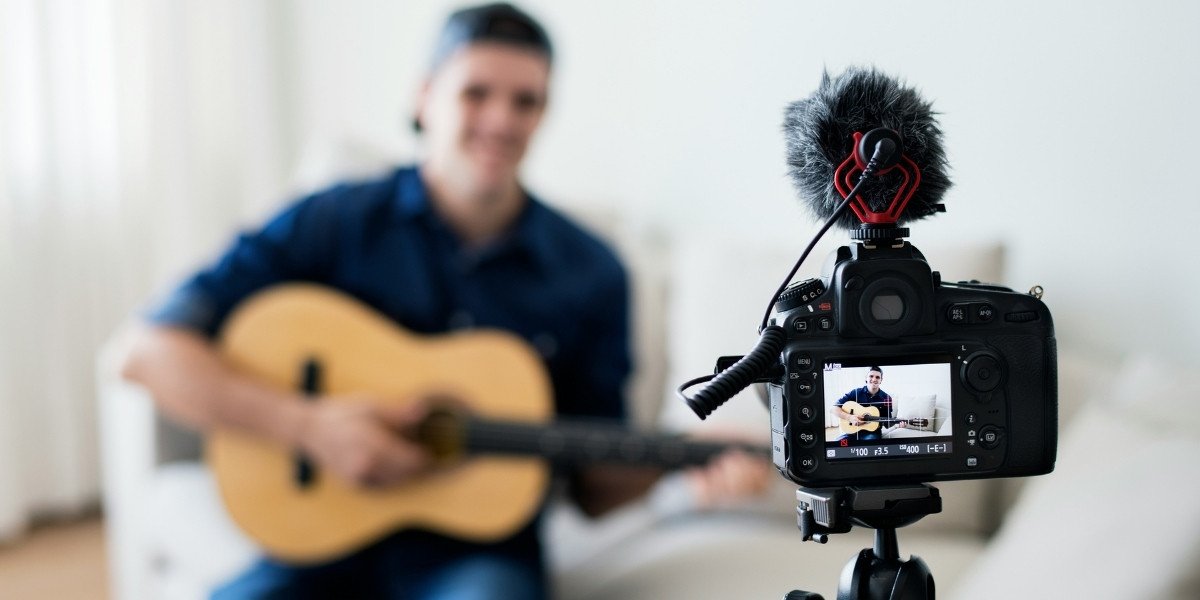
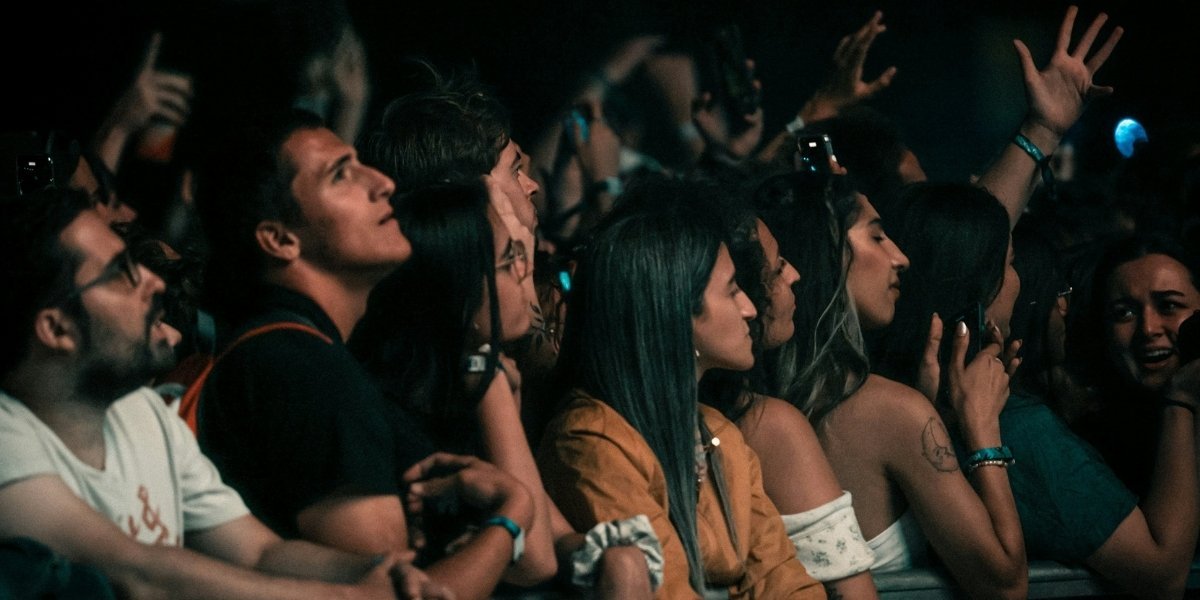
 

From Stage to Screen: What Makes Musician Journey Documentaries a Hit?

In recent years, documentary films about musicians and their creative journeys have seen a surge in popularity. These films offer viewers an intimate glimpse into the lives of their favorite artists, showcasing the behind-the-scenes struggles, personal growth, and triumphs that define their careers. Below, we explore the various reasons why these documentaries have resonated with audiences and the entertainment industry.

Emotional Connection with Fans

One of the main reasons for the popularity of music documentaries is the emotional connection they foster between musicians and their fans. By offering an intimate portrayal of the artist’s life, these films allow viewers to experience the highs and lows of a musician’s journey on a personal level.

Intimate Interviews: Documentaries often feature heartfelt interviews with the artists, revealing aspects of their personalities, fears, and dreams that fans rarely get to see. This vulnerability helps create a deeper bond between the artist and their audience.

Authentic Storytelling: Fans appreciate the raw and authentic nature of documentaries, which often show musicians at their most human—whether they are battling self-doubt, facing personal challenges, or celebrating their success.

Insight into the Creative Process

Documentaries provide fans with a behind-the-scenes look at the creative process that goes into making an album or a tour. For music enthusiasts, this insight is invaluable, as it reveals the hard work, collaboration, and inspiration involved in bringing music to life.

Unreleased Footage: Many music documentaries include footage of studio sessions, songwriting workshops, or rehearsals that would otherwise be inaccessible to fans. This access makes the creative journey more relatable and inspiring for aspiring musicians.

Collaborations with Producers and Artists: These films often highlight key collaborations between musicians and producers, shedding light on the technical aspects of music production, mixing, and performance, which many fans find fascinating.

Behind-the-Scenes Access

From Stage to Screen: What Makes Musician Journey Documentaries a Hit?

Photo Credit: Unsplash.com

Behind-the-scenes access is one of the main draws of musician documentaries. Fans are not only given a glimpse into the artist’s professional world but also their personal lives—offering a balanced view of fame and its impact.

Exclusive Tours and Backstage Footage: Some documentaries follow musicians during their tours, providing a look at what happens behind closed doors. This includes preparations, private conversations, interactions with fans, and backstage rituals that form part of a musician’s routine.

Personal Relationships and Struggles: Many documentaries delve into the personal struggles that musicians face, such as dealing with fame, navigating relationships, or overcoming addiction. These portrayals make the artist more relatable to viewers who may have experienced similar challenges in their own lives.

Cultural and Historical Context

Music documentaries often situate an artist’s career within a broader cultural and historical context, helping audiences understand how the musician’s work reflects and impacts the times.

Musical Movements: Documentaries frequently explore how certain musicians have contributed to larger cultural or musical movements. Whether it’s the punk rock revolution, the rise of hip-hop, or the influence of jazz, these films provide insight into how music shapes and is shaped by society.

Social and Political Commentary: Many music documentaries address social issues, such as racial inequality, mental health, or gender identity, positioning musicians as not only entertainers but also cultural and political voices.

Personal Growth and Struggles

Another reason for the popularity of music documentaries is their focus on the personal growth of musicians. These films often track an artist’s evolution from obscurity to stardom, highlighting the perseverance and dedication required to succeed in a competitive industry.

Overcoming Adversity: Musicians often share stories of overcoming personal struggles, including financial hardships, mental health issues, or family conflicts. These stories inspire viewers by showing the resilience required to navigate a successful music career.

Transformation Through Music: Many documentaries show how music has helped artists overcome personal struggles, offering a source of healing and expression. This theme resonates deeply with fans who turn to music in times of need.

Impact on Music Sales and Streams

One of the significant effects of music documentaries is their ability to boost music sales and streaming numbers. After watching an engaging documentary, many viewers are motivated to revisit the artist’s catalog or discover new material.

Revival of Classic Albums: Documentaries often lead to a resurgence in the popularity of an artist’s older works. Films that delve into the making of iconic albums can inspire fans to listen again, often leading to a spike in streams and downloads.

Boost to New Releases: Artists who release documentaries around the same time as a new album or tour often see an increase in sales and streaming numbers as fans become more invested in the artist’s current work.

Fan Engagement and Social Media Buzz

Documentaries provide ample opportunities for fan engagement and social media discussion. After a documentary’s release, fans often take to platforms like Twitter, Instagram, and TikTok to discuss their favorite moments, share insights, and connect with other fans.

Fan-Created Content: Viewers frequently create fan art, memes, or video edits based on the content of these documentaries, helping to build an online community centered around the musician.

Documentary Reviews and Reactions: Fans love to share their thoughts on music documentaries, sparking discussions and debates about the artist’s career, personal struggles, and creative choices.

The popularity of documentary films about musicians and their journeys is a testament to the deep connection that fans have with their favorite artists. These films offer emotional insight, behind-the-scenes access, and cultural relevance that resonate deeply with viewers. By providing a closer look at the creative process and the personal growth of musicians, documentaries continue to captivate audiences and enhance their engagement with music on a deeper level.

The Power of Fashion in Film: Costumes That Define Cinema History

Fashion in film has long been an essential part of the cinematic experience. Costumes are not just visual elements; they play a key role in defining characters and setting the tone of a film. From the glamorous gowns of the silent film era to the sleek suits of modern blockbusters, fashion in film helps anchor stories in both time and place.

Designers like Edith Head demonstrated the true power of costumes, creating wardrobes that defined iconic stars and cemented their images in public memory. Her work with Hollywood legends proved that fashion could elevate a performance and become an integral part of the story.

Iconic looks from films like Marilyn Monroe’s white dress in The Seven Year Itch or Audrey Hepburn’s black gown in Breakfast at Tiffany’s have transcended the screen, becoming symbols of elegance. These outfits continue to influence society, proving that fashion in film can leave a lasting mark on both pop culture and the audience’s collective memory.

Silent Era Glamour

The silent film era relied heavily on visual cues to tell a story, and fashion became a key tool in conveying character and mood. With no spoken dialogue, wardrobe choices were used to communicate status, personality, and emotional depth. From sequined gowns to feathered headpieces and tailored suits, fashion in film helped establish the narrative.

Stars like Clara Bow and Louise Brooks became synonymous with the flapper style, which spread beyond the theaters and influenced everyday fashion. Their costumes embodied the 1920s aesthetic and played a significant role in defining the era’s style.

This era illustrated how closely film and fashion have been intertwined. Designers crafted looks that not only reflected the cultural movements of the time but also influenced what audiences wore in their daily lives. Fashion became a powerful storytelling device, demonstrating its influence far beyond the screen.

Golden Age of Hollywood

During Hollywood’s Golden Age, costume design was recognized as a crucial aspect of filmmaking. Studios employed talented designers who worked closely with directors to shape the visual narratives of their films. Wardrobes became essential in developing characters and enhancing the cinematic experience.

Films like Gone With the Wind showcased elaborate costumes that not only reflected the historical context but also captivated audiences. Scarlett O’Hara’s iconic dresses became symbols of strength and resilience, aligning with the film’s themes and influencing fashion trends for years to come.

This period highlighted the role of costume designers as true artists, with their work celebrated alongside the performances of actors. The recognition of costume design in major awards shows further cemented fashion’s place in Hollywood history.

Modern Blockbusters and Superhero Suits

In today’s cinema, fashion continues to be a powerful tool for storytelling, especially in superhero films. Characters like Batman and Wonder Woman are defined by their iconic costumes, which not only serve as visual markers but also embody the themes of strength, power, and transformation.

These superhero costumes play a vital role in character development, allowing audiences to connect with the heroes on a deeper level. Beyond their visual impact, these outfits symbolize much more than just an image—they reflect the core of the characters themselves.

The influence of fashion in film extends beyond the big screen. Leather jackets, futuristic designs, and minimalist aesthetics from blockbuster films often make their way into everyday fashion, demonstrating how cinematic styles have a significant impact on global fashion trends.

Fashion in Film and Its Societal Impact

Fashion in film is a reflection of the social and cultural movements of its time. Wardrobe choices often mirror shifts in society, such as the liberating spirit of the 1960s or the bold experimentation of the 1980s. These costume choices serve as visual markers of changing attitudes and provide a snapshot of history.

Films like Dreamgirls and Black Panther have demonstrated how fashion can celebrate heritage and identity. The costumes in these films go beyond the screen, sparking conversations about representation and shaping how audiences view cultural narratives.

Iconic costumes from films continue to inspire not just fashion collections but also fan culture and cosplay. They demonstrate that fashion in film is much more than just an aesthetic,it’s an influential force that extends far beyond the movie theater.

The Future of Fashion in Film

As the film industry evolves, fashion will remain a key element of storytelling. With the rise of streaming platforms and global distribution, the influence of costume design will continue to grow, reaching audiences worldwide.

Future films are expected to push the boundaries of wardrobe design. Technological advancements may lead to interactive or adaptive costumes that further enhance the narrative experience. Designers will continue to explore new ways to integrate fashion into storytelling, ensuring its place in the future of cinema.

For filmmakers, fashion is no longer a mere backdrop, it is an essential tool that shapes character, story, and the audience’s emotional connection to the narrative. Fashion in film remains as influential today as it was during the silent era, and its role in shaping cinema history is only set to expand.

Mattel Expands Barbie Line With New Doll Celebrating Neurodiversity

Mattel has expanded its Barbie collection with a new doll designed to celebrate neurodiversity, continuing its long-standing effort to reflect a broader range of human experiences. The new Barbie doll is part of the Fashionistas line, which has steadily incorporated dolls with various body types, skin tones, and visible conditions. This latest release highlights Mattel’s commitment to inclusivity in the world of children’s toys.

The announcement has sparked important discussions among parents, disability advocates, and educators, with many applauding the move as an effort to normalize differences and encourage empathy in children. By introducing neurodiversity within the Barbie universe, Mattel is positioning play as a platform for inclusion and understanding, helping children relate to and appreciate differences from an early age.

Developed in consultation with advocacy groups, the new Barbie doll aims to offer a thoughtful and authentic representation. This collaboration ensures that the doll resonates with families while avoiding stereotypes and misconceptions.

The Fashionistas Line and Its Evolution

The Barbie Fashionistas line has increasingly become a symbol of diversity in recent years, with previous releases featuring dolls with Down syndrome, vitiligo, and mobility aids. With each new addition, Mattel continues to broaden the narrative of what Barbie can represent, showcasing a wide range of identities and experiences.

Mattel’s evolving strategy has focused on expanding beyond traditional beauty standards. By introducing dolls that reflect real-world differences, the brand has moved away from aspirational ideals and into the realm of more relatable and inclusive identities. This shift has been welcomed by many parents, who appreciate the opportunity to purchase toys that mirror the world their children live in.

The new Barbie celebrating neurodiversity continues this evolution. It underscores that Barbie is not only a symbol of fashion but also a tool for fostering understanding and empathy. The Fashionistas line has grown to become a significant touchstone for conversations about identity and acceptance.

The Significance of Representation in Toys

Representation in toys plays a crucial role in shaping children’s self-esteem and social awareness. Seeing themselves reflected in their toys can have a profound impact on how children perceive their own value and relate to others. For families, having inclusive dolls like the new neurodiverse Barbie provides an opportunity to discuss differences in a positive and educational way.

The introduction of a Barbie that highlights neurodiversity reinforces the concept that these differences are part of everyday life. By embedding this idea into a mainstream toy, Mattel is helping to normalize conversations that might otherwise feel complicated or uncomfortable. The new Barbie doll serves as a bridge between play and education, making neurodiversity a topic that can be explored in a relatable and approachable manner.

Toys like this one also reflect broader societal shifts. As discussions about inclusivity gain momentum in media, fashion, and entertainment, the Barbie doll has evolved from a mere toy into a statement about the values and norms of contemporary society.

Reception and Reactions

Early responses to the new Barbie have been largely positive, with advocacy groups praising Mattel for working closely with organizations that represent neurodiverse communities. Parents have expressed appreciation for a toy that could help children better understand and appreciate differences, fostering a sense of inclusion and empathy.

Educators also see the doll as a potential tool in the classroom. By incorporating diverse toys into teaching environments, educators can foster a culture of empathy and reduce stigma. This Barbie doll may play a role in starting discussions about acceptance, respect, and understanding among children, making it a valuable addition to educational settings.

However, some caution remains. Critics have emphasized the need for authenticity and care in how representation is approached. It is essential that Mattel ensures the doll’s design and story accurately reflect the neurodiverse community. This sensitivity will be crucial for the doll’s long-term impact.

Challenges and Considerations

While the new Barbie doll has been embraced by many, there are challenges to overcome. One concern is how children will interpret the doll’s features and story. Without proper context, there is a risk that representation could be misunderstood or oversimplified.

To address this, Mattel has included educational resources to guide parents and caregivers in explaining the doll’s significance. These materials are designed to help facilitate open conversations, ensuring that the introduction of the neurodiverse Barbie is part of a broader educational experience.

Another consideration is the long-term market response. While inclusive dolls have gained significant attention, maintaining consumer interest over time is key to their success. The success of the neurodiverse Barbie will depend on how well it is embraced by families and how it fits into everyday play.

A Step Toward a More Inclusive Future

The launch of the neurodiverse Barbie marks a significant milestone in Mattel’s ongoing efforts to diversify its offerings and reflect a broader range of human experiences. The partnership with advocacy groups to create an authentic representation of neurodiversity underscores the company’s commitment to inclusivity in its products.

For families, the new Barbie doll offers an opportunity to introduce children to the concept of neurodiversity in a positive and engaging way. For Mattel, the success of this addition to the Fashionistas line will depend on how effectively the doll is integrated into everyday play and whether it continues to resonate with both children and adults.

As the toy industry evolves, the neurodiverse Barbie sets a new standard for inclusivity, offering children the opportunity to engage with toys that reflect the real-world diversity of the people and experiences around them. Mattel continues to lead the way in making sure that its products are not just about beauty or perfection, but about celebrating the full spectrum of human experiences.

Rise of the Creator Economy: Reshaping Brand Partnerships and Traditional Modeling

In the ever-evolving landscape of digital marketing, a seismic shift has occurred: influencers have redefined the rules of brand collaboration, blurring the lines between traditional modeling, content creation, and personal branding. What began as casual product mentions on Instagram has blossomed into a global industry where influencers are not just endorsers—they’re co-creators, storytellers, and cultural catalysts.

From Runways to Reels: The Changing Face of Brand Representation

For decades, brands relied on professional models to showcase products in polished campaigns. These models were chosen for their looks, poise, and ability to embody aspirational aesthetics. But today, influencers offer something models rarely could: relatability and narrative.

  • Influencers bring context—they wear the clothes, use the skincare, and live the lifestyle they promote.
  • Their audiences trust them, not just for style inspiration, but for honest reviews and behind-the-scenes access.
  • Micro-influencers, with smaller but highly engaged followings, often outperform traditional models in terms of ROI and conversion rates.

This shift has led brands to rethink their casting strategies. Instead of hiring anonymous faces, they now seek personalities with built-in audiences, authentic voices, and the ability to drive conversation.

Collaboration Over Contract: The Rise of Co-Creation

Gone are the days of one-off endorsements. Today’s brand-influencer relationships are long-term, strategic partnerships. Influencers are involved in product development, campaign ideation, and even brand positioning.

Common collaboration formats include:

  • Sponsored Content: Influencers create posts featuring products in exchange for payment.
  • Affiliate Marketing: They earn commissions through tracked links and promo codes.
  • Brand Ambassadorships: Long-term representation across multiple campaigns.
  • Product Co-Creation: Influencers help design or curate product lines.

These collaborations are not just transactional—they’re mutually beneficial ecosystems. Brands gain access to niche communities, while influencers elevate their credibility and diversify income streams.

Authenticity Is the New Currency

In a saturated digital world, authenticity is what cuts through the noise. Consumers are increasingly skeptical of polished ads and celebrity endorsements. They crave real stories, honest opinions, and content that feels personal.

Influencers thrive in this space because:

  • They share their lives, not just their looks.
  • They engage directly with followers, building trust and loyalty.
  • They curate communities, not just content.
Rise of the Creator Economy: Reshaping Brand Partnerships and Traditional Modeling

Photo Credit: Unsplash.com

This authenticity has made influencers powerful brand allies. A single post from a trusted creator can spark trends, sell out products, and shift public perception.

Models as Influencers, Influencers as Models

Interestingly, the influencer boom hasn’t replaced traditional models—it’s reshaped their roles. Many professional models now build personal brands on social media, becoming influencers in their own right. Conversely, influencers are being cast in fashion campaigns, walking runways, and starring in global ads.

This convergence has created a hybrid identity:

  • Model-influencers bring industry polish and digital reach.
  • Influencer-models offer relatability and storytelling.

Brands now seek talent that can bridge both worlds—those who look great in a campaign and can also drive engagement online.

What’s Next? AI, Virtual Influencers, and the Future of Collaboration

As technology evolves, so does the influencer landscape. AI-generated influencers like Aitana Lopez are gaining traction, offering brands 24/7 availability, perfect aesthetics, and complete creative control. These virtual personalities challenge our notions of authenticity and raise questions about the future of human representation.

Meanwhile, data-driven influencer marketing is becoming more sophisticated. Brands use analytics to identify ideal collaborators, track performance, and optimize campaigns in real time.

The future promises:

  • Hyper-personalized content powered by AI.
  • Cross-platform storytelling that blends video, AR, and live shopping.
  • Decentralized brand influence, where creators build their own product lines and media empires.

Influence Is the New Identity

The rise of influencers marks more than a marketing trend—it’s a cultural shift. In this new era, influence is not just about visibility—it’s about connection, creativity, and credibility. Brands and models must adapt, collaborate, and co-create to stay relevant.

Whether you’re a brand strategist, a content creator, or a curious observer, one thing is clear: the future of collaboration is personal, powerful, and profoundly digital.

Celebrity Safety First: Prioritizing Well-being in High-Stakes Stunt Work

Stunt work is an integral part of many high-octane films, television shows, and live performances. From gravity-defying falls to explosive car chases, these action-packed scenes are what make many blockbuster movies unforgettable. However, while stunt work is thrilling for audiences, it comes with significant physical and emotional risks for the performers. Celebrities often find themselves in the midst of intense action sequences, which demand precision, bravery, and meticulous preparation. This article explores the importance of prioritizing celebrity safety and well-being in stunt work, examining the behind-the-scenes measures that ensure the protection of actors while allowing them to push the boundaries of physical performance.

The Demands of Stunt Work: High-Risk, High-Reward

Stunt work is inherently dangerous, but it is also a highly calculated and rehearsed endeavor. Stunt coordinators and performers work closely with actors to design sequences that seem dangerous but are carefully crafted for the safety of all involved. The risk involved in stunt work is not only physical but also psychological, requiring immense trust, confidence, and preparation from the actors and the stunt team.

Types of Stunt Work in Film and Television

Stunts can range from simple actions to highly complex sequences that involve significant risk. Some of the most common types of stunt work include:

  • Physical combat: Fight choreography where actors engage in hand-to-hand combat or use weapons.

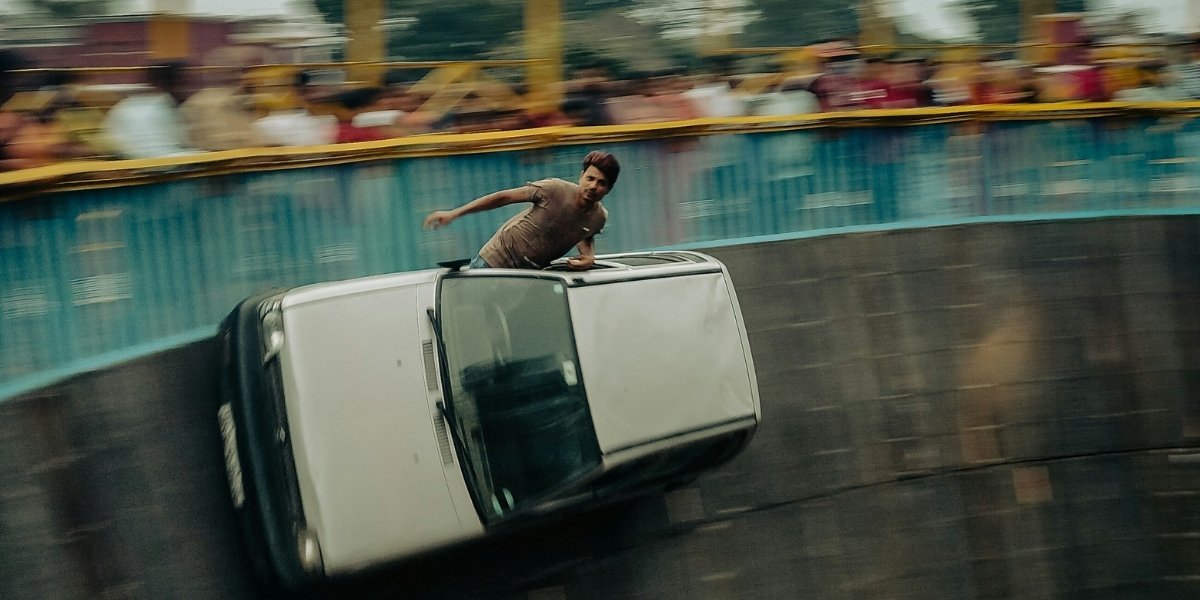
  • Vehicle stunts: Car chases, flips, or crashes that require precise driving and expert timing.

  • High falls: Stunts that involve jumping from significant heights or performing acrobatic tricks.

  • Fire stunts: These stunts involve actors interacting with flames or explosions, requiring specific protective gear.

  • Wire work: Flying through the air or performing gravity-defying moves using harnesses and wires.

While many of these stunts are visually stunning, they can be physically demanding and hazardous, especially when performed by untrained actors. Therefore, safety protocols are paramount to reduce risks and ensure the well-being of the performers.

The Role of Stunt Coordinators and Specialists

Stunt coordinators are the unsung heroes behind the scenes, responsible for designing and executing the stunt sequences safely. These professionals collaborate with the director, producers, and the actors to map out the safest way to achieve the desired outcome while minimizing risk. Stunt coordinators assess every action sequence carefully, often running multiple tests before the actual filming begins to ensure that every potential danger is addressed.

They also work closely with the actors, ensuring that precautionary measures, like protective gear, are in place and that the performers are trained in the proper techniques. For more dangerous stunts, such as high falls or fire stunts, the stunt doubles take over to keep the actors out of harm’s way.

Ensuring Safety: Protocols, Training, and Equipment

While the physical and emotional preparation for stunts is important, the safety measures put in place to protect the actor are just as crucial. The world of stunt work has evolved significantly over the years, with improvements in both training and protective equipment designed to minimize injuries.

Pre-Stunt Training and Rehearsals

Before performing any stunt, actors undergo rigorous training and rehearsals. They work closely with stunt coordinators to learn the correct techniques and understand the intricacies of the stunt. This training is tailored to the specific needs of the sequence and ensures that the actor can perform the move as safely as possible.

For example, in a fight scene, actors are trained in choreography, learning how to throw punches, falls, and evasive maneuvers in a way that looks natural on camera while ensuring minimal contact. In high fall stunts, actors may spend weeks practicing how to land safely and use the correct body posture to reduce the risk of injury.

The key to minimizing risk is not rushing the training process; actors need to be fully comfortable and confident in their ability to perform the stunt. In some cases, actors will perform the stunts alongside trained stunt doubles, allowing them to concentrate on the emotional aspects of the scene while leaving the physical demands to the professionals.

Safety Gear and Protective Equipment

The development of advanced safety gear has revolutionized the world of stunt work. Today’s stunt performers use a variety of equipment to minimize injury, such as:

  • Pads and cushions: For high falls or physical impacts, padding and foam mats are used to absorb the shock and protect the body.

  • Harnesses and wires: When performing aerial stunts or jumps, actors wear harnesses that are securely attached to rigging systems to control their descent and ensure they are safely lifted or suspended.

  • Fire-resistant clothing: For fire stunts, actors wear specially designed clothing that can withstand high temperatures without combusting. Flame-retardant suits and helmets are essential for ensuring safety.

  • Crash pads and airbags: Used for vehicle stunts, these help to absorb the force of a crash and protect actors from harm. Airbags are often deployed on set to reduce the impact in cases of collision or flipping vehicles.

While these safety measures have made stunt work more feasible, it’s still crucial that they are used in conjunction with meticulous planning and constant vigilance on the set.

Psychological Support for Actors

Celebrity Safety First: Prioritizing Well-being in High-Stakes Stunt Work

Photo Credit: Unsplash.com

Beyond physical preparation, psychological support is also important for actors performing intense or dangerous stunts. The mental toll of performing high-stakes action sequences can be significant, especially if an actor is pushed to their emotional or physical limits. Fear, anxiety, and stress are common reactions to physically demanding stunts.

Actors may have moments of self-doubt or worry about injury, which can affect their performance. To counter this, they often work with psychologists or mental coaches to help them manage their emotions and stay focused. Building trust with the stunt coordinator and the stunt double can also help alleviate anxiety.

Actors are also encouraged to be vocal about any concerns they may have regarding their safety, and open communication between the performer and the director is key to ensuring that everyone on set feels comfortable and supported.

High-Profile Celebrity Stunts: Balancing Art and Safety

Many famous actors have been known for performing their own stunts, but there is always a fine line between pushing boundaries for cinematic effect and ensuring the well-being of the performer. The balance between artistic expression and safety is often at the forefront of discussions on film sets.

Tom Cruise: The King of Stunts

Tom Cruise is widely known for doing his own stunts, particularly in the Mission: Impossible franchise. Cruise has performed several highly dangerous stunts, including high falls, skydiving, and car chases. However, even Cruise, known for his dedication to performing his own stunts, works closely with stunt coordinators and ensures that the stunts are carefully planned and tested in advance.

Despite his personal commitment to performing stunts, Cruise always has a dedicated team of professionals around him to ensure safety, including stunt doubles, paramedics, and health and safety officers.

A Commitment to Realism

Keanu Reeves is another actor who has gained a reputation for performing many of his own stunts, especially in the John Wick series. Known for his martial arts training and intense commitment to realism in fight scenes, Reeves takes the preparation process seriously. He undergoes extensive training in hand-to-hand combat and firearms handling to ensure his performances look authentic, all while maintaining a strong focus on safety.

Reeves’ dedication to performing his own stunts has become part of his acting persona, though his approach is always carefully managed with stunt coordinators and choreographers to ensure a balance of realism and safety.

The Ever-Evolving World of Stunt Work and Celebrity Safety

Stunt work will always remain an integral part of high-octane performances, offering audiences unforgettable moments of suspense and excitement. But as the demands of stunt work continue to push the boundaries of physical performance, the safety and well-being of celebrities must remain the top priority. Through rigorous training, cutting-edge technology, and a focus on mental and emotional support, filmmakers and stunt teams work tirelessly to ensure that the dangers of stunt work are minimized.

The art of stunt performance is a true testament to the dedication, skill, and resilience of actors and stunt professionals who constantly strive to deliver authentic, intense performances, all while maintaining the highest safety standards. As technology continues to evolve, so too will the methods and tools used to safeguard those who bring these spectacular scenes to life on screen.

Celebrities Facing Growing Criticism for Disconnect From Everyday Struggles

In recent months, celebrities have come under growing scrutiny for being perceived as disconnected from the everyday challenges faced by many of their fans. Social media has amplified these criticisms, often highlighting moments where public figures showcase their luxurious lifestyles or make comments that seem out of touch with the realities most people face. These incidents often spark viral debates about privilege, class, and relatability.

Observers note that the criticism is no longer limited to isolated incidents but reflects a broader shift in how fame is viewed. Audiences are increasingly questioning whether celebrity narratives align with the struggles experienced by ordinary people. The growing scrutiny points to a deeper conversation about authenticity and the expectations people place on public figures to be aware of social and economic realities.

The rising criticism marks a shift in how celebrities engage with their audiences. In the past, fans admired the aspirational lifestyles that celebrities displayed. Now, many people expect public figures to demonstrate awareness of the issues affecting their audiences, reshaping the relationship between stars and their fans.

Examples of Public Backlash Against Celebrities

Several incidents in 2025 fueled the perception of celebrities being out of touch with their audiences. One example involved a promotional campaign that was widely criticized for ignoring cultural sensitivities. Another moment centered around celebrities flaunting their wealth during a period when living costs were rising and many people were facing economic hardship.

These moments quickly spread across social media, drawing sharp reactions from audiences. Critics argued that such displays of wealth highlighted a disconnect between the world of celebrity culture and the challenges faced by the general public. On the other hand, some supporters of celebrities countered that stars should not be held to unrealistic standards of relatability.

The viral nature of these incidents demonstrates how quickly public opinion can shift in the age of social media. A single post, advertisement, or appearance can spark a massive conversation, underscoring the power of digital platforms in shaping public reputations.

The Role of Social Media in Amplifying Criticism

Social media platforms play a central role in magnifying the missteps of celebrities. What may have once been a minor or unnoticed incident now has the potential to reach millions of people within hours. The immediacy of online reactions often leads to intense scrutiny and prolonged discussions about celebrities’ actions.

Audiences often frame these moments as symbols of larger issues. A celebrity’s comment, photo, or video can quickly become shorthand for perceived privilege or detachment from the everyday realities faced by others. This phenomenon gives such incidents a cultural weight, transforming them into powerful discussions about fairness, responsibility, and public image.

For celebrities, navigating this environment is increasingly complex. Maintaining an image of authenticity while managing public expectations has become more challenging. The digital spotlight offers little room for error, as even the smallest misstep can spark a wave of criticism.

Impact of Economic Pressures on Public Perception

The criticism directed at celebrities is partly rooted in the economic pressures and social challenges that many people are facing. The rising cost of living, economic inequality, and the widening wealth gap have heightened sensitivity to displays of wealth and privilege. When celebrities seem unaware of these realities, audiences are more likely to react negatively.

As economic struggles become more prominent in public discourse, there is growing discomfort with the idea that celebrities, who often display extreme wealth, are disconnected from the day-to-day challenges faced by the broader population. This growing divide has made some fans feel that celebrities’ lifestyle choices are increasingly out of step with the values that many people prioritize.

The situation reflects a broader societal shift in how fame is viewed. Celebrities are no longer distant figures; they are now accessible through social media, which allows fans to engage with them on a more personal level. This accessibility creates expectations of relatability and empathy that did not exist in previous eras.

How Celebrities Are Responding to Criticism

Some celebrities have responded to the backlash by acknowledging the criticism and adjusting their public behavior. Many stars emphasize their charitable efforts, highlight more relatable experiences, or engage directly with their fans to rebuild trust and demonstrate their awareness of social issues. These efforts are aimed at showing that they are not detached from the struggles of their audiences.

Others have remained unapologetic, continuing to showcase their luxury lifestyles without addressing the criticism. Some supporters argue that fame inherently involves privilege, and audiences should not expect celebrities to downplay their success. On the other hand, critics contend that such displays only reinforce the perception that celebrities are out of touch with the real-world struggles of everyday people.

The varied responses show the complexity of managing public perception in today’s media landscape. There is no one-size-fits-all approach to navigating this criticism, and each decision celebrities make carries both risks and rewards. As the debate continues, it is clear that how celebrities present themselves will play a significant role in shaping their public image.

The Future of Celebrity Engagement in the Digital Age

As scrutiny over celebrities’ actions continues to intensify, it is likely that the conversation about authenticity will evolve. Economic and social challenges are unlikely to diminish anytime soon, meaning that audiences will likely continue to be sensitive to perceived disconnects between celebrities and the realities of everyday life. The conversation about authenticity in celebrity culture is expected to remain a central topic.

For celebrities, the future lies in balancing visibility with relatability. Those who demonstrate a clear understanding of everyday struggles may strengthen their connection with audiences, while those who ignore the criticism may risk reputational damage. As the public’s expectations evolve, celebrities will need to find new ways to engage meaningfully with their fans.

Ultimately, the growing criticism reflects broader questions about fame and privilege in modern society. As the relationship between celebrities and their audiences continues to shift, the growing scrutiny signals a turning point in how stars are viewed.

2026’s Loud Luxury Era: U.S. A-Listers Are Dressing to Flex

Loud luxury is back in full force, and the new fashion story reflects that shift from understatement to visible opulence. Here is the same news article structure with keyword focused subheadings added and celebrity names removed, while the core reporting stays intact.

Loud Luxury Roars Back Into Celebrity Style

The loud luxury trend isn’t creeping back into pop culture this year. It’s strutting in full volume on the arms, shoulders, and feeds of some of the most watched names in entertainment, with celebrity style signaling a clear swing away from muted understatement toward visible wealth and playful excess. The shift feels less like a gentle correction and more like a collective decision from the A list to stop pretending they’re not rich.

At the center of this return sit headline making performers who’ve turned their off duty looks into a real time mood board for loud luxury dressing. They’re stepping out with Hermès Birkin bags, plush statement furs, and bold printed pieces that lean into status symbols instead of hiding them, a sharp contrast to the quiet luxury wave that defined the last few years. Their styling choices this year read like a refusal to downplay star power, especially in the wake of intense public interest in their personal lives.

Loud Luxury Style Icons Redefining Maximalism

Another set of global style leaders is shaping the same narrative in its own way, leaning into fuzzy Louis Vuitton bags, animal prints, and vintage Italian furs that make every sidewalk shot feel like a styled editorial. These billionaire artists and beauty moguls aren’t interested in disappearing into beige minimalism, pairing flashy textures and recognizable logos with an ease that reminds fans they’re fully in on the joke of excess. Their looks carry the energy of people who know the camera’s always rolling and dress accordingly.

Some of the most photographed influencers of the moment have shifted from low key neutrals into looks that read far more deliberate and loud this year. They’ve been spotted in high ticket outerwear, including animal print statement coats and sharp tailoring, styled with luxury accessories that are clearly meant to be seen rather than blend into the background. The effect is less “cool person who just threw this on” and more “you know exactly what this costs and that’s part of the fun”.

Pop Superstar Loud Luxury Wardrobes

Chart topping performers who once leaned into cozy, understated personas are now firmly part of the louder mix. Their off stage and stadium adjacent outfits feature designer prints, logoed bags, and timepieces that hit well into five figure territory, signaling stars who’ve relaxed about displaying the scale of their success. It tracks with the financial reality of blockbuster tours, which turned them into touring juggernauts whose clothes now function as part of the economic story as much as the aesthetic one.

Other multi hyphenate moguls have shifted style in step with expanding business portfolios and reported billionaire status, and it shows in the brands they’re choosing. They’ve been stepping out with Prada bags alongside Saint Laurent and Valentino looks that spotlight recognizable shapes and signatures, all styled for high visibility. The message is simple and unapologetic: the empires they’ve built are now coded into every outfit.

Maximalist Fashion Aesthetic and Mob Wife Trend

Red carpet veterans bring a slightly different flavor to loud luxury, leaning into coordination that borders on theatrical in the best way. Their event and street style outfits often feature Chanel bags matched to sequined or floral ensembles in a way that draws a line under the cost and craft on display. The approach feels almost like fashion storytelling, where no piece is incidental and every visible logo is part of the narrative.

On the more overtly maximalist end, rap and reality stars have embraced what’s now widely dubbed the “mob wife” aesthetic, built on heavy logos, loud prints, and unapologetically flashy accessories. They stack Gucci, Versace, and other heritage labels in a way that rejects subtlety and leans into drama, which fits the personas that made them stars in the first place. These looks don’t chase polish as much as impact and that’s exactly why they resonate.

There’s also a younger crowd pulling loud luxury into new terrain. Touring pop and alt artists have turned to pieces like speaker belts from emerging designers and sharply detailed custom looks for their shows, blending music performance with wearable spectacle. These outfits aren’t only expensive, they’re concept driven, treating accessories as props that turn the stage into a fashion lab.

Loud Luxury Trend Impact on Fans and Fashion

Fashion media and analysts have tied this swing toward loud luxury to a broader cultural mood that’s tired of restraint. After several years of muted tones, logo free designs, and an almost moral obsession with discreet wealth, the pendulum is swinging back toward visibility and excess in a way that feels both defiant and inevitable. Influences range from TV depictions of rich chaos to a backlash against the performative modesty of quiet luxury dressing.

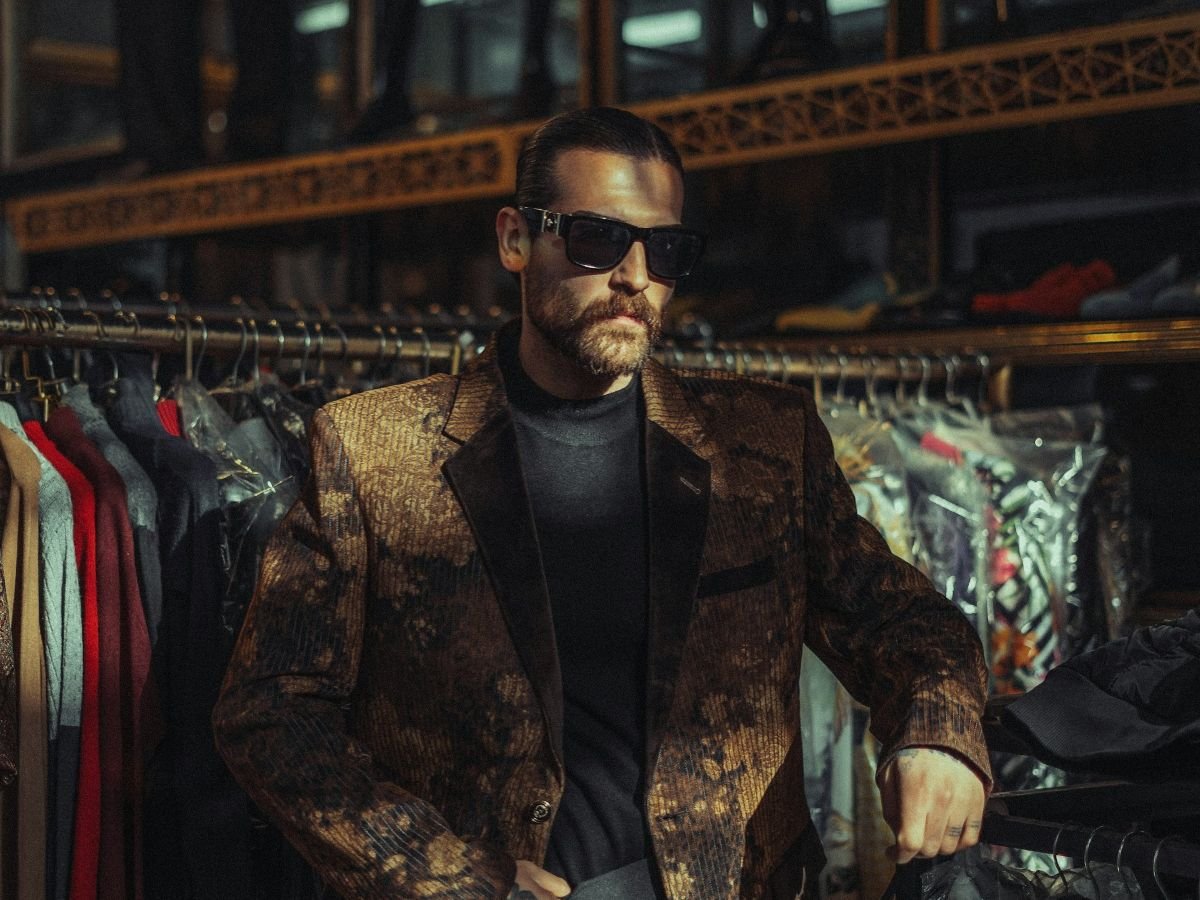
Male model in maximalist loud luxury street wear

Photo Credit: Unsplash.com

For everyday audiences watching from their phones and laptops, the trend lands with mixed energy. On one hand, loud luxury is wildly fun to look at, and it turns red carpets, airport sightings, and even coffee runs into fashion episodes that break up the monotony of regular timelines. On the other hand, the price tags involved are so extreme that the style can read like a fantasy that’s drifting further and further away from what most people can realistically touch.

For people invested in this niche, from stylists and small brands to fans who obsess over every accessory breakdown, this moment is a double edged gift. Loud luxury means more risk, more color, more storytelling, and more chances to analyze how power, money, and taste show up in public life. It also forces a harder conversation about what it means when extreme wealth becomes the default aesthetic again, and whether the fun of the look is worth the constant reminder of who gets to live that loudly and who doesn’t.

How Global Celebrity Memes Are Shaping U.S. Entertainment Culture

In recent years, memes have become a dominant force in shaping U.S. entertainment culture. Initially emerging as humorous, short-form internet content, these viral images and videos have transformed into powerful vehicles for celebrity influence. Global celebrity memes now serve as a major factor in how audiences engage with entertainment, fashion, and pop culture. With celebrities at the forefront of this trend, their memes have become essential to everything from viral campaigns to the hottest red carpet looks. Let’s dive into how global celebrity memes are influencing U.S. entertainment culture and why they’ve become so significant.

The Rise of Celebrity Memes: A Global Phenomenon

Social media has turned celebrity moments into shareable pieces of content that go viral in a matter of hours. What was once reserved for candid backstage photos or paparazzi snaps is now a creative playground for meme-makers. Thanks to platforms like Instagram, Twitter, and TikTok, the once seemingly trivial meme has evolved into a major cultural force. Celebrities, influencers, and even musicians are now keenly aware of how their social media activity — and the memes they spark — can go viral.

The rapid spread of memes from major global events like the Met Gala or the Oscars shows how quickly entertainment moments cross over from niche internet subcultures to mainstream audiences. Memes are no longer just punchlines; they’ve become tools for celebrities to reach millions of people in ways traditional marketing can’t.

Celebrity Memes and Their Impact on Red Carpet Fashion

Red carpet events, long a showcase for high fashion and glamour, have evolved with the rise of viral celebrity memes. Now, fashion isn’t just about what’s being worn — it’s about how the outfit is perceived by the public, especially through the lens of social media. Celebrities are more aware than ever that their outfits could become viral sensations, often spawning memes that spread like wildfire across the internet.

Take the example of Billie Eilish at the 2022 Met Gala, where her custom Gucci gown became a trending topic not just for its aesthetic but for the way fans and meme-makers played with its exaggerated features. Fashion isn’t merely showcased; it’s repurposed and remixed in countless ways. Memes around red carpet fashion moments create buzz and drive even more attention to the stars themselves, allowing their style choices to define a new wave of fashion trends.

As celebrities like Kylie Jenner, Rihanna, and Zendaya continue to dominate meme culture, they are redefining what it means to be a fashion icon in the digital age. Whether they’re posing at an event or caught off-guard, their moments are quickly turned into memes, fueling the entertainment industry’s obsession with the power of celebrity-driven viral content.

Memes and Music: The Soundtrack of Our Social Media Lives

How Global Celebrity Memes Are Shaping U.S. Entertainment Culture

Photo Credit: Unsplash.com

Music, as an integral part of entertainment, has also been deeply influenced by celebrity memes. Artists like Lizzo, Harry Styles, and even Lil Nas X have had songs go viral through meme culture. Their music videos, performances, and even casual posts have become the perfect backdrop for meme creation. What was once an underground art form is now an important marketing tool used by record labels, brands, and the celebrities themselves.

Take, for example, the viral TikTok dance trends that took off with hit songs like “Savage Love” by Jawsh 685 and Jason Derulo, or “WAP” by Cardi B and Megan Thee Stallion. These songs exploded in part due to their connections with trending memes. TikTok has become the perfect place for musicians to test their reach, often turning a single dance move or catchy lyric into a meme that dominates feeds worldwide.

The quick turnaround from viral music meme to chart-topping success demonstrates the undeniable influence of meme culture in the modern entertainment industry. Celebrities and musicians, in particular, are using memes as both a form of self-promotion and as a tool to engage with fans, giving them a new way to experience and share music.

How Memes Bridge the Gap Between Celebrities and Fans

Another exciting way memes are shaping U.S. entertainment culture is through the way they create closer relationships between celebrities and their audiences. Celebrities have become far more accessible in recent years, thanks to their active presence on social media. By engaging in meme culture, they have allowed themselves to be humanized — making them more relatable and approachable to fans.

When a celebrity embraces a viral meme, they not only acknowledge the creative genius of their followers but also encourage further interaction. Fans enjoy when a star participates in the trend themselves, often sharing memes they create in return.

For example, when Selena Gomez posted a meme of herself reacting to a viral trend, her followers loved it. The meme quickly became a moment of connection, further cementing her presence in meme culture. The act of sharing memes creates a bond between celebrity and fan, fostering a sense of community that was previously difficult to establish.

The Future of Celebrity Memes in Entertainment

As meme culture continues to dominate, we can expect to see even more stars using it to amplify their brands. The future of celebrity memes is bright, with global events, personal moments, and everyday interactions all providing fresh content for viral memes. As the entertainment landscape evolves, so will the role that memes play in shaping how we consume and relate to celebrity culture.

The biggest stars in entertainment, from musicians to actors, are embracing the meme culture like never before, making it an integral part of their public personas. Whether it’s through the red carpet, viral music videos, or candid Instagram moments, celebrity memes are no longer just a passing trend. They’ve become a mainstay in how we interact with our favorite stars.

How Venus Williams Turned Her Palm Beach Wedding Into a Style Spectacle

When tennis legend Venus Williams decided to tie the knot with Italian actor-model Andrea Preti in Palm Beach, she knew she had to make a statement. And make a statement she did—12 times, in fact! Venus turned her wedding into an all-out style extravaganza, blending fashion-forward bridal couture with her signature athletic chic to create a day that was as much about her iconic status as it was about love.

The wedding was an affair of global proportions, with an emphasis not only on the romantic union between Venus and Andrea but also on Venus Williams’ fashion transformation. Here’s how the athlete, known for her powerful presence on the court, turned her big day into a celebration of style, grace, and sheer star power.

The Power of 12 Wedding Looks

Venus’s wedding day was nothing short of a fashion spectacle, and she took the bridal look to the next level with an astounding 12 different wedding outfits. This wasn’t just about the traditional white dress; Venus worked with top designers to curate a collection of show-stopping looks, each one as unique and memorable as her career.

From the classic bridal gown to more daring designs, Venus showcased elevated styles that ranged from sleek and minimalist to bold and avant-garde. Each outfit was a piece of artistry, and the tennis superstar’s ability to blend modern trends with classic elements proved that she’s not just a sports icon but also a fashion trailblazer.

For her first look, Venus wore a sophisticated ball gown that could’ve easily graced the Met Gala red carpet, complete with intricate lace details. But that was just the beginning. As the evening progressed, she swapped dresses to reveal more futuristic silhouettes, even sporting a chic pantsuit that mixed sleek lines with edgy accents. With each transformation, she stunned her guests and showed that she’s truly an all-around style icon.

A Celebrity Wedding With High Fashion Elements

It’s no secret that celebrity weddings often steal the spotlight, but Venus Williams ensured that her celebration was one for the ages by incorporating high fashion elements into the event. Working with designers renowned for their avant-garde aesthetic, Venus created an atmosphere where fashion played as much a role in the wedding as love and family.

Her evening ensemble, a custom couture gown, featured a dramatic, flowing train that made her the star of the night. But it wasn’t just about the dress—Venus’s bridal beauty was just as mesmerizing. Her makeup was minimal yet striking, enhancing her natural features, and her hair, styled in sleek waves, completed the look with an air of timeless sophistication.

But Venus didn’t just let her looks shine; she allowed her fashion to tell a deeper story. The evening was more than just a wedding celebration; it was a statement of Venus’s evolution, from athlete to fashion-forward entrepreneur. Her wedding day was a perfect reflection of her multi-dimensional persona, embracing both strength and beauty in a way only a true icon can.

A Palm Beach Wedding With Global Appeal

While the fashion was certainly the highlight, Venus’s Palm Beach wedding also reflected a larger-than-life narrative about love, fame, and culture. This was a wedding that felt like a global event, drawing attention from fans worldwide, all curious to see how the tennis superstar would marry her athletic career with the world of luxury and glamour.

How Venus Williams Turned Her Palm Beach Wedding Into a Style Spectacle

Photo Credit: Unsplash.com

Palm Beach, with its exquisite beaches and luxury settings, was the perfect backdrop for a wedding that felt as much about lifestyle as it did about love. As Venus and Andrea exchanged vows, the sun dipped below the horizon, creating an unforgettable romantic atmosphere. But even in such a picturesque setting, Venus’s wedding stood out for its sheer star power and global allure.

Venus Williams as a Fashion Icon Beyond the Court

Venus Williams has long been known for her incredible athletic abilities, but over the years, she’s become as much a fashion icon as she is a tennis champion. Her wedding day only solidified this reputation. She’s known for her sharp sense of style on and off the court, and this wedding was another extension of that influence.

In addition to her bridal wardrobe, Venus’s accessories also played a major role in her fashion statements. From diamond-encrusted jewelry to statement shoes that featured luxury branding, every detail was carefully selected to create a look that was as chic as it was unexpected.

The Williams sisters have long been trendsetters in the world of sports and fashion, and Venus’s wedding day was no different. In a world where athletes turned entrepreneurs often seek to create an impact beyond their primary craft, Venus has undoubtedly succeeded in merging fashion, culture, and sport into something entirely unique.

What Venus Williams’ Wedding Says About Her Legacy

Venus’s wedding wasn’t just about a lavish celebration; it was about cementing her legacy as a multifaceted cultural icon. By making her wedding as much a fashion event as a personal milestone, Venus has once again proven that she is about more than just the game of tennis. She’s a powerhouse in every aspect of her life, and her wedding was the perfect reflection of that.

Whether on the court or in the world of luxury fashion, Venus continues to redefine what it means to be an athlete in the modern age. Her wedding may have been a celebration of love, but it was also a powerful statement of who Venus Williams is: an icon who has managed to blend athleticism, elegance, and unforgettable style into one stunning day.