Real Estate as Legacy: Building Generational Wealth Through Structured Property Strategy

In Beverly Hills, real estate is rarely just real estate. Behind the gates, beyond the manicured hedges and sculpted façades, properties often represent something far greater than square footage and architectural detail. They are repositories of legacy tangible anchors of generational wealth.

For decades, prime real estate in Beverly Hills has functioned as a quiet but powerful engine of capital preservation. While markets fluctuate and financial instruments rise and fall with global volatility, landmark properties in established luxury enclaves have demonstrated remarkable resilience. Yet legacy is not built through acquisition alone. It requires structure, foresight, governance, and strategic continuity.

Under the leadership of Dr. Sarah Sun Liew, Meridian Beverly Hills Realty and Management Incorporated approaches luxury property not as a short-term transaction, but as a generational strategy. Within her framework, real estate becomes capital architecture deliberately positioned, professionally managed, and carefully transitioned across time.

This is not merely a brokerage philosophy. It is a long-term doctrine of wealth preservation.

The Psychology of Legacy in Luxury Markets

The concept of legacy carries both financial and emotional dimensions. For many high-net-worth families, Beverly Hills properties represent more than investment vehicles. They symbolize permanence, stability, and identity. Estates become gathering places, cultural markers, and family anchors.

Yet sentiment alone does not secure legacy. Without disciplined management and long-term planning, even prime real estate can become vulnerable to market cycles, tax exposure, regulatory shifts, or misaligned inheritance structures.

Dr. Liew frequently emphasizes that wealth without structure is fragile. In her view, property must be integrated into a broader financial and estate-planning strategy to serve as a durable generational asset.

Legacy, therefore, is not inherited passively; it is engineered deliberately.

Strategic Acquisition: The Foundation of Generational Value

Every legacy property begins with a decision. But in the luxury market, not all acquisitions are equal. Location within Beverly Hills, architectural relevance, neighborhood trajectory, and future development patterns all influence long-term appreciation.

Meridian’s advisory process evaluates these factors with analytical precision. Historical pricing trends, absorption rates, micro-market performance, and buyer demand patterns are assessed before acquisition recommendations are made.

This structured approach reduces speculative exposure and enhances the probability of appreciation. Rather than pursuing opportunistic purchases driven by emotion or urgency, Dr. Liew advocates for disciplined entry aligned with multi-decade horizons.

In legacy planning, timing matters, but strategy matters more.

Governance and Ownership Structure

One of the least visible yet most critical elements of generational real estate strategy lies in ownership structuring. High-value properties often intersect with complex legal frameworks involving trusts, holding entities, cross-border considerations, and tax implications.

Meridian works in collaboration with legal and financial advisors to ensure that property ownership aligns with estate planning objectives. While brokerage firms traditionally conclude involvement at closing, Dr. Liew’s philosophy extends beyond transaction completion.

She views acquisition as the beginning of stewardship.

Proper structuring mitigates inheritance disputes, reduces tax inefficiencies, and preserves asset continuity across generations. In Beverly Hills, where property valuations can reach extraordinary levels, structural oversight becomes essential.

Property Management as Asset Preservation

Legacy is not sustained through ownership alone. It requires maintenance, oversight, and proactive care.

Meridian’s integrated property management division reinforces Dr. Liew’s long-term framework. Luxury estates demand meticulous attention  from climate systems and architectural preservation to landscaping, security, and modernization upgrades.

Deferred maintenance erodes value quietly. Conversely, proactive asset management preserves both aesthetic and financial integrity.

For families who may reside internationally or split their time between multiple residences, structured property oversight ensures continuity. Regular reporting, vendor coordination, and transparent budgeting create operational clarity.

Legacy thrives when stewardship is disciplined.

Rental Strategy and Income Continuity

In certain cases, legacy properties serve dual functions as primary residences and as income-generating assets. Structured rental strategies can transform estates into revenue-producing components of diversified portfolios.

Dr. Liew’s advisory model evaluates rental viability without compromising the long-term condition of the asset. Tenant screening, lease structuring, and property oversight are managed to preserve both income stability and property prestige.

This hybrid strategy allows properties to contribute to wealth accumulation while maintaining readiness for future generational use. Real estate becomes both anchor and engine.

Market Cycles and Strategic Patience

Beverly Hills real estate, though resilient, remains influenced by broader economic forces. Interest rate fluctuations, global capital movement, and regulatory adjustments create cyclical dynamics.

Legacy-minded investors resist reactive decision-making during downturns. Dr. Liew advocates for strategic patience rooted in data analysis rather than market anxiety.

Historical performance patterns reveal that prime properties in established luxury enclaves tend to recover and appreciate over extended periods. The key lies in holding discipline supported by financial planning.

Short-term volatility does not define long-term value. In a legacy strategy, composure becomes a competitive advantage.

Generational Transition and Education

Wealth transfer is not purely financial. It involves cultural transmission, responsibility, and education.

Dr. Liew often underscores the importance of preparing successors to understand the assets they inherit. Familiarity with property management systems, financial reporting structures, and market positioning strengthens generational continuity.

Meridian’s transparent documentation and reporting processes facilitate this transition. Younger family members gain visibility into operational realities rather than encountering opaque structures.

Legacy is strengthened when knowledge accompanies ownership.

Sustainability and Future-Proofing

The next generation of luxury buyers increasingly prioritizes sustainability. Energy efficiency, environmental responsibility, and smart technology integration influence valuation.

Future-proofing legacy properties may involve strategic modernization, upgrading systems, enhancing environmental performance, and incorporating adaptive technologies.

Dr. Liew views sustainability not as trend compliance but as longevity insurance. Properties aligned with environmental expectations are better positioned for future market competitiveness.

Legacy requires evolution alongside shifting standards.

The Role of Reputation

In luxury real estate, reputation travels across generations. A property associated with consistent maintenance, responsible ownership, and architectural integrity retains market prestige.

Meridian’s emphasis on professionalism and governance contributes to brand continuity for its clients. Well-managed estates maintain desirability, protecting both resale potential and family reputation.

Reputation, once compromised, can be difficult to restore. Structured oversight preserves intangible value.

Real Estate as Emotional Anchor

Beyond financial calculus lies a quieter dimension of legacy. Homes serve as stages for family milestones, celebrations, and shared memories. In Beverly Hills, estates often become symbolic centers of identity.

Dr. Liew’s approach acknowledges this emotional layer without allowing it to override strategic clarity. She recognizes that legacy properties must balance sentiment with sustainability.

Emotional attachment, when supported by structured planning, enhances rather than undermines wealth preservation.

Institutional Continuity

Leadership consistency strengthens legacy planning. Clients who engage Meridian for acquisition often continue relationships through management, consultation, and future advisory needs.

This continuity allows strategic recalibration as market conditions evolve. Rather than episodic engagement, Dr. Liew fosters long-term advisory relationships.

Institutional memory becomes an asset in itself.

The Long View

In the world of luxury brokerage, transactions are visible milestones. Yet for families building generational wealth, the true measure of success is quieter and longer-term.

It is reflected in properties that remain well-positioned across decades. In estates that adapt to evolving standards without losing character. In ownership structures that minimize conflict and preserve continuity. In disciplined management that protects value through economic cycles.

Through Meridian Beverly Hills Realty and Management Incorporated, Dr. Sarah Sun Liew advances a philosophy that treats real estate not as a commodity, but as a cornerstone.

Her leadership integrates analytical rigor, governance integrity, operational oversight, and forward-thinking adaptability. Within this framework, Beverly Hills properties become more than addresses; they become enduring capital instruments.

Legacy is rarely accidental. It is the product of intentional design, sustained discipline, and structured foresight.

In Beverly Hills, where prestige and permanence intersect, real estate remains one of the most powerful vehicles for generational continuity. Under Dr. Liew’s stewardship, that vehicle is not only navigated but also engineered for the long road ahead.

Media Features

AP News Press Release

https://apnews.com/press-release/marketersmedia/dr-sarah-sun-liew-announces-prestigious-business-leadership-award-and-new-media-features-091f4ece6e7a8e9b0488695f6876de1f

The US Journal Feature

https://www.theusjournal.com/entrepreneur/the-leaders-to-watch-in-2026-top-15-entrepreneurs-building-legacies-that-last/

Author Profile

https://wikitia.com/wiki/Dr._Sarah_Sun_Liew

Direct Contact

  • (424) 343-7025 / info@meridianwish.com

Learn More


Disclaimer: The content provided is for informational purposes only and does not constitute financial, legal, or professional advice. Always consult with a qualified expert before making any investment, financial, or property-related decisions. The views expressed are those of the author and do not reflect the opinions of any affiliated organizations or institutions.
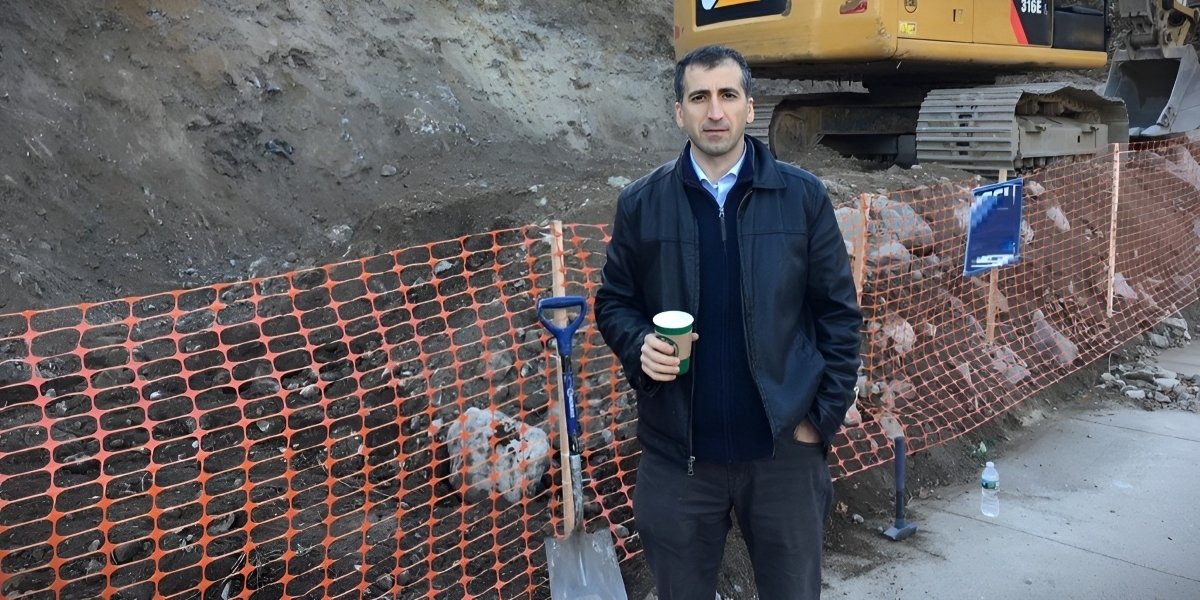

Baris Berk and the Transformation of Distressed Property Investments in Massachusetts

The real estate industry constantly evolves, influenced by economic cycles, market demand, and investment strategies, adapting to shifting conditions. One of the more resilient and lucrative segments within real estate investment is the acquisition and redevelopment of distressed properties, which has profitable while also contributing to community revitalization. In Massachusetts, this approach has significantly reshaped the housing market, particularly in the aftermath of financial downturns. Investors specializing in foreclosures and distressed properties have introduced innovative strategies to transform undervalued real estate into viable assets.

Among those leveraging this investment model is Baris Berk, whose business approach has centered around acquiring and redeveloping distressed properties throughout Massachusetts. Through targeted investments, Berk has built a diverse portfolio that focuses on restoring homes and stabilizing communities. His strategy aligns with broader market trends, prioritizing urban renewal and economic sustainability.

The Economics Behind Distressed Property Investments

Investing in distressed properties requires multifaceted, detailed knowledge of real estate cycles, financing structures, and renovation costs. Due to financial instability and economic downturns, homeowners default on their debt obligations, leading to more foreclosures. These homes can often be purchased at a price below market value and resold for a profit after renovations. Massachusetts is an interesting case, having experienced ebbs and flows in housing demand. As such, property values have reacted accordingly to the sands of time, as shifts in the economy and housing policy cycles have affected them. According to the Massachusetts Division of Banks, foreclosure petitions increased in 2023, underscoring the financial challenges homeowners face. While those numbers may highlight market distress, this angle offers an opportunity for a real estate investor with a specialized focus on property rehabilitation. Finding undervalued properties and restoring them to market conditions has remained a cornerstone of Berk’s approach to real estate investment.

Berk’s Strategy in the Foreclosure Market

Berk’s strategy aims to maximize efficiency in purchasing underperforming properties. With swift cash offers, he conducts his business like a bank, financing significant investments by removing the burden of intermediaries and protracted negotiations. 

Besides foreclosures, his investment plan is structured to comply with city redevelopment plans, given that many cities in Massachusetts have undertaken efforts to revitalize their communities to counter the negative impact of abandoned properties. By redesigning, Berk has sparked a kind of community restoration. With strong market insight and value creation in mind, he has been able to ride the ups and downs of the real estate sector.

Addressing Homeowner Financial Distress

While buying foreclosures works well for investors, the option also serves the interests of homeowners in financial distress. Yet the foreclosure process, relentless and marked by tremendous losses along the way, can confront many homeowners. Berk’s model is thus an alternative that accelerates transactions with distressed homeowners rather than drawn-out foreclosure procedures. According to the National Association of Realtors, investor activity accounts for a notable share of U.S. real estate transactions, plays a significant role in private investment, and contributes to the stabilization of housing markets. Berk’s commitment to the market underscores how private capital can transform the future of distressed property management.

Long-Term Impact on Massachusetts Real Estate

Distressed property investments have long-term effects beyond simple financial returns. Investors such as Berk restore foreclosed homes and reintegrate them into the housing market, providing a stabilizing factor for many neighborhoods. Increased values in renovated properties also assist neighboring homeowners and spur further investment into local communities. From reducing vacancies to abating urban decay throughout Massachusetts, investment and policy efforts have received significant priority. The Massachusetts Housing Partnership found that redevelopment projects played a consequential role in the broader struggle to maintain an affordable yet viable housing stock. Berk’s investment philosophy, in this context, can be seen as an alignment with the broader initiatives.

The Future of Distressed Property Investments

The real estate market remains active and dynamic, with economic changes directly shaping investment direction. Interest rates, inflation, and housing demand all interact to shape the logic behind acquiring a distressed property. Equally, proof of Berk’s adaptability to these constantly shifting circumstances will likely determine whether he can maintain his investment model. 

While the housing market in Massachusetts shifts and changes, it will always considerably influence property trends by attracting new investments. This would include direct acquisitions of distressed properties, arrangements with financial institutions, or partnerships with urban planning initiatives. Investments in distressed properties will remain a key theme in real estate development. With such experience behind him, Baris Berk can be expected to navigate the challenges alongside the other contributors to the dynamic real estate market.


Disclaimer: This content is for informational purposes only and is not intended as financial advice, nor does it replace professional financial advice, investment advice, or any other type of advice. You should seek the advice of a qualified financial advisor or other professional before making any financial decisions.

Dr. Connor Robertson on the Importance of Adaptive Reuse in Real Estate

Across the real estate industry, the idea of tearing down and starting fresh has long been a common approach to redevelopment. However, as cities evolve and sustainability becomes an increasingly important focus, more developers are considering adaptive reuse—the process of repurposing old buildings for new uses without demolishing them. Dr. Connor Robertson, a real estate strategist focused on innovation and community impact, believes adaptive reuse presents an opportunity to revitalize neighborhoods while maintaining their character and reducing environmental waste.

What Is Adaptive Reuse?

Adaptive reuse refers to the practice of taking an existing structure, whether it’s an industrial warehouse, office building, school, or church, and transforming it into something new. Some examples include:

  • Converting factories into residential lofts.
  • Turning old schools into community centers.
  • Repurposing retail stores into office space or housing. 

By retaining the building’s structural framework and much of its exterior, adaptive reuse projects aim to honor the past while addressing contemporary needs.

Why Adaptive Reuse Matters

Dr. Robertson highlights several reasons why adaptive reuse is becoming more common:

  • Environmental benefits – Reusing existing structures can help reduce construction waste and minimize the environmental impact of sourcing new materials.
  • Preservation of history – Many older buildings contain architectural details and craftsmanship that would be difficult or expensive to replicate today.
  • Economic efficiency – In some cases, adapting a structure may be more cost-effective than a complete rebuild, particularly when factoring in demolition costs.
  • Community revitalization – Restoring and reimagining older properties can encourage investment and generate renewed interest in surrounding areas. 

The Sustainability Advantage

Adaptive reuse aligns well with sustainability goals. Demolishing a building generates large amounts of debris that end up in landfills, while constructing a new one requires significant energy and resources. By repurposing existing structures, developers can reduce carbon emissions and conserve valuable materials.

Dr. Robertson emphasizes that sustainable development isn’t solely about constructing new, environmentally-friendly buildings; it’s also about making thoughtful decisions with the assets we already have.

Economic and Social Impacts

Adaptive reuse can also have notable economic and social benefits:

  • Lower barriers to entry for small businesses – Unique, character-filled spaces often attract creative entrepreneurs.
  • Job creation – Renovation projects require skilled labor, and many often source from local trades.
  • Community pride – Seeing historic buildings restored instead of left abandoned can strengthen neighborhood identity. 

Challenges of Adaptive Reuse

While adaptive reuse offers numerous benefits, it also presents challenges. Older buildings may have outdated systems, structural issues, or environmental hazards such as asbestos or lead paint. Meeting modern building codes while preserving historic elements can be a complex task.

Dr. Robertson advises that thorough due diligence and close coordination with architects, engineers, and city officials are essential to avoid costly surprises.

Case Studies in Adaptive Reuse

Cities across the U.S. have successfully embraced adaptive reuse in a variety of ways. Former textile mills in the Southeast have been transformed into vibrant residential communities, while historic theaters have been reimagined as event venues that anchor downtown revitalizations.

Dr. Robertson points out that these projects not only preserve history, but also help create new economic opportunities in areas that might otherwise face challenges attracting investment.

The Role of Policy and Incentives

Local governments play a critical role in encouraging adaptive reuse. Tax credits, grants, and flexible zoning policies can make projects more financially viable. Some cities even have dedicated adaptive reuse ordinances that streamline permitting and reduce regulatory hurdles.

Dr. Robertson views public-private partnerships as an important factor in unlocking more potential in this area.

Looking Ahead

As cities look for ways to grow sustainably, adaptive reuse is likely to play a growing role in urban development strategies. It offers a way to create functional, aesthetically pleasing spaces without losing the historical context of the environment.

For Dr. Robertson, adaptive reuse is about more than preserving buildings—it’s about reimagining their next chapter. “Every old structure has a story,” he says. “The challenge is finding the next chapter that benefits both the community and the economy.”

Summary

Adaptive reuse combines practicality with vision, blending the old and the new to create spaces that serve contemporary needs while respecting their past. By embracing this approach, communities can preserve their identity, promote sustainability, and help stimulate economic growth.

For more on Dr. Robertson’s work and perspective, visit www.drconnorrobertson.com.

How Under Contract Real Estate Postcards Signal Change in Listings

Real estate dynamics constantly shift, and astute agents must remain vigilant to capture these changes. Among the arsenal of tools at their disposal, Under Contract Postcads emerge as a potent instrument for signaling shifts in property status. These small but impactful cards serve as a beacon, conveying vital information to buyers and sellers alike. This article will delve into how under-contract real estate postcards facilitate this communication and signify transformations in listings.

Capturing Momentum

In the swift currents of the real estate market, timing is the mainstay of success. These postcards act as a precise mechanism, seizing the momentum of a listing’s trajectory. Property shifting from available to under contract signifies a crucial juncture in its narrative. Agents strategically leverage this momentum by swiftly disseminating postcards, ensuring that interested parties are promptly informed. This proactive approach fosters anticipation and instills urgency among potential buyers, compelling them to act decisively to pursue their desired property.

Informing Interested Parties

Transparency is a cornerstone in real estate transactions, ensuring clarity and trust between all parties. Under-contract marketing postcards are potent tools for maintaining this transparency and keeping interested parties informed at every juncture. For potential buyers, receiving a postcard announcing a property’s under-contract status offers more than just information; it provides a clear snapshot of the market landscape. It signals the presence of competition and emphasizes the necessity for swift action. In a market where timing is often the decisive factor, these postcards instill urgency, prompting potential buyers to act decisively and capitalize on available opportunities.

Creating Buzz

In real estate businesses, generating buzz is essential for driving interest and maximizing visibility for a listing. These postcards play a pivotal role in this process, serving as catalysts for igniting excitement within the community. When recipients receive these postcards announcing a property’s under-contract status, they become ambassadors of the news, spreading it through word-of-mouth. As the buzz intensifies, it not only enhances the visibility of the current listing but also solidifies the agent’s reputation as a proactive and influential figure within the market. This ripple effect contributes to a dynamic ecosystem where properties garner attention and opportunities flourish, ultimately leading to successful transactions.

Facilitating Networking

Networking lies at the core of successful real estate endeavors. These postcards offer agents a valuable networking tool, enabling them to forge connections with potential buyers and sellers. Agents expand their reach by disseminating postcards to targeted demographics and cultivating relationships that may yield future opportunities. Moreover, this networking aspect intertwines seamlessly with the broader objective of signaling a change in listings. By leveraging these connections, agents can effectively communicate shifts in property status to a broader audience, amplifying the impact of these postcards. Through strategic networking efforts, agents facilitate meaningful connections and enhance the efficacy of their communication channels, ensuring that changes in listings reverberate throughout the real estate landscape.

Navigating Market Dynamics

Ever-evolving market dynamics shape the real estate landscape. Under the contract, real estate postcards serve as navigational aids, helping agents maneuver through these fluctuations with agility and precision. By promptly signaling changes in listing status, these postcards empower agents to adapt their strategies in response to market shifts, maximizing opportunities for success.

Conclusion

Under Contract, Postcards emerge as silent but powerful orchestrators in the intricate dance of real estate transactions. Through timely communication, transparent disclosure, and strategic networking, these postcards signal shifts in listing status, fostering confidence, generating buzz, and spurring action. As agents harness the potential of these postcards, they steer market dynamics with finesse, propelling their clients toward successful outcomes in the ever-evolving real estate landscape.


Published by: Khy Talara