

In the world of fine jewelry, trends often cycle between the ornate and the understated. Recently, a distinct shift toward minimalism has taken center stage, captivating designers and collectors alike. At the heart of this movement is the “floating diamond effect”—a mesmerizing optical illusion where a gemstone appears to rest effortlessly against the skin or hover in mid-air, unencumbered by heavy metalwork.
While tension settings were once the primary method for achieving this look, the modern reinvention of the bezel setting has emerged as the superior choice for combining this ethereal aesthetic with everyday durability. This technique blends architectural precision with timeless elegance, creating pieces that feel both futuristic and classic.
Understanding the Floating Diamond Effect

Photo: Unsplash.com
The floating diamond effect is defined by the absence of visible clutter. Traditional jewelry often relies on thick prongs, baskets, or elaborate galleries to secure a stone, which can sometimes distract from the gem’s natural brilliance. The floating effect strips away these visual barriers.
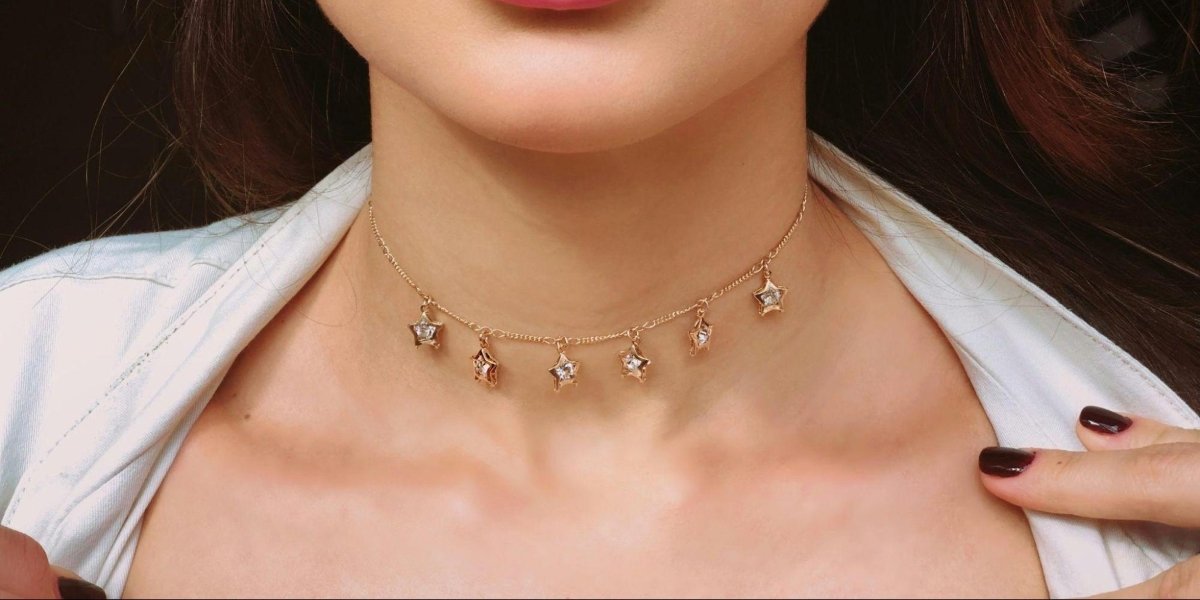
In a ring, this might look like a diamond suspended between the two ends of a band without a bridge beneath it. In a necklace, it often manifests as a solitaire pendant that slides freely along a delicate chain, appearing as a single drop of light resting on the collarbone.
The goal is to make the setting disappear as much as possible, allowing the diamond to take the spotlight entirely.
The Evolution of the Bezel Setting
To understand why this look is so popular, one must first look at the mechanics of the bezel setting. Historically, a bezel setting involved a metal rim that completely encircled the diamond, overlapping the edges to hold it securely in place. While incredibly durable, vintage bezel settings were often chunky and blocked light from entering the stone, sometimes making diamonds appear darker or smaller.
Modern jewelers have completely reimagined this technique. Today’s “floating” bezel settings utilize advanced technology and precision craftsmanship to achieve a look that was previously impossible. Key characteristics include:
- Ultra-Thin Rims: Designers now use a knife-edge technique to create a metal rim so thin it is barely perceptible to the naked eye.
- Open Galleries: Unlike closed-back vintage styles, modern bezels often feature open sides or backs, allowing light to flood the diamond from all angles.
- Suspension Techniques: In necklaces and bracelets, the bezel is often integrated directly into the chain or designed to slide over it, eliminating the need for a bulky bail (the loop that attaches a pendant to a chain).
Why the Look is Distinctly Modern
The floating bezel aesthetic aligns perfectly with contemporary fashion sensibilities. The modern consumer often values versatility—jewelry that transitions seamlessly from a morning workout to a boardroom meeting and finally to an evening gala. The sleek profile of a floating bezel fits this requirement flawlessly.
Minimalist Architecture
There is an architectural quality to these settings. The clean, continuous line of metal surrounding the stone mimics the sleek lines of modern architecture. It lacks the fussiness of filigree or the jagged interruption of prongs, offering a smooth, tactile experience that is visually calming and sophisticated.
Enhanced Size and Sparkle
Contrary to the belief that bezels hide the diamond, a white gold or platinum bezel can actually act as an extension of a white diamond, making the stone appear larger than its carat weight. When executed correctly, the metal rim creates a halo of high-polish reflection that tricks the eye, amplifying the stone’s presence without the cost of a larger gem.
Key Applications of the Floating Bezel
While this setting style is popular across all categories of jewelry, it shines brightest in specific pieces where the “floating” illusion is most dramatic.
Engagement Rings
For brides seeking a break from the traditional solitaire, a floating bezel engagement ring offers a contemporary edge. The diamond sits low on the finger, making it practical for active lifestyles, yet the open structure allows for maximum brilliance. It avoids the “snag factor” of prongs, meaning it won’t catch on sweaters or delicate fabrics.
Necklaces and Pendants
Perhaps the most iconic use of this technique is in neckwear. A solitary diamond bezel-set on a fine chain creates a look of pure, distilled luxury. If you are looking to invest in a versatile piece, reading more about the modern diamond necklace in our guide can help you understand how different chain lengths and metal types influence this floating effect. The absence of a visible loop or bail creates the illusion that the diamond is magically adhering to the skin.
Earrings
Stud earrings benefit immensely from this style. A floating bezel stud sits flush against the earlobe, offering a lower profile than prong-set studs which can sometimes droop forward. The metal rim frames the face with a flash of light that feels intentional and designed, rather than just merely “set.”
The Practical Benefits
Beyond aesthetics, the floating bezel setting offers significant practical advantages that appeal to the modern buyer:
- Durability: The metal rim protects the delicate girdle (edge) of the diamond from chips and cracks, making it the safest setting for daily wear.
- Cleanliness: Without the nooks and crannies of complex prong baskets, bezel settings are easier to keep clean and free of lotion or debris buildup.
- Comfort: The smooth finish ensures the jewelry is soft to the touch, preventing scratching of the skin or snagging on hair.
In Summary
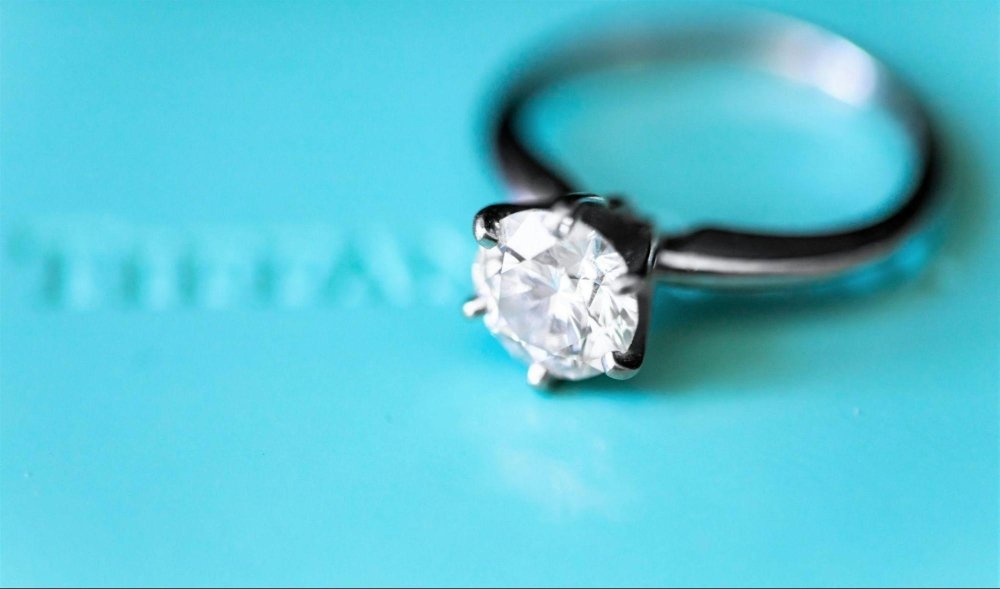
Photo: Unsplash.com
The floating diamond effect is more than just a fleeting trend; it is a testament to the evolution of jewelry making. By refining the bezel setting into a sleek, light-enhancing tool, jewelers have created a style that honors the diamond above all else. Whether adorned on a ring finger or draped around the neck, these pieces offer a modern look that speaks of sophistication, security, and effortless style.